CU
Rio Tinto posts highest first-half earnings in four years as data centre boom boosts copper
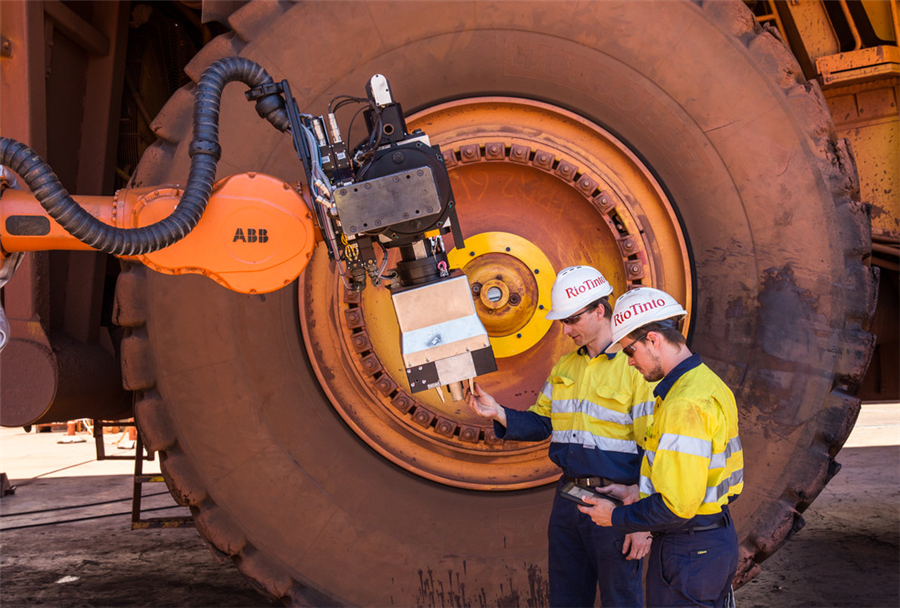
Rio Tinto posted its highest half-year underlying earnings in four years on Wednesday as performance from its copper and aluminum units tied to energy demand outshone profits from mainstay iron ore for the first time.

The world’s largest iron ore miner is now deriving around 56% of its profit from copper and aluminum combined, boosted by electrification and AI megatrends as CEO Simon Trott executes on a simpler and sharper strategy in his first year in the job.
It joins BHP in reaping gains from stronger copper demand, with the peer company reporting in February it gained more profit in the half-year ending in December from the red metal than from iron ore.
Rio reported underlying earnings of $6.85 billion for the six months ended June 30, up 43% from $4.81 billion a year earlier and broadly in line with a Visible Alpha consensus estimate of $6.80 billion.
While the result met analysts’ expectations and delivered on productivity promises, the company fell short of any major announcements related to optimizing its portfolio of assets and infrastructure, said Andy Forster, a stock portfolio manager at Argo Investments in Sydney.
“It was an in-line result,” Forster said, adding the lack of news around plans to optimise the assets was “slightly disappointing.”
In December, Rio said it could unlock $5 billion to $10 billion in cash through portfolio management and infrastructure initiatives. On Wednesday it said it expects to achieve half of that by the end of the year.
Part of that will be through the agreed sale of its share of a seawater desalination plant in Dampierin, Western Australia, Trott told a media call on Wednesday, but Rio did not disclose the sale amount.
Trott said the miner had delivered a “step-change in performance” in the first half, helped by higher commodity prices, rising copper output and productivity gains across the business.
“We are seeing shifts really across all of our commodities in terms of underlying demand,” he said, flagging growing data centre and grid storage battery demand for copper and lithium.
Rio rose 4.5% to A$178.71 as of 02:29 GMT, while the benchmark index gained 0.8%.
Productivity momentum
Productivity growth delivered $870 million in benefits in the first half despite headwinds from high diesel prices and the strengthening Australian dollar, and Rio said it was on track to generate annualized gains of $1.8 billion by year-end.
“That was a very strong performance, and there’s a lot more to come,” CFO Peter Cunningham told Reuters.
Major miners and their lobbyists have asked Canberra for help in pushing back against China’s efforts to extract better terms for their iron ore, including raising the prospect of a single selling desk for Australia’s most valuable commodity export.
Asked about whether Rio would support such an effort, Trott said that Rio’s focus would be “solely” on its own business and “capturing synergies with adjacent producers in ways we probably haven’t done before.”
The company flagged challenges to its goal to cut emissions by 50% from 2018 levels by 2030, warning that depended on the timely delivery of third-party renewable energy projects and commercial agreements that could not be guaranteed.
Underlying earnings before interest, taxes, depreciation and amortization (EBITDA) surged 84% to $5.7 billion for its copper division, while iron ore generated underlying EBITDA of $6.8 billion, down 1% from a year earlier.
The miner declared its highest interim dividend in four years at $2.11 per share, compared with $1.48 per share a year earlier. It kept its 2026 production and sales forecasts unchanged.
(By Roshan Thomas, Sneha Kumar and Melanie Burton; Editing by Sriraj Kalluvila, Lincoln Feast and Christian Schmollinger)
Chile posts weakest copper output for second quarter in 19 years
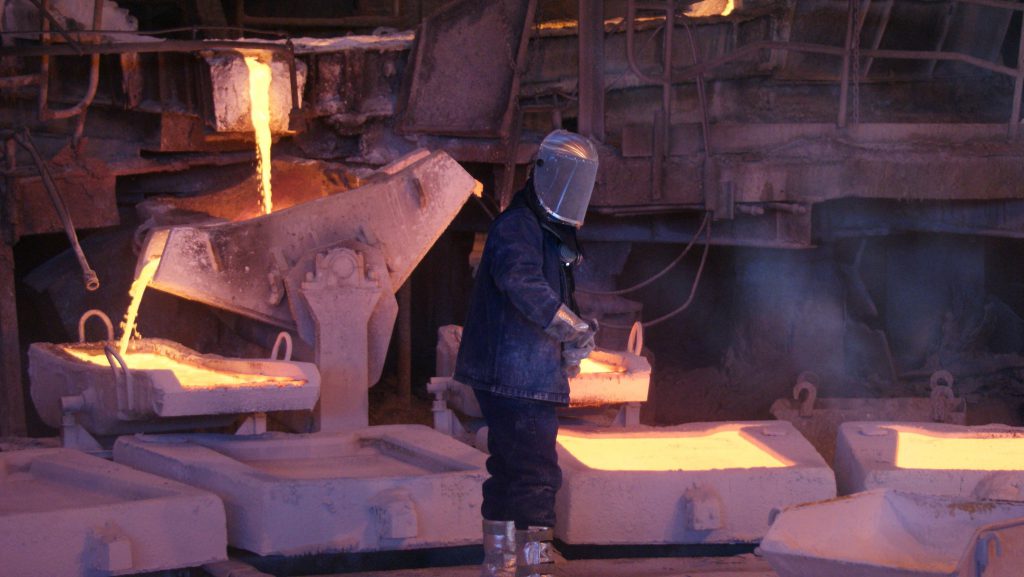
Chile registered its weakest second quarter of copper production in data going back to 2007, underscoring the challenge facing the world’s biggest supplier as aging mines struggle to lift output despite billions of dollars of investment.
Production fell 7.7% from the same quarter last year to 1.27 million metric tons, despite a recovery in June, according to calculations based on monthly data published Friday by the statistics bureau. It’s the lowest for an April-June period in a series going back 19 years.

The country that accounts for a quarter of the world’s mined copper is struggling to reignite growth in the industry with major producers including Codelco and BHP Group investing heavily to counter declining ore grades and increasingly complex operations.
While Chile’s second quarter improved 3.6% from the first, that seasonal rebound is typical for Chile’s mining industry. Looking ahead to the third quarter, July production may have been impacted by disruptions due to heavy storms lashing the central region.
Chile’s struggles reflect a broader theme across the global industry, where producers are grappling with aging ore bodies and challenging new projects, reinforcing concerns that supply will struggle to meet new demand from electrification, artificial intelligence and power infrastructure. Prices are trading near record highs partly as a result.
“Copper mine supply could stay tight in 2026, supporting a constructive price view” as accident-related disruptions and slow recoveries at major mines offset new output, said Bloomberg Intelligence analyst Grant Sporre.
(By James Attwood)
Lundin says Chile mine restart after storm may take 2-3 weeks
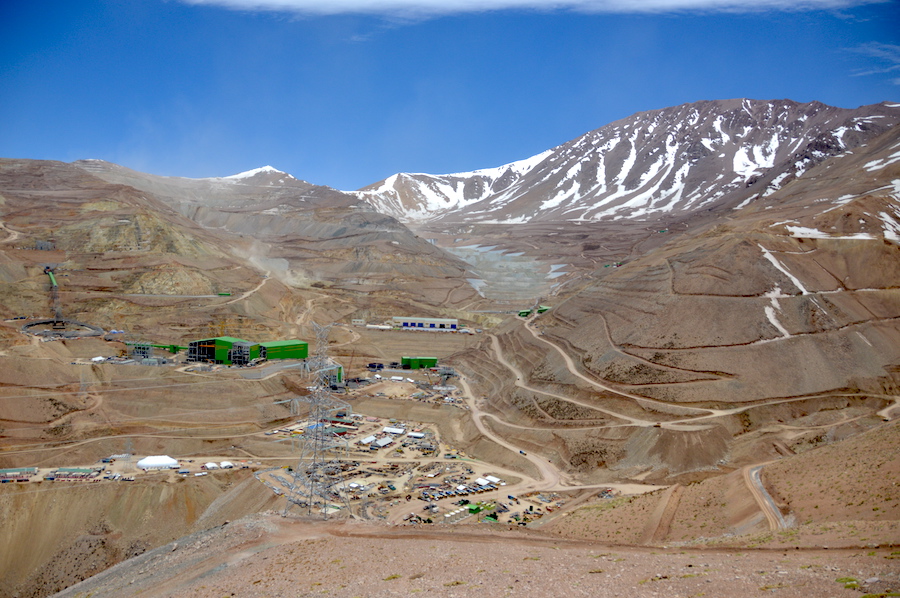
Lundin Mining Corp. said it may take about two to three weeks to restart operations at one of its key copper mines in Chile after severe storms damaged infrastructure.
Heavy rain and snow last week damaged two power-line towers that serve Lundin’s Caserones mine, which has been without power since July 18, the Vancouver-based company said in a Monday statement. Teams have been mobilized to repair the damage, while access roads are being progressively reopened.
The outage could erase about 10,000 tons of copper output, putting Caserones’ guidance of 130,000 to 140,000 tons for this year at risk unless production rebounds in the fourth quarter, Bloomberg Intelligence analysts Alon Olsha and Salma Belmaachi said in a Monday note.
Shares of Lundin fell as much as 3.3% in Toronto.
Chile is recovering from deadly winter rains that swelled rivers and triggered mudslides for days, as crews clear blocked segments of the copper-exporting country’s main highway in normally arid north-central regions. The storms also forced temporary disruptions at assets owned by Teck Resources Ltd., Codelco and Antofagasta Plc.
(By Sybilla Gross)

No comments:
Post a Comment