China competing with itself in the global robot race
_Cropped_2.jpg)
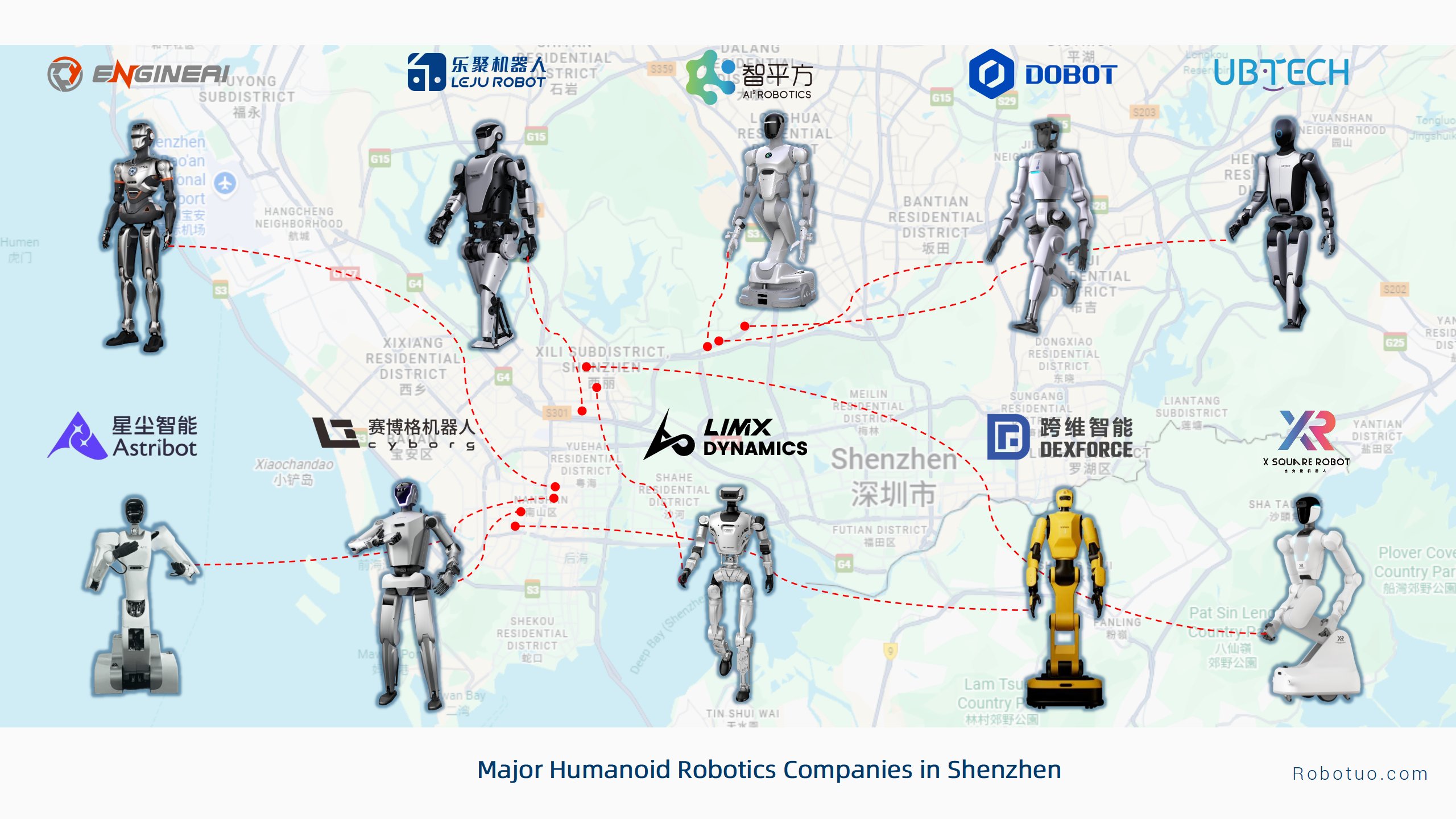
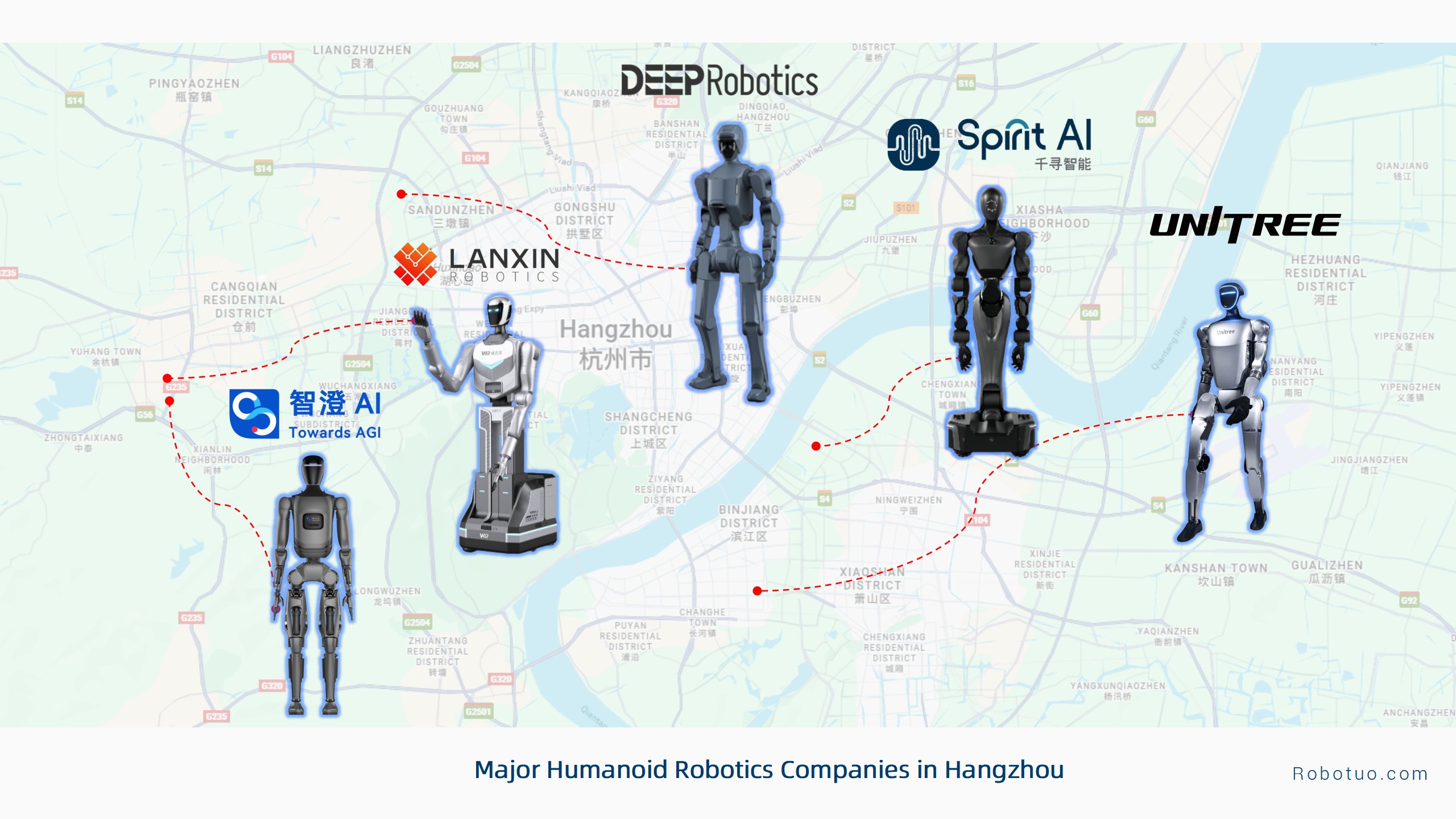
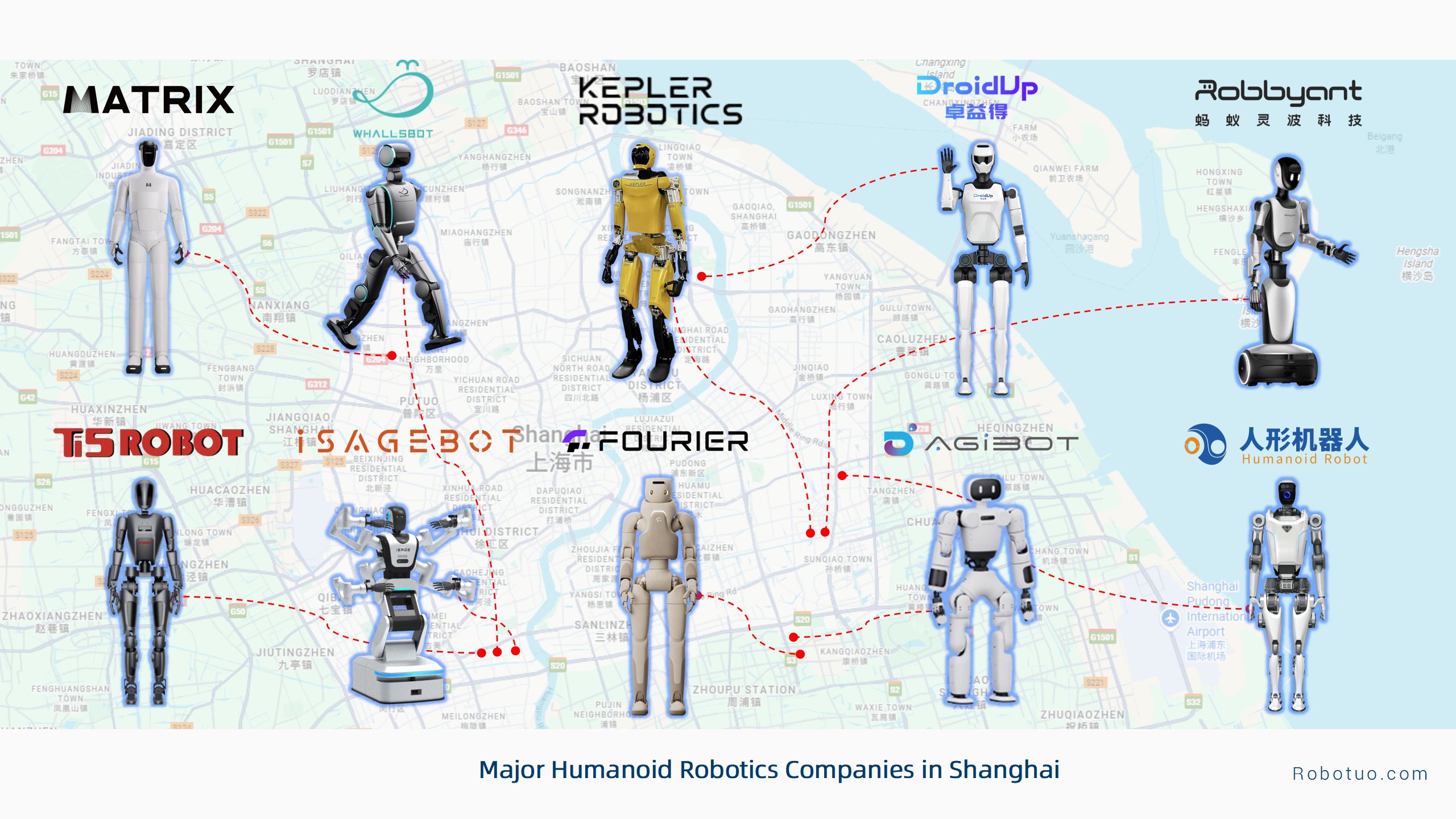
The global race to develop and deploy humanoid robots is no longer being led by nations but by cities. It’s not a question of the US against China, as there is no competition. The real competition is amongst the Chinese cities of Shenzhen, Shanghai and Hangzhou -- the new global centres of robotics innovation and commercialisation. The rest of the world is not even an also-ran in this race.
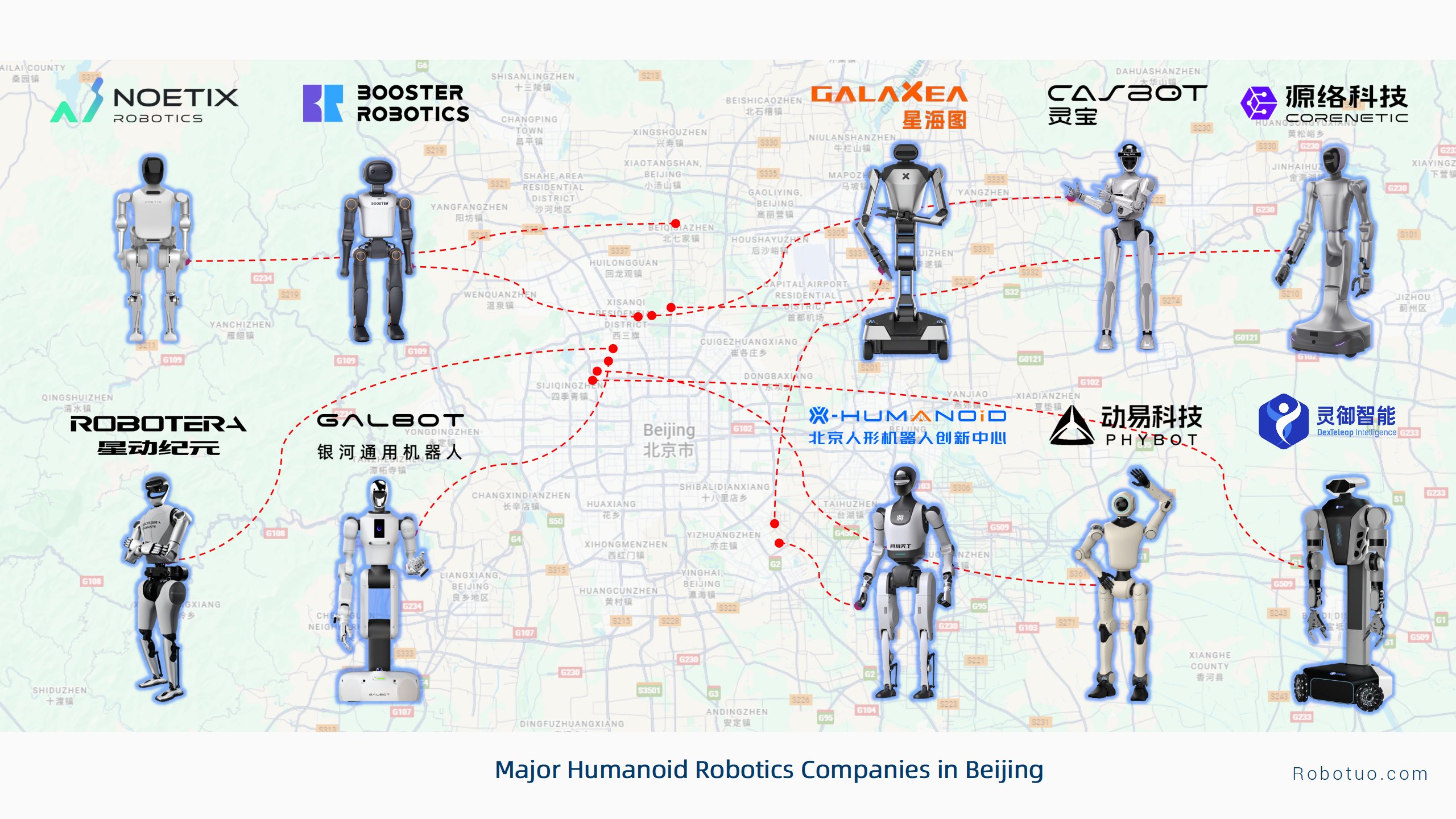
China is already home to at least 35 credible humanoid robotics companies, several of which are global leaders in terms of units sold and deployment at scale.
“By my count there's already 35 strong humanoid robot companies in China, including the global leaders in sales and volume,” Bertrand stated. “Several of these companies already have commercialised robots actually deployed at scale.” One example is Unitree Robotics, based in Hangzhou, which offers its G1 humanoid robot to consumers for $13,500, according to its official website. The robot is publicly available for purchase, unlike most of its Western counterparts.
By comparison, Bertrand noted that the United States has six notable humanoid robotics firms or products: Tesla’s Optimus, Figure AI, Agility Robotics’ Digit, Boston Dynamics’ Atlas, Apptronik’s Apollo, and Sanctuary AI’s Phoenix.
However, “zero have commercialised products that consumers can actually buy today,” he said. “Zero have achieved mass production. All are either in prototype phase, internal testing, or limited industrial pilots.”
“Which means that stunningly, the city of Shenzhen alone, with eight humanoid robot companies, probably outcompetes the entire US industry today,” Bertrand commented. “If the US can't compete with a single Chinese city, then clearly the race is between Chinese cities.”
Shenzhen, home to some of China's most advanced hardware and robotics clusters, has been rapidly scaling its capabilities in humanoid robotics. The city’s ecosystem benefits from supply chain proximity, rapid prototyping capabilities, and strong local government support for high-tech manufacturing.
Meanwhile, Europe has little presence in the sector. “Europe, meanwhile, true to form, is basically not even in the race at all,” Bertrand said.
In what could potentially be an industrial game-changing development, China unrolled the first mass deployment of robots to take the places of workers in car factories across the country in November. This army can work 24/7, will never go on strike, don’t want tea-breaks, and don’t even need to be recharged, as they can change their own batteries.
In a departure from conventional automation systems, the humanoid machines are designed to literally replace humans on production lines, rather than the robot-orientated production lines that are in wide use now. The robots are designed for flexible factory work and require minimal human supervision.
China is moving beyond being just the largest market for robots — it is becoming the core of global robot production. Chinese firms accounted for over 60% of global robot output in 2024 and 41% of the world’s operational robot stock.
The fast growth is driven by subsidies, procurement programmes, and access to vast domestic datasets for training machine learning models. According to Capital Economics, China now deploys more industrial robots annually than the next five countries combined — including Japan, the United States, South Korea and Germany. According to the Ministry of Industry and Information Technology, China aims to achieve “breakthrough use of humanoid robots in key sectors” by 2027.
By contrast, Russia has been striving to establish local robot production since the international companies fled after the start of the war in Ukraine. But progress has been minimal so far.
The Russian government recognises the gravity of the situation as it gets left behind. In 2024, the Ministry of Industry and Trade announced an ambitious – albeit equally unrealistic – national project aimed at propelling Russia into the top 25 nations in terms of robotisation.

No comments:
Post a Comment