Japan's recent bear attacks blamed on food and land crises
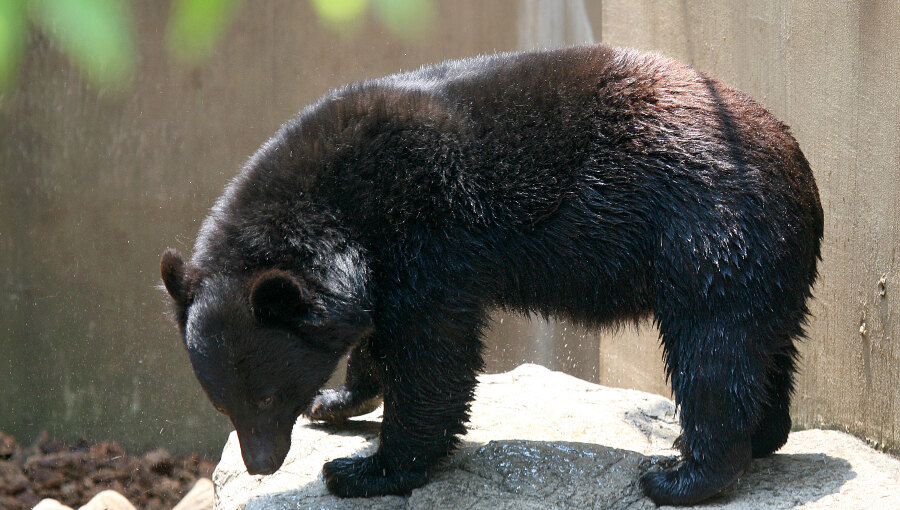
A dangerous rise in confrontations between wild bears and humans is causing widespread concern across Japan, compelling the government to call on its military for assistance. Authorities are now working alongside residents, who are employing cutting edge tools like drone surveillance and alert systems to monitor the movement of these large animals.
Aljazeera reports that the severity of the situation is clear from the casualty figures. Since April 2025, the nation has seen the highest death toll from bear attacks since record keeping began in 2006. According to an October statement from the Ministry of Environment, at least 13 individuals have lost their lives and over 100 more have been hurt.
This surge in bear attacks, which has necessitated military deployment in some areas, underscores a critical ecological and social problem in Japan: the growing conflict between expanding wildlife populations and human settlements, worsened by environmental factors and rural decline.
Japan is home to two primary bear species. The colossal Brown Bear, weighing over 450kg, is predominantly found on the northern island of Hokkaido. The smaller, more numerous Asiatic Black Bear (or Moon Bear), weighing between 80kg and 200kg, inhabits the more densely populated mainland. Both species are involved in the incidents. Encounters with Asiatic Black Bears are more frequent, but Brown Bear attacks are more dangerous. Shota Mochizuki, an associate professor at Fukushima University, told Aljazeera that Black Bears are widely distributed across Honshu and Shikoku, where many people live. He added that attacks by Brown Bears are far more severe because they are significantly stronger and larger animals.
Worst-hit regions and personal accounts
The crisis has been felt most acutely in Japan’s northern prefectures. Japan’s public broadcaster, NHK, reported that the death toll for the year includes four individuals in Akita, five in Iwate, two in Hokkaido, and one each in Nagano and Miyagi.
Bear sightings in Akita prefecture have risen sixfold this year, and bears have attacked over 50 people since May, mostly by Asiatic Black Bears encroaching upon residential districts. For instance, NHK reports that on November 9, a Black Bear assaulted a 78 year old woman in Gojome Town and subsequently attacked a 50 year old woman who came to her aid, though both survived. An elderly woman was killed after encountering a bear while working on a farm in Akita City in late October. The situation is overwhelming, with Kenta Suzuki, the governor of the mountainous region, saying in an Instagram post that the crisis has exceeded the capacity of local authorities.
The dangers have been evidenced by harrowing personal stories. Billy Halloran, a New Zealander, described being severely mauled by an adult Black Bear, estimated to be around 60 or 70kg, while jogging in the woods of Myoko in northern Japan in early October. In an interview, he told CNN that the bear seized his arm and pushed him to the ground, resulting in a broken arm and injured leg that required three surgical procedures and the insertion of metal plates. Attacks are not limited to remote areas; according to NHK, a bear entered a supermarket in Numata city in central Japan in October and injured shoppers.
The severity of the situation has prompted other nations to issue warnings. The US Department of State issued a "wildlife alert" to its citizens, noting the increased sightings near populated zones, and the UK’s Foreign Office warned in late October British travellers against venturing alone into woodland areas.
Experts point to multiple factors driving the escalation. A primary cause is a significant food deficit in the bears’ natural mountain habitats. Mochizuki told Aljazeera that the bears mainly feed on acorns and beech nuts, which have been scarce this year. He said that when natural sustenance is low, bears are more likely to venture into human settlements. According to the Ministry of Environment, a similar spike in attacks occurred in 2023 following poor acorn yields. Some experts say climate change is a reason for the low production.
Furthermore, bear populations are growing. Mochizuki noted that long-term conservation and reduced hunting pressure have contributed to this increase, resulting in more opportunities for bears to encounter humans. Government figures suggest the overall bear population exceeds 54,000. Mochizuki also highlights that rural depopulation is playing a role. He added that as young people move to cities, unmanaged fields and village edges create easy access routes for the animals.
Government response
The Japanese authorities are responding forcefully. Last week, both the country’s military (Japan Self Defence Forces) and riot police were deployed to Akita. Riot police can shoot bears, but the military is legally restricted to national defence and disaster relief. Mochizuki said the military is supporting licensed private hunters by setting traps and removing shot bear carcasses. He explained that hunters hold official licences and firearm permits to conduct nuisance control, including shooting bears when authorised by prefectural governments.
Local residents are using AI-based surveillance and drone technology to detect bears, according to Akita’s mayor. NHK reported that people are also advised to secure food waste and cut down nut-bearing trees near their homes.
Mochizuki said three key long term preventative measures can prove effective: eliminating food sources around human settlements, installing physical barriers like electric fencing, and enhancing early detection through technology and mobile alerts. He stressed the importance of addressing the shortage of hunters and wildlife staff due to the ageing population, calling for increased recruitment and better education for both residents and tourists.

No comments:
Post a Comment