WHAT'S IMPORTANT!
UKMTO: Crew safe after another vessel hit in Strait of Hormuz
08.08.2026, dpa
Another vessel has been attacked in the Strait of Hormuz, the UK Maritime Trade Operations (UKMTO) reported on Saturday, as the security situation in the waterway remains tense.
The UKMTO said it had received a report of an incident 18 nautical miles (33 kilometres) east of the northern Omani port of Al Khasab.
A vessel was hit by an "unknown projectile," causing a fire on board which has been extinguished, according to the report.
The ship and its crew were safe, UKMTO said.
Iranian forces have repeatedly attacked tankers and other vessels in the Strait of Hormuz, a key artery for the global oil and gas trade, since the start of US-led strikes in late February.
The waterway has effectively been closed since, disrupting global trade and sending oil prices soaring.
The reopening of the Strait is a key sticking points in negotiations between Tehran and Washington on a long-term end to the war.
Indian Cargo Vessel Sunk by Bomb-Boat Attack Off Hodeidah, 14 Rescued
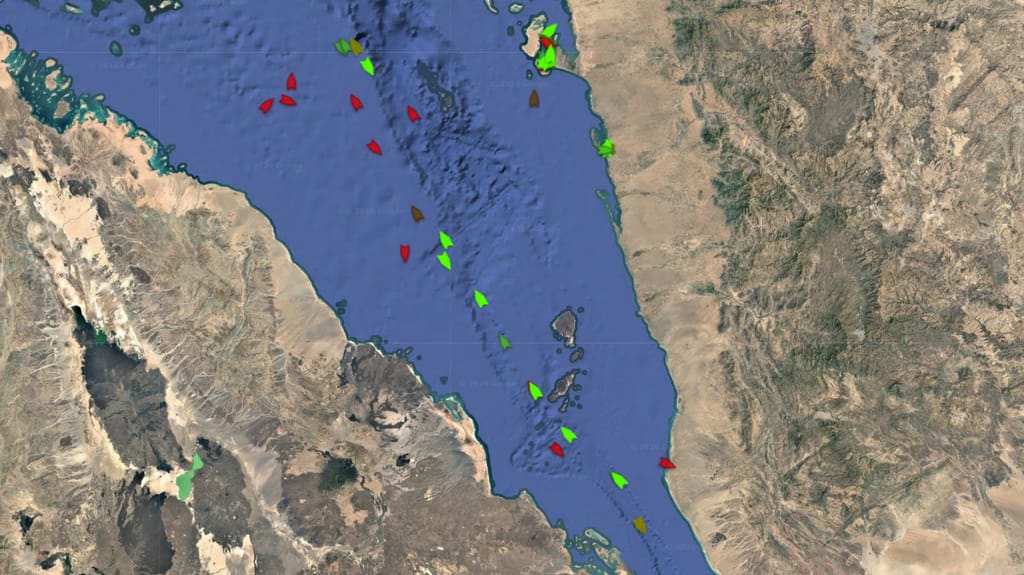
India's shipping ministry reports that an Indian-flagged vessel was hit and sunk in the southern Red Sea, the latest war-risk casualty off the coast of Yemen. Maritime security consultancy Windward identified the incident as a bomb-boat attack. As of Tuesday, no group has claimed responsibility for the strike.
Indian Ports, Shipping and Waterways Minister Sarbananda Sonowal said in a brief statement that the vessel Faize Noore Oliya was attacked and sunk off the coast of Yemen on August 4. All crewmembers aboard were rescued by the coast guard of the internationally-recognized Yemeni government.
13 members of the crew are Indian nationals, and the nearest Indian embassy - in Riyadh - is working with Yemeni authorities to ensure their wellbeing.
"I have instructed the Director General Maritime Administration (DGMA) to take immediate steps, in coordination with all agencies, to ensure the absolute security of Indian seafarers in the region and provide all necessary assistance to the rescued crew," Indian Ports, Shipping and Waterways Minister Sarbananda Sonowal wrote in a statement.
India's ministry of foreign affairs added in a statement that "the targeting of commercial shipping in the region must end, and free and unimpeded navigation . . . must be restored at the earliest."
Consultancy Windward put the location of the sinking at a site about 13 nm to the south of Hodeidah, a port controlled by Yemen's Houthi rebels. The group has imposed a blockade on Saudi shipping, and has attacked as many as four Saudi-flagged vessels since last month. It has pledged to allow free navigation for all other traffic, but in past conflicts, it has had a history of striking targets that appear to be unrelated to its military objectives. Houthi forces have not claimed responsibility for the strike.
Windward's tracking suggests that the Oliya had a history of AIS-dark operations, including the 44-day period immediately prior to the attack. Known calls before the incident included visits to the UAE, Oman and Djibouti.
Report: U.S. Officials Back Plan for Iran & Oman to Split Control of Hormuz
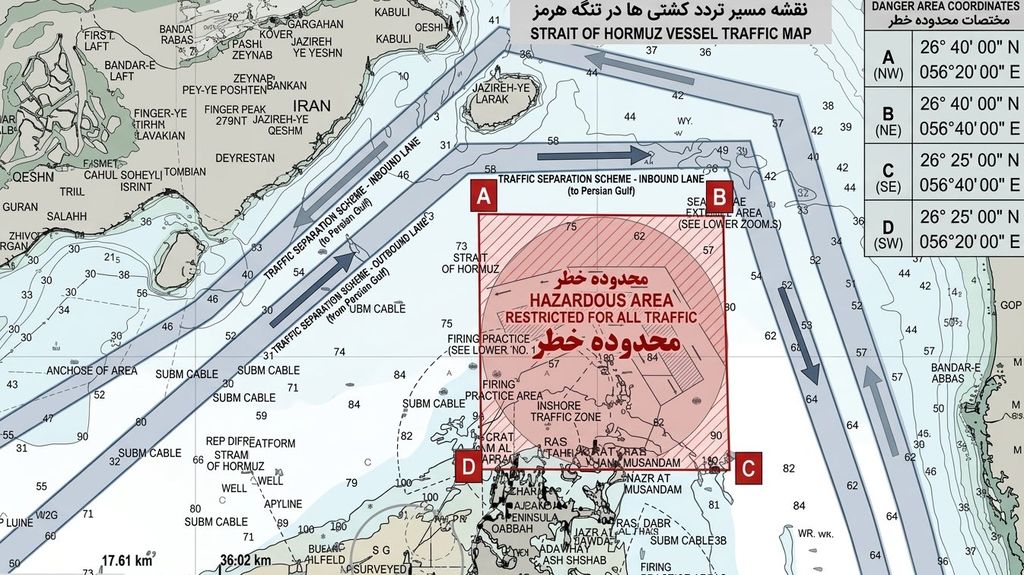
The U.S. government is on board with an Iranian proposal to split control of the Strait of Hormuz with Oman, and plans to portray it as a "temporary" measure needed to restart ship movements, according to The Guardian's Patrick Wintour.
"[The] U.S. thinks the deal can be sold domestically as an interim fix," said Wintour in a social media statement, adding that other regional actors are in favor of the plan.
The general contours - reported by multiple outlets - suggest that there will be a northern inbound lane controlled by Iran and a southern outbound lane in Omani waters. Axios' Barak Ravid, who maintains close connections with the White House, reports that the interim solution is supposed to last for 60 days, initially free of any fees for shipping, and will be followed by mine clearance in the center of the strait. This deal has been agreed by Iranian leadership, regional stakeholders and the U.S., Ravid's sources report, and an announcement is set for Wednesday.
In the long run, Iran's terms for a durable ceasefire conflict with U.S. priorities: Tehran's hard-line leadership has consistently demanded a right to exercise long-term control over the strait, to include a right to charge "service fees" for passage, and has launched attacks on neutral shipping to enforce its claims. The White House has portrayed a fee-for-passage scheme as a non-starter (if conducted under Iranian governance).
But since Sunday, the administration has signaled - as it has in previous cycles of the conflict - that a deal to reopen the strait is imminent.
"I think there is a chance for a deal today or tomorrow to open the strait," said Treasury Secretary Scott Bessent in an interview Tuesday morning. Asked if Iran would be allowed to charge any fee under this scheme, Bessent said that the deal would provide for "freedom of movement," without clarifying the financial aspect. The news of an imminent deal follows just days after the White House backed away from plans for a vigorous bombing campaign targeting Iran's energy sector. Multiple Iran analysts had argued that additional bombardment would not be effective in changing Iran's negotiating position or dislodging the existing regime; in addition, Iran could be expected to retaliate with missile and drone strikes on U.S. bases and Gulf energy infrastructure, forcing the U.S. to expend increasingly scarce air defense interceptors.
"To end the confrontation the administration will be forced to lift the maritime blockade and [restore] the sanctions waiver that allowed Iranian oil exports. That reality has shaped the negotiations from the beginning," said policy commentator Danny Citrinowicz, former head of the Iran analysis desk at Israeli Defense Intelligence. "If this is ultimately the agreement that emerges, it may be the least bad option available to the Trump administration under current circumstances, especially given its clear desire to avoid another round of military escalation."

No comments:
Post a Comment