EU Calls for Maritime Service Ban Targeting Russia's Shadow Tanker Fleet
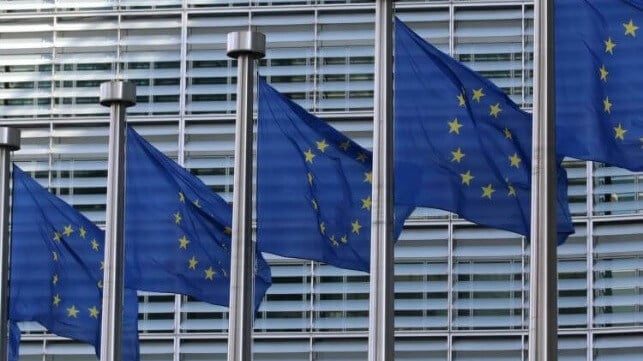
The European Commission, the executive branch of the European Union, took the wraps off its proposed 20th sanction package against Russia since the start of the war in Ukraine, saying the time has come to slash Russia’s energy revenues. The proposed new package again targets the shadow fleet and Russia’s energy industry, as well as adding further sanctions on imports and exports and Russia’s regional banks.
The EU notes that “important peace talks are underway in Abu Dhabi,” with EU President Ursula von der Leyen saying, “We must be clear-eyed, Russia will only come to the table with genuine intent if it is pressured to do so. This is the only language Russia understands.”
In announcing the proposed new effort, the EU contends its sanctions are having a dramatic impact on the Russian economy. It said that Russia's fiscal revenues from oil and gas dropped by 24 percent in 2025 compared to the previous year. The EU contends it is at the lowest level since 2020, and is contributing to Russia’s widening fiscal deficit.
“Oil and gas revenues in January will be the lowest since the war began. Interest rates stand at 16 percent, and inflation remains high,” said von der Leyen.
The new package is designed to increase the pressure even further and timed to the fourth anniversary of the invasion of Ukraine in February 2022. The package requires the approval of the EU member states, and portions need to be coordinated with the G7. It targets energy, financial services, and trade.
The EU is calling for a “full maritime services ban for Russian crude oil.” It said the new ban would slash Russia’s energy revenues and make it more difficult to find buyers for the oil. The goal is also to make it more difficult for Russia to attract more tankers into the shadow fleet to maintain the oil trade.
The EU would also add another 43 tankers to its sanctions, bringing the total to 640 vessels. This is in addition to sweeping bans on providing maintenance and other services for LNG tankers and icebreakers.
This comes after the EU started in January using a formula to create a sliding scale on the existing oil price cap. It also said it would start a rolling list of tanker sanctions, adding vessels at regular intervals.
The new import bans will include metals, chemicals, and critical minerals not yet under sanctions. The EU estimates the value at over €570 million. The export restrictions would include technologies Russia uses to produce explosives. The EU proposes a quota on ammonia to cap existing imports. It would also target 20 more Russian regional banks and tighten the ban on goods ranging from rubber to tractors and cybersecurity services. The EU sets the value of the ban on these goods at €340 million.
Another element of the new package seeks to cut sanction evasion. For the first time, the anti-circumvention tool would prohibit exports of certain computer and radio equipment to jurisdictions where the EU says there is a high risk that the products would be re-exported to Russia.
US Sanctions More Tankers as Indirect Talks with Iran Begin
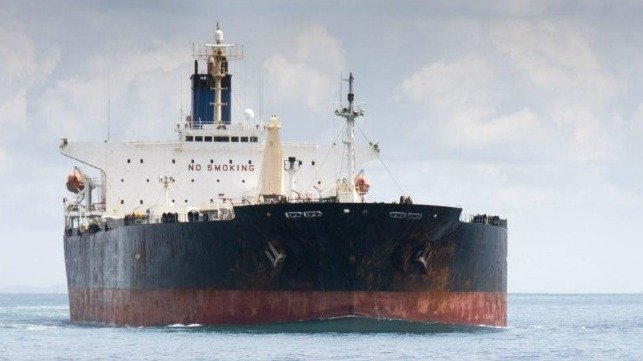
The U.S. State Department announced on Friday morning, February 6, that it was adding to the list of sanctioned tankers and companies supporting Iran’s oil industry as it seeks to keep up the pressure on Tehran. The move came as U.S. officials and Iran’s Foreign Minister were starting indirect talks in Oman.
The State Department accused the latest batch of vessels of continuing the efforts to move millions of barrels of Iranian crude oil and playing a key role in the Iranian export supply chain. The announcement encompassed 14 tankers and 15 entities involved in the trade, as well as four entities that the U.S. said have engaged in the transshipment, sale, and purchase of Iranian-origin petrochemical products.
The listing includes companies based in the United Arab Emirates, China, India, Kazakhstan, and Turkey, as well as front companies set up in the Seychelles and Marshall Islands. Two individuals associated with the trade were also included.
The vessels run the gamut with crude oil tankers registered in Barbados and Cameroon, and one tanker, which the U.S. reports is falsely flagged in Aruba. It also includes oil product tankers registered in Panama and Barbados, as well as LPG tankers registered in Palau, Panama, and San Marino.
“The?United States will continue to?act?against the network?of?shippers and traders?involved in the transport and acquisition of Iranian crude oil,?petroleum products, and petrochemical products, which?constitutes?the regime’s primary source of income,” said the U.S. State Department.
The NGO United Against Nuclear Iran highlights that it had identified seven of the 14 vessels sanctioned today as evading sanctions. The group’s online tracking of the tanker fleet lists more than 190 tankers that have been sanctioned since 2020.
The new sanctions were announced as the indirect meetings commenced in Oman. Iran’s foreign minister said the talks had been “a good start,” and that they expected them to continue. Abbas Araghchi said the talks were focused on the “nuclear issue,” but the U.S. had said they would also include ballistic missiles and Iran’s support for regional military groups.
A report released by The New York Times today concluded that Iran is working on restoring its ballistic missile capabilities and nuclear sites after the attacks last year by the United States and Israel. It writes that an analysis of satellite imagery suggests Iran has repaired several ballistic missile facilities but made little progress on its nuclear sites.
Donald Trump had said in an interview with NBC News that Iran’s leadership should be “very worried.” He continues to emphasize the U.S. armada and says the U.S. is ready to strike to end Iran’s nuclear ambitions and aggression in the region.

No comments:
Post a Comment