Hyundai says can't buy back Russian plant as buyback deadline looms
South Korean automaker Hyundai Motor Group, in the current situation, cannot" exercise its right to buy back its former St Petersburg plant due to the Ukraine conflict, with the buyback option expiring in January, US-based Reuters and Russian Tass reported on December 29.
The Hyundai Motor plant opened in 2010, producing Hyundai Solaris, Hyundai Creta and Kia Rio models with annual output exceeding 200,000 vehicles. The facility halted production in March 2022 following the start of Russia's military operation in Ukraine due to component supply disruptions. The company has been registering and maintaining trademarks in Russia, which analysts read as keeping the door open for a possible re‑entry once sanctions or political risks ease, though the firm says it is not yet ready to buy back its former plant.
"This is not a situation in which we can buy back [our] shares," a source familiar with internal company discussions stated, according to TASS. The source did not specify reasons but indicated the Ukraine conflict must be concluded.
The right to buy back the former plant expires in January. The agency does not have information on whether Hyundai Motor may attempt to negotiate an extension of the buyback right deadline.
The South Korean automotive giant sold its St Petersburg plant in 2024 for a symbolic sum with a two-year buyback option. According to South Korean media, the price was approximately RUB10,000 (KRW140,000, $120).
Hyundai Motor told the agency that a final decision on the matter has not been taken. AGR Automotive Group, the new owner, produced a test batch of Chinese brand GAC vehicles at the former Hyundai plant on December 17.
Production of automobiles under the new Solaris brand was previously launched there. First Deputy Prime Minister Denis Manturov stated on December 26 that all automotive plants abandoned by foreign companies in Russia will be operational by summer 2026.
Japanese automaker Mazda has reportedly resumed deliveries of its vehicles to Russia via intermediated import channels, drawing criticism that renewed sales and tax contributions could indirectly support the Russian state, the Business and Human Rights Centre previously reported.
Ariston Holding (Italian white goods and heating firm) plans to restart operations at its Russian plant after the Kremlin restored control of the unit to the company, making it one of the clearest industrial “return” cases this year.
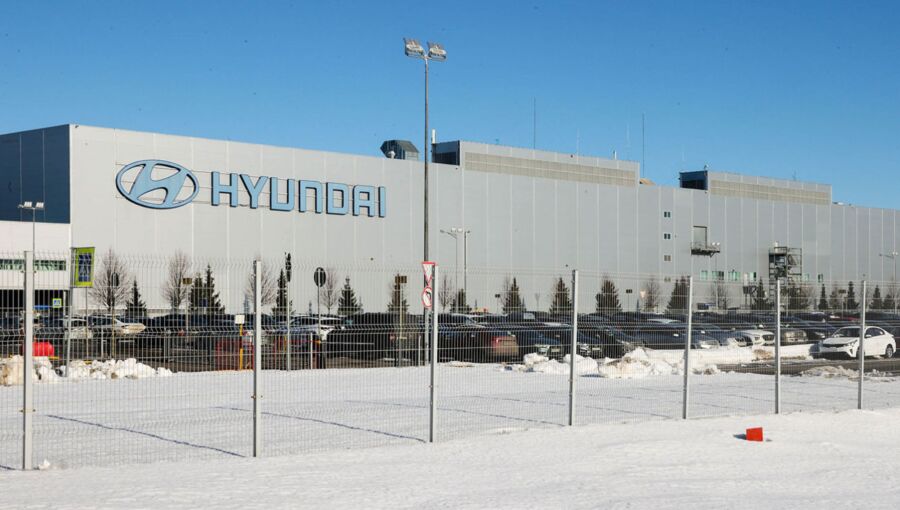
South Korean automaker Hyundai Motor Group, in the current situation, cannot" exercise its right to buy back its former St Petersburg plant due to the Ukraine conflict, with the buyback option expiring in January, US-based Reuters and Russian Tass reported on December 29.
The Hyundai Motor plant opened in 2010, producing Hyundai Solaris, Hyundai Creta and Kia Rio models with annual output exceeding 200,000 vehicles. The facility halted production in March 2022 following the start of Russia's military operation in Ukraine due to component supply disruptions. The company has been registering and maintaining trademarks in Russia, which analysts read as keeping the door open for a possible re‑entry once sanctions or political risks ease, though the firm says it is not yet ready to buy back its former plant.
"This is not a situation in which we can buy back [our] shares," a source familiar with internal company discussions stated, according to TASS. The source did not specify reasons but indicated the Ukraine conflict must be concluded.
The right to buy back the former plant expires in January. The agency does not have information on whether Hyundai Motor may attempt to negotiate an extension of the buyback right deadline.
The South Korean automotive giant sold its St Petersburg plant in 2024 for a symbolic sum with a two-year buyback option. According to South Korean media, the price was approximately RUB10,000 (KRW140,000, $120).
Hyundai Motor told the agency that a final decision on the matter has not been taken. AGR Automotive Group, the new owner, produced a test batch of Chinese brand GAC vehicles at the former Hyundai plant on December 17.
Production of automobiles under the new Solaris brand was previously launched there. First Deputy Prime Minister Denis Manturov stated on December 26 that all automotive plants abandoned by foreign companies in Russia will be operational by summer 2026.
Japanese automaker Mazda has reportedly resumed deliveries of its vehicles to Russia via intermediated import channels, drawing criticism that renewed sales and tax contributions could indirectly support the Russian state, the Business and Human Rights Centre previously reported.
Ariston Holding (Italian white goods and heating firm) plans to restart operations at its Russian plant after the Kremlin restored control of the unit to the company, making it one of the clearest industrial “return” cases this year.

No comments:
Post a Comment