Thursday, July 17, 2025


EU Alarmed As Serbia Prepares For Military Drills With China – Analysis


By 

By Ljudmila Cvetkovic


(RFE/RL) — Serbia will conduct military training exercises with China this month, becoming the first-ever EU candidate to do so as the two countries take a new step toward deepening military cooperation.

China’s Defense Ministry said the “Peacekeeper 2025” training will be comprised of special units from the Chinese and Serbian armies and held in Hebei Province, northern China, in the second half of July.

The Balkans region has become strategically important for China, which has invested in massive infrastructure projects there. In particular, it has signed a free-trade agreement with Serbia, while Belgrade has purchased weapons from Beijing, becoming the first European country to acquire a Chinese air defense system.

Serbia’s friendly policies toward Beijing — as well as Moscow — have set off alarm bells in Brussels, which has issued multiple warnings to Belgrade, which aims to join the bloc.

That tone was evident in the EU’s assessment of the planned military training with China, with Brussels saying Serbia should refrain from “actions and statements that contradict the EU’s foreign policy positions.”


In response to questions by RFE/RL, an EU spokesperson said that the bloc wants to know it can count on Serbia as a reliable European partner committed to common principles, values, and security.

“We need Serbia to assure us of its strategic orientation,” the spokesperson added.

As a candidate country, Serbia is obliged to align its foreign policy with that of the EU, which Brussels has repeatedly brought to Belgrade’s attention.

Serbia maintains military neutrality and is a member of NATO’s “Partnership for Peace” program, with EU accession as its strategic goal.

Belgrade’s Balancing Act

However, Belgrade continues to balance its foreign policy between the West, China, and Russia, which is currently under Western sanctions due to its invasion of Ukraine.

Security analyst Nikola Lunic warned that these joint drills “undermine Serbia’s proclaimed EU orientation.”

Lunic told RFE/RL that “interoperability between Serbian and Chinese units sends a clear message to the West.”

Last July, Chinese forces held maneuvers with the Belarusian Army directly on NATO’s border during a summit of the military alliance’s leaders in Washington where there was sharp criticism of Beijing for its support of Russia.

While the stated goal by China’s Defense Ministry is to “improve combat capabilities and deepen cooperation,” neither Serbia’s Defense Ministry nor the Chinese Embassy in Belgrade disclosed details on participants or the numbers expected to be involved in Peacekeeper 2025.

There is no clarity either on whether future joint training will be hosted in Serbia, a common practice in such collaborations.

Lunic argues the drills fit the profile of a full military exercise, not simply training, due to their scope and branding.

NATO did not respond to a request by RFE/RL for comment on the drills.

Chinese Weapons In Serbia’s Arsenal

Serbia’s military cooperation with China is most visible in its recent acquisitions.

The Serbian Army procured six CH-92A drones in 2020 and unveiled the CH-95 at an exhibition in 2023, but official numbers remain undisclosed.

In 2022, Serbia received the FK-3 air defense system, making it the first European operator of this advanced Chinese missile tech.

Late in 2024, Belgrade confirmed that Serbian personnel had received training in China on the FK-3 system, capable of targeting a range of aerial threats.

Washington and Brussels have repeatedly expressed concern over Serbia’s procurement of Russian and Chinese arms, especially after Russia’s full-scale invasion of Ukraine in February 2022.

In the wake of the invasion, Serbia imposed a moratorium on joint military exercises with foreign partners, exempting only the “Platinum Wolf” international exercise — historically held in Serbia with the participation of several NATO members, including the United States.

Lunic argues this selective application of the moratorium undermines the credibility of Serbia’s proclaimed neutrality.

Security Ties Before Military Drills

This is not the first example of security cooperation between Belgrade and Beijing.

Joint police exercises and patrols have taken place since 2019, demonstrating a broader trend of intensified cooperation.

Vuk Vuksanovic of the Belgrade Centre for Security Policy points to the Global Security Initiative, highlighting increased military and police education exchanges and the rapid adoption of Chinese technology, surveillance, and police equipment by Serbia.

From Belgrade’s perspective, this deepening cooperation is consistent with its “multi-vector” foreign policy, using partnerships with diverse global actors, including NATO, Russia, the EU, and China, to maximize its leverage and independence on the world stage.

China’s Broader Goals And Growing Trade

Vuksanovic said that, for China, military collaborations such as Peacekeeper 2025 serve two key interests: gaining international operations experience and boosting its profile as a major power, especially given resistance from EU states against deepening partnerships with the Chinese military.

After a humanitarian-focused joint drill with Germany in 2019, and anti-terrorism exercises with Belarus in 2024, the Serbia exercise represents a new chapter in Beijing’s military diplomacy with Europe.

Economically, China’s influence in Serbia is growing. Xi Jinping’s May 2024 visit to Belgrade resulted in a declaration to deepen the strategic partnership and “build a Serbia-China community with a shared future in a new era.”

China is now Serbia’s top trade partner for imports, with €5.13 billion euros ($5.95 billion) recorded in 2024, and remains a vital source of investment, loans, and diplomatic support in international institutions, especially regarding Kosovo’s independence.

  • Ljudmila Cvetkovic is a correspondent with RFE/RL’s Balkan Service. 

RFE/RL journalists report the news in 21 countries where a free press is banned by the government or not fully established.
The Netherlands trials first self-driving bus on route to Rotterdam The Hague airport


Copyright EBU

By Emma De Ruiter
Published on 17/07/2025 


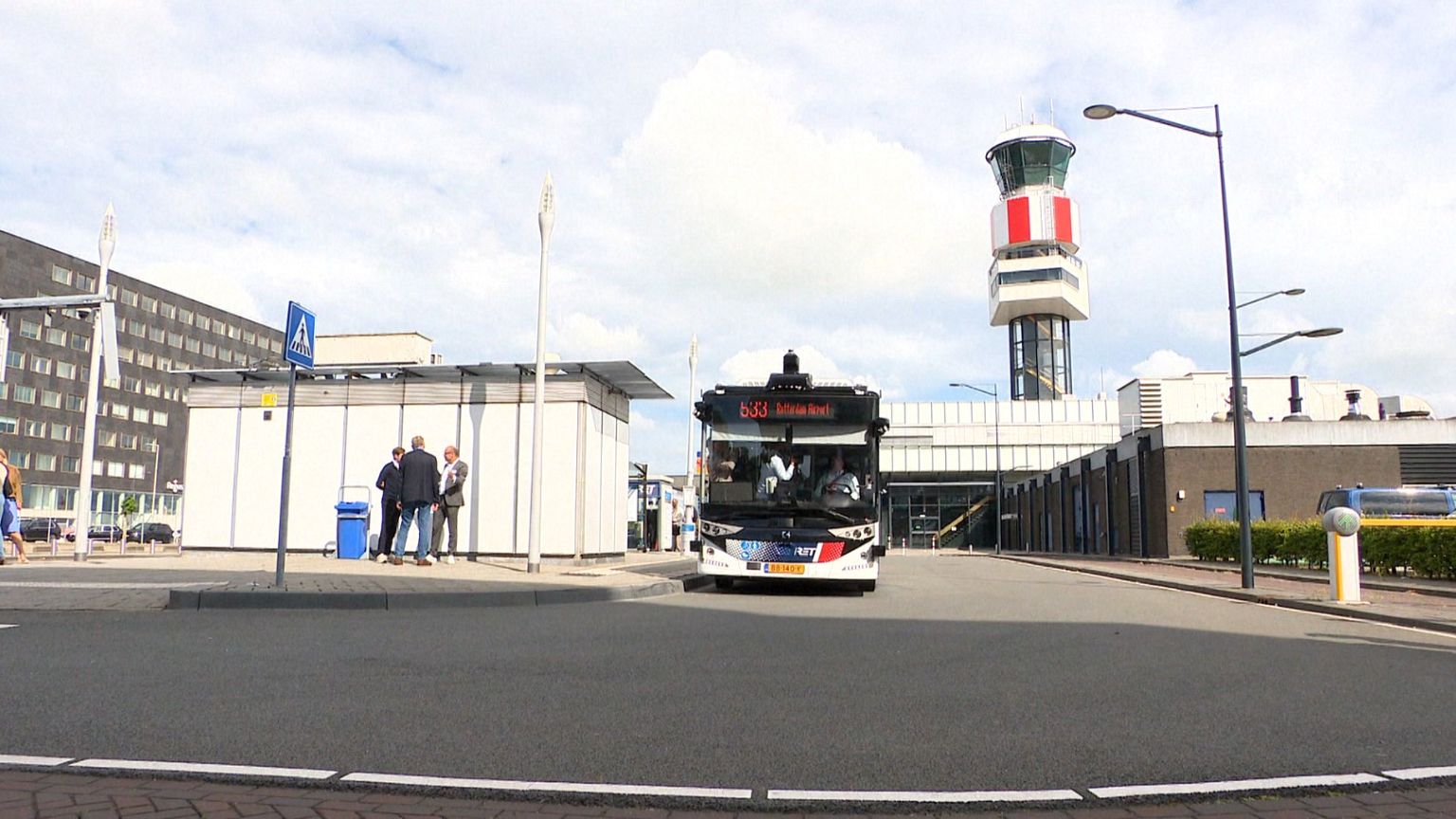
Starting on 1 August, a self-driving bus will be driving autonomously on public roads in Rotterdam for the first time.

After years of preparation, the Netherlands' first self-driving bus is ready to hit the streets.

Starting 1 August, passengers will be able to start taking the driverless shuttle to Rotterdam The Hague Airport, which had its first test run last Friday.

For now, a driver will still be present on board to monitor the operation and to prepare the autonomous system so it can eventually take over.

A spokesperson for RET, Rotterdam's bus company, Tessa Dronzek told local media that "the current laws and regulations do not yet allow self-driving vehicles on public roads that do not have someone in them who can intervene if necessary."

RET Director Linda Boot said bus drivers should not be worried about losing their jobs.


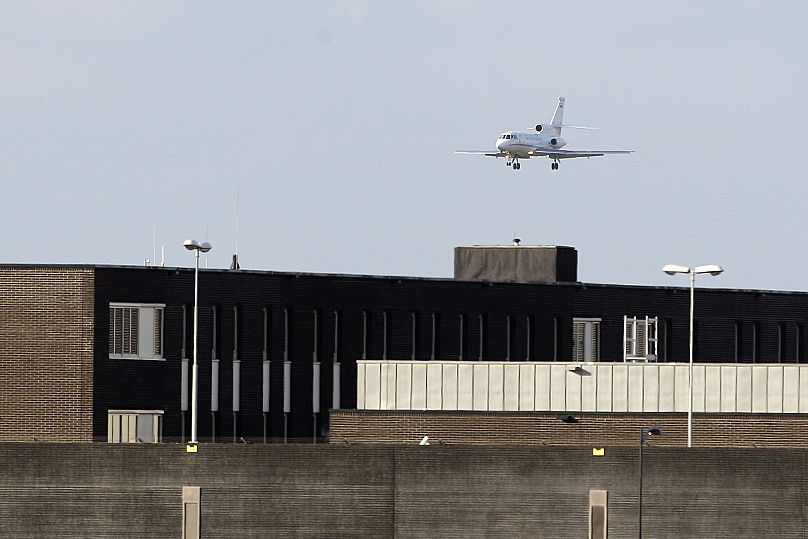
A plane approaches Rotterdam The Hague Airport in the Netherlands, 31 May, 2011 AP Photo

"We are currently hiring hundreds of people a year. That shortage won't change in the future. We really need this to solve a problem," she said.

The bus uses cameras, sensors and radar systems and is completely safe to enter traffic, says Rotterdam The Hague Airport, emphasising that the National Road Administration has given approval for the buses to enter public roads after "extensive testing."

It added that the route, which runs between the airport and the Meijersplein metro station, is clear and contains few complex traffic situations, making it suitable for automated buses.


Tesla says 'Full Self Driving' cars expected in Europe early next year pending regulatory approval

It will take some years before self-driving vehicles can drive independently with other vehicles in traffic. More technological development is still needed and laws need to be adapted.

"We must first learn from this pilot before further development can take place," a spokesperson for RET said.

The trial of self-driving buses on public roads is a collaboration between DAM Shuttles, RET, Rotterdam The Hague Airport, Metropoolregio Rotterdam Den Haag, HTM and the municipality of Rotterdam.


Varna mayor's arrest sparks protests in Bulgaria and diplomatic tensions with Germany

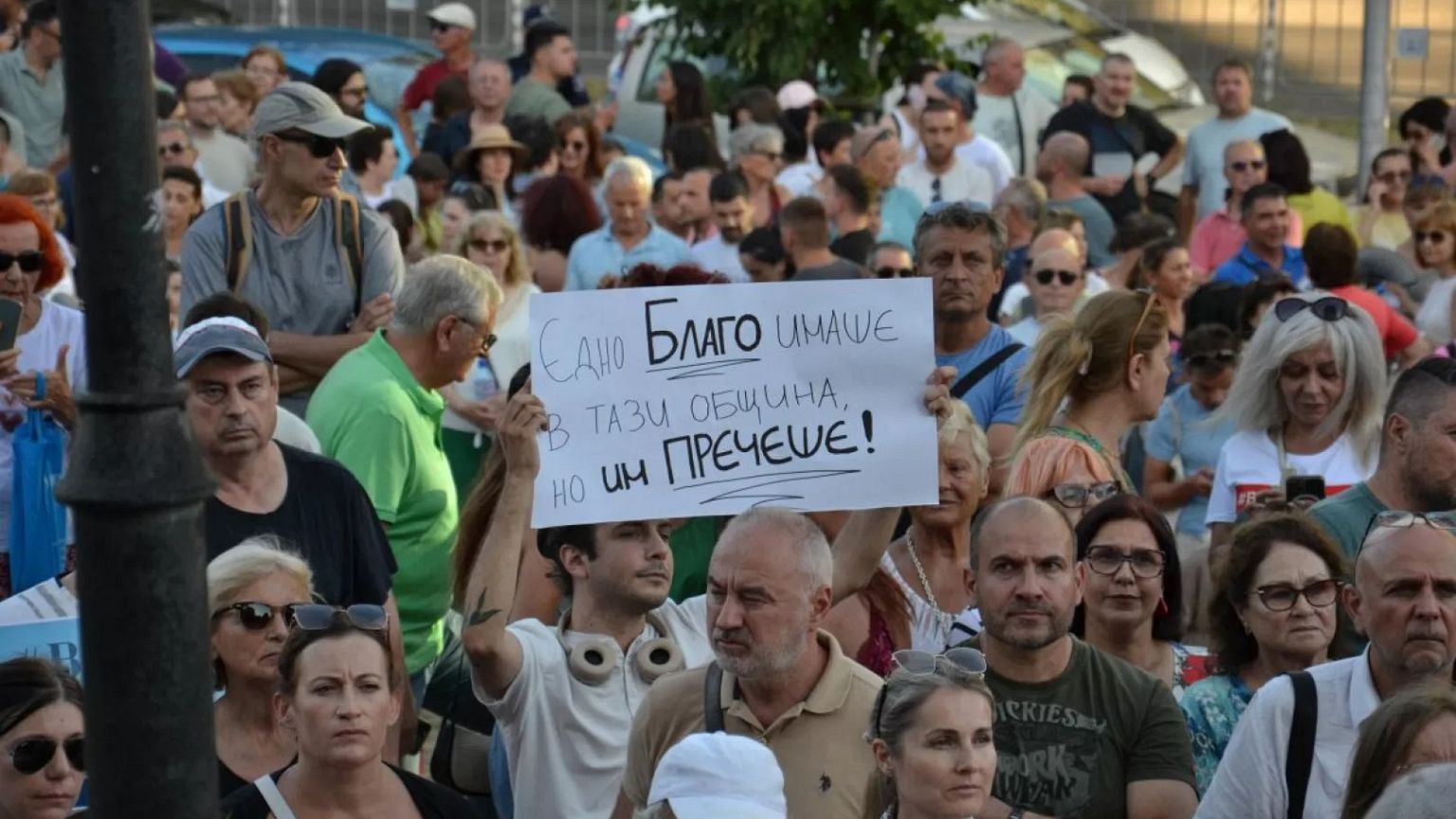
Protests in support of Mayor Blagomir Kotsev in Varna, 14 July 2025
Copyright Euronews

By Euronews
Published on 

The arrest of Varna's Mayor Blagomir Kotsev on embezzlement charges has sparked a series of protests in Bulgaria and across Europe, escalating into a diplomatic dispute with Germany.

The arrest of Varna’s Mayor Blagomir Kotsev has escalated from a local courtroom drama into a regional diplomatic flashpoint, as protests sweep Bulgaria and extend to Brussels, Germany and the UK.

Kotsev, a prominent figure from the opposition “We Continue the Change – Democratic Bulgaria” party, was detained on 8 July on allegations of embezzling public procurement funds through a catering contract.

He has firmly denied all charges, describing the case as politically motivated. The controversy deepened when a key witness later admitted their testimony had been coerced.

On Thursday, during a hearing in the Sofia appellate court, prosecutors presented 59 pages of additional evidence, which Kotsev’s defence dismissed as irrelevant and part of a smear campaign.

The mayor’s arrest has triggered strong reactions not only from within Bulgaria’s reformist circles but also from European political allies.

Vasil Terziev, the mayor of Sofia, condemned the detention as a targeted act of selective justice. Meanwhile, the Renew Europe group in the European Parliament, of which Kotsev’s party is a member, labelled the arrest “political repression” and a threat to EU democratic norms.

In response, protests have broken out across Bulgaria, with slogans such as “The law is not a weapon.” Supporters of Kotsev have also mobilised abroad, organising demonstrations in Brussels, Berlin and London.

Bulgarian-German relations on the line?

The involvement of the German ambassador at a recent protest has heightened tensions between Sofia and Berlin, prompting an unprecedented reaction from the Bulgarian Foreign Ministry.

Germany’s ambassador to Bulgaria was seen joining one of the protests in Varna, standing in apparent solidarity with Kotsev’s supporters, in an unusual diplomatic action that sparked swift retaliation from Sofia.

The Bulgarian Foreign Ministry issued a formal diplomatic note, criticising what it perceived as direct interference in the country’s internal judicial affairs.

Germany has not yet released an official response, but the ambassador’s presence reflects Berlin’s broader concern over rule-of-law issues within some EU member states.

Meanwhile, three other ambassadors — from France, the Netherlands and the UK — attended Kotsev’s hearing on Thursday.

At a time when Bulgaria is seeking to solidify its position within the eurozone and Schengen area, the brewing crisis puts Sofia under pressure to demonstrate genuine progress on judicial independence and anti-corruption reforms.

In its 2024 rule of law report on Bulgaria, the European Commission expressed lingering concerns over the remaining reforms Sofia is expected to undertake.

Are EU citizens on board with higher defence spending?


Copyright Euronews

By Alessio Dellanna & Mert Can Yilmaz
Published on 17/07/2025 


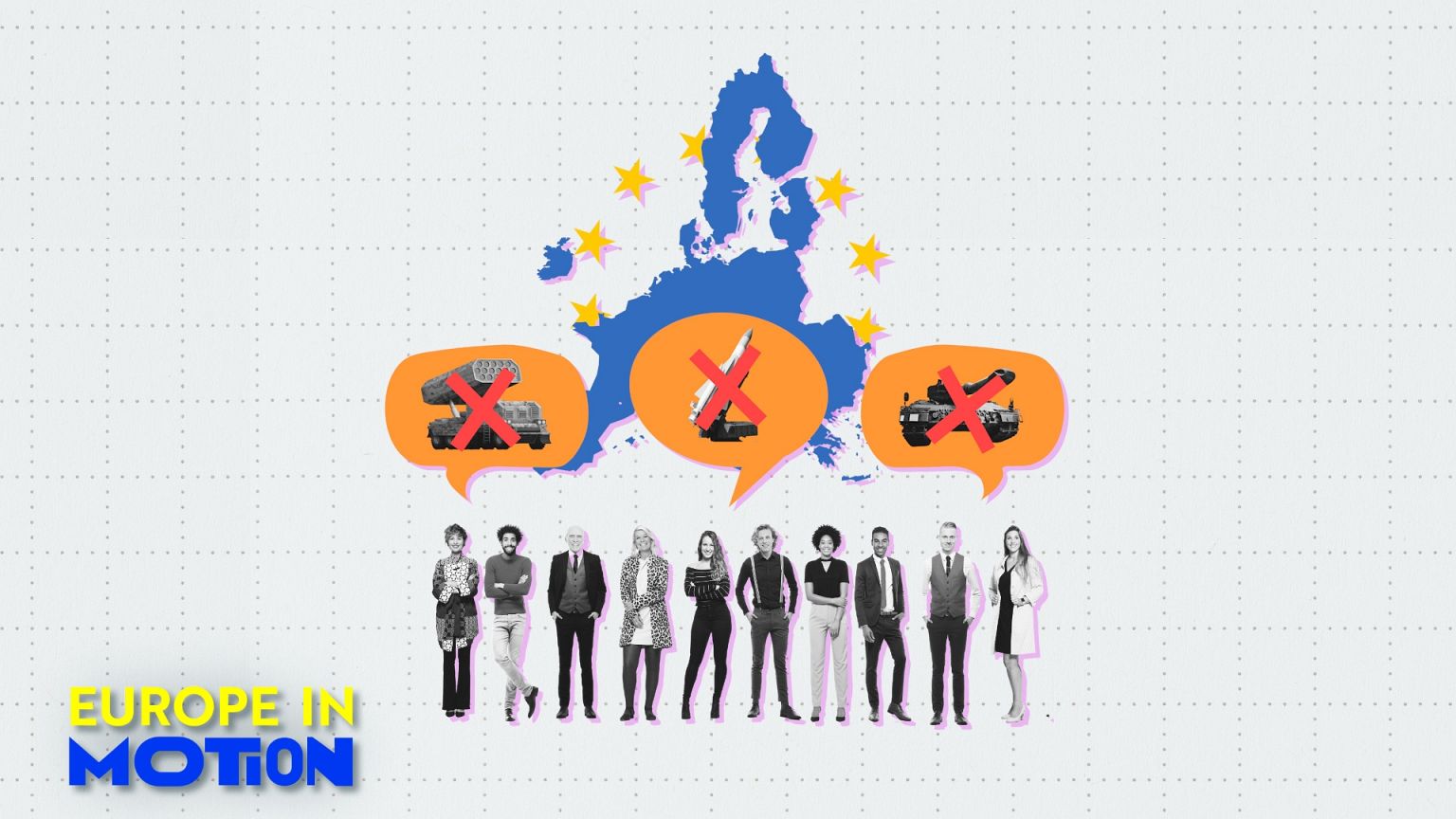
European leaders seem to be failing to get the message across, as EU citizens rank defence only seventh out of 10 investment priorities.

Calls from the European Union and NATO for increased military spending aren't exactly resonating among the EU public.

A recent Eurobarometer poll showed EU citizens are not exactly eager to spend money on defence, despite growing warnings from NATO and the EU about the risk of future conflicts.

Fewer than one in four people (23%) want the EU to use its funds for military purposes.

Which countries show the least support for military spending?

A recent joint report by Bruegel and the Kiel Institute claimed that a new Russian aggression is "conceivable", citing NATO claims that Moscow might be "ready to attack within three to ten years".

Yet, defence capabilities and infrastructure rank only seventh out of 10 proposed areas of investment in the Eurobarometer poll.

Furthermore, public opinion seems deeply fractured across the bloc.

Unsurprisingly, support for more defence spending is highest among Russia's close neighbours: 50% in Estonia and 46% in both Finland and Lithuania.

On the other hand, backing is much lower in countries like Italy (12%), Bulgaria (13%), Spain (17%), Ireland (15%), Slovenia and Hungary (14%).

'Too many leaders playing scare tactics'

Daniel Fiott, head of defence at Brussels' Centre for Security, Diplomacy and Strategy (CSDS), explains why leaders are failing to get the message across.

"You cannot convince people living in western and southern Europe that Russian troops will be landing in their capital cities anytime soon; yet, we know that in many frontline states in eastern and central Europe, this is precisely the fear for citizens."

"So, the messaging for individual countries needs to be tailored. As of now, too many leaders are playing scare tactics with the public — this will not work," Fiott added.

Current global economic turbulence isn't helping to drive more support, he says.

"I strongly support more defence spending in Europe, but the NATO 5% spending target can be achieved in a context where the US is imposing tariffs on the EU and where the global economy is sputtering, is unclear to me."

"Although a short-sighted view, many citizens in Europe will not want to spend more on defence because they automatically fear that other public services will suffer."

More houses, fewer tourists: Europeans' top priorities

Instead of defence, respondents point to areas like health and education as top priorities (49%), followed by climate action and environment protection (38%).

Denmark is the most climate-concerned country (58%), before Malta (56%) and Italy (46%).

Job creation is the third most pressing issue (31%) across the bloc, particularly in Romania, Greece and Lithuania.

These areas are followed by housing (27%), which appears particularly problematic in central Europe, as Hungary, Poland, and Slovenia show the highest rates (35%) after Cyprus (40%) of people wanting the EU to place funds on it.

On the other hand, amid growing pressure from mass travel, tourism, and cultural heritage received the least support for public investment (12%).

Syrian forces leave Sweida after ceasefire with Druze militias goes into effect


Copyright AP Photo

By Gavin Blackburn
Published on 17/07/2025 - 


The fighting had threatened to unravel Syria's post-war political transition and brought further military intervention by neighbouring Israel.

Syrian forces largely withdrew from the southern province of Sweida on Thursday following days of clashes with militias linked to the Druze minority.

While the truce between armed groups and government forces appeared to be largely holding, state media reported that Druze militants had launched individual attacks on Bedouin communities.

Syrian state television channel Al-Ikhbariya said "tens of families" of Bedouins had fled following clashes on the outskirts of the Druze-majority province.

The UK-based monitor, the Syrian Observatory for Human Rights, said that Druze factions had entered several Bedouin villages.

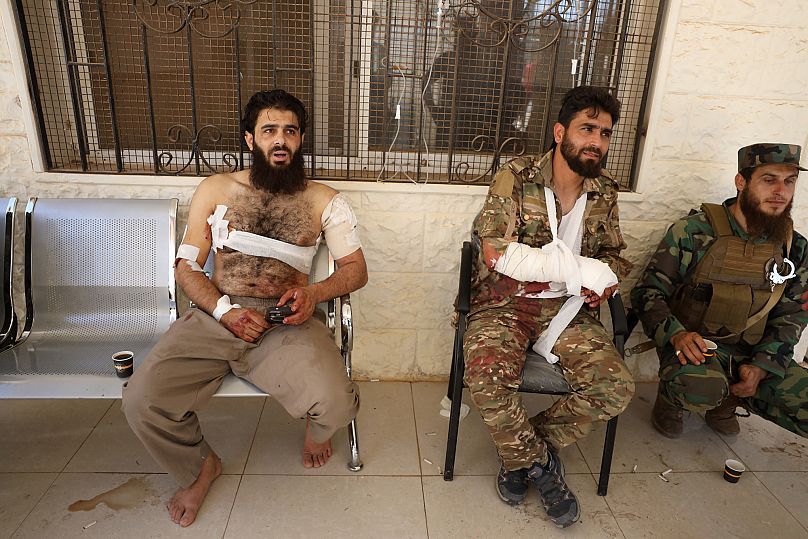
Syrian government soldiers who were injured in Sweida city during clashes with Druze militias, 15 July, 2025 AP Photo

Bedouin groups had fought alongside government forces against the Druze groups.

Druze leaders and Syrian government officials reached a ceasefire deal mediated by the United States, Turkey and Arab countries.

Under the ceasefire agreement reached on Wednesday, Druze factions and clerics have been appointed to maintain internal security in Sweida, Syria's interim President Ahmad al-Sharaa said in an address broadcast early on Thursday.

The fighting had threatened to unravel Syria's post-war political transition and brought further military intervention by neighbouring Israel, which on Wednesday struck the Syrian Defence Ministry headquarters in central Damascus.

Israel said it was acting to protect the Druze religious minority.

Syrian Druze leader accuses government of breaking ceasefire after dozens die in violence

Convoys of government forces started withdrawing from the city of Sweida overnight as Syrian state media said the withdrawal was in line with the ceasefire agreement and the military operation against Druze factions had ended.

It remained unclear if the ceasefire would hold after the agreement was announced by Syria's Interior Ministry and in a video message by a Druze religious leader.

A previous agreement on Tuesday quickly collapsed after being dismissed by prominent Druze cleric Sheikh Hikmat Al-Hijri.

Looting homes and killing civilians

A Turkish official said on Thursday that Foreign Minister Hakan Fidan and intelligence chief İbrahim Kalin held a series of diplomatic and security meetings to de-escalate the clashes.

They worked with the US special envoy for Syria, Israel, and regional officials and leaders, Walid Jumblatt, said the official who requested anonymity to discuss the issue.

The escalation in Syria began with clashes between local Bedouin groups and Druze armed factions.

Government forces that intervened to restore order clashed with Druze militias, but also in some cases reportedly attacked civilians.

The Syrian government has not issued a casualty count from the clashes, but some rights groups and monitors say dozens of combatants on both sides have been killed, as well as dozens of largely Druze civilians killed in attacks.

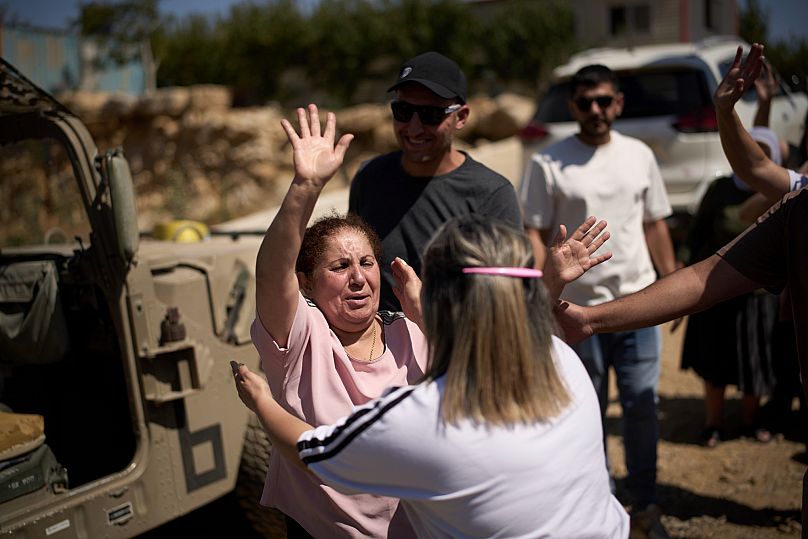
A Syrian Druze woman bids farewell to relatives from Israel before crossing back into Syria at the Israeli-Syrian border, 17 July, 2025 AP Photo

At least 374 combatants and civilians were killed in the clashes and Israeli strikes, among them dozens of civilians killed in the crossfire or in targeted attacks against the minority group, according to the Syrian Observatory for Human Rights.

Video circulated on social media showed government forces and allies humiliating Druze clerics and residents, looting homes and killing civilians hiding inside their houses.

Syrian Druze from Sweida told the AP that several family members who were unarmed had been attacked or killed.

Al-Sharaa appealed to them in his address and vowed to hold perpetrators to account.

"We are committed to holding accountable those who wronged our Druze brethren," he said, describing the Druze as an "integral part of this nation’s fabric" who are under the protection of state law and justice.
Scepticism among the Druze

The Druze community has been divided over how to approach al-Sharaa's rule over Syria after largely celebrating the downfall of Bashar al-Assad and his family's decades-long dictatorial rule.

They feared persecution after several attacks from the so-called Islamic State (IS) militant group and al-Qaeda-affiliated Nusra Front during Syria's 14-year civil war.

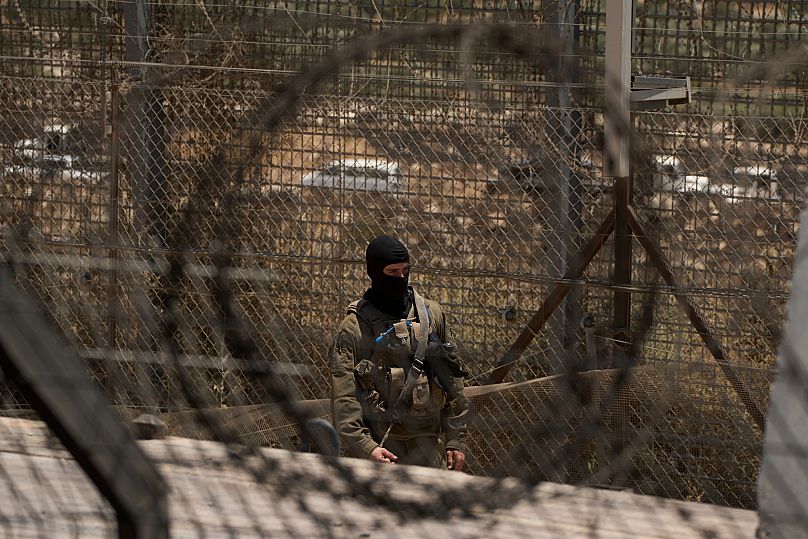
An Israeli soldier stands guard at the Israeli-controlled Golan Heights town of Majdal Shams, 17 July, 2025 AP Photo

While it first appeared many Druze hoped to resolve matters diplomatically, with al-Sharaa promising an inclusive Syria for all its different communities, over time they became more sceptical, especially after a counterinsurgency in the coastal province in February turned into targeted attacks against the Alawite minority.

The Druze religious group began as a 10th-century offshoot of Ismailism, a branch of Shiite Islam, however it does not identify as Muslim.

More than half of the roughly 1 million Druze worldwide live in Syria.

Most of the other Druze live in Lebanon and Israel, including in the occupied Golan Heights, which Israel captured from Syria in 1967 and annexed in 1981.
France withdraws troops from Senegal, ending military presence in West Africa


Copyright AP Photo/Thibault Camus

By Vincent Reynier & Gavin Blackburn
Published on 17/07/2025 - 

Senegal’s new government has taken a hard-line stance against the presence of French troops as part of a larger regional backlash against what many see as the legacy of an oppressive colonial empire.

The French military completed its withdrawal from Senegal on Thursday, the last West African country with a permanent troop presence, amid Paris' waning regional influence.

France has faced opposition from leaders of some of its former colonies in Africa over what they described as a demeaning and heavy-handed approach to the continent.

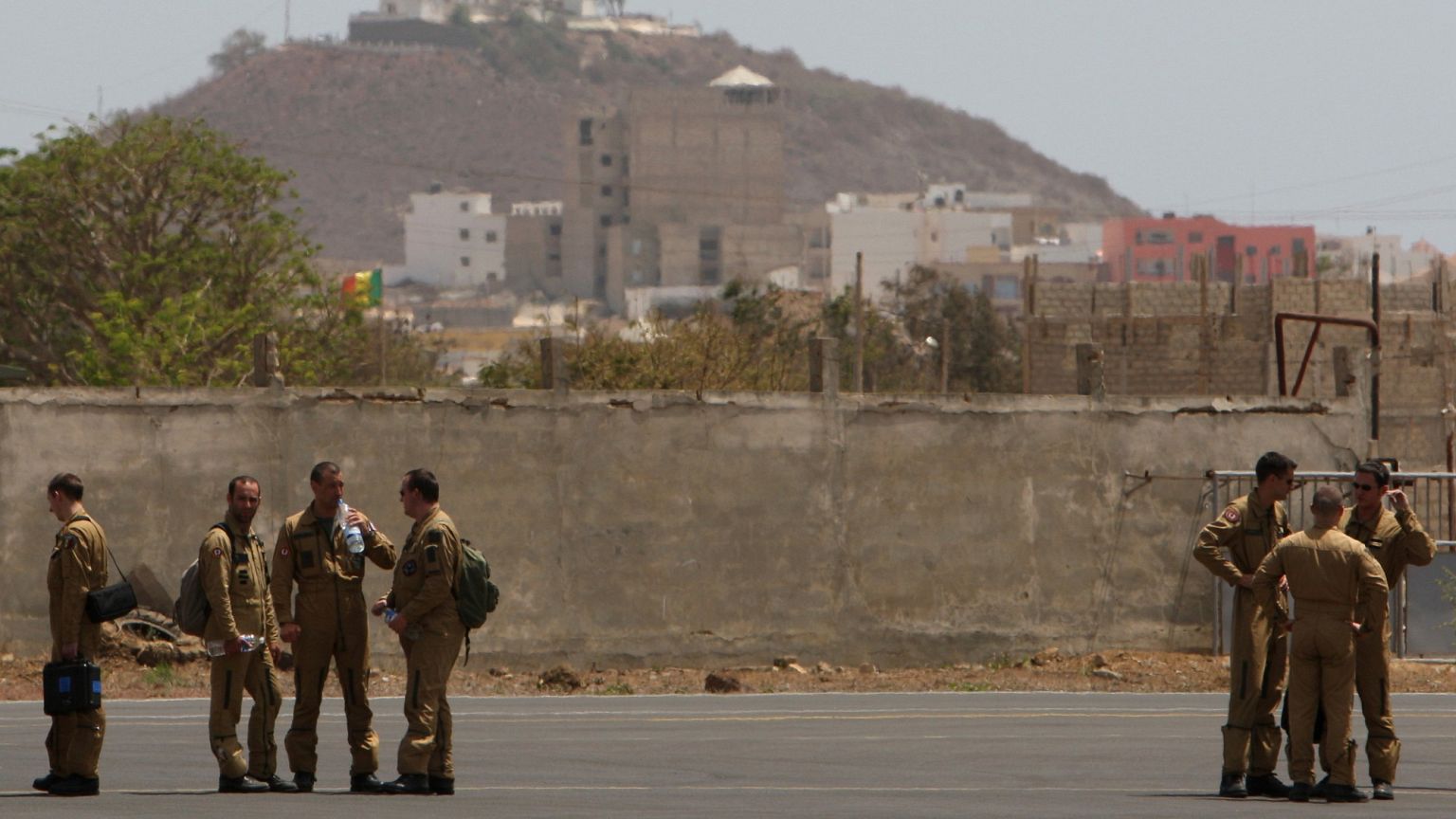
The French military handed over Camp Geille, its largest base in Senegal, along with a nearby air facility, to the Senegalese government during a ceremony in the capital Dakar.

General Pascal Ianni, head of the French forces in Africa, stated that the handover marked a new phase in military relations.

"It is part of France's decision to end permanent military bases in West and Central Africa, and responds to the Senegalese authorities’ desire to no longer host permanent foreign forces on their territory," he said.

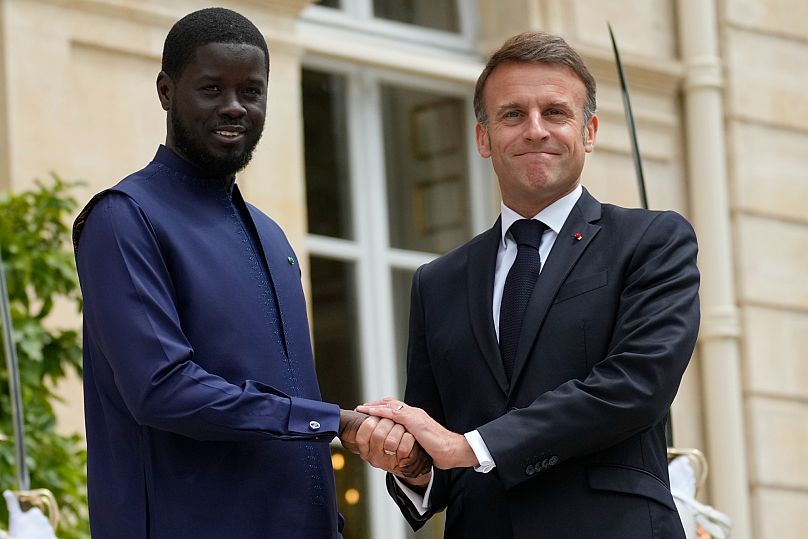
French President Emmanuel Macron welcomes Senegal's President Bassirou Diomaye Faye before a working lunch in Paris, 20 June, 2024 AP Photo

Senegal's military chief, General Mbaye Cissé, said the withdrawal supports the country's new defence strategy.

"Its primary goal is to affirm the autonomy of the Senegalese armed forces while contributing to peace in the subregion, in Africa, and globally," Cissé said.

The ceremony marked the completion of a three-month withdrawal of roughly 350 French troops from the West African country, which began in March.

France's military had been present in Senegal since it gained independence from France in 1960, under military cooperation agreements between the two countries.

The withdrawal followed a call by Senegal President Bassirou Diomaye Faye last year for all foreign troops to leave, citing Senegal’s sovereignty as incompatible with hosting foreign bases.

"Senegal is an independent country, it is a sovereign country and sovereignty does not accommodate the presence of military bases in a sovereign country", he said last year, adding that Dakar would instead pursue a "renewed partnership" with Paris.

Senegal's new government has taken a hard-line stance against the presence of French troops as part of a larger regional backlash against what many see as the legacy of an oppressive colonial empire.

France has announced plans to sharply reduce its presence at all its bases in Africa, except in the eastern African country of Djibouti.

It said it would instead provide defence training or targeted military support, based on needs expressed by those countries.

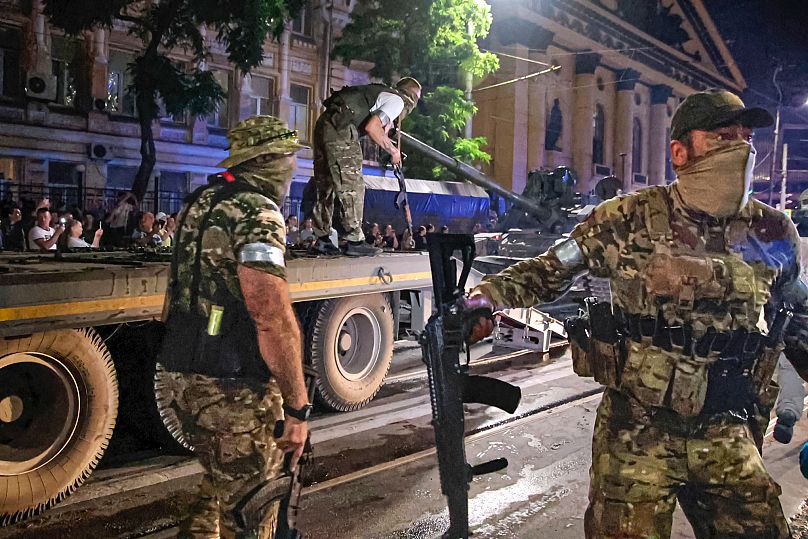
Mercenaries with Russia's Wagner Group load a tank onto a truck in Russia's city of Rostov-on-Don, 24 June, 2023 AP Photo

France has suffered a series of setbacks in West Africa recently, including in Chad and the Ivory Coast, where it handed over its last military bases earlier this year.

They follow the ousting of French forces in recent years in Niger, Mali and Burkina Faso, where military-led governments have turned to Russia instead for military support.

Around 350 French servicemen are still present in Gabon, where the army has turned its base into a camp shared with the central African nation.

Ivory Coast still hosts some 80 French servicemen who advise and train the country's military, and Djibouti is the last African country where France has a permanent military presence, with around 1,500 troops.


Trump administration is pushing for psychedelic therapy. Will it help or hamper the field?

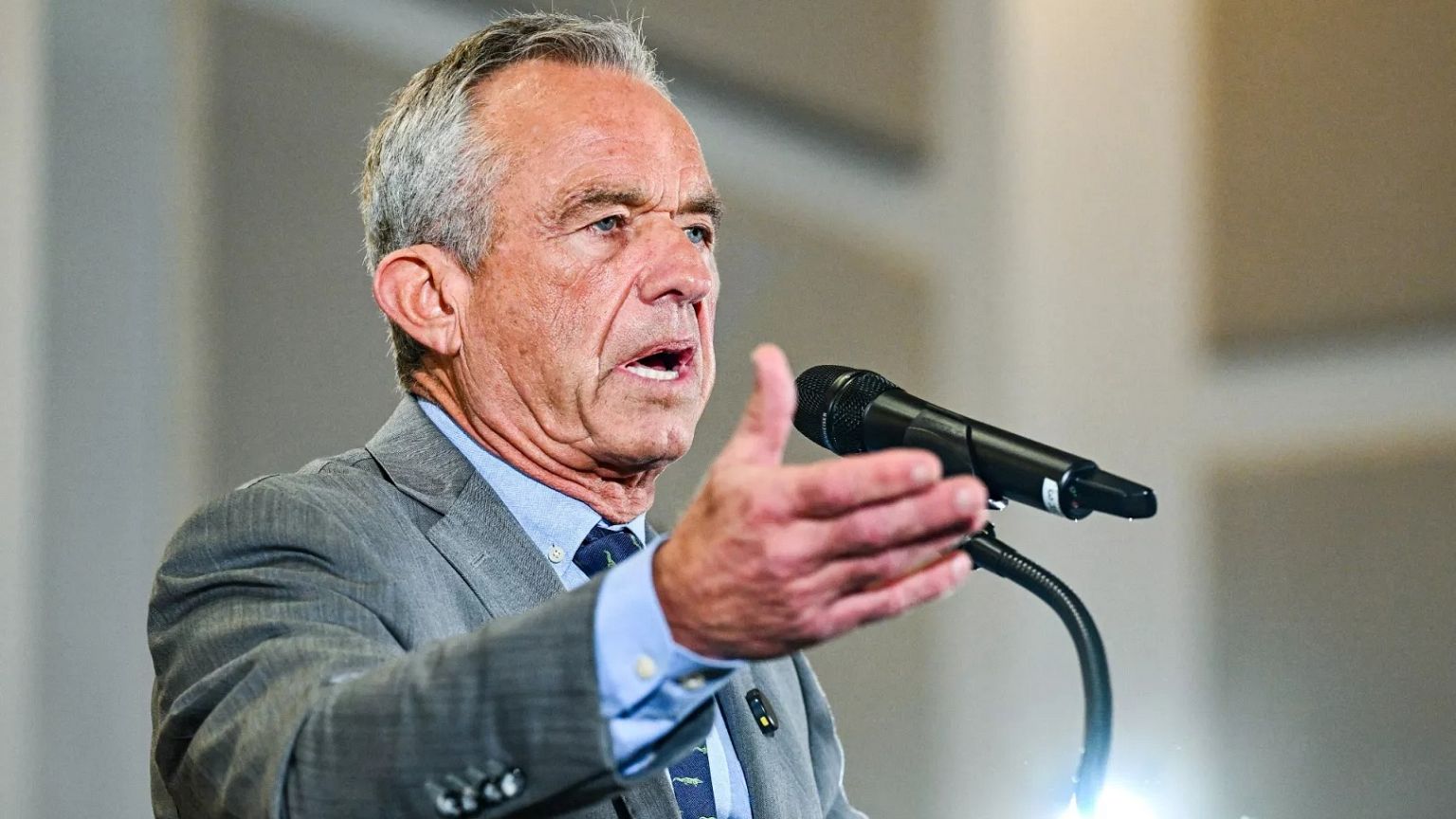
US health secretary Robert F Kennedy Jr speaks at an event in Louisiana on June 27, 2025.
Copyright Javier Gallegos/The Advocate via AP Photo


By Euronews with AP
Published on 

US health secretary Robert F Kennedy Jr said he wants psychedelic therapies approved within a year, surprising even the staunchest supporters of the drugs.

For decades, proponents of psychedelic drugs have pushed a provocative message: Illegal, mind-altering substances like LSD and ecstasy should be approved for patients grappling with depression, trauma and other hard-to-treat conditions.

In the United States, a presidential administration finally seems to agree.

“This line of therapeutics has tremendous advantage if given in a clinical setting and we are working very hard to make sure that happens within 12 months,” US health secretary Robert F Kennedy Jr recently told members of Congress.

His suggested timeline for green-lighting psychedelic therapy surprised even the most bullish supporters of the drugs.

ump administration's embrace of psychedelics has sparked both excitement as well as concern from those in the field, who worry the drugs might be discredited if they appear to be rushed onto the market or are too closely linked with Kennedy, who is known for controversial views on vaccines, antidepressants, and fluoride.

“I’m quite optimistic,” says Rick Doblin, whose organisation has pursed the medical use of MDMA (or ecstasy) since the 1980s. “But I’m also worried that the message the public might get is ‘Well, RFK likes psychedelics and now it’s approved'".

US regulators may reconsider MDMA

Under former US President Joe Biden, the Food and Drug Administration (FDA) rejected MDMA as a treatment for post-traumatic stress disorder (PTSD), citing flawed data and questionable research.

Regulators called for a new study, likely taking several years. It was a major setback for Doblin and other advocates hoping to see the first US approval of a psychedelic for medical use, and European researchers said it likely set the field back there as well.

But the agency appears ready to reconsider. FDA chief Marty Makary, who reports to Kennedy, has called the evaluation of MDMA and other psychedelics “a top priority,” announcing a slate of initiatives that could be used to accelerate their approval.

One new programme promises to expedite drugs that serve “the health interests of Americans,” by slashing their review time from six months or more to as little as one month. Makary has also suggested greater flexibility on requirements for certain drugs, potentially waiving rigorous controlled studies that compare patients to a placebo group.

That approach, considered essential for high-quality research, has long been a stumbling point for psychedelic studies, in which patients can almost always correctly guess whether they’ve received the drug or a dummy pill.

Links to psychedelic advocates

US health agencies also recently hired several new staffers with ties to the psychedelic movement.

“These are all very promising signs that the administration is aware of the potential of psychedelics and is trying to make overtures that they’re ready to approve them,” said Greg Ferenstein, a fellow at the libertarian Reason Foundation, who also consults for psychedelic companies.

As a presidential candidate, Kennedy discussed how his son and several close friends benefited from using psychedelics to deal with grief and other issues.

But some experts worry the hope and hype surrounding psychedelics has gotten ahead of the science.

Philip Corlett, a psychiatric researcher at Yale University, says bypassing rigorous clinical trials could set back the field and jeopardise patients.

"If RFK and the new administration are serious about this work, there are things they could do to shepherd it into reality by meeting the benchmarks of medical science," Corlett said. “I just don’t think that’s going to happen.”

Nora Volkow, the longtime director of the US National Institute on Drug Abuse, said her agency remains interested in psychedelics. It is funding a US drugmaker that's working to develop a safer, synthetic version of ibogaine, which is a potent psychedelic made from a shrub that's native to West Africa.

Texas recently launched a $50 million (€42.7 million) trial to test ibogaine as a treatment for opioid addiction, PTSD, and other conditions.

“I am very intrigued by their pharmacological properties and how they are influencing the brain,” Volkow said.

“But you also have to be very mindful not to fall into the hype and to be objective and rigorous in evaluating them".

WAR CRIME

Four dead after Russia strikes shopping centre in eastern Ukraine with 500-kilogram bomb

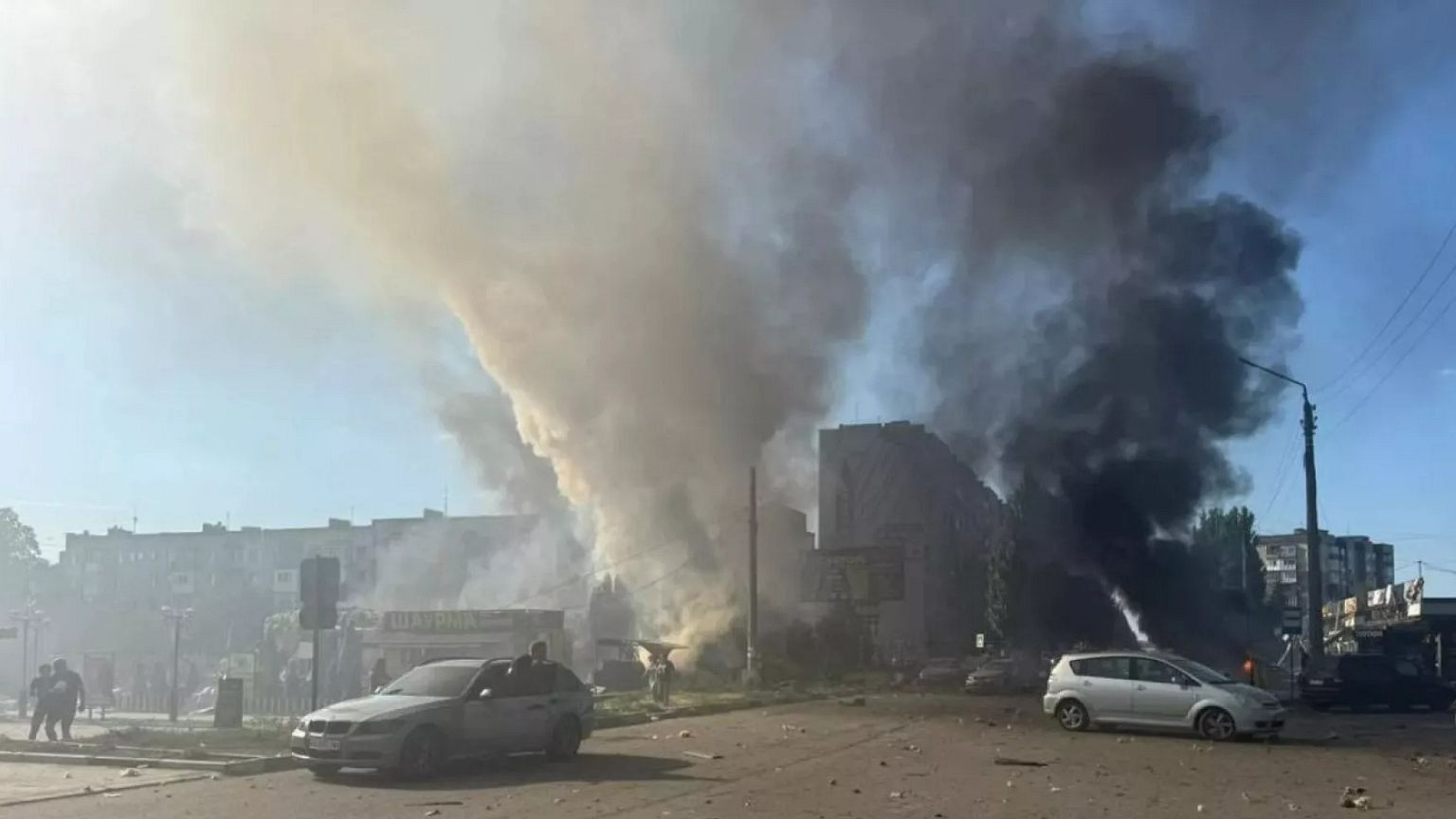
Two towering plumes of smoke billow from smoldering vehicles and storefronts in central Dobropillia after a 500-kg Russian airstrike on 16 July 2025
Copyright Vadym Filashkin/Telegram

By Sasha Vakulina
Published on 

At least four people were killed and 27 were injured in the Russian attack on the town of Dobropillia in Donetsk region in eastern Ukraine, after Moscow forces struck a shopping centre here with a half-a-tonne aerial bomb.

Russia attacked a shopping centre in the eastern Ukrainian town of Dobropillia with a FAB-type 500-kg aerial bomb, killing at least four people and injuring 27 others, regional officials reported Thursday.

Fifty-four retail outlets, 304 apartments, and eight vehicles have been struck, and a fire broke out following the attack, the head of the Donetsk regional military administration said.

Ukrainian President Volodymyr Zelenskyy described the strike as "simply horrific" and said there was "no military logic" to it.

“This is horrendous, dumb Russian terror. Simply an attempt to kill as many as possible. Russia is all about vile strikes like this.”

Dobropillia is a town located in the west of the Donetsk region, approximately 15 kilometres from the front line. Russian forces are attempting to advance towards it from the southeast.

A glide aerial bomb is a basic, often primitive air-dropped bomb modified with wings and frequently equipped with a satellite navigation system, allowing it to be launched from a distance rather than directly over a target.

FAB — an acronym for "high-explosive aerial bomb" in Russian — is one of the most widely used bombs since Soviet times and is actively employed by Russia in its all-out war against Ukraine.

These aerial bombs have become a serious threat to Ukrainian infrastructure and frontline cities. They are used in strikes against Ukrainian Armed Forces positions, logistics hubs, bridges and industrial facilities, as they are most effective against static targets.

According to the UN Human Rights Monitoring Mission in Ukraine, Russian glide bombs killed 360 and injured 1,861 Ukrainian civilians in 2024, a threefold increase in fatalities and a sixfold increase in injuries compared to 2023.

Russian forces employ various sizes of glide bombs, weighing 250, 500, or 1,000 kilograms. The most powerful in Russia's arsenal is the FAB-3000, a three-tone high-explosive bomb, which the Russian Defence Ministry claimed has gone into mass production. 

Glide bombs are highly destructive and very difficult to shoot down. Unlike missiles, they do not have a propulsion system, so they don't generate much heat and are therefore largely immune to interception by infrared homing missiles.


A large Danish study confirms childhood vaccines do not cause autism. Why is the myth so persistent?

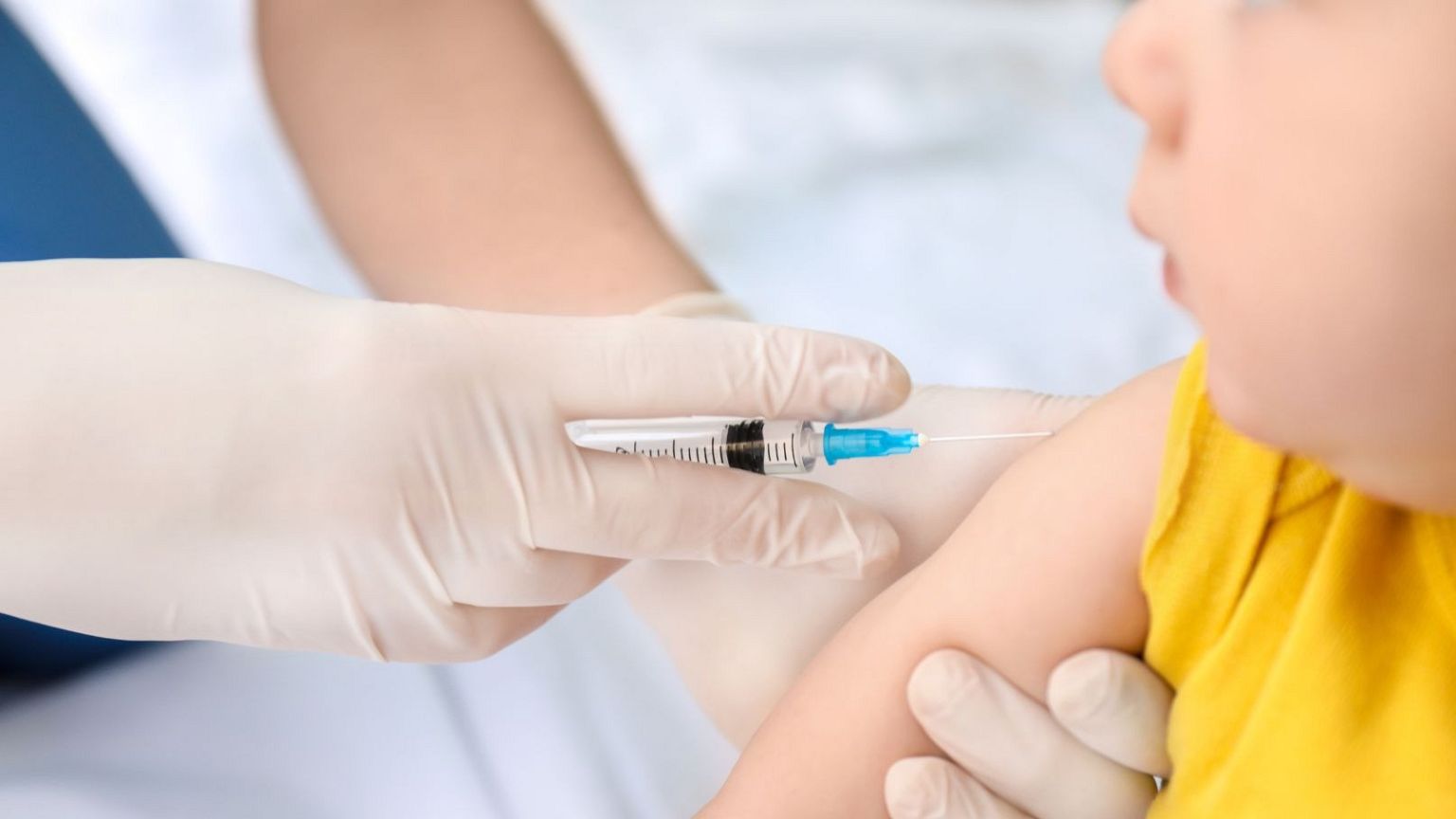
A baby receives a vaccine.
Copyright Canva

By Gabriela Galvin
Published on 

A major Danish study is the latest to confirm the benefits of routine childhood immunisations.

Another major study has confirmed that routine childhood vaccines do not cause autism.

The theory emerged three decades ago and caught fire after a study was published – and later retracted – in a major medical journal in 1998. While the theory has since been discredited in many studies from around the world, the myth still persists.

Today, anti-vaccine activists often point to aluminium, which is used in trace amounts in many childhood jabs to increase their effectiveness, to argue that the vaccines are unsafe.

Danish researchers investigated this in the latest study, which was published in the Annals of Internal Medicine and included more than one million children born in Denmark between 1997 and 2018.

It found that aluminium-containing vaccines do not raise the risk of health issues such as autism spectrum disorder, asthma, or autoimmune disorders.

Dr Niklas Andersson, one of the study’s authors and a vaccine researcher at Denmark’s Statens Serum Institut (SSI), described the results as “reassuring”.

“We have not found anything that indicates that the very small amount of aluminium used in the childhood vaccination programme increases the risk of 50 different health conditions in childhood," Andersson said in a statement.

The researchers said the findings should be used to dispel misinformation about vaccines, which have become a political flashpoint in recent years, including during the COVID-19 pandemic.

Health authorities blame these falsehoods for driving an increase in the number of parents who opt out of routine vaccines, leaving an opening for preventable diseases such as measles and whooping cough to make a comeback in Europe and elsewhere.

Since 2010, vaccine coverage has fallen for at least one jab in Austria, Belgium, Cyprus, Finland, France, Germany, Greece, Italy, Luxembourg, the Netherlands, Spain, Sweden, and the United Kingdom.

Why the myth sticks around

The theory that vaccines cause autism gained ground in the early 2000s, after the British doctor Andrew Wakefield published an article in The Lancet, a leading medical journal, in 1998 speculating that the measles, mumps, and rubella (MMR) vaccine may cause autism.

The study was full of methodological flaws and falsified data, and was later retracted. Wakefield, who made money from lawsuits filed against vaccine manufacturers, was also stripped of his medical license.

But his ideas were compelling to parents who noticed that their children received the MMR vaccine around the same time they began showing signs of autism.

Later studies went on to show that this was effectively a coincidence. While all vaccines come with some risk of side effects, routine childhood jabs are safe and effective – and do not raise the risk of autism, these studies concluded.

The myth has stuck around, though, partly because much is still unknown about what actually causes autism, and because diagnoses have risen since the turn of the century.

Scientists believe the uptick is due partly to increased awareness around autism and a wider definition of the disorder. They have also been researching whether environmental factors, such as prenatal exposure to air pollution or certain pesticides, may play a role.

In April, US health secretary Robert F Kennedy Jr pledged to identify what causes autism by September as part of a massive research project. Kennedy said scientists would assess the food system, the environment, parenting approaches, and vaccines, in a move widely panned by independent researchers.

Anders Hviid, a vaccine researcher at SSI, said large studies like the recent Danish report “are part of the bulwark against the politicisation of health knowledge, which can damage trust in vaccines”.

“It is absolutely crucial that we clearly separate real science from politically motivated campaigns – otherwise we risk that it is Danish children who pay the price,” Hviid said.