It’s possible that I shall make an ass of myself. But in that case one can always get out of it with a little dialectic. I have, of course, so worded my proposition as to be right either way (K.Marx, Letter to F.Engels on the Indian Mutiny)
Sunday, January 18, 2026
FE
Iron ore’s strength hard to reconcile with soft Chinese demand
Iron ore’s robust start to the year continues to highlight what many observers deem to be a persistent mismatch between market pricing and conditions on the ground.
Benchmark Singapore futures topped $109 a ton this week, a level last reached 15 months ago when the Chinese government was busy with measures to stimulate the economy. The country is the world’s biggest buyer of iron ore, the main feedstock for steelmaking.
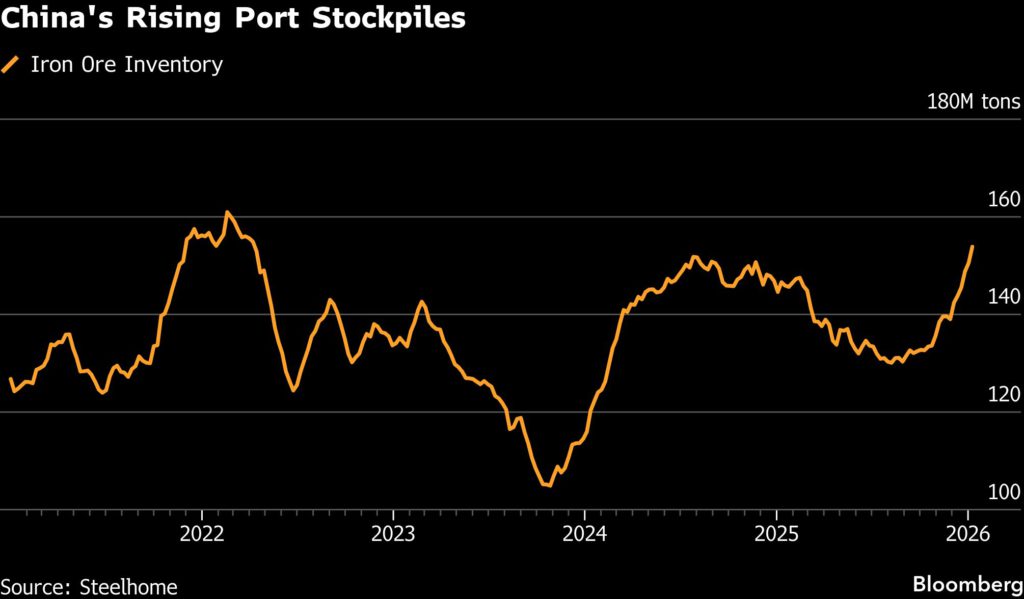
But the market’s resilience is proving hard to reconcile with fundamentals. While China’s iron ore imports hit a record last year, its steel output in 2025 is on course for a seven-year low. Port stockpiles have ballooned to near four-year highs, underscoring persistent pressures on demand as the nation’s property downturn drags on and policymakers emphasize reforms to reduce overcapacity.
“The strong start for iron ore futures in early 2026 looks increasingly disconnected from underlying fundamentals,” said Ewa Manthey, a commodities strategist at ING Groep NV in London. The rally is being driven by improved risk appetite among hedge funds and expectations of policy support, rather than a sustained tightening in the physical market, she said.
“That divergence leaves prices more vulnerable if macro sentiment or positioning were to turn,” Manthey said.
Short-term pricing is likely benefiting from the expectation that Beijing will front-load fiscal spending early in 2026, when its latest five-year plan begins. “A stronger boost from infrastructure investment and related activities should help to support commodities demand,” HSBC Holdings Plc said in a note.
Simandou’s shadow
But the view further out is less constructive. Chinese steel demand has settled into long-term decline, even as more iron ore becomes available, chiefly from the Simandou mega-project that recently came online in Guinea. A Bloomberg survey of analysts forecasts a steady drop in spot prices, from a median of $100 a ton in first-quarter 2026 to $90 in second-quarter 2027.
“Looking into 2026, the iron ore market is expected to remain oversupplied, raising questions over how excess volumes will be digested,” BRS Shipbrokers said in a note.
Simandou is casting a long shadow over prices. The first commercial shipment is set to land in China this month, and the $23 billion mine will eventually account for about 5% of global production.
“The decline will occur gradually, rather than a sharp one, as most of the supply surplus — Simandou — will require time to ramp up production and benefit from economies of scale,” said Jack Teah, an analyst at Shanghai Metals Market.
A resolution to BHP Group Ltd.’s pricing dispute with China’s state-run iron ore buyer would also unlock more supply and pressure prices.
“Once those talks make progress, a huge amount of previously restricted ores will definitely impact market price,” he said. “But no one can really predict when that will happen.”
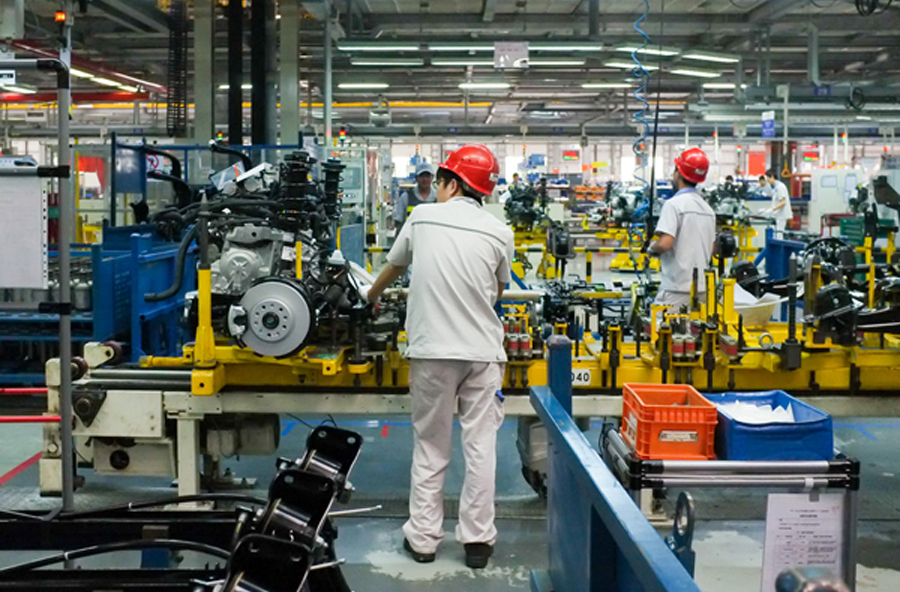 Stock Image.

No comments:
Post a Comment