PFAS pollution in Europe could cost society up to €1.7 trillion by 2050, as the European Union weighs how to deal with so-called “forever chemicals” that persist in the environment and the human body.
Issued on: 29/01/2026 - RFI
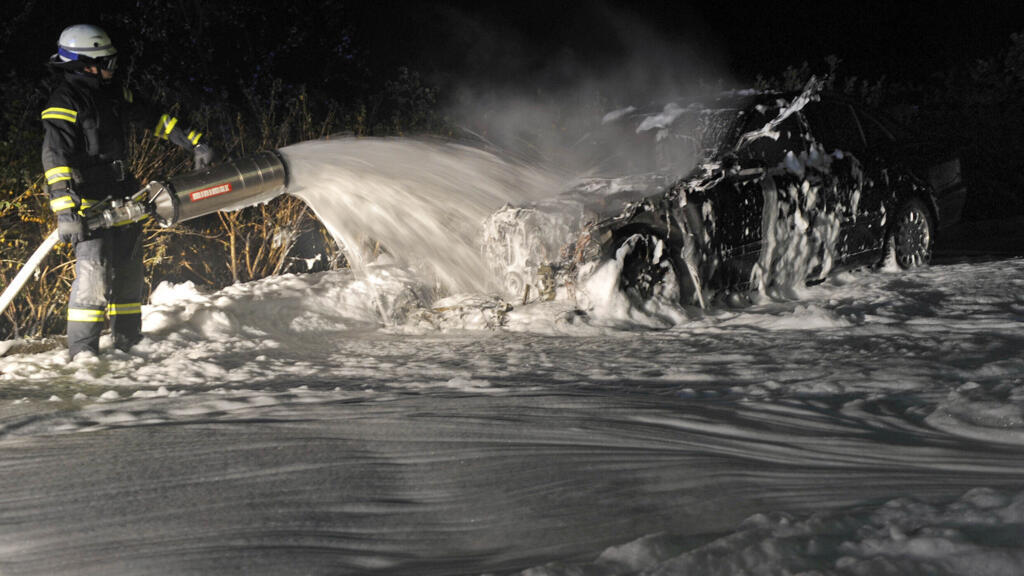
Firefighting foam is a known source of PFAS pollution and has been targeted by EU restrictions because of its long-term environmental impact.
© ASSOCIATED PRESS - Gero Breloer
Widely used by industry, PFAS – or per- and polyfluoroalkyl substances – are now found across soil, water and food chains.
Exposure to PFAS is known to increase the risk of cancers, hormonal disruption and immune system disorders, as well as other health problems. Treating these illnesses carries costs that are ultimately borne by the public.
On Thursday, the European Commission published a study to measure the long-term environmental and health costs if pollution continues at current levels.
The report sets out what the Commission describes as a conservative estimate of the financial burden PFAS place on society. It examines several possible futures, looking at environmental damage alongside health impacts
Cost of doing nothing
If regulations and standards remain unchanged, the study estimates that PFAS pollution would cost European society around €440 billion by 2050. This figure only covers health costs linked to a small number of currently regulated PFAS substances, out of the thousands that exist.
The report also finds that treating polluted water alone would cost more than €1 trillion if emissions continue at current levels. In contrast, cutting PFAS releases at the source by 2040 could save around €110 billion.
Because PFAS remain in the body and the environment for decades, the report said early action is essential to limit long-term damage.
The study identifies newborns, children, people living near contaminated sites and workers at those sites as the populations most exposed to PFAS pollution.
The commission said in a statement that it is committed to protecting these groups while also preventing wider social and economic consequences. It said a balanced approach is needed as alternatives to PFAS are developed for key industrial uses.
“Providing clarity on PFAS with bans for consumer uses is a top priority for both citizens and businesses,” said Jessika Roswall, the Commissioner for Environment.
“Consumers are concerned, and rightly so. This study underlines the urgency to act.”
Three possible futures
One scenario examined in the study assumes PFAS remain authorised but standards become stricter and more protective. Under this option, many contaminated sites would need to be cleaned up, pushing the total cost to around €1.7 trillion by 2050.
The most optimistic scenario is a complete ban on PFAS in Europe.
In that case, the chemicals would gradually disappear from people’s bodies over several years, leaving mainly the cost of cleaning up polluted sites. This would be the least expensive option overall, with an estimated bill of about €330 billion.
However, the report said this scenario may be overly optimistic, as a full ban faces strong opposition from many industrial sectors.
Several of the most harmful PFAS substances, including PFOS, PFOA and PFHxS, have already been banned in the European Union. In 2024, restrictions were extended to PFHxA and related substances in products such as consumer textiles, food packaging, cosmetics and some firefighting foams.
In October 2025, the EU introduced phased-in bans on all PFAS in firefighting foams. Under EU drinking water rules, all member states must also monitor PFAS levels to meet new safety limits.
The European Chemicals Agency is assessing a proposal for a universal PFAS restriction, with its opinion expected by the end of 2026.
Widely used by industry, PFAS – or per- and polyfluoroalkyl substances – are now found across soil, water and food chains.
Exposure to PFAS is known to increase the risk of cancers, hormonal disruption and immune system disorders, as well as other health problems. Treating these illnesses carries costs that are ultimately borne by the public.
On Thursday, the European Commission published a study to measure the long-term environmental and health costs if pollution continues at current levels.
The report sets out what the Commission describes as a conservative estimate of the financial burden PFAS place on society. It examines several possible futures, looking at environmental damage alongside health impacts
Cost of doing nothing
If regulations and standards remain unchanged, the study estimates that PFAS pollution would cost European society around €440 billion by 2050. This figure only covers health costs linked to a small number of currently regulated PFAS substances, out of the thousands that exist.
The report also finds that treating polluted water alone would cost more than €1 trillion if emissions continue at current levels. In contrast, cutting PFAS releases at the source by 2040 could save around €110 billion.
Because PFAS remain in the body and the environment for decades, the report said early action is essential to limit long-term damage.
The study identifies newborns, children, people living near contaminated sites and workers at those sites as the populations most exposed to PFAS pollution.
The commission said in a statement that it is committed to protecting these groups while also preventing wider social and economic consequences. It said a balanced approach is needed as alternatives to PFAS are developed for key industrial uses.
“Providing clarity on PFAS with bans for consumer uses is a top priority for both citizens and businesses,” said Jessika Roswall, the Commissioner for Environment.
“Consumers are concerned, and rightly so. This study underlines the urgency to act.”
Three possible futures
One scenario examined in the study assumes PFAS remain authorised but standards become stricter and more protective. Under this option, many contaminated sites would need to be cleaned up, pushing the total cost to around €1.7 trillion by 2050.
The most optimistic scenario is a complete ban on PFAS in Europe.
In that case, the chemicals would gradually disappear from people’s bodies over several years, leaving mainly the cost of cleaning up polluted sites. This would be the least expensive option overall, with an estimated bill of about €330 billion.
However, the report said this scenario may be overly optimistic, as a full ban faces strong opposition from many industrial sectors.
Several of the most harmful PFAS substances, including PFOS, PFOA and PFHxS, have already been banned in the European Union. In 2024, restrictions were extended to PFHxA and related substances in products such as consumer textiles, food packaging, cosmetics and some firefighting foams.
In October 2025, the EU introduced phased-in bans on all PFAS in firefighting foams. Under EU drinking water rules, all member states must also monitor PFAS levels to meet new safety limits.
The European Chemicals Agency is assessing a proposal for a universal PFAS restriction, with its opinion expected by the end of 2026.

No comments:
Post a Comment