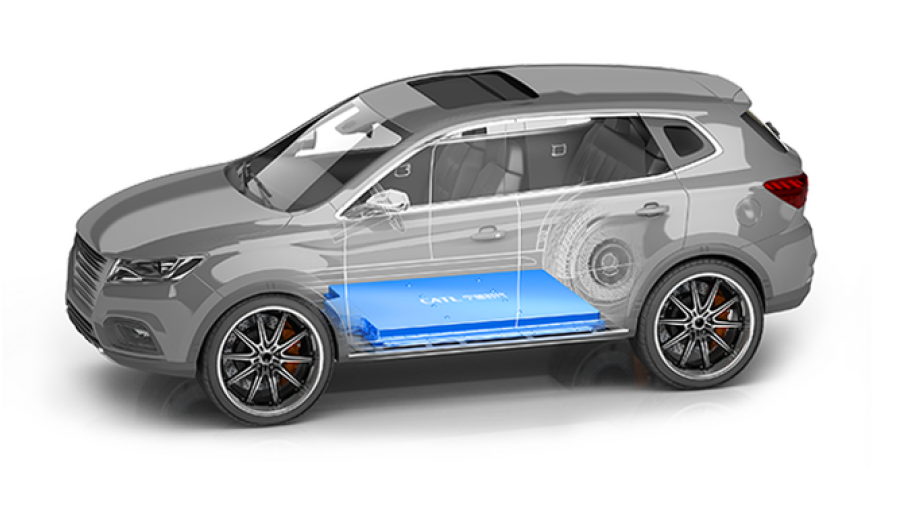
Contemporary Amperex Technology Co Limited (CATL) has unveiled a new electric vehicle battery that it says can fully charge in 12 minutes and retain 80% of its capacity after 1.5mn miles, marking a potential breakthrough in durability and charging speed in the global EV market.
The Chinese battery manufacturer said the new system incorporates advanced thermal management, smart cooling and self-repair technologies designed to limit degradation over extended use. If validated at scale, the development could address two of the main barriers to wider electric vehicle adoption: charging time and battery longevity.
“12-minute charge with 1.5M mile degradation to only 80% capacity is game-changing if true - that's basically solving the two biggest EV adoption barriers simultaneously. CATL's likely using lithium iron phosphate with advanced thermal management and self-healing electrolytes. The real test is cost and scalability –”
CATL is already the world’s largest EV battery maker, supplying carmakers including Tesla, BMW and Volkswagen. Tesla currently offers eight years or 100,000 miles, whichever comes first, as a Battery Limited Warranty for its Model Y, highlighting the potential scale of improvement implied by CATL’s claims.
The company has previously commercialised lithium iron phosphate batteries, known for lower costs and improved safety compared with nickel-based chemistries, though typically at the expense of energy density. Industry analysts say advances in cell chemistry and thermal control have narrowed that gap in recent years.
Sodium-ion batteries are also in development as a lower-cost alternative to lithium-based technologies, aiming to reduce reliance on critical minerals and further drive down prices.
Sodium-ion (Na-ion) batteries offer a safer, lower-cost alternative to the lithium-ion systems that currently dominate the business, according to recent studies published in Advanced Materials and Advanced Functional Materials.
Li-ion batteries currently account for roughly 70% of the world’s rechargeable batteries, with the energy sector alone consuming over 90% of global supply, according to data from the International Energy Agency.
The long-sought breakthrough outlines a novel solid-state battery architecture that achieves 99.26% efficiency after 600 charge cycles, while eliminating lithium, cobalt, and flammable liquid electrolytes — long-standing weaknesses in current lithium-ion (Li-ion) designs.
Battery production costs have fallen by about 40% over the past year as a battery revolution gathers pace.
In parallel, research is under way into silver-ion batteries, which developers claim could potentially double capacity and enable faster charging than conventional lithium-ion systems, although such technologies remain at an earlier stage of commercial readiness.

No comments:
Post a Comment