It’s possible that I shall make an ass of myself. But in that case one can always get out of it with a little dialectic. I have, of course, so worded my proposition as to be right either way (K.Marx, Letter to F.Engels on the Indian Mutiny)
Monday, April 06, 2020
How robots help to combat COVID-19
These machines are joining humans to help fight the coronavirus pandemic
A robot modified to screen and observe COVID-19 coronavirus patients is photographed at the Regional Center of Robotics Technology at Chulalongkorn University in Bangkok.Image Credit: AFP
2 of 10
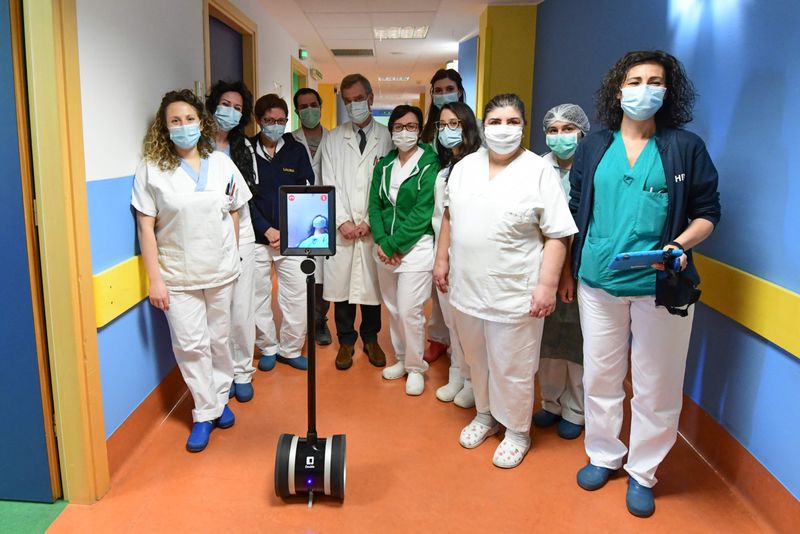
Members of medical staff and the director of infectious diseases department, Paolo Grossi (C), pose with a robot called Ivo used to help patients infected by the novel coronavirus at the Circolo di Varese hospital, amid the the spread of the epidemic COVID-19.Image Credit: AFP
3 of 10
A robot advises clients at a supermarket about appropriate behaviour in times of the coronavirus outbreak in Lindlar, Germany.Image Credit: AP
4 of 10
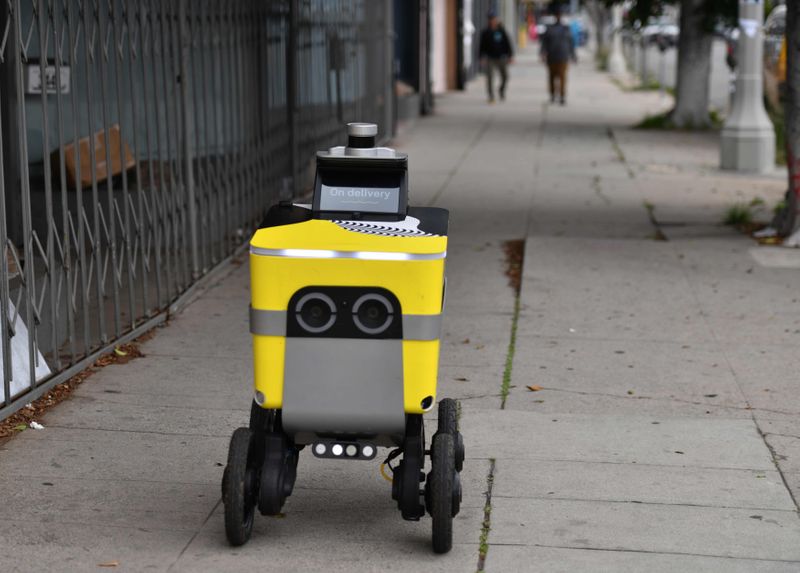
A Postmate delivery robot is seen on its route to deliver food to customers in Los AngelesImage Credit: AFP
5 of 10
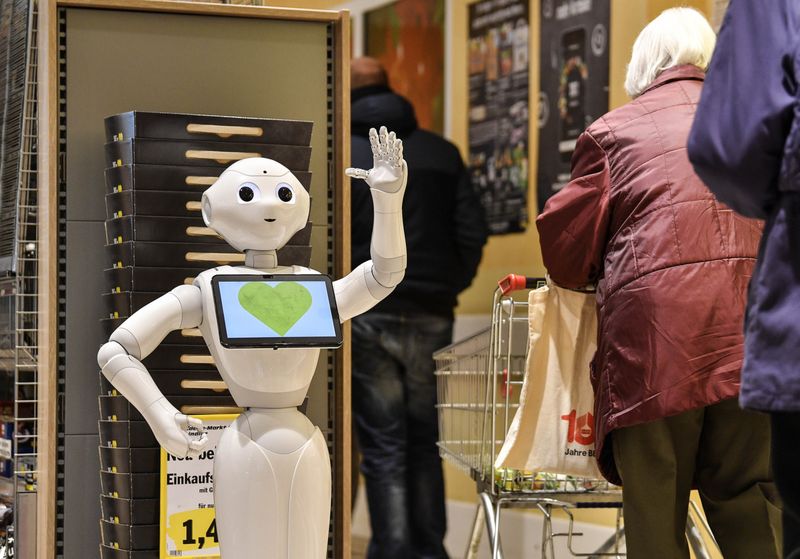
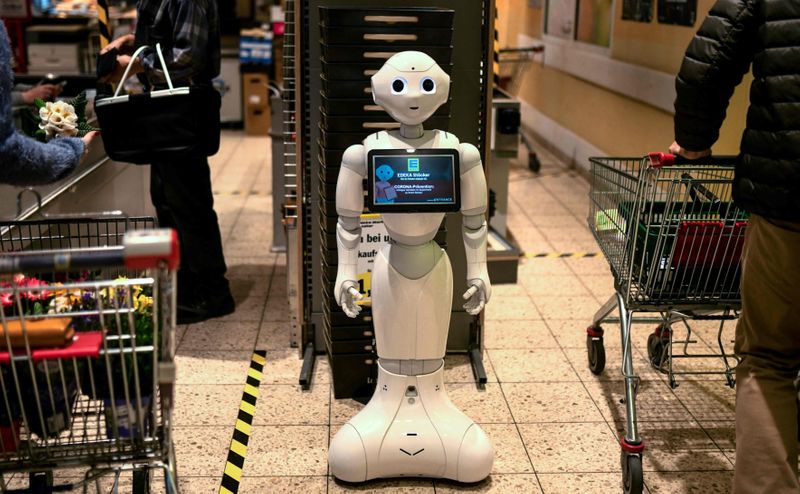
Humanoid robot 'Prepper' stands at the cash desk of a supermarket of the Edeka retail chain in Lindlar, western Germany, to explain protective measures and to promote solidarity with each other, amid the novel coronavirus / COVID-19 pandemic.Image Credit: AFP
6 of 10
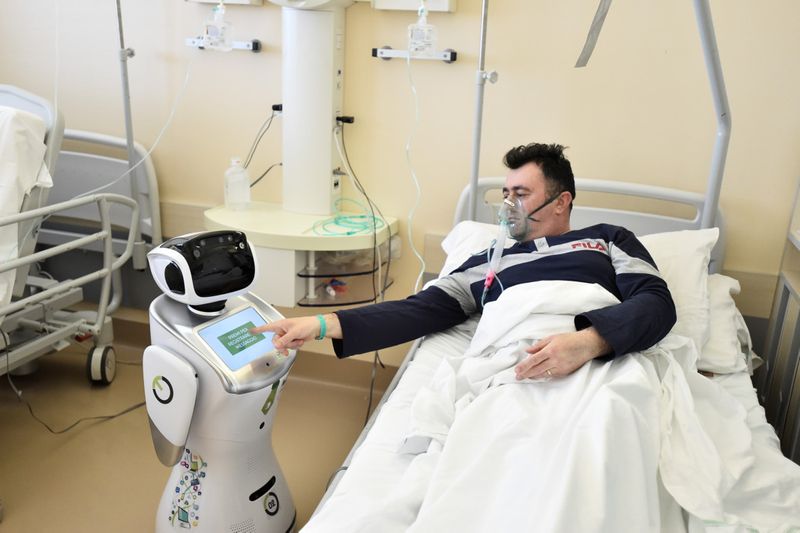
A robot helping medical teams treat patients suffering from the coronavirus disease (COVID-19) is pictured at a patient's room in the Circolo hospital in Varese, Italy.Image Credit: Reuters
7 of 10
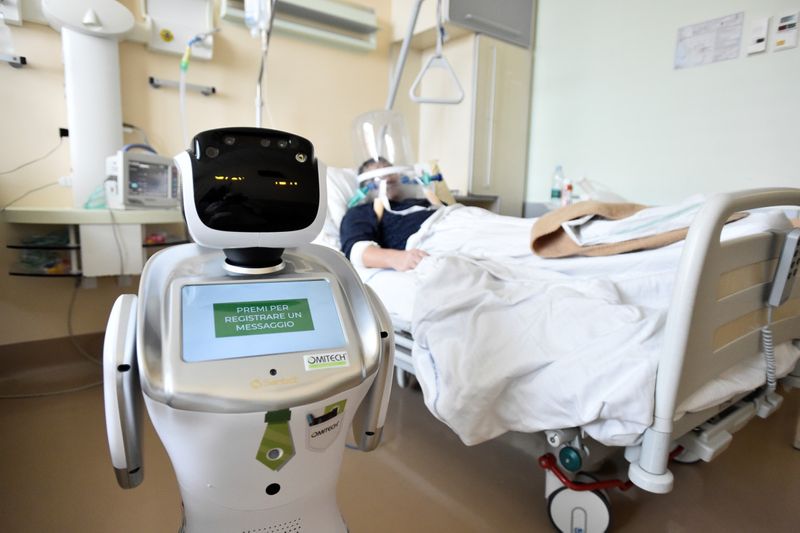
A robot helping medical teams treat patients suffering from the coronavirus disease in the Circolo hospital in Varese, Italy.Image Credit: Reuters
8 of 10
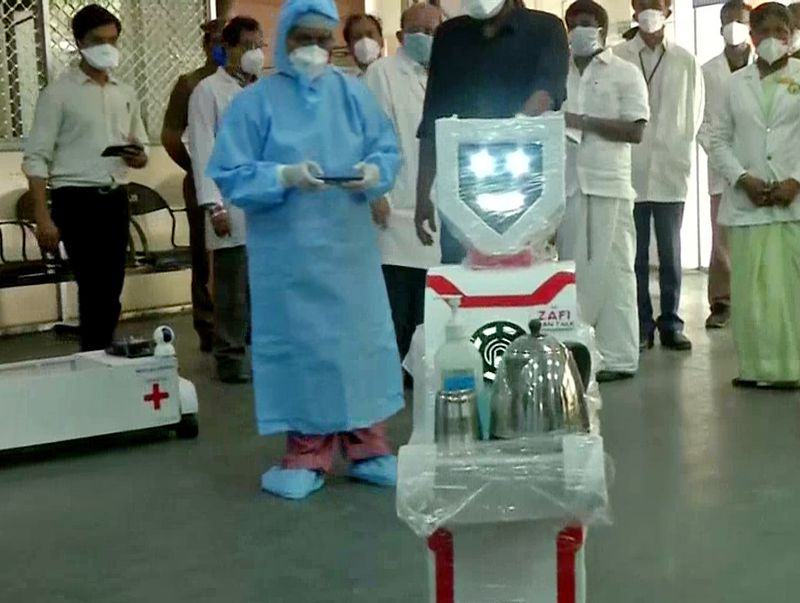
Robots have been deployed at Chennai's Government Stanley Medical College and Hospital to serve food and medicines to COVID19 positive or possibly infected persons, in Chennai.Image Credit: ANI
9 of 10
Humanoid robot Prepper is standing at the checkout counter of the Edeka grocery store to explain protective measures and to promote solidarity with each other, as the spread of the coronavirus disease (COVID-19) continues, in Lindlar, Germany.Image Credit: Reuters
10 of 10
A Tunisian police robot patrols along Avenue Habib Bourguiba in the centre of the capital Tunis as a means of enforcing a nationwide lockdown to combat the COVID-19 coronavirus pandemic. The locally-built robots are remotely operated and equipped with infrared and thermal imaging cameras, in addition to a sound and light alarm system.Image Credit: AFP SEE https://plawiuk.blogspot.com/search?q=ROBOTS
‘Why I didn’t report it’: Saudi women use social media to recount harassment
Women who report incidents have faced smear campaigns on social media, say activists
Published: April 06, 2020 Reuters
Photo for illustrative purposes only.Image Credit: Gulf News archives
Amman: Hundreds of women in Saudi Arabia are taking to social media to share their experiences of sexual harassment in a rare exploration of a taboo topic in the kingdom.
Using the hashtag “ #Why_I_didn’t_report_it ”, women and some men are recounting abuse endured at home or in public which they did not report to authorities fearing shame - or blame.
Saudi Arabia has outlawed domestic violence and sexual harassment in sweeping reforms recently that ended decades of gender segregation in restaurants and a ban on women driving.
But women who report incidents have faced smear campaigns on social media and been blamed for being harassed, rights groups say.
“My friends were punished when they reported (their abuse) and experienced more harm,” wrote one Saudi Twitter user who called herself Bella.
“I chose silence,” she said.
Saudi Crown Prince Mohammad Bin Salman last year allowed adult women to travel and get a passport without permission.
Under the regulations women can still face arrest if they disobey their guardian, often a husband or father.
One woman on Twitter who uses the online name Udor said she was arrested after her father beat her, kicked her out of the house and reported her to the police for disobedience.
A Saudi government body tasked with tackling domestic violence used the hashtag to urge those who had suffered abuse to get in touch privately.
Some women said they were afraid to speak up, especially in cases when their abuser was a family member.
“I reported it and the police came to convince me to drop the charges while my abuser sat with them,” wrote a Twitter user by the name of Catolina. High profile cases such as that of 18-year-old Rahaf Mohammed al-Qanun who fled to Canada in 2019 to escape what she said was an abusive family have rallied opposition to the kingdom’s male guardianship system.
COVID-19: World faces spectre of next great depression
If lockdowns persist, so does the probability of another globalwide depression: analysts
People attend a job fair in Miami. With the world’s biggest economy – United States – having shed 6.5 million jobs last week, up from 3.5 million the week before, economists are now being led to believe that the economy was in far worse shape than initially thought.Image Credit: AP
Dubai: Does the threat of more lockdowns to contain an untamable virus spread raise the chances of another Great Depression? – analysts say it does.
The coronavirus pandemic and lockdowns imposed by governments worldwide have already pushed the global economy into the sharpest downturn since the Great Depression. And it doesn’t seem to end.
“It’s clear that the economy is contracting more quickly than ever before during peacetime,” said Jack Allen-Reynolds, an economist at Capital Economics.
Economies crumble
With the world’s biggest economy – United States – having shed 6.5 million jobs last week, up from 3.5 million the week before, economists are now being led to believe that the economy was in far worse shape than initially thought.
More people have been laid off in the US over the last two weeks than were laid off in the first two months of the financial crisis of 2008-09.
Analysts currently see a prolonged period of 15 per cent unemployment in the US, but because of the rapid increase in unemployment the past couple of weeks and no peak in sight for the rate of infections, the debate is around whether it will exceed over 25 per cent like it was during the Great Depression. “Crisis like no other”
“This is a crisis like no other,” said Kristalina Georgieva, head of the IMF, on Friday. “Never in the history of the IMF have we witnessed the world economy coming to a standstill – it is way worse than the global financial crisis.”
The shock US employment numbers followed business surveys across Europe showed the services sector to be in deep trouble with the largest drop in activity and prospects for more than 20 years.
Indices of activity by purchasing managers in the eurozone, UK and Swedish purchasing managers’ indices all fell around 20 points, from levels below those seen at the worst point of the financial crisis.
Italy, which went into lockdown first, had the weakest PMI index on record with a figure of 17.4, compared with a figure of 50 which represents the point at which an equal number of companies reported rising and falling activity.
Rethinking recession
The dire state of curfew-struck countries is forcing some analysts to move past the conclusion of the economy being in recession to what’s possibly coming next – from a state of extended recession to a repeat of the Great Depression seen during the 1930s.
“Recession is baked in the cake – the global economy has stopped, and money has ceased flowing, and not only that, confidence has evaporated and, when that happens so quickly, it takes a long time to come back,” said Murray Gunn, head of global research at Elliott Wave International.
“The economy will be suffering post-traumatic stress disorder for a long time – therefore, a deep and elongated recession, a depression, is probable.”
“The crash from a high point in the US market means that it is the start of something rather than the end,” said Gunn. “Much like in 1929 to 1932, the stock market will probably bounce after this initial crash only for another devastating wave down to complete the deflationary process.” Cash is king
The rapid-fire selloff in stock markets and dire economic forecasts due to the coronavirus have spurred a dash for cash, a Bank of America fund manager survey had showed.
Cash holdings in March surged to an average 5.1 per cent, just shy of the 5.5 per cent seen during the 2008 financial crisis, as equity allocations were in a record collapse, mainly led by Eurozone and emerging markets, the survey further indicated.
“Stocks, bonds and commodities all decline in deflation, but the one asset class that has benefitted through this is cash and, as the deflationary environment intensifies, cash will remain king,” said Gunn, the lead contributor to deflation.com. “The key to riding out deflation is to have cash, an income and as little debt as possible.”
“If you want to see how the value of your cash increases in a bear market, just turn the chart of the stock market upside down,” Gunn added. “When the bear market ends, it will be the cash holders that can pick up some amazing bargains.”
BOOK REVIEW Bullshit Jobs: A Critical Pedagogy Provocation Joyce Canaan Professor of Sociology, Birmingham City University For what and for whom do I study? And against what and against whom?... To the extent that the future is not inexorably sealed and already decided, there is another task that awaits us. Namely the task of the inherent openness of the future . . . It is not by resignation but by the capacity for indignation in the face of injustice that we are affirmed (Freire, 2001:73- 74).
I precede the ‘provocation’ —a word I first heard used by my colleagues Gordon Asher and Leigh French—below with the following caveats. First, I produced this provocation as part of a workshop on Critical Pedagogy that Gordon Asher, Leigh French and I co-organised preceding a day conference on Critical Pedagogies.
Second, the provocation that follows, like those of Asher and French, sought to spark off debate; it used David Graeber’s rhetorical argument about paid work today, with its explicit use of the ‘b’ word, to encourage academics at the event to re- contextualise regimes of accountability in the university that they are experiencing and to consider how critical pedagogy could help them do so. Finally, I have been lucky enough to leave full time employment when voluntary redundancy was on offer (being already off work on stress-related sick leave, for the first and last time in my full-time, paid working life). This allowed me to stop being a wage slave and become, instead, as one of my colleagues put it, like Tony Benn who left Parliament to take up politics; I was leaving the university to take up education.
David Graeber’s recent (2013) piece ‘On the phenomenon of bullshit jobs’ observes that during the 20th century, the percentage of people in the US and UK performing ‘professional, managerial, clerical, sales and service’ sector jobs rose from 25% to 75% of the workforce, in part accounted for by ‘an unprecedented expansion of sectors like corporate law, academic and health administration, human resources and public relations’.
Why has there been such a growth in these jobs? Graeber says first like many others, that de-industrialisation, coupled with technological, communicational and transportation advances, led to whole swathes of work being dramatically reduced and/or moved South (as was the case with industry).
Second, again, not an uncommon observation, there has been a significant increase in service, and, especially, administrative sector jobs. The latter rests on ‘the creation of new industries like financial services or telemarketing, or on the unprecedented expansion of jobs in areas such as ‘corporate law, academic and health administration, human resources, and public relations’ (Graeber, 2013) and in sectors of work supporting the needs of the above sets of workers. Graeber deems these service and administrative sector jobs ‘bullshit jobs’—a concise term that emphasises their seeming meaninglessness.
'
He notes that the expansion of jobs in these two sectors occurred alongside the elimination of productive jobs, in which workers interacted with the world and made tangible (even if sometimes virtual) things. Most remaining workers only spend a fraction of their time doing the work they believe they were originally hired to do; more time is spent performing morally and politically dispiriting ‘bullshit’ tasks. Only a small fraction of this remainder still have the kinds of employment that many of the latter group thought they were initially entering.
As the world grapples with the COVID-19 pandemic, a new mathematical model could offer insights on how to improve future epidemic predictions based on how information mutates as it is transmitted from person to person and group to group.
The U.S. Army funded this model, developed by researchers at Carnegie Mellon University and Princeton University, through the Army Research Laboratory's Army Research Office, both elements of the Combat Capabilities Development Command.
The model suggests that ideas and information spread and evolve between individuals with patterns similar to genes in that they self-replicate, mutate and respond to selective pressure as they interact with their host.
"These evolutionary changes have a huge impact," said CyLab faculty member Osman Yagan, an associate research professor in Electrical and Computer Engineering at Carnegie Mellon University and corresponding author of the study. "If you don't consider the potential changes over time, you will be wrong in predicting the number of people that will get sick or the number of people who are exposed to a piece of information."
In their study, published March 17 in the Proceedings of the National Academy of Sciences, the researchers developed a mathematical model that takes the evolutionary changes of both disease and information into consideration. The research tested the model against thousands of computer-simulated epidemics using data from two real-world networks: a contact network among students, teachers, and staff at a U.S. high school, and a contact network among staff and patients in a hospital in Lyon, France.
"We showed that our theory works over real-world networks," said the study's first author, Rashad Eletreby, who was a Carnegie Mellon doctoral candidate when he wrote the paper. "Traditional models that don't consider evolutionary adaptations fail at predicting the probability of the emergence of an epidemic."
The researchers said the epidemic model most widely used today is not designed to account for changes in the disease being tracked. This inability to account for changes in the disease can make it more difficult for leaders to counter a disease's spread or make effective public health decisions such as when to institute stay at home orders or dispatch additional resources to an area.
"The spread of a rumor or of information through a network is very similar to the spread of a virus through a population," said Dr. H. Vincent Poor, one of the researchers on this study and Princeton's interim dean of engineering. "Different pieces of information have different transmission rates. Our model allows us to consider changes to information as it spreads through the network and how those changes affect the spread."
While the study is not a silver bullet for predicting the spread of today's coronavirus or the spread of misinformation, the authors say it is a big step.
In the future, the team hopes that their research can be used to improve the tracking of epidemics and pandemics by accounting for mutations in diseases and ultimately considering interventions like quarantines and then predicting how those interventions would affect an epidemic's spread when the pathogen is mutating as it spreads.
"This work demonstrates the importance of basic research and the ability of scientists in various disciplines to inform each other's work," said Dr. Edward Palazzolo, program manager for the Social and Cognitive Networks Program at the Army Research Office. "Although in its early stages, these models show promise for understanding network diffusion in light of mutations."
In addition to the Army, the National Science Foundation and the Office of Naval Research also supported this research. Other researchers co-authored the paper include Yong Zhuang and Kathleen Carley from Carnegie Mellon University.
More information: Rashad Eletreby et al, The effects of evolutionary adaptations on spreading processes in complex networks, Proceedings of the National Academy of Sciences (2020). DOI: 10.1073/pnas.1918529117
Researchers describe how biofuels can achieve cost parity with petroleum fuels
Biofuels are an important part of the broader strategy to replace petroleum-based gasoline, diesel, and jet fuels that we use today. However, biofuels have so far not reached cost parity with conventional petroleum fuels.
One strategy to make biofuels more competitive is to make plants do some of the work themselves. Scientists can engineer plants to produce valuable chemical compounds, or bioproducts, as they grow. Then the bioproducts can be extracted from the plant and the remaining plant material can be converted into fuel. When produced in the plant itself, bioproducts can help reduce the cost of the resultingbiofuel.
But one important part of this strategy has remained unclear—exactly how much of a particular bioproduct would plants need to make in order to make the process economically feasible?
Now researchers at the Department of Energy's Lawrence Berkeley National Laboratory (Berkeley Lab) and the Department of Energy's Joint BioEnergy Institute (JBEI), which is managed by Berkeley Lab, have provided the first definition of this amount. Their study, jointly led by Corinne Scown and Patrick Shih, was published recently in the Proceedings of the National Academy of Sciences.
The researchers first gathered information on a group of well-studied bioproducts that plants can already effectively produce—ranging from flavors and fragrances to biodegradable plastic. Making a valuable bioproduct would help offset the cost of making biofuels and make the whole process cheaper.
"It's a really elegant solution, to be able to engineer a plant to directly accumulate a valuable bioproduct," said Scown, a researcher in JBEI and Berkeley Lab's Energy Technologies Area.
They then designed and simulated what it would take to extract these bioproducts from plant material in the context of an ethanol biorefinery. In this setting, valuable bioproducts would be extracted from the plant, while the remaining plant material would be converted into ethanol.
This helped them answer two important questions: what amount of bioproduct the plant needs to produce in order to make the process of extracting it worthwhile, and what amount needs to be made in order to reach the target ethanol selling price of $2.50 per gallon.
To their surprise, their results showed that the amount plants need to make is actually quite feasible. For example, they calculated that when accumulated at 0.6% of the biomass dry weight, a compound such as limonene—used in flavor and fragrance—would offer net economic benefits to biorefineries. In other words, if they can harvest 10 dry metric tons of sorghum biomass from an acre of land, they need to recover only around 130 pounds of limonene from that biomass.
"The researchers in our Feedstocks Division were surprised by how modest the target levels were," Scown said. "The levels we need to accumulate in plants to offset the cost of bioproduct recovery and drive down the price of biofuels are well within reach."
Their results show that this strategy for reducing the cost of biofuels is feasible—but scientists shouldn't put all of their eggs in one basket, because the market for each high-value product is limited in size. Their analysis suggests that just five commercial-scale biorefineries could support the entire projected 2025 market demand for limonene. Scown said crops need to be engineered to produce a broad range of products to make sure the industry is diversified and the market is not flooded for any one product.
"With techno-economic models, this research provides new insights into the role of bioproducts in improving the economics of biorefineries," said Minliang Yang, a postdoctoral researcher at JBEI and lead author of the study.
Scown said the biggest impact of the paper is that it offers the first quantitative basis to actually implement this cost-saving strategy, providing a starting point for scientists who are attempting to engineer or breed plants that create bioproducts on their own and offset the cost of making biofuels as a result.
More information: Minliang Yang et al, Accumulation of high-value bioproducts in planta can improve the economics of advanced biofuels, Proceedings of the National Academy of Sciences (2020). DOI: 10.1073/pnas.2000053117
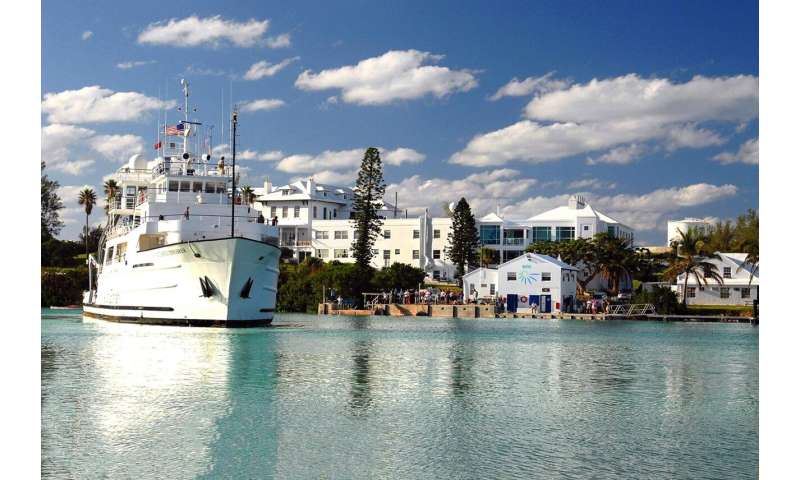
by Bermuda Institute of Ocean Sciences APRIL 6, 2020
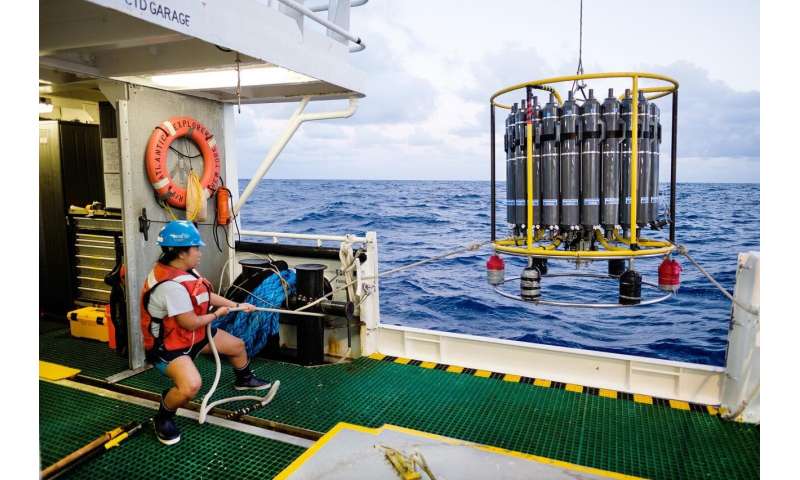
Maya Thompson, marine technician intern, hauls in the CTD (conductivity, temperature and depth) rosette aboard the R/V Atlantic Explorer on a recent research cruise in the Sargasso Sea. The CTD rosette collects water samples and physical oceanographic measurements from discrete depths. Credit: Bermuda Institute of Ocean Sciences
We're familiar with how climate change is impacting the ocean's biology, from bleaching events that cause coral die-offs to algae blooms that choke coastal marine ecosystems, but it's becoming clear that a warming planet is also impacting the physics of ocean circulation.
A team of scientists from the University of British Columbia, the Bermuda Institute of Ocean Sciences (BIOS), the French Institute for Ocean Science at the University of Brest, and the University of Southampton recently published the results of an analysis of North Atlantic Ocean water masses in the journal Nature Climate Change.
"The oceans play a vital role in buffering the Earth from climate change by absorbing carbon dioxide and heat at the surface and transporting it in the deep ocean, where it is trapped for long periods," said Sam Stevens, doctoral candidate at the University of British Columbia and lead author on the study. "Studying changes in the structure of the world's oceans can provide us with vital insight into this process and how the ocean is responding to climate change."
One particular layer in the North Atlantic Ocean, a water mass called the North Atlantic Subtropical Mode Water (or STMW), is very efficient at drawing carbon dioxide out of the atmosphere. It represents around 20% of the entire carbon dioxide uptake in the mid-latitude North Atlantic and is an important reservoir of nutrients for phytoplankton—the base of the marine food chain—at the surface of the ocean.
Scientists undertake work collecting water samples each month at the same site in the open ocean nearly 50 miles (80 kilometers) off Bermuda, as part of the Bermuda Atlantic Time-series Study (BATS) to analyzing hydrographic, chemical, and biological parameters throughout the water column. Scientific colleagues and students from around the world also join BATS cruises to undertake associated research, and many use BATS data to investigate a variety of topics, including ocean physics and biogeochemistry, the global carbon cycle, and the ocean's response to climate change. Credit: Tiffany Wardman, Bermuda Institute of Ocean Sciences
Using data from two of the world's longest-running open-ocean research programs—the Bermuda Atlantic Time-series Study (BATS) Program and Hydrostation 'S'—the team found that as much as 93% of STMW has been lost in the past decade. This loss is coupled with a significant warming of the STMW (0.5 to 0.71 degrees Celsius or 0.9 to 1.3 degrees Fahrenheit), culminating in the weakest, warmest STMW layer ever recorded.
"Although some STMW loss is expected due to the prevailing atmospheric conditions of the past decade, these conditions do not explain the magnitude of loss that we have recorded," said Professor Nick Bates, BIOS senior scientist and principal investigator of the BATS Program. "We find that the loss is correlated with different climate change indicators, such as increased surface ocean heat content, suggesting that ocean warming may have played a role in the reduced STMW formation of the past decade."
The CTD (conductivity, temperature, and depth) instrument is the backbone of the Bermuda Atlantic Time-series Study (BATS) program, collecting a variety of physical, chemical, and biological oceanographic data from the North Atlantic Ocean on a monthly basis. Over time, these data points form a time-series, which allow scientists to examine trends in a variety of research areas, including the global carbon cycle and climate change. Credit: Annaliese Meyer, Bermuda Institute of Ocean Sciences
These findings outline a worrying relationship where ocean warming is restricting STMW formation and changing the anatomy of the North Atlantic, making it a less efficient sink for heat and carbon dioxide.
"This is a good example of how human activities are impacting natural cycles in the ocean," said Stevens, who was previously a BATS research technician from 2014 through 2017 before beginning his doctoral work, which leverages the work he did with BATS/BIOS.How stable is deep ocean circulation in warmer climate?
More information: Samuel W. Stevens et al, A recent decline in North Atlantic subtropical mode water formation, Nature Climate Change (2020). DOI: 10.1038/s41558-020-0722-3
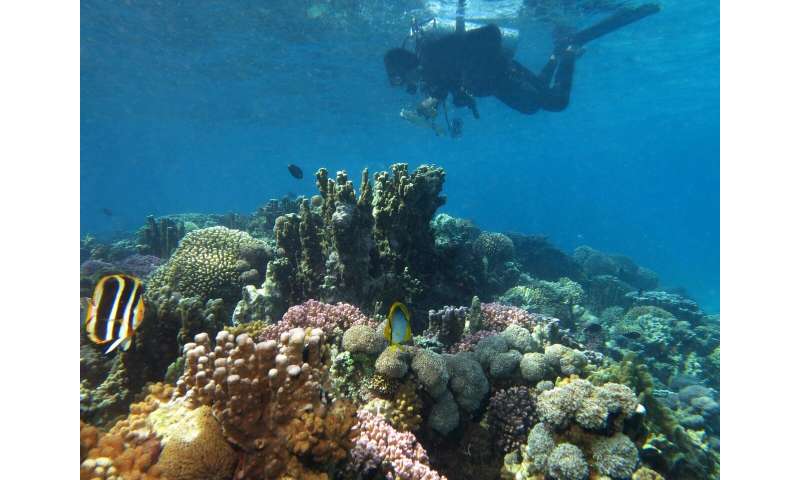
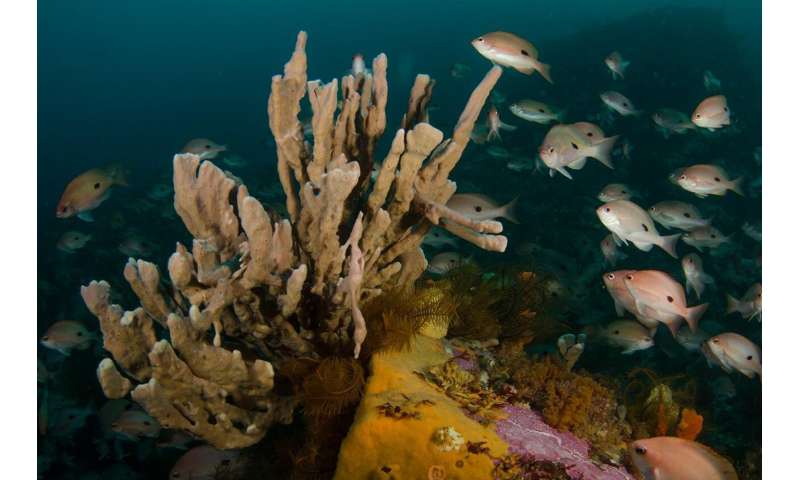
Reef life Survey diver at Lord Howe Island. Credit: Antonia Cooper
Global climate change will affect fish sizes in unpredictable ways and, consequently, impact complex food webs in our oceans, a new IMAS-led study has shown.
Led by IMAS and Centre for Marine Socioecology scientist Dr. Asta Audzijonyte and published in the journalNature Ecology and Evolution, the study analysed three decades of data from 30 000 surveys of rocky and coral reefs around Australia.
Dr. Audzijonyte said the study confirmed that changes in water temperature were responsible for driving changes in average sizes of fish species across time and spatial scales.
"Cold blooded animals, especially fish, have long been noted to grow to a smaller size when raised in warmer temperatures in an aquarium," Dr. Audzijonyte said.
"If fish grow to smaller sizes in warmer aquaria, it is only natural to expect that global warming will also lead to shrinkage of adult fish size.
"However, average fish body size in wild populations are affected by growth, mortality, recruitment as well as interactions with other organisms and their environment simultaneously and it is unclear how all of these factors are affected by temperature."
The researchers were surprised to find that while temperature has a significant impact, it caused different fish species to react differently.
In some the average fish body size got smaller as predicted (around 55% of species) but in others it increased (around 45%).
Reef fish at Deep Glen Bay, Tasmania. Credit: Antonia Cooper
In general—but not universally—larger species tended to get even bigger in warmer waters, while smaller species tended to get smaller.
Tropical species were more likely to be smaller at the warm end of their distribution ranges.
Most importantly, the species that were smaller at the warmer edges of their habitat ranges were also more likely to get on average smaller with global warming.
"At Tasmanian survey locations, where some of the fastest rates of warming were observed, up to 66% of species showed clear changes in body size."
"As well as happening quite quickly, some of the size changes can also be surprisingly large.
"For example, the change in a median-length temperate fish corresponds to around 12% of its body mass for each 1oC of warming.
"At the current rate of warming, in 40 years this would result in around a 40% change in body length, either increasing or decreasing depending on the species," she said.
Dr. Audzijonyte said the varying responses of species to warming would have implications for food webs and ecosystems, including their stability and resilience to other external stressors, such as fishing, coastal pollution and a range of different climate change impacts.
The study was made possible through collaboration between University of Tasmania scientists and government managers across Australia, and by the efforts of over 100 volunteer Reef Life Survey divers, who have undertaken regular surveys at over 1000 sites around the continenAs the ocean warms, marine species relocate toward the poles: study
More information: Audzijonyte, A., Richards, S.A., Stuart-Smith, R.D. et al. Fish body sizes change with temperature but not all species shrink with warming. Nat Ecol Evol (2020). doi.org/10.1038/s41559-020-1171-0
Coffee grounds show promise as wood substitute in producing cellulose nanofibers
by Yokohama National University
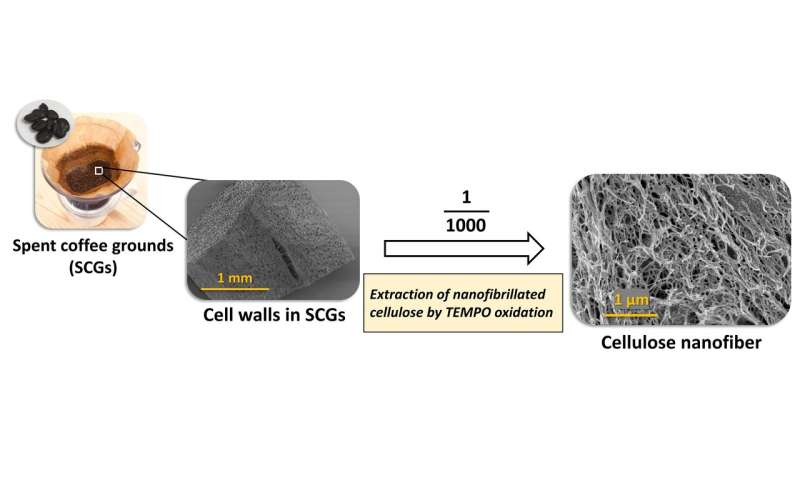
Cellulose nanofibers with up to 25 nm wide were produced from spent coffee grounds by TEMPO-mediated oxidation. Credit: Yokohama National University
The world generates over six million tons of coffee grounds, according to the International Coffee Organization. The journal Agriculture and Food Chemistry reported in 2012 that over half of spent coffee grounds end up in landfills. Cellulose nanofibers are the building blocks for plastic resins that can be made into biodegradable plastic products.
The YNU team, led by Izuru Kawamura, an associate professor at the Graduate School of Engineering Science, set out to build upon previous research into extracting cellulose nanofibers from coffee grounds. They published their findings on April 1 in the journal Cellulose.
"Our ultimate goal is to establish a sustainable recycling system with our cellulose nanofibers in the coffee industry," Kawamura said. "Now, more and more restaurants and cafés have been banned from using single-use straws. Following that movement, we aim to make a transparent disposable coffee cup and straw with an additive comprising cellulose nanofibers from spent coffee grounds."
Demand for cellulose nanofibers is increasing worldwide, as industries realize their potential as a more environmentally sound and sustainable way to produce plastics.
"Cellulose nanofibers have mainly been produced from wood-based materials such as pulp so far," Kawamura said. "Cellulose nanofibers can be potentially supplied from all plants from nature. We would like to emphasize spent coffee grounds are a promising raw material."
The key to extracting cellulose nanofibers from spent coffee grounds lies in cellulose, the material that comprises the beans' cell walls and accounts for about half the weight and volume of the grounds.
The YNU team ran the experiment of isolating cellulose nanofibers from beans' cell walls by catalytic oxidation, a process that oxidize the cell walls using a catalyst. This is a method previously reported by Akira Isogai at the University of Tokyo.
The team examined the resulting cellulose nanofibers with imaging techniques including X-ray diffraction, electron microscopy, and thermogravimetric analysis—a method of observing the fundamental structural features of cellulose nanofibers and comparing that derived from wood. The coffee ground-based cellulose nanofibers displayed uniformity and integrated well into polyvinyl alcohol, the building block for a variety of industrial and consumer products. His team found that their average diameter was 25 nanometers. For reference, a human hair measures about 90,000 nanometers in diameter.
Such consistency and integration with polymer resins are milestones that demonstrate the potential for coffee ground-based cellulose nanofibers as a wood substitute, Kawamura said, but further research is needed to develop a commercially viable process.
Kawamura believes cellulose nanofibers may soon play a major role in the automobile industry, offering a lightweight alternative to steel and plastic for auto bodies. As emission standards continue to tighten, the market for lighter cars will grow, making cellulose nanofibers an increasingly valuable commodity.
"The total weight of plastic resin made by cellulose nanofibers is very light compared to steel," Kawamura said. "It will bring an efficient reduction of CO2 emission." Resins built on nanofibers also work well in 3-D printing, making them an environmentally friendly alternative to petroleum-based plastics for a host of potential products.
This new process may be a boon for the coffee industry, which has limited options for monetizing spent coffee grounds. Some cities have recycling programs, where spent coffee grounds are reused as nutrient-rich compost for greenhouses and mushroom farms. Other programs send spent coffee grounds to facilities that produce biogas. But overall, most coffee grounds still end up in landfills.Cellulose nanofibers can help particles in ink and printed electronics disperse evenly
More information: Noriko Kanai et al, Structural characterization of cellulose nanofibers isolated from spent coffee grounds and their composite films with poly(vinyl alcohol): a new non-wood source, Cellulose (2020). DOI: 10.1007/s10570-020-03113-w
Actions that are stimulus-ready after the pandemic can achieve climate pathways
by ClimateWorks Australia
Credit: CC0 Public Domain
The rapid progress and plummeting cost of green technology provide an unprecedented opportunity for Australia to move to a net zero emissions economy by 2050, according to a new report by ClimateWorks Australia released today.
But the Decarbonisation Futures: Solutions, actions and benchmarks for a net zero emissions Australia report also shows that Australia has entered the transformational decade for addressing climate change and that the transition needs to speed up, with "all-in" action by governments, businesses and ordinary Australians.
Decarbonisation Futures sets out detailed evidence of how major sectors of the Australian economy can move to net zero emissions, in line with global goals of keeping warming below 1.5 or 2 degrees, by accelerating investment in technological solutions already available and invented.
Critically, these actions can support efforts to rebuild from the shock of the COVID-19 pandemic.
"The stimulus to recover from the pandemic will need exactly the sort of actions that are needed to address the climate crisis, too," says Anna Skarbek, CEO of ClimateWorks Australia.
"If we get this right, we can meet Australia's international climate change commitments, create jobs in sustainable industries, and set ourselves up for a smoother and speedier shift to a zero emissions economy."
Ms Skarbek said that both the COVID-19 and climate crises exposed the need for governments to ensure the safety of their citizens.
"The pandemic is causing extraordinary pain and disruption, but it also shows that businesses, individuals and all levels of government are willing to support each other and work together in response to a crisis.
"And the measures to address climate change that we identify in this report would not be anything like the economic shock we're experiencing at the moment.
"If there was ever a time that we could have confidence we can go all-in, all together, to bring forward investment in known zero-emissions solutions, that time is now."
ClimateWorks' new report builds on its 2014 report, Pathways to Deep Decarbonisation in 2050 developed with ANU and CSIRO, and finds that global innovation over the past five years has closed the technological gap, enabling Australia to widely deploy technologies to produce zero emissions in electricity, transport and buildings, among other sectors.
Beyond these ready-to-go solutions, Australia also has access to emerging technologies in harder-to-abate sectors such as heavy industry, agriculture and land.
"Some of these technologies had not been identified at the middle of last decade," said ClimateWorks' Head of National Programs, Amandine Denis-Ryan. "Now we can see a zero emissions world across all sectors of the economy."
In transport, for example, renewable-powered, electric cars, buses, trams and trucks are ready to be rolled out. In fields such as aviation and shipping, accelerated investment in R&D in biofuels, renewable hydrogen and ammonia, as well as electrification can close the gap to zero emissions by 2050.
The report finds that new electricity generation from renewables is now cheaper than new fossil fuel generation, even when accounting for hours of storage, while battery storage costs are 80 percent cheaper than in 2010. But it reveals the urgency of Australia's task, especially over the next decade.
"To achieve the Paris climate goals we have to halve our emissions by 2030 at the latest. We now know we have enough technological capacity in the Australian economy to get there. But we need to get these technologies out the door at every opportunity," Ms Denis-Ryan said.
The report shows how governments must go beyond business-as-usual approaches by setting targets, providing incentives to stimulate private investment and investing in infrastructure, among other actions.
Since the release of ClimateWorks' 2014 report, the global carbon budget to enable the world to stay below 1.5 or 2 degrees of extra warming has reduced.
"Even though we have lost time, technology has also progressed faster than expected, so we are now well placed to leapfrog to zero-emissions technologies in all sectors," Ms Denis-Ryan said.
"To date the paths to decarbonising each sector of the economy have not been widely understood. This report shows the ways it can be done," she said.
"Zero-emissions pathways now exist in all sectors of the economy. Australia can install the technologies at enough scale if there is strong action by government, businesses and individuals, starting from today."





_resources1_16a30b30c48_medium.jpg)