Thursday, May 25, 2023

SASKATOON
Catholic Schools Superintendent tells teachers, chaperones to avoid Rainbow Tent at Children's Fest


Principals were told to "speak personally" to teachers and parent chaperones and "inform them that the Rainbow Tent should not be part of their visit."

Author of the article:Julia Peterson
Published May 25, 2023 • 

Children sit with a performer at the 2022 Nutrien Children's Festival. 
PHOTO BY MATT SMITH /Saskatoon StarPhoenix

An email from Superintendent of Education Tom Hickey to the principals of Saskatoon Catholic elementary schools says teachers and parent chaperones are not to take students to the “Rainbow Tent” at the Nutrien Children’s Festival this year.

“Based on the description on the festival website, engagement and participation by our students in that particular onsite offering would not be supported,” Hickey wrote on May 17.

The Rainbow Tent is one of many activities offered at the Children’s Festival, which takes place in Kinsmen Park from June 1 to 4.

“From Drag Queen Storytime to inclusive dress up performances filled with colour and fun, this tent is full of rainbows,” was the entire description of the Rainbow Tent on the festival website at the time Hickey’s email was sent.

It advised principals to “speak personally” to teachers and parent chaperones taking students to the festival, and “inform them that the Rainbow Tent should not be part of their visit.”


A screenshot of an email sent by GSCD Superintendent of Education Tom Hickey, advising school principals that “the Rainbow Tent should not be part of their visit” to the Nutrien Children’s Festival this year. PHOTO BY SUBMITTED BY KATE HOFSTRA


Former student Kate Hofstra said she was “gutted” when she saw Hickey’s email, which has been circulating on social media.

“I was just so sad,” said Hofstra. “I loved that teacher. He was my homeroom teacher in high school

“(And) I just hope that, whatever the intention was, he knows this is so hurtful for our family.”

Hofstra and her wife have a four-year-old son who starts school in the fall.

“I grew up Catholic, and I like the traditions of being in a Catholic school — but these specific reasons are the reasons he’s not going to a Catholic school,” she said.

Students deserve to see all sorts of families and identities represented and celebrated, rather than being hidden away, she added.

“To be going to a children’s festival and being told you’re not allowed to go in that tent — because of the potential that you might see some representation of what you live every day — is so scary to think about,” said Hofstra. “It’s scary to think that a totally normal family like ours would be under attack in such an innocent atmosphere.”

Seth Rabby-Dowling, dad to a transgender student currently enrolled in the Saskatoon Catholic system, said Hickey’s email was “ridiculous” and “not something I’m OK with.”

His daughter’s high school experience has been roundly positive, with supportive faculty, staff and classmates, so hearing about the superintendent’s directive against visits to the Rainbow Tent seemed “so out of left field,” he said.

“Purposefully avoiding the rainbow tent doesn’t seem like something the Catholic schools would be okay with, (and) it doesn’t seem right to me,” said Rabby-Dowling. “I don’t think there should be a problem with going to the Rainbow Tent.”

On Thursday, the Nutrien Children’s Festival reiterated its commitment to the Rainbow Tent and inclusive activities.

“Every child is welcome at the festival and as such, we curate our programming to reflect who we are and who we aspire to become as a community,” organizers said in a statement. “We believe that every child should feel heard, loved, accepted and supported and we work hard to provide performances and activities that support this belief.”

Festival organizers also offered a reminder that “all are welcome” at the festival, and there will be “rigorous security standards and protocols” on site to ensure the safety of all attendees.

Multiple attempts were made to contact Hickey and Greater Saskatoon Catholic Schools for comment. All phone calls were transferred to voicemail.




Sask. Research Council designs, manufactures cell tech for rare earth element processing

Saskatchewan's Rare Earth Processing Facility is expected to be fully operational late next year.

Author of the article: Rob O'Flanagan
Saskatoon StarPhoenix 
Published May 25, 2023 •
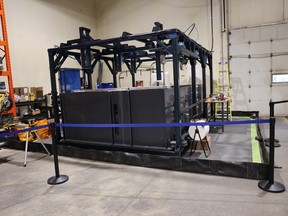
A solvent extraction cell under construction at an industrial fabrication facility on Millar Avenue in north Saskatoon on May 25, 2023, to be used in a new rare earth processing facility under development by the Saskatchewan Research Council. 
(Rob O'Flanagan/Saskatoon StarPhoenix) 

The Government of Saskatchewan was emphatic in March about its intention to make Saskatchewan a global hub for the exploration and processing of valuable critical minerals and rare earth elements.

A major spoke in that hub was unveiled Thursday morning, when the government’s research and technology organization, the Saskatchewan Research Council (SRC), announced it has designed and is manufacturing a component critical to rare earth element extraction

The advanced tech is exclusively owned by the provincial government and makes Saskatchewan and Canada one of only a small number of jurisdictions in the world with a similar capability.

Saskatchewan Research Council associate vice-president Erin Herman, left, and president and CEO Mike Crabtree explain the technology behind a new rare earth element solvent extraction cell technology at a media event in Saskatoon on May 25, 2023. 
(Rob O’Flanagan/Saskatoon StarPhoenix) 

Media, SRC officials and employees gathered in an industrial fabrication facility on Millar Avenue in north Saskatoon, where commercial-scale solvent extraction cell technology, vital to next-level rare earth element processing, was unveiled.

While the technology was in a state of partial assembly, officials were quick to build up its importance. The extraction cell technology will separate rare earth elements one from another, making them much more valuable.

An SRC processing facility, currently under construction and expected to open next year, will use the technology to process rare earth elements to a much higher level of refinement. The Millar Avenue fabrication facility will manufacture 140 of the cells for use in the processing facility.

SRC chief executive officer Mike Crabtree said the type of processing done there will allow the making of a “mid-stream” product that will increase the value of the elements by a factor of 10 to 20 times.

The extraction cells will take a liquid mixture, known as rare earth chloride, containing all 17 rare earth elements and separate them into individual rare earth oxides. Crabtree added that the processing facility, once up and running, will process minerals mined in Saskatchewan, other places in Canada and across North America.

The elements are used in an ever-increasing number of contemporary products, including cellphones, electric vehicles and wind turbines. Rare earth elements also have applications in the defence industry.

“Saskatchewan has the expertise, the capability and the reserves of rare earths to become that processing hub,” Crabtree said, adding that the facility will be “the most environmentally sustainable of its kind in the world,” with safeguards in place to prevent the release of environmental contaminants.

Crabtree said rare earth elements will remain in high demand into the future because they’re an integral part of existing technology widely used in the world. We would be lost without it, he suggested.

“They are that important to the industrial base of the planet.”

“Innovation and technology development are at the heart of what SRC does,” Minister Responsible for SRC Jeremy Harrison said in a news release. “The design, fabrication and automation of these solvent extraction cells right here in Saskatchewan is helping to develop an innovative and secure rare earth element supply chain in North America.”

Saskatchewan’s Rare Earth Processing Facility will use hydro-metallurgy, separation and metal smelting stages. It is expected to be fully operational late next year.

SRC is Canada’s second largest research and technology organization, with more than 350 employees and $277 million in annual revenue. It provides services and products to clients in 23 countries.
Botswana president insists on bigger share of diamonds from De Beers venture

Reuters | May 25, 2023 |

Stock Image

Botswana will not back down on demands for a bigger share of rough diamonds from its joint venture with De Beers, President Mokgweetsi Masisi said on Thursday, upping the stakes as talks for a new sales deal appear to be stalling.


Botswana and De Beers mine the precious stones through their equally owned, 54-year-old mining venture, Debswana Diamond Co. The current diamond sales deal, in place since 2011, has been extended three times since 2020 but is set to expire next month.

De Beers, a unit of Anglo American Pl
c, gets 75% of Debswana’s production, which was 24 million carats in 2022. The balance is sold to state-owned Okavango Diamond Company, a vehicle established in 2011 as Botswana began moves to independently sell some gems outside of the De Beers system.

Masisi, who has been Botswana’s president since 2018 and will seek re-election in next year’s elections, now wants Botswana to sell more of its diamonds outside the De Beers channel.

“Our agreement with De Beers is very restrictive to us. We signed it at a time when we didn’t know much, but now our eyes are open,” Masisi said at a community meeting in Mmadinare, 400 kilometres (248.55 miles) north-east of the capital, Gaborone.

Masisi hinted at a possible stalemate and litigation over the sales agreement.

“Even if we lose the litigation, our diamonds will remain ours and we will never give in. If I am going to lose votes because of this issue, then so be it,” said Masisi, speaking in Setswana.

Masisi has previously threatened to walk away from the talks if Botswana does not get a bigger share of Debswana’s output for marketing outside the De Beers system. The government has not publicly stated what share it seeks, but it is believed to be as high as 50%, double the current allocation.

De Beers was not immediately available to comment.

The diamond giant says Botswana receives more than 80% of returns from Debswana, after taxes and royalties are factored in. De Beers has previously expressed confidence that its five-decade partnership with Botswana will continue, on terms “that make economic and strategic sense for both parties.”

(By Brian Benza; Editing by Nelson Banya and David Gregorio)
HALT DEEP SEA MINING
Researchers detect 5,000 species threatened by deep sea mining
Bloomberg News | May 25, 2023 

Metal reserves in the deep sea are estimated to be worth anywhere from $8 trillion to more than $16 trillion. (Image: The Metals Company)

Researchers have released the first tally of deep ocean animals that inhabit the seabed targeted for strip mining, finding more than 5,000 species — nearly all of them unknown to science.


The peer-reviewed paper published in the journal Current Biology on Thursday highlights the lack of scientific knowledge about the biodiversity of the deep ocean, and arrives as the United Nations-affiliated International Seabed Authority (ISA) prepares to allow mining to commence as soon as next year. The UN Convention on the Law of the Sea established the ISA in 1994 with a mandate to manage the exploration and exploitation of the seabed in international waters while at the same time ensuring the effective protection of the marine environment.

The scientists estimated there may be more than 8,000 species living in the Clarion-Clipperton Zone (CCZ), a region of the Pacific Ocean that stretches from Hawaii to Mexico. Of the 5,580 species so far detected, only 438 have been identified, according to the study.

The CCZ seabed lies 13,000 feet (4,000 meters) below the surface and is covered by billions of potato-sized rocks called polymetallic nodules, which are rich in cobalt, nickel and other valuable metals used to make batteries for electric cars. The ISA has issued 16 contracts that allow companies to prospect for minerals in the CCZ. One venture, a Canadian-registered firm called The Metals Company, has told investors it will apply for a license to mine the nodules by the end of 2023.

The new findings are likely to fuel an increasingly contentious debate within the ISA, which next meets in July at its headquarters in Kingston, Jamaica. A growing number of the agency’s 167 member nations are calling for a moratorium or pause on seabed mining due to the dearth of scientific data about the potential impact on deep sea ecosystems.

“It’s critical that we address these data gaps so we actually can understand what species are there if mining happens,” said Muriel Rabone, a biologist and data analyst at the Natural History Museum in London and co-author of the study. Rabone said the researchers estimate that at least 30% to 40% of CCZ species live on the nodules. “They are most vulnerable to mining because if the nodules are removed you’re literally taking out their habitat, their house,” she said.

Many of the nodule-dwelling species are tiny corals, sponges and worms. But some larger animals depend on nodules to incubate their young, including a ghostly white octopus nicknamed Casper that lays its eggs on the stalks of dead sponges attached to the rocks.

Among the many unknowns about the biodiversity of the CCZ is how widely distributed species are throughout the region. Species found only in certain locations are at greater risk of extinction from mining, according to scientists. The researchers said that just six of 185 recently named species in the CCZ exist elsewhere in the world.

“I think it’s entirely fair to say that there is high diversity in the region,” Rabone said. “But some of these species are incredibly rare and have been described from just one individual and it’s literally the only one recorded in the entire CCZ.”

The study does not include another crucial but little-studied deep sea life form: microbes that may play a key role in the food web by transforming carbon into organic matter.

“The nodules have high diversity of microbial communities but it’s tricky to know what all the microbes are doing,” said Beth Orcutt, a geomicrobiologist and senior research scientist at the Bigelow Laboratory for Ocean Sciences, an independent nonprofit research group in Maine, who was not involved in the study.

Scientists in 1989 conducted a deep sea mining experiment by plowing four square miles (11 square kilometers) of a nodule field so they could monitor the seabed ecosystem’s recovery. Twenty-six years later, microbial abundance remained reduced by 30%, according to a 2020 paper. Microbes also flourish in the sediment below the nodules. If full-scale mining proceeds in the CCZ, said Orcutt, “It’s going to take decades to hundreds of years or thousands of years for the same level of microbial ecosystem service to come back.”

The ISA’s strategy to ensure species don’t go extinct from mining in the CCZ has been to establish a network of protected zones called Areas of Particular Environmental Interest (APEI) that are supposed to preserve animals that could be wiped out in adjacent mining concessions. The study, however, determined that nearly no data has been collected on species that actually live in the preserves. About 95% of the species that live elsewhere in the CCZ have not been recorded as present in the APEIs, according to the paper.

“We desperately need more data and more sampling from the APEIs to actually know if they can provide refuge for these species,” said Rabone.

The researchers analyzed more than 100,000 records from a variety of databases, but said at least 25% of the species records submitted by mining contractors to the ISA’s own database — called DeepData — were duplicates. That could lead to underestimating the CCZ’s biodiversity. In a statement to Bloomberg Green, the ISA said its database is in the process of being corrected.

(By Todd Woody)
GREENWASHING
JV Article: BHP launches global open innovation call for water treatment solutions at mine sites

MINING.COM and BHP | May 25, 2023 | 

Escondida in Chile. Image: BHP.

Aligning with its vision for greater global water security by 2030, one of the world’s biggest miners, BHP, (ASX: BHP) has launched the “Global Water Challenge”, a scouting process in alliance with Fundación Chile’s Expande, which seeks to identify disruptive water treatment solutions to sustainably enhance water efficiency, recovery and contribute to sustainable development goals in the mining industry.

The initiative calls for companies, start-ups, institutes, research centers, universities, and other entities that have, or are developing disruptive water treatment solutions, with a focus on facing water challenges at BHP’s global copper and nickel mining assets.

Challenges the initiative aims to address are minimizing brine discharge from reverse osmosis plant; treatment of acidic pit lake waters; treatment of hypersaline groundwater; treatment of neutral brine effluent from leaching operations; and treatment and reuse of brines recovered from tailing storage facilities.

“Water is an integral and vital resource for our company’s production and operations, and we have a responsibility to effectively manage our water interactions and minimize our potential impacts on water resources. We are trying to solve how we can maximize the use of water and improve the quality of usage” says Ingrid Oyarzún, Head of Sustainability Innovation at BHP.

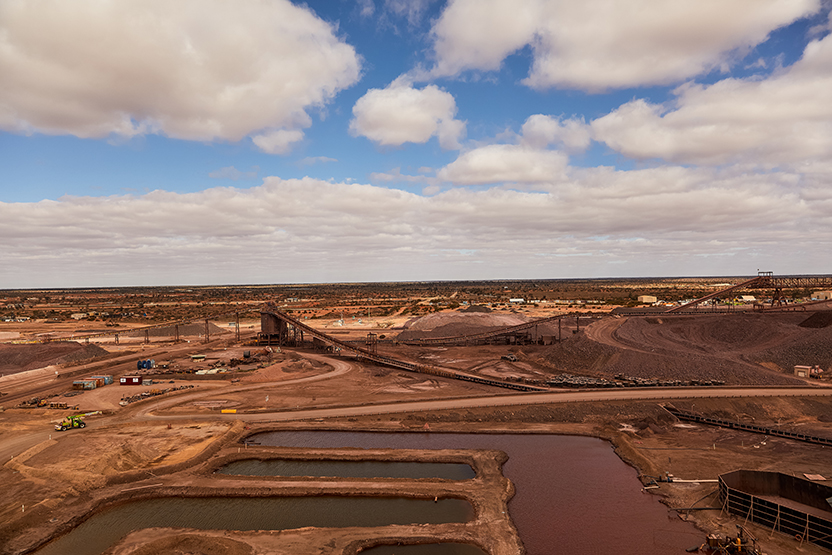
BHP's Olympic Dam in Australia. Image: BHP

“Facing this challenge and making our vision for a water secure world by 2030 a reality, requires collaboration with those companies that are addressing global challenges through innovation and disruptive technologies. We have a lot of people across the business who are working in water stewardship and sustainability teams that are contributing actively to achieve goals” she adds.

Goals include identifying repurposing technologies by eliminating water brine treatment, constraint optimization of water and maximizing water usage, recirculating water into the system through recovery and treatment and promoting circular economy models —creating marketable solutions.

“This challenge is connected to BHP’s sustainable goals and Social Value strategy — we believe that working together with external ecosystems and working in collaboration we can achieve these goals. We're very committed to make a difference and make meaningful things happen with the process, provide feedback, and move forward”, says Ingrid Oyarzún.

“We are committed to supporting Chile with its water transition, through collaborative efforts and a multi-sectoral dialogue. Global Water Challenge is a clear example of this, and we are very pleased to collaborate once again with BHP to identify and address the sustainability challenges that it is facing in its assets globally, as well as help achieve its climate change targets and goals,” says Philip Wood, Mining Innovation director at Fundación Chile.

The finalists will have the opportunity to present their solutions at a ‘Demo Day’, where winners will be able to collaborate on the next steps with the company through proof of concept, a controlled environment test or industrial pilot on a BHP asset.
Nippon Steel still in talks with Teck as it seeks stake in coal asset

Reuters | May 25, 2023 | 

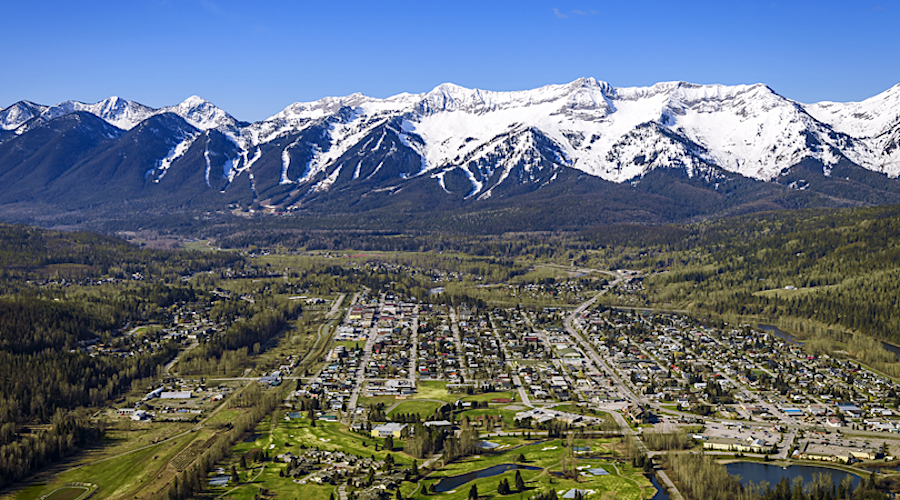
Teck has four steelmaking coal operations in the Elk Valley of British Columbia, Canada. 
(Image courtesy of Teck.)

Nippon Steel Corp is still in talks with Teck Resources, despite Glencore’s bid for the Canadian miner, as Japan’s top steelmaker remains eager to take a stake in Teck’s high-grade coking coal asset, a senior executive said.


“We are still negotiating with Teck toward making an equity investment in coal assets,” executive vice president Takahiro Mori told Reuters in an interview on Wednesday.


“The amount of our investment may need to be lifted due to Glencore’s bid, but we are determined to take 15% or more stake in the coal asset so that we can make it an affiliate unit,” he said.

Nippon Steel said in February it will spend around 1.15 billion Canadian dollars ($860 million) to buy a 10% stake in Elk Valley Resources Ltd (EVR), the coking coal unit to be spun off from Teck, with a right to raise its stake to maximum 17.5%.

But Teck last month withdrew its plan to split its coal and metals business after it failed to receive shareholders’ approval. The company’s board rejected the offer from Glencore and said it will come up with a new simplified plan of separation.

Nippon Steel, the world’s fourth largest steelmaker, wants to invest in Teck’s high-quality coking coal to secure a stable supply of the key steelmaking ingredient and to gain profits from the asset, Mori said.

Nippon Steel has said it plans to buy more stakes in coking coal and iron ore mines to hedge against volatility in the price for the raw materials. Currently, 20% of Nippon Steel’s annual coking coal imports of 27 million tonnes are supplied by mines in which it holds stakes.

Asked whether Nippon Steel would invest in the coal asset if Glencore buys Teck, Mori said: “there could be a different decision if thermal coal and coking coal are integrated,” pointing to a negative implication in terms of climate action.
China demand

Steel prices in Asia have been under pressure in recent months amid patchy economic recovery in top consumer China.

The outlook for demand in China has deteriorated compared to three months ago and a recovery could be delayed till next year, Mori said.

“Demand is expected to stay weak for a long time, with no firm economic stimulus policy in place and the real estate market remaining sluggish,” Mori said.

($1 = 1.3372 Canadian dollars)

(By Yuka Obayashi and Mayu Sakoda; Editing by Simon Cameron-Moore)

Teck Resources’ coal business raises questions about ESG successes
Wendy Stueck and Jeffrey Jones - The Globe and Mail | May 22, 2023 |

Teck has four steelmaking coal operations in the Elk Valley of British Columbia, Canada. (Image courtesy of Teck.)

In fending off a hostile takeover bid from mining giant Glencore PLC (LON: GLEN) Teck Resources Ltd. (TSX: TECK.A, TECK.B) (NYSE: TECK), highlighted its successes with environmental, social and governance issues and urged investors to consider Glencore’s failures as a reason to spurn the Swiss company’s offer.


That strategy means Vancouver-based Teck can point to unsavoury episodes in Glencore’s past, including a bribery scheme that featured cash deliveries by private jets. But it also opens the door for shareholders, regulators and would-be partners to cast a critical eye on Teck’s own record.

Teck’s ESG record includes innovative programs – the company last year announced plans to become “nature positive” by 2030 by conserving or protecting at least three hectares for each hectare affected by its mining. But it also has long-standing problems, including in coal-mining operations in British Columbia’s Elk Valley. Teck has paid millions in fines related to pollution from those operations and is still working to stem the contamination of watersheds in the region.

“In terms of the legacy fines, the issues with the Columbia River, the selenium in the coal operations – in many ways, those are textbook examples of why ESG matters. They cost hundreds of millions in regulatory and financial penalties,” said Jamie Bonham, director of corporate engagement at ESG-specialist fund manager NEI Investments Inc., who lauds Teck’s overall approach.

“In some ways,” he said, “they are a constant reminder to the company of what not to do,”

Teck’s focus on sustainability has drawn top ratings from several ESG agencies. But it’s an open question whether those ratings translate into a stock-market premium and a reason for investors to favour the company’s independence, or if it suffers a discount from risks tied to environmental problems that have strained relations with local communities.

Teck is Canada’s biggest diversified miner, with a market value of about $30-billion. In February, it announced plans to split its business into two companies: Teck Metals Corp., a metals business that would produce materials such as copper and zinc, and Elk Valley Resources Ltd., a coal division that would produce steelmaking, or metallurgical, coal from Teck mines in Elk Valley in southeastern B.C.

Teck withdrew its restructuring proposal on April 26 after it failed to win shareholder support. Glencore has since said it remains interested in acquiring Teck. This month, a consortium led by Canadian mining veteran Pierre Lassonde proposed to buy Teck’s coal operations.

Before the split proposal was scrapped, The Globe and Mail reported that former B.C. premier John Horgan joined the board of the spin-off coal company, prompting B.C. Green Party Leader Sonia Furstenau to call for amendments to the province’s conflict-of-interest legislation that would have prevented the move.

Mr. Horgan’s appointment took place as Indigenous peoples on both sides of the Canada-U.S. border call on the two countries to refer long-standing pollution concerns from Teck’s Elk Valley coal operations to the International Joint Commission, a bilateral panel established under the terms of the 1909 Boundary Waters Treaty.

The Montana-based Confederated Salish and Kootenai Tribes (CSKT) is part of the Ktunaxa Nation, a six-member alliance of four First Nations in B.C. and two U.S. tribes that has been pushing for a reference to the IJC since 2012.

Asked if he had concerns about Glencore’s ESG standards, CSKT chairman Tom McDonald said he wasn’t familiar with the company. But he didn’t think any company could be much worse than Teck itself. “If Teck was in the United States, they’d be a bad actor,” Mr. McDonald said in an interview.

“They’d be labelled and treated as a bad-actor company. They wouldn’t be allowed to continue operations. They wouldn’t be allowed to create spin-off companies or shield themselves from any obligations from former activities.”

Mr. McDonald’s dim view of Teck is based on its record in the Elk Valley. Teck has operated there since the early 1990s and currently runs four mines in the region that together directly employ about 4,000 people.

A 2022 study by the B.C. Chamber of Commerce, Teck and the United Steelworkers concluded that Teck’s Elk Valley coal operations account for more than 30,000 jobs overall, including 12,820 in B.C., and contribute $1.5-billion in revenues each year to local, provincial and federal governments. The valley’s watershed contains Lake Koocanusa, a reservoir that crosses the Canada–U.S. border into Montana and feeds into the Columbia River system.

The coal operations result in huge amounts of waste rock that, when exposed to air and water, can leach selenium, nitrate and sulphate into nearby waterways and, eventually, across the border into the U.S. Selenium is an essential nutrient for humans, but beyond certain levels, can be toxic. In waterways, it can pass from plants to fish, causing reproductive problems.

In a 2016 report, Carol Bellringer, B.C.’s then-auditor-general, said the province’s environment ministry had noted dramatic annual increases of selenium in the watershed’s tributaries over 20 years of monitoring but “took no substantive action to change it” and had only recently begun efforts to control it.

Those efforts included the Elk Valley Water Quality Plan, a 2014 agreement overseen by the provincial government meant to first stabilize, and eventually reverse, contaminant trends in valley waterways.

Under that plan, Teck has invested more than $1.2-billion on water-quality monitoring and research and construction of four treatment plants that are “effectively removing 95 per cent of selenium from treated water,” Teck spokesman Chris Stannell said in an e-mail. The company plans to invest an additional $750-million to expand treatment capacity with new facilities coming online “virtually every year for the next five years,” he added.

If Teck does spin off its coal business, the resulting company would remain committed to implementing the 2014 plan, Mr. Stannell said.

Critics say only a fraction of contaminated water is being treated, that selenium levels are trending upward in some boundary waters and that worrisome levels of selenium have been detected in several species of fish.

“I’ve come to see that plan as a failure, because it is not achieving what it was intended to achieve,” Erin Sexton, a senior scientist at the University of Montana’s Flathead Lake Biological Station who has worked with the CSKT, said in an interview.

In March, U.S. President Joe Biden and Prime Minister Justin Trudeau released a joint statement saying they intend to reach an agreement in principle by this summer to reduce and mitigate the impacts of water pollution in the Elk-Kootenay watershed, in partnership with tribal nations and Indigenous peoples.

The Ktunaxa Nation, meanwhile, continues to push for a reference to the IJC.

Against this backdrop, Teck has taken a number of steps to improve its appeal to global investment institutions that have avoided it because of ESG-related risks, especially those connected to climate change. In 2022, Teck sold its Alberta oil sands holdings to Suncor Energy Inc. for $1-billion.

This year’s proposed split by Teck was meant to hive off coal assets after the company had struggled to persuade the market that its metallurgical coal is less CO2-intensive than that of its competitors and is key to making the steel necessary in the energy transition. Some investors balked at the proposal because of its structure, which would have seen Teck’s metals division reap 90 per cent of the coal entity’s cash flow for up to 10 years.

If the coal assets remain under the Teck umbrella, some carbon-averse institutions may keep avoiding the stock, said Mr. Bonham, the ESG specialist.

“I would prefer somebody like a Teck running the operation than maybe someone else,” he said. “But I do think they’ll face that [market] pressure and it’s not going to go away.” That’s unfortunate, he said, because steel is necessary for electric vehicles, alternative energy equipment and infrastructure for expanding the low-carbon economy.

The company has said it is pursuing a new plan to separate base metal from coal operations.

Teck touts its successes in the ESG realm, including emissions targets, disclosure and other environmental and social measures, saying they are key to its business prospects. In its 2022 sustainability report, chief executive Jonathan Price noted that several rating agencies that focus on ESG give Teck top marks. In addition, the company was included on the Dow Jones Sustainability World Index for the 13th straight year.

The company has set a goal to be carbon neutral in its own operations and in the electricity it buys by 2025, and fully net zero by 2050. In Institutional Shareholder Services’ recent proxy and voting recommendation report for Teck’s 2023 annual meeting, the agency noted that the company meets or exceeds standards in four key areas of climate-related disclosure. (It also recommended shareholders reject the coal split.)

But when it comes to value in the market, critics say the company’s prospects are most limited by a thorny governance issue: the dual-class share structure that keeps control of the company in the hands of its chairman emeritus, Norman B. Keevil, and his family, along with Sumitomo Metal Mining Co.

“Nothing can be done without the Class A shareholders agreeing to it,” said Laura Lau, chief investment officer at Brompton Funds, who rates governance as the top ESG-related concern for any company. “Whether it be splitting off the coal, whether it be addressing climate change, how Teck is run, who the CEO is – it’s all driven by the Class A shareholders.”

That also gives Mr. Keevil ultimate say over whether Teck can be acquired by a competitor such as Glencore. That power will remain for the next six years, after Teck shareholders approved a sunset clause last month that will eliminate the dual-class structure.

Some of Teck’s legacy issues, meanwhile, are expected to continue for decades to come. Teck has proposed expanding its coal-mining footprint in the Elk Valley with a project called Fording River Extension project, or FRX, raising alarm among those who say the company’s current operations have yet to clean up their act.

“There’s a legacy problem of mine contamination in the Elk Valley that needs to be addressed,” Ms. Sexton said.

“And so of course, we’re concerned about who’s actually going to address those legacy damages.”
Climate-colonialism: Anglo American's mining expansion in Chile endangers millions

This article was published on
28.04.2023 | News and analysis
WAR ON WANT


As the world scrambles to transition away from fossil fuels, Chile finds itself at the centre of the struggle between two very different visions of the future.

With its vast reserves of copper and lithium — essential components of renewable energy infrastructure, from wind turbines to batteries — and the potential to become a global production centre of ‘green hydrogen’ (a process powered by renewables, which doesn’t release polluting emissions), Chile will play a central role in the transformation of our global energy systems.

However, the question that remains is whether this transformation will continue to fuel the extraction and exploitation of people and planet to further corporate profit, which led us into the climate crisis – the continuing legacy of colonial injustice – or instead forge a new path balancing human rights, ecological wellbeing, energy needs, and decarbonisation.

We can't mine our way out of the climate crisis


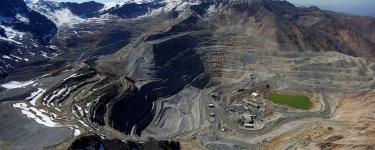
Earlier this year, London-based mining giant Anglo American was given the greenlight by the Chilean government for its $3 billion Los Bronces Integrated Project, which will massively expand Anglo American’s existing copper mining project just 50km outside the Chilean capital Santiago.

Anglo American has claimed that copper is one of the essential "future-enabling metals and minerals for a cleaner, greener, and more sustainable world". Yet its new mining project will jeopardise the lives and livelihoods of local communities and undercut climate-critical environmental systems – deepening the existing social and environmental conflict in the area.

Chile’s Ministerial Committee gave the go ahead to Anglo American despite its project failing an Environmental Impact Assessment (EIA). Chilean environmental authorities validated the long-standing concerns held by communities and movements that the Maipo River Basin – which provides drinking water for nearly six million people – could be contaminated, that air quality could be drastically reduced, and that glaciers could disappear at an accelerated rate.

Chilean President Gabriel Boric's support for Anglo American’s Los Bronces mining project is a blow to the environmental movements whose support helped bring Boric to power – and who were promised a feminist and eco-centric administration. Anglo American's attempts to address environmental concerns with plans for a desalination plant (to make water drinkable) and a green hydrogen valley (to decarbonise its operations) have not convinced local communities and environmentalist groups – who have seen the damage similar projects have done to Chile’s natural ecosystems and biodiversity. Instead, Anglo American’s plans have simply illuminated the power the mining lobby continues to wield in Chilean politics.


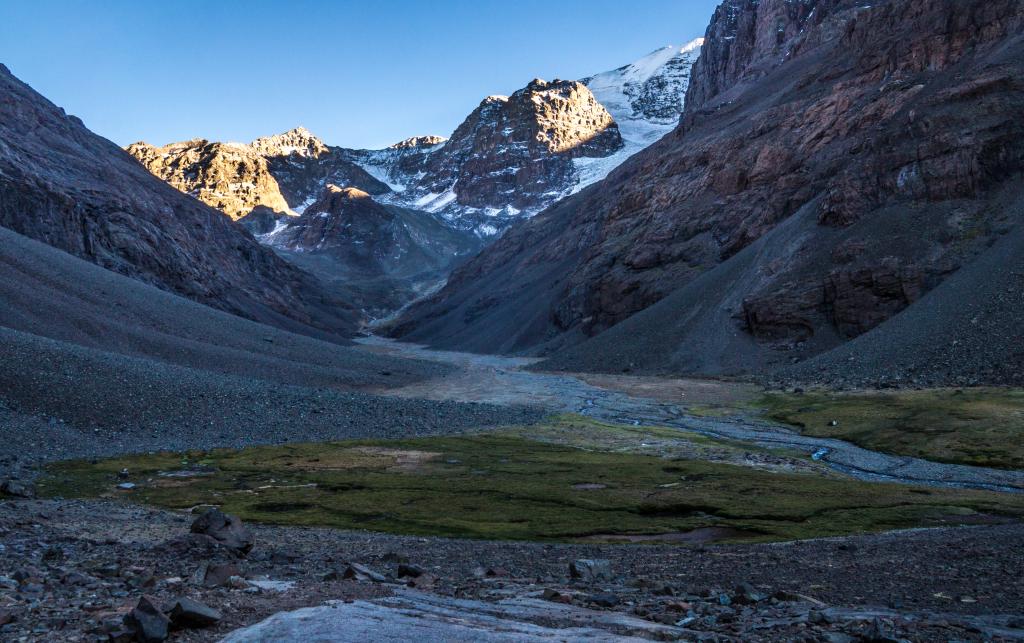
The La Paloma Glacier located in the Yerba Loca Park, about 50km from Santiago, Chile's capital. This glacier is allegedly under threat from the current upgrade plans of Anglo American's Los Bronces project
. Photo credit: Jai

Unmasking Anglo American’s greenwash


Anglo American is attempting to position itself as a climate leader — claiming to be a crucial facilitator of sustainable energy — through its mining of copper and other metals. Anglo American even claims to practice ‘sustainable mining’ that ‘improves people's lives.’

No Más Anglo (No more Anglo), a land defenders’ movement composed of various communities affected by Anglo American's operations, have denounced the mining giant’s strategies as greenwashing and false solutions. No Más Anglo refuses to let the destructive nature of mining industries — which endanger communities' lives and damage crucial ecosystems — be swept under the rug, or greenwashed. The mining industry’s relentless pursuit of profit is incompatible with climate justice. Movements have vowed to challenge the Chilean government's decision at environmental tribunals.


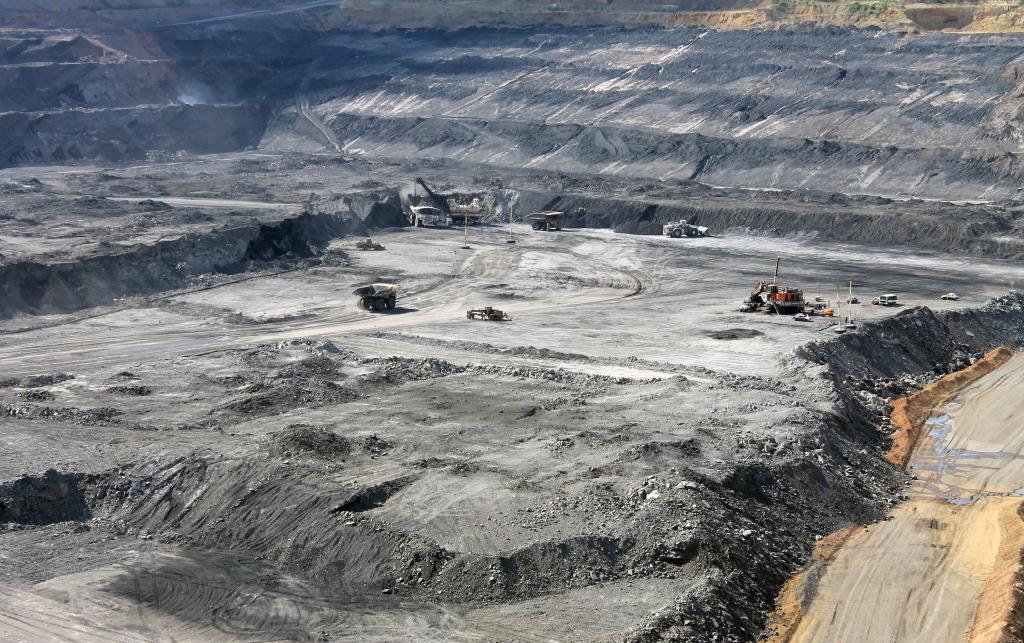
Anglo American, which used to own the Cerrejon coal mine in Colombia - one of the largest open coal mines in the world - now say they have no responsibility, despite widespread environmental and social impacts 
Photo credit: Paola Serna


The ‘green mining’ narrative pushed by wealthy mega-mining corporations, such as Anglo American, places the need for metals to fuel the energy transition in the Global North above the impact on Global South communities. Not only does this perpetuate a colonial mindset which places less value on the lives of Black, brown and Indigenous communities — it is simply not true.

Metals are crucial in the shift toward renewable energy, including for photovoltaic (PV) panels and wind turbines — a necessary step toward decarbonisation. But renewable energy technologies do not necessarily require more metals than fossil fuel-based energy — which uses metals for building conductors, oil rigs and power plants.

In fact, a recent study by German non-governmental organisation Power Shift suggests that the major uptick in metal demand projections originates from the automobile industry — with metals primarily destined for private electric vehicle production, as well as large-scale construction projects.

The Earth’s metal resources are finite. To ensure a stable supply of metals for the global transition to renewable energies we must take bold action. This means setting metal reduction targets in less critical, resource-intensive sectors — such as transport and construction — to help control demand for metals, while promoting the adoption of alternative materials. This would ensure adequate supplies of essential metals remain for all countries to transition.

Electric cars cannot deliver climate justice


At the heart of mining corporations' strategies to position themselves as leaders in solving the climate crisis lies a business-as-usual approach — an approach uncoincidentally mirrored by the wealthy Global North nations driving the climate crisis. These same nations are home to the corporations' headquarters, taxable income, CEO’s mansions, and shareholders. Rather than question the patterns of extraction, exploitation and consumption — an illogical model based on the idea of infinite growth — corporations believe that endlessly extracting to make enormous profits for the few is a viable solution to the climate crisis.

The UK's role in enabling large-scale mining projects like Los Bronces Integrated cannot be ignored. Anglo American is headquartered in the UK, and trades on the London Stock Exchange alongside numerous other global mining giants.

While the UK government touts itself as a climate leader with ambitious plans for clean energy investment, its actions speak louder: continued support for new fossil fuel projects and an aggressive agenda to secure so-called 'critical metals'. This approach contradicts the vital cooperation needed between nations to address the climate and ecological crisis, instead fostering a ‘race to the bottom' driven by endless competition. The result is an unchecked, unjust, and unequal energy transition.

Plundering the Global South’s resources, hoarding crucial metals, then using these resources to maximise corporate profits and not human dignity, all whilst leaving behind intense environmental degradation, isn’t climate justice — it’s climate colonialism.

Climate justice not ‘climate colonialism’


As wealthy Global North countries look to export-oriented Global South markets to achieve their promised carbon emissions reductions, the demand for raw materials like cobalt, lithium, and balsa wood increases. This is intensifying pressure on the Global South, leading to further environmental degradation, impacting millions of people — particularly women in economies based on agriculture — as well as non-human life. It is transforming the Global South into a sacrificial zone for the Global North's clean energy ambitions.

A fair approach to resource use is vital to ensure energy justice. That means reducing the energy consumption of Global North countries, which can be done whilst still raising living standards for the majority of people. For instance, rather than replacing petrol or diesel cars with electric cars, the focus for governments should be on ensuring high-quality, affordable and energy efficient public transport. Similarly, retrofitting homes with insulation would increase energy efficiency whilst reducing heating bills.

Promoting energy efficiency, making lifestyle changes, and facilitating sustainable consumption patterns, can help reduce the overall demand for resources and alleviate pressure on the Earth's ecosystems. We need to reimagine our energy system from source to use, prioritising justice, equity, and sufficiency.

Climate solutions come from communities not corporations


The approval of Anglo American’s Los Bronces Integrated Project underscores the challenges and complexities of achieving a just and equal energy transition. The Chilean government’s decision is a worrying step backward, but it has driven renewed public indignation and attention to the local conflict, sending ripples across a much larger section of the Chilean population – who have become aware of the potential impact of the project's expansion.


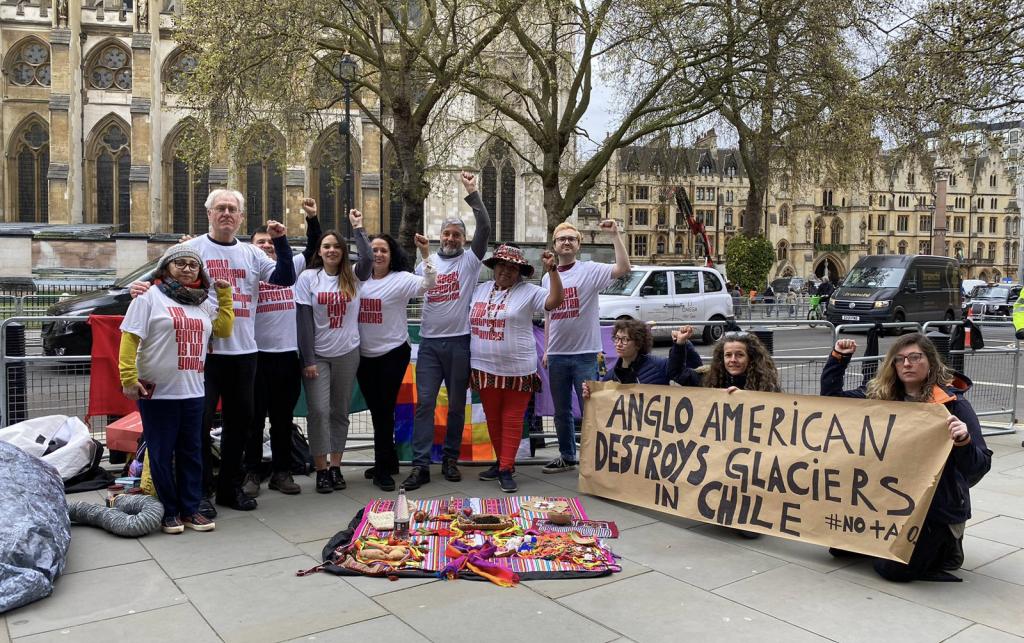
War on Want alongside Latin American land defenders and London Mining Network outside Anglo American's 2023 AGM in London


Corporations such as Anglo American have made extraordinary profits from exploiting people and planet – and decimating Global South ecosystems. Now, these same corporations are co-opting Global North citizens’ calls for a low carbon future — by claiming that decarbonising our economies requires the continued plunder of the Global South. War on Want rejects this false narrative, and stands alongside our partners, including the Observatory for Environmental Conflicts in Latin America (OLCA) and the Movement for Water and Territory (MAT), in their struggles to defend Global South territories, nature and human rights against corporate encroachment.

We can’t mine our way out of the climate crisis. We must focus on viewing energy as a public good, rather than a commodity for corporations to profit from. We need a Global Green New Deal to ensure everyone can live with dignity – and can access heating and adequate food – while restoring harmony with our living planet. We must hold energy corporations legally accountable for eliminating human rights abuses in their supply chains and set legally binding targets for reductions in resource use.

Social movements and frontline communities across the world continue to challenge corporate power — their struggles are key to the search for a just energy transition. Our current energy model, based on extraction and exploitation, must be changed. With determination and persistence, movements can foster meaningful steps towards building a brighter future — a post-extractive future — for all, from Chile to the UK.


Stand with land defenders
Take action against Anglo American's greenwashing and destructive mining practices

Minto Metals shutters Yukon copper mine

North of 60 Mining News - May 15, 2023


Looking across a mining pit and tailings facility to the Minto camp and mill.

Minto Metals Corp.

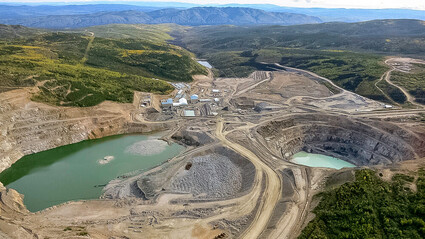
An aerial view of Minto prior to Pembridge Resources' 2019 acquisition of the copper mine in Canada's Yukon.


Yukon takes over, hires JDS Mining to maintain site; mine closure may sink Minto Metals and Pembridge.

Inundated by the forces of nature and finance, Minto Metals Corp. is shuttering operations at its Minto copper mine in Canada's Yukon.

"Needless to say, ceasing operations at the Minto mine was an extremely difficult and disappointing decision, that was not taken lightly," said Minto Metals President and CEO Chris Stewart.

Unable to continue to meet its financial obligations and safely operate the mine, Minto Metals has handed the keys to the Yukon government, which has already hired JDS Mining to ensure environmental protection is maintained at the Minto mine site.

"We are acting responsibly in coordination with the Yukon Government to avoid any damage to the environment," Stewart added.

In April, Yukon Minister of Energy, Mines and Resources John Streicker directed Minto Metals to begin transferring water into one of the previously mined open pits if the available storage capacity in the tailings management facility drops below 300,000 cubic meters, which is about 79.25 million gallons.

The governmental directive was issued to both mitigate potential short-term environmental risks and ensure longer-term operations at Minto.

The added costs and potential operational disruptions associated with the directive was the final straw for Minto Metals, which was already having difficulties paying back loans made by its parent company, London-based Pembridge Resources PLC.

JDS Mining, a contract miner familiar with Minto and experienced with mine site care and maintenance in the Yukon, has been mobilized to continue with water treatment and management to ensure the environment remains protected.

"We are working closely with the contractor and the Selkirk First Nation to ensure that the environment remains protected at all times," said Streicker. "Swift action will support the continuity of environmental protection at the site."

The Yukon government is utilizing financial security for the Minto mine to pay JDS Mining for care and maintenance of the site until the end of June, with the option to extend as needed.

"We support responsible mining across the territory," Streicker added. "I recognize that this is a challenging time for Minto employees, subcontractors, and the community."

Pembridge plummets

Short of a quick financial rescue, the shuttering of the Minto copper mine likely means insolvency for both Minto Metals and Pembridge Resources.

In 2019, Pembridge agreed to buy the idled Minto mine from Capstone Mining Corp. for US$20 million. The London-based company reopened and operated the mine until the formation of Minto Metals at the end of 2021.

As a publicly listed Canadian company, it was expected that Minto Metals would be able to pay back Pembridge with cash flow from the operation and money raised on the stock exchange, if needed.

Only about six months after going public, however, Minto Metals had to invest an extra C$8 million (US$5.9 million) into a water treatment plant with the capacity to handle a winter accumulation of snow in the Yukon that was 417% above normal.

"With our investment into the water treatment plant over the past twelve months, we are in a much better position to treat and discharge larger volumes of water coming into spring freshet this year," Stewart said upon the Yukon directive in April. "Although water treatment is very capital intensive, we are prepared to allocate the necessary resources to ensure any water events do not put the company out of compliance with this order."

Less than a month later, however, Minto Metals decided to hand over operations to the territorial government.

This means that it is highly unlikely that Minto Metals will be unable to make the roughly C$250,000 monthly installments needed to repay the C$2 million owed to Pembridge this year.

Given that its investment in Minto Metals accounts for roughly 90% of Pembridge's assets, the prospect that there will be no cash flowing from the Yukon copper miner will likely sink the London-based company.

In a May 15 release, Pembridge said it has a US$350,000 of short-term liabilities but only about US$126,000 of cash.

Barge carries truck loaded with copper concentrate across Yukon River.

Capstone Copper Corp.

Barge ferries a truck with two trailers of copper concentrate from the Minto Mine across the Yukon River en route to Japan.

Following the weekend news that Minto Metals is shutting down operations at the Yukon copper mine, Pembridge's share price plummeted to 30 British pound sterling (US37.5 cents), 79% lower than the previous closes of 1.45 British pound sterling (US$1.81) per share.

"Minto is unlikely to be able to repay Pembridge as scheduled, despite all the support provided to Minto by its shareholders, including Pembridge," said Pembridge Resources Chairman and CEO Gati Al-Jebouri. "As a result of this material uncertainty to the company, the board has no option but to carefully assess the financial viability of the company, consider delisting from the London Stock Exchange as well as obtaining appropriate professional advice on the restructuring and insolvency options available."

ALASKA

BLM drags feet on Ambler Road decision

Announces a six-month delay on permit reevaluation decision 

North of 60 Mining News - 

Updated 5/25/2023 

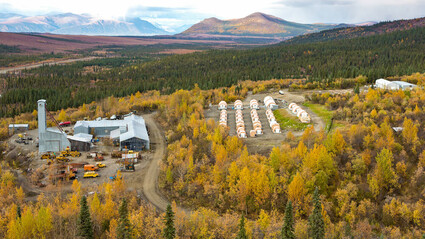
A headframe from historic exploration rises above a fall landscape at Bornite.

NANA Corp.

Bornite Camp sits atop a world-class copper-cobalt deposit at the western terminus of the proposed Ambler Road.

Despite the growing calls by Alaska Native tribal and municipal leaders for an expedited review of the Ambler Access Project, the U.S. Bureau of Land Management announced that it will take six extra months for it to complete a supplemental environmental impact statement for the proposed 211-mile road to the Ambler Mining District in Northwest Alaska.

"This unnecessary delay threatens a project that will provide much-needed jobs and economic growth for Alaskans, while also strengthening national security and expediting the transition to a clean energy economy that is supposedly a top priority of the Biden Administration," said Ramzi Fawaz, president and CEO of Ambler Metals, a company that plans to develop a copper-rich mine at the western terminus of the proposed Ambler Road.

Located about 200 miles west of the Dalton Highway, a lone transportation artery that connects Alaska's North Slope with the rest of the state, the Ambler Mining District is rich in high-grade deposits of copper, zinc, cobalt, and other metals critical to a world transitioning to clean energy.

Recognizing the need for surface access to unlock the rich mineral potential in the Ambler District, the U.S. Congress included special provisions in the 1980 Alaska National Interest Lands Conservation Act (ANILCA) that guaranteed the approval of a transportation corridor to this metals-rich region of Northwest Alaska.

Section 201 (4) of ANILCA reads, "Congress finds that there is a need for access for surface transportation purposes across the Western (Kobuk River) unit of the Gates of the Arctic National Preserve (from the Ambler Mining District to the Alaska Pipeline Haul Road) and the Secretary shall permit such access in accordance with the provisions of this subsection."

In 2020, the U.S. Bureau of Land Management and National Park Service, both of which fall under the Interior Department, approved the federal authorizations needed to build a road that would meet the Congressional mandate to provide surface access to the Ambler District.

Early last year, however, BLM suspended the authorizations for further review.

The federal land manager cited a lack of adequate consultation with Alaska tribes and evaluation of potential impacts the road might have on subsistence uses as reasons to remand the previously issued authorizations.

This added review of the Ambler Road permits was originally slated to be finalized with a supplemental environmental impact statement record of decision by the end of this year. On May 19, however, BLM pushed the date for this decision out to mid-2024.

"Until last week's status report, the U.S. Department of the Interior consistently promised a ROD by the end of 2023," Fawaz said. "DOI now states the ROD is expected six months later, with no justification for the delay or assurances that there will be no further slippage."

For an infrastructure project in Alaska, this is roughly equivalent to a one-year delay due to the limited summer field season.

This postponement is frustrating for the Alaska Industrial Development and Export Authority, a quasi-state-owned corporation better known as AIDEA that plans to build the road and recoup the construction and maintenance costs from tolls charged to companies that develop mines in the district.

"This delay not only impacts AIDEA and our partners with additional costs, but it also impacts individuals, communities, and the State who would like to see the economic benefits, future jobs and revenue that come with construction and operation of the road," said Alaska Industrial Development and Export Authority Executive Director Randy Ruaro.

These economic benefits were underscored by the Northwest Arctic and North Slope boroughs in a joint resolution urging the Interior Department to expedite its reevaluation of the Ambler Road permits.

In their joint resolution, these boroughs representing a combined 19 Alaska Native communities across 135,500 square miles of Alaska's northernmost reaches said the Ambler Road and mines it would enable has the potential to create more than 8,700 direct, indirect, and induced construction and operation jobs that would pay nearly $700 million in annual wages.


Map of the proposed route for the Ambler Access Project in Northwest Alaska.

Alaska Industrial Development and Export Authority

The proposed 211-mile Ambler Road would provide access to the Ambler Metals' Upper Kobuk Mineral Projects and other deposits in the Ambler Mining District of Northwest Alaska.

Arctic, the first mine slated for development in the Ambler District, is expected to produce 1.93 billion pounds of copper, 2.24 billion lb of zinc, 334.8 million lb of lead, 423,000 ounces of gold, and 36 million oz of silver over an initial 13 years of mining.

Ambler Metals, a 50-50 joint venture between Trilogy Metals Inc. and South32 Ltd., is also advancing plans to develop a mine at Bornite, a world-class copper-cobalt deposit that lies on Alaska Native lands owned by NANA Corp.

The wider Ambler District hosts dozens of other deposits and prospects that would provide economic benefits to northern Alaska communities, revenues to the state, and a domestic supply of minerals critical to the U.S. and its transition to clean energy and transportation.

"Interior needs to stop dragging its feet and complete this process and allow this road to be built, as it is already required by federal law," Fawaz added.


Commodity bull Goldman says ‘we were wrong’ but sticks to view

The investment bank says its forecasts for major rises in raw materials this year hadn’t panned out so far, but calls for a major rally.

May 24, 2023 |