Tuesday, April 22, 2025


How Do You Design Flexible Subsea Cables for Offshore Power?
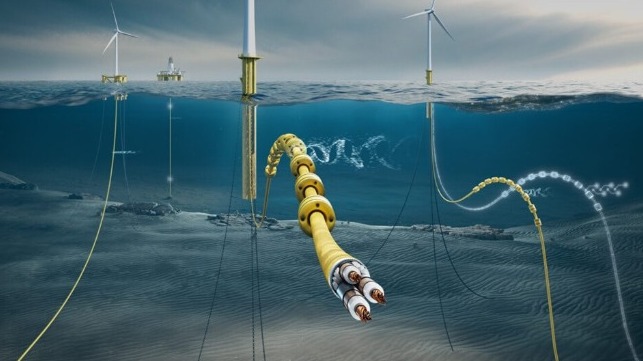
Dynamic cables are expensive, complicated and have to be able to handle the kinetic forces in the ocean. Illustration. Headspin/SINTEF

Published Apr 20, 2025 11:19 AM by Gemini News


[By Kari Williamson]

Imagine that the wires to your house not only have to withstand high electrical current flow, weather and wind, but also salt water, ocean currents, temperature changes and large movements. This is the big challenge in connecting large, electrical structures at sea to the power grid.

Dynamic underwater cables are the solution for this challenging task. They are large, robust and flexible cables that have to be able to withstand the forces found in the ocean and in structures like floating solar power plants, offshore fish cages, oil and gas platforms and offshore wind turbines.

The dynamic cables act as an umbilical cord to the static underwater cables that carry electricity to or from shore.

“They’re a bit like the power cables we have for all the electrical gadgets that we connect via a plug to the fixed cables in the wall,” says Naiquan Ye, a SINTEF research manager.

He is working to ensure the robustness of the dynamic cables, which has a major impact on the cost of many projects.

“According to the current plans, Europe will need 6000 km of underwater power cables annually. That’s as far as the distance from Norway to Bermuda,” says the researcher.

It is rare for us to have cable breaks in the wires in our walls – but how often have we had to toss a charging cable or replace an extension cord because it was coiled or mishandled a few too many times?

According to Lloyd Warwick, a company that specializes in claim settlements for the insurance industry, 83 percent of offshore wind insurance claims are due to cable faults. The cables become vulnerable when they heat up due to the current flowing through them and are moved by ocean currents, waves, and the constantly shifting distance between the floating structure and the stationary seabed.

There are three types of submarine cables:

  • Dynamic cables are mobile and carry energy, and often information as well, between a floating installation and the static submarine cable.
  • Static submarine power cables are cables that lie stationary on the seabed and carry energy between installations at sea and on land, or between countries. These are not exposed to the same stresses as dynamic cables.
  • Communication cables are like static submarine power cables, but contain fibre optics and other information technology.

The cables are also multi-layered to ensure reliable electricity transmission. These layers need to be waterproof, carry control signals, be unaffected by magnetism, not leak electricity, and also withstand the stresses of constant movement in both ice-cold and warmer seawater.

Lowering costs

So it is not so surprising that these cables are expensive to produce. Demand for them has been low until now, with the main purchaser being the oil and gas industry – which has had the budget to pay a little extra for safety.

This is changing with the transition to renewable energy.

Researcher manager Naiquan Ye and laboratory manager Kenneth Njuolla in SINTEF’s laboratory. Dynamic cables and everything that goes with them are tested here. Photo: Anne Berit Heieraas

Budgets are usually tighter here, and unlike an oil platform where one cable suffices, an offshore wind farm needs a dynamic, underwater cable for every single wind turbine.

The design and production must be optimized in terms of cost, but also so that the cables last as long as possible.

This is where Ye’s team comes in. Through many years of simulating and testing cables, the group has learned a lot about how the different components of these cables behave and how they handle internal and external stresses.

“Since the 1980s, SINTEF researchers have developed advanced models to simulate the properties of cables in complex marine environments. These numerical tools are world-leading, and the industry uses them to ensure safe and sustainable production of ocean-based energy, both in the oil and gas and offshore wind industries,” says Ye.

According to the current plans, Europe will need 6000 km of underwater power cables annually. That’s as far as the distance from Norway to Bermuda.

Spectre of exhaustion

The biggest threat to a cable’s lifespan is fatigue. Simply put, the materials wear out. As current flows through the cable, it behaves a bit like a garden hose when you turn on the water – it starts to move and bend.

In a water hose this is not a problem because the water flows through easily, but in an electric cable you have multiple metal wires – just like the cross-section of a charging cable at home. If you twist and turn them too much, they will eventually crack and then break.

Kenneth Njuolla and Kristian Minde at SINTEF measure the strength of a copper wire, one of the many components in a dynamic cable. The wire is fatigued to the point of breaking. These are experiments that take us from oversized and expensive solution, to sleek umbilicals for offshore wind. Photo: Kai Dragland.

Then there are the insulating materials, like a data cable that transmits control signals, and the cable itself. All of them consist of varied materials that can withstand different amounts of movement over time.

On top of all this, each of the materials will move differently. Just as the rubber or plastic around the outside of a regular household cable has a completely different mobility if you remove what is inside.

Numerical calculations fall short

“However, the properties and movements of cables are much more complicated than numerical models can predict. Impurities in the material, production, installation and the environment they are in, like temperature, can affect the lifespan of cables,” says Ye.

If lab testing is done early in an offshore wind project, it can significantly reduce the cost of the power cables while optimizing the design.

Laboratory testing is a critical method for determining the effects of these influences. In the design laboratory, we monitor how the cables behave in real life, and the results are fed back into the numerical tools to find more precise methods for estimating the service life of the cables.

“If lab testing is done early in an offshore wind project, it can significantly reduce the cost of the power cables while optimizing the design,” Ye says.

By twisting and turning the cable in a test rig, researchers can see how the different components of the cable move relative to each other. These components can often move inside the cable when they are in operation. The movements are usually non-linear due to friction between the components – that is, they are not directly proportional to the movements around the cable. That is why it is so difficult to calculate how a cable and its contents move.

Testing full-scale cables makes it possible to see how much the cable can withstand, how strong it is, and what will ultimately be the weak point that causes a cable to break.

This article appears courtesy of Gemini News and may be found in its original form here

The opinions expressed herein are the author's and not necessarily those of The Maritime Executive.

 

The UAE Has Gulf of Aden Shipping Covered

ELM radar
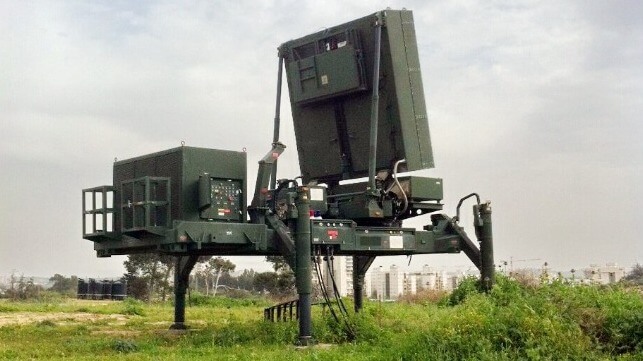
EL/M-2084 radar system (IDF file image)

Published Apr 20, 2025 11:37 PM by The Maritime Executive


Imagery widely reported in social media has shown the deployment of an EL/M-2084 radar within the grounds of an Emirati military base at Bosaso, in Somalia’s Puntland region.

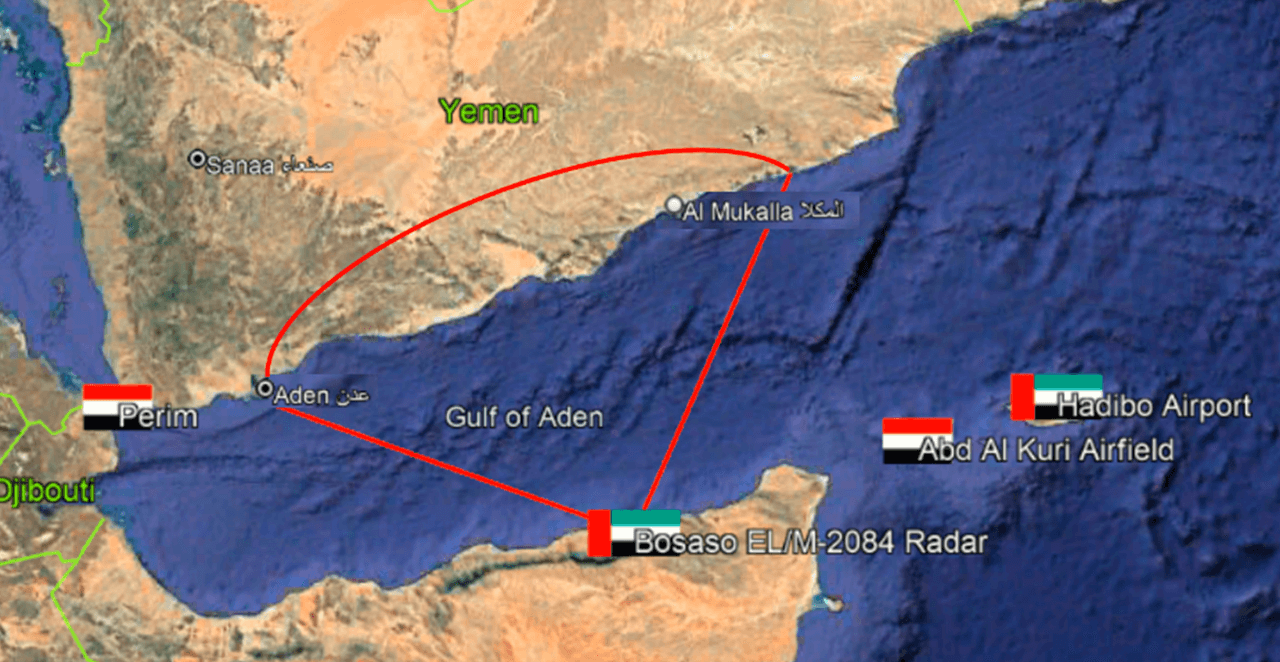
The Israeli-manufactured and widely exported EL/M-2084 radar has a 290-mile surveillance range.  Mounted on a berm built for the purpose to give it extra range, the radar has the capability to detect, locate and track the full range of missile, aircraft and drone targets across the full width of the Gulf of Aden, from Aden in the west to well beyond Mukulla in the east. This is a sea area through which the currently under-used Internationally Recommended Transit Corridor passes.

Until recently this was an area in which the Houthis mounted a large number of attacks, but whether through lack of targets or the effectiveness of US air operations against the Houthis’ missile and drone infrastructure, such attacks are much diminished in recent months. Reflecting monitoring by UKMTO in Dubai, the main threat in the area now appears to come from low-level Somali-based pirates.

The EL/M-2084 emplacement at Bosaso, visible in Google Earth (@OSINTWarfare)

The EL/M-2084 is a particularly effective radar, as noted by its export success with ‘front line’ nations such as Azerbaijan, Finland, and India. Used at longer ranges for air surveillance, at shorter ranges it can be used for acquisition purposes, tied into air defense systems such as Iron Dome.

EL/M-2084 surveillance coverage of the Gulf of Aden (Google Earth/CJRC)
Bosaso is one of a string of Emirati light-footprint bases which the UAE maintains to cover the Gulf of Aden and approaches to the Red Sea. The presence of Emirati bases at Bosaso and at Hadibo airport on the island of Socotra is de facto acknowledged by the respective host governments.  The status of recently-constructed airfields and associated possible surveillance facilities on the islands of Perim, at the southern entrance to the Red Sea and at Abd Al Kuri, is more contested. 

The UAE has not formally acknowledged its military presence at any of these facilities, nor for any in North Africa. Whilst a single EL/M-2084 radar at Bosaso is effective enough on its own, if it were networked with other such systems on Perim and on Abd Al Kuri, the surveillance coverage would intersect and overlap, providing corroboration and triangulation of targets detected, and hence greater precision. However, even the best surveillance on its own is of limited value, unless linked in with systems which can respond, and there is no evidence of active air defense systems being positioned to cover these areas.


Photos: Death Toll From Chinese Dredger Capsizing Rises to Nine

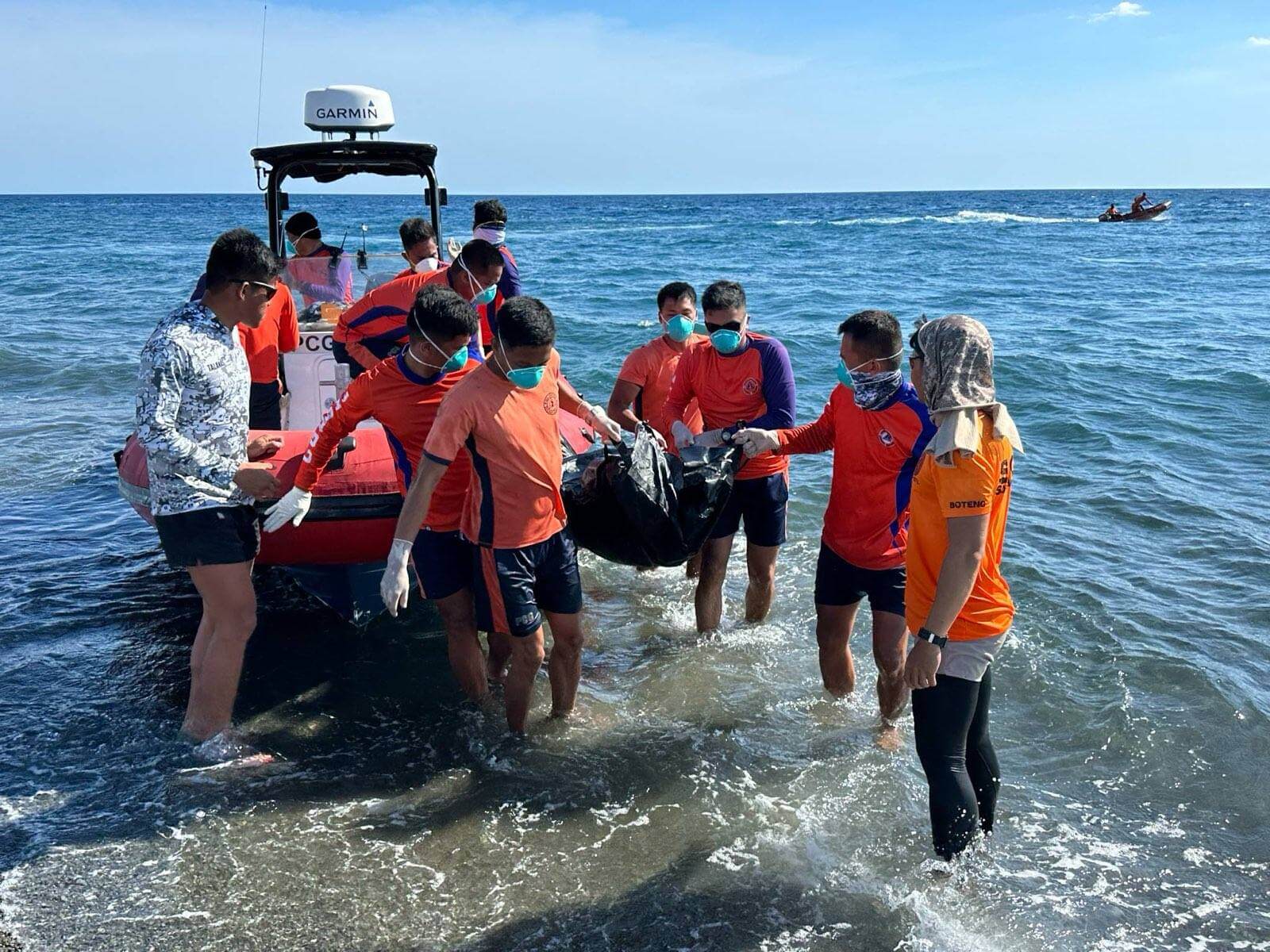
PCG
Courtesy PCG

Published Apr 20, 2025 1:16 PM by The Maritime Executive


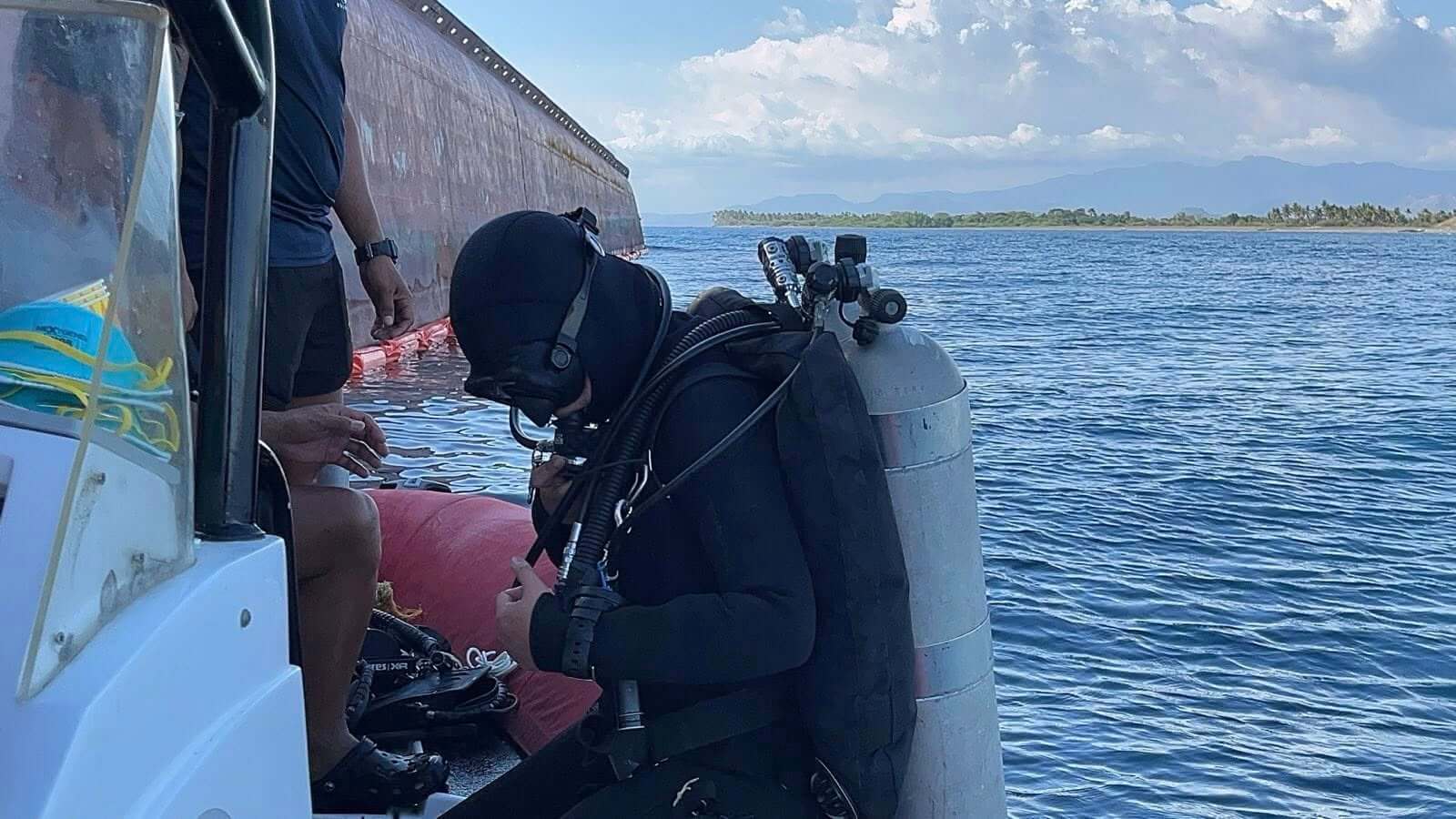
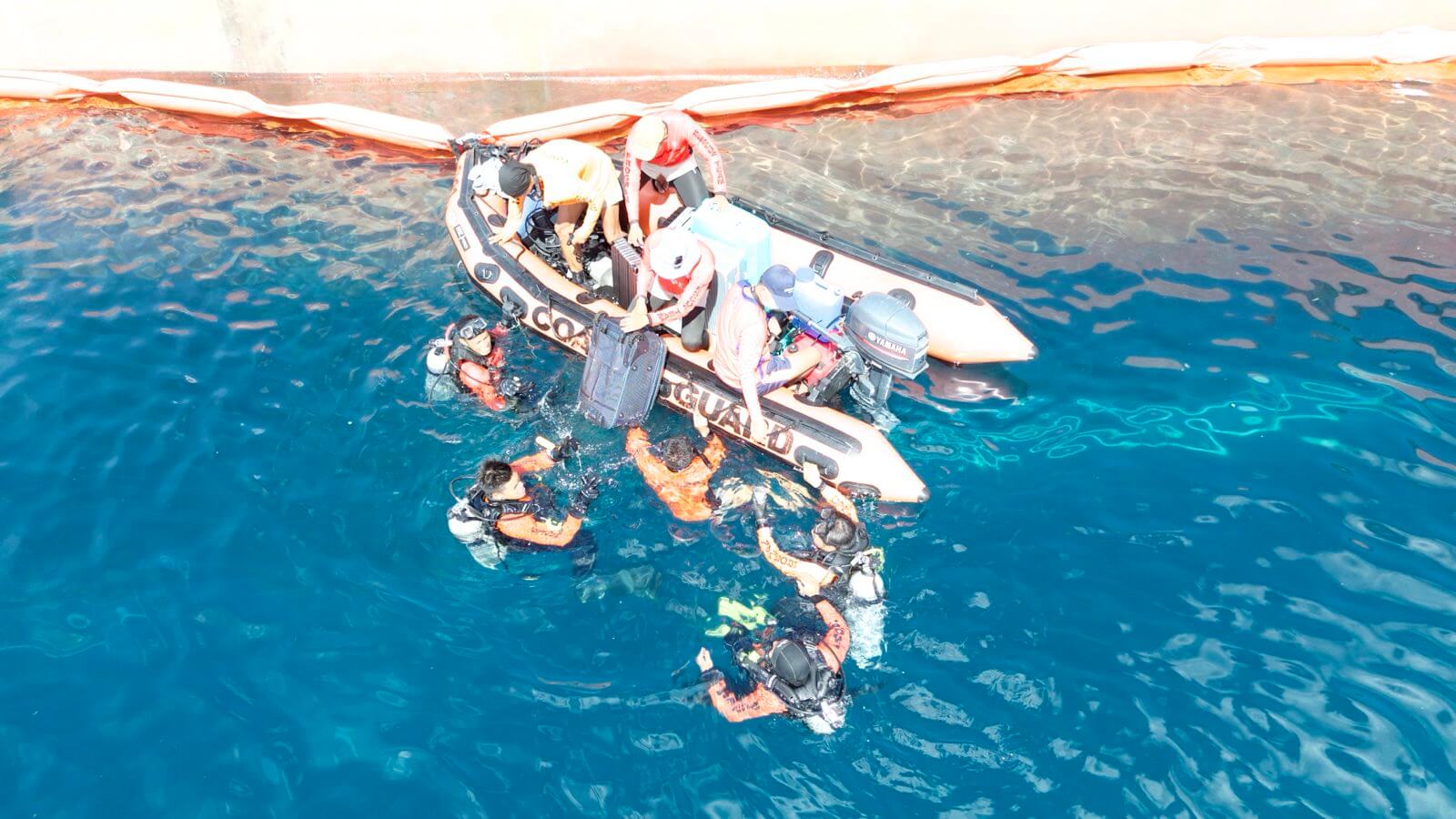
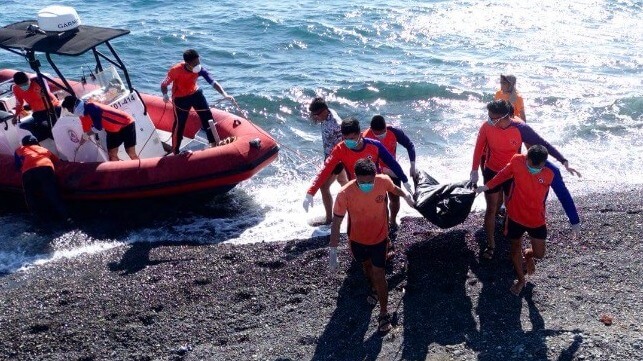
The death toll from the capsizing of the dredger Hong Hai 16 has risen to nine people, with two more still missing, according to the Philippine Coast Guard. Special operations divers are still working inside the upturned hull of the ship to recover additional remains, despite dangerous structural hazards and low visibility. 

The sand carrier Hong Hai 16 was operating off Barangay Malawaan on Tuesday morning in moderate seas. At about 0520 hours, the vessel capsized for reasons still under investigation. There were 25 crewmembers aboard, and 14 were rescued alive, including six Philippine nationals and eight Chinese seafarers. 

Two bodies were retrieved Sunday, one from the cargo hold and another from a control room. One more was retrieved from the accommodations block on Saturday afternoon, and two were found on Friday, one in the hold and another in the accommodations area. 

Courtesy PCG

On Friday, the local municipality and the Philippine Coast Guard demanded that the shipowner join the on-scene search and recovery mission. "As part of the company's social responsibility, the PCG emphasizes the importance of the ship owner's commitment and accountability by sending a representative to directly assist," the PCG said in a statement. 

The owner of the Hong Hai 16 has contracted a commercial salvor to begin wreck removal operations, the PCG said Saturday, and the equipment is expected to arrive on site early next week. 

The dredging company that operated Hong Hai 16, Bluemax Tradelink Inc. told Manila Times that it is complying with a stop-work order issued by the province of Occidental Mindoro. A spokesman said that the area of the casualty had been dredged multiple times in the past without issue, and that Hong Hai 16 had all necessary permits for the work.  

Courtesy PCG

The PCG plans to look into the shipowner's operations when the time is right, but is focusing on the search and recovery mission for now. "Let's focus on that first before we interject or before we proceed with the administrative cases that we can file against the owner," PCG deputy spokesperson Commander Michael John Encina told Super Radyo.

So far, the PCG's water quality monitoring technicians have detected no meaningful levels of pollution from the capsized vessel. The Hong Hai 16's fuel tanks carried diesel, not bunker fuel, and any spilled petroleum is expected to dissipate. A containment boom has been placed around the ship as a precautionary measure. 


Passengers Evacuated After Ferry Grounds in Philippines

ferry evacuation
Philippine Coast Guard evacuated over 500 passengers from the grounded Ro-Ro ferry (PCG)

Published Apr 21, 2025 1:38 PM by The Maritime Executive


The Philippine Coast Guard reports the successful evacuation of the passengers from an interisland ferry that grounded late on April 19. Happening during the busy Easter Holiday travel time, the Coast Guard reports a total of 506 people, including numerous infants and children, were removed from the vessel and ferried back to the port. 

The vessel Lite Ferry Five, built in 2019, operated a seven-hour route in the southern Philippines from Jagna Port in Bohol to Cagayan de Oro. It is a Ro-Ro ferry transporting passengers and cars and the 79-nautical mile route. The ferry is 2,663 gross tons.

According to the Coast Guard, the vessel was departing at 22:30 on April 19. While it was maneuvering at low tide the vessel reportedly drifted approximately 200 meters (approximately 650 feet) from the port. It came to rest in a shallow area just offshore.

A concerned citizen made the first alert to the Coast Guard which quickly dispatched rescue teams to the vessel.  The decision was made to evacuate the ferry with small boats ferrying the passengers to shore. The reports indicate by Sunday morning, April 20 everyone had been successfully rescued without injury from the ship.


Ferry drifted into shallow waters in the southern Philippines (PCG)


The Coast Guard issued a navigational warning and reported a tug was coming from Cebu to extract the ferry. Initial inspections revealed no internal hull damage, the Coast said in its report, but a full marine safety and environmental assessment is underway.

An island national, the Philippines depends on a large number of inter-island ferries and frequently reports various incidents with ferries. The Lite Ferry Company based in Cebu shows on its website that it currently operates 20 ferries on various routes.


Singapore Strait Robberies Continue with MSC Boxship and Tanker Boarded

MSC containership
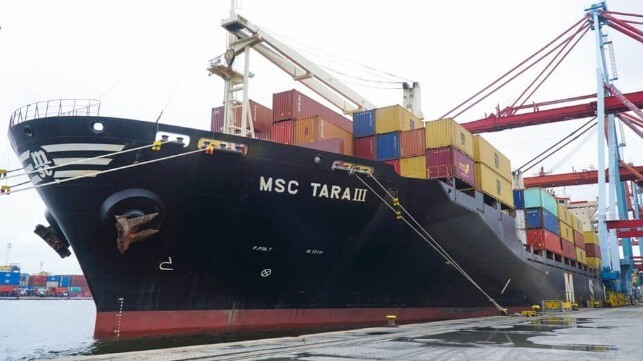
MSC's containership was one of two vessels that reported boarders as the robberies continue in the region around the Singapore Strait (MSC)

Published Apr 21, 2025 4:05 PM by The Maritime Executive


The surge in boardings and robberies is showing no signs of abating in the area around the straits of Singapore and Malacca. The monitoring operation ReCAAP has been raising the concern and now reports two additional vessels were boarded on Sunday and Monday after a two-week lull.

The latest incidents include a feeder containership that MSC recently placed on a new route to serve the Asian region. ReCAAP lists a report of a boarding in the early morning hours on Sunday, April 20, aboard the MSC Tara III (33,232 dwt / 3,300 TEU). The vessel was underway when three perpetrators were spotted at about 0500. The vessel was approximately 5.4 nautical miles off Pulau Cula, in the eastbound traffic separation lane of the Singapore Strait.

The master raised a general alarm and mustered the crew after the three individuals were seen on the upper deck of the vessel. They reported the individuals appeared to be carrying guns. The crew was safe and nothing was taken but it marked the first incident reported since April 7.

Less than 24 hours later a Panama-flagged tanker, Aquaris (106,500 dwt) also spotted boarders in the same general position. She was 2.5 nautical miles off Pulau Cula also in the eastbound lane. Again, three individuals were seen but this time with knives and entering the engine control room. The crew was not injured and nothing was stolen but it was the fifth incident in April.

Earlier in April, the product tanker Hafnia Hong Kong reported three perpetrators. In that instance, an air compressor and four padlocks were reported stolen. Also in recent incidents, the containership SITC Yuncheng reported lashing gear stolen and the containership Kota Halus said a portable welding machine was missing.

Since the beginning of the year, ReCAAP has listed a total of 41 incidents on vessels in or near the straits of Singapore and Malacca. Across the broader Southeast Asia region, ReCAAP has only received 49 reports so far in 2025.

At the end of the first quarter, ReCAAP highlighted that it had received reports of 35 incidents that occurred to ships while underway in the Straits of Malacca and Singapore. By comparison, it reported that there were 11 reports in the first quarter of 2024.

ReCAAP ISC has continued to urge the littoral States to increase patrols/surveillance in their respective waters. It also calls for a prompt response to incidents reported by ships, and strengthening coordination, and promoting information sharing on incidents and criminal groups involved to arrest the perpetrators. For vessels, it is urging greater caution and lookouts as the robbery spree continues.

The International Maritime Bureau, which is a specialized department of the International Chamber of Commerce, in its first quarter report, warned that the Southeast Asia region had become the hot spot for piracy. It also called for more action to stop the current surge in incidents in the region.


Crew Injured as Offshore Support Vessel Hits North Sea Wind Turbine

crew evacuation
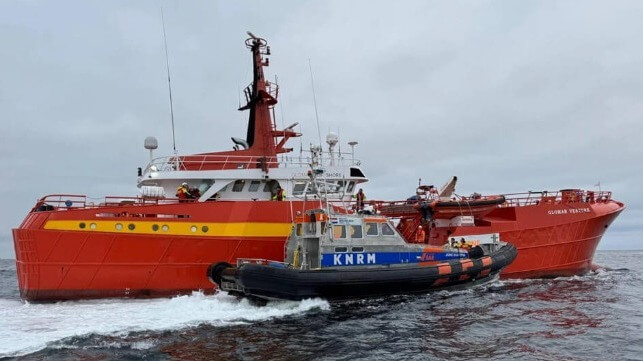
Three crewmembers sustained injuries when the support vessel reportedly struct the foundation for an offshore wind turbine (KNRM)

Published Apr 21, 2025 12:21 PM by The Maritime Executive


The Royal Dutch Sea Rescue Society reports it evacuated two injured crewmembers from a privately operated offshore standby safety vessel that had hit the base off an offshore wind turbine in the North Sea. There is no word on the condition of the two crewmembers who were taken to a hospital in the Netherlands while the media reports indicate a third crewmember also voluntarily went to the hospital after the vessel returned to port.

The call for the medical evacuation was issued at around 0700 on Sunday, April 20, with two rescue boats from the station in Egmond in the northern area of the Netherlands the first to respond. They were followed by boats from the Callantsoog and Den Helder stations.

The incident took place approximately 15 miles from Callantsoog on the northwest coast of the Netherlands. The offshore support Glomar Venture (560 gross tons) struck the foundation of one of the offshore wind turbines. The vessel built in 1990 and registered in Panama is 45.7 meters in length (150 feet) in length and was operating with a crew of eight. 

The owner of the vessel reports it is used for a variety of ERRV / Standby assignments in connection with the North Sea oil sector. Glomar Offshore highlights the good maneuverability of its vessels saying they can be used to monitor and protect offshore sites including issuing warnings to approaching vessels. It is unclear what the vessel was doing on Sunday morning.


Pictures in the Dutch media show a large dent on the prow of the ship. The rescue society reports two of its boats remained on the scene along with the Dutch Coast Guard vessel Guardian, and escorted the Glomar Venture to the port of Den Helder.

There have been reports in the past of service vessels working in offshore wind farms losing control and striking one of the foundations. Two years ago, German authorities reported a cargo ship operating in the North Sea docked with a large hole in its hull after striking a North Sea wind farm. German investigators later reported the master of the cargo ship had fallen asleep while he was on watch blaming a lack of a lookout and insufficient manning as contributing to the incident.

The Dutch police have begun an investigation into this latest incident.

NOAA Finds a Flashy Car Inside the Wreck of WWII Carrier USS Yorktown

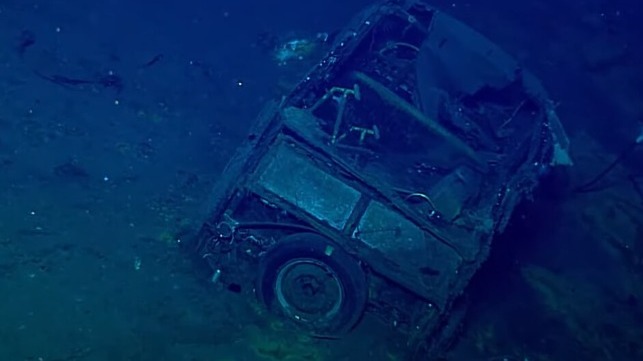
A small flash of chrome can be seen on the jeep's rear bumper, left of the spare tire (NOAA)
A small flash of chrome can be seen on the vehicle's rear bumper, half-buried to the left of the spare tire (NOAA)

Published Apr 21, 2025 4:10 PM by The Maritime Executive


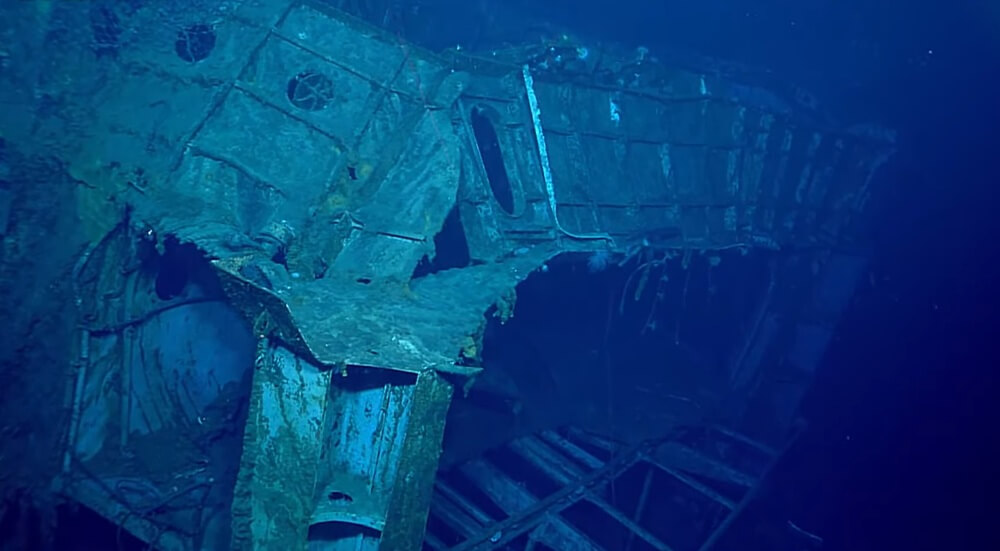
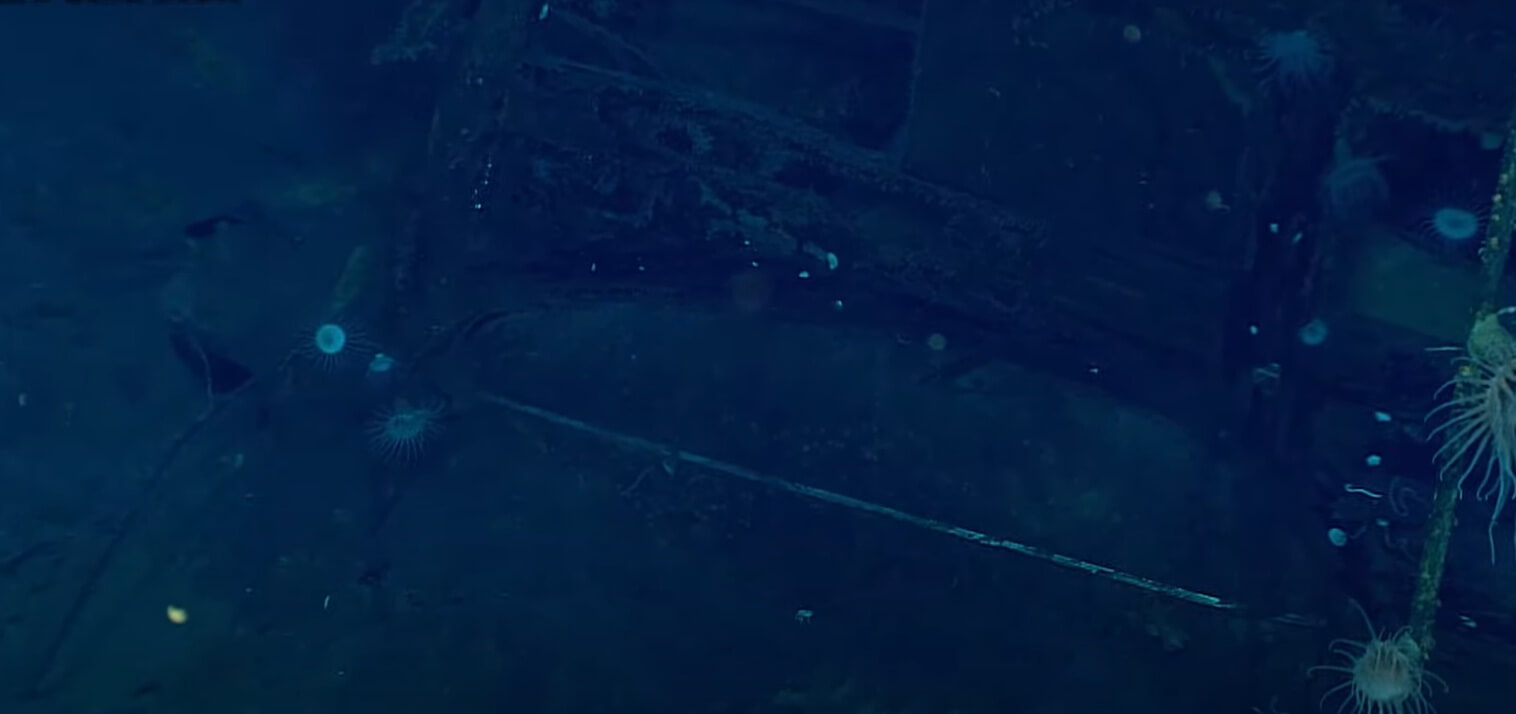
On a recent deployment to the Pacific, a NOAA remotely operated vehicle (ROV) crew spotted an unusual vehicle inside the hangar of the lost aircraft carrier USS Yorktown (CV-5), which was lost in battle off Midway in 1942. 

Throughout April and May, NOAA Ocean Exploration is running a 28-day ROV and charting expedition aboard the research ship Okeanos Explorer in Papahanaumokuokea Marine National Monument, the protected archipelago that stretches westward from Kau'i to Midway Atoll. In addition to its natural riches, the area is home to historic WWII wrecks from the Battle of Midway, including Yorktown. The research effort is focused on areas of interest in waters deeper than 200 meters, where ROVs are essential for access. 

Commissioned in 1937, Yorktown had a distinguished combat history. She began her first Pacific patrol just months after Pearl Harbor and saw immediate action in the Marshall Islands and the Gilberts. She played a key role in the Battle of the Coral Sea, destroying the Japanese carrier Shoho and damaging the carrier Shikaku. The action prevented a Japanese invasion force from reaching Port Moresby, Papua New Guinea, slowing Japan's advance in the South Pacific. 

In early June 1942, Yorktown helped lead the defense of Midway, her bombers destroying carrier Soryu early in the battle. Yorktown sustained multiple bomb and torpedo hits, and after taking on a heavy list, her commander ordered abandon ship. She did not sink, however, and a salvage crew initially returned to try and right her for a tow back to Pearl Harbor - but a Japanese submarine attack on June 6 damaged her further, and her list increased. She slipped below the next morning. 

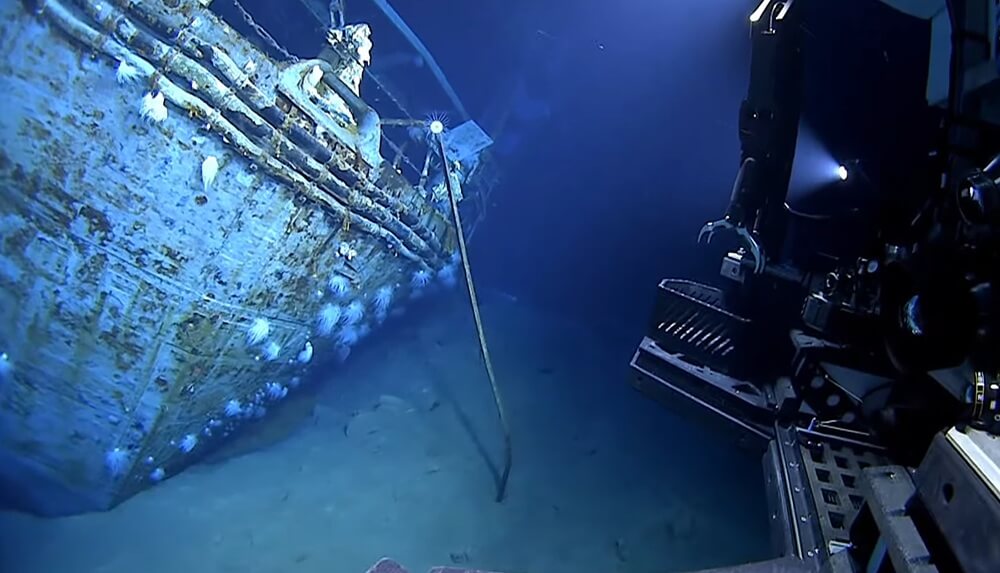
Exterior of USS Yorktown's hull, April 2025 (NOAA)

Yorktown's wreck site was rediscovered by Robert Ballard in 1998, and the NOAA mission returned in April for a closer look at the ship - including some daring interior footage, requiring precise piloting to keep the ROV safely free of entanglements in close quarters. Entering the number three elevator shaft and looking forward, the ROV crew spotted a vehicle located forward on the starboard side of the hangar deck. It had a square back, curved fenders and a now-shredded soft top. 

NOAA's team surmised that the car could be Adm. Frank Fletcher's flag vehicle, since USS Yorktown was his flagship. This would be consistent with a flash of chrome on the bumper and on one visible fender. Plenty of four-wheel-drive jeeps were carried aboard Yorktown and other Navy carriers in the Pacific theater, either as cargo for troops or for use as aircraft tugs - but this particular vehicle's chrome trim showed a level of flair not found on a typical GI-issue jeep. 

The vehicle's true identity remains to be confirmed, and NOAA has asked for the public's help in confirming whether it may indeed have belonged to Adm. Fletcher. On further review, NOAA believes it to be a 1940-41 Ford Super Deluxe "Woody," a civilian car with distinctive wood body and a unique combination of trim on the fenders (below). Such a car would be a likelier find on a country estate than on the deck of a carrier at sea, and would have been among the last cohort of mass-market vehicles that Ford produced before switching fully to wartime production. 

The vehicle's half-buried fender can just be made out in footage taken from outside the hangar (NOAA)
Monday, April 21, 2025


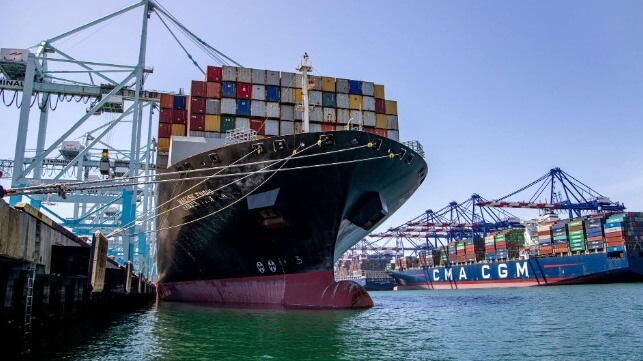
Carriers Respond to Tariff Uncertainty With "Extreme" Blanked Sailings

Port of LA
File image courtesy Port of LA

Published Apr 21, 2025 5:05 PM by The Maritime Executive


The Trump administration's steep tariffs on Chinese goods have prompted carriers to deeply slash sailings on Asia-U.S. routes, a sign of plummeting bookings. So far, freight rate indexes have not collapsed, suggesting that the carriers are pulling out ships quickly enough that slot supply is dropping as fast or faster than the drop in demand.  

According to consultancy Sea-Intelligence, carriers are expecting to cut planned sailing capacity for Asia-East Coast cargo movement by 42 percent during the week of May 5-11. Though this is not the same as a year-over-year decline - it represents a cut from carriers' baseline plans - it is still unusual. 
  
"That is an extreme amount of capacity. This is something you typically only see after Chinese New Year for example when everybody also goes on vacation out of China," said shipping expert Lars Jensen on a podcast Monday. "So this is this is pretty extreme, to put it mildly."

The change appears to be driven by tariff calculations, as American importers attempt to sort out the best strategy for Chinese-sourced goods. 

"The current political climate is extremely volatile and given that tariffs are being imposed and suspended on an almost daily basis, we assume that both the shipping lines and cargo owners are only adjusting their short-term supply chains for now and waiting for things to settle down (one way or another), before making longer-term network adjustments," said Alan Murphy, CEO, Sea-Intelligence in a statement April 16. 

Tracking data firm SONAR suggests that ex-China container bookings are down 20 percent year-on-year for the month of April. Meanwhile, activity out of other regional manufacturing hubs - notably Vietnam - has been picking up as importers rush to get goods into the country ahead of the administration's new tariffs on all other trading partners.  

The plummeting ex-China volume reflects the uncertainties of American importers, many of whom cannot afford a tariff of 145 percent on their goods. If Beijing and Washington can't reach a trade deal that lowers U.S. tariff barriers, "millions" of American marketing companies that rely on Chinese-sourced goods could go out of business - and may end up selling their brands to Chinese manufacturers, says Flexport's Ryan Peterson. Under this scenario, familiar Chinese-made goods would continue to arrive in the U.S. market, but with reduced overhead costs and full Chinese control. 


Fire-Damaged Conro Departs for Scrapyard After Awakening Belgium

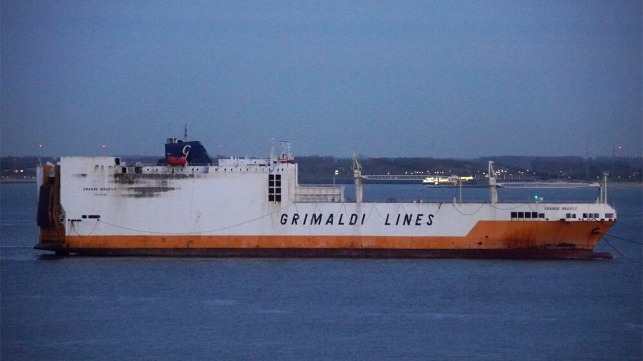
Grande Brasile hulk being towed away
Grande Brasile was towed after only after it horn cried out for hours awakening local residents (Piet Kesteloo/Facebook)

Published Apr 21, 2025 5:13 PM by The Maritime Executive


Grimaldi’s fire-damaged Conro Grande Brasile was towed from the Port of Antwerp, Belgium where it had laid for the past two months after a devastating fire in the English Channel. The hulk is being sent to scrapyards in Aliaga, Turkey for recycling, but before she left, she created one further incident in the port.

The fire broke out on the ship on February 18 shortly after it had departed Antwerp for France. By the time lifeboats from the UK’s RNLI reached the vessel, the ship reported its crew of 28 was all accounted for and there were no injuries. The fire had been contained to one deck and the onboard fire suppression system had been used. The vessel however was left drifting with rescue vessels standing by while Grimaldi made arrangements for the ship.

Later that same day, a second fire was reported and unlike in the morning, the crew was not able to contain it. It is unclear if it was a reflash from the first fire or a new incident, but the vessel was abandoned and would burn for days. It was towed into Antwerp on February 24 after the fire was extinguished.

Built in 2000, the Malta-registered 26,000 dwt ship is a Conro, a unique combination of containership and RoRo, favored by Grimaldi. The Italian shipping firm is one of the few that continues to operate this type of vessel and the company recently built more ships of this style in China.


Overnight on Friday, April 18 into April 19 the police in Beveren, a district near Antwerp reported they were besieged with complaints of a loud noise. Residents were not sure where it was coming from but thought it was some form of alarm. 

The police finally traced it to a dock area in the Waaslandhaven. According to media reports, the wailing sound was continuous from about 0200 to 0730. It could be heard for miles based on the complaints. Alderman for the Environment Danny Van Hove explained to the HLN news what had happened. 

"During the preparatory work, the ship's horn (Grande Brasile) was accidentally activated. This was apparently the only thing that still worked. However, they were unable to switch it off either. They only managed to do this hours later."

The police and local political leaders said they would continue to investigate the issue. The mayor of the region said they would investigate to make sure it does not happen again.

The hulk of Grande Brasile, however, departed the port several hours later on a tow-line. The tug Eraclea which is managing the tow is showing they are due to reach Turkey on May 16.


Wan Hai Hit By Cyberattack

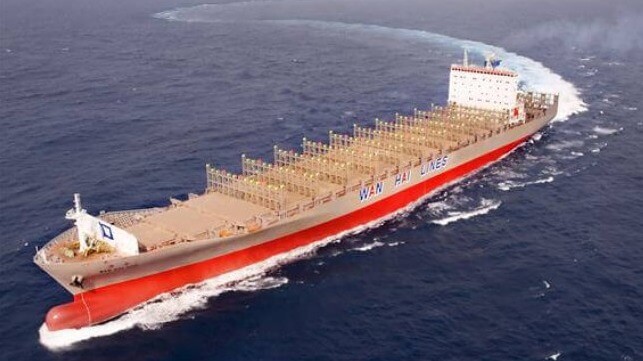
Wan Hai Lines
File image courtesy Wan Hai

Published Apr 21, 2025 6:52 PM by The Maritime Executive


Over the weekend, hackers took down the public-facing website of Taiwanese container carrier Wan Hai Lines. The identity of the hackers has not been determined.

Wan Hai has confirmed the attack to Taiwanese media, and said that it has retained the services of foreign cyber experts to try to determine what went wrong. The shutdown affected the public-facing website beginning April 18. The incident has not affected the company's physical operations, Wan Hai said, and no breaches of internal data have been discovered. 

As of Monday, Wan Hai's main website was back up and visible to the public - with an added anti-DDOS identity verification step. Wan Hai said in a statement that the appropriate authorities have been informed of the attack. 

Wan Hai is just the latest in a long string of maritime businesses to encounter cyber disruption, most related to ransomware. Maersk suffered what may have been the worst cyber incident in the sector in 2017, when a Russia-linked malware virus took down business systems at its global APM Terminals division for days. This cut Maersk's worldwide shipping volume by an estimated 20 percent overnight; the recovery effort took months, and the overall impact cost Maersk at least $300 million in business disruption, network reconstruction and client reimbursement costs.

Unlike the common hack-for-profit scams seen in shipping, the Maersk/APM incident was an engineered nation-state attack on a specific target, with Western businesses suffering collateral damage. Most shipping companies encounter more benign ransomware schemes, perpetrated by financially-motivated hackers who can be paid to restore access.