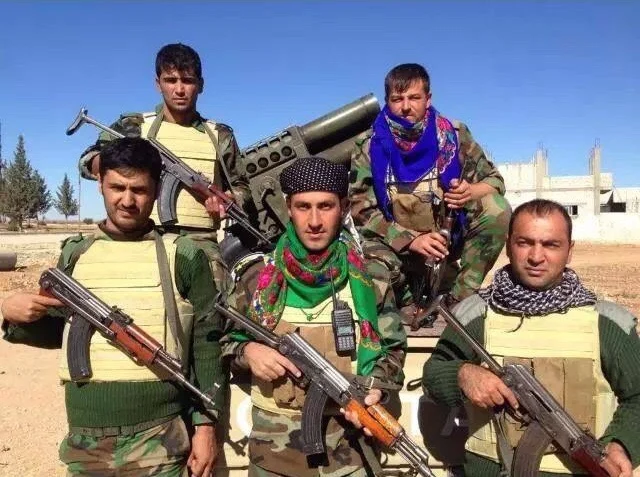
Showing posts sorted by relevance for query YPG. Sort by date Show all posts

Friday, August 27, 2021

ERDOGAN KILLS WOMEN KURD FIGHTERS
Turkey’s targeted killings signal new strategy against Syrian Kurdish forces

A series of Turkish drone strikes targeting senior Kurdish figures in northeast Syria appears to be the prelude of an attrition strategy to further restrict the main Syrian Kurdish group in the region and hamper its autonomy project.
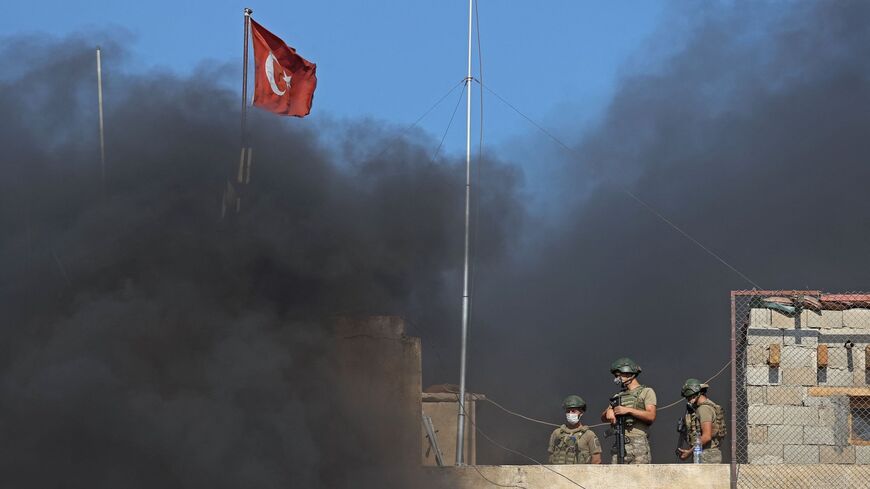

Turkish soldiers stand guard atop an outpost as smoke billows from burning tires during a demonstration against Turkey's perceived inaction over the latest Syrian regime attacks, in the village of Balyun in the rebel-held southern countryside of Syria's northwestern province of Idlib on July 22, 2021. - OMAR HAJ KADOUR/AFP via Getty Images

Metin Gurcan
@Metin4020

August 27, 2021

Breaking a long lull in its military campaign against Kurdish forces in northeast Syria, Turkey has launched a series of drone strikes targeting high-profile members of the People’s Protection Units (YPG), apparently with quiet nods from Russia and the United States.


The YPG lost around two dozen members, including senior figures, in about 20 drone strikes that hit YPG targets last week, including vehicles carrying military commanders, meeting places and command centers.

The YPG forms the backbone of the US-backed Syrian Democratic Forces, which controls much of northeast Syria, as part of a de facto autonomous administration along the border with Turkey. Ankara views both outfits as terrorist groups for their links with the Kurdistan Workers Party (PKK), which took up arms in southeast Turkey in 1984 and is designated as a terrorist organization by Ankara, Washington and much of the international community. Washington, however, makes a distinction between the PKK and the SDF, its chief local ally in Syria.

One of the strikes hit a YPG vehicle on the Qamishli-Amuda road Aug. 19, killing Salahuddin Shahabi, a senior field commander known also by his nom de guerre Renas Roj, a member of the YPG military council and their driver. It was the first Turkish attack against a YPG target since Operation Peace Spring in fall 2019, when Turkish forces and allied Syrian rebels wrestled control from the YPG in a border pocket between Ras al-Ain and Tell Abyad, including a section of the strategic M4 highway. According to Turkish news reports, the strike went ahead after Turkey’s intelligence service learned that Shahabi, the commander of the YPG’s Hasakah-Qamishli headquarters, had left Hasakah by car. A Turkish TB-2 Bayraktar drone hit the vehicle in the pre-dawn hours after it left residential areas, according to the reports.

A second strike followed later that day, targeting YPG headquarters in the town of Tal Tamer, north of Hasakah, where a high-level meeting was underway. The building was reportedly the venue of meetings between US generals and YPG commanders in the past. The attack claimed the lives of seven YPG commanders including Sosin Birhat from the Women’s Protection Units, the all-female branch of the YPG, and left nine people injured.

On Aug. 22, a drone attack destroyed a car in the village of Himo near Qamishli, killing a YPG commander and leaving three other people seriously injured, according to local sources. It came shortly after a drone hit a vehicle in the village of Qara Mazrah, southeast of Kobani. According to sources in Ankara, the vehicle belonged to a YPG commander who was killed in the strike.

Are the drone attacks the harbinger of a new Turkish strategy of a war of attrition? Is Turkey bent on expanding its long-running drone operations against PKK targets in northern Iraq to northern Syria? Are the strikes taking place with tacit US and Russian approval?

The existing diplomatic and operational outlook in the region, including the US-Russian relationship, precludes another large-scale Turkish ground operation. Thus, Turkey seems to be bracing for a protracted war of attrition to restrict the YPG’s mobility, weaken its command, control and communication capabilities and demoralize its fighters. Such a strategy would draw on drone strikes as well as the Turkish-made air-to-land SOM cruise missiles, which have a range of 200 kilometers and could be fired by Turkish warplanes and drones from the other side of the border without entering Syrian airspace. The strategy, it seems, will focus on targeted killings of YPG leaders, relying on human and signal intelligence to detect the whereabouts and activities of the targets. Unlike the US drone campaign in Syria, thanks to its geographical advantage Turkey can sustain a war of attrition with armed drones and cruise missiles for a long time.

Given their silence over the raids, Russia and the United States appear to have both preferred Turkey’s drone strikes as an alternative to a large-scale ground operation. Such a war of attrition would keep tensions in check to a certain extent, while at the same time meeting Turkey's need to weaken the YPG’s military capabilities. This seems to be the most reasonable option on which Turkey, the United States and Russia could compromise. Consequently, Turkey must have reached an understanding with Russia and the United States to use Syrian airspace to strike YPG targets, and perhaps the United States and Russia prefer to keep mum in return for gains elsewhere.

Russian air raids in the south of Idlib, the northwestern province held by Islamist militants, have increased simultaneously with the Turkish drone strikes, fueling suspicion of a potential Turkish-Russian deal, whereby Russia and the Syrian regime would take areas in Idlib in return for letting Turkey take areas in the northeast.

Washington has so far refrained from any public reproof or a clear stance on Turkey’s drone strikes, either because it is preoccupied with the chaos in Afghanistan or too pleased with Turkish cooperation in the evacuations from Kabul. Either way, Turkey appears to be looking for a free hand for airstrikes in both northeast Syria and northern Iraq in return for the support it has offered the United States in Afghanistan.


But could a war of attrition eradicate the threats that Ankara perceives from the YPG and its drive for an autonomous Kurdish region abutting Turkey’s own Kurdish-populated areas across the border? With a war of attrition, Turkey can certainly liquidate some senior YPG figures, weaken YPG’s military capabilities, restrict its mobility, disrupt its logistic routes and foment fear and demoralization in YPG ranks, but it can hardly undo the YPG’s political progress and de-territorialize its political vision. Moreover, attacks on the YPG cannot destroy the popular base the group enjoys in northeast Syria and might even backfire in this respect, especially in the event of civilian casualties.

That said, de-territorializing the YPG remains Ankara’s ultimate military objective in northern Syria, meaning that it will continue to look for an opportunity to launch another large-scale ground operation to seize territory from the YPG. Such a campaign would require the acquiescence of the United States and Russia, including a green light for Turkey’s use of Syrian airspace. Judging by the existing diplomatic climate and the operational outlook on the ground, neither the United States nor Russia are likely to agree to such a Turkish move, at least in the short term of six to eight months. Turkey’s targeted killings of high-profile YPG figures, meanwhile, will almost certainly continue.


Read more: https://www.al-monitor.com/originals/2021/08/turkeys-targeted-killings-signal-new-strategy-against-syrian-kurdish-forces#ixzz74oHaMqmQ

Saturday, October 30, 2021

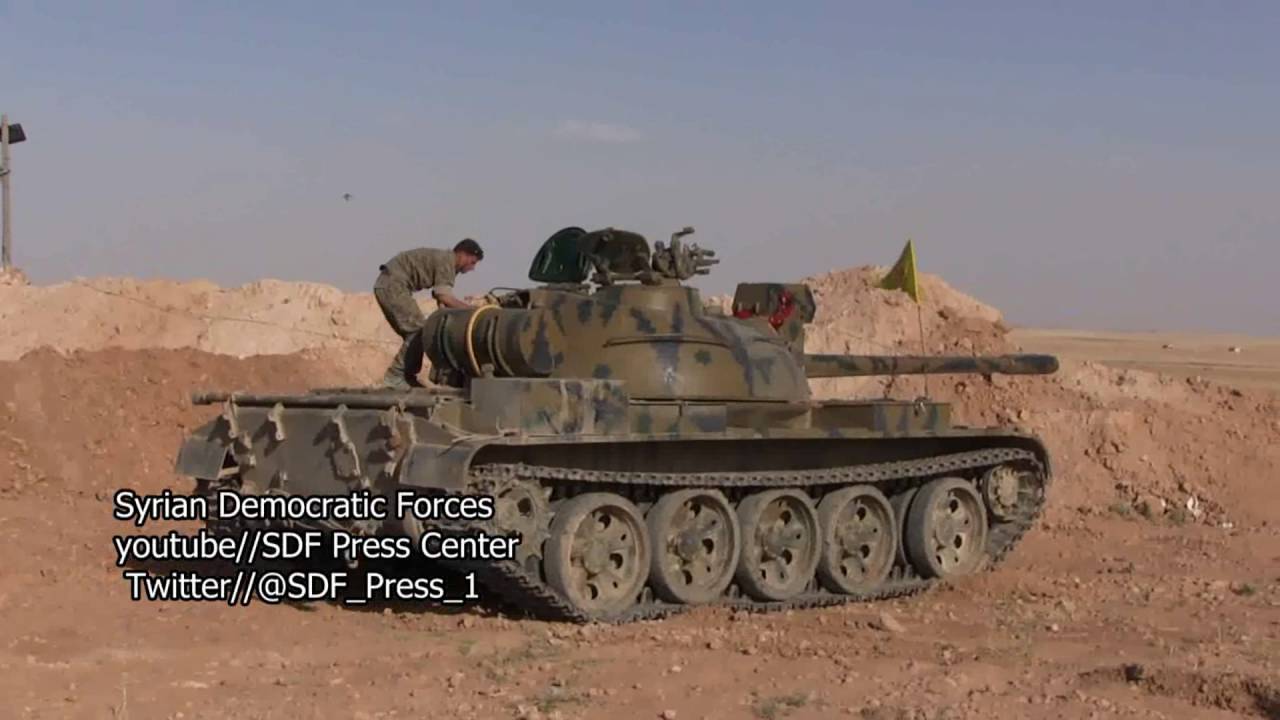
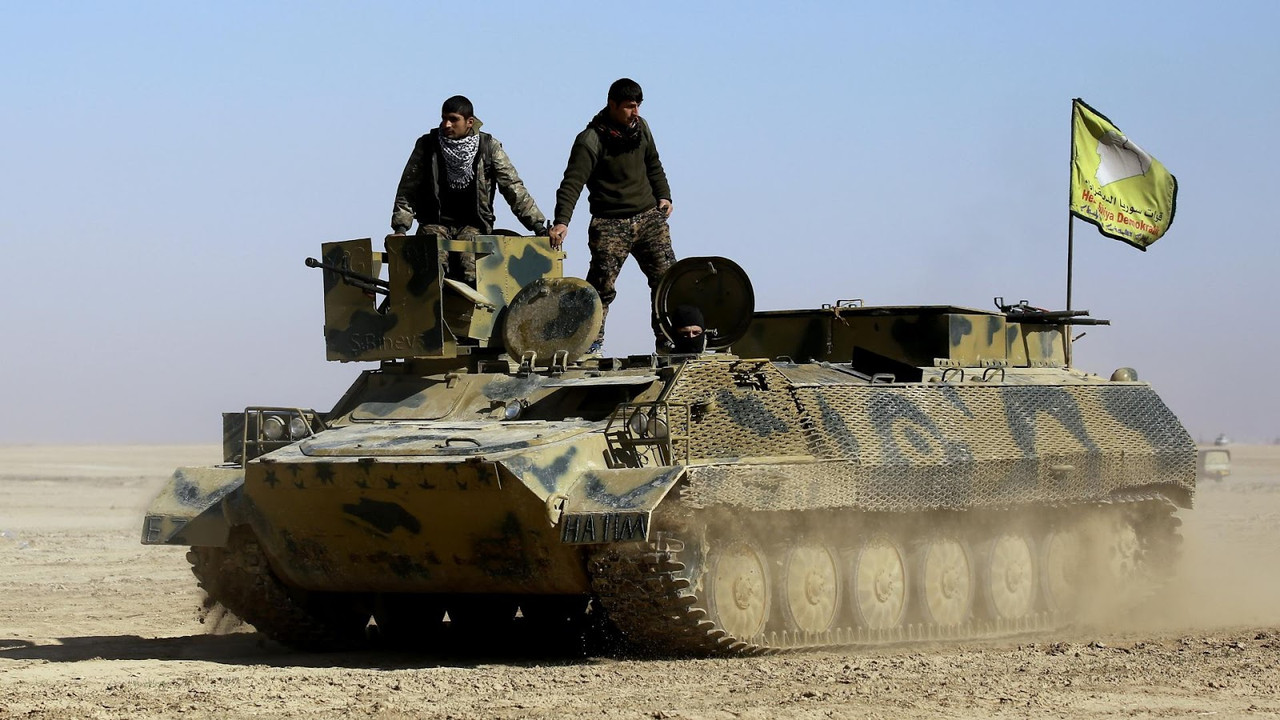
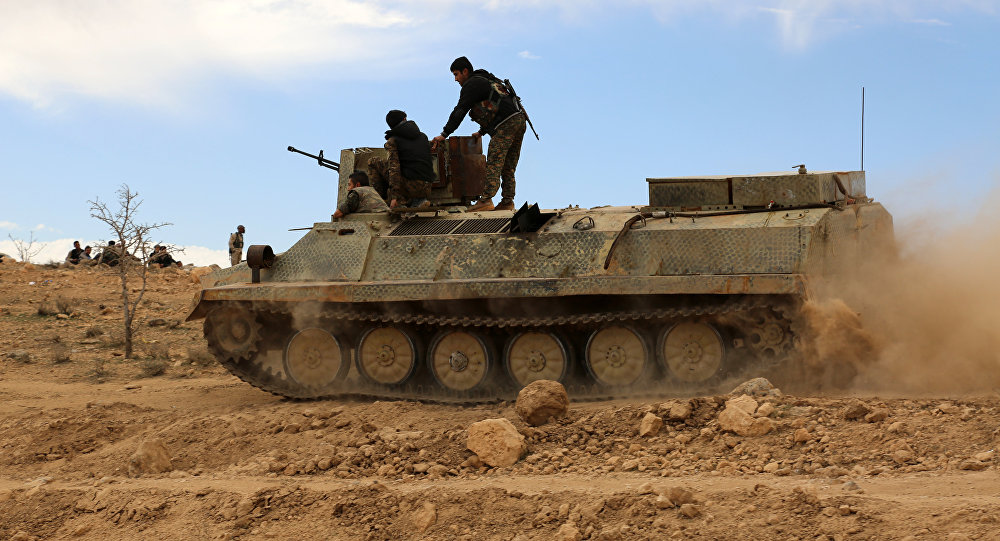
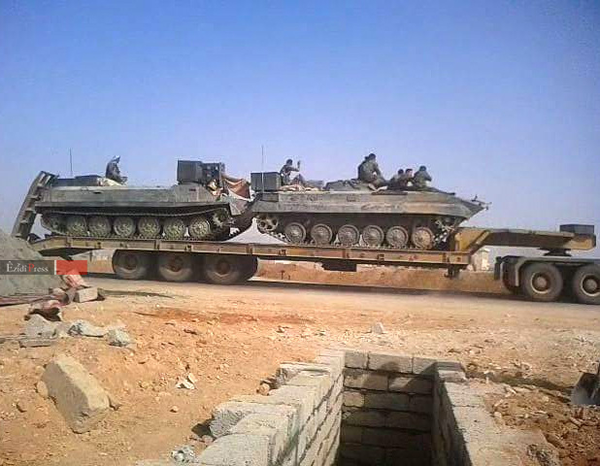
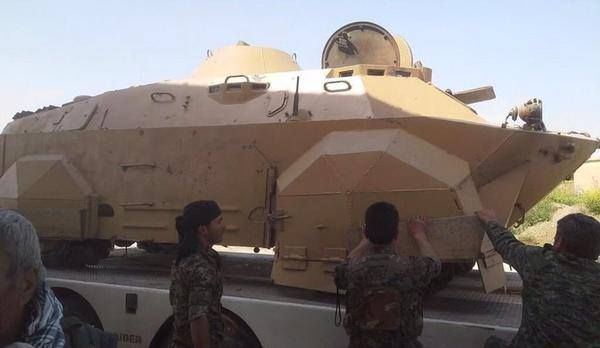
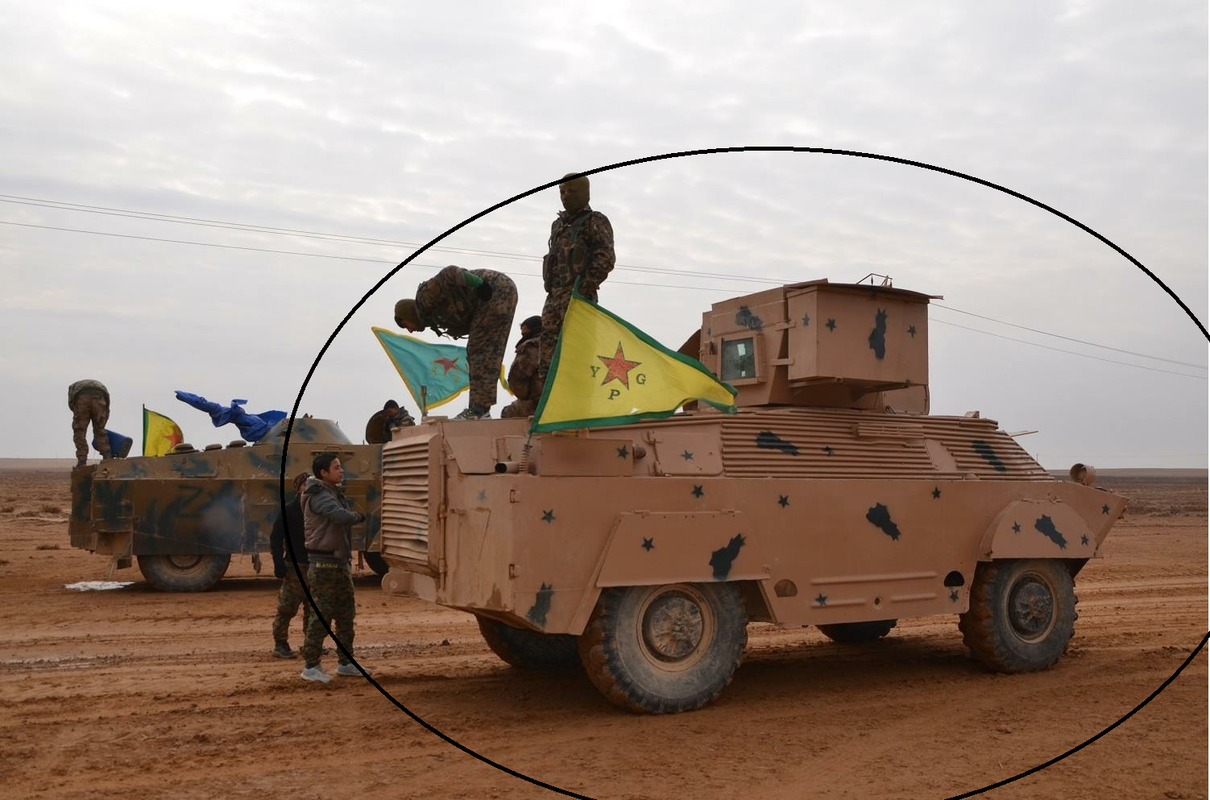
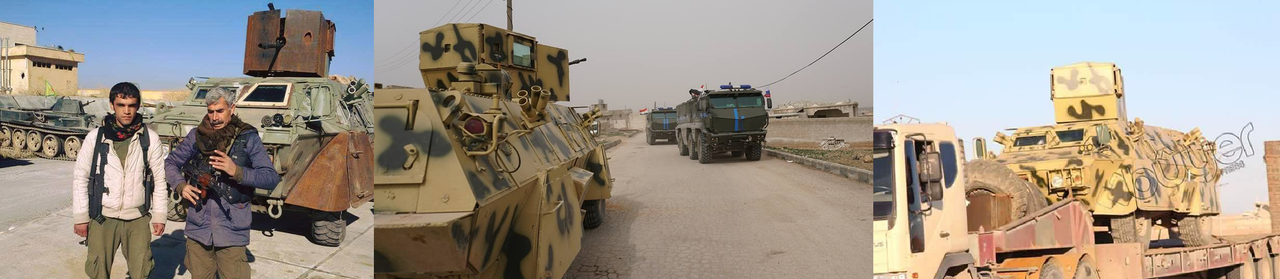
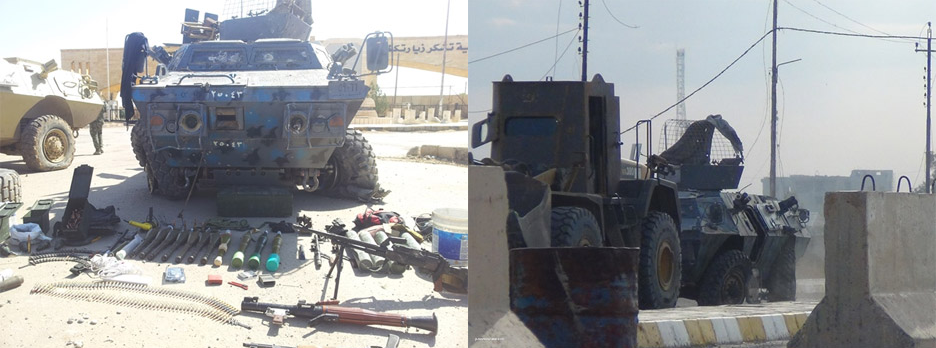
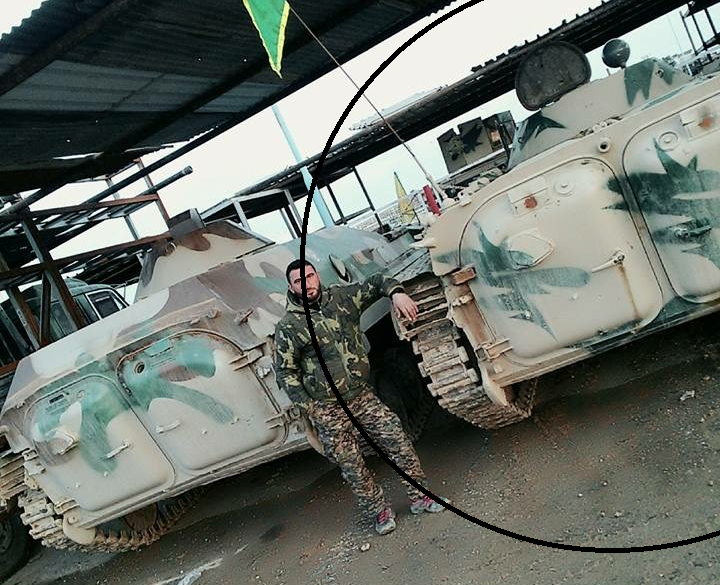
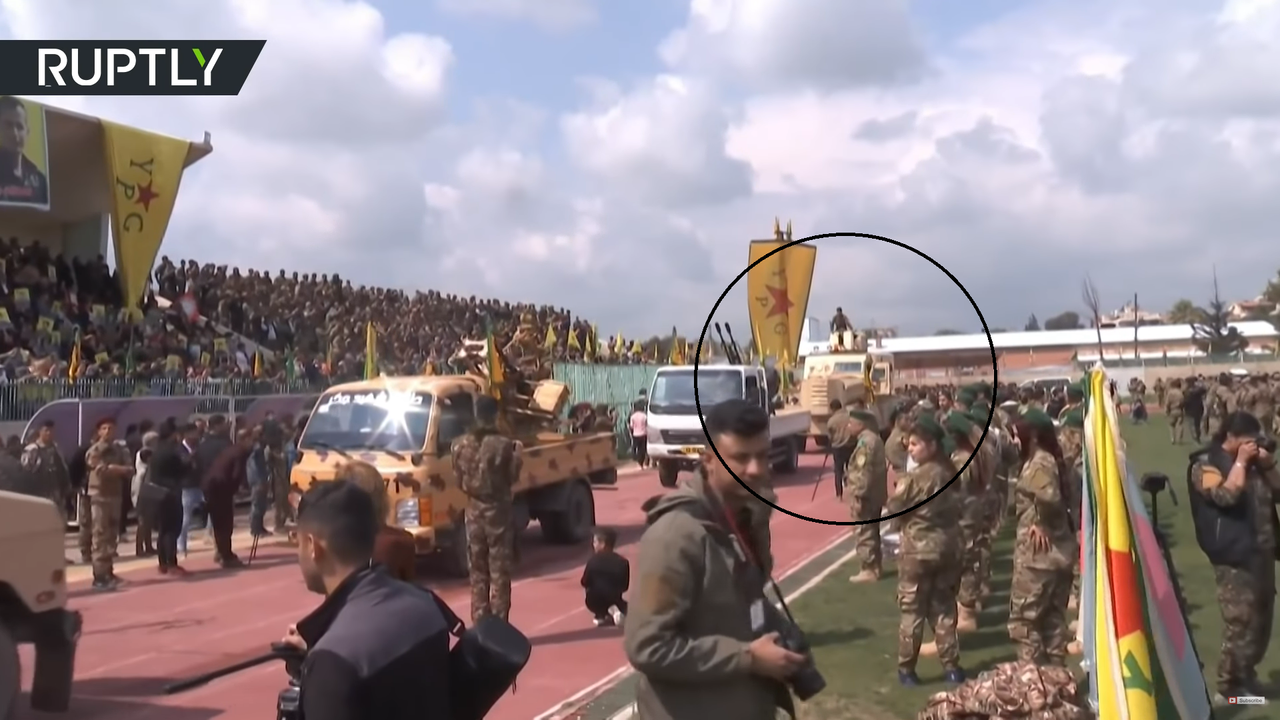
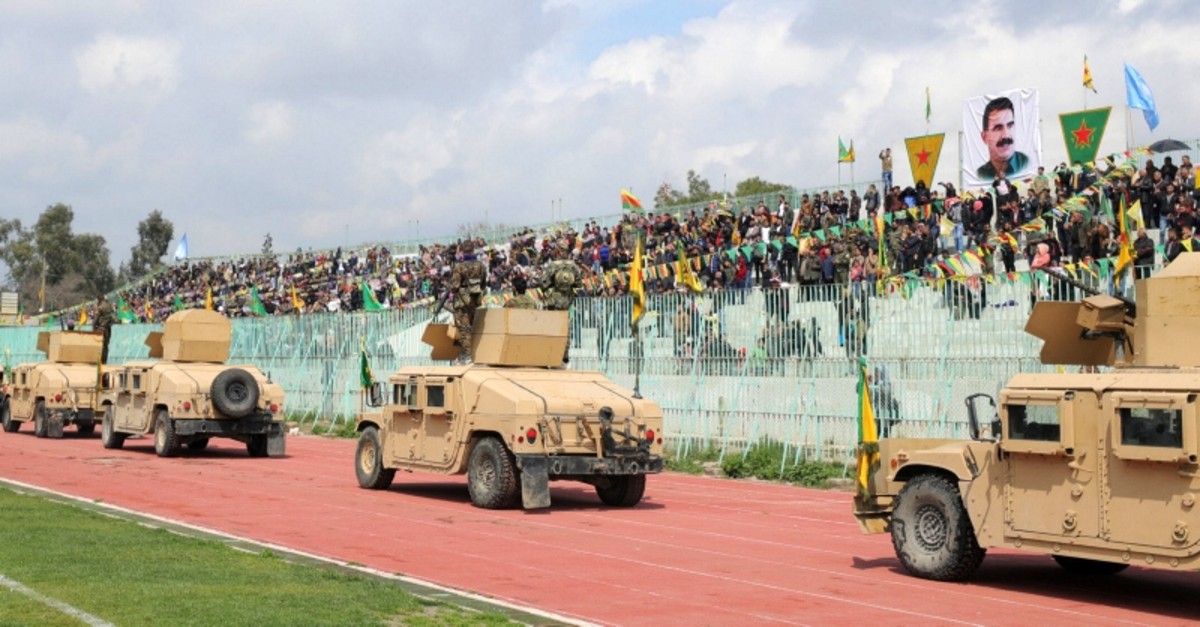
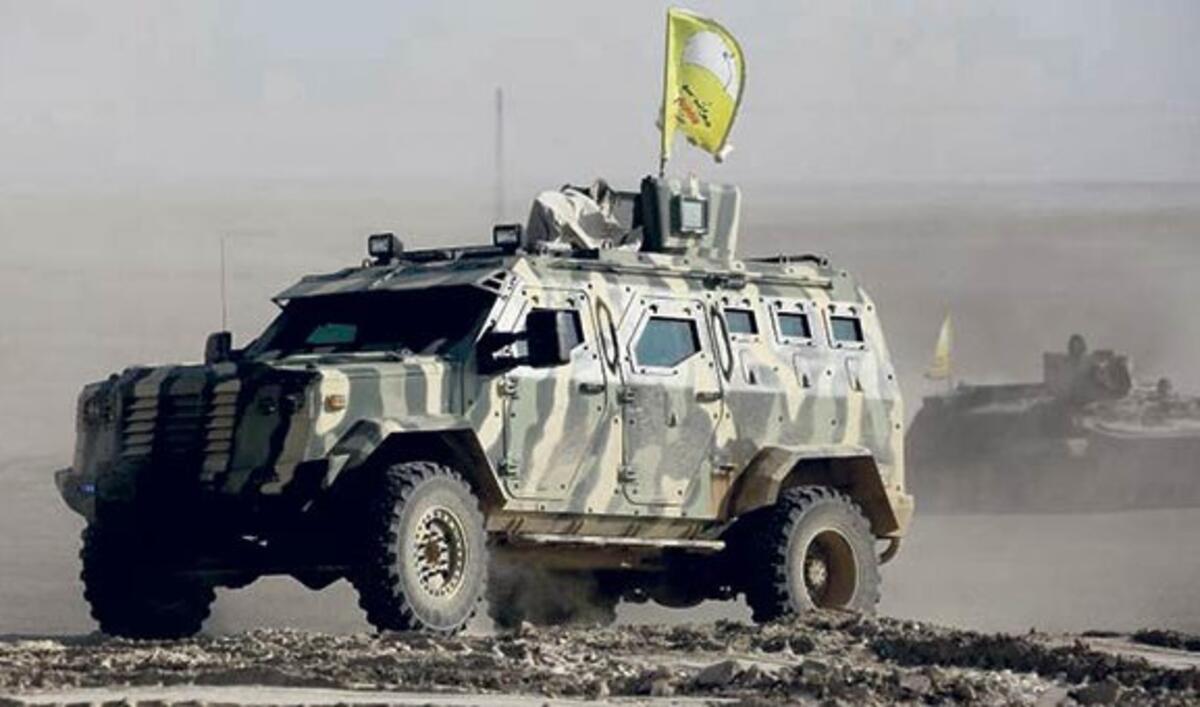
Kurdish Armour: Inventorising YPG Equipment In Northern Syria
Oryx Friday, October 29, 2021 Afrin , BMP-1


By Stijn Mitzer and Joost Oliemans


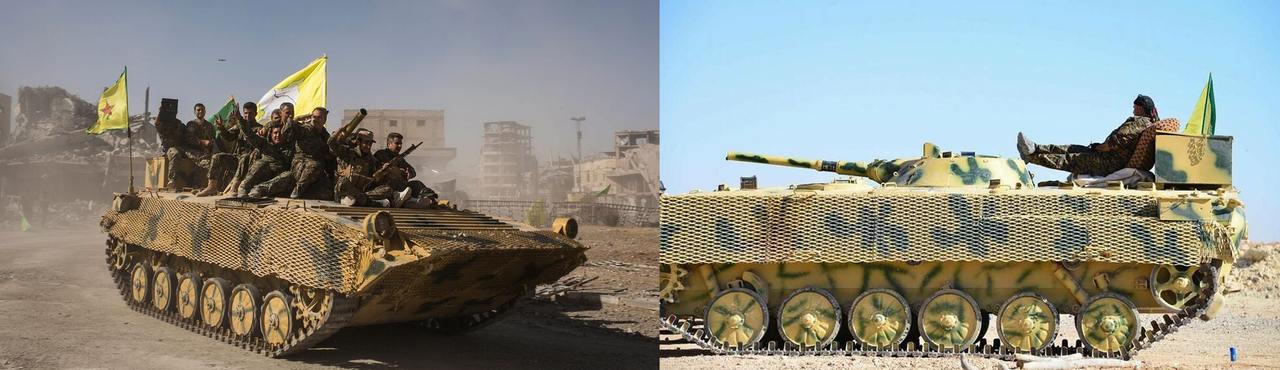
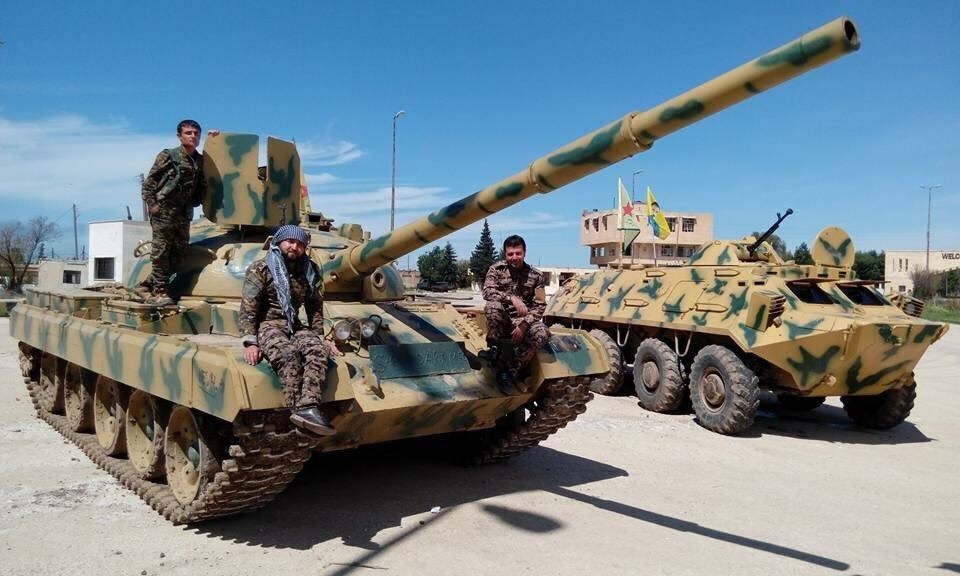
A number of attacks on Turkish patrols in northern Syria have brought Turkey and YPG forces to the brink of war. In response to the latest attack, which saw the death of one Turkish soldier, President Erdogan vowed to clear northern Syria from the YPG. [1] In order to achieve this, YPG (Yekîneyên Parastina Gel – People's Protection Units, itself the primary faction in the Syrian Democratic Forces alliance) forces would either have to leave the border region voluntarily or take up arms and fight the Free Syrian Army and Turkish military. In the latter case, the YPG's armour is undoubtedly set to play a role as the faction's primary fire-support platforms. This article attempts to catalogue the YPG's fleet of AFVs and other heavy weaponry and explain how its armoured force came to be.

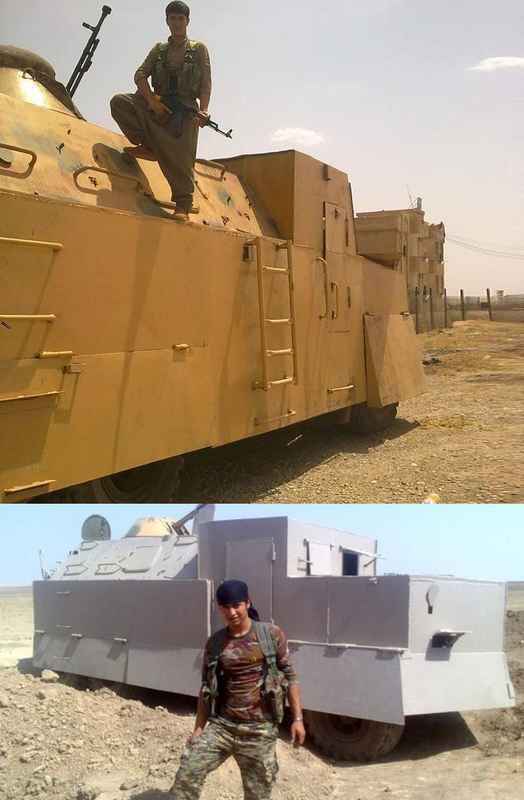
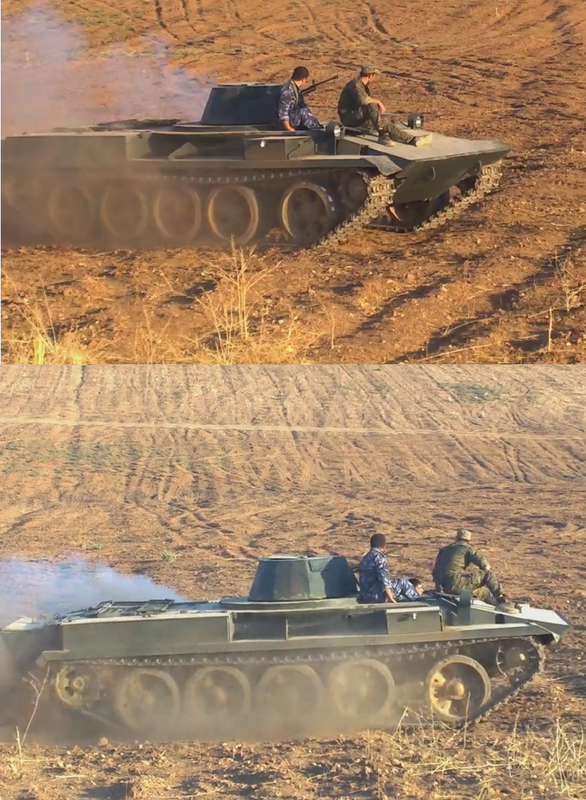
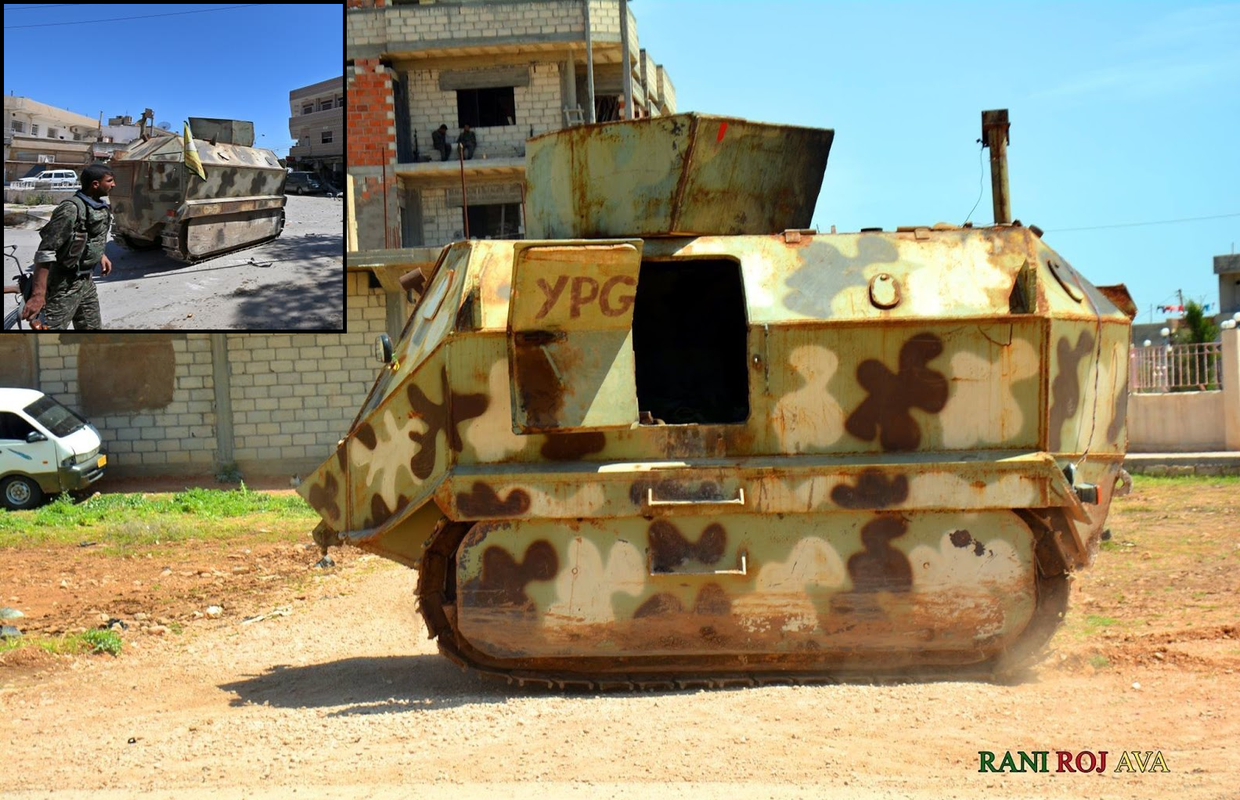
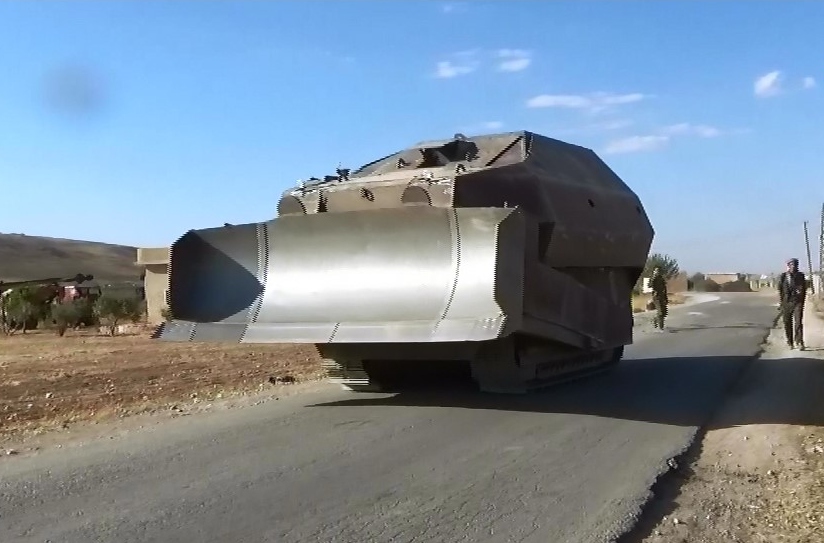
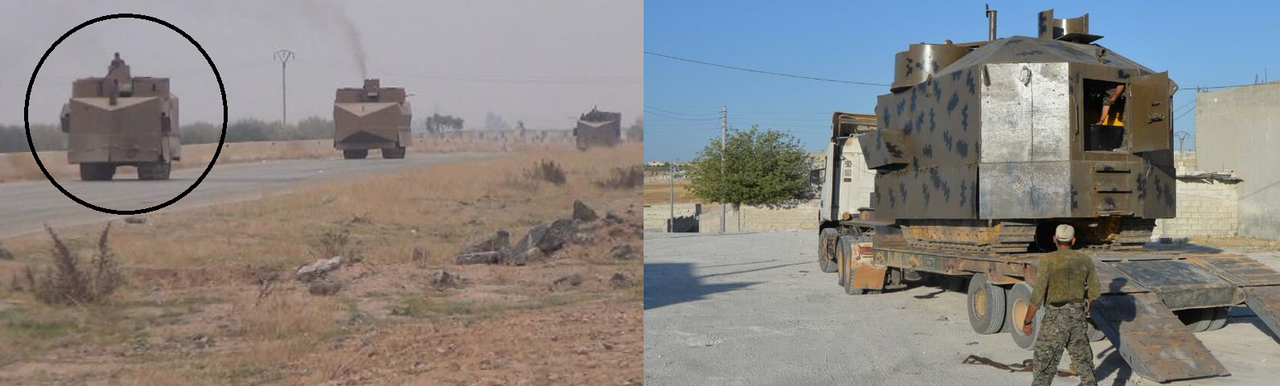
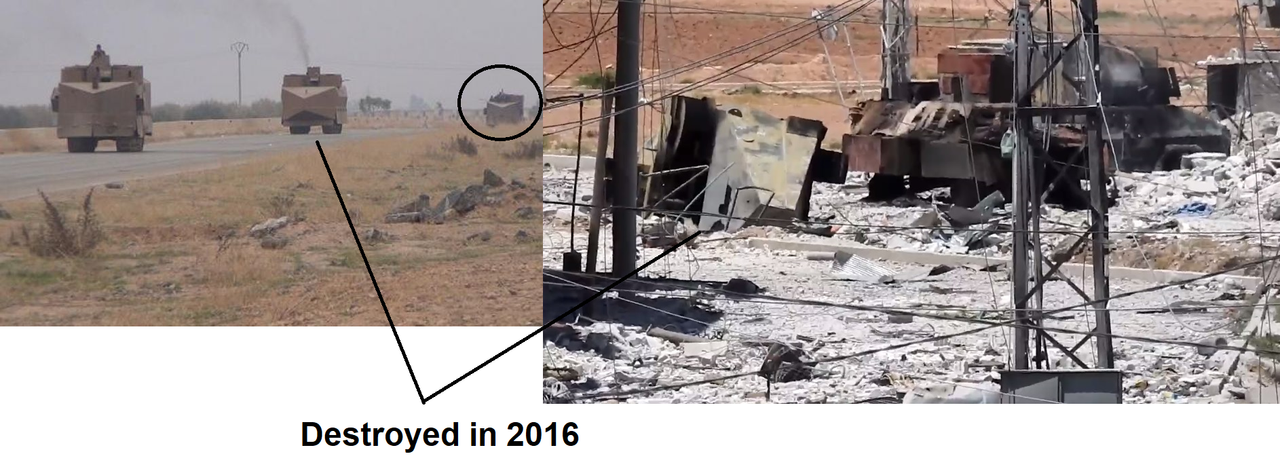
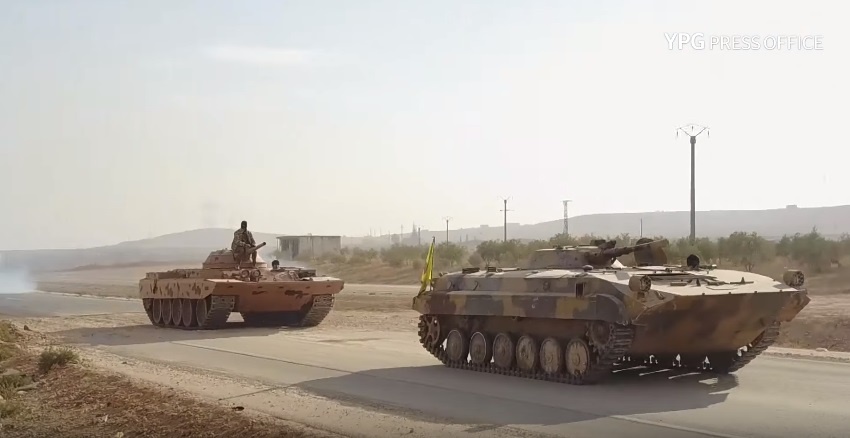
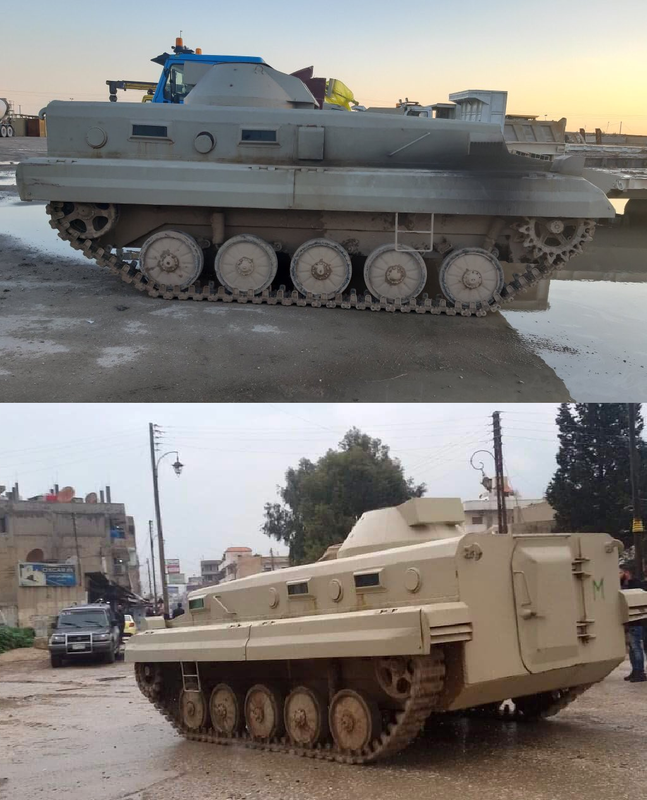
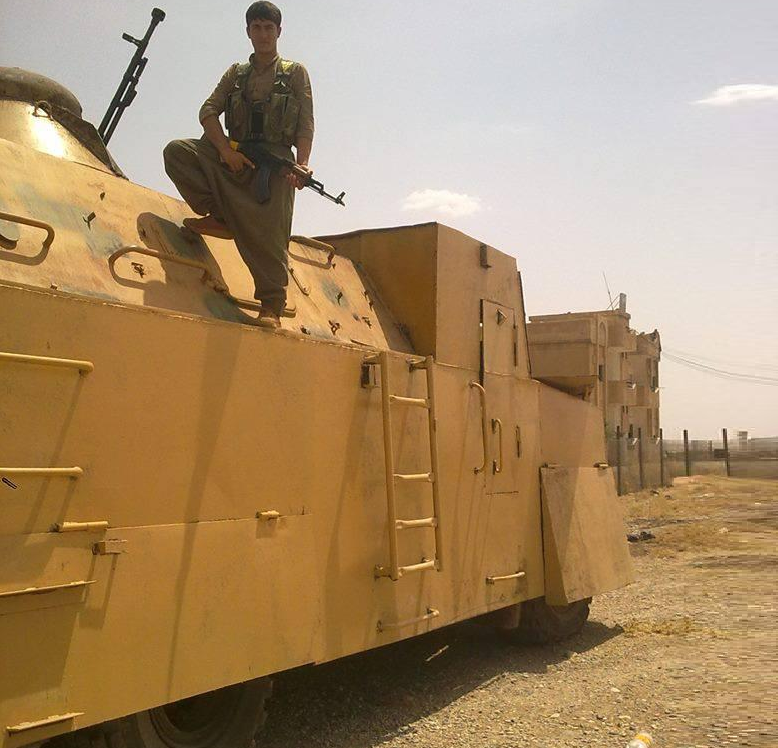
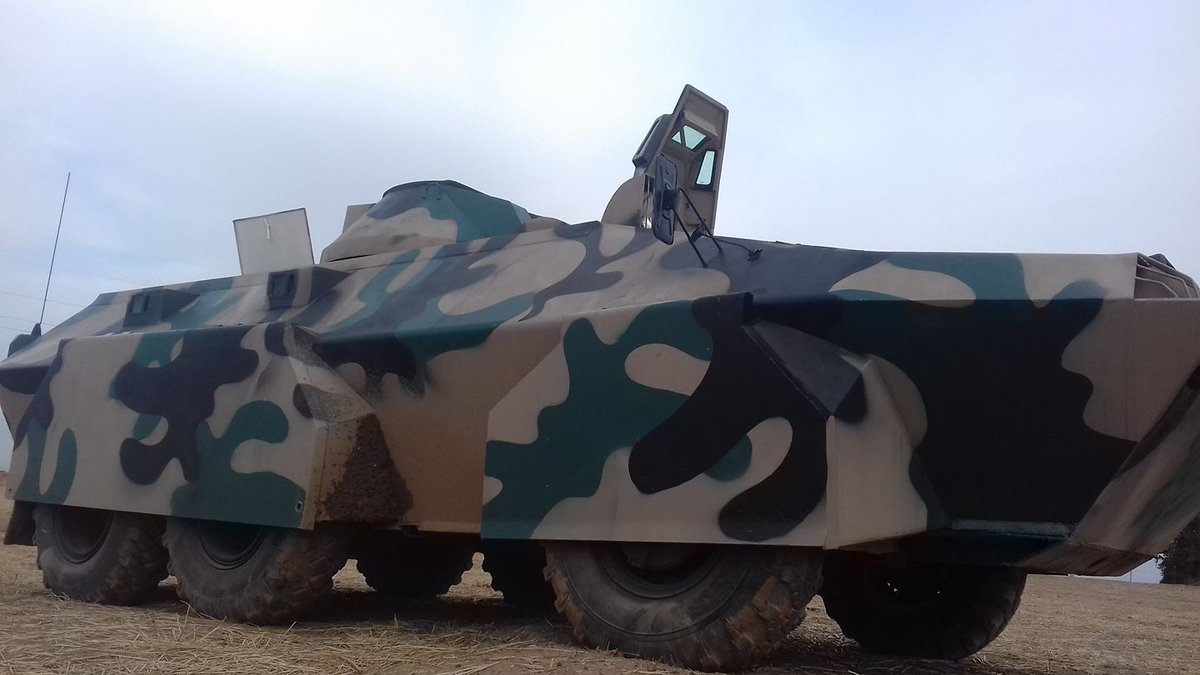
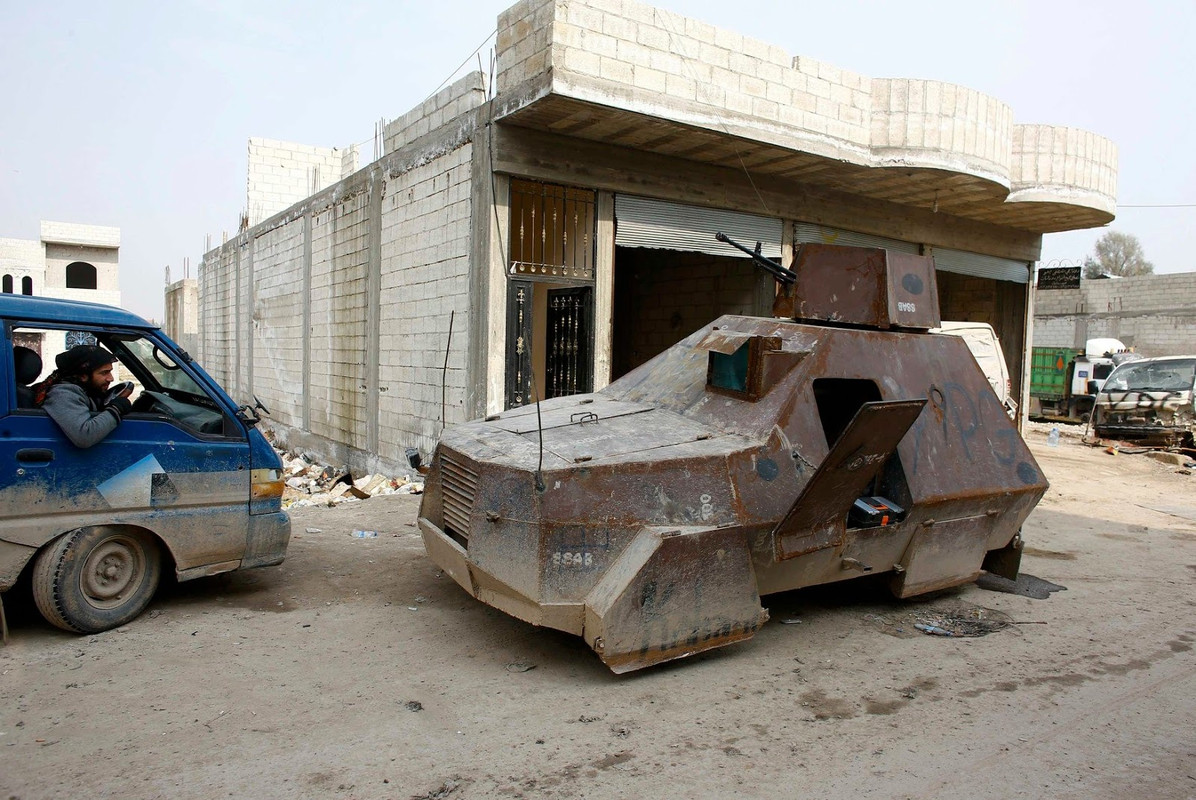
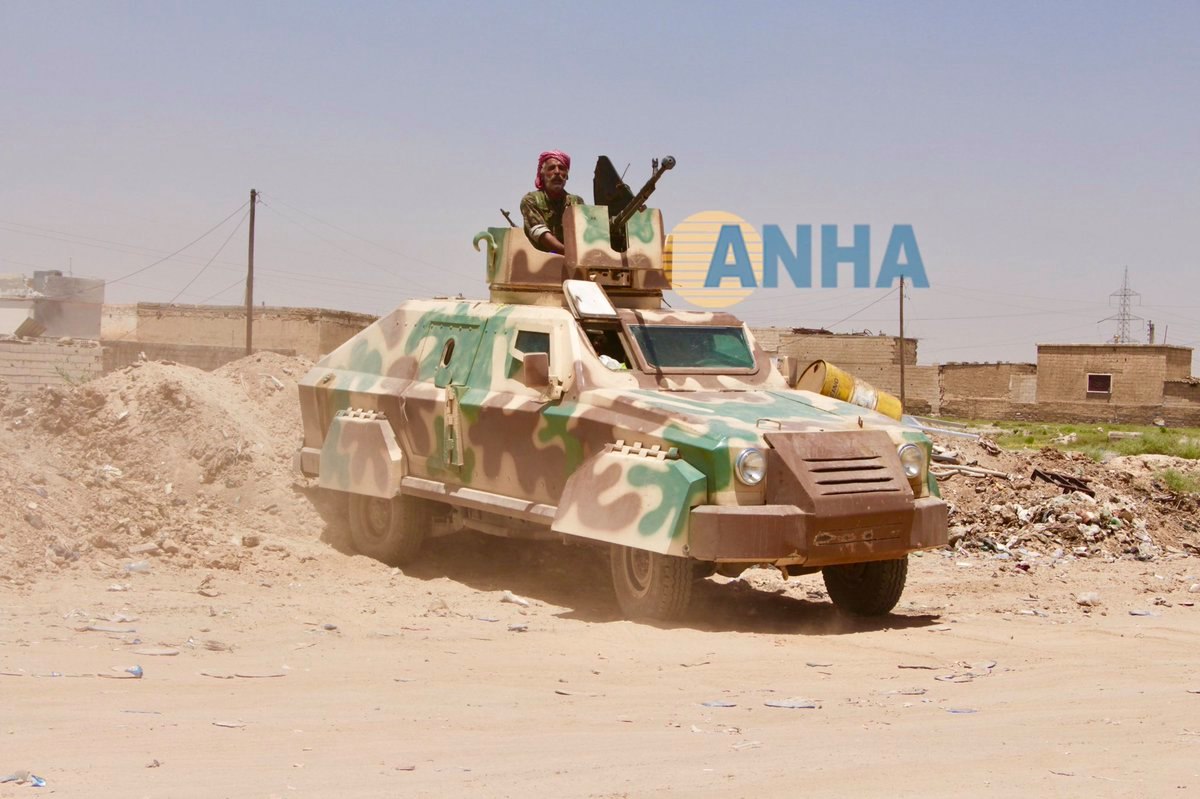
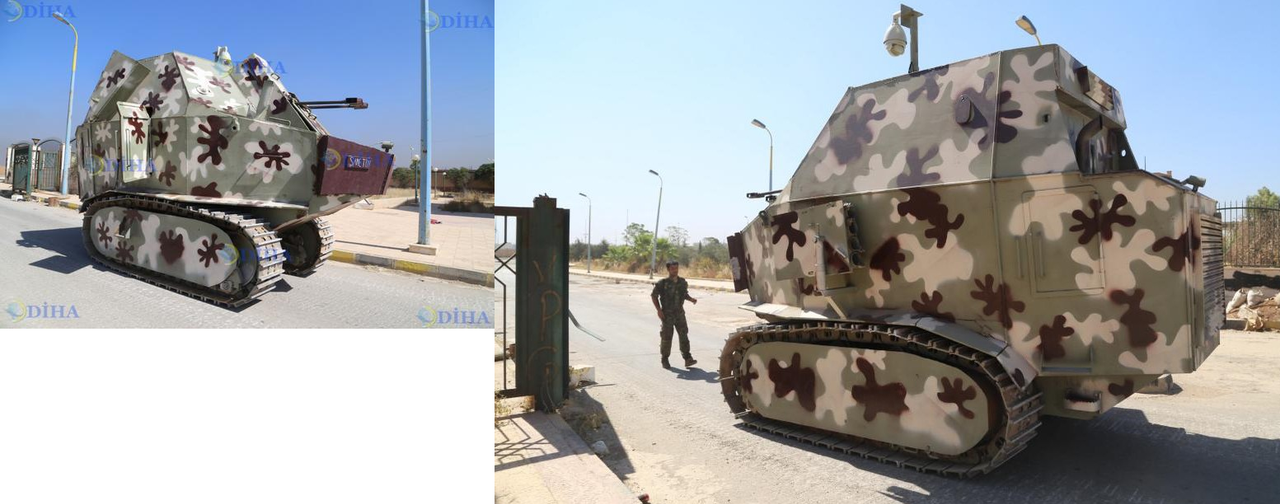
Compared to other major factions involved in the Syrian Civil War, the YPG is the least endowed with armour. To compensate for the resulting gap in capabilities, the YPG became very active in the production of DIY armoured vehicles, usually based on bulldozers or large trucks. [2] For light armoured vehicles and true armour, the YPG has traditionally been reliant on vehicles captured from the Islamic State, AFVs left behind by the Syrian Arab Army (SyAA), equipment turned over by the SyAA in return for a safe passage (for example after retreating from Mennagh airbase in 2014) and armoured vehicles donated by the United States.

While other factions involved in the Syrian Civil War like the Islamic State managed to accumulate an arsenal containing hundreds of tanks and other armoured fighting vehicles captured from the Syrian Arab Army, the YPG, often avoiding combat with government forces, usually had to do with the scraps. In this manner the YPG acquired several vehicle types like the BTR-60 and BRDM-2 that had been left to rot in government bases by their previous owners. With no real alternative, even these derelict vehicles would be patched up for another lease of life with the YPG. Even in cases where the engine couldn't be repaired, the hulls of BTR-60s were placed on the back of trucks and used as makeshift AFVs.

With little armour and other heavy weaponry to speak of, the YPG almost exclusively relied on Coalition airpower for the destruction of Islamic State vehicles and fighting positions. While this meant that Islamic State-operated AFVs were often destroyed before they could inflict serious damage on YPG forces, it also meant that most AFVs were completely obliterated by the heavy ordnance dropped on them by Coalition aircraft, preventing their capture and further use with the YPG.


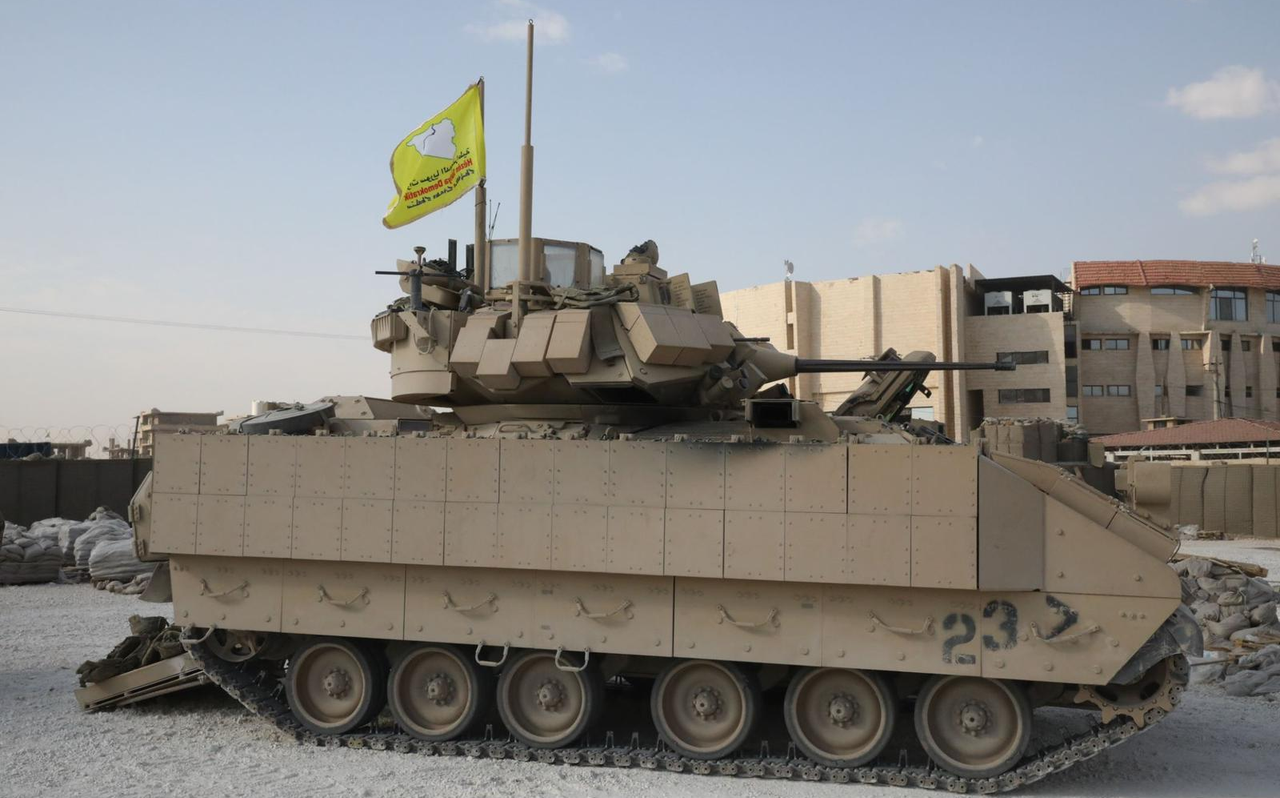
In an effort to help the SDF in the fight against Islamic State forces in northern Syria, the YPG received large numbers of infantry mobility vehicles (IMVs) and mine-resistant ambush protected vehicles (MRAPs) from the United States, which appear to have replaced some of the more ludicrous YPG homemade armour designs. Interestingly, the YPG was allowed to keep these vehicles even after the defeat of IS as a conventional military force. Even then however, there was little doubt that their most likely future use would be against a NATO member (Turkey). In addition to a large fleet of Humvees, IAG Guardians and M1224 Maxxpros, there have also been reports that the U.S. transferred a number of M2 Bradley infantry fighting vehicles (IFVs) to the YPG. These reports appear to stem from the sighting of M2s with SDF flags and a video of YPG members training alongside M2s, and there currently is no reason to suggest that such a transfer has actually taken place.


Rather than facing possible destruction by Turkish M60Ts and Leopard 2A4 MBTs, arguably the biggest threat to YPG armour would be TAI Anka and Bayraktar TB2 unmanned combat aerial vehicles (UCAVs) and T129 ATAK attack helicopters hovering overhead, as well as anti-tank guided missiles (ATGMs) operated by the Free Syrian Army. The latter three weapon systems were responsible for quickly ending all YPG armour operations in Afrin during Operation Olive Branch in 2018. The annihilation of heavy armour belonging to Syrian government forces during Operation Spring Shield in February 2020 proved that large scale armour operations are not a viable strategy in the face of unopposed Turkish drones overhead. [3]


Instead, the YPG can be expected to disperse its armour along the frontline and to position them in buildings when they're not fighting to hide them from the lurking eyes overhead. The YPG is well-accustomed to the use of such tactics to mitigate the threat of drones, and its armour has frequently been spotted hiding in the safety of a garage. Interestingly, in some cases the AFVs were captured in their hiding spot after they failed to leave it again, presumably having either suffered a malfunction or because its operators simply didn't make it to their vehicle in time. [4]


When the AFVs did manage to leave their hiding spots in Afrin, their operational career tended to be an exceptionally short one in the face of several airborne assets sent out to destroy them. In one case, a TB2 drone followed an Iranian-produced Safir jeep with a recoilless rifle on it that was used as makeshift artillery back to its garage hideout, subsequently striking the entire building to also take out other AFVs possibly hiding there as well as their entire ammunition supply. [5]


A well-hidden YPG T-72 in Afrin. However, when this tank and others left their hiding spots they were almost immediately destroyed by drones, attack helicopters and ATGMs.

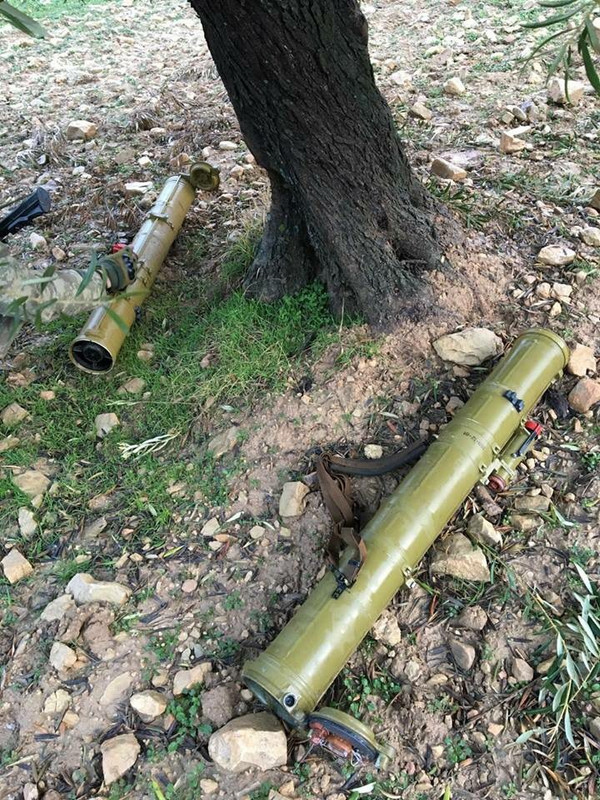
Undoubtedly the most dangerous threat to the Turkish military is the YPG's arsenal of ATGMs. Despite capturing very few of these missiles from the Syrian Arab Army, the YPG has managed to secure a steady supply of ATGMs acquired on the black market in Syria. These have included types such as the 9M113 Konkurs and 9M115 Metis-M, but also more advanced types such as the 9M133 Kornet and even the U.S. TOW ATGM. Although frequently employing them against against the Free Syrian Army and Turkish military, it can be expected that the YPG maintains a significant stock of missiles held back for future use against Turkish armour and troop concentrations.


A U.S. made TOW ATGM system in the hands of a YPG fighter. Although meant to be used by certain Free Syrian Army units, uncontrolled profileration of these ATGMs meant that some fell in the hands of the YPG and IS.

A detailed list of armoured fighting vehicles and heavy weaponry confirmed to be operated by the YPG can be viewed below. This list only includes vehicles and equipment of which photo or videographic evidence is available. Therefore, the amount of AFVs operated by the YPG is likely higher than what is recorded here. As this list attempts to give an overview of the equipment currently in service with the YPG, AFVs that have already been lost are not included in this list. Great care has been taken to avoid double listings and vehicles that have already been destroyed. Mortars and uparmoured front loaders and trucks are not included in this list.

(Click on the numbers to get a picture of each individual vehicle or weapon system)

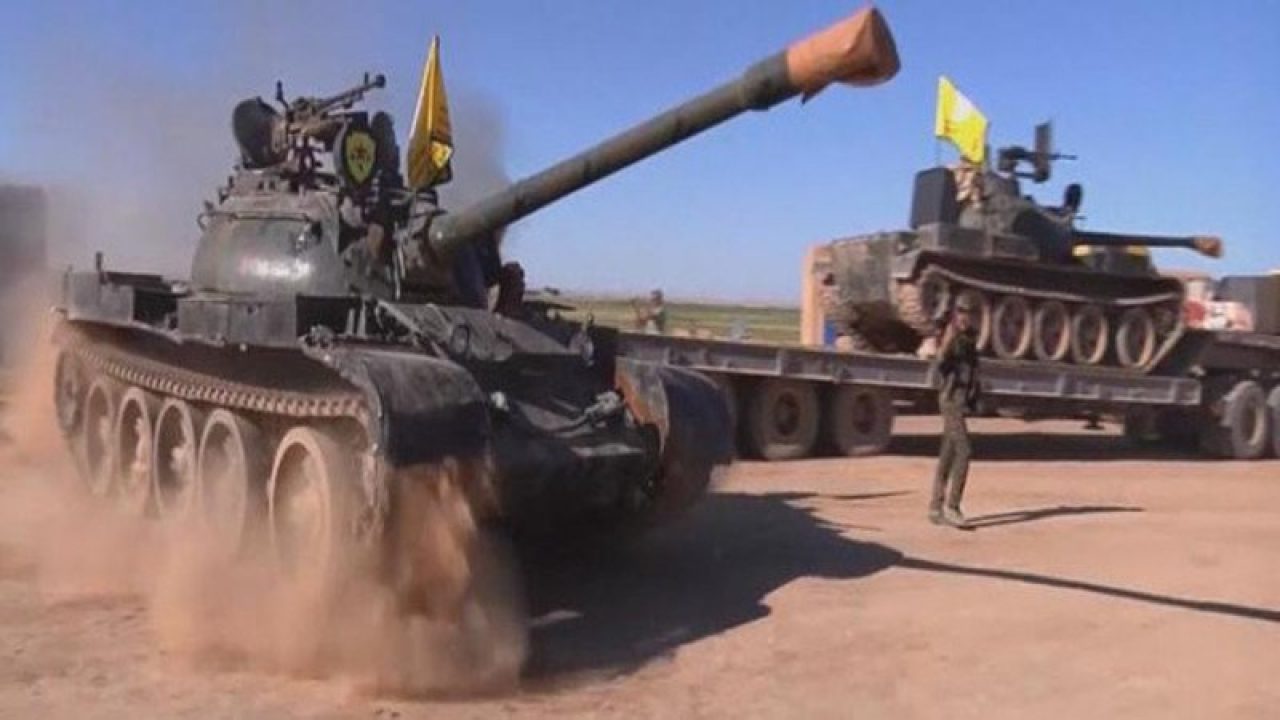
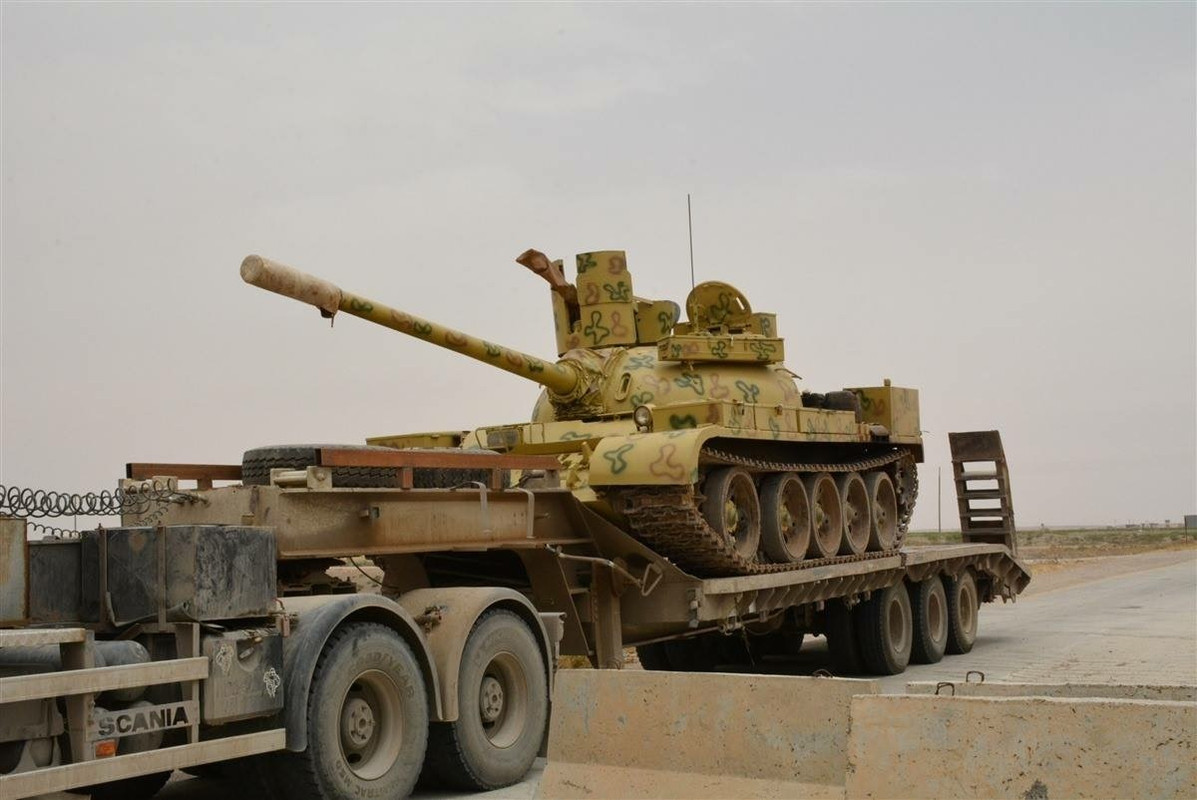
Tanks (11)
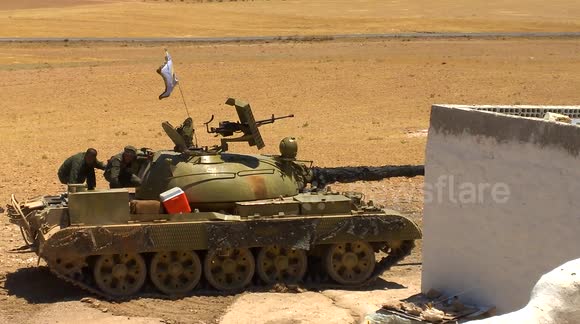
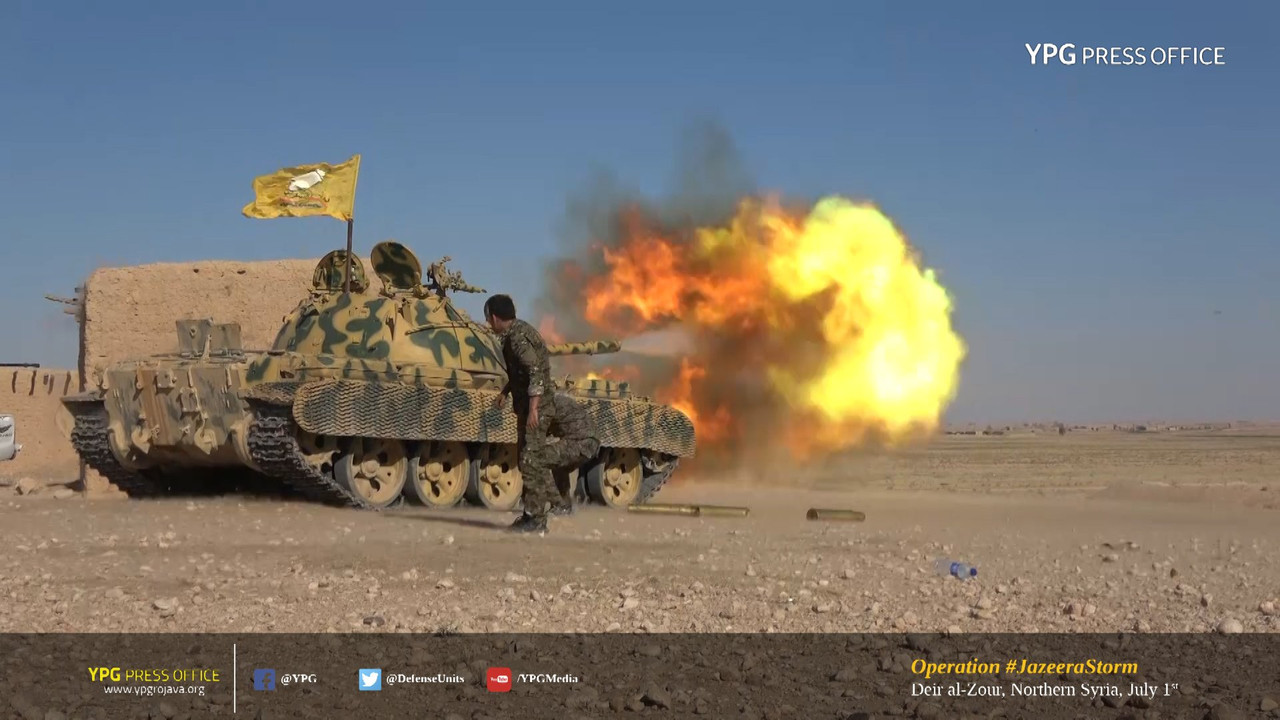
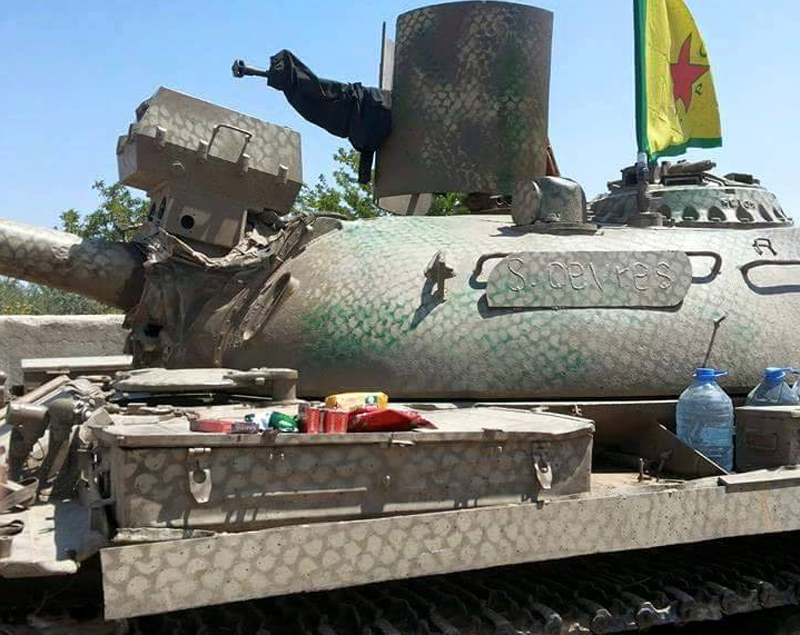
8 T-55A: (1) (2, upgraded with a gunshield and additional stowage boxes) (3, upgraded with a gunshield and additional stowage boxes) (4, upgraded with slat armour) (5, upgraded with slat armour) (6, fitted with a North Korean LRF and upgraded with a gunshield) (7, fitted with a North Korean LRF) (8, fitted with a North Korean LRF)

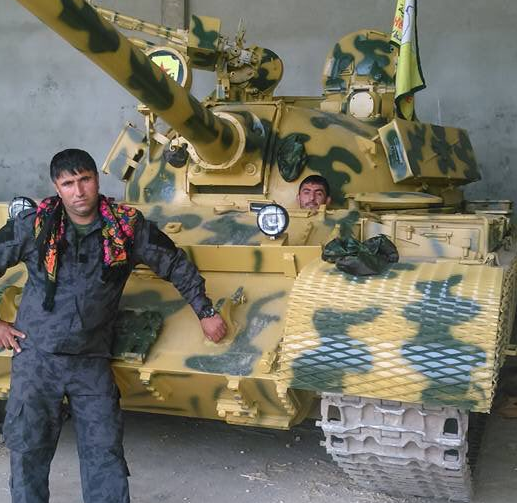
1 T-62 Obr. 1967: (1, upgraded with side skirts and a gunshield)
2 T-62 Obr. 1972: (1, upgraded with side skirts) (2, captured from the Free Syrian Army in 2016, subsequent fate unknown)

Armoured fighting vehicles (20)
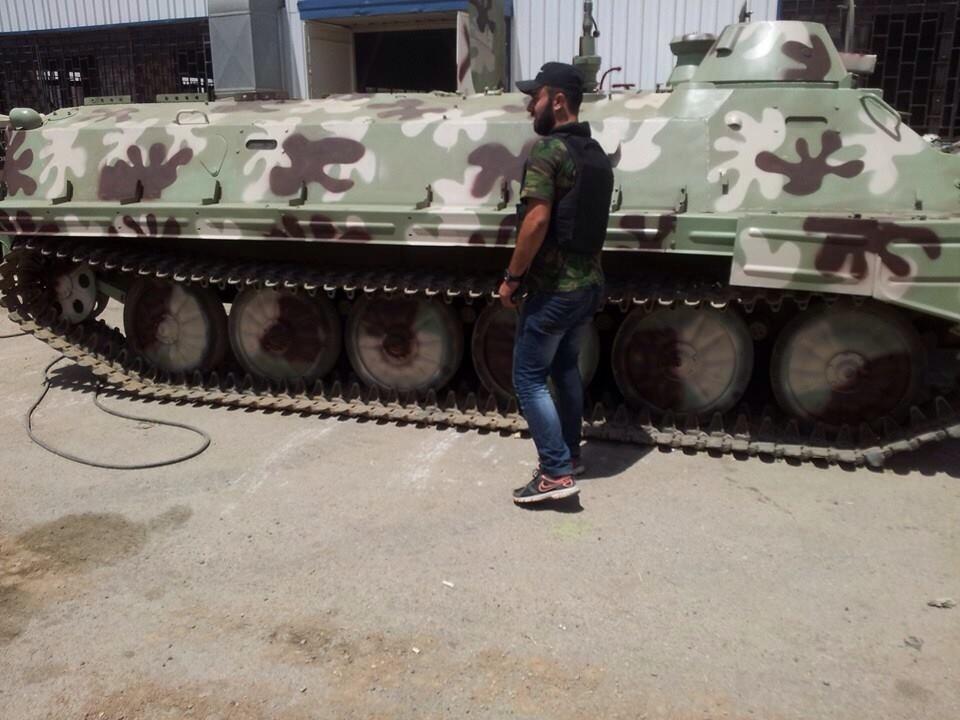
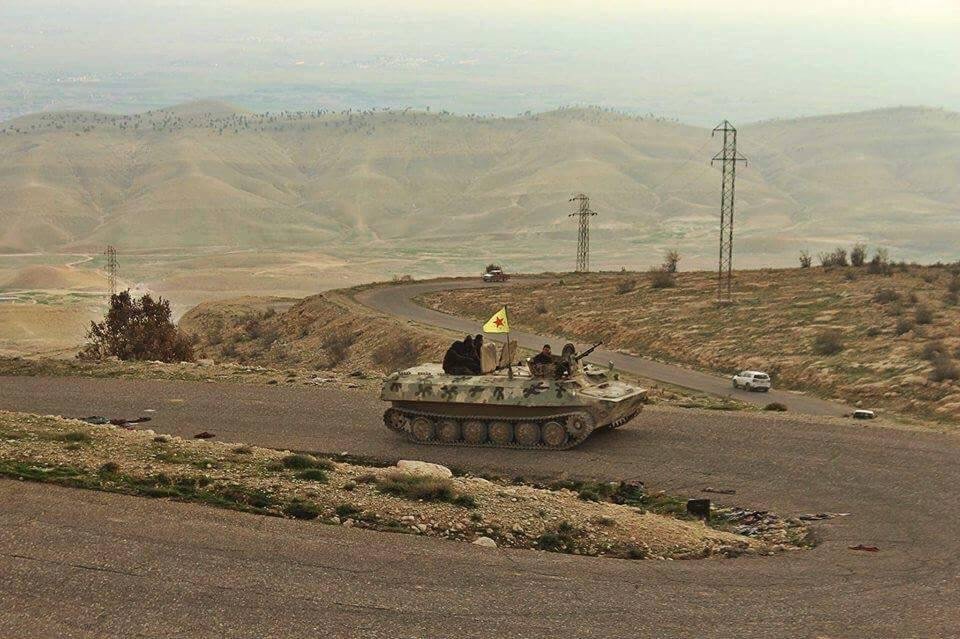
7 MT-LB: (1, upgraded with slat armour and a 12.7mm HMG turret) (2, upgraded with a 12.7mm HMG turret) (3, upgraded with a 12.7mm HMG turret) (4, captured from Islamic State in Iraq and taken to Syria) (5, taken over from an unknown party in Iraq) (6, taken over from an unknown party in Iraq) (7, taken over from an unknown party in Iraq. Armed with a 23mm ZU-23 turret)
5 BRDM-2: (1, upgraded with additional armour and a 23mm gun) (2, upgraded with additional armour) (3, upgraded with additional armour) (4, upgraded with additional armour and a new HMG turret) (5, upgraded with a new body, engine and turret)
3 M1117 ASV: (1, upgraded with an open-topped turret and side armour. Taken over from an unknown party in Iraq) (2, captured from Islamic State in Iraq and taken to Syria) (3, captured from Islamic State in Iraq and taken to Syria)
4 T-55-based fire support vehicle: (1, armed with a 12.7mm HMG turret) (2, armed with a turret for a 12.7mm HMG) (3, armed with a turret with two 14.5mm KPV HMGs) (4, armed with a 73mm BMP-1 turret)
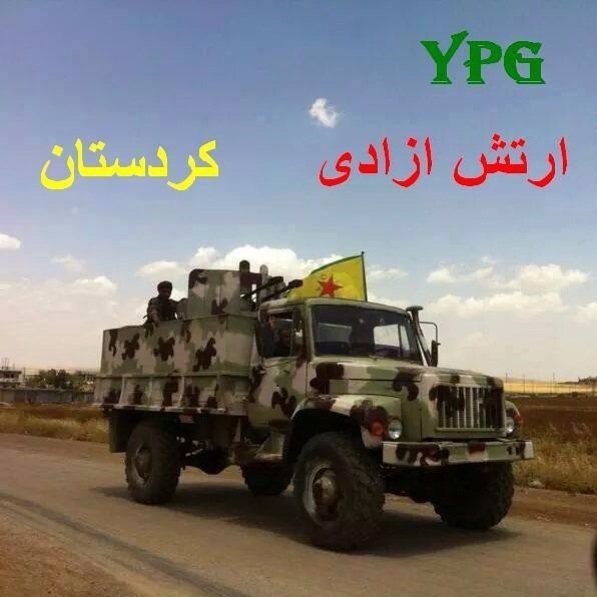
1 GAZ-3308-based guntruck: (1, armed with two 14.5mm KPV HMGs)


Sturmpanzers (10)
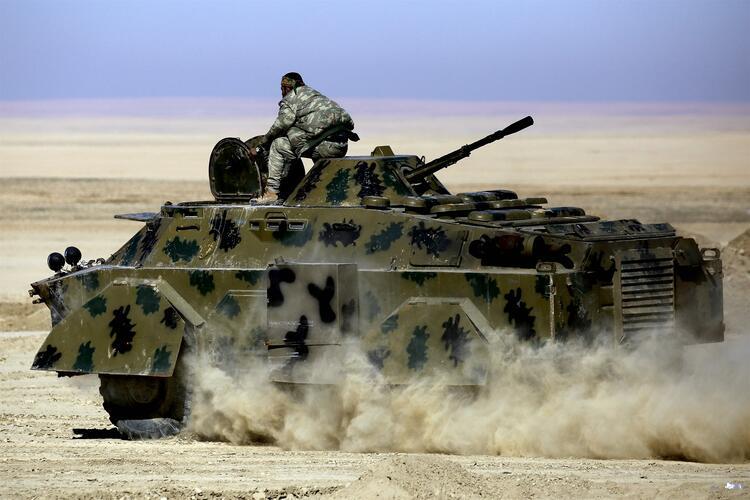
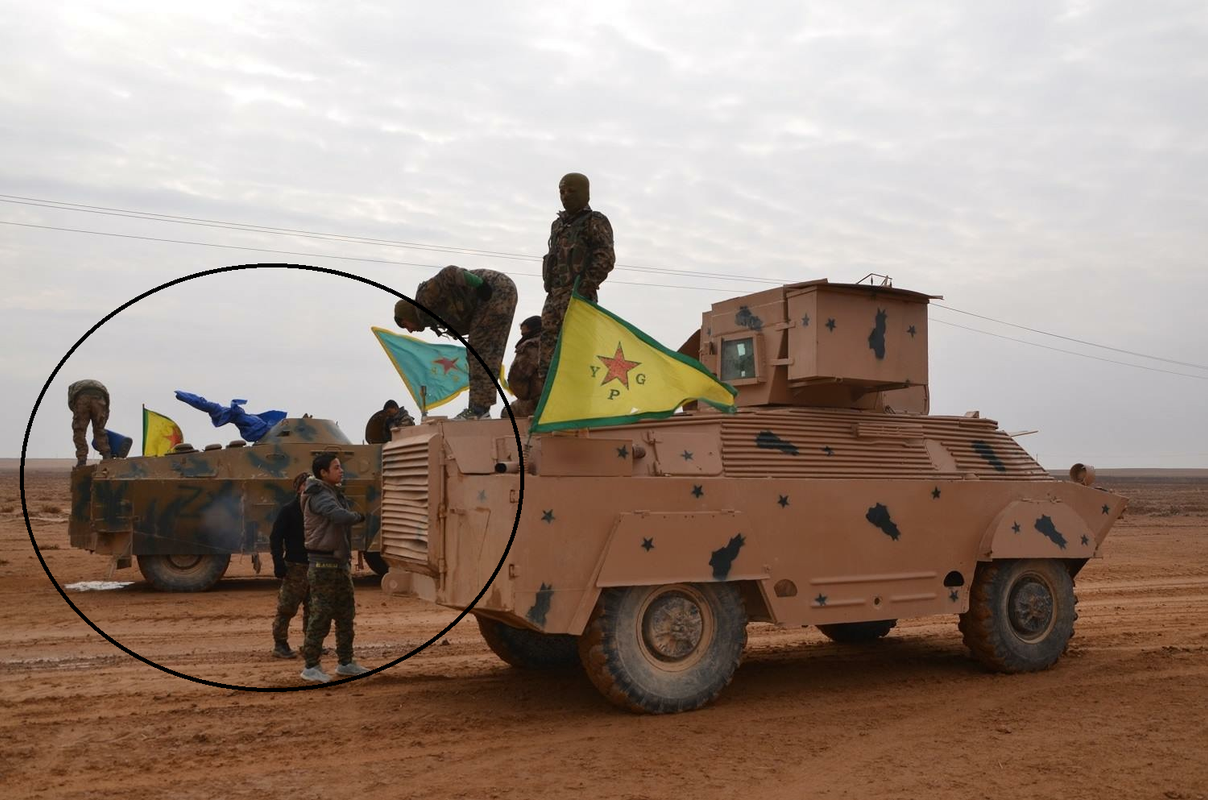
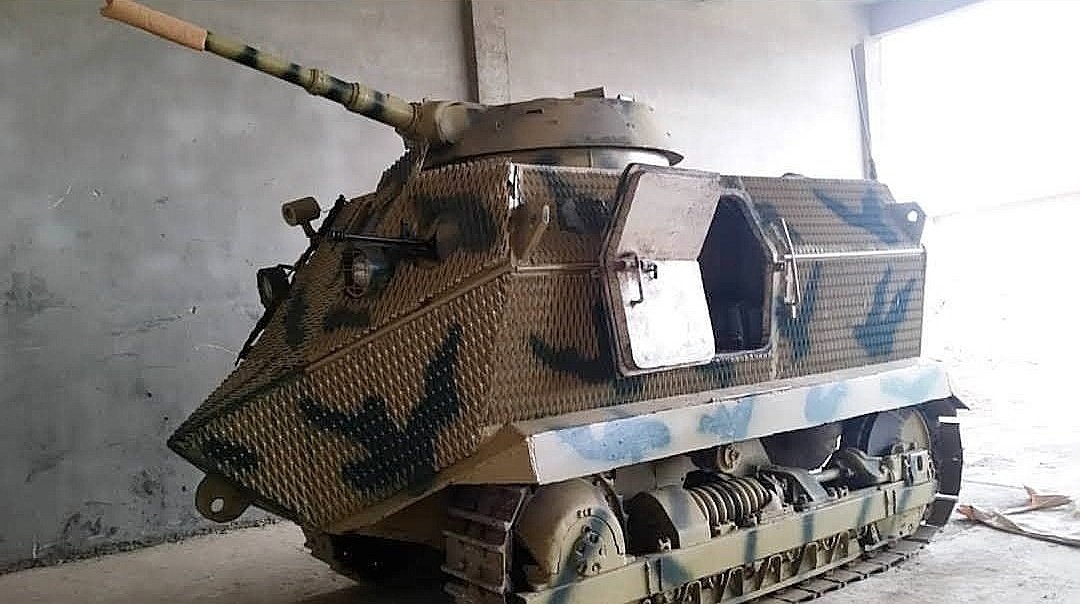
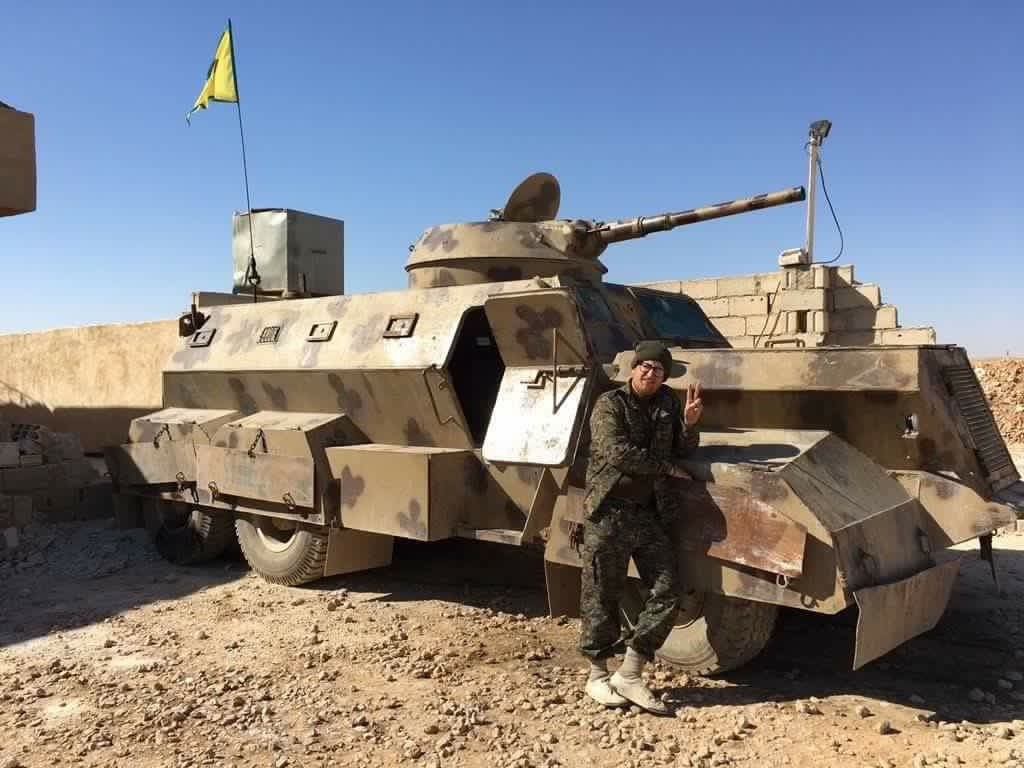
11 'Sturmpanzer': (1, fitted with a 73mm BMP-1 turret) (2, fitted with a large turret) (3, fitted with a large turret) (4, fitted with an open-topped turret) (5, fitted with a small turret) (6, fitted with two HMs and four unguided rockets) (7, fitted with a dozer-blade) (8, fitted with HMG turrets) (9, fitted with HMG turrets) (10, fitted with HMG turrets)


Infantry fighting vehicles (11)
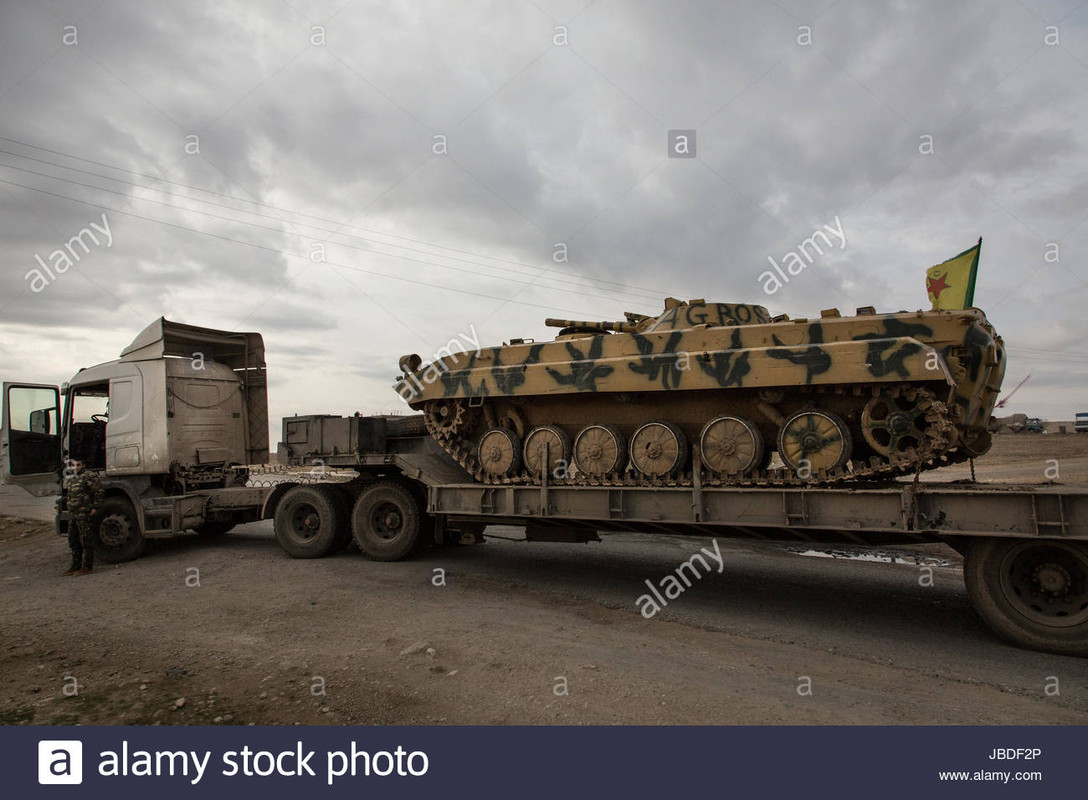
10 BMP-1: (1) (2) (3, modified with stowage boxes) (4, upgraded with slat armour and stowage boxes) (5, upgraded with new side skirts) (6, modified with a new superstructure) (7, fitted with a new 12.7mm HMG turret) (8, fitted with a new 12.7mm turret and rear turret) (9, fitted with a new superstructure and turret) (10, fitted with a new superstructure and turret)

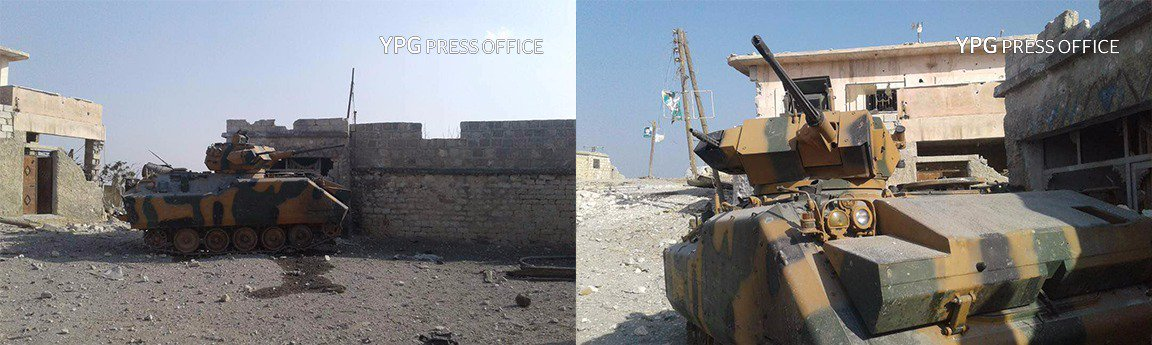
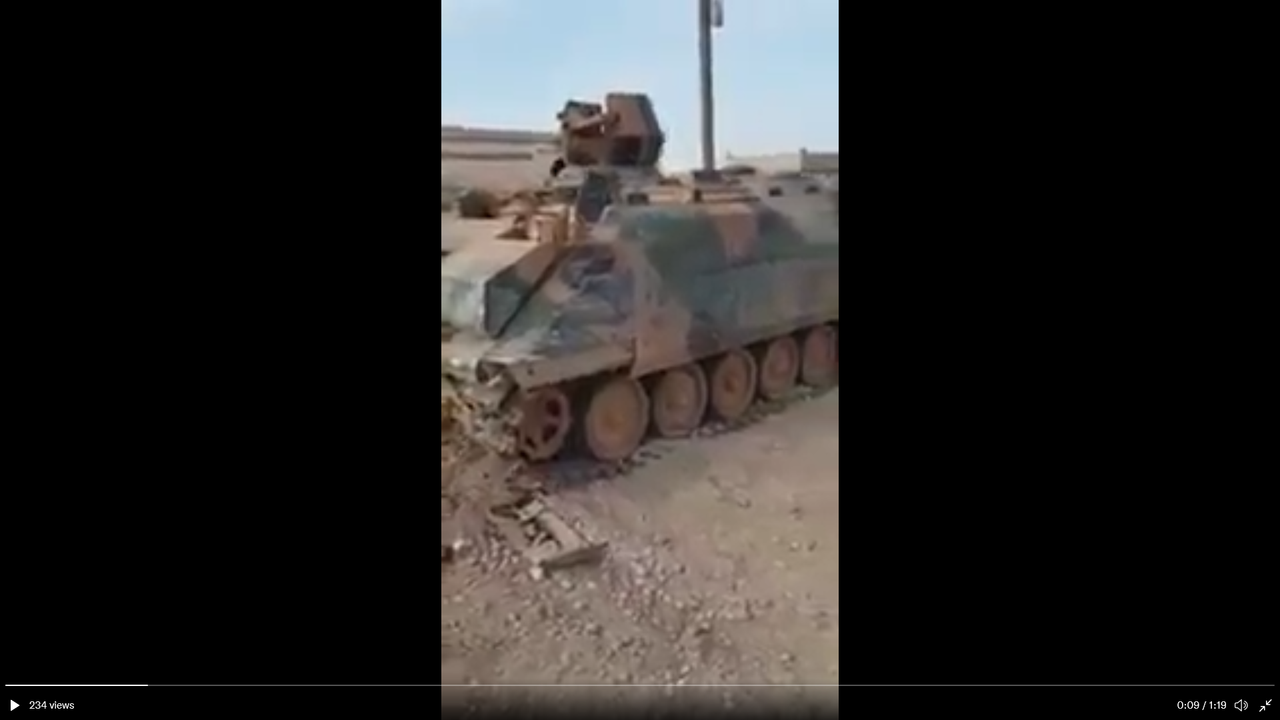
1 ACV-AIFV: (1, captured from the Turkish Army in 2018. Subsequent fate unknown)


Armoured personnel carriers (10)
2 BTR-60PB: (1, armed with a 12.7mm HMG) (2)
1 ACV-AAPC: (1, captured from the Free Syrian Army in 2018. Subsequent fate unknown)
3 'BMB' (1, fitted with a HMG turret) (2) (3, fitted with an open-topped turret)

2 'BTR-T60': (1, body of a BTR-60 APC installed on a truck) (2, body of a BTR-60 APC installed on a truck)
1 'BTR-6': (1, fitted with a HMG turret)
1 'BTR-73': (1, fitted with a 73mm BMP-1 turret)


Mine-resistant ambush protected vehicles (Limited quantities)
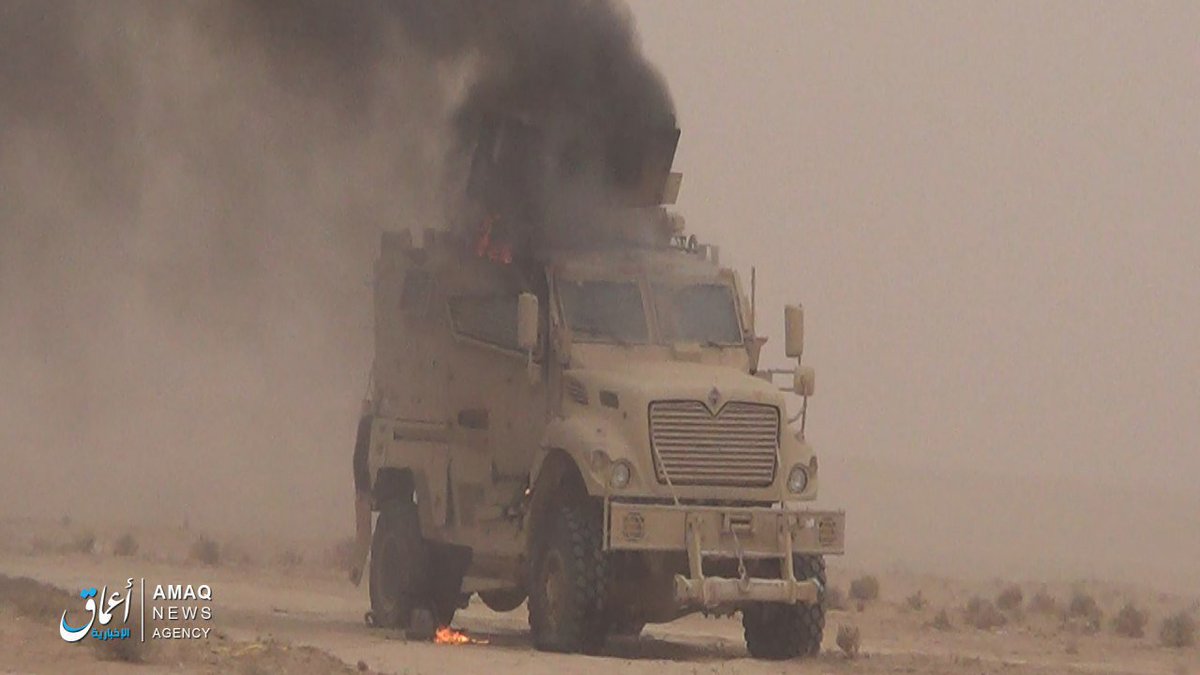
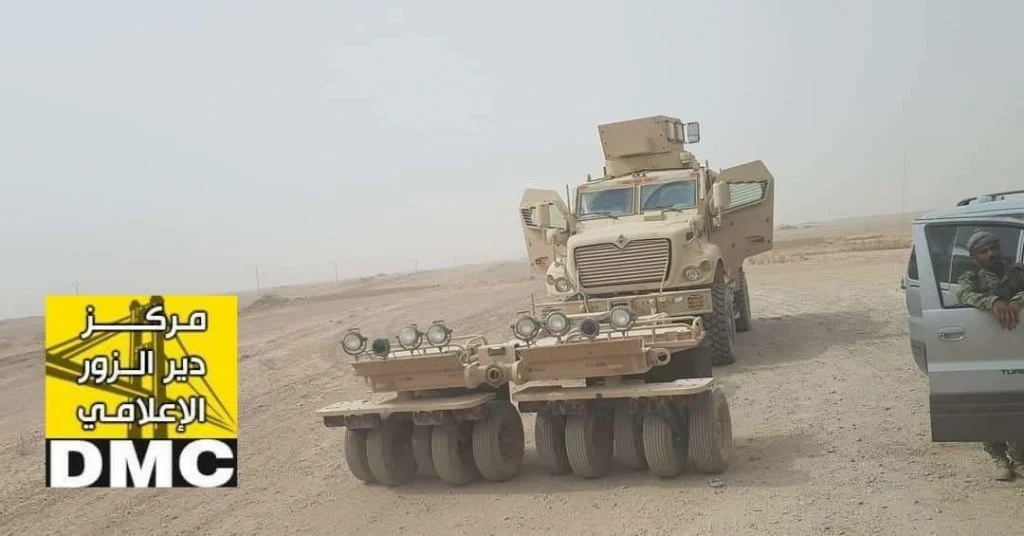
International M1224 MaxxPro (Limited quantities delivered by the United States) (At least one example fitted with a mine roller)

1 Badger MRAP: (1, upgraded with additional armour. Taken over from an unknown party in Iraq)
1 Caiman MRAP: (1, upgraded with additional armour. Taken over from an unknown party in Iraq)

Infantry mobility vehicles (Large quantities)
M-1151 HMMWV (Large quantities delivered by the United States) (One fitted with a four-barreled 107mm MRLs)

IAG Guardian (Large quantities delivered by the United States)
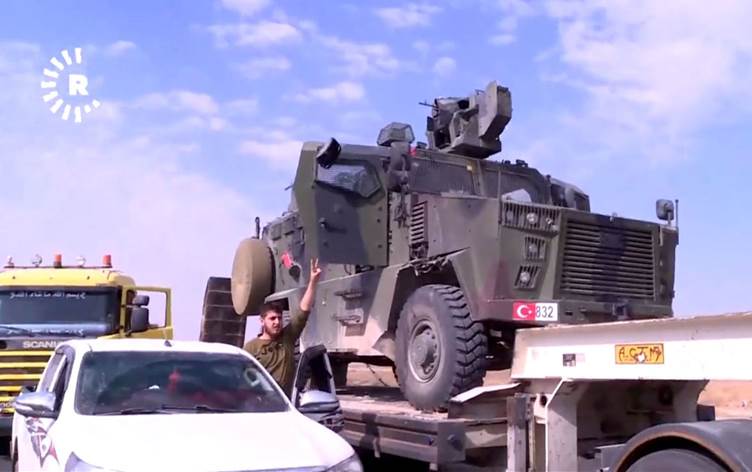
1 BMC Kirpi: (1, captured from the Turkish Army in 2019. Subsequent fate unknown)
IMV design (1) (Produced in limited quanitities) Prototype: (1)

IMV design (2) (Produced in limited quanitities)

Towed artillery (Limited quantities)
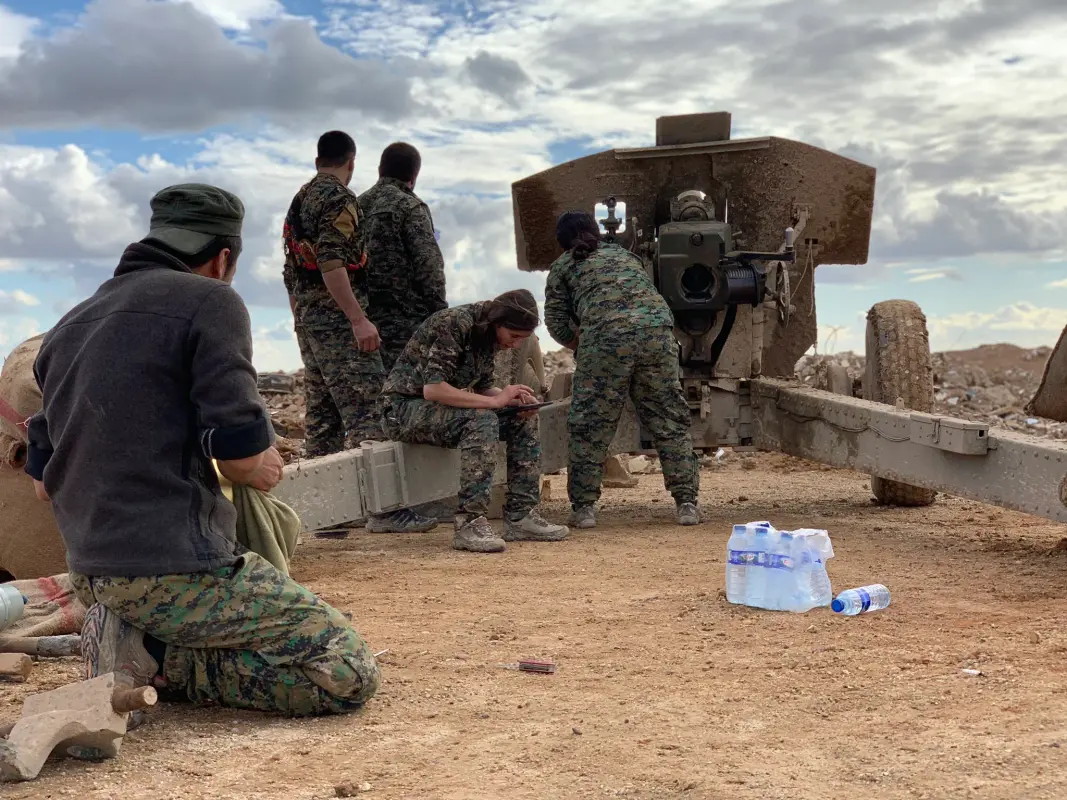
1 122mm M-30 howitzer
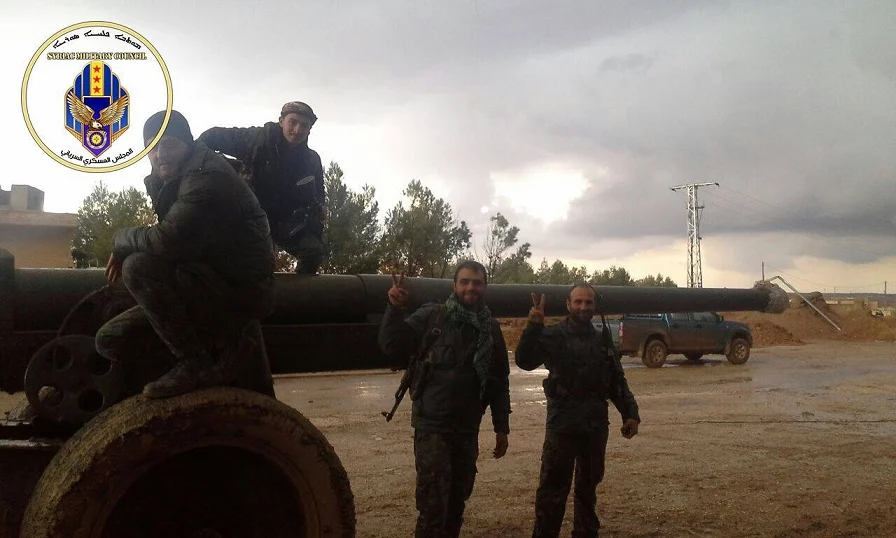
1 122mm gun A-19 field-gun
1 122mm D-30 howitzer

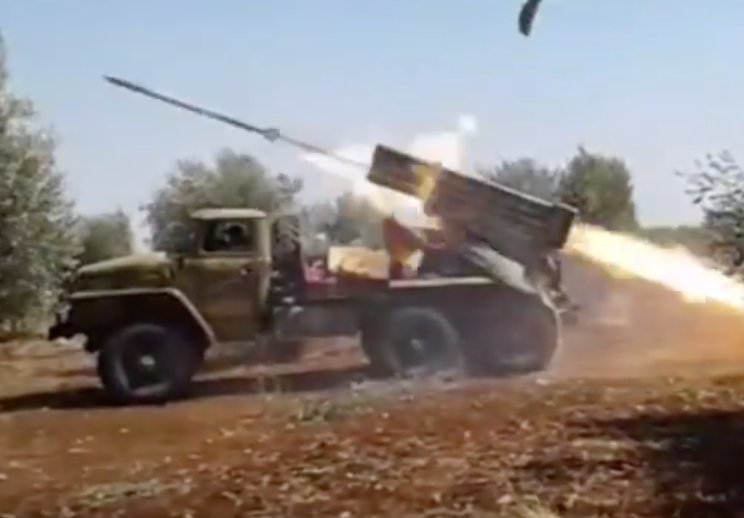
Multiple rocket launchers (Limited quantities)
107mm Type-63 (Limited quantities available)
1 122mm BM-21 Grad: (1)
1 122mm 'BM-12': (1)
DIY MRLs (Produced in limited quanitities)


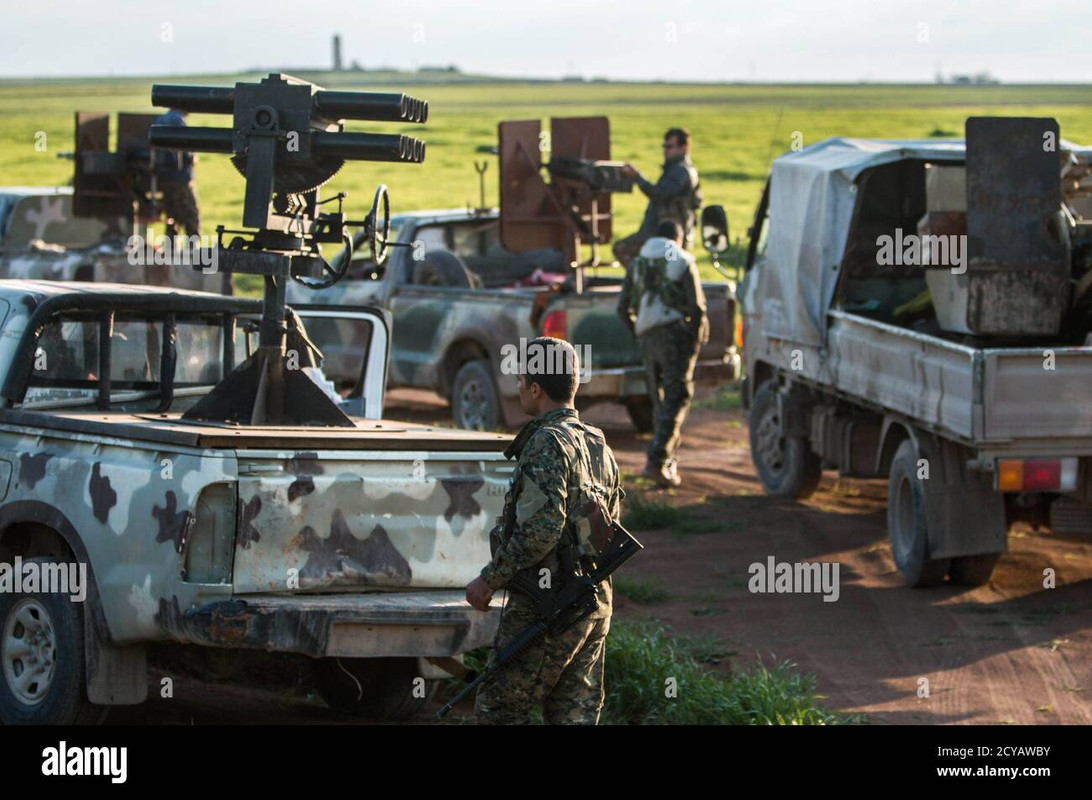
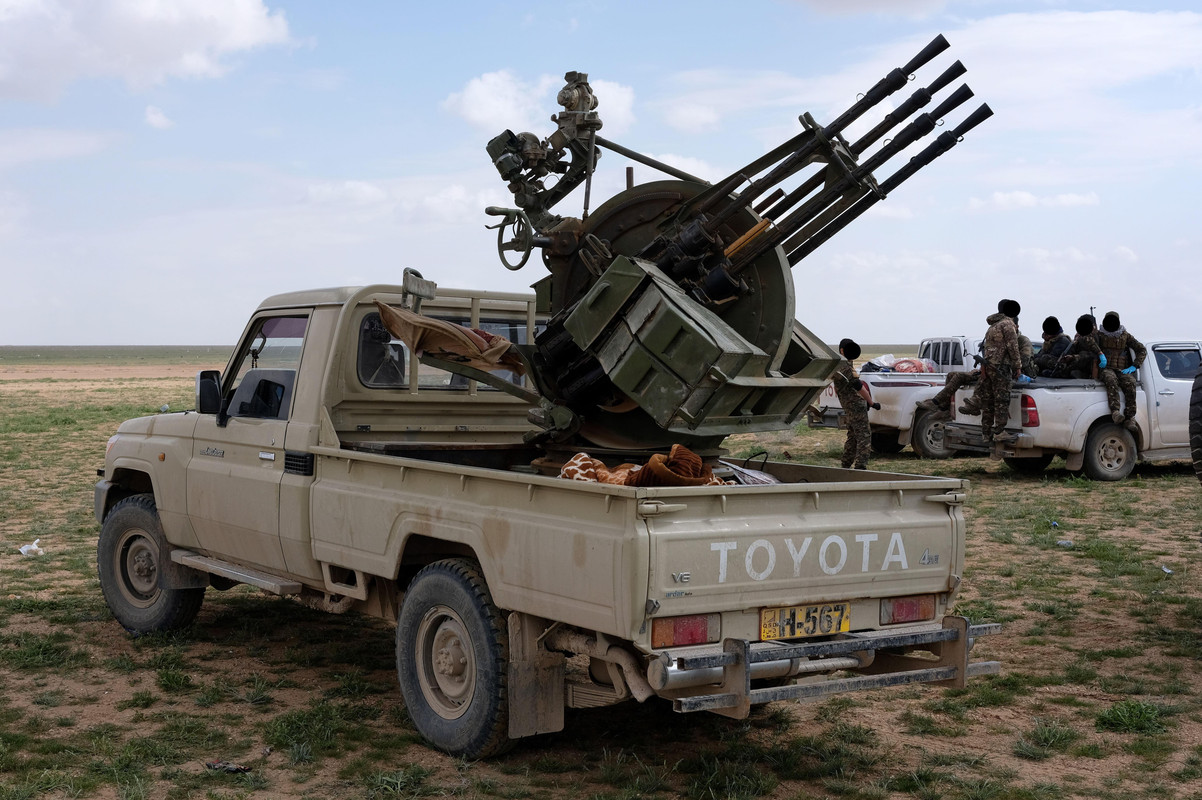
(Self-propelled) anti-aircraft guns used for fire-support missions (Large quantities)
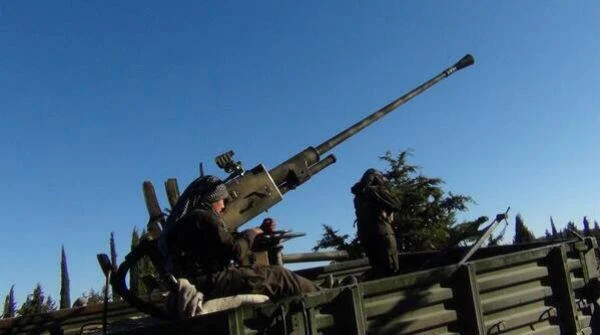
14.5mm ZPU-4 (Small quantities mounted on pickup trucks)
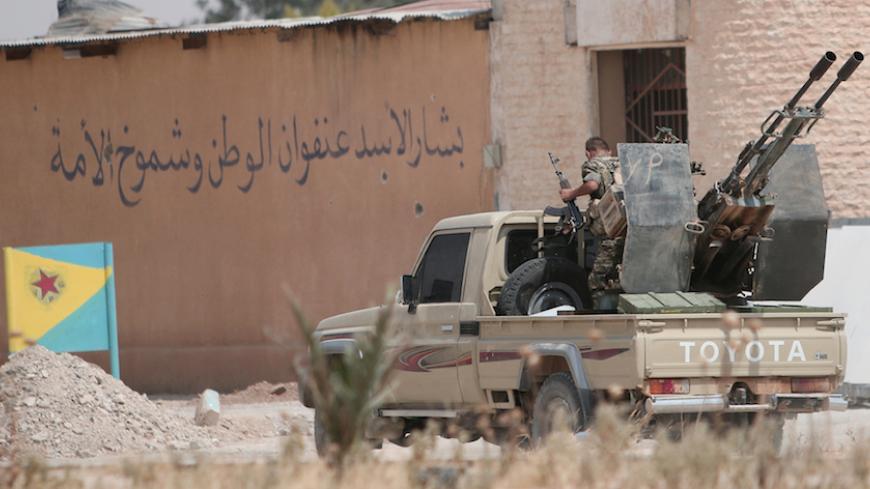
14.5mm DIY AA mount (Large quantities mounted on pickup trucks)
23mm ZU-23 (Large quantities mounted on pickup trucks)
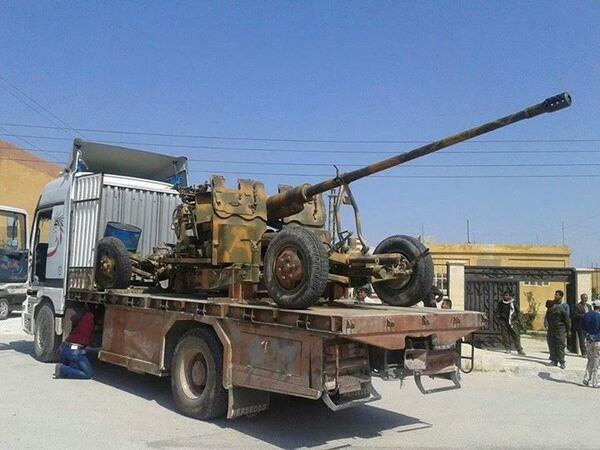
37mm M-1939 (61-K) (Small quantities mounted on pickup trucks)
37mm Type-65/74 (Small quantities mounted on pickup trucks)

57mm AZP S-60 (Small quantities mounted on pickup trucks)
1 23mm ZSU-23: (1, modified with four new 23mm guns)


Anti-tank guided missiles (Limited quantities)

9M111 Fagot (Purchased on the Syrian black market)
9M113 Konkurs (Purchased on the Syrian black market)
9M115 Metis-M (Purchased on the Syrian black market)
9M133 Kornet (Purchased on the Syrian black market)
BGM-71 TOW (Purchased on the Syrian black market)
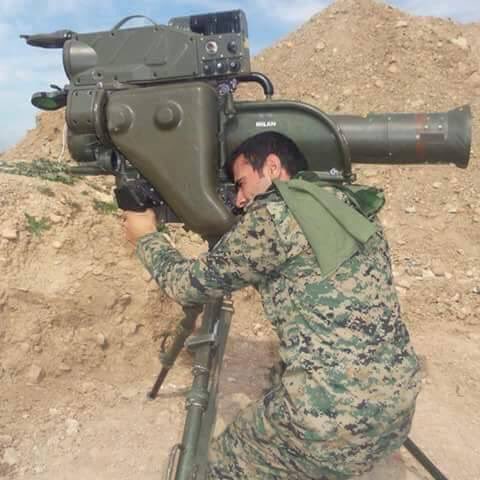
MILAN ATGM (Limited quantities believed to have been taken over from Peshmerga forces in Iraq)

Unmanned aerial vehicles
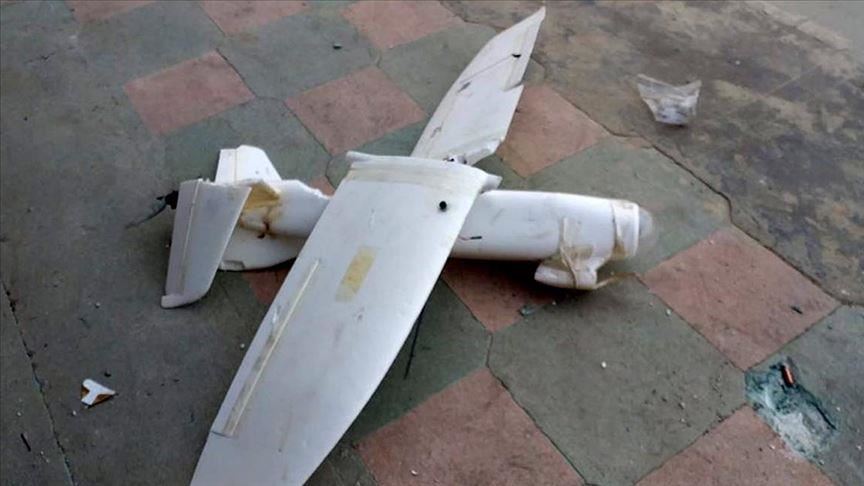
Commercially-available drones (Used for reconnaissance)
[1] Turkey vows to clear N Syria from YPG terrorists https://www.hurriyetdailynews.com/turkey-vows-to-clear-n-syria-from-ypg-terrorists-168602

[2] Monsters Of Desperation: The YPG’s Sturmpanzers https://www.oryxspioenkop.com/2020/08/belly-of-beast-ypg-monsters.html
[3] The Idlib Turkey Shoot: The Destruction and Capture of Vehicles and Equipment by Turkish and Rebel Forces https://www.oryxspioenkop.com/2020/02/the-idlib-turkey-shoot-destruction-and.html
[4] https://twitter.com/worldonalert/status/1183399659085144072
[5] How a Drone Hunted Three Kurdish Fighters in Syria | NYT Investigates https://youtu.be/V9z8FbJ589s


For more on YPG armour be sure to check out Ed Nash's fantastic book Kurdish Armour Against ISIS YPG/SDF tanks, technicals and AFVs in the Syrian Civil War, 2014–19


Special thanks to Calibre Obscura.

Recommended Articles:

These are the Do-It-Yourself APCs of the YPG
Monsters Of Desperation: The YPG’s Sturmpanzers
The Tigray Defence Forces - Documenting Its Heavy Weaponry