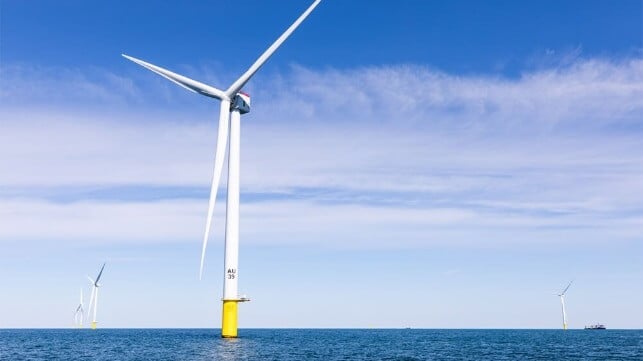
A U.S. District Court Judge in Massachusetts became the fourth to award a preliminary injunction against the Trump administration’s stop-work orders on the offshore wind energy industry. Vineyard Wind 1 had gone to court in mid-January following Dominion Energy, Ørsted, and Equinor, each of which also received preliminary injunctions in their cases, leaving only Sunrise Wind to still be heard by the courts.
Vineyard Wind 1, which is located approximately 15 miles south of Martha’s Vineyard and Nantucket, Massachusetts, is the most developed of the wind farms as it is 95 percent complete. The company argued it was in an extremely vulnerable place with the greatest danger because it had 10 installations where the turbines were in place without their blades when the Trump administration issued the stop-work order in December.
The company argued that these installations, known in the industry as “hammerhead,” were at risk because of exposure to the elements and dangers such as lightning strikes, which they said could cause a fire.
The Department of the Interior attempted to refute the claims of danger from the partially installed turbines. It said the Bureau of Safety and Environmental Enforcement did not agree with the dangers. The administration has been arguing that new confidential research showed increased dangers to national security from the wind farms, from elements such as radar clutter from the blades and towers.
Judge Brian Murphy issued the preliminary injunction against the stop-work order today, January 27, for Vineyard Wind 1. It permits the company to restart its installations while the case is argued in the court.
Vineyard Wind 1, which is being developed by Avangrid and Copenhagen Infrastructure Partners, told the court it is 95 percent complete, and without the stop-work order, it was expected to be completed by March 31. It has been under construction since 2022, but had a delay after faulty blades were discovered in July 2025.
Because of its status as being partially operational, the government had permitted the project to continue operations, but required it to stop the final turbine and blade installations. In the court filing, the project said 44 of its 62 turbines were fully installed and operational, and 61 were at least partially installed. The project is already able to produce nearly 600 MW of its ultimate capacity of 800 MW.
Massachusetts Attorney General Andrea Joy Campbell filed an amicus brief last week in support of Vineyard Wind. The state asserted the project is critical to meeting increased energy demand and protecting Massachusetts’ economy.
The stop-work order that came from the Department of the Interior targeted the five under-construction projects, and with today’s decision, four judges have blocked the stop-work order from being enforced. Like Vineyard Wind 1, Dominion Energy’s Coastal Virginia Offshore Wind and Ørsted’s Revolution Wind are in advanced stages of construction, and both are expected to shortly begin generating power. The administration has continued its efforts to oppose the industry and has promised to fight the cases in the courts.
Some of the other judges have said the stop-work order was too broadly written. They found the government failed to show a danger from the construction continuing. One judge said the issue was with operations not the installation. Each of the companies has said it wants to work with the government to understand the concerns and resolve the issue. They point out the projects went through years of review during the permitting and addresses issued raised by all the parties during the process.
Daniel Hampton
January 27, 2026
A federal judge has dealt the Trump administration yet another courtroom defeat over offshore wind, ruling Tuesday that construction can resume on the nearly complete $4.5 billion Vineyard Wind project off Martha's Vineyard.
Judge Brian E. Murphy of the U.S. District Court for the District of Massachusetts issued a preliminary injunction allowing developers to restart work, marking the fourth legal setback for the administration's aggressive push to kill the nation's burgeoning offshore wind industry, The New York Times reported.
The Trump administration had abruptly ordered all work halted on Vineyard Wind and four other East Coast projects just before Christmas, citing a classified Defense Department report alleging national security risks. But Judge Murphy, appointed by former President Joe Biden, wasn't buying it. After reviewing the classified material under seal, he said the administration failed to "adequately explain or justify the decision to halt construction."
Vineyard Wind is 95 percent complete and already pumping power into Massachusetts' grid. Once finished, it'll power over 400,000 homes and businesses. The roughly $2 million daily losses have been piling up during the shutdown.
The White House fired back through spokeswoman Taylor Rogers, insisting the pause was necessary because "our number one priority is to put America First and protect the national security of the American people." She vowed "ultimate victory."
Three other offshore wind projects, Revolution Wind, Empire Wind, and Coastal Virginia Offshore Wind, have won similar court victories. Gov. Maura Healey called Tuesday's ruling "an important development" protecting thousands of well-paying jobs.
Australia’s Victoria Sets Date for Country's First Wind Energy Auction
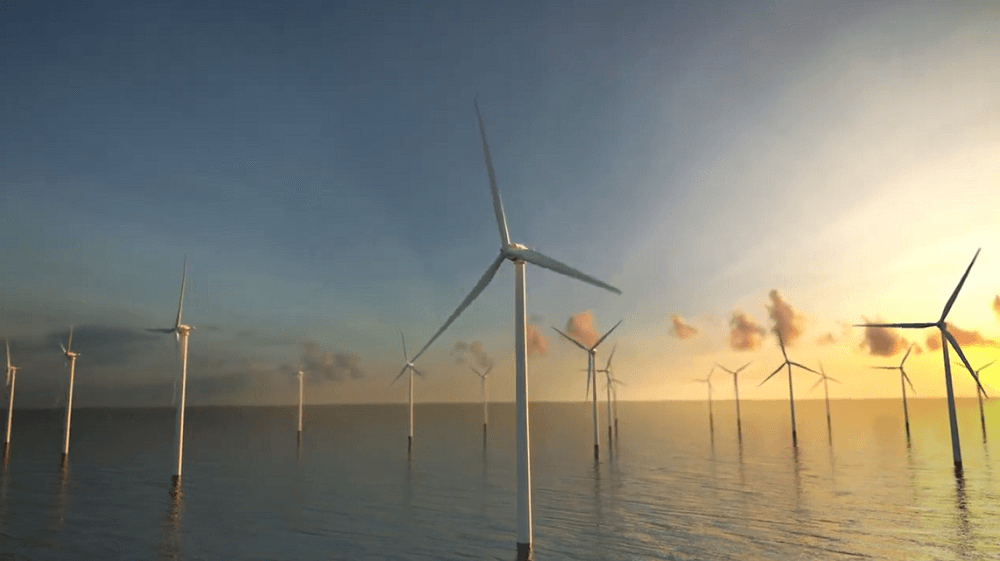
The southern Australian state of Victoria has rescheduled what will become the country’s first offshore wind industry auction as it works to finalize details with the federal government. The auction, which is planned for August, is good news for the beleaguered Australian efforts, which have struggled to make progress.
Australia has been following a meticulous process, having finalized the regulatory framework for offshore wind in 2022, followed by the selection of zones for the projects. Companies are developing plans and bidding for feasibility licenses.
Victoria, which includes Melbourne and key industrial regions in the country, reports it will seek 2 GW of capacity in the August 2026 auction. Minister for Energy and Resources Lily D’Ambrosio today announced the Request for Tender (RFP) for Victoria’s first offshore wind industry auction as the first step toward the goal of reaching 2 GW of installed offshore capacity by 2032, 4 GW by 2035, and reaching 9 GW by 2040. The auction had been postponed in 2025.
The minister notes Victoria has some of the best offshore wind resources in the world, and they believe it will be critical to the state’s sustainability goals. The minister noted that work continues with the industry and the Commonwealth to finalize the design of the country’s support program. The Albanese government proposed a program called the Electricity Services Entry Mechanism, which won government support in December.
“We want to give industry the certainty it needs to invest and help us keep building the renewable energy Victoria needs to push down energy bills,” said Victoria’s Minister for Energy and Resources Lily D’Ambrosio. “We’re working closely with developers on the progress of this exciting auction to ensure strong competition to secure the best projects and best value for Victorians.”
The date for the auction comes as good news for the Star of the South project, which proposed 2.2 GW in Victoria. It is viewed as the country’s most developed project and is poised to be an early leader.
Moving forward with the offshore wind component is critical for Victoria, which has scheduled the closing of two major coal-fired power plants by the end of the decade.
The offshore wind energy industry has been facing challenges in Australia. While several key projects have been offered the feasibility licenses, others, including plans from RWE, AGL, and BlueFloat, have been withdrawn. The government has also failed to back key efforts such as plans for a wind seaport in Victoria.
Last week, Australia’s Minister for Climate Change and Energy, Chris Bowen, announced that the government was offering two feasibility licenses to Bunbury Offshore Wind and one to Westward Wind, so that the projects could develop detailed plans. He noted it is part of the strategy to develop 4 GW of cleaner energy for Western Australia.
However, he also announced that the government will not be granting feasibility licenses for generation projects in the Illawarra (south of Sydney), as no application was able to be progressed to a license award. In addition, he reported that a preliminary decision has been made to not offer feasibility licenses in the Bass Strait due to a lack of competitive bids.
The government asserts it remains committed to offshore wind. The hope is that the state scheduling the auction, after delaying it in 2025, will provide a new excitement to support enhanced activity in the sector.


No comments:
Post a Comment