It’s possible that I shall make an ass of myself. But in that case one can always get out of it with a little dialectic. I have, of course, so worded my proposition as to be right either way (K.Marx, Letter to F.Engels on the Indian Mutiny)
Tickets for the 2027 edition, which will take place from 23 to 27 June, will cost £408 including a £5 booking fee per ticket.
That's approx. €480 in total – an increase of nearly £30 (€34) from 2025 and, according to reports from BBC News, part of a steady rise since 2010, when tickets cost £286 (€330).
Granted, this price hike pattern can be seen across the industry - and especially in post-Brexit UK. But Glasto was already the UK's most expensive music festival, and next year's prices are the highest they've ever been.
Fans aren't happy and understably so, considering the cost-of-living crisis, the fact that the 2027 edition's headliners have yet to be announced (even if rumours suggest The Rolling Stones, Fontaines D.C. and Stevie Wonder could be in mix), and that Glasto often resumes itself to: Booking difficulties + mud + awful facilities + bottlenecked stages + overinflated prices for food and drinks + vibes ruined by crowds which are far less friendly compared to certain European audiences.
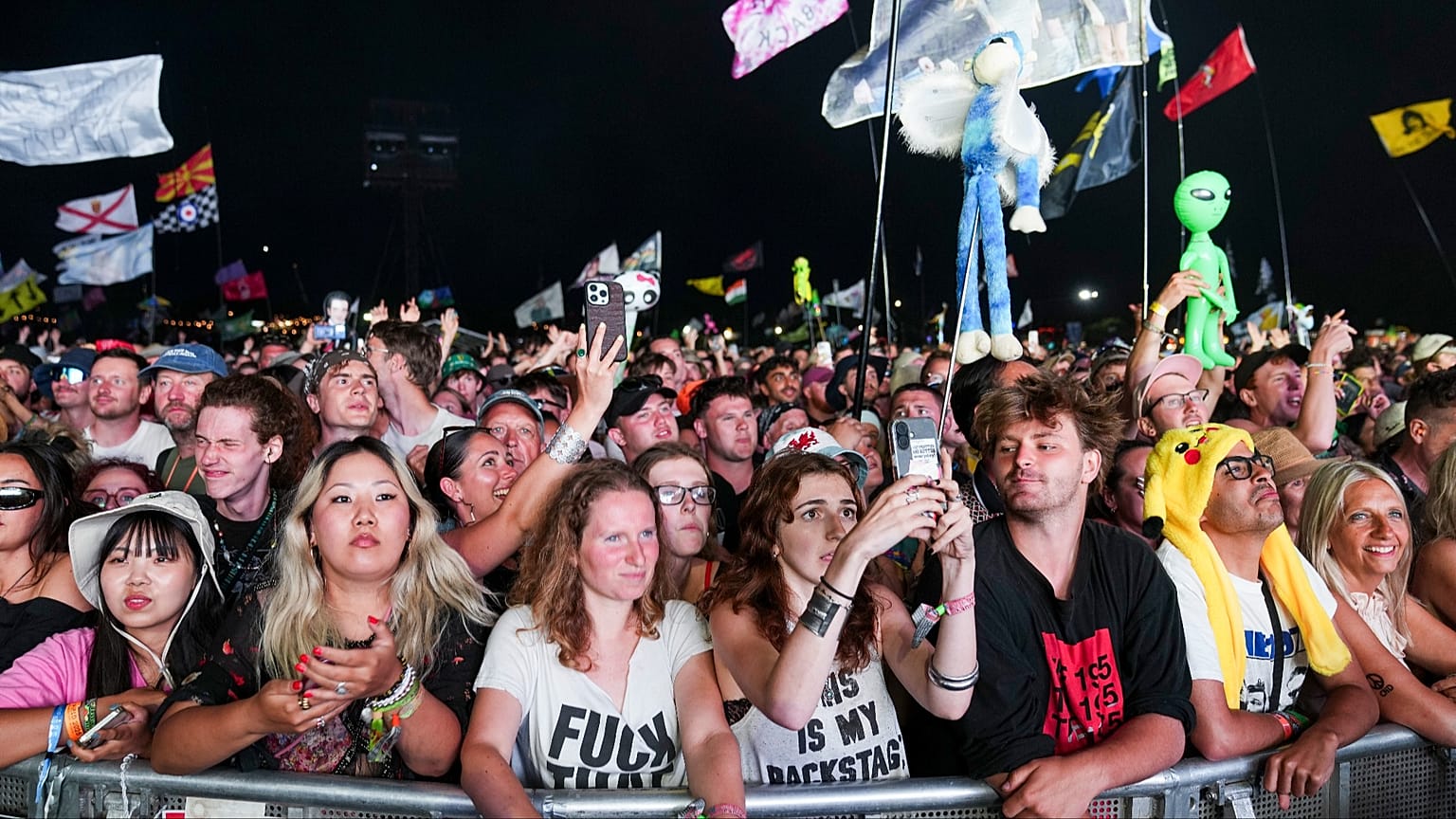
Revellers surrounding the Pyramid Stage at the Glastonbury Festival - 2019AP Photo
Unpopular opinion for many, but complaints are mounting - with some calling the 2027 price tag "unreasonable", "insane" and "a scam", while many feel like they're being priced out.
One fan wrote: “The last time I went was 2009. It was £165. It felt affordable, worth every penny. With inflation, sure, it should be £300 now. I get it, it’s a charity event. But £400?? That doesn’t feel right or fair.”
Someone else shared: "In 2000 it was £87. That’s an extra £321 in 27 years. The money went up but the music went down. Even accounting for inflation, that should be about £160 today. You pay more money to listen to shit music. How is this fair?"
Another wrote: "Everything in the UK is getting more expensive & lower quality How are people accepting this? Nothing in this country makes sense anymore."
Check out more reactions below:
Some fans have defended the price hike, sharing how it is actually a “bargain” compared to current concert prices.
“It’s £80-£100 for a big venue gig now. I think £408 is fair for five days of massive acts,” one person wrote on X. Another agreed: “£400 for a glasto ticket still seems like a good deal if you look at my concert spend this year."
“£400 for the whole 5 days and the acts you can see and everything else that’s in the fields is an absolute bargain,” another added.
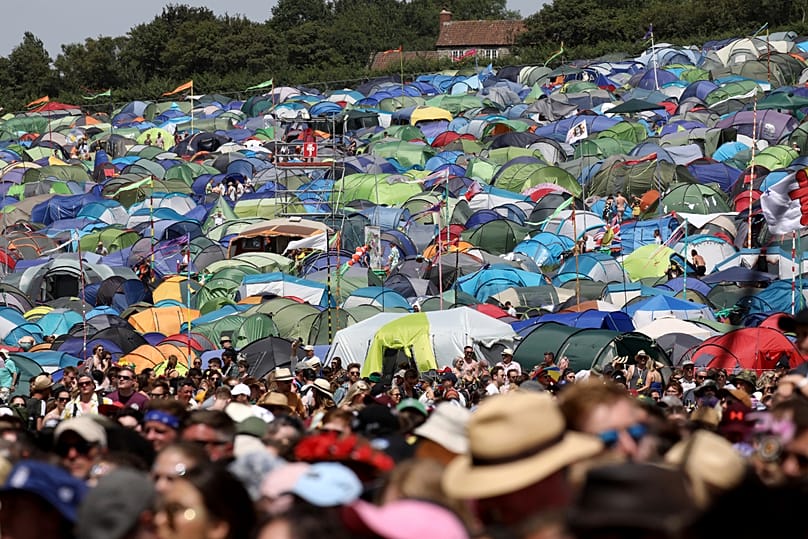
Richer festival goers at Glastonbury Music Festival 2015 AP Photo
In 2023, Glasto head Emily Eavis acknowledged it was a "challenging time" for festival organisers. "We have tried very hard to minimise the increase in price on the ticket but we're facing enormous rises in the costs of running this vast show, whilst still recovering from the huge financial impact of two years without a festival because of Covid."
Fair points, but considering four-day passes to this year's Rock en Seine cost €235, Belgium’s Rock Werchter (arguably mainland Europe’s answer to Glastonbury) set music lovers back €315, and one of our favourite EU festivals, the Netherlands’ Best Kept Secret, only cost €299 (including campsite access), we know which tickets we’ll be looking to book next year.
Cannabis markets in Canada and the U.S. are showing uneven growth as the industry matures, with consolidation and international demand emerging as key themes shaping the sector.
BNN Bloomberg spoke with Frederico Gomes, director of institutional research and life sciences at ATB Cormark Capital Markets, about opportunities driven by strong balance sheets, retail consolidation and expanding global demand, particularly in Europe.
Key Takeaways
Cannabis market growth remains uneven across regions, reflecting a maturing and increasingly competitive industry.
Consolidation is accelerating as stronger operators acquire assets and capture share from smaller players.
Balance sheet strength is critical, providing flexibility for expansion, acquisitions and downside protection.
International markets, especially Germany and Europe, are key drivers of future cannabis demand growth.
Competitive pressures persist from illicit markets, though legal operators are improving pricing and market share.
Frederico Gomes, director of institutional research and life sciences at ATB Cormark Capital Markets
Read the full transcript below:
ANDREW: It’s time for Hot Picks. We’ve got three cannabis names that our guest believes have room to grow. We’re joined by Frederico Gomes, director of institutional research and life sciences at ATB Cormark Capital Markets. Frederico, great to talk to you again, and thanks very much indeed. Could we jump into your first idea here? SNDL — just remind us what they do, and why do you think the stock has promise?
FREDERICO: So SNDL — this is an attractive pitch for value investors, because approximately 50 per cent of their market cap is net cash at this point, so very strong downside protection from current levels. In terms of what exactly they do, in terms of their core operations, they are a diversified platform in cannabis. So they operate a cannabis retail segment, a cannabis operations segment, which includes cultivation and manufacturing, as well as a liquor retail segment in Western Alberta, with several liquor stores.
When you look at the valuation again, 50 per cent is net cash of their market cap, and then their core operations are being valued at only about four times EBITDA. So I think it’s a very attractive valuation, good downside protection. And on top of that, SNDL also has some investments in the U.S. cannabis market, which we believe, if we get regulatory reform in the U.S. — namely, if cannabis is rescheduled to Schedule III, which we think could happen this year, given President Trump’s executive order last year — we think that the value of those investments that SNDL has could be worth more than the entire market valuation of the company today. So attractive upside and good downside protection. A good pitch for value investors here.
ANDREW: Right. They used to be Sundial Growers, I believe, years ago.
FREDERICO: Exactly.
ANDREW: High Tide, okay, HITI — major retail presence in Canada.
FREDERICO: Yeah, High Tide is the largest cannabis retailer in Canada. They operate about 220 stores, really a leader in that space. It is a consolidating industry, so High Tide has been growing double digits over the past few years. They have a discount club model, which is working very well for them. They’re seeing strong same-store sales growth, sales per store that are two to three times higher than the average of the industry. They’re also seeing margin expansion.
Now, what’s interesting about High Tide is that not only do they have a long runway for growth — like I said, they operate 220 stores today, they’re aiming for 350 in Canada, opening about 20 to 30 new stores every year — so that gives them four to five years of growth. But not only that, they also have growth outside of Canada. Last year, High Tide acquired a company called Remexian, which is a medical cannabis distributor in Germany. And Germany is a market that is seeing exponential growth in demand, with patients growing and a lot of demand in that market.
And so High Tide is poised to benefit from that growth through that acquisition that they made last year. And on top of that, they’re also looking at acquisitions in the U.K. medical cannabis market. So you get the leader in cannabis retail in Canada, as well as exposure to international markets, for a very reasonable valuation. The stock trades at about five times EBITDA, growing double digits, like I said. So I think it’s a growth-at-a-reasonable-price story and very attractive growth here.
ANDREW: And retail — has it stabilized in Canada? At one time, it looked like we had far too many stores in Toronto. We had a whole bunch close.
FREDERICO: Yes, many stores have closed. The market has rationalized, and High Tide has taken advantage of that. So they have been acquiring stores here and there, as well as opening stores organically and really stealing share from smaller operators. And so it is a consolidating market. That process is still ongoing, but High Tide benefits from that.
ANDREW: One thing around Toronto — you do see, apparently, illegal stores, stores that are open 24 hours, etc. Is that a threat to the industry?
FREDERICO: That’s still a competitor. I wouldn’t say it’s a threat. The legal market has been declining in Canada — I think it’s about 20 to 25 per cent of the market today. Before legalization, obviously, it was most of the market, and so it’s been declining. It is a competitor, but given the prices that legal operators are able to offer today, they’re able to compete with that illicit market. So it’s a competitor, but I wouldn’t say it’s a major threat.
ANDREW: Right. And then your final idea, Village Farms International. Again, they offer international prospects for investors.
FREDERICO: Yeah. So Village Farms is a cultivator — right, so it’s a licensed producer. We call them LPs. They are a low-cost, large-scale, high-quality cultivator, and those low-cost capabilities are very important in the cannabis market. One of the top five LPs in Canada.
But I think what’s most exciting about this story is the growth that we’re seeing in international markets — namely Germany, the U.K., the Netherlands. And so Village Farms is seeing more demand than they can supply right now because of that growth internationally. And so they’re expanding their capacity by about a third — 40 metric tonnes — in Canada. That capacity is coming online this year.
They’re also expanding their capacity in the Netherlands. They have a presence there. They are five times that capacity this year again, and so they’re seeing a lot of demand, and that new capacity is coming online this year. So they have huge growth ahead with that international demand.
Valuation is very reasonable — trading at six times EBITDA for a company that is generating free cash flow, that has a strong path ahead with a net cash position. So very attractive here.
ANDREW: It’s interesting, Frederico — we’re tight for time, but we keep hearing about declining alcohol consumption. And I wonder, has the advent of decriminalized and legalized cannabis played a role in that?
FREDERICO: Well, I think it has. The cannabis market keeps growing, volumes are increasing, and so you see a little bit of that cannibalization, with consumers preferring cannabis as maybe a healthier option than alcohol. So that’s for sure a factor.
ANDREW: Frederico, thanks very much. Frederico Gomes, director of institutional research and life sciences at ATB Cormark Capital Markets.
DISCLOSURE
PERSONAL
FAMILY
PORTFOLIO/FUND
SNDL NASDAQ
N
N
Y
HITI CVE
N
N
Y
VFF NASDAQ
N
N
Y
---
This BNN Bloomberg summary and transcript of the April 15, 2026 interview with Frederico Gomes are published with the assistance of AI. Original research, interview questions and added context was created by BNN Bloomberg journalists. An editor also reviewed this material before it was published to ensure its accuracy and adherence with BNN Bloomberg editorial policies and standards.
K-pop concert ticket prices in South Korea have almost doubled in the last decade.
Premium bundles, which lock good seats behind costly add-ons, are the primary cause of the surge.
Fan criticism is increasing, but significant industry-wide reform is yet to take place.
K-pop concert ticket prices have increased dramatically over the last decade, nearly doubling in South Korea. Agencies are increasingly banking on premium bundles that include exclusive access at high markups, sparking renewed fan dissent and a broader debate over affordability and accessibility in one of the world's most profitable live music industries.
K-pop concert tickets, a decade ago, saw top-tier seats at major idol events cost around 100,000 won (~ $90 USD). Even baseline tickets for high-demand bands are now priced between 150,000 won (~ $103.80) and 250,000 won (~ $172.99), with headliner K-pop events frequently topping those prices.
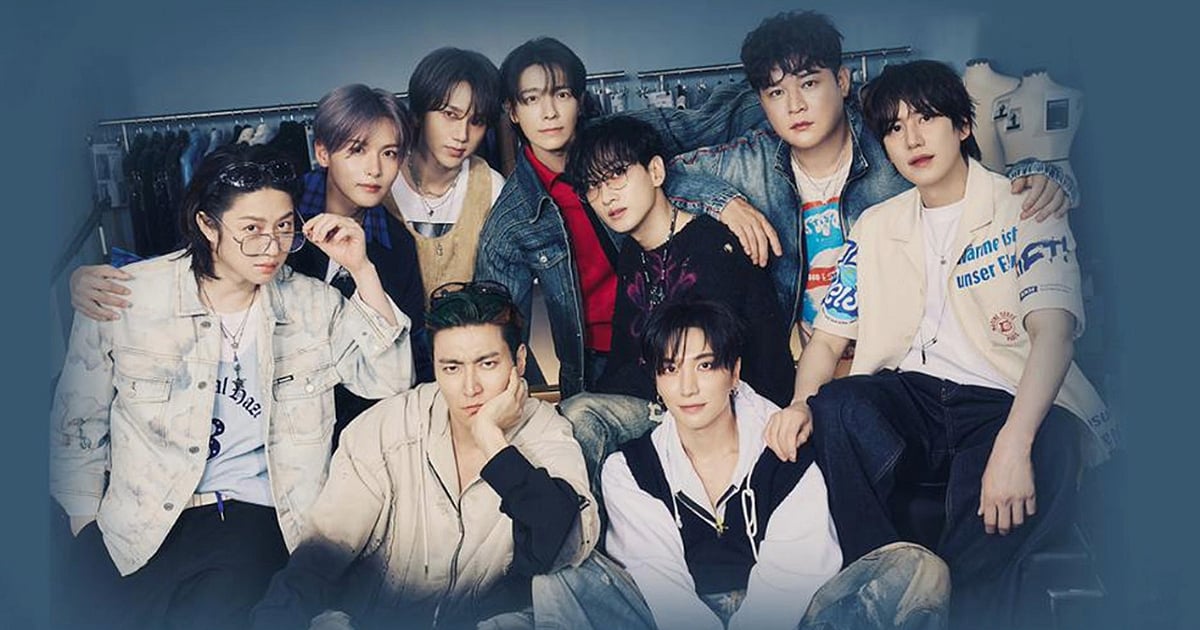
The pattern is evident throughout generations of artists. The most expensive ticket for BTS' 2017 THE WINGS TOUR in Seoul was 110,000 won (~ $76.10), while prime seats for upcoming Korean gigs in April are priced at 264,000 won (~ $182.64) each. Super Junior's 2016 SUPER SHOW 6 peaked at around 110,000 won (~ $76.10), whereas SUPER SHOW 10 had front-row standing seats priced at 198,000 won (~ $136.98). APINK's 2016 standing tickets were 99,000 (~ $68.49) won, whereas VIP seats for The Origin: APINK show in February 2026 cost 187,000 won (~ $129.37).
K-pop’s Move to High-End Ticket Bundles
According to industry analysts and fan groups, the rise of premium tickets, which bundle live performance with extras such as preshow sound checks or post-show meet-and-greets, is a major driver of inflation. These amenities can cost more, and in many cases are actually necessary for the best seats, leaving fans who simply want a nice view with little choice but to bear the additional expense.
Supporters of the premium model claim that the additions provide distinct value. "You can talk briefly with the singer during the sound check, and they sometimes perform songs that are not on the setlist," one fan told The Korea Times, expressing satisfaction with the event despite the cost. Critics argue that the system has evolved from providing optional add-ons to acting as a "hard sell," artificially combining access and seat quality. Notably, another fan commented, “I want to see the concert, not be forced into a 'hi-touch' (a brief high-five session with the artist). Bundling these events with specific seats is merely a marketing ploy.”
The financial impact on fans is real. Attending two shows at current prices can approach 400,000 won (~ $276.41), which is close to a month’s rent for many in Korea, according to fan testimony. Backlash has surfaced around groups such as ENHYPEN and Le Sserafim, which sold standing tickets with mandatory sound check access at 220,000 won (~ $151.95) and VIP packages at 198,000 won (~ $136.76), respectively.
Following a fan outcry, boy band ONEWE's agency RBW turned VIP seats into normal floor seating, lowering ticket costs from 189,000 won (~ $130.53) to 143,000 won (~ $98.76) for a January concert, indicating resistance against such practices.
Fans worldwide also complain about opaque pricing and dynamic models employed by ticketing platforms, which hide expenses until the moment of purchase, a frustration shared by foreign fans of global acts such as BTS. As K-pop festivals and tours expand in production scale and worldwide reach, ticket price discussions highlight a fundamental tension of balancing extravaganza and profitability with fan accessibility in an industry where loyalty is strong, but finances are seemingly limited.
Diya Mukherjee is a Content Writer at Outlook Respawn with a postgraduate background in media. She has a passion for writing content and is enthusiastic about exploring cultures, literature, global affairs, and pop culture.