It’s possible that I shall make an ass of myself. But in that case one can always get out of it with a little dialectic. I have, of course, so worded my proposition as to be right either way (K.Marx, Letter to F.Engels on the Indian Mutiny)
Indian Supreme Court Demands ‘Transparent’ Answers From Modi’s Government on Voter Purge
Hundreds of people have been arrested in recent days at youth-led protests over the removal of more than 130 million names from voter rolls. The National Students’ Union of India (NSUI) holds a symbolic protest with demonstrators posing as voters who were kicked off of voter rolls on October 5, 2026 in New Delhi, India. (Photo by Vipin Kumar/Hindustan Times via Getty Images via Getty Images)
As one advocate warned India’s Supreme Court on Monday that “this country will burn” unless action is taken to stop what thousands of protesters have denounced as an illegal purge of voters by the head of the country’s Election Commission, the court demanded accountability from Prime Minister Narendra Modi’s government.
Chief Justice Surya Kant said in a hearing that the court had not approved changes to a new form used by the Election Commission of India for registering new voters, contradicting a statement from the ECI last month which said the document had been upheld by the court.
“Modified Form 6 has not been approved by us, let us be very clear,” said Kant.
The court called on Modi’s government, the ECI, and the head of the commission, Gyanesh Kumar, to answer “in a clear, transparent manner” for the massive upheaval of the national voter rolls, from which more than 130 million names have been removed in recent months.
The changes to the voter list have sparked calls for Kumar’s resignation, particularly at protests that have erupted across the country, led by student groups and the Cockroach Janta Party (CJP), a political movement led by young people whom Kant compared to cockroaches earlier this year.
The group’s website declares, “Gyanesh, it’s done, bro,” and thousands of people have joined protests like those that forced the resignation of India’s education minister over the summer.
Last week, hundreds of protesters were detained, with journalists reportedly among those who were arrested—prompting outcry from Amnesty International over the government’s “blatant attack on the rights to liberty and freedom of peaceful assembly.”
In New Delhi in particular, police have been denounced for their aggressive response to the uprising, forcing hundreds of people into police vehicles. Authorities said they were investigating reports that officers had sexually assaulted three journalists at the protests over the weekend.
The Supreme Court took up two petitions Monday, questioning the credibility of the ECI’s efforts to “purify” the voter rolls, as the commission has said, and calling for an independent inquiry into Kumar’s management of the “special intensive revision” (SIR) process.
Another hearing will be held later this week.
Kant said the court wanted a response from Kumar and the commission about allegations that decisions about the SIR were made unilaterally by Kumar. Media reports last month said the two other ECI commissioners had objected to the revision of voter rolls, which the government has claimed is aimed at eliminating duplicates and the names of dead and ineligible voters, as well as “illegal infiltrators.”
People across Delhi and states including Bihar and West Bengal have said they were wrongly removed from voter rolls, and protesters have said the revision appeared to target Muslim voters, who have opposed Modi’s Bharatiya Janata Party.
Protesters on Monday symbolically posed as dead people to show that voters have been wrongly eliminated from voter rolls, despite still being alive and eligible to participate in elections.
“Deletions of voters have been made in the largest democracy,” Menaka Guruswamy, a lawyer for one of the petitioners who brought the cases to the Supreme Court, told The Guardian. “We have grown up with free and fair elections, that is not the case now.”
Amnesty Decries ‘Blatant Attack’ on Right to Assembly Amid Crackdown on India Election Protests
Led by student groups and opposition parties, the protesters are demanding the resignation of India’s elections chief as more than 133 million people have been deleted from voter rolls since last year.
All India Students’ Association (AISA) National president Neha Bora is detained by police during a protest against Chief Election Commissioner Gyanesh Kumar, on October 2, 2026 in New Delhi. (Photo by Sanjeev Verma/Hindustan Times via Getty Images)
Police in New Delhi detained hundreds of people Friday amid a crackdown on demonstrations challenging India’s election authorities and their controversial revision of voter rolls, prompting Amnesty International to accuse the government of trampling fundamental rights in the world’s largest democracy.
More than 700 protesters—including former Delhi Chief Minister Atishi Marlena; Aam Aadmi Party (AAP) leader Saurabh Bharadwaj; and Neha Bora, who is president of the leftist All India Students’ Association—were reportedly detained in the capital as demonstrators sought to protest outside Jantar Mantar against Chief Election Commissioner (CEC) Gyanesh Kumar and the Election Commission’s Special Intensive Revision (SIR) of electoral rolls.
Journalists covering the protests were also reportedly detained and blocked from doing their jobs.
The Cockroach Janta Party—which led last summer’s successful youth-led protests to oust embattled Education Minister Dharmendra Pradhan after devastating leaks of critical university entrance exams—is again playing a central role in the demonstrations.
Police cited Section 163 of India’s criminal code—a provision intended to address immediate public order threats that critics say is misused to broadly restrict peaceful political assembly—to justify the mass detentions.
“The right to protest is not dependent on government approval. It is protected by the Indian Constitution and international human rights law,” Amnesty International India board chair Aakar Patel said. “Prohibitory orders like Section 163 of India’s criminal procedure law, which grant temporary emergency powers to restrict gatherings in the name of public order, have become a convenient way for authorities to routinely prevent peaceful protests.”
“Detaining people simply because they intend to protest is a blatant attack on the rights to liberty and freedom of peaceful assembly,” Patel added. “Detentions must have a lawful basis and cannot be arbitrary or discriminatory. Those arbitrarily detained for solely exercising their right to freedom of expression and peaceful assembly must be released at once, and authorities must guarantee their right to protest.”
The sweeping overhaul of India’s electoral rolls has resulted in more than 133 million names being removed from draft voter lists across 30 states and union territories since the process began last year. That’s about 14.1% of the pre-SIR rolls. Delhi recorded the largest reduction, with 32.8% of registered electors removed from its draft list.
While the Election Commission says SIR intended to verify voter eligibility and clean up electoral rolls, critics warn that mass deletions could disenfranchise legitimate voters, particularly people who have migrated, lack documentation, or belong to marginalized communities.
The controversy intensified last month after an Indian Express investigation revealed that Election Commissioners Sukhbir Singh Sandhu and Vivek Joshi had formally objected at least 14 times over 10 months to decisions involving voter additions, deletions, and other SIR-related procedures. The two commissioners reportedly raised concerns, including over what they characterized as “unauthorized” or “illegal” actions.
“This is a disenfranchisement of millions of voters.”
Protesters are demanding Kumar’s resignation amid doubts about the transparency and impartiality of the SIR and those behind it.
“The protest is against Gyanesh Kumar and the Election Commission,” protester Pawan, a 36-year-old IT professional, told The Indian Express Friday at Jantar Mantar. “But there’s a larger context, I feel. Demanding the resignation of the CEC isn’t the only thing. People are upset with the SIR. This is a disenfranchisement of millions of voters.”
AAP spokesperson Anurag Dhanda, who was among those detained, told Indo-Asian News Service that “we are simply demanding that democracy should not be destroyed. We were saying that people should have the right to vote. Gyanesh Kumar took away the right to vote and committed vote theft, yet the vote thief is not being put in jail. Instead, they brought us here and made us sit at the police station.”
“This is a complete dictatorship of the Modi government,” he added, referring to Indian Prime Minister Narendra Modi and his right-wing Bharatiya Janata Party.
Marlena, better known mononymously as Atishi, said that “when the British ruled India, Gandhiji fought for people’s right to vote. Today, when we have that right, Gyanesh Kumar is trying to take it away.”
Atishi said that when demonstrators tried to reach Jantar Mantar—an officially designated protest site—police hauled them away in buses and detained them at a local police station.
“We are not afraid of Modiji’s police,” she said, referring to Modi. “We will continue to fight to protect the right to vote. The fight against vote theft will continue. The EC’s system will have to be corrected, and Gyanesh Kumar will have to resign.”
At one point, Bora and other detained demonstrators were sprung from a police bus by fellow protesters in the streets.
After escaping detention, Bora defiantly called for a fresh wave of protests for Saturday.
“Get rest after today’s detention,” she said. “Because if you don’t, how will you reach Jantar Mantar at 1 pm tomorrow?”
“Thousands of police officers are working to save one man—Gyanesh Kumar—whom we have to ensure gets removed from office,” Bora continued.
“Jantar Mantar 2.0 is not done!” she added, implicitly referring to the earlier Cockroach Janta Party protests. “It has just begun!”
Thursday, October 01, 2026
THE BILLIONAIRE VS. THE DOCTOR
Vivek Ramaswamy dealt double polling blow against Amy Acton within 24 hours
Andrew Stanton Tue, September 29, 2026
NEWSWEEK
Republican Vivek Ramaswamy trailed Democrat Amy Acton in two new polls of the Ohio governor's race released Tuesday by Marist University and Suffolk University, a blow to the GOP candidate in the conservative-leaning state just five weeks before the midterm elections.
Democrats are hoping to stage a comeback in Ohio this year. The Buckeye State was once a battleground that backed former President Barack Obama in the 2008 and 2012 elections but has since shifted rightward, backing President Donald Trump three times, including a double-digit victory in 2024.
Ramaswamy, an entrepreneur who rose to national prominence during his 2024 presidential run, is running against Acton, who led the Ohio Department of Health during the COVID-19 pandemic. The race is expected to be one of the closest of the midterms, with forecasters like the Cook Political Report considering it a toss-up.
Amy Acton, left, attends a campaign event in Marietta, Ohio, on September 17, while Vivek Ramaswamy, right, speaks during a watch party on May 5 in Columbus, Ohio.
Acton led by 9 points, 50 percent to 41 percent, in the Suffolk poll. It is her strongest lead in any survey since February. Meanwhile, she held a 6-point lead in the Marist poll, 50 percent to 44 percent.
A third poll released later Tuesday by Big Data Poll showed Ramaswamy with a slight lead, 45.1 percent to 42.7 percent.
The closeness of the race is a "testament to the difficult environment Republicans face this year," Robert Alexander, professor of political science at Bowling Green State University, told Newsweek.
"Not only is their party in charge during a midterm election—which usually spells trouble for that party—but views on the economy have been especially negative over the past year," he said. "Most people think the state and the country are moving in the wrong direction and that the economy was better last year than it is now."
Still, Republicans could close the gap before Election Day, he said, adding that whether or not Republicans turn out to vote will make the difference.
"The state is more aligned with Republicans, but again, there is a lot of frustration and many independents also seem to have turned against Republicans in the polling thus far," Alexander also said.
The Suffolk poll surveyed 500 likely voters from September 23 to September 27, with a margin of error of plus or minus 4.4 percentage points. The Marist poll surveyed 1,298 registered voters from September 24 to September 27, with a margin of error of plus or minus 3.8 percentage points. The Big Data Poll surveyed 735 registered voters, 680 of whom were likely voters, on September 26 and September 27.
Acton, Ramaswamy Campaigns React to New Polls
Ramaswamy spokesperson Evan Machan downplayed the polling in a statement to Newsweek.
"Every election year, the media does the exact same thing: they follow public polls, build their coverage around them, and treat them like gospel. And every election year, those polls are inevitably wrong. You would think at some point the media would learn the lesson, but every cycle they fall for it all over again," Machan said.
Acton's Campaign Manager Philip Stein told Newsweek that voters in Ohio are "ready to elect Acton because they know she's the only choice who has proven she'll show up anywhere and work with anyone to bring down costs, clean up corruption, and work towards an Ohio where everyone can thrive."
"While out-of-touch billionaire Vivek Ramaswamy and his billionaire buddies try to buy this election by spending tens of millions of dollars flooding the airwaves with misleading AI ads, Dr. Acton has remained laser-focused on running a grassroots campaign traveling to every corner of Ohio," Stein said. Amy Acton's Lead Powered by Women, Independent Voters
The pair of polls found that independent voters and women are bolstering Acton's showing in the state.
Acton led by 25 points among independents, 57 percent to 32 percent, in the Marist poll. She also led by 12 points among women, 53 percent to 41 percent.
In the Suffolk poll, Acton led independents by 37 points, 64 percent to 27 percent. She led women by 19 points, 55 percent to 36 percent.
For comparison, Trump won both groups in the state in 2024. He won independents by 2 points, 50 percent to 48 percent, and women by a single point, 50 percent to 49 percent, according to CNN.
Historically, the party of the president suffers midterm losses when his approval rating is low, and Democrats believe Trump's approval rating reaching record lows could open the door to winning back voters in states like Ohio. What Other Polls Show About Ohio Governor's Race
The Ohio governor's race is expected to be one of the closest of the midterms, and recent polling reflects that.
A poll from YouGov and Bowling Green State University released this month gave Acton a 3-point lead, 48 percent to 45 percent. It surveyed 1,000 likely voters from September 1 to September 10, with a margin of error of plus or minus 4 percentage points.
Ramaswamy, however, held a 2-point lead in a Fox News poll, 50 percent to 48 percent. It surveyed 1,008 registered voters from August 6 to August 10 and had a margin of error of plus or minus 3 percentage points. What Prediction Markets Show
Prediction markets show a close race, with Acton having a 61 percent chance of victory on Kalshi, and carrying a 62 percent chance of victory on Polymarket as of Tuesday.
Prediction markets allow traders to buy and sell contracts tied to political outcomes and current events, aggregating real‑money wagers into probability estimates.
Prices fluctuate as traders react to polling, fundraising, candidate developments and broader political trends. They measure trader sentiment at a given moment but do not always accurately predict the future. How Ohio Shifted From Purple to Red
Trump won Ohio by about 11 percentage points in 2024, an improvement on his 2020 and 2016 performances, when he won by about 8 points each time. But Ohio was viewed as more competitive for Democrats not long before. Obama narrowly carried Ohio in 2008 and 2012.
Alexander said the state has a "strong populist streak," and Democrats are working to appeal to those voters this year.
"They are working to distinguish themselves from the national party, while trying to not alienate more progressive portions of the base. This is a difficult task," he said. "I think the bigger issue is that if Democrats aren't successful in this environment, it is hard to see how they can be successful in future elections in the state."
Trump made inroads with white, working-class voters who were previously more divided between Democrats and Republicans. His gains came from rural counties as well as the northeastern region near Cleveland. Democrats have gained some ground in Cincinnati and Columbus suburbs, but not enough to offset Republican gains in rural areas.
Still, Ohio has been competitive in some recent elections.
Democratic former Senator Sherrod Brown won reelection in 2018, then lost in 2024 by fewer than 4 percentage points. He is running for Senate against GOP incumbent Jon Husted this year, and polls point to a competitive race. When Did Ohio Last Elect a Democratic Governor?
Ohio last elected a Democratic governor in 2006, when Ted Strickland, then a member of the House, flipped the seat as part of a blue wave. In 2010, a stronger year for the GOP, Republican John Kasich defeated Strickland by about 2 points.
Since then, Ohio has elected moderate Republican governors like Kasich in his reelection and Mike DeWine, who is ineligible to seek a third term in office.
Who Is Vivek Ramaswamy?
Ramaswamy ran for president in 2024 but was unable to overtake Trump in the primary. He was still able to become a favorite among many conservatives and gained national political attention while focusing his criticism on "woke" corporate culture.
Upon his return to the White House, Trump selected the entrepreneur-turned-politician to co-lead the Department of Government Efficiency, but Ramaswamy stepped away from the position in its early days before announcing his gubernatorial run.
Trump has endorsed Ramaswamy's campaign for governor.
Ramaswamy easily won the Republican primary with more than 80 percent of the vote.
Who Is Amy Acton?
Acton served under DeWine as director of the Ohio Department of Health from February 2019 through June 2020, working through the initial wave of the COVID-19 pandemic. She has also worked for nonprofits like the Columbus Foundation.
She has garnered attention—and criticism from some more progressive Democrats—for breaking from her party on key issues. She has said she does not "support boys playing in girls sports" and has said she supports Issue 3, an amendment that would put the state's voter ID requirements into its constitution.
"This amendment has overwhelming support from Ohioans across the state," Acton said, according to WEWS in Cleveland. "As this doesn't change what is already law, as governor, I will support it."
Acton ran unopposed in the Democratic primary.
What Happens Next Ohio's gubernatorial race is expected to be one of the closest of the midterms. The two candidates are not expected to debate. Both the Cook Political Report and Sabato's Crystal Ball classify the race as a toss-up.
A 123 deal, not the UAE “gold standard.” Signed 22 July 2026, the 30-year U.S.–Saudi civil nuclear pact (Atomic Energy Act §123) can move civilian fuel, tech, and kit—and, the author says, leave enrichment on Saudi soil under U.S. monitoring. Riyadh is in the NPT (1988) and has IAEA comprehensive safeguards (2009) but not the Additional Protocol. The UAE’s 2009 deal barred domestic enrichment.
Congress and a Trump aside. Energy Departent: 90 session days for Congress to object. Trump said a day after signing that it hinged on Abraham Accords/Israel; the text does not. MBS in 2023: if Iran gets a bomb, Saudi Arabia would “have to get one.” Author: enrichment up to 20% is the civilian cap named—and the proliferation worry vs Iran’s JCPOA 3.67% cap (later 60% after the U.S. left).
Rivals and spillover. A parallel bilateral safeguards deal is meant to beat China and Russia for the build. Author: Turkey, Egypt, the UAE may want the same rights; Saudi–Pakistan and Mecca (Saudi–Pakistan–Türkiye) defense pacts widen the worry. That last stretch is the writer’s brief, not the treaty text.
The United States (US) and Saudi Arabia have reached a landmark nuclear cooperation agreement (123 agreement) on civil nuclear energy that could provide the Kingdom with an enviable opportunity to enrich uranium on its soil, a prospect that has drawn criticism over the risk of regional nuclear proliferation.
The 123 agreement — a term drawn from Section 123 of the US Atomic Energy Act of 1954 — could allow the transfer of civilian nuclear material, technology, and equipment to Saudi Arabia. The move is critical for Riyadh as it undergoes economic diversification, becoming less reliant on the fossil-fuel-based economy and developing a non-fossil-fuel energy mix that includes nuclear energy. In return, the 30-year agreement gives American companies access to Saudi Arabia’s civil nuclear market, allowing them to work with local entities to build a multibillion-dollar industry.
Saudi Arabia acceded to the Non-Proliferation Treaty (NPT) in 1988 and, since 2009, has had a comprehensive safeguards agreement with the International Atomic Energy Agency (IAEA) covering all its nuclear facilities. However, the Kingdom has not signed the Additional Protocol, which gives the IAEA broader access to look for undeclared material and activities. Additionally, Crown Prince Mohammed bin Salman’s rupture with the Biden administration, Saudi Arabia’s tendency to act independently of the US, and its mutual defence pact with Pakistan all give Washington — and the South Asian region — reason to be cautious.
Along with the 123 agreement, Washington and Riyadh also signed a bilateral safeguards agreement that strengthens the US’s competitive edge in exporting civil nuclear technology to the Kingdom vis-à-vis other nuclear technology-trading countries such as China and Russia. This agreement offers the US significant economic and strategic advantages for long-term business opportunities in the Kingdom. The agreement lays the legal foundation for providing the Kingdom with uranium enrichment capability for its civilian nuclear programme, on the condition that the US monitors Saudi Arabia’s enrichment activities. Critics argue that the agreement lacks the “Gold Standard” that Washington has, for two decades, attached as a condition for nuclear cooperation — requiring countries to forgo domestic uranium enrichment and spent fuel reprocessing. The UAE is a prime example of this standard being applied.
The US-Saudi nuclear agreement had remained stalled for years. In July 2017, Saudi Arabia approved a National Project for Atomic Energy to diversify its energy mix and reduce domestic oil and gas consumption, with plans to build large and small nuclear reactors for electricity generation and water desalination. The US already has a civil nuclear agreement with the UAE, in force since 2009, under which the UAE does not enrich uranium domestically and instead relies on imports of enriched uranium for its nuclear energy programme.
Riyadh’s main sticking point was believed to be its insistence on enriching uranium domestically, something Washington had long been reluctant to allow. Successive US administrations worked toward nuclear cooperation with Saudi Arabia, and the Trump administration finally signed the civil nuclear deal on 22 July 2026 — only for President Trump to declare a day later that it was contingent on Saudi Arabia joining the Abraham Accords and normalising relations with Israel, a condition not mentioned when the deal was announced.
The formal text, however, does not make the deal conditional on Saudi-Israeli normalisation, so it could take effect without it. Israel’s own domestic politics — an approaching election and its refusal to withdraw from Gaza — may have forced Trump’s hand on this point. The deal still carries a built-in buffer: according to the US Department of Energy, it now goes to Congress for review and will enter into force unless Congress votes to object within 90 session days, giving Trump time to test Riyadh’s promise.
Eight months after signing a joint declaration in November 2025, the 123 agreement between the US and Saudi Arabia arrives at a moment when Washington is at war with Iran and in urgent need of regional realignment. US allies in the region, Saudi Arabia included, have been struck by hundreds of Iranian missiles and drones, an onslaught that has threatened Saudi sovereignty, disrupted oil exports through the Strait of Hormuz, and reopened the debate about the US’s utility as the Gulf’s security guarantor.
The Crown Prince has long adopted a realistic view about the threat from Iran. In September 2023, Mohammed bin Salman acknowledged that if Iran obtained a nuclear weapon, Saudi Arabia would “have to get one, for security reasons, for balancing power.” The unpredictability of the ongoing war has since sent Riyadh scrambling for firmer security guarantees. Its early assurance that Saudi soil would not be used to strike Iran gave way as Iranian attacks intensified, eventually forcing Saudi Arabia to launch retaliatory strikes on Iran of its own. A purely defensive posture is proving unsustainable through a prolonged conflict, and with the prospect of Iranian nuclearisation now an open bet, Saudi Arabia wants a clearer path forward. Nuclear Proliferation in the Middle East
The Saudi nuclear agreement would allow the Kingdom to enrich uranium up to 20 percent. Such a level could be needed to power a small modular civilian reactor, but it also raises the risk of nuclear material being diverted for military purposes in the absence of stringent controls. Washington is applying a markedly different enrichment benchmark to Saudi Arabia than the one it once set for Iran. Under the 2015 Iran nuclear deal, Iran’s uranium enrichment was capped at 3.67 percent for 15 years, after which the restriction would lapse. Trump’s withdrawal from the deal during his first term set in motion a chain of events that saw Iran enrich uranium to as much as 60 percent — for context, 90 percent is considered weapons-grade. The biggest concern around Saudi Arabia’s entry into the nuclear fold is that it could intensify a broader nuclear arms race in the Middle East.
As the US-Iran nuclear deal remains in a quagmire and Iran still possesses its stockpile of enriched uranium, Saudi Arabia’s rush to acquire nuclear technology as a deterrent against Iran is unsurprising. Iran has already demonstrated its ability to control the Strait of Hormuz and disrupt other trade routes in the region. For reliable deterrence, the Kingdom is seeking a sovereign nuclear capability that offers lasting security in the Middle East. Another factor that may have nudged Washington toward a deal with Riyadh was the lurking possibility of Saudi Arabia turning to Russia or China instead.
Through the nuclear agreement, Washington has ensured that Riyadh stays within the ambit of a strategic partnership spanning energy, technology, and regional security. The US-Saudi civil nuclear pact is being billed as the “deal of the century” for the Kingdom: it meets Saudi Arabia’s nuclear energy needs while giving Washington leverage to steer Riyadh away from Beijing and Moscow. Perhaps the most consequential spillover from the agreement will be how it shapes Washington’s approach to the nuclear ambitions of other regional powers — Turkey, Egypt, and the UAE among them — especially if Saudi Arabia succeeds in securing enrichment rights on its soil.
The issue of nuclear proliferation has never been more acute for the volatile Middle East. An uncontrolled nuclear expansion in the region could open a Pandora’s box, sharply compounding proliferation concerns. It also raises questions about regional stability at a time when the US is unable to offer its regional allies concrete security guarantees. There is a glaring contradiction at the heart of US policy in the Middle East: on the one hand, Washington is pressuring Iran to halt its nuclear programme and submit to stringent IAEA inspections; on the other, it is helping its long-standing ally, Saudi Arabia, acquire critical nuclear technology whose ultimate designs remain, at best, an open question. This contradiction is likely to heighten tensions among rival Middle Eastern states and fuel a new kind of nuclear arms race. Pakistan’s institutionalised defence cooperation with Saudi Arabia — both the bilateral Strategic Mutual Defence Agreement and the trilateral Mecca Joint Defence Agreement, which brought Turkey into the fold — only widens the avenues for nuclear proliferation rather than narrowing them. Ultimately, a civil nuclear deal between the US and Saudi Arabia, a longstanding regional rival of Iran, is set to further stoke tensions across the region.
About the authors:Vivek Mishra is Deputy Director – Strategic Studies Programme at the Observer Research Foundation.
Surya Prakash Noutiyal was a Research Intern at the Observer Research Foundation.
About Observer Research Foundation ORF was established on 5 September 1990 as a private, not for profit, ’think tank’ to influence public policy formulation. The Foundation brought together, for the first time, leading Indian economists and policymakers to present An Agenda for Economic Reforms in India. The idea was to help develop a consensus in favour of economic reforms. View all posts by Observer Research Foundation →
Thursday, September 17, 2026
Article Collection: AI and data-driven biomaterials
Bioactive Materials (Impact Factor: 23.6) is an international, peer-reviewed research publication covering all aspects of bioactive materials.
The journal welcomes the submission of research papers, reviews and rapid communications that are concerned with the science and engineering of next-generation biomaterials that come into contact with cells, tissues or organs across all living species.
This collection features articles on “AI and data-driven biomaterials”published in Bioactive Materials. All articles are free to read and download.
The publisher KeAi was established by Elsevier and China Science Publishing & Media Ltd to unfold quality research globally. In 2013, our focus shifted to open access publishing. We now proudly publish more than 200 world-class, open access, English language journals, spanning all scientific disciplines. Many of these are titles we publish in partnership with prestigious societies and academic institutions, such as the National Natural Science Foundation of China (NSFC).
Journal
Bioactive Materials
Manuscripts-turned AI agents can now ‘talk’ to each other, make new discoveries
Since 1665, scholarly journals have stood as written record of scientific advancement — static words on a page, a reference written by people for other people to read. That’s about to change.
A team of Stanford Medicine researchers led by postdoctoral scholar Jiacheng Miao, PhD, and associate professor of biomedical data science James Zou, PhD, designed an artificial intelligence program called Paper2Agent that turns any scientific manuscript — including the text, figures and data — into an interactive AI agent that can chat about the paper and interact with other paper agents.
“For essentially all of human history, the way that we represent knowledge is in the form of these very passive artifacts,” Zou said. “In old times people carved knowledge into stones, and now we type knowledge into words on pages — but in some sense pages aren’t that much better.”
Zou is programming a major update to the centuries-old practice of manuscript publishing. “This is an opportunity to fundamentally reimagine what knowledge looks like. Instead of having only passive artifacts, why don’t we convert each static record into an active embodiment of knowledge?” Zou said. Think of it, he said, like a virtual author who knows how that knowledge is generated — one that’s capable of explaining it and extending it by connecting with other papers and initiating new collaborations.
A paper describing the AI work will publish on Sept. 16 in Nature. Zou is the senior author, and Miao is the lead author.
Manuscripts manifested
The paper agents can answer questions about the work, apply methods from the paper to new data and even engage in conversations with other paper agents. The transformation from paper to AI agent starts with a team of bustling AI “worker agents” that pore over a single published paper and any associated code and data. But they’re not just reading the paper. What’s the best way to learn? Do it yourself.
The agents try to reproduce the original research from scratch. In a virtual environment, the agents simulate the research documented in the paper, and through that process, they capture the know-how a reader would otherwise have to dig out manually, from reagents needed to the experimental setup and execution.
The agents store that knowledge using something called an MCP, or model context protocol.
“An MCP lets AI essentially represent a paper PDF in a form that’s easy for agents to access, almost like a filing system,” Zou said. Each section of the paper is stored in a different folder, while the introduction, methods, results and conclusion are all organized into a separate file that lives in a parent file of a given paper.
AI does the heavy lifting, but Zou and the other human authors still have a role. The manuscript won’t capture things like failed experiments or judgment calls behind experimental setups. So humans have to supply that context to the paper agent in conversational exchanges in which the agent can question the authors about the paper and research.
AI-to-AI collaboration
A “live action” embodiment of knowledge can be a boon for readers of scientific manuscripts who seek to deeply understand the research, but these paper whisperers can do something even more impressive. They can talk to each other. That kind of agent-to-agent collaboration could become a vast research network — one with potential to make real discoveries.
Zou and his team demonstrated the power of agent-to-agent collaboration by converting two unrelated papers into agents. One described a tool for predicting how genetic mutations affect the genome; the other described a genome-wide association study of the risk of developing attention-deficit/hyperactivity disorder. With both papers spun up into agents, the two began to find common ground. The genome prediction agent applied its knowledge to the ADHD dataset and flagged a molecular variant near a gene called MPHOSPH9 that’s associated with increased ADHD risk — a connection that, according to Zou, had not been reported before.
“In the past, if there are two research groups that publish two different papers, those two research groups have to somehow find each other,” Zou said. With paper agents, that overlap can surface without human legwork. Zou’s team chose these two initial papers and paired them for this demonstration, but the eventual goal, he said, is something closer to manuscript speed dating at scale: Millions of paper agents surfacing common ground among themselves and working together to produce new insights.
Checking knowledge as it’s built
Zou is careful to note that attribution still matters. Agents that extend a paper’s reach are meant to help disseminate the original researchers’ work, not obscure whose work it is. “It’s still important to attribute the final discoveries and reference them back to original papers and original human authors,” he said.
Zou also noted that the parameters under which agents collaborate — and make new discoveries — should be closely guided and monitored to ensure the agents’ collaborations prioritize safety and ethical research.
The team is still expanding what a paper agent can do, including working out how, at scale, thousands or millions of these agents might productively find each other. Right now, the team has created more than 100 paper agents, but eventually, Zou hopes most manuscripts will have an associated paper agent. “Millions of papers are published every year,” he said. “There’s enormous potential here.”
This work was supported by funding from the Chan-Zuckerberg Biohub.
# # #
About Stanford Medicine
Stanford Medicine is an integrated academic health system comprising the Stanford School of Medicine and adult and pediatric health care delivery systems. Together, they harness the full potential of biomedicine through collaborative research, education and clinical care for patients. For more information, please visit med.stanford.edu.
What factors influence students’ decisions about whether they will continue to use ChatGPT for learning in the future? This was the question addressed by a new study from ELTE’s Faculty of Informatics, which used an interpretable machine learning framework to identify the factors that most strongly influence the use of generative artificial intelligence in higher education.
The research was conducted by Chaman Verma, a member of the Department of Media and Educational Informatics at the Faculty of Informatics, Eötvös Loránd University, as part of the University Excellence Scholarship Program (EKÖP-24).
What really matters when it comes to using ChatGPT?
The study analysed questionnaire responses from 166 university students. Using interpretable machine learning methods, the researcher examined which factors play a decisive role in students’ intention to continue using ChatGPT in their learning. The results show that key factors include learning support, accessibility, academic engagement, usability, and the perceived reliability of the tool. In other words, students are more likely to incorporate ChatGPT into their learning processes if they perceive it as genuinely useful—an instrument that helps them understand complex concepts, supports them in completing assignments, and contributes to more effective learning.
Beyond usefulness, trust is also key
At the same time, the research highlights that the accuracy of responses, the reliability of the tool, and academic integrity remain key issues in the use of generative artificial intelligence in higher education. Students’ attitudes towards ChatGPT are influenced not only by how effectively the tool can support their learning, but also by how reliable they perceive it to be and how they view the possibilities for using it responsibly in an academic environment.
The study contributes new findings to research on the use of artificial intelligence in education and offers useful, evidence-based insights for educators, higher education institutions, and policymakers. The findings may help ensure that generative artificial intelligence tools can responsibly, consciously, and effectively support teaching and learning in higher education in the future.
New York, NY | September 16, 2026 – Artificial intelligence is rapidly becoming part of how people seek, interpret, and act on health information. Yet the technology is advancing faster than the evidence needed to determine whether these systems actually help people understand what matters, make informed health decisions, and know what to do next.
A new perspective led by University of Alabama Professor Rebecca K. Ivic, PhD, with CUNY SPH Distinguished Lecturer Scott C. Ratzan, MD and Emory University School of Medicine Professor Emerita Ruth M. Parker, MD, introduces the concept of health-literate artificial intelligence and proposes four principles for designing and governing AI-mediated health communication: comprehension, agency, accountability, and proportionality.
“We are deploying AI into health contexts faster than we are building the evidence needed to know whether it actually helps people understand, decide, and act,” says Dr. Ivic.
As AI systems are used to answer questions about symptoms, summarize health guidance, interpret risk and support decisions, a technically plausible response may be provided, while still failing to communicate how urgent a situation is, how certain the information is, what alternatives exist, when professional care is needed, and how to garner human judgment and dialogue for appropriate decision-making.
The authors define health-literate AI as AI designed to align information, guidance, and responsibility with users’ abilities, contexts, and needs. The framework shifts attention beyond whether AI produces information that is technically accurate or explainable to whether people can understand what that information means, make informed decisions, and determine what to do next.
The four components are:
Comprehension: Can people interpret AI output in relation to their language, prior knowledge, and circumstances?
Agency: Does the information support meaningful and informed action, including clear choices and next steps?
Accountability: Are evidence, uncertainty, limitations, and responsibility visible?
Proportionality: Does the amount and urgency of guidance match the stakes of the situation?
Together, these components provide a basis for considering whether AI-mediated communication is fit for purpose in health-relevant settings.
“Given all the discussion and warnings about the potential harms of AI, we need expert thinking, research, and analysis that protects people from potential harms while realizing the promise of this new technology for health,” says Dr. Ratzan, co-chair of the Nature Medicine Commission on Quality Health Information for All and editor-in-chief of the Journal of Health Communication.
“Is AI in healthcare the holy grail or the tower of Babel?” asks Dr. Parker. “In medicine, there are immediate questions: Can all people understand and safely use what these systems tell them in order to improve health outcomes? Is its use cost-effective and also aligned with our human values?”
The framework builds on decades of health literacy research that has increasingly examined not only individuals’ skills but also how governments, organizations, and systems make health information easier or harder to understand and use. For over 30 years, Drs. Parker and Ratzan have contributed substantially to this body of work, including research on health literacy as a systems and policy concern. Dr. Ivic proposes a novel model for today’s digital information environment, examining how platforms, institutions, and emerging technologies shape the production, interpretation, and use of health information.
Rather than placing the burden entirely on individuals to interpret increasingly complex automated information, health-literate AI asks how the design and governance of AI systems themselves can support understanding and informed action. The authors also challenge designers to envision how AI could help operationalize affordability of healthcare, a long-standing, well-acknowledged goal that we have not achieved.
“This model gives researchers, developers, and regulators a shared way to address a more consequential question,” says Dr. Ivic, commissioner of the Nature Medicine Commission on Quality Health Information for All and executive editor of the Journal of Health Communication. “The question is not simply whether AI can generate an answer, but whether people can understand it, use it, and act on it appropriately. Health-literate AI should do more of the work of making quality health information understandable, actionable, and accountable, with design and governance working together to advance responsible AI in health.”
The authors argue that this is particularly important in high-stakes or ambiguous situations. AI systems should distinguish among informing, advising, and deciding and make those roles clear to users. When automated output is insufficient, systems should also identify when human judgment, clinical evaluation, or ethical deliberation is needed.
“The goal is not to make people better at navigating increasingly complex AI,” Ivic says. “It is to give the field a way to begin measuring whether that is actually happening.”
The perspective argues that health literacy should not simply require people to adapt to increasingly complex technologies. As AI becomes an increasingly important intermediary between people and health information, the systems themselves should be designed around the people who must understand and use them.
The authors call for adoption of the principles of health-literate AI to inform design, evaluation, research, and governance across health-relevant AI ecosystems. They also point to an important evidence gap: More research is needed to determine whether AI actually improves comprehension, informed decision-making, and health-related action.
“AI in healthcare no doubt offers opportunities for innovation, but more research, guardrails, and regulation are needed to ensure its benefits clearly outweigh its risks,” says Dr. Parker. “Its design and use needs to enhance users’ abilities to understand and make decisions that improve health, are affordable, and consistently aligned with our human values.”
The CUNY Graduate School of Public Health and Health Policy (CUNY SPH) is committed to promoting and sustaining healthier populations in New York City and around the world through excellence in education, research, and service in public health and by advocating for sound policy and practice to advance social justice and improve health outcomes for all.
The new system uses an AI model that automatically matches one patient’s X-rays with 3D scans in a matter of seconds, and with sub-millimeter precision.
Credit: Courtesy of Vivek Gopalakrishnan, Polina Golland
Cambridge, Mass. -- Researchers created a new technique that accurately and rapidly matches X-rays captured during surgery with a patient’s preoperative 3D medical scan. This method could make it easier for clinicians to precisely pilot minimally invasive surgical tools, leading to faster and safer procedures.
Clinicians perform many minimally invasive surgeries using real-time X-rays to help them steer devices like catheters and endoscopes through tiny incisions. But since X-rays are flat images, it can be challenging to determine exactly where surgical tools are located and oriented within the patient’s body, increasing the risk of complications.
To help localize surgical devices, clinicians may manually align X-rays with preoperative 3D medical images, such as CT scans or MRIs. Artificial intelligence tools designed to streamline this process struggle to align images robustly for all patients, making them infeasible in practice.
This new system, developed by scientists and clinicians at MIT and collaborating institutions, uses an AI model that adapts to each patient in only about five minutes. The model automatically matches one patient’s X-rays with 3D scans in a matter of seconds, and with sub-millimeter precision.
Named xvr (which stands for X-ray volume registration), it outperformed existing AI methods by an order of magnitude across a wide range of patients, body parts, and medical procedures.
“A majority of Americans live more than an hour away from a center that can perform noninvasive procedures, like emergency stroke interventions. An hour in stroke time is incredibly substantial. Making these procedures easier by combining 2D and 3D information enables these types of highly specialized life-saving procedures to be more accessible to much broader parts of the population,” says Vivek Gopalakrishnan, a postdoc in the MIT Computer Science and Artificial Intelligence Laboratory (CSAIL); a recent graduate of the Harvard-MIT Program in Health Sciences and Technology; and lead author of a paper on xvr, which will appear in Nature.
He is joined on the paper by his advisor Polina Golland, the Sunlin and Priscilla Chou Professor of Electrical Engineering and Computer Science (EECS), a principal investigator in CSAIL, the leader of the Medical Vision Group, and co-senior author of the paper; and Neel Dey, a former postdoc in the Medical Vision Group who is now an investigator at Harvard Medical School and Massachusetts General Hospital as well as co-senior author on the paper. Additional co-authors include David-Dimitris Chlorogiannis, a researcher and clinician at Harvard Medical School; Andrew Abumoussa, a neurosurgeon at St. Luke’s Marion Bloch Neuroscience Institute; Anna M. Larson, a pediatric clinician at Shriners Children’s Hospital; Nazim Haouchine, an assistant professor of radiology at Harvard and Brigham and Women’s Hospital; Darren B. Orbach, a physician and scientist at Boston Children’s Hospital; and Sarah Frisken, an associate professor of radiology at Harvard.
Making X-rays more informative
In many minimally invasive surgical procedures, like angioplasty to open blocked arteries, clinicians insert instruments through a tiny incision and use a high-speed mobile X-ray scanner to generate images that allow them to visualize the procedure from any angle.
But to guide surgical tools without accidentally damaging other tissue, clinicians must align real-time X-rays with the patient’s preoperative MRI or CT scan. This process, called registration, helps them determine where the tool is in relation to anatomical structures.
“It takes decades of training for a clinician to become skilled enough to see grainy, 2D images and understand how everything is oriented. We want to make these 2D X-rays more informative, so it becomes safer and easier to do these life-saving procedures,” Gopalakrishnan says.
Manual registration methods are slow and burdensome, requiring the clinician to guess the position of a surgical instrument by punching numbers into a computer or clicking anatomical landmarks on a screen.
To streamline the process, researchers are developing AI models that can predict 2D/3D registration. But people have such diverse anatomy that a model which works well for some patients may fail for others.
A lack of high-quality annotated medical image data makes it difficult to train a deep-learning model robust enough to adapt to many patients, Gopalakrishnan says.
Rather than trying to make a machine-learning model that can be applied to all patients, the researchers built a model designed to adapt extremely well for the specific patient.
“We tailor this one specific model for this one specific patient, and it doesn’t matter if it works on other people because there will be different models for those people,” Gopalakrishnan adds.
Patient-specific machine learning
Xvr takes one patient’s preoperative 3D scan, like an MRI or CT, and uses it to generate thousands of synthetic X-rays from many angles, producing about 1,000 images each second. It uses a physics-based simulation of the X-ray process to ensure these synthetic images are realistic.
“Instead of generating data from nothing, like some types of generative AI, this physics simulation is entirely based on the CT scan or MRI from this patient. Because xvr creates patient-specific data in a purely physics-based manner, there is no room for hallucinations,” Gopalakrishnan says.
The xvr framework uses these simulated data to train an AI model that can accurately align this patient’s 2D X-rays with their 3D image scan in a matter of seconds.
But while such a registration model is highly accurate, it would take about 12 hours to train from scratch for each patient, making it impossible to deploy in an emergency. To make the process faster, the researchers used xvr to pretrain a more versatile AI system, called a foundation model, that can quickly adjust to each new patient.
They collected whole-body 3D medical scans from more than 2,000 patients covering a wide range of ages, image modalities, and regions. Xvr used these diverse data to generate synthetic X-rays and train a foundation model to perform 2D/3D registration.
This pretrained model can adapt to a new patient in about five minutes, and performs registration with the same accuracy as if it had been trained from scratch.
“So now you can get patient-specific accuracy but also in a very rapid time frame,” Gopalakrishnan says.
The team tested the model on the largest available dataset of real 2D/3D registrations, incorporating data from five hospitals that covered dozens of bones and organ systems in adult and pediatric patients.
Xvr significantly outperformed other AI-based methods in accuracy and robustness, while operating fast enough for emergency surgeries. The model could also be used to improve the performance of robotic surgery technologies.
In the future, the researchers hope to focus on making xvr faster for real-time deployment, conducting further studies to verify its reliability in additional situations, and extending the system to handle more complex scenarios, like moving body parts.
“For the past two years, we’ve been carefully developing this algorithm and validating it. Now, we are collaborating closely with surgical robotics companies and clinical groups to turn this research into useful tools for navigation or deployment,” Gopalakrishnan says.
This work was funded, in part, but the National Institutes of Health (NIH), the MIT CSAIL-Wistron Program, the MIT-IBM Computing Research Lab, the MIT Jameel Clinic, the MIT Health and Life Sciences Collaborative, and the Chou Family Transformative Research Fund.
###
Written by Adam Zewe, MIT News
Journal
Nature
Article Title
“Rapid patient-specific neural networks for intraoperative X-ray to volume registration”
Study: AI-powered app lowers high blood pressure when part of care plan
Patients “make friends” with free app that helps them lower high blood pressure
Incorporating a free smartphone app featuring AI-driven health coaching, blood pressure monitoring, and behavioral incentives into a hospital’s existing clinical workflows helps patients make meaningful reductions in blood pressure, findings that suggest that digital apps may offer an effective means of extending care beyond the clinic when incorporated into treatment plans.
In a study published in the Journal of General Internal Medicine, Rush University Medical Center clinicians described how a group of 425 patients already being treated for high blood pressure used a free smartphone app to make at-home condition management and adoption of healthy habits easier. Developed by Nuna, Inc., the app helps users track blood pressure readings and maintain a heart-healthy lifestyle via personalized reminders while also allowing healthcare providers a window into patients’ efforts in between visits.
“The group that incorporated the Nuna app into their care showed clinically significant improvements. While the study wasn’t designed to assess hard clinical outcomes, established research has shown a direct correlation between reductions of this magnitude and lower rates of heart attacks and strokes,” said Michael Gottlieb, MD, MBA, a Rush emergency medicine physician, vice chair of research, and the study’s co-lead author. “But well before we were able to process and assess the impact of the app as researchers, as physicians we were able to see –patient by patient – the power of a tool that empowers patients to manage their blood pressure every day.”
During the year-long study, patients being treated for high blood pressure at Rush who agreed to incorporate the use of the app as part of their care had their systolic blood pressure (SBP) and diastolic blood pressure (DBP) readings tracked for six months and then compared to their baseline readings six months prior to starting to use the app. Their results were then compared with a control group of 425 demographically similar patients who did not use the app as part of their high blood pressure treatment. While the control group lowered blood pressure consistent with expected outcomes for their treatment, the group that also used the Nuna app had even greater reductions, especially among participants whose blood pressure numbers passed the threshold between readings deemed "uncontrolled" and not just "high."
The data shows, for example, that among participants with uncontrolled stage 2 hypertension at baseline, their systolic blood pressure (the top number in reading), decreased by 13.6 mmHg among app users compared with 9.0 mmHg among controls. Kristin Pallok, MD, a Rush internal medicine specialist and study’s co-lead author noted that seeing such a marked difference in the progress made by the group that used Nuna compared to the control group is "very encouraging. The data reflects what patient after patient has been telling us: using the app has helped them take better control of their health."
Hypertension – or high blood pressure-- is among the nation’s most modifiable risk factors for cardiovascular disease, stroke, chronic kidney disease, and premature mortality, as nearly half of adults meet diagnostic criteria for hypertension. The Centers for Disease Control and Prevention estimates that uncontrolled high blood pressure costs the country nearly $200 billion in healthcare costs alone. But despite decades of advances in pharmacologic therapy and well-established evidence-based treatment guidelines, fewer than 25% of adults with hypertension achieve adequate blood pressure control.
“Nuna helps us understand what happens outside of the clinic walls. It’s not a snapshot in time like clinic visit, but rather a window into a patient’s daily routine and blood control progress,” said Pallok. “We know long-term damage in cardiovascular disease is an accumulation of your risk over time, and now we can communicate more proactive treatment adjustments faster. Instead of lowering a patient’s risk over a period of months, we can do it in weeks.” She added.
“The medication adherence and lifestyle changes needed to keep high blood pressure under control can be very difficult to sustain. While physicians would love to stay steadily engaged with patients, realistically we only see them every few months and then only have that day’s reading and patient recollection. It’s a shared frustration,” Pallok added.
“How could I ignore a friend like that?
Nuna users, many of whom had been attempting to control high blood pressure for years, praise how the app’s positive and consistent reminders help them adopt healthier habits, with many describing their regular usage in relationship terms.
Stanley R. is a 74-year-old patient whose doctor recommended the Nuna app after he suffered a transient ischemic attack (TIA or “mini-stroke”) and had long battled obesity. “I’m in my 70s and really just used my cellphone to make calls. But then it helped me make monitoring my blood pressure a daily habit,” he recalled. While not part of the study, he has grown to rely on the app for advice and reminders. “Changing what I eat and buy at the store took time. But I would get daily reminders, and then I even learned to ask questions while at the store about which foods were right for me. It’s with me…and how could I ignore a friend like that?”
A Rush community health worker suggested “Daniel,” a young man with extremely high blood pressure and other health challenges, begin using the app. After a few weeks, he replied in an app survey that “his new friend, Nuna” had coaxed him into daily walks and giving up salt.
Several patients commented on how the medical insight the app provides gives them more control of their health, with one saying, “I understand what my conditions are doing to my body, and how I can better control them.”
Rush has expanded the use of the Nuna app to more than 1,700 patients now using it to help them manage high blood pressure, prediabetes, diabetes, and related cardiometabolic comorbidities.
Rush and Nuna CEOs team up to extend care team beyond the hospital’s four walls
Rush and Nuna’s partnership began when Jini Kim, Nuna’s CEO and co-founder, met Dr. Omar Lateef, President & CEO of Rush University System for Health and Lateef described a frustration familiar across the industry: despite strong quality scores on blood pressure control, Rush struggled to reach targets among its historically difficult-to-engage patient populations. Kim recognized this problem. “Nuna was founded to improve outcomes through value-based care, but outcomes were limited by physicians’ reach outside of the clinic,” Kim stated. “We knew that we needed to address this gap.”
Nuna built the “health coach in your pocket” to serve as the visit between visits, translating the care plan into small daily actions reinforced by AI-generated feedback, visible progress, and gamification. The app prioritized engagement by combining multiple principles of behavioral economics – efforts that proved effective with 87% of patients still using the app at six months and roughly three-quarters continuing to use it weekly.
“We’re incredibly proud of the patient engagement we’ve seen with our app, especially in an industry with median retention rates of less than 30 days,” Kim reflected. Further, the study found that weekly users of the app had roughly 2.5 times the odds of achieving controlled blood pressure at six months compared to less frequent users. "A care plan doesn't work in just a clinic,” Kim noted. “It has to work in a kitchen, at a pharmacy counter, on a Tuesday night. We built Nuna to be there for those moments, and to make sure the care team hears about them. These results show what you can do when you extend a care team beyond clinic walls."
Nuna, Inc, did not provide any funding for the study nor was involved in decisions about which statistical analyses to include.
Scalable solution: extending clinician’s reach, not workload
Given how pervasive controlling high blood pressure is nationally and how the easy-to-use digital app’s adoption is scalable, the paper’s authors also suggest that Rush’s collaborative work with Nuna can serve as an example of innovative and effective ways to address chronic diseases that shorten lives and cost billions of dollars to control. “Having data such as this is going to change how we view preventative medicine and conduct treatments for cardiometabolic diseases,” Pallok noted. “As payers and health systems increasingly prioritize value-based care and population health management, interventions of this type may represent a practical strategy to improve outcomes without proportionally increasing clinician workload.”
Nuna’s Kim agrees: "As demand for chronic condition support surges, health systems can’t simply hire their way to better outcomes. What we demonstrated at Rush is that an AI-based tool can extend a care team's reach to thousands of patients without proportionally adding to that team’s burden. This is a blueprint for any health system looking to deliver better, more sustainable care at scale."
The Centers for Medicare and Medicaid Innovation (CMMI) have also seen the potential of technology to increase access and manage chronic conditions. Recently, CMMI released the ACCESS model that focuses on reimbursement for technology companies supporting chronic conditions, of which hypertension is one. Nuna, as a participant in this model, hopes that other like-minded health systems and Accountable Care Organizations take advantage of this novel payment approach, to scale this technology across a broad population to improve healthcare in the US.
Noting that very early in the study 20 percent of the participants who used the app were able to bring their high blood pressure under control, Lateef says he is proud and excited about the promise Nuna has shown at the health system. “Twenty percent is a huge number in healthcare. If you take 20 patients with uncontrolled hypertension and make it controlled, you decrease strokes, and you decrease heart attacks, you cut the number of years robbed from people’s lives. But as a physician and a community partner, we know these 20 people by name, we’ve met their families, and have been welcomed into their neighborhoods.”
Journal
Journal of General Internal Medicine
Method of Research
Randomized controlled/clinical trial
Subject of Research
People
Article Title
Association of an AI-Enabled Gamified Mobile Health App on Blood Pressure Outcomes in a Matched Cohort
Article Publication Date
9-Sep-2026
COI Statement
Alexandra Weaver, Daisy Kersemakers, and Katherine Niehaus are employees of Nuna, Inc. Nuna, Inc. did not provide any funding for this study. All analyses were performed by the study investigators. Nuna, Inc. was not involved in the decision of which statistical analyses to include or the decision to publish the findings.
Artificial intelligence reveals novel nighttime feeding behaviors in right whales
Machine learning models identify North Atlantic right whales feeding near the surface at night
Annotated images from CATs tag video diary deployments on North Atlantic right whales (Eubalaena glacialis) in the Gulf of St Lawrence, Canada. Reading left to right by row: (a) Annotated confirmed mouth open event from 10th July 2024 deployment on EG4903. (b) Annotated confirmed mouth open event from 7th July 2024 deployment on Tally, EG4612. (c) Unidentified conspecific feeding close to Warrior, #EG3942, on 13th July 2024, who is also presumed to be feeding. (d) Subsurface interaction between Peregrine, EG1628 and another individual on 11th July 2024. (e) Evidence of synchronised dive timing between Nimbus, EG3812, and another individual on 6th July 2024. (f) Subsurface body contact between Nimbus, EG3812 and another individual on 6th July 2024, presumably the same individual seen in the previous image. (f) & (g) Benthic interaction of EG5305, individual dove to the seafloor on three consecutive dives, rolled, and seemingly dragged its back on the seafloor.
Credit: Kirkham et al., 2026, PLOS One, CC0 (https://creativecommons.org/publicdomain/zero/1.0/)
Right whales forage near the water’s surface at night, putting them at greater risk of potentially fatal collisions with boats, Jay Kirkham at Dalhousie University, Canada, and colleagues report on September 16, 2026, in the open access journal PLOS One.
Critically endangered North Atlantic right whales (Eubalaena glacialis) are threatened by human activities, such as fishing and shipping. During the summer, they forage in the coastal waters of the eastern United States and Canada, using specialized plates in their mouths to sieve plankton from the water. Conservation measures, such as vessel exclusion zones, where motorized boats are prohibited, have been implemented to protect whales. However, climate change is altering the availability and distribution of their zooplankton prey, which may drive the whales away from protected areas. Most whales forage at depth, so researchers can’t directly observe them feeding. GPS tags have provided important insights into this unseen behavior, but accurately interpreting this data is challenging.
To address this problem, researchers attached special trackers to 23 North Atlantic right whales in the Gulf of St. Lawrence off the coast of Canada. The trackers were equipped with accelerometers, gyroscopes, magnetometers, depth recorders, underwater microphones, video cameras and light sensors, allowing the researchers to determine the body position, movement and behavior of the whales as they swam. They used the camera footage and tracking data to train machine learning models to identify movement patterns associated with feeding behavior.
The best-performing machine learning model agreed with the researchers’ manual identification of feeding behavior 95% of the time. The data revealed that North Atlantic right whales spend between 11% and 76% of their time feeding, averaging 11.4 hours per day. During the day, whales fed close to the seafloor, but moved to the surface to forage at night, likely following the movements of zooplankton prey. This nighttime surface feeding had not previously been reported for North Atlantic right whales. The data showed that the whales spent around 25% of their time feeding outside of the vessel exclusion zone, putting them at risk of collisions with boats.
The study provides the first video footage of North Atlantic right whales feeding at the seafloor. It also reveals gaps in our understanding of their nighttime feeding behavior. Previously unreported surface foraging trips may have reduced the effectiveness of conservation protection measures, the authors say.
The authors add: “We deployed suction-cup attached biologging tags onto North Atlantic right whales, which record high resolution movement and video. Even though whales aren't always the best camera operators, we were able to analyze enough video to train machine learning algorithms how to identify periods of feeding. I think the most interesting thing that we found is that the whales switch their feeding behavior at night, feeding much closer to the ocean's surface, which could put them at a higher risk of collision with boats during the night. Being able to study one of the most endangered whales in the world is an amazing opportunity. We hope that by understanding more about the right whale we are able to contribute to their survival.”
In your coverage, please use this URL to provide access to the freely available article in PLOS One: https://plos.io/4qWO7Mq
Citation: Kirkham J, Davies KT, Foley HJ, Zadra C, Frith R, Segre PS, et al. (2026) Open wide: Identifying North Atlantic right whale feeding behaviour using camera-validated kinematic data and machine learning. PLoS One 21(9): e0352346. https://doi.org/10.1371/journal.pone.0352346
Author countries: Canada, USA.
Funding: This research was funded by fisheries and oceans Canada via the Canada Nature Fund for Aquatic Species at Risk (CNFASAR) scheme (grant number 2021-10). The funders had no role in study design, data collection and analysis, decision to publish, or preparation of the manuscript.''
Approximate tag placement and field of view for video audited CATS tag deployments on North Atlantic right whales (Eubalaena glacialis) in the gulf of St Lawrence, Canada. Overlaid on New England Aquarium photo identification composite body plan. Whale identification numbers from left to right #4903, tagged 07/07/2024; EG4612 (Tally), tagged 10/07/2024; EG1628 (Peregrine), tagged 11/07/2024; EG5253 tagged 13/07/2024.
Credit
Kirkham et al., 2026, PLOS One, CC0 (https://creativecommons.org/publicdomain/zero/1.0/)
A research team has developed a neural network-based framework that significantly improves the prediction of satellite clock bias (SCB) for low earth orbit (LEO) satellites, addressing a major challenge for next-generation navigation systems. By combining advanced data-processing strategies with a reconstruction fine-tuning mechanism, the approach enables more accurate and stable real-time predictions of satellite timing errors. The research provides a promising pathway for enhancing LEO-enhanced Global Navigation Satellite System (LeGNSS) applications, where precise timing information is essential for faster positioning, improved reliability, and future high-precision navigation services.
Low earth orbit satellites are increasingly recognized as valuable complements to traditional Global Navigation Satellite System (GNSS) satellites because of their stronger signals and rapidly changing observation geometry. However, maintaining accurate satellite clock bias prediction remains challenging because onboard oscillators experience complex variations that are difficult for conventional forecasting models to capture. Existing approaches often struggle with high-order trends in clock data and error accumulation during prediction reconstruction. Based on these challenges, deeper research is needed to develop more adaptive and accurate prediction methods for low earth orbit (LEO) satellite clock bias.
Researchers from the College of Surveying and GeoInformatics at Tongji University published (DOI: 10.1186/s43020-026-00215-x) their findings in Satellite Navigation in 2026, presenting a neural network-based prediction framework for LEO satellite clock bias. The study introduces advanced differencing strategies and a reconstruction fine-tuning mechanism to improve prediction accuracy, using clock bias data from the Gravity Recovery and Climate Experiment Follow-On (GRACE-FO) mission to validate the proposed approach.
The researchers designed a framework centered on two major innovations. First, they introduced improved differencing strategies to reduce complex trends in LEO satellite clock bias data. These strategies included single differencing combined with segment-wise standardization and direct double differencing, allowing the model to suppress high-order trends without relying on additional external fitting procedures. This approach helps preserve the independence of predictions while transforming unstable clock bias sequences into forms that are easier for neural networks to learn.
Second, the team developed a reconstruction fine-tuning mechanism to solve a previously overlooked problem: the training objective in the differenced domain is not fully aligned with the final prediction objective in the original clock-bias domain, which can lead to directional error accumulation during reconstruction. To overcome this limitation, the researchers used a two-stage training process. The model was first trained using Mean Squared Error (MSE) loss in the differenced domain and then fine-tuned using a reconstruction loss function that directly optimizes prediction accuracy in the original domain. The framework was built on the Informer model, a Transformer-based deep learning architecture designed for long-sequence time-series forecasting. The researchers evaluated the method using one year of 2021 clock bias data from the GRACE-FO C and D satellites. Experimental results showed that the proposed fine-tuning mechanism reduced overall prediction errors by approximately 6%–16%. Compared with the conventional Spectrum Analysis (SA) model, the new framework improved prediction accuracy by about 90% for 60-minute predictions and 94% for 10-minute predictions. At the 60-minute prediction point, the errors were reduced to 0.84 nanoseconds (ns) and 1.42 ns for the two GRACE-FO satellites, respectively, demonstrating strong potential for real-time navigation applications.
The authors said the study provides a more reliable approach for predicting LEO satellite clock behavior by addressing both data instability and reconstruction errors. They said that improving prediction accuracy is not only about building more powerful neural networks, but also about designing better strategies to process complex time-series signals. By combining trend suppression with reconstruction optimization, the proposed framework offers a more stable solution for future real-time satellite navigation systems.
The findings could support the development of more efficient LEO-enhanced navigation services by improving the availability and precision of satellite timing information. More accurate satellite clock bias (SCB) prediction may reduce dependence on delayed post-processing services and help enable faster positioning solutions for applications such as precise point positioning (PPP), autonomous systems, and emerging space-based navigation networks. The framework also provides a general strategy that may be adapted to other complex time-series prediction problems involving unstable measurement signals.
This work is supported by the National Natural Science Funds of China (42225401, 42430109), the Scientific and Technological Innovation Plan from Shanghai Science and Technology Committee (23JC1400500), Natural Science Funds of Shanghai (25ZR1402495), Basic Research Program “Explorer Program” from Shanghai Science and Technology Committee (25TS1404800), the Scientific and Technological Innovation Plan from Shanghai Science and Technology Committee (24DZ3101302), the industrial Collaborative Innovation Project (Technology) of Shanghai Municipality (XTCX-KJ-2024-03; XTCX-KJA005-2025-02), the Innovation Program of Shanghai Municipal Education Commission (2021–01-07-00-07-E00095), and the Fundamental Research Funds for the Central Universities.
Satellite Navigation(ISSN: 2662-1363; ISSN: 2662-9291) Satellite Navigation is the official journal of the Aerospace Information Research Institute. The journal aims to report innovative ideas, new results, and progress in the theories, techniques, and applications of satellite navigation. The journal welcomes original articles, reviews and commentaries.
Neural network-based clock bias prediction for low earth orbit satellites with a reconstruction fine-tuning mechanism
Article Publication Date
17-Sep-2026
Ultrasound AI expands intellectual property portfolio with two new US patents
September issuances bring the company’s US patent portfolio to six, adding protection for methods to detect and measure drug exposure and to help identify, predict, and manage a wide range of medical conditions
Ultrasound AI, Inc., a developer of artificial intelligence for medical imaging with a focus on maternal-fetal health, today announced the issuance of two U.S. patents, bringing its U.S. portfolio to six granted patents. Issued on September 1 and September 15, the patents address pharmaceutical-exposure analysis and comprehensive medical assessment through medical imaging.
The new patents expand the company’s intellectual property portfolio around using artificial intelligence to extract clinically relevant information from medical images. They reflect research extending from Ultrasound AI’s foundations in pregnancy imaging to additional potential applications in medicine.
“Our goal is to turn the information in medical images into insights that help clinicians make more informed decisions,” said Robert Bunn, founder and CEO of Ultrasound AI. “These patents reflect the breadth of our research and strengthen the intellectual property foundation for our work. Our focus remains bringing carefully developed AI into maternal-fetal care, where better information can make a meaningful difference for families.”
The two patents are:
U.S. Patent No. 12,721,589 B2, issued September 1, 2026, titled Artificial Intelligence System for Determining Drug Use Through Medical Imaging. The patent describes methods for training neural networks to estimate pharmaceutical exposure from medical images, including selecting relevant imaging information and filtering images based on quality or usefulness to the analysis. View issued patent.
U.S. Patent No. 12,733,901, issued September 15, 2026, titled Artificial Intelligence System for Comprehensive Medical Diagnosis, Prognosis, and Treatment Optimization Through Medical Imaging. The invention describes approaches to analyzing medical images and underlying imaging data to generate information relevant to medical assessment, prognosis and treatment planning. View issued patent.
The additions build on Ultrasound AI’s existing U.S. patents concerning premature-birth prediction and the determination of clinical values through medical imaging. The company also holds patents in Israel, Singapore, Japan and South Korea, with additional applications pending in the United States and internationally. The full patent portfolio can be found at ultrasound.ai/patents.
Issued patents cover inventions and methods, and do not reflect the FDA-authorized indications for use of any Ultrasound AI product.
About Delivery Date AI™
Ultrasound AI’s flagship technology, Delivery Date AI™, was granted marketing authorization by FDA through the De Novo pathway earlier this year (DEN250007) as the first technology of its kind to determine a Predicted Delivery Date solely from standard ultrasound images. With these new patents, Ultrasound AI will continue shaping the future of diagnostic imaging. The system is available to practices, hospitals, imaging centers, and ultrasound equipment partners across the United States.
About Ultrasound AI
Ultrasound AI, Inc. is based in Greenwood Village, Colorado, and builds image-only artificial intelligence that augments clinicians with earlier insights. The company’s patented technology predicts delivery timing from standard ultrasound images and is designed to fit seamlessly into existing ultrasound workflows. The company is exploring additional obstetric applications through ongoing research. Learn more at ultrasound.ai
'Baby-talk' and casts doubt on AI's ability to decipher 'animal language'
Research team: Even advanced artificial intelligence models struggle to distinguish between sounds with different meanings because they analyze how a call sounds, but not necessarily how it is perceived in the brain of the receiving animal.
The researchers tested the models using vocalizations made by toddlers, which humans can understand at least partially, and found that AI models separated vocalizations intended to convey the same message while grouping together vocalizations with different meanings.
In recent years, numerous attempts have been made to use artificial intelligence to decipher the communication of bats, whales, birds, and other animals. However, a new study led by a team of researchers from Tel Aviv University points to a fundamental problem with this approach: AI models focus on the physical properties of a sound, but this does not mean that they understand the meaning attributed to it by animal listening.
According to the researchers, sounds that are acoustically similar do not necessarily carry similar meanings, while sounds that appear different may convey the same information to the receiver. Therefore, classifying sounds according to their acoustic similarity, as is done in most studies, may create a misleading picture of the communication system and the meaning of the messages it conveys.
The study, published in the scientific journal Current Biology, was conducted by Mor Taub, Inbal Arnon, Amiyaal Ilany, Mirjam Knörnschild, Yoav Ram, and Prof. Yossi Yovel. The research team included scientists from Tel Aviv University, the Hebrew University of Jerusalem, the University of Edinburgh, the Museum für Naturkunde – Leibniz Institute for Evolution and Biodiversity Science, and Humboldt-Universität zu Berlin.
To investigate the problem, the researchers used a unique communication system: the vocalizations of human toddlers who have not yet fully developed speech. Unlike animal vocalizations, in this case the researchers can determine, at least to some extent, how the humans to whom the vocalizations are directed interpret them. The recordings included vocalizations made in three contexts: distress, calling to a specific person, the mother or the father and requesting food.
The researchers analyzed the recordings using a classical acoustic method and two deep state-of-the-art neural networks: one trained on animal vocalizations and another trained on adult human speech. The models were asked to group the vocalizations according to their characteristics.
The results showed that the deep neural networks performed better than the classical acoustic method, but even they failed to classify the toddlers’ vocalizations according to their meaning. In some cases, they grouped together vocalizations carrying different messages; in others, they separated different vocalizations intended to convey the same message. The models also failed to identify how a sequence of vocalizations expressed increasing urgency, a distinction that the human ear perceives naturally.
According to the researchers, reliably deciphering animal communication will require combining AI tools with behavioral observations, playback experiments, and sometimes measurements of brain activity. Every species has its own unique perceptual world, and understanding what animals are “saying” therefore requires more than analyzing sound alone: it also requires examining how they hear the sound and respond to it.
Prof. Yossi Yovel concludes: “In recent years, there has been growing excitement about the possibility of using artificial intelligence to decode animal communication, but our study shows that these promises should be treated with caution. Identifying acoustic patterns is not necessarily the same as deciphering meaning: to understand what an animal is ‘saying,’ we need to know how the animal receiving the message perceives it and responds to it. The path toward truly deciphering animal communication will require a combination of AI, behavioral observations, experiments, and research into the nervous system. Artificial intelligence is a powerful tool, but it is no substitute for the perspective of the animal itself.
A team from the Department of Computational Biology at the University of Lausanne has developed an artificial intelligence model capable of estimating a person’s retinal age from a simple photograph of the back of the eye. This measure provides information about health and future risk of developing age-associated diseases.
Our retina contains far more than just information about our eyes. Its blood vessels are directly visible, it is affected by conditions like diabetes and inflammation, and as part of the central nervous system, it is closely connected to the brain. A simple photograph of the retina can therefore provide a remarkable window into our health.
Olga Trofimova, a postdoctoral researcher in Professor Sven Bergmann’s research group in the Department of Computational Biology (DBC) at the University of Lausanne, used an artificial intelligence (AI) model to ask a seemingly simple question: how old is a person’s retina? The difference between the AI-estimated age and the person’s actual age provides insights into biological ageing, helping to identify those with accelerated ageing and a higher risk of certain diseases.
The study, carried out in collaboration with colleagues at the Jules-Gonin Eye Hospital in Lausanne and Erasmus University Medical Center in Rotterdam, is published in the 26 August 2026 issue of Nature Communications.
The gap between retinal age and chronological age provides important clues
The researchers adapted RETFound, an AI foundation model specialised in retinal image analysis, training it on images from more than 70,000 UK Biobank study participants aged 40 to 79. The model learned to estimate chronological age from a retinal image, with an average error of less than three years.
The researchers then examined the difference between this estimated retinal age and a person’s actual age. “The difference between these two ages, called the retinal age gap, is linked to many aspects of health: a higher retinal age is associated with an increased risk of cardiovascular and respiratory diseases, cancer, dementia and death over the following fifteen years. It is also associated with markers of metabolism, inflammation, cognitive abilities and lifestyle,” explains Olga Trofimova, first author of the paper, who is also affiliated with the Swiss Institute of Bioinformatics (SIB).
Sex-specific patterns and a shift around menopause
More surprisingly, the biological signals associated with retinal ageing differ between men and women and change in women around menopause.
As the study authors explain, in men, a retina that appears older is more strongly associated with features of metabolic syndrome, which include high blood pressure, diabetes, high cholesterol and being overweight. In women, retinal ageing is more closely linked to vascular factors. For example, a higher retinal age is associated with an increased risk of thrombosis, an association that was not found in men.
While the results differ according to sex, they also vary with age. “Before menopause, women on average have retinas that appear younger than those of men. After menopause, the pattern is reversed, with a higher retinal age and a less favourable health profile,” Olga Trofimova explains. “The study cannot establish that menopause itself causes these changes, but it points to a possible role of the hormonal and vascular changes that accompany it.”
What does the AI see?
But what exactly does AI see that we cannot? The full answer is still not known, although the researchers have been able to study which parts of the image are important to the model. “The human eye does not perceive the same things as AI. The model tends to focus on certain areas of the retina and detect subtle variations in colour or brightness, as well as features that are difficult to perceive with the naked eye, such as blood vessel density. This link with vascularisation appears to be particularly strong in women,” she notes.
The model is large and complex, but it is not entirely a black box. “Some of the features taken into account by the model remain difficult to interpret, but the value of these models also lies in their ability to reveal information about health that we may not yet be able to explain in detail,” she comments. Understanding precisely how these models reach their conclusions is an important area of research.
“Transformers are one of the technologies behind the spectacular advances in language models such as ChatGPT. The same principle has also transformed computer vision,” adds Sven Bergmann, Professor at the University of Lausanne and senior author of the study. “Combined with so-called foundation models, trained on very large collections of biomedical images, they allow us to extract information from retinal images that would have been extremely difficult to access just a few years ago.”
A biomarker, not a diagnosis
The scientists nevertheless stress that retinal age is not a diagnosis. A retina that appears older than expected does not mean that a person has, or will develop, a particular disease. “We are talking primarily about risk,” Olga Trofimova emphasises. “The retinal age gap is a potential prognostic marker, not a diagnostic test.”
However, the links observed with lifestyle and cardiometabolic health point to potential avenues for action. Although the study cannot establish causal relationships, some of the factors involved may be modifiable, particularly lifestyle habits. “Smoking was the factor most strongly associated with retinal ageing, while early management of cardiometabolic problems, such as high blood pressure, could also play a role,” Olga Trofimova adds.
Bringing it into the clinic will take time
Taking a photograph of a person’s retina is a simple, accessible, inexpensive and minimally invasive method that can provide a wealth of information. Retinal imaging is therefore a potentially valuable source of biomarkers that could one day complement conventional measures of health and ageing. Its application in clinical practice will nevertheless take time. “We are still at the research stage. Further studies will be needed to determine to what extent the findings can be generalised to more diverse populations and whether, in the long term, this approach can provide useful information for clinical decision-making,” the researcher concludes.

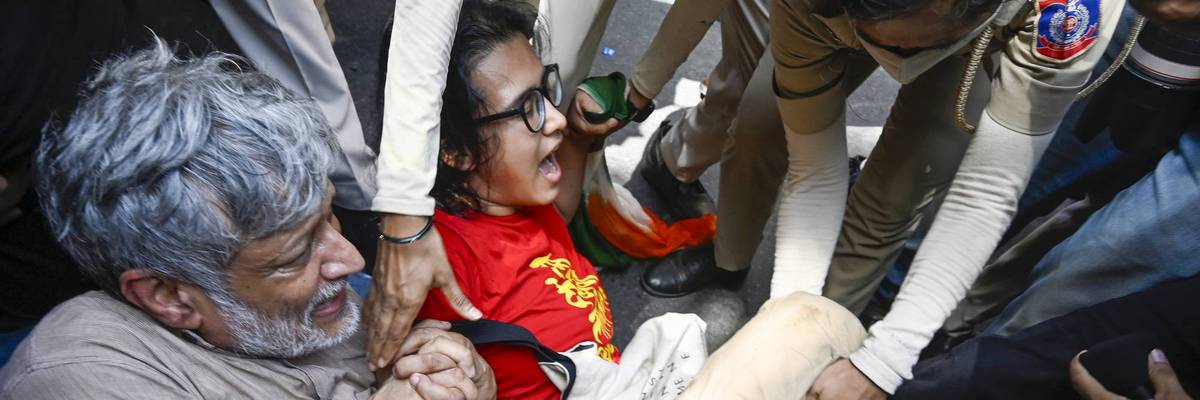
.jpg)
.jpg)


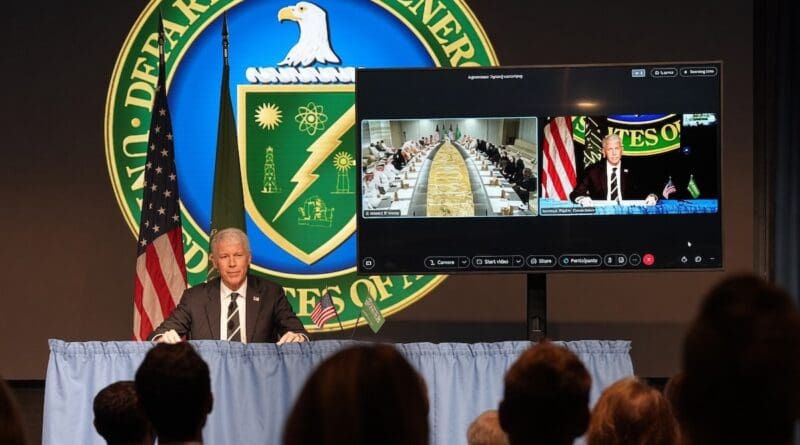

.png)
