Iran war sulphur-shortage will have a world-wide impact
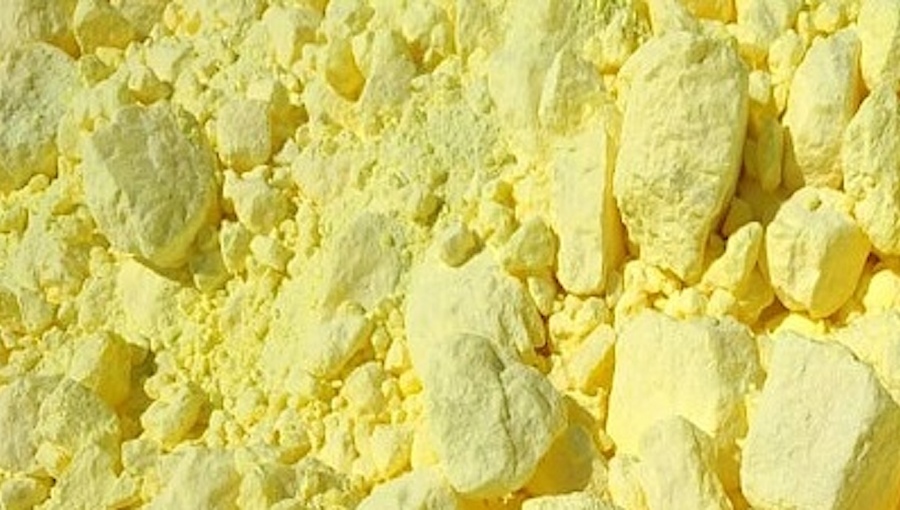
With the focus on the halt in exports of oil and gas from the gulf, another disruption may have even more widespread consequences will start and the gulf was the world's biggest producer of sulphur used to make sulphuric acid – the most widely produced chemical in the world.
Sulfuric acid is critical to fertiliser, metals and semiconductor production. A side-product from refining “sour” oil, the Gulf accounts for a whopping 44% share of global sulphur production, according to the United States Energy Information Administration – almost twice as large as its share of the hydrocarbons business.
As bne IntelliNews reported, the closure of the Straits of Hormuz on March 2 will have a severe knock-on effect on the global fertilizer business and could lead to a drastic drop on crop yields if the war lasts for more than two months.
Oil and gas prices have already sparked sharply but Bloomberg commodities commentator Javier Blas says that we are not in the 2022 energy crisis redux yet until the price rises spread to other commodities. That is now already starting to happen.
Canada, Venezuela alternative supply
Canada and Venezuela also produce sulphur-rich sour crude, meaning they can generate significant volumes of sulphur during the refining process. Canada is already one of the world’s largest sulphur exporters, as oil sands production and sour gas processing in Alberta yield substantial quantities of elemental sulphur that are shipped through Pacific ports to fertiliser producers in Asia.
Venezuela’s heavy crude from the Orinoco Belt is likewise especially heavy and sour, contains high levels of sulphur that can be recovered during refining. However, years of sanctions, declining oil production and deteriorating refining infrastructure have sharply reduced Venezuela’s capacity to produce and export sulphur as a by-product.
Nevertheless, the Gulf remains dominant in the global sulphur market because of the sheer scale of its oil and gas processing industry. Large sour gas projects in Qatar, Saudi Arabia and the UAE generate vast quantities of recovered sulphur that are exported to fertiliser producers across Asia. Analysts say that while Canada could offset part of any supply disruption, the transport constraints and existing trade flows mean it would be difficult to quickly replace volumes lost if refining activity in the Gulf remains curtailed.
Fertiliser pricesn up already
Fertiliser prices have risen sharply over the past week following the closure of the Straits and higher natural gas prices - a key fertiliser feedstock -- raise concerns about disruptions to global supply chains.
Nitrogen fertilisers such as urea and ammonia have seen prices climb by roughly 10–20% in key trading hubs as exporters in the Gulf — including Qatar, Saudi Arabia and the UAE — face uncertainty over shipments. The price of sulphur itself has jumped amid fears that refinery disruptions will limit supply of the key input used to produce phosphate fertilisers. About 60–70% of global sulphuric acid production is used to make fertilisers: phosphoric acid fertilisers from phosphate rock.
The narrow waterway, through which about 20mn barrels of crude oil per day normally pass, about a fifth of the global supply, has been closed for eight days amid escalating regional tensions.
However, an enormous 92% of global sulphur production comes from the processing of oil and natural gas in the Gulf. Any prolonged disruption to refining flows from the Gulf will have a global ripple effect through multiple industrial supply chains ranging from food, energy and tech.
“Everyone thinks this is about oil, but this is about what oil becomes,” said Blas in a commentary.
Sulphuric acid is a key input for extracting metals such as copper and cobalt from ore, both essential for electrification technologies including power grids and electric vehicle batteries. Sulphuric acid is also used in the extraction and refining of nickel, zinc and uranium. All these metals are essential to EV production, power grids and electronics. The acid is also widely used in semiconductor manufacturing and industrial processing.
Sulphuric acid is used as a core industrial reagent in many chemical processes, including detergents, synthetic fibres, plastics, explosives, dyes and pigments and pharmaceuticals.
More generally the halt in LNG will have a knock-on effect on several other industries, pushing up prices and costs as the growing crisis spills outwards. Energy and technology supply chains are under threat.
Ultra-pure sulphuric acid is used in semiconductor wafer cleaning, microchip fabrication and printed circuit board production as well as an electrolyte in lead-acid batteries.
The semiconductor sector will be hit by a double whammy as it remains heavily dependent on Gulf gas to power its fabs. Qatar exports roughly 30% of Taiwan’s liquefied natural gas through Hormuz, according to industry estimates. Taiwan relies heavily on imported LNG for electricity generation, and a prolonged supply interruption could threaten power availability on the island.
Taiwan Semiconductor Manufacturing Company, the world’s largest contract chipmaker, consumes roughly 8.9% of Taiwan’s electricity. Any energy shortfall could therefore have implications for global semiconductor supply, as the company produces about 90% of the world’s most advanced chips.
Food production is also exposed. Roughly one-third of global nitrogen fertiliser feedstock moves through the Strait, linking the waterway to global agricultural output. Synthetic fertilisers, which depend on industrial chemical supply chains including sulphur-based compounds, underpin a large share of modern crop production. Experts warn that if farms are left without fertilisers for more than two months, crop yields could halve this year in some counties.

No comments:
Post a Comment