As the war in Iran escalates, Tehran's shadow banking sector is coming into focus as a possible weakness that could bring the regime down and quickly halt the conflict.
In addition to shadow tankers transporting physical oil to customers around the world, Tehran has built up a shadow banking sector over the last decade in order to get paid.
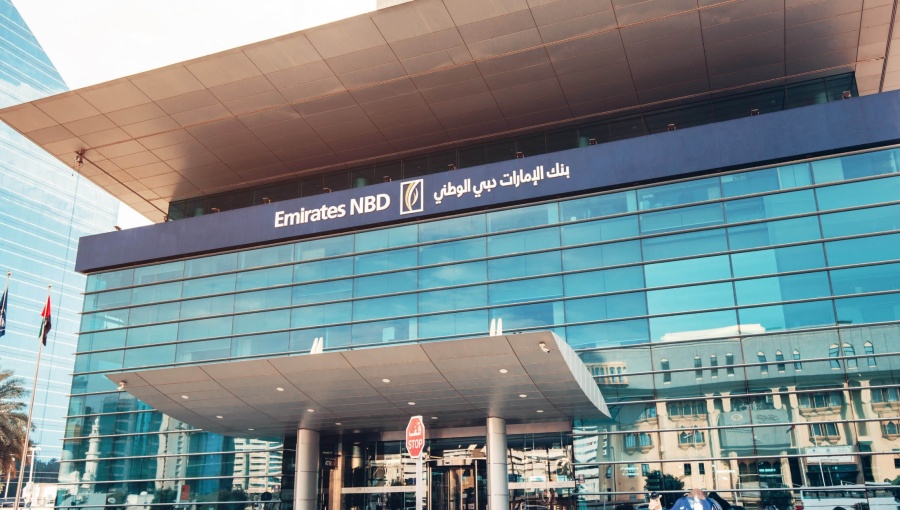
After Iran fired missiles at all of its Gulf Cooperation Council (GCC) neighbors they are increasingly losing patience with the regime. Now the United Arab Emirates (UAE) has threatened to shut down Tehran's bank accounts in the Emirates in retaliation for attacks on its sovereignty. Cut off from banks in the US and the West, Tehran has been heavily dependent on fellow Arab banking systems in order to make transfers and collect payments.
Iran’s reliance on an informal global financial network to bypass sanctions could face a significant challenge if the UAE moves to freeze billions of dollars in Iranian assets held in the country.
Iran has an extensive web of shell companies, front accounts and intermediaries operating in financial hubs such as Dubai, China and Russia, to be able to sell crude — largely to Chinese buyers — and channel the proceeds into global markets.
The funds are then used to finance imports, support allied militias across the Middle East and sustain Iran’s domestic security apparatus despite years of economic restrictions imposed by the US and its allies.
A central node in that network is widely believed to be the UAE, particularly Dubai, where Iranian traders and financial intermediaries have long operated through banks, exchange houses and offshore companies. Much of Iran’s oil revenue is believed to pass through accounts in the Emirates before being redistributed across the broader financial system.
According to a report by The Wall Street Journal, the UAE is now considering freezing billions of dollars in Iranian assets held within its financial system. Such a move would significantly tighten pressure on Tehran by restricting access to foreign currency and complicating its ability to conduct international trade.
Supporters of the measure argue that targeting the money itself — rather than the constantly shifting network of front companies used to move it — would be a more effective way to disrupt Iran’s sanctions-evasion machinery.
“Iran survives sanctions through a clandestine financial system that moves oil money through shell companies and accounts in places like Dubai, China, and Russia,” according to the report. “The regime sells oil, largely to China, and launders the proceeds through this network to buy weapons, fund proxies, and sustain its security apparatus.”
Advocates of stronger financial pressure say the weak point in the system lies in jurisdictions that host large volumes of Iranian funds. “Instead of chasing shell companies in a game of whack-a-mole, freeze the money itself,” the argument goes. “Force the banks holding Iranian funds to choose between access to the US financial system and business with Tehran.” Similar restrictions have been imposed on Russia effectively cutting it off from the use of the dollar.
If implemented, a freeze in the UAE could represent one of the most significant financial blows to Iran since the tightening of US sanctions earlier in the decade. Analysts note that similar measures could theoretically be extended to other jurisdictions where Iranian funds are believed to be held, including Qatar and Luxembourg.
Proponents of the move argue that the funds should not remain untouched while regional tensions escalate. “These funds should not sit idle while Tehran wages war,” the report says. “They should be seized and used to repair the damage the regime has caused.”

No comments:
Post a Comment