Product Tanker Giant Hafnia Launches Plan for Mega-Merger with Torm
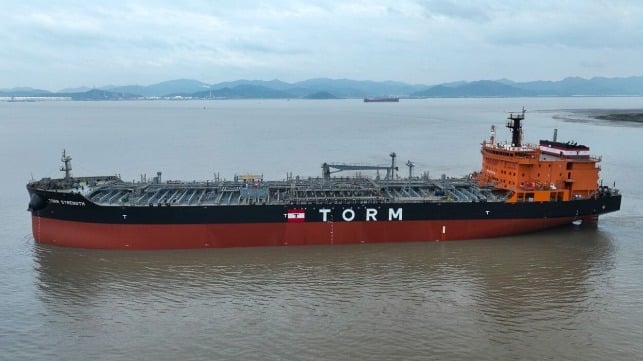
World-leading product tanker company Hafnia has purchased a large block of shares in competitor Torm, and has signaled plans to pursue a mega-merger bringing together two leading fleets in the segment.
In dual statements, the companies said that Hafnia has acquired about 14 percent of Torm's issued share capital from Oaktree Capital Management, drawing on its own working capital and its lines of credit to make the purchase. The share purchase is large enough to give Hafnia consultation rights on the appointment of one representative on Torm's board. The closing conditions required the approval of regulators in Denmark and Brazil, and all conditions were satisfied before the purchase announcement, Hafnia said.
Hafnia says that it "believes consolidation is positive for the tanker industry generally and for the shareholders" of both companies, and it is looking at options for a combination of the two businesses. It plans on discussing possibilities for a merger with Torm's board.
Hafnia is the largest global operator of chemical and product tankers, and it moves crude and various products for blue chip oil majors. The energy shipping conglomerate BW Group holds a 44 percent controlling interest in Hafnia, along with BW's separate divisions for LNG, LPG, specialty gas, dry cargo, offshore wind and FPSO solutions.
Takeover Offers Prompt Debate Over ZIM's National Security Role
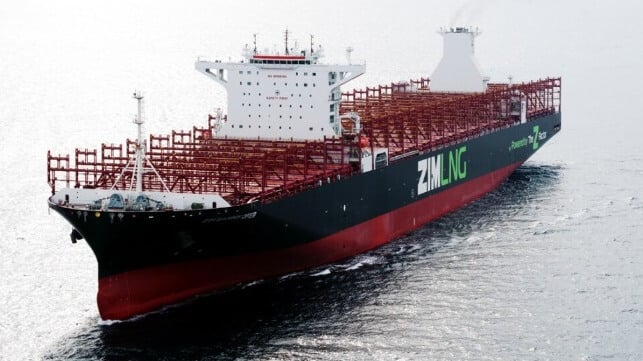
Shares in Israeli container line ZIM soared in value on Tuesday after the company's board said that it is evaluating a possible private buyout. At least one offer has already been declined, but two foreign offers are still under consideration, according to Israeli media.
The buyout competition started last month with an offer from the firm's sitting CEO, Eli Glickman, who proposed to take ZIM private in cooperation with Israeli businessman Rami Unger. ZIM's boardmembers solicited competing offers in order to maximize shareholder value. On Monday, they said that they had decided to reject Glickman's proposal, claiming that the CEO's buyout bid undervalued the company. Glickman remains at the helm of the firm.
Rumored names of other competing bidders have been passed around in the Israeli press. Number-one container carrier MSC is not involved, despite a public mention, the firm told multiple shipping outlets. The two other alternatives named in the Israeli press are Hapag-Lloyd and Maersk.
If one of the proposals is accepted, ZIM would be a unique candidate for a transnational merger, as it has a dual-purpose role. It is a commercial shipping company, but has a longstanding national-defense commitment: it was launched in 1945 in order to transport personnel and supplies to the region that would soon become formally known as Israel, and its logistical capabilities assisted before and after the creation of the Israeli state in 1948. Today, the Israeli government still holds a "golden share" in ZIM to secure national interests in military logistics and global market access. At the outset of the conflict in Gaza, ZIM offered up the entirety of its fleet for the Israeli government's use in order to facilitate imports of munitions and defense cargoes, and it helped keep the Israeli military supplied throughout the operation.
The workers' committee at ZIM told Israeli business outlet Calcalist that the line's employees will go out on strike in protest if the board tries to sell the storied firm to a foreign buyer. Union leaders are lobbying Israeli ministers to exercise the state "golden share" if needed in order to block any potential foreign sale.
"Our struggle is not only against the German Hapag-Lloyd, but against any other foreign company. We will do everything we can to ensure that Zim does not pass into foreign hands, but remains Israeli," committee chairman Oren Caspi told Calcalist.
The leadership of Israel's National Emergency Authority (NEA) also opposes the idea of a foreign sale, according to local logistics outlet Port2Port. The outlet reports that NEA favors action to "keep the control over the company in Israeli hands" and ensure the "continuity of state function." NEA chief Eitan Yitzhak has circulated a memo to this effect among senior Israeli government ministers, Port2Port reports.

No comments:
Post a Comment