EU Fight to ban Russian steel intensifies in Brussels
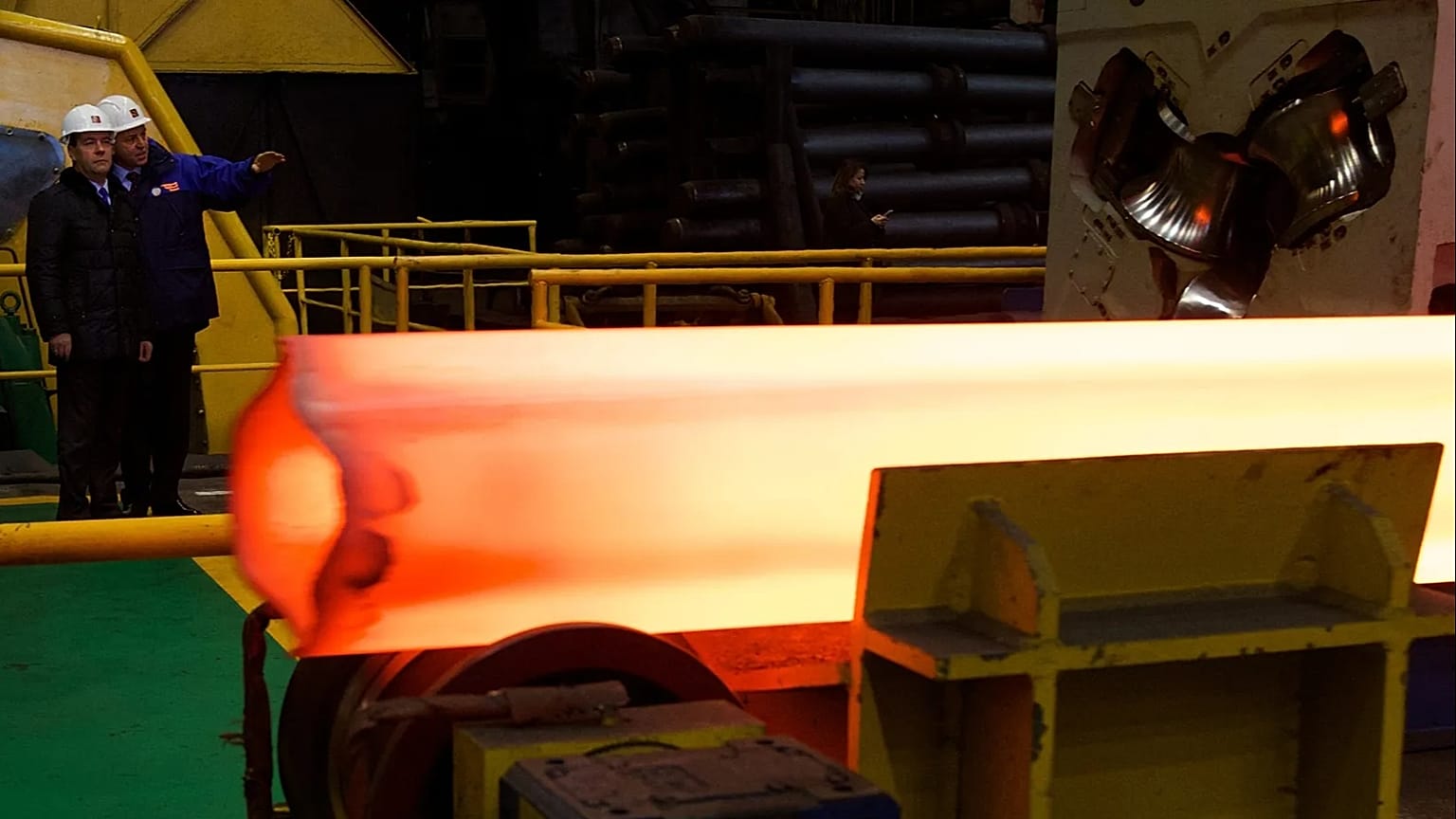
The European Parliament is pushing for a full ban on Russian steel to choke off Moscow’s revenues, but several EU governments still rely on importing it. High-stakes negotiations start next week.
Four years after Russia’s invasion of Ukraine, the European Union is still importing Russian steel – and not everyone is happy about it.
Next week, MEPs and EU member states will begin negotiations on whether to ban Russian steel outright. What began as a sanctions debate has morphed into a high-stakes political fight.
Swedish lawmaker Karin Karlsbro is preparing to take on the EU council, which represents the member states, with Belgium, Italy, the Czech Republic and Denmark all arguing that they still need imports of unfinished steel for major construction projects.
“It is a big provocation that we haven't done everything possible to limit Putin's war chest,” Karlsbro told Euronews. “The Russian steel industry is a backbone of Russian war, it is the Russian war machinery.”
Finished Russian steel was banned in 2022, but semi-finished steel, a key input for further processing, was spared after a number of countries secured an exemption until 2028 to cushion the blow to their industries.
“Unfinished steel can’t be produced anywhere in the EU,” a European diplomat from one of those countries told Euronews, “while it is required for big infrastructures.”
Three million tonnes
Karlsbro says she was astonished to learn that EU imports of Russian steel amount to nearly 3 million tonnes a year, roughly equivalent to Sweden’s entire annual output and worth around €1.7 billion.
For her, the type of steel is beside the point.
“There is absolutely no argument that this is special steel or highly qualified steel with any essential quality. There is simply no additional reason to buy this steel,” she said.
To bypass the unanimity required for the adoption of EU sanctions by the member states, Karlsbro inserted a ban on Russian steel into a separate European Commission proposal aimed at shielding the bloc from global steel overcapacity, as US tariffs divert excess supply toward Europe.
The European Parliament’s trade committee approved the move on 27 January.
The procedural shift is crucial. Unlike sanctions, the trade file requires onlythe support ofa qualified majority of EU countries, potentially sidelining governments that might otherwise veto a full ban.
“The Parliament is playing politics on this,” an industry source familiar with the file told Euronews.
Another diplomat from a country dependent on Russian semi-finished steel said the ban was important for his government, which is why the 2028 deadline has been set – highlighting the dilemma the EU faces as it balances industrial needs with the need to confront the full-scale invasion of Ukraine.
The talks are beginning as the fourth anniversary of Russia’s invasion approaches, and the clock is ticking. By June, the EU must adopt the Commission’s plan to shield its market from a glut of global steel.
One diplomat insisted the two files – banning Russian steel and protecting the EU market from overcapacity – pursue “totally different goals”.
Still, the same diplomat acknowledged the ban could pass, as there are not enough member states pushing to maintain a phase-out only by 2028.

No comments:
Post a Comment