ByteDance says it will add safeguards to AI video tool Seedance 2.0 following Hollywood backlash
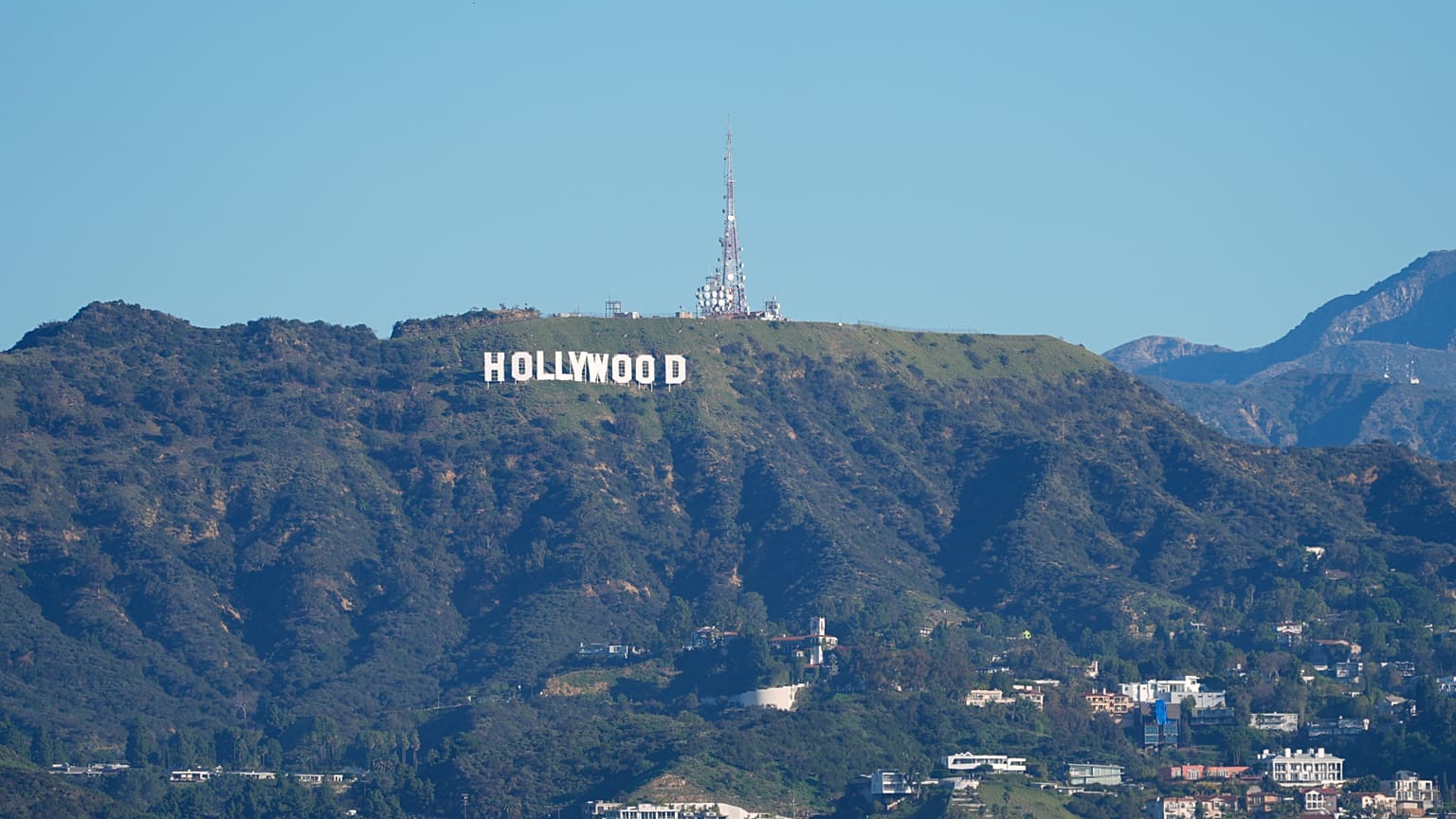
After facing mounting pressure from Hollywood alongside legal threats from Disney, ByteDance moves to tighten safeguards on its AI video app, Seedance 2.0.
Chinese tech firm ByteDance has said it will place restrictions on a controversial AI (artificial intelligence) powered video creation tool, following copyright complaints from major media companies.
Seedance 2.0, the latest model of the AI video generator released on February 12, which is only available in China, went viral and allows users to create realistic images and videos of famous actors and cartoon characters in short text prompts.
One of these images showed Brad Pitt and Tom Cruise in a fight. The AI has been praised by many online for its highly realistic output, compared to already existing models like DeepSeek.
But several Hollywood companies have threatened to take legal action against ByteDance.
OnFebruary 13, Disney sent a cease and desist letter to the company accusing them of training Seedance with a “pirated library” that included famous Disney characters from Star Wars, Marvel and more, according to media reports.
A source told Reuters that the letter claimed Seedance was using and distributing creative works as “public-domain clip art,” violating the copyright and intellectual property of Disney.
Paramount Skydance also sent a cease and desist letter to ByteDance, blaming them for copyright infringement, Variety reported.
“We have heard the concerns regarding Seedance 2.0,” ByteDance said in a statement on Sunday.
“We are taking steps to strengthen current safeguards as we work to prevent the unauthorised use of intellectual property and likeness by users,” it added.
The company did not clarify what measures were being taken.
The BBC reported that ByteDance had previously stated that it had “paused the ability for users to upload images of real people.”
SAG-AFTRA, a US labour union that protects the rights of on-screen actors and artists, voiced its concerns about the “unauthorised use of its members’ voice and likeness.” In a statement, they demanded"responsible AI development” that ceases to exist in the case of ByteDance.
In 2025, Disney also sent a cease and desist letter to Character.ai, which was accused of using their characters without permission. The chatbot service removed all characters that infringed on Disney’s intellectual property following the letter.
Disney and NBC Universal also sued online image generator Midourney in 2025, for the same reason of copyright infringement. Although the case is still ongoing, it shows the strides Disney and other creative companies are willing to take to protect their intellectual property.
However, these companies are also making deals with AI businesses. Disney struck a $1 Billion deal with OpenAI to allow its video generator, Sora AI, to creatively use the likeness of characters such as Mickey Mouse, Cinderella, and Luke Skywalker in a three-year licensing agreement.

No comments:
Post a Comment