Coal Remains King in India While Exports Optimize Domestic Stock

Coal India Limited, the biggest coal producer in the world’s second-biggest coal user, opened this year its online coal supply auctions directly to buyers in Bangladesh, Bhutan, and Nepal, as Indian coal supply has swelled amid weaker-than-expected demand in recent months.
Amid an oversupply of coal and weaker demand, India and its top state coal producer are looking to optimize domestic supply and monetize exports to neighboring countries.
Until 2026, only middlemen could bid in Coal India’s online supply auctions. This has now changed with the new policy.
“In a first, effective January 1, 2026, CIL has permitted coal consumers located in the neighbouring countries like Bangladesh, Bhutan and Nepal, who wish to import coal from India, to directly participate in the Single Window Mode Agnostic (SWMA) auctions conducted by the company,” Coal India said in a statement on Friday, as carried by The Economic Times.
“Opening SWMA e-auctions to foreign buyers reflects CIL's calibrated approach to market expansion while fully safeguarding domestic coal requirements. This step enhances transparency, competition and global market integration,” a senior company official told the publication
Opening the e-auctions directly to buyers sent Coal India’s shares rallying by 7% on the local stock exchange at close on Friday.
Coal-fired power generation and capacity installations in India continue to rise and coal remains a key pillar of India’s electricity mix with about 60% share of total power output.
Despite booming renewable capacity additions, India continues to rely on coal to meet most of its power demand as authorities also look to avoid blackouts in cases of severe heat waves.
Coal will still be a key part of India’s power system for the next two decades, Rajnath Ram, adviser for energy NITI Aayog, said in September.
“We cannot be subjective about coal. The question is how sustainably we can use it,” the official noted.
By Tsvetana Paraskova for Oilprice.com
India’s coal supply glut forces top miner to explore exports
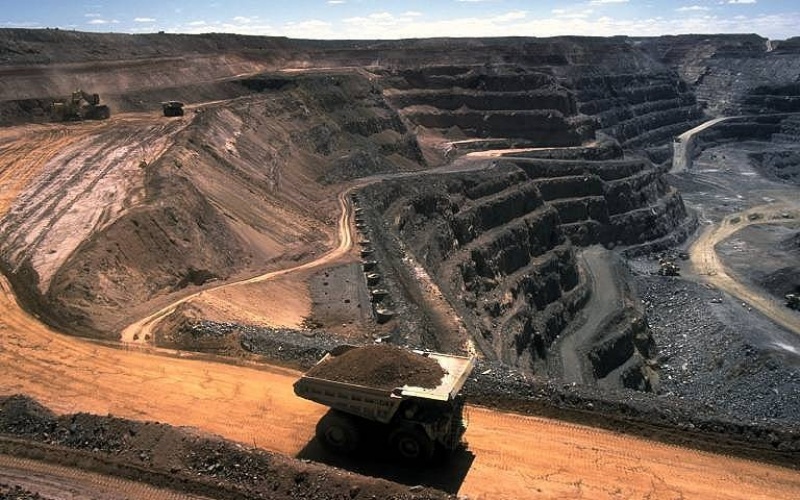
Coal India Ltd. has allowed consumers in neighboring countries like Nepal and Bangladesh to participate in its auctions, the miner’s first strategic push for exports as it looks to ease a deepening glut at home.

The decision came into effect Jan. 1, the state-owned firm said in an emailed statement. Its shares extended gains to as much as 7% in Mumbai following the news, the biggest intraday rise since June 2024.
Coal India has been sitting on bloated inventories of unsold fuel after a milder-than-expected summer subdued demand for electricity last year. It has also seen its sales squeezed by intensifying competition from rival miners as well as growing output from renewables.
Stockpiles at Coal India’s mines rose to a record last year, and have remained close to that level, weighing on the company’s performance. Inventories at power stations, the nation’s biggest coal users, rose 17% last year, enough to last an average 18 days, government data show.
The firm’s latest effort to offload supplies follows the government’s decision last month to allow companies to export half the coal they buy from miners through a new auction system.
Exports can help offset some of the losses that Coal India is making in the local market, according to Rupesh Sankhe, senior vice president for research at Elara Capital India Pvt.
“Based on calorific value, Coal India’s coal will be cheaper than supplies from other nations, such as Indonesia or Australia. That could be a draw for some overseas consumers,” Sankhe said.
High ash content can make Indian coal less competitive in international markets and Coal India’s shipments have faced scrutiny over quality.
“This can work only if Coal India offers the quality that can compete with other seaborne supplies available,” Sankhe said.
Coal India’s production during the nine months through December declined 2.6% from a year earlier, while shipments dropped 2.2%, according to the latest data released by the company.
(By Rajesh Kumar Singh)

No comments:
Post a Comment