Li
Zijin to launch Congo’s first lithium output in June from disputed Manono deposit
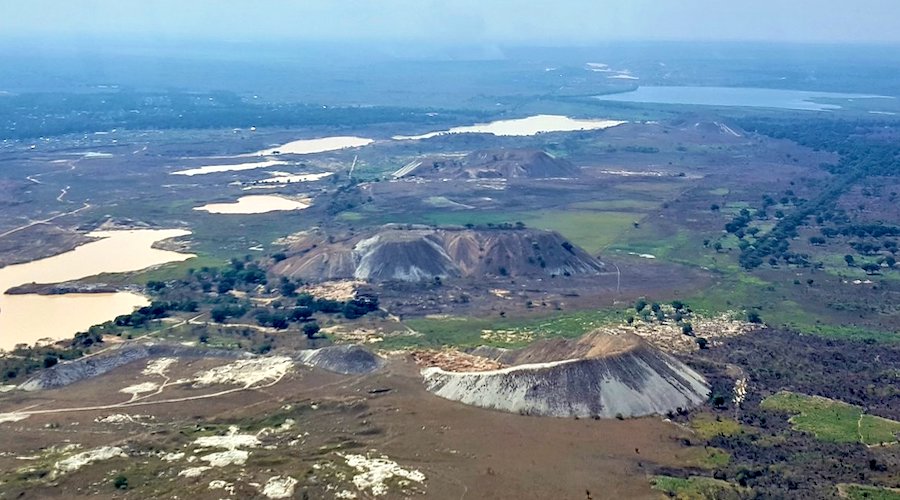
China’s Zijin Mining will initiate Congo’s first lithium output in June from the disputed Manono deposit and move immediately to exports, the company and state miner Cominiere said, marking a major step in Beijing’s push to secure more critical minerals in Africa.

Zijin had previously indicated a first‑quarter 2026 start but told Reuters on Tuesday that June now reflects updated planning.
The Manono resource, one of the world’s largest undeveloped hard‑rock lithium deposits, is at the centre of arbitration after the Democratic Republic of Congo cancelled Australian miner AVZ’s permit.
It reassigned part of the site to Manono Lithium, Zijin’s joint venture with Cominiere. Zijin holds 61%, with Cominiere and the Congolese state owning the remainder.
“Manono Lithium will produce its first tons in June, and exports will begin immediately after,” Cominiere managing director Alpha Monga Mwidia said on the sidelines of the Mining Indaba conference in Cape Town.
AVZ declined to comment. A source close to the company said they had been informed blasting took place at the site this week near an area where AVZ still keeps staff, calling it a safety and procedural concern.
Zijin declined to disclose production volumes or first‑year export targets. Mwidia said figures were not readily available.
The launch comes as lithium prices remain under pressure after an 86% collapse from late‑2022 peaks, driven by China’s stockpiling and rising domestic output.
The US has been seeking to redirect Congolese supply toward Western markets through short‑term contracting, challenging Beijing’s longstanding dominance in Africa.
Under the joint venture, all first‑phase output will be sold by Zijin, including Cominiere’s share.
“Everything will be marketed or sold by Zijin on our behalf,” Mwidia said, adding Cominiere did not contribute to the roughly $1 billion project financing but will receive revenue according to its stake.
Mwidia and Zijin said AVZ’s arbitration does not affect schedules and operations remain compliant with existing law.
By contrast, US-backed KoBold Metals, which holds rights on the opposite side of the deposit, told Reuters it will not begin construction until ownership issues are resolved.
“The Western system is different from the Eastern one,” Mwidia said. “The Chinese are more pragmatic.”
Cominiere is supplying 44 megawatts of power to the project through its unit Katamba Mining and plans to scale capacity to 120 MW for the mining sector and host communities
(By Maxwell Akalaare Adombila; Editing by Veronica Brown and Chris Reese)
Albemarle to idle Kemerton lithium hydroxide processing plant in Western Australia
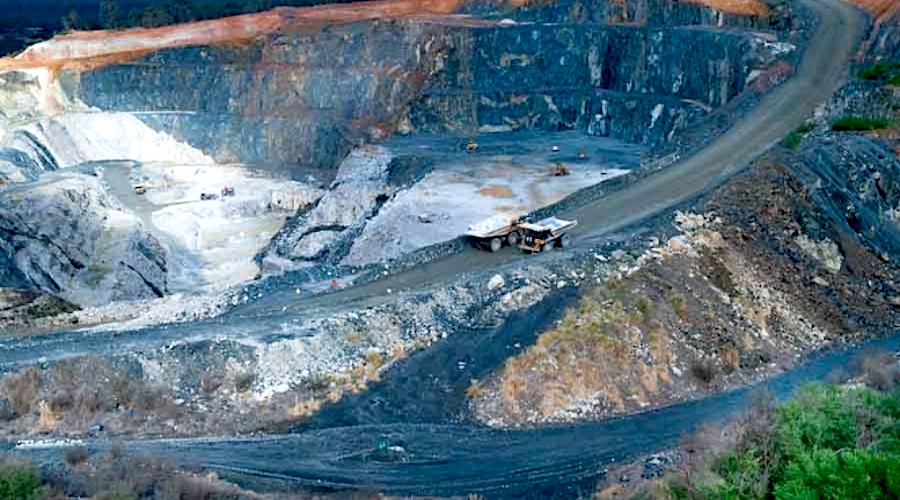
Albemarle Corporation (NYSE: ALB) the world’s largest lithium producer, announced Wednesday it will idle the remaining operating train at its Kemerton lithium hydroxide processing plant in Western Australia and place it into care and maintenance effective immediately.
The news follows actions in 2024 to place Train 2 into care and maintenance and to cease expansion plans for Trains 3 and 4.
The Kemerton plant processes spodumene from Greenbushes, the world’s biggest hardrock lithium mine. Albemarle holds ownership interest and half of the offtake rights from Greenbushes through an Australian joint venture.
Kemerton, with its proven technology and commercial scale lithium hydroxide production, was built to enable the development of a Western lithium supply chain.
“Idling operations at Kemerton was a difficult decision. It follows significant actions we have taken over the past two and a half years to reduce operating costs during an extended period of price volatility in the market,” Albemarle CEO Kent Masters said in a news release.
“Unfortunately, recent lithium price improvements alone are not enough to offset the challenges facing Western hard-rock lithium conversion operations,” Masters said. “This decision improves our financial flexibility and preserves optionality.”
The decision is expected to be accretive to adjusted EBITDA beginning in the second quarter of 2026 with no impact to projected 2026 volumes, Albemarle said, adding that it will meet customer demand for lithium hydroxide through other production channels.
Albemarle’s mining interests in Australia, including its holdings in Greenbushes and Wodgina and its exploration interests in Western Australia, are not impacted by the Kemerton decision as they remain core components of the company’s strategy, it said.
Albemarle swings to quarterly loss on charges tied to Ketjen sale
Albemarle, the world’s largest producer of lithium, posted a larger-than-expected quarterly loss on Wednesday and said it would idle a major Australian processing plant as it continues to face weak prices for the battery metal.
Shares of the Charlotte, North Carolina-based company fell 3.1% in after-hours trading.
Lithium prices plunged more than 90% over the past two years due in part to oversupply from China, fueling layoffs, corporate buyouts and project delays at Albemarle and peers. While prices have climbed in recent months, they still remain far below all-time highs reached in 2023.
Albemarle said it would idle the last active processing unit, or train, at its Kemerton processing plant in Western Australia after closing another train at the site last year. The company also canceled plans to add two new trains.
“Unfortunately, recent lithium price improvements alone are not enough to offset the challenges facing Western hard-rock lithium conversion operations,” CEO Kent Masters said in a statement.
The Kemerton site processed spodumene, a type of hard rock containing lithium, from the Greenbushes mine, the world’s largest lithium mine and one Albemarle co-owns with China’s Tianqi Lithium.
For the quarter ended December 31, Albemarle posted a net loss of $455.9 million, or $3.87 per share, compared to a net profit of $33.6 million, or 29 cents per share, in the year-ago quarter.
Excluding one-time items, such as charges tied to the upcoming sale of its Ketjen refining catalyst business, Albemarle lost 53 cents per share.
By that measure, analysts expected a loss of 41 cents per share, according to IBES data from LSEG.
While prices remained weak, Albemarle reported a 23% jump in the sales of lithium products.
The company has scheduled a Thursday morning conference call to discuss the quarterly results.
(By Ernest Scheyder; Editing by Chris Reese and Sonali Paul)
France to invest 50M euros for stake in Imerys lithium project
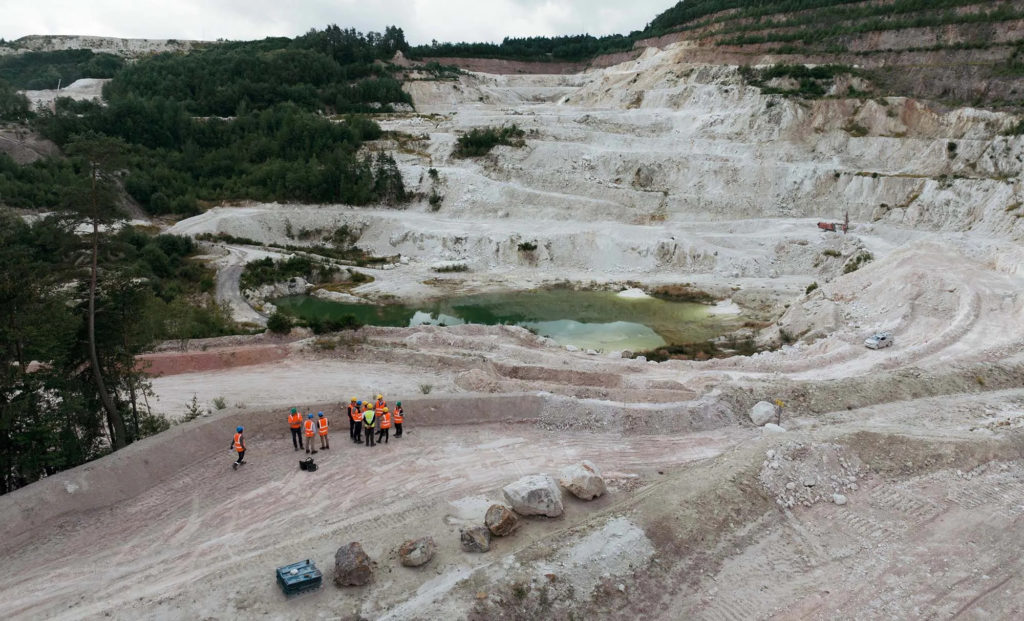
France will invest 50 million euros ($59.61 million) in a minority stake in Imerys’ lithium mine project, and could be joined by other investors in the country’s flagship project for the battery metal, Imerys said.
The minerals group first announced the Emili project in 2022, with the aim of producing 34,000 tonnes annually of lithium hydroxide that could cover the lithium requirements for some 700,000 electric vehicles annually.
The French state’s investment will help cover feasibility studies before a final investment decision on the mine, currently projected to enter production in 2030, Imerys said on Wednesday.
The company expects to bring in more investors to finance the lithium project, CEO Alessandro Dazza told reporters.
It would not necessarily maintain a majority stake but would see itself as the logical choice to operate the future site, he said.
Project cost raised
Imerys increased its forecast of the total cost of the project to 1.8 billion euros from 1 billion initially, though Dazza said he expected the final amount to be “significantly” below the current estimate.
The Emili project involves developing an underground mine beneath an existing kaolin mine in central France, along with a processing facility.
Imerys had said in late October that it was in exclusive talks with a potential investor to sell a minority stake in the project.
The timeline for the start of production was pushed back last year to 2030 from 2028, partly due to public debate over the project’s environmental impact.
($1 = 0.8389 euros)
(By Gus Trompiz; Editing by Sudip Kar-Gupta and Bernadette Baum)

No comments:
Post a Comment