Showing posts sorted by date for query ALBINISM. Sort by relevance Show all posts

Thursday, September 25, 2025


Diversity of skin and hair color in humans is controlled by the levels at which a major albinism gene, OCA2, undergoes exon skipping – according to new research


PLOS

Diversity of skin and hair color in humans is controlled by the levels at which a major albinism gene, OCA2, undergoes exon skipping – according to new research 

image: 

Five human hands on brown surface.

view more 

Credit: Clay Banks, Unsplash (CC0, https://creativecommons.org/publicdomain/zero/1.0/)


In your coverage, please use this URL to provide access to the freely available paper in PLOS Geneticshttps://plos.io/3If3j5v

Article title: From paleness to albinism: Contribution of OCA2 exon 10 skipping to hypopigmentation

Author countries: France, United Kingdom

Funding: Genespoir, the French albinism association to SJ; the French National Research Agency / Agence Nationale de la Recherche (ANR-21-CE17-0041-01 to BA); the Wellcome Trust (224643/Z/21/Z to P.I.S.); the UK National Institute for Health Research (NIHR) Clinical Lecturer Programme (CL-2017-06-001 to P.I.S.); the NIHR Manchester Biomedical Research Centre (NIHR 203308 to P.I.S.). The funders had no role in study design, data collection and analysis, decision to publish, or preparation of the manuscript.

Monday, June 30, 2025


Legislation not the ‘silver bullet’ in fight against barbaric practices


Every year thousands of people globally are wrongly accused of witchcraft, often with fatal consequences yet, says new research, legislation designed to stamp out the barbaric practices is rarely used.


Lancaster University

Pebble Pickers 

image: 

These women are alleged witches and live in the Northern Region of Ghana. They are picking pebbles and sieving dust mixed with maize, soya bean and other grains gathered from the floor of the town market to clean and make food for themselves and their families living in a witch camp. Witch camps are protected villages where women who have been accused of being witches flee to for their own safety, but where they can become trapped.
 

view more 

Credit: Rural Women & Youth Empowerment for Development Agency - RUWYEDA


Every year thousands of people globally are wrongly accused of witchcraft, often with fatal consequences yet, says new research, legislation designed to stamp out the barbaric practices is rarely used.

Co-authored by researchers from Lancaster University and the Australian National University, the global review found 15 countries had legislation addressing witchcraft in place. Available data from 12 of those countries revealed only nine countries had used the law to prosecute cases.

The study also found a global trend for countries to criminalise witchcraft practices actually sent out ‘confusing messages’ in the fight to rid the world of the accusations of witchcraft which so often leave weak and vulnerable marginalised groups, including widowed and divorced women, children and those living with disabilities and albinism, at risk of torture, mutilation, banishment and death.

Harmful practices related to accusations of witchcraft and ritual attacks are a form of extreme human rights abuse occurring across many parts of the world today

The report, ‘Legislative Approaches to Addressing Harmful Practices Related To Witchcraft Accusations and Ritual Attacks: A Global Review’, is launched this evening (June 30) at Doughty Street Chambers in London.

In 2021 the UN Human Rights Council passed Resolution 47/8 to explicitly target the elimination of harmful practices related to accusations of witchcraft and ritual attacks.

As a result, some countries reviewed their legislative frameworks and introduced new laws aimed at prosecuting and preventing such harmful practices. In some countries, that included repealing older, often colonial-era, laws deemed no longer fit for purpose.

The new research examines where, how and to what extent new legislation is being used.

On a positive note, the study found:

  • Fifteen countries have enacted specific legislation to address harmful practices related to accusations of witchcraft and ritual attacks.
  • Many countries are using general criminal laws to prosecute harmful practices related to witchcraft accusations and ritual attacks.
  • Some countries have enacted legislation designed to prevent the activities of individuals who create fear around witchcraft, such as diviners, or who exploit people’s belief in witchcraft for financial gain, such as so-called ‘witch doctors’.

On a negative note:

  • In general, the specific legislation has not been widely used in practice to prosecute harmful practices related to witchcraft accusations and ritual attacks. This, says the report, suggests that enactment of legislation alone is not sufficient to address the problem.
  • Courts (and the justice system and media) often do not reference belief in witchcraft as a feature of the case, as they are subsumed under general categories such as ‘murder’, making tracking of cases difficult.
  • Some countries problematically continue to treat belief in witchcraft as a mitigating factor in relation to the commission of criminal offences.

And, adds the report, rather than addressing the violence and social dynamics behind harmful practices related to accusations of witchcraft and ritual attacks, some countries are actively doing the opposite and prosecuting alleged witches through state courts.

This report makes clear that the enactment of legislation and use of the criminal law can be a critical component in the fight against human rights abuses flowing from harmful practices related to accusations of witchcraft and ritual attacks.

“However, legislation is not the silver bullet many hope for,” says the report. “Enacting new laws, or repealing outdated or harmful ones, is not, on its own, sufficient to bring about changes in attitudes and everyday practices.”

The report advocates the development of comprehensive, victim-centric, and rights-based legal frameworks and implementation packages specifically targeting harmful practices related to accusations of witchcraft and ritual attacks.

These reforms, says the report, should include stringent punishment (excluding the death penalty), provision for rehabilitation, judicial and police training, measures for ensuring the accountability of police and local officials, and proactive educational initiatives at the community level.

“Achieving this will require both strong political commitment and adequate resourcing. Without these complementary efforts, legislation alone is unlikely to deter violence or offer real protection to those at risk, and the current cycle of impunity around witchcraft-belief related harm will likely persist.”

Charlotte Baker, a Professor of French and Critical Disability Studies at Lancaster University’s new School of Global Affairs and who co-authored the report and a key campaigner in the bid to get the UN Resolution passed, said: “Our report underlines the important role of legislation and criminal law in combatting human rights abuses linked to witchcraft accusations and ritual attacks.

“However, our research also shows that laws alone are not enough to change attitudes and behaviours, and so we call for a comprehensive, victim-focused legal framework to tackle this violence, which often affects the most vulnerable members of our societies.”

Hosts and speakers at the launch: International human rights barrister Kirsty Brimelow KC, UN Independent Expert on Albinism Muluka-Anne Miti-Drummond, Professor Charlotte Baker, Lancaster University and Mardoche Yembi, a survivor of witchcraft accusation. Guests will include: representatives from the United Nations Human Rights Council, barristers, members of the House of Lords, MPs, APPGs, policing bodies, NGOs, charities and academics.


Kirsty Brimelow, Charlotte Baker and the former UN Independent Expert on Albinism Ikponwosa Ero were key members of the small group who successfully took the Resolution to the UN in Geneva.

Report Authors:

Miranda Forsyth is a Director of the International Network Against Witchcraft Accusations and Ritual Attacks and a professor in the School of Regulation and Global Governance at the Australian National University. Biobele Danagogo is a Research Assistant for the International Network Against Witchcraft Accusations and Ritual Attacks and a PhD student in the School of Law at Lancaster University. Charlotte Baker is a Director of the International Network Against Witchcraft Accusations and Ritual Attacks and a professor in the School of Global Affairs at Lancaster University.

Friday, June 14, 2024

Reported birth of rare white buffalo calf in Yellowstone park fulfills Lakota prophecy

Amy Beth Hanson
Thu, June 13, 2024 


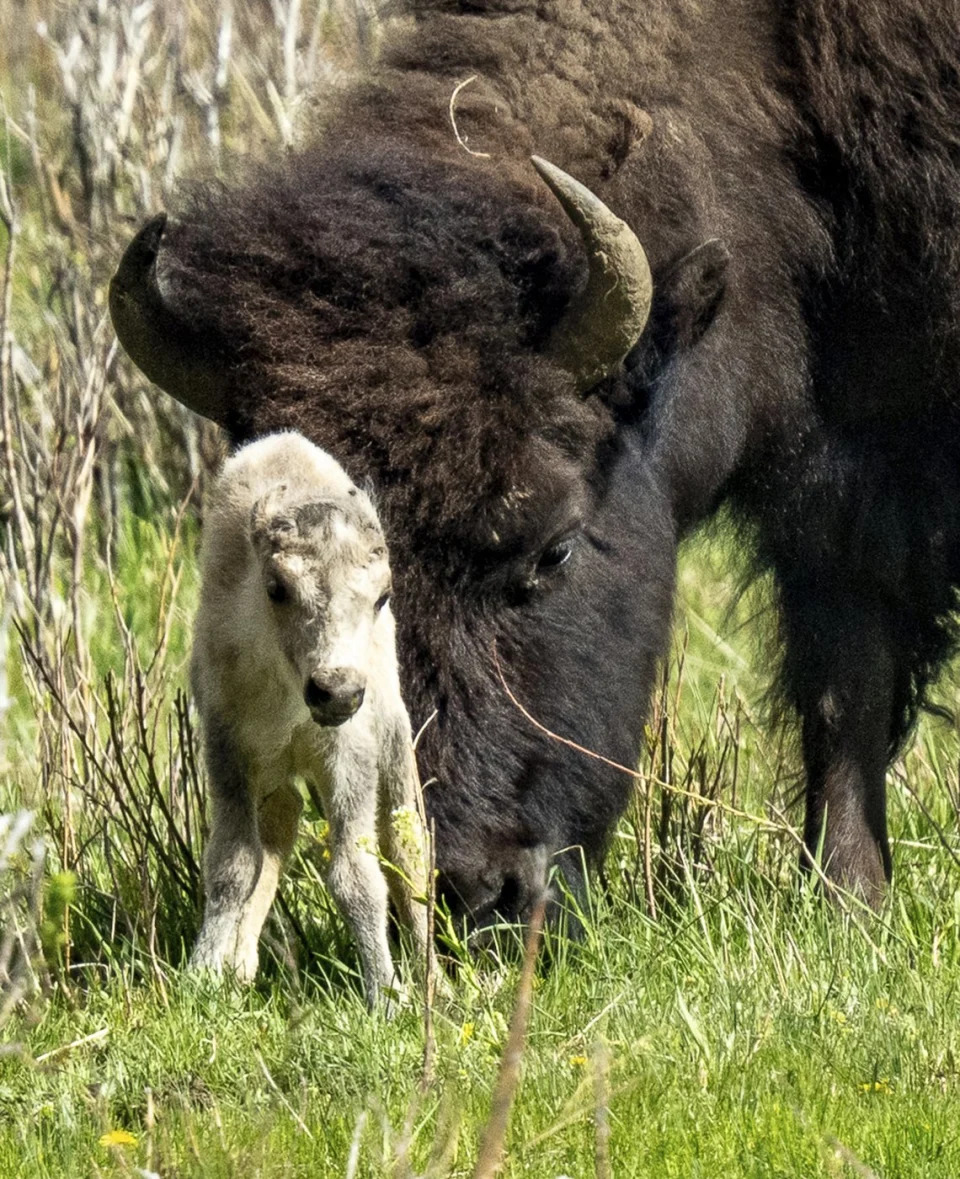
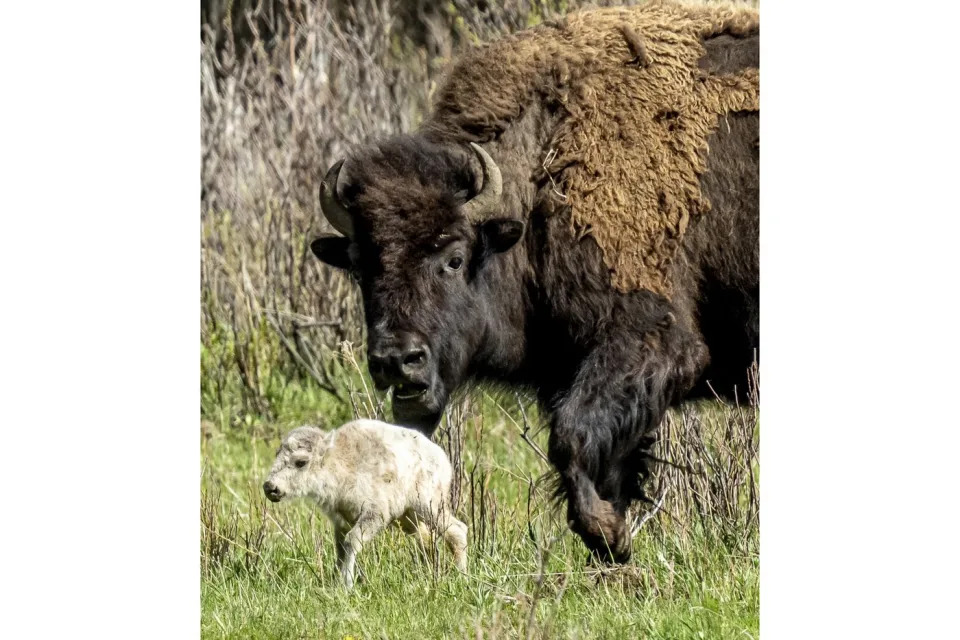
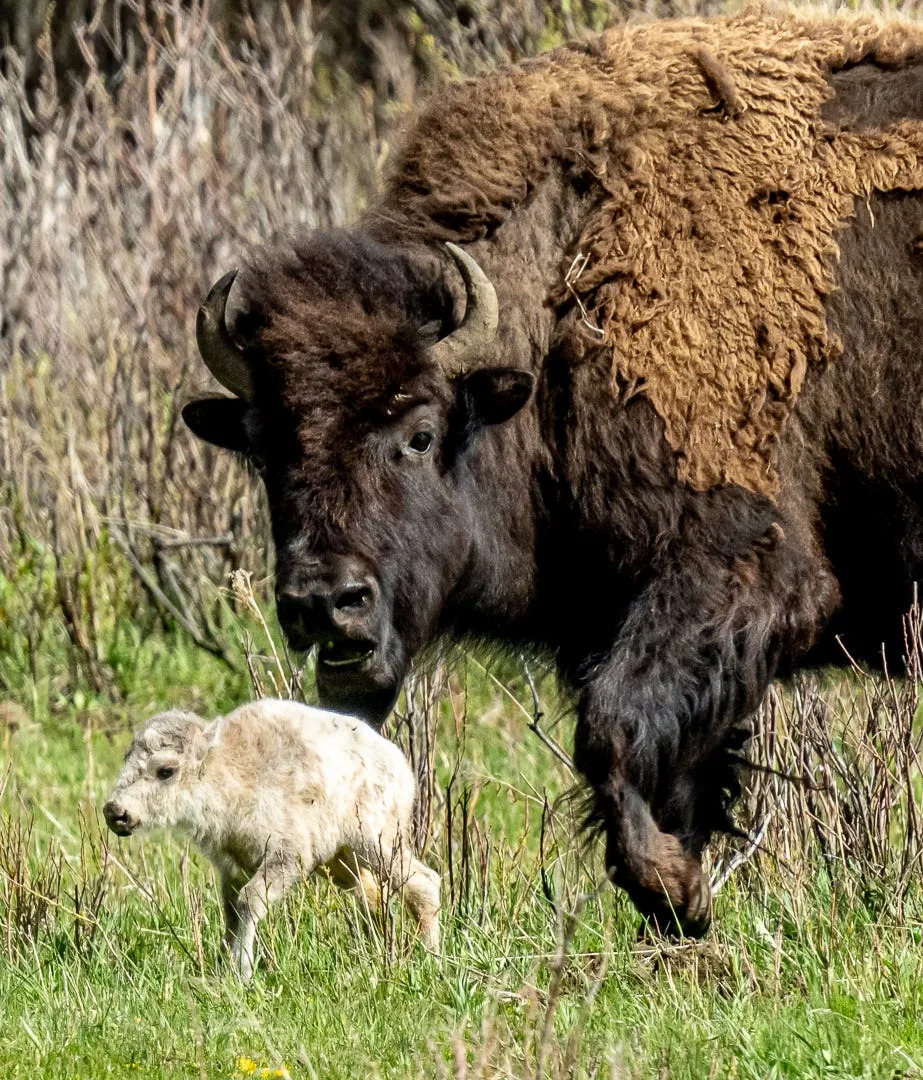
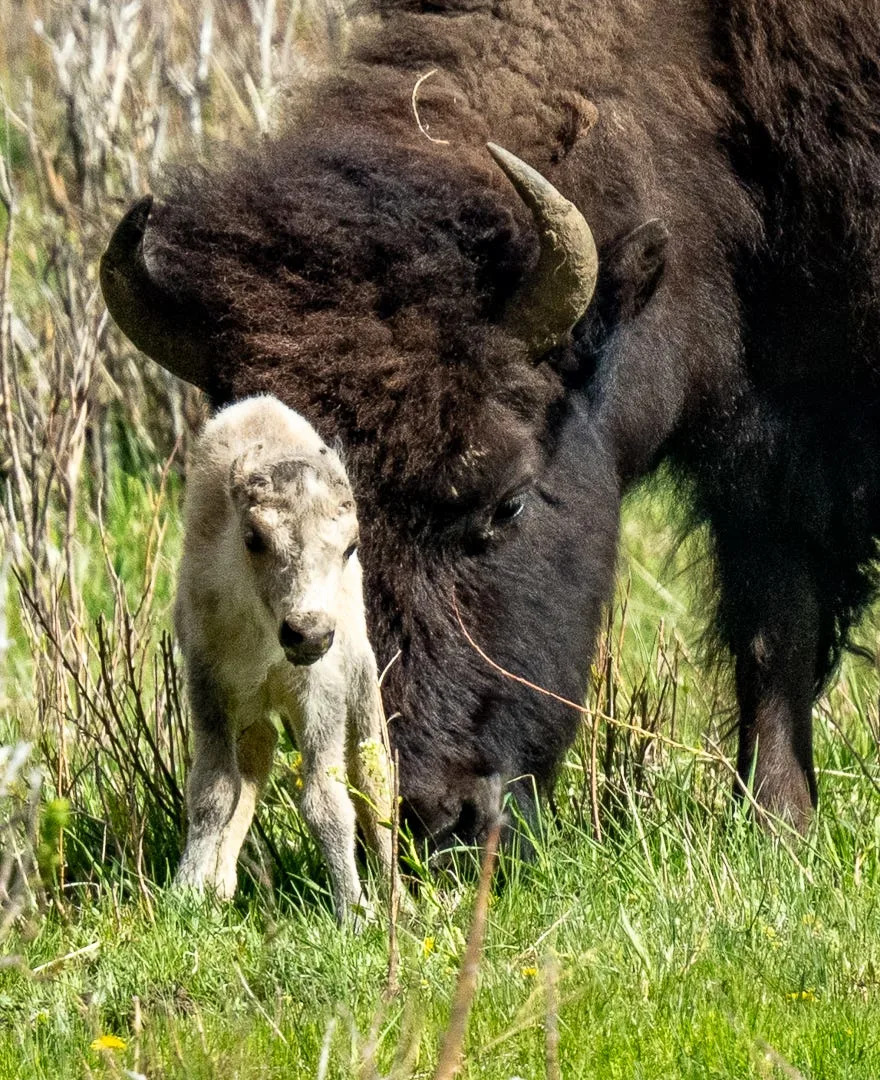
HELENA, Mont. (AP) — The reported birth of a rare white buffalo in Yellowstone National Park fulfills a Lakota prophecy that portends better times, according to members of the American Indian tribe who cautioned that it’s also a signal that more must be done to protect the earth and its animals.

“The birth of this calf is both a blessing and warning. We must do more,” said Chief Arvol Looking Horse, the spiritual leader of the Lakota, Dakota and the Nakota Oyate in South Dakota, and the 19th keeper of the sacred White Buffalo Calf Woman Pipe and Bundle.

The birth of the sacred calf comes as after a severe winter in 2023 drove thousands of Yellowstone buffalo, also known as bison, to lower elevations. More than 1,500 were killed, sent to slaughter or transferred to tribes seeking to reclaim stewardship over an animal their ancestors lived alongside for millennia.


Erin Braaten of Kalispell took several photos of the calf shortly after it was born on June 4 in the Lamar Valley in the northeastern corner of the park.

Her family was visiting the park when she spotted “something really white” among a herd of bison across the Lamar River.

Traffic ended up stopping while bison crossed the road, so Braaten stuck her camera out the window to take a closer look with her telephoto lens.

“I look and it's this white bison calf. And I was just totally, totally floored,” she said.

After the bison cleared the roadway, the Braatens turned their vehicle around and found a spot to park. They watched the calf and its mother for 30 to 45 minutes.

“And then she kind of led it through the willows there,” Braaten said. Although Braaten came back each of the next two days, she didn't see the white calf again.

For the Lakota, the birth of a white buffalo calf with a black nose, eyes and hooves is akin to the second coming of Jesus Christ, Looking Horse said.

Lakota legend says about 2,000 years ago — when nothing was good, food was running out and bison were disappearing — White Buffalo Calf Woman appeared, presented a bowl pipe and a bundle to a tribal member, taught them how to pray and said that the pipe could be used to bring buffalo to the area for food. As she left, she turned into a white buffalo calf.

“And some day when the times are hard again,” Looking Horse said in relating the legend, “I shall return and stand upon the earth as a white buffalo calf, black nose, black eyes, black hooves.”

A similar white buffalo calf was born in Wisconsin in 1994 and was named Miracle, he said.

Troy Heinert, the executive director of the South Dakota-based InterTribal Buffalo Council, said the calf in Braaten's photos looks like a true white buffalo because it has a black nose, black hooves and dark eyes.

“From the pictures I've seen, that calf seems to have those traits,” said Heinert, who is Lakota. An albino buffalo would have pink eyes.

A naming ceremony has been held for the Yellowstone calf, Looking Horse said, though he declined to reveal the name. A ceremony celebrating the calf's birth is set for June 26 at the Buffalo Field Campaign headquarters in West Yellowstone.

Other tribes also revere white buffalo.

“Many tribes have their own story of why the white buffalo is so important,” Heinert said. “All stories go back to them being very sacred.”

Heinert and several members of the Buffalo Field Campaign say they've never heard of a white buffalo being born in Yellowstone, which has wild herds. Park officials had not seen the buffalo yet and could not confirm its birth in the park, and they have no record of a white buffalo being born in the park previously.

Jim Matheson, executive director of the National Bison Association, could not quantify how rare the calf is.

“To my knowledge, no one’s ever tracked the occurrence of white buffalo being born throughout history. So I’m not sure how we can make a determination how often it occurs.”

Besides herds of the animals on public lands or overseen by conservation groups, about 80 tribes across the U.S. have more than 20,000 bison, a figure that’s been growing in recent years.

In Yellowstone and the surrounding area, the killing or removal of large numbers of bison happens almost every winter, under an agreement between federal and Montana agencies that has limited the size of the park’s herds to about 5,000 animals. Yellowstone officials last week proposed a slightly larger population of up to 6,000 bison, with a final decision expected next month.

But ranchers in Montana have long opposed increasing the Yellowstone herds or transferring the animals to tribes. Republican Gov. Greg Gianforte has said he would not support any management plan with a population target greater than 3,000 Yellowstone bison.

Heinert sees the calf's birth as a reminder “that we need to live in a good way and treat others with respect.”

“I hope that calf is safe and gonna live its best life in Yellowstone National Park, exactly where it was designed to be,” Heinert said.

___

Associated Press reporter Matthew Brown contributed to this story from Billings, Mont.

Amy Beth Hanson, The Associated Press

Photographer shares 'magical' photos of rare white bison calf at Yellowstone

Julia Gomez and Saleen Martin, USA TODAY
Wed, June 12, 2024 at 11:15 a.m. MDT·4 min read


A rare white bison spotted in Yellowstone National Park has social media users in awe.

Erin Braaten, an outdoor photographer from Kalispell, Montana, captured the animal on camera.

“It was pretty amazing,” she told USA TODAY on Tuesday, adding that she initially thought it was a coyote or something else. “It just seemed really odd for it to be there and we got stuck in traffic. And so I took my camera out and looked back and saw that it was actually a white bison calf that had just been born.”


A rare white bison spotted in Yellowstone National Park.

Her family was about 100 yards away from the bison. It was across a river that was flowing pretty quickly.

“They were able to experience it too,” she said. “It was just kind of a very neat, magical time for us all to see this.”

Braaten said she was equipped with her own camera that day since she was in Yellowstone. She usually keeps it on her when she’s in the area because she never knows what she’s going to see. She has even seen lots of bears in the area.

She said she sees cows in the area often, as well as bison. This is the first time she has seen a white bison though.


A rare white bison spotted in Yellowstone National Park.
White bison born in Wyoming last spring

The bison isn’t the first making headlines as of late.

Last spring, a white bison was born at Bear River State Park in Evanston, Wyoming.

Calling the new addition a “little white ball of fluff,” the white calf was born with four reddish-brown colored bison calves. The white bison calf is the first born in the 32-year-old park’s history.
How do the rare bison get their white color?

White bison appear the way they do typically because of albinism and leucism, conditions that can cause an animal to have white fur, hair, skin or feathers, according to the Alaska Department of Fish and Game. The conditions are caused by a lack of cellular pigments.

Leucism can cause the entire animal to appear white, or just patches. Albino animals typically have pink eyes while leucistic animals don’t.

White bison are typically albino, leucistic, meaning they have white fur with blue eyes, or beefalo, a bison-cattle crossbreed.

Native Americans consider white bison to be sacred, according to African Safari Wildlife Park. In fact, one social media user on Instagram came across the photographer’s post about the white bison and chimed in. "Thank you for these photos,” the Instagram user wrote. “You cannot imagine the meaning for us Lakota as a people.”

White bison are so rare that it’s estimated there are only one out of every 10 million bison births, according to the African Safari Wildlife Park.

The animals can weigh anywhere from 701 pounds to 2,200 pounds and they can measure 5-to-6 feet. White bison can live for 15 years in the wild or even 25 years in captivity, the safari park said on its website.
Photographer got to witness rare bison with her family

Braaten, who captured a photo of the most recent white bison calf in Yellowstone National Park, is a mother of eight children ranging from ages 16 to 30. She had three of her youngest children with her that day.

Her family had been camping for a week and each day, they went to different sections of the park. They were in Lamar Valley, where people often see wolves and different animals. They spotted the white bison on their first day.

She said she’s a little surprised to see the reaction her photos have received.

They live close to Glacier National Park and she first got into photography taking family photos and photos of her family’s farm.

“I started doing landscapes and then wildlife,” she said. “People just enjoy them and so it has just kind of grown … It’s great therapy.”

Keep up with Braaten’s photography at www.facebook.com/DancingAspensPhotography and www.instagram.com/dancing_aspens_photo.

Contributing: Camille Fine

Saleen Martin is a reporter on USA TODAY's NOW team. She is from Norfolk, Virginia – the 757. Follow her on Twitter at @SaleenMartin or email her at sdmartin@usatoday.com.

This article originally appeared on USA TODAY: White bison calf spotted at Yellowstone: See photos

Saturday, May 25, 2024


Tragedy of albinos in Tanzania

EBRU ERKE
25/5/24
Tragedy of albinos in Tanzania


Spell-casting is fairly common in Tanzania, which has the highest percentage of albino population in the world. There are many who cast spells using an albino's limb or skin in the hopes of rising to a prominent position or reaping a handsome profit.

Tanzania has the highest percentage of albino population in the world. In this country, being an albino means that you will never be able to lead a normal life. Their limbs are amputated and used in spells, they often avoid schooling due to abduction fears, and they cannot work outdoors to avoid skin cancer resulting from exposure to the scorching sun. Thankfully, Tanzania's President Samia Suluhu Hassan has been working hard to protect albinos in recent years. There is also a Turkish woman, YeÅŸim Meço, who has her hands on the problem, most probably making her the only white woman in the world dedicating herself to the cause of albinos.

"I was sleeping when five people entered my room in the dead of night. Two of them pinned me down, while the other three stood guard at the door to keep anyone from approaching me. I don't recall what happened next. When I woke up, I found my sister crying beside me. I felt wetness on my right side and, trying to reach for the lamp, I realized my right arm was missing. That's when I began to scream in agony and fear," 25-year-old Kulva said as she recounted her harrowing experience.

Kulva was only 13 years old when this tragic incident happened.


Kulva is not alone. In Tanzania, there are hundreds, possibly thousands, who have suffered similar fates, having a hand, arm, or leg amputated. Kulva is fortunate to have survived. This atrocity is being done in order to provide material for casting spells. Yes, you heard correctly; there are many who cast spells using an albino's limb or skin in the hopes of rising to a prominent position or reaping a handsome profit.

Spell-casting is fairly common in this country. Every neighborhood has a spell caster. People go to someone they refer to as "Magic Doctors" and ask them to prepare mixtures that are claimed to be a remedy for their problems. These spells involve a variety of plants, spices, oil and even animal limbs, depending on how hard the desired thing is to obtain. They substitute albino limbs for animal limbs when it is hard to achieve the intended results. A person with AIDS may hold the perverse delusion that raping an albino will cure his sickness.

In Tanzania, being born an albino indicates you are cursed from birth. When a black woman gives birth to a white child, she has difficulty accepting it. There are even tales that women drown their newborns shortly after birth. However, this is a genetic condition that can be passed down as far as seven generations. However, just a few people acknowledge this. Fortunately, in recent years, schools have been raising awareness by teaching children that this is a genetic disease.

Kulva was born in the Shiningaya region's Mbezi hamlet in the Kahama district, where these ideas are most strongly adopted. She had been ostracized since childhood, but the situation worsened when her arm was amputated, leading her family to belittle her further. With a heavy heart, she said that when everyone else goes to school or works in the fields, she stays at home, takes care of her family and cleans home as much as she can, but she still feels like she is of no help to anyone. As her family did not welcome us, she came to Mwanza accompanied by the chief person taking care of albinos in her region. Though it pains her to admit it, rumors have it that it was Kulva's family who sold her arm.

Unfortunately, Shingaya, three hours away from Mwanza, is the place where these incredible beliefs are most prevalent. In 2008, when the bodies of 70 albino children who had been skinned or whose hands had been cut off were found in a month, the government took action. They built albino camps with different capacities in different locations, took albino children from their families and placed them in these camps. Families willingly give their children so that they can grow up safely. According to their stories, many families sleep outside their homes at night for fear of their children being kidnapped

We visited one of the state-run camps; it's surrounded by high walls, features a large, locked gate, and is guarded by armed personnel. The interior is spotlessly clean and the children are happy. The camp's director, Helena, informed us about the facility's operations and shared the heartbreaking stories of some of the children. For instance, one 7-year-old boy was attacked as an infant while on his mother's back as they headed to the fields. His mother fought hard to protect him, and some bystanders saved the baby's life, but in the meantime, deep wounds were inflicted on his sensitive white skin.

Albinos are particularly vulnerable with their eyes and skin. They experience diminished vision in sunlight and require protective cream to prevent their skin from developing wounds that could turn cancerous. School-aged children in the camp are transported to schools via a special minibus, while younger ones remain at the camp during the day. Families are encouraged to visit regularly to maintain family bonds and prevent emotional detachment. When children reach 18 and are considered capable of protecting themselves, they are allowed to leave and start their independent lives. However, any girls who wish to stay at the camp have the option to remain and work there.

Life in rural areas is significantly harder and more perilous for albinos compared to urban centers like Dar es Salaam, where there is greater awareness about their condition. We visited two albino brothers, Cuma and Abdurrahim, at their modest home in Dar es Salaam. Their pregnant mother invited us inside, to a room furnished with old, worn-out couches. She shared the initial shock and fear she felt upon seeing her first child's white skin at birth. It was later understood that her husband carried the albino gene from three generations back. By the time her second son was born, she had come to accept this situation more naturally. Both boys lack the financial means to attend boarding school, which is seen as a safer alternative for albino youngsters compared to walking to and from school every day. On the day we were set to leave, the mother went into labor and gave birth to a third child, an albino girl.

Fatuma is one of the lucky ones. She is married with four children, one of whom, Mahmoud, is an albino like her. Fatuma feels a special bond with her 8-year-old albino son. She had met her husband by chance somewhere. He loved Fatuma very much and immediately asked her family to marry her. While some Tanzanian men appreciate albinos rather than find them odd, young albino girls need to be very careful. Regrettably, there are instances where girls are lured away from their homes with marriage promises, only to be trafficked and mutilated.

I traveled to Tanzania in order to meet Yeşim Meço Davutoğlu, an angel who has devoted her life to serving albinos. Her ex-husband was appointed ambassador to Tanzania twice. She had the shock of her life when she learned about what albinos were going through in this country, and she immediately turned her attention to what she could do. To have a deeper understanding of their needs and what they could do for them, she even stayed in one of the camps in Shiningaya. Her interest struck a chord so strong that Tanzanian TV channels covered it for days. The wives of other diplomats were urged to follow Yeşim's lead.

Her husband, former Turkish Ambassador Ali Davutoğlu, also gave diplomatic support. They brought as many albinos as they could to Dar es Salaam and had them examined by the Doctors Worldwide (Yeryüzü Doktorları) team they called from Türkiye. They distributed free sunscreen to albinos. They even sparked the rage of Italians who attempted to market sunscreen to albinos. Thanks to Ali Davutoğlu's initiatives, June 13 is now recognized globally as "International Albinism Awareness Day."

Yeşim Meço looks after one of the orphanages with the state's approval. She covers all the expenses using volunteer donations to the Ashura Foundation, a nonprofit organization he established. Most of the time, he even donates money from his own pocket. They also adopted a girl and a boy from the orphanage named Ayşe and Osman, respectively. Ayşe is 16 years old and Osman is 8 now.

Although her husband's assignment as an ambassador has ended, they continue to reside in Dar es Salaam. As she walks the streets, many approach her, calling her "Mama Turkey" and confiding in her about their own or their loved ones' issues. All the cases I have just mentioned have been directly conveyed to YeÅŸim. YeÅŸim has been in contact with Kulva for some time. We covered the cost of an artificial arm that she had ordered from abroad and had it fitted for Kulva in Mwanza. Now equipped with a prosthetic arm, Kulva is eager to work and earn a living, and she sees no reason why getting married shouldn't be possible.

Accompanied by their fathers, we picked up Cuma and Abdurrahim from their homes and registered them in a private school. It will cost them about $1,500 a year to attend boarding school. Now, they are beginning to dream about their futures: Cuma aspires to become a doctor, while Abdurrahim wants to be a lawyer. At the camp, we handed out hats and sunscreen to the children and told them the importance of regular sunscreen use. Additionally, we presented Fatuma with a sewing machine, enabling her to sew and earn an income from home. She believes this will boost her self-confidence.

Yes, geography is your destiny. Especially if you were born an albino in Africa.

Sunday, April 28, 2024

B.C. photographer captures snapshot of rare 'ghost bird' magpie

CBC
Fri, April 26, 2024 a

Clinton, B.C. photographer Amanda Nelson found herself in the right place at the right time when she captured a photo of what she believes is a leucistic magpie. (Submitted by Amanda Nelson - image credit)

Amanda Nelson says she found herself in the right place at the right time to capture a photo of a rare sight.

While visiting a friend, the photographer took a snapshot of what she believes is a leucistic magpie, often referred to as a ghost bird. Nelson, who lives in the Clinton area in B.C.'s Interior, said the bird had been living on her friend's property.

With white-coloured chests and grey wings, leucistic magpies stand out from their black-billed brethren.


"I've actually never seen one of these birds before. I've seen photos, but this is my first time actually seeing one in person," Nelson told CBC's Daybreak Kamloops with Shelley Joyce.

"I was so excited to get my camera and have it ready, but I wasn't prepared for it to take off like it did, so I only got two photos, but those two photos turned out so I was very excited."

Nancy Flood, an ornithologist and president of the Kamloops Naturalist Club, said leucistic magpies aren't to be confused with albino magpies.

"It's not an albino because it's not totally white and it doesn't have pink eyes," she said.

"Albinism, just like in people, is caused by a genetic mutation and it's really bad news for the birds. It causes blindness and causes their feathers to be weak, and they don't last very long … Although [leucism is] very rare, it's much more common than albinism."

Flood said leucistic birds are more common in larger cities because there are all kinds of contaminants in urban areas that can cause genetic mutations and damage melanin cells.


With white-coloured chests and grey wings, leucistic magpies lack the pigmentation of regular magpies, allowing them to stand out in comparison.

With white-coloured chests and grey wings, leucistic magpies stand out from their black-billed brethren. (Submitted by Amanda Nelson)

In 2015, Bird Studies Canada, the country's national bird conservation organization, named Edmonton, Alta., Canada's magpie capital due to its growing population.

In some cases, Flood said leucism can have advantages for male birds.

"Sometimes in birds, there's this thing called the 'rare male effect,' where if birds look unusual, for some reason, they're 'sexier' to the ladies," she said.

Nelson said her interest in photography started in her youth. She only recently got back to the hobby a couple of years ago. She also has a love for birds. It amazes her to watch them, she said.

"I never thought I'd see one," she said of the leucistic magpie.

"You never really expect to find something like this. A lot of the time, patience pays off, but sometimes [you've] got to be in the right place at the right time."

Sunday, February 18, 2024

UK modelling agency breaks catwalk taboos

London (AFP) – Smashing the fashion world's rigid conventions, UK modelling agency Zebedee has been filling catwalks with a diverse array of models for seven years.


Issued on: 17/02/2024 - 
Albino and non-binary model Nan M © HENRY NICHOLLS / AFP
ADVERTISING


On the catwalks at London Fashion Week, which started on Friday, it is now common to see models from all ethnic backgrounds, with minorities now making up around half of shows, compared to 14 percent just 10 years ago, according to a report published in January.

Zebedee also works to find greater exposure for models with visible disabilities or who are transgender.

"It's still incredibly rare to see anybody with a disability feature. London, Paris, Milan, New York, it's still very, very rare," Zebedee's co-founder Laura Winson told AFP.

A former social worker who often worked with disabled people, Winson founded the agency in 2017 with her sister-in-law Zoe Proctor, a former model.

ADVERTISING


"We launched it because we felt that there was a lack of representation and fashion and media," she explained.

Zebedee works like any other agency, except that all of its models have a "visible difference".

Some are in wheelchairs, have atrophy of limbs or albinism, while others have Down syndrome.

Around 15 percent of the world's population, or one billion people, live with some form of disability, according to UN figures.

"Yet figures show that maybe around one percent of people featured in advertising have a disability", with catwalk representation even worse, pointed out Winson.
Relentless campaign

Two Zebedee models will tread the catwalk at London Fashion Week: Vic, a young woman in a wheelchair who will show for Gasanova, and Oscar, a transgender model with autism, who will display for Helen Kirkum.

It is reward for Winson's years of relentless campaigning to convince designers and brands of the advantages of employing a diverse roster of models.

"The first thing is, of course, it's morally the right thing to do, everybody should be awarded the same equality of opportunity," she explained.

"Secondly, you can develop some amazing creative campaigns. We know that our models can do the job."

"And then the third reason, and which is what interests most customers, is the financial aspect," because people with disabilities represent an important market, she added.

For Zebedee, success really began in 2020 when Gucci chose one of their models, Ellie Goldstein, who has Down syndrome.

Goldstein has since graced the cover of British Vogue, and Zebedee has also gone from strength to strength, representing more than a thousand models in Europe, the United States and Australia.
'Genuine change happening'

Junior B, a Briton who uses the non-binary pronouns they/them, started working with the agency in 2020. Suffering from Ehlers-Danlos syndrome, Junior B often uses a wheelchair.

"Before modelling, I didn't think any job was possible for anyone in my position," Junior B told AFP.

"I think there is definitely some genuine change happening," particularly among small businesses "or those where younger people are in charge," added the model.

"Some brands have really got the message".

Despite the wins, Winson complained that progress is still too slow.

Laura Winson, co-founder and director of Zebedee, says progress is still too slow
 © HENRY NICHOLLS / AFP

"Everybody knows who we are, everybody knows we exist. They can book disabled models if they want to... but for some reason, it's not happening," she complained.

"So I am getting to the point where somehow brands need to be held to account," she added.

Caroline Rush, director of London Fashion Week organiser the British Fashion Council, said that "in terms of size inclusivity, we've been the number one fashion capital for a few seasons."

"The catwalks in London feel, I think, very different to quite a few of the other fashion capitals. They feel that they are a real reflection of the society in London," she added.

In London, a city known for its innovative young talent, designers like Sinead O'Dwyer are known for holding inclusive shows.

However, Rush acknowledged that "there's still quite a lot of work to do behind the scenes".

© 2024 AFP

Saturday, January 27, 2024

Scientist identify candidate genes associated with albinism in Wels catfish


Peer-Reviewed Publication

ESTONIAN RESEARCH COUNCIL

Albino Wels catfish (photo: Anti Vasemägi) 

IMAGE: 

ALBINO WELS CATFISH (PHOTO: ANTI VASEMÄGI)

view more 

CREDIT: ANTI VASEMÄGI, RIHO GROSS


An international research team from Estonian University of Life Sciences and Swedish University of Agricultural Sciences has discovered a set of candidate genes causing albinism in one of the largest freshwater fish, Wels catfish (Silurus glanis).

Lack of pigmentation, a condition known as albinism, is a rare event which occurs occasionally across different taxa. It is usually caused by specific changes in the genome. Yet identifying exact molecular culprits for different species is not a simple task. This is because the melanin pigment synthesis and metabolism pathways, which are responsible for most types of pigmentation in animals, are relatively complex. As a result, mutations in many different genes can cause albinism. "Essentially, albinism is a phenomenon where, as a result of a mutation, a gene no longer functions normally or is completely shut down," said Vasemägi, the leading scientist of the study. "The mechanisms of albinism can therefore be compared to an airplane that cannot take off due to unknown malfunction. Complex systems, such as metabolic pathways or airplanes, can become non-functional in many different ways from leaks in the fuel tank to the absence of a pilot. Therefore, the number of potential genes responsible for this loss-of-function trait causing albinism is relatively large, especially when we consider a broader evolutionary context beyond primates," he added.


"During the study, we analysed the expression patterns and splicing variation of more than ten thousand genes in four different tissues, and discovered a plenty of differences between albino and normally pigmented catfish," explained Vasemägi. "We identified several genes across multiple tissues as the most promising candidates, such as hps4, hsp90b1, raph1, uqcrfs1 genes, potentially causally linked to the albino phenotype in Wels catfish. Interestingly, these genes also cause albinism and pigmentation disorders in humans, channel catfish and mice. On the other hand, very few alternatively spliced genes showed consistent association with pigmentation, which indicates that the observed alternative splicing cases are most likely not causally linked with albinism in Wels catfish,” he added.


"During the differential gene expression analysis, we also observed significant differences between albino and pigmented catfish related to general energy metabolism and the immune system, supporting previous physiological studies," added Professor Riho Gross, head of the Chair of Aquaculture at the Estonian University of Life Sciences, who participated in the study. Prof. Gross has been leading an innovation project funded by the European Maritime and Fisheries Fund, the aim of which was to develop and optimize the technology of artificial propagation and breeding of Wels catfish in Estonia and to identify populations with the best fish farming characteristics and genetic indicators.


This work provides the first transcriptome-wide multi-tissue insights into the albinism of Wels catfish and serves as a valuable resource for further understanding the genetic mechanisms of pigmentation in fish.
The results described in this article are published in Comparative Biochemistry and Physiology Part B: Biochemistry and Molecular Biology. The project was funded by Estonian Research Council and the European Maritime and Fisheries Fund.


M.Y. Ozerov, K. Noreikiene, S. Kahar, M. FlajÅ¡hans, R. Gross, A. Vasemägi (2024) Differential expression and alternative splicing analyses of multiple tissues reveal albinism-associated genes in the Wels catfish (Silurus glanis). Comparative Biochemistry and Physiology Part B: Biochemistry and Molecular Biology, 110941. https://doi.org/10.1016/j.cbpb.2024.110941


Normally pigmented Wels catfish (photo: Anti Vasemägi)

Albino Wels catfish in fish hatchery (photo: Riho Gross)

Friday, January 12, 2024


More than skin deep: A molecular look at the mechanisms behind pigmentation variation


A new collaborative study offers a better understanding of genes and variants responsible for skin color, providing insights into human evolution and local adaptation.


Peer-Reviewed Publication

UNIVERSITY OF PENNSYLVANIA

Main image 

IMAGE: 

SARAH TISHKOFF OF THE UNIVERSITY OF PENNSYLVANIA LED A COLLABORATIVE TEAM OF RESEARCHERS WHO HAVE DISCOVERED KEY INSIGHTS INTO THE MOLECULAR BASIS OF SKIN COLOR DIFFERENCES AMONG AFRICANS. “THERE’S SO MUCH GENETIC DIVERSITY IN AFRICAN POPULATIONS, BUT THEY’VE ALSO BEEN HISTORICALLY UNDERREPRESENTED IN STUDIES,” TISHKOFF SAYS. “OUR FINDINGS OFFER MORE INFORMATION ON THESE POPULATIONS AND PAINT A CLEARER PICTURE OF HUMAN EVOLUTION.” PICTURED HERE: TWO KOESAN-SPEAKING MEN POSE FOR A PHOTOGRAPH. 

view more 

CREDIT: SARAH TISHKOFF


Researchers from the University of Pennsylvania have discovered key insights into the molecular basis of skin color variations among African populations. Their findings, published in Nature Genetics, broaden the understanding of human evolution and the genetics underpinning contemporary human skin color diversity.

“Despite the abundant genetic diversity within African populations, they have been historically underrepresented in genetic studies,” says senior author Sarah Tishkoff, a Penn Integrates Knowledge University Professor with appointments in the Perelman School of Medicine and School of Arts & Sciences. “Our findings offer novel information about the genetic basis and evolutionary history of skin color diversity, contributing to a clearer depiction of human evolution.”

The story of human evolution is as rich and diverse as the adaptations found across the world’s populations, Tishkoff says. She notes that, among many adaptive traits, skin color stands out as one of the most well-known. Darker skin tones, prevalent in equatorial regions, serve as nature’s very own sunblock, evolving over millennia to shield these populations from the sun’s intense ultraviolet radiation. Conversely, lighter pigmentation, as seen in populations closer to the poles, is an adaptation to mitigate the risks of insufficient sun exposure by maximizing vitamin D production, which is triggered by UV exposure. 

Participants gather as Sarah Tishkoff (standing, right) details the purpose of the study. (Image: Courtesy of Alessia Ranciaro)

“Our approach involved genome-wide association studies of skin color from more than 1,500 eastern and southern African individuals as well as scanning the genome to identify genetic variants that are highly differentiated between lightly-pigmented Khoesan-speaking San population and other darkly pigmented Africans and may play a role in local adaptation in that population,” says Yuanqing Feng, first author of the paper and a postdoctoral researcher in the Tishkoff Lab.

The researchers note that pigmentation is a complex trait influenced by hundreds of variants scattered across the genome, with the majority situated in noncoding regions. These noncoding variants may affect the expression of genes located up to one million bases away. The vast number of mutations associated with skin color and the uncertainty surrounding the target genes regulated by these mutations make it particularly arduous for researchers to find the precise genetic mechanisms governing this trait.

Feng and collaborators used massively parallel reporter assays to discern the regulatory activities of thousands of variants. This high-throughput technique narrowed down the thousands of candidates to 165 functional variants. To identify the target genes of these functional variants, Feng further constructed high-resolution chromatin interaction maps in melanocytic cells using chromatin conformation capture assays. “This is a high-resolution 3D genome map in melanoma cells that will be valuable for gene regulation studies in pigmentation and melanoma biology,” Feng says. 

Using CRISPR/Cas9-based genome editing, the researchers discovered that mutations in an enhancer of OCA2, a gene associated with albinism, could lead to a 75% reduction in melanin levels when compared to control cells. Within the same OCA2 enhancer, the researchers identified two closely located regulatory variants, estimated to be 1.2 million years old and 57 thousand years old, with the latter coinciding with the period of human migration from Africa.

A member of Tishkoff’s research team draws blood from a participant to extract the genetic information that will inform the study. (Image: Courtesy of Sarah Tishkfoff)

“This case illustrates the continuous evolution of human skin color, and it’s remarkable to observe the significant effects on skin pigmentation attributed to a single enhancer," Feng says.

San people have relatively lighter pigmentation compared to other African populations and possess the oldest genetic lineages in humans. While it is hypothesized that the light skin color of the San may result from adaptation to a southern African environment, the genetic underpinnings of this adaptation remain elusive. The researchers pinpointed several crucial regulatory variants near MITFLEF1, and TRPS1 that contribute to the skin color adaptation observed in the San.

“MITFLEF1, and TRPS1 are involved in signaling pathways regulating both melanocyte differentiation and hair development,” Tishkoff says. “This suggests that the variants influencing the lighter skin pigmentation observed in the San people may also contribute to their distinctive hair morphology.” Notably, the variant near TRPS1 associated with lighter skin color is at nearly 100% frequency in the San and in most non-Africans, whereas the variant associated with darker skin color is common in most other African populations and in the darkly pigmented Melanesian population, a striking example of global adaptations to UV exposure.”

Additionally, the researchers found a novel gene impacting human skin pigmentation, CYB561A3, which regulates iron homeostasis and influences melanin levels in melanocytic cells. “To our knowledge, the role of CYB561A3 in skin pigmentation has not been reported before. Intriguingly, there have been reports linking intravenous iron infusion to skin hyperpigmentation. Given that CYB561A3 encodes an iron reductase, I am curious about the role of this protein in this process,” Tishkoff says. 

“Our findings underscore the complexity of genetic factors influencing skin color and the benefits of including ethnically diverse and underrepresented populations in genetic studies,” she says. “Conducting functional studies on the impact of noncoding variants will enhance our comprehension of the genetics underlying complex human traits and disease risk.”

“The populations included in this study are from remote regions of Africa and required the use of a mobile lab set up in the field sites,” Tishkoff says. “The collaboration with our partners in Africa was key to the success of this research project.”

In future research, the Tishkoff lab would like to use its innovative functional genomics approach to identify more genetic variants contributing to human pigmentation and other adaptive traits in a larger sample of ethnically diverse Africans.  

Sarah Tishkoff is the David and Lyn Silfen University Professor in Genetics and Biology and a Penn Integrates Knowledge University Professor with appointments in the Perelman School of Medicine’s Department of Genetics and Department of Medicine and in the School of Arts & Sciences’ Department of Biology at the University of Pennsylvania.

Yuanqing Feng is a postdoctoral fellow in the Tishkoff lab at Penn.

Other authors include Ning Xie, Chao Zhang, Fang Zhang, and Matthew E.B. Hansen of Penn; Fumitaka Inoue of Kyoto University; Shaohua Fan of Fudan University; Thomas Nyambo of Hubert Kairuki Memorial University; Sununguko Wata Mpoloka and Gaonyadiwe George Mokone of the University of Botswana; Charles Fokunang and Alfred K. Njamnshi of the University of Yaoundé; Gurja Belay of Addis Ababa University; Michael S. Marks of the Children’s Hospital of Philadelphia Research Institute; Elena Oancea of Brown University; and Nadav Ahituv of the University of California, San Francisco.

This research was supported by the National Institutes of Health (grants R35GM134957-01, 3UM1HG009408-02S1, 1R01GM113657-01, 5R01AR076241-02, and 1S10OD010786-01) and the Penn Skin Biology and Disease Resource-based Center (Grant NIH P30-AR069589).