US open to metals tariff enforcement adjustments, Greer says
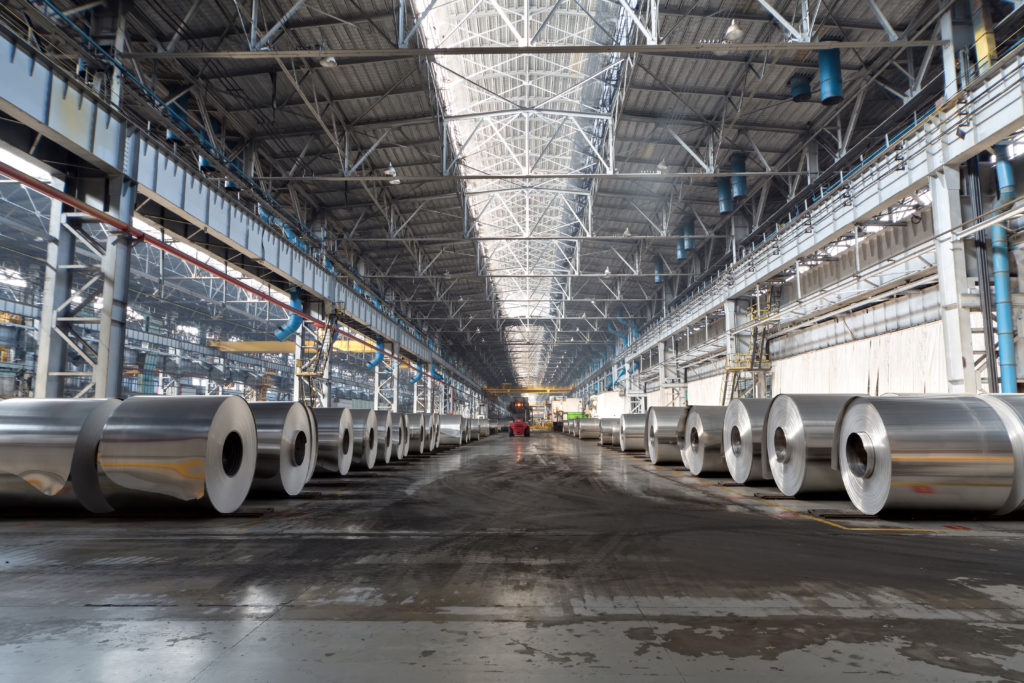
US Trade Representative Jamieson Greer signaled that the Trump administration is open to changing how its broad tariffs on steel and aluminum are enforced amid pressure from business groups and trading partners.

“You may want to sometimes adjust the way some of the tariffs are applied for compliance purposes,” Greer said Tuesday on CNBC. “We’ve heard stories of companies that have had to hire extra people for compliance. We’re not trying to have people do so much bean counting they’re not running their company correctly.”
Greer said the underlying metals tariffs would remain, calling them “very successful” in boosting the domestic industry. “Clearly, those are going the right direction. They’re going to stay in place,” he said.
US aluminum companies fell in Tuesday trading in New York, with Alcoa Corp. down as much as 7.9%, Kaiser Aluminum Corp. decreasing as much as 4.5% and Century Aluminum Co. dropping 4.3% as of 9:55 a.m. local time. Steel companies also slid, led by a 3.1% decline for Cleveland-Cliffs Inc.
Administration officials have been working to narrow the scope of the duties, which not only touch the metals themselves but dozens of products that contain them.
Companies have said the levies are difficult to calculate and the European Union has asked that they be reined in as part of its pending trade deal with the US, according to people familiar with the matter. The White House has communicated to companies that adjustments are in the works, but the timing and details remain unclear, the people said.
The review of the tariffs comes as Trump grapples with low approval ratings on the economy from Americans anxious about the cost of living, a dynamic that could threaten Republicans’ control of Congress in November’s midterm elections.
Trump last year imposed a 50% levy on foreign steel and aluminum, a move that officials said was meant to take aim at Chinese overcapacity. The move wound up hitting other major trading partners hard, including Canada, Mexico, South Korea and the EU.
Later, the administration added to the duties so-called derivative products that contained the metals, creating an arduous task for companies to identify the percentage of the materials in goods they sourced from overseas.
(By Catherine Lucey)

No comments:
Post a Comment