Sunday, September 28, 2025

Russia’s Current Demographic Crisis ‘Far More Dangerous’ Than One In 1990s – OpEd

Matryoshka Wooden The Culture Symbol Retro Toy Russian doll


By 

The demographic crisis Russia now faces is “far more dangerous” and will be far more difficult to solve than was the one in the 1990s many are inclined to compare it with and assume it will be solved in much the same way, according to Salavat Abylkalikov, a demographer who fled Moscow when Putin began his expanded war in Ukraine..


Now teaching in Great Britain, he argues that “the key difference” between the current crisis and the earlier one involves migration In the 1990s, many ethnic Russian returned from the newly independent former Soviet republics; but that resource has exhausted itself carnegieendowment.org/russia-eurasia/politika/2025/09/russia-new-demographic-crisis).

That resource is no longer available, Abylkalikov says. There are far fewer ethnic Russians living abroad and even fewer of them are prepared to move to Putin’s Russia. Moreover, and this adds to the problem the Kremlin faces, fertility rates have declined as well, reducing the chance that Russia can recover demographically in the way Putin promises.

The demographer’s point is critically important because Putin and most of those who write in Kremlin-controlled media argue that what Russia is facing now is a demographic downturn that will be replaced by an upsurge as Russia goes through the cycles of boom and bust demographics like the ones it has passed since World War II.

But in fact, the downturn of the 1990s was limited statistically by the return of ethnic Russians from abroad; and the current downturn hasn’t been and won’t be. Combined with the falling fertility rate, that means that the cyclical approach Putin suggests and many others accept about Russian demographic development will not lead to the amount of growth they suggest.

Putin’s Russia is no longer the attractive destination for some in the former Soviet republics who might want to leave their homelands. But even if the Kremlin leader were to improve things in Russia, those who are available to come would be predominantly non-Russians rather than the Slavs he wants.


The in-migration of non-Russians could reduce Russia’s demographic decline, but it would do so only by fundamentally changing the ethnic mix of the population, something that is already beginning because many non-Russians inside the Russian Federation have higher birthrates than ethnic Russians do (stav.aif.ru/society/po-dannym-za-2024-god-chechnya-stala-liderom-po-rozhdaemosti-v-rossiihttps://tass.ru/obschestvo/25165991).



Paul Goble

Paul Goble is a longtime specialist on ethnic and religious questions in Eurasia. Most recently, he was director of research and publications at the Azerbaijan Diplomatic Academy. Earlier, he served as vice dean for the social sciences and humanities at Audentes University in Tallinn and a senior research associate at the EuroCollege of the University of Tartu in Estonia. He has served in various capacities in the U.S. State Department, the Central Intelligence Agency and the International Broadcasting Bureau as well as at the Voice of America and Radio Free Europe/Radio Liberty and at the Carnegie Endowment for International Peace. Mr. Goble maintains the Window on Eurasia blog and can be contacted directly at paul.goble@gmail.com .
'Demographic conquest': Inside Russia’s campaign to indoctrinate kidnapped Ukrainian children

Analysis

Two recent studies show where thousands of Ukrainian children kidnapped by Russia are taken and the re-education they undergo. The reports are based on open-source intelligence and the accounts of those Ukrainian children who have returned home from Russia.

Issued on: 21/09/2025 - 
FRANCE24
By: Sébastian SEIBT


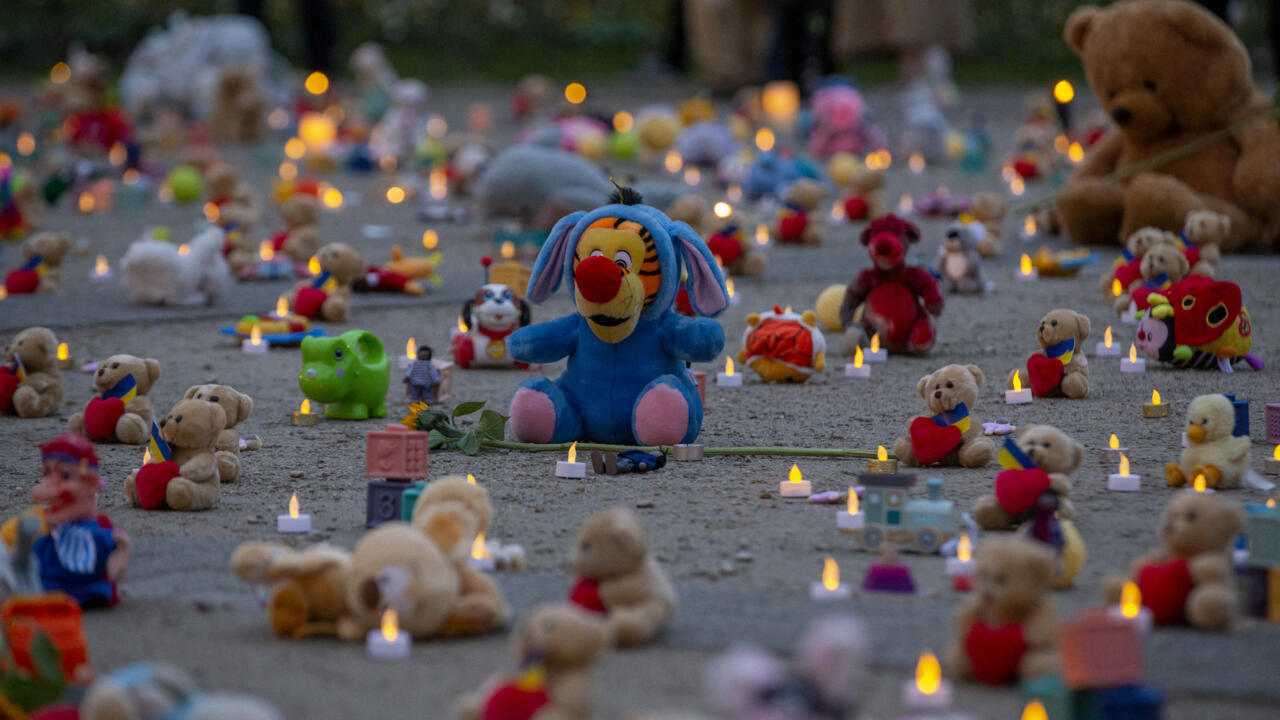
Teddy bears and toys representing children abducted during the war in Ukraine are seen on the ground during an event organised by Avaaz NGO and Ukranian refugees at the Rond-point Schuman in Brussels on February 23, 2023. © Nicolas Maeterlinck, AFP

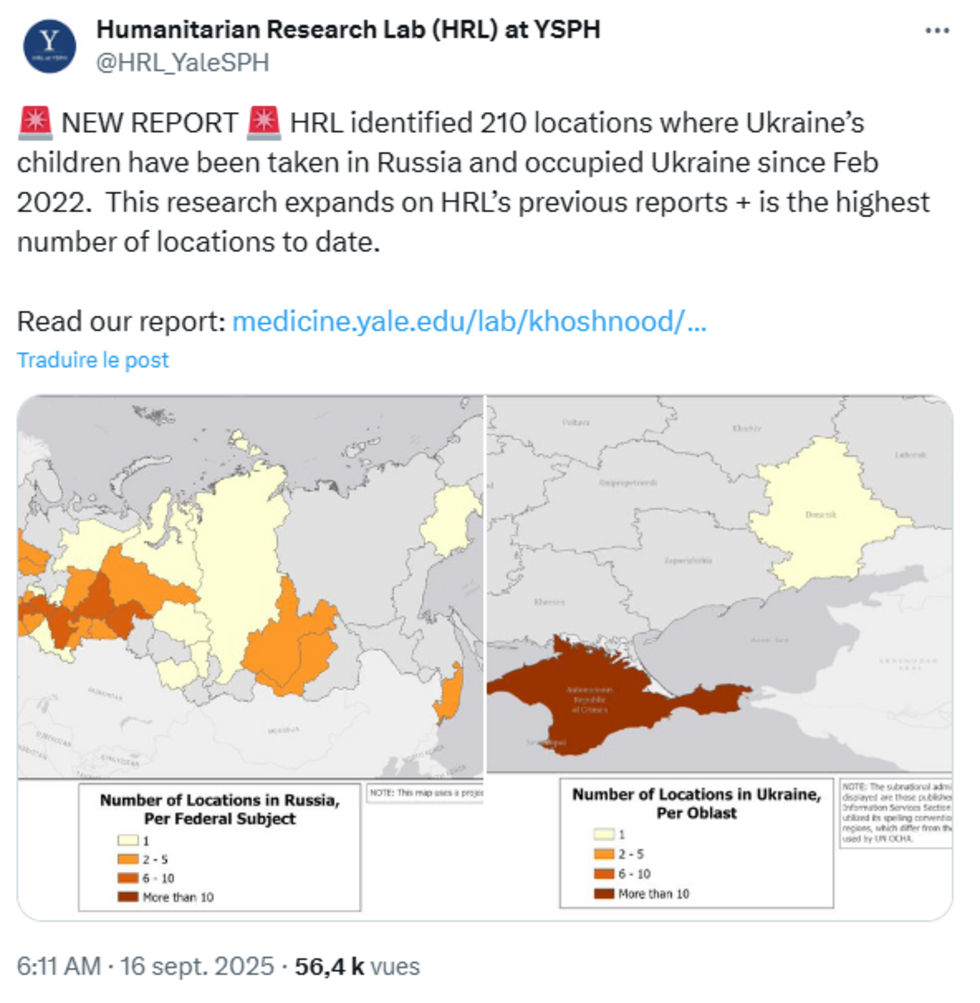
A hotel in Krasnodar, a monastery in southern Rostov, military schools in Ukraine's Russian-occupied Donetsk and near the city of Volgograd: these are just some of the 210 different facilities across Russia and in occupied territory that have been used to hold Ukrainian children deported or displaced since Russia's invasion, according to a report published on September 16 by the Yale School of Public Health's Humanitarian Research Lab (HRL).

The extensive network of facilities stretches across more than 5,630 kilometres, from the shores of the Black Sea in Crimea to Russia’s Pacific coast. This “unprecedented system of large-scale re-education” of Ukrainian children takes place across “59 regions of temporarily occupied Ukraine and the Russian Federation”, the HRL report reveals. The Yale laboratory has been trying since 2022 to establish the most comprehensive map possible of the sites used or constructed by Russia to hold children separated from their families or homes.

Thousands of children

Evidence has been collected since the start of the invasion of Ukraine about the unlawful transfer of Ukrainian children from occupied areas of Ukraine to Russia. While the full extent of the phenomenon is difficult to quantify, more than 19,000 children from Ukraine have been deported to Russia, according to the Ukrainian organisation Bring Kids Back. Maria Alekseyevna Lvova-Belova, Russia’s presidential commissioner for children's rights, has been accused by the International Criminal Court (ICC) of the “war crime” of “unlawful deportation of population”.


A screen capture of the Humanitarian Research Lab (HRL) at YSPH's post on X from September 16, 2025. © FRANCE 24

Russia has rejected these allegations, denying its involvement in the deportation of citizens of Ukraine. However, it confirms arranging what it describes as “placements for evacuated children” from combat zones in Ukraine.

While the abduction of children began in 2014 with the annexation of Crimea, its intensification since the full-scale invasion of 2022 has fuelled concern and prompted anxious questions about the whereabouts and treatment of kidnapped children. HRL’s study answers some of these questions.

By analysing open-source information such as satellite photos, social media posts and Russian media, experts established that the kidnapped children were taken to eight types of locations: cadet schools, military bases, medical facilities, religious institutions, secondary school and universities, hotels, orphanages and family support centres, and sanatoriums.

There were also places of transit, like orphanages for children who were later placed into adoption programmes, or places where they stayed for longer periods, like military schools.

Ukrainian children were mostly taken to pre-existing organisations which didn’t only hold kidnapped children. This is especially the case for schools. Yet Russia also constructed or expanded certain facilities to accommodate “larger cohorts of children”. This is the case of 23 percent of the facilities analysed, according to the researchers at HRL. They noted that in the Russian-controlled part of the Donbas, two schools for military cadets were built and later enlarged beginning in 2021, most likely to hold “more displaced children”.

Russia’s government directly manages 55 percent of the sites where re-education activities occurred. Private companies were also involved in the vast programme, like the petrol giant Bashneft, which manages a camp for children, and KamAZ, a major constructor of Russian trucks, which operates a large “leisure” camp for children in the Republic of Tatarstan.

Unpublished testimonies from Ukrainian children

Children who end up in these facilities are most often subjected to "re-education" activities. In at least 130 sites identified in the study, children were indoctrinated with Russian propaganda that emphasised patriotic values.


Ukraine-Russia talks overshadowed by child deportations and renewed strikes
© France 24
01:57


This indoctrination can go to extreme lengths, as illustrated by another report published by the British NGO War Child UK. The organisation gathered first-hand accounts from 200 Ukrainian children who have returned from Russia since 2022. Their statements paint a picture of "a systematic [Russian] program that risks creating a generation of [Ukrainian] children deprived of their identity", wrote the report.

What emerges from their accounts is “a clear pattern of indoctrination”, said Helen Pattinson, CEO of War Child UK. "The children are ripped from their homes, have their passport taken away, and are told they can’t speak their language. They are given new names and new identification documents. They are asked to sing the Russian national anthem and to recite Russian poetry. Everything is done in Russian, and they are required to wear Russian clothing. They may even be adopted into a Russian family," said Pattinson.

This indoctrination can be coupled with rapid militarisation. "Our chief concern is for the 41 percent of children who had been militarised," said Pattinson, adding that most of the young people who came back from Russia suffered from some form of post-traumatic stress disorder.

Children underwent military training in at least 39 of the sites identified by the HRL study. The young people learn how to handle various weapons and may receive very specific training, such as learning how to become a paratrooper. "They’ve been asked or forced to join paramilitary groups, shown how to throw a grenade, dig a trench, hold a gun or handle firearms, clear mines, and essentially trained to fight against their own country," Pattinson said.

Other children may be assigned the task of producing military equipment such as ammunition or drones, to be used by the Russian army on the front lines in Ukraine.

This massive program gives the impression of an almost industrial-scale Russification effort. It is accompanied by several decrees issued by the authorities to facilitate the adoption of these children by Russian families or their naturalisation as Russian citizens.
An example of 'demographic conquest'

“It's certainly a concerted, well-organised effort," said Andreas Umland, an analyst from the Swedish Institute of International Affairs and author of a 2024 report on Russian state-enforced displacement of Ukrainian children.


In Kherson, dozens of children deported to Russia
FOCUS © FRANCE 24
06:29


Umland spoke of a “demographic conquest unfolding alongside the geographic one”. The Kremlin doesn't simply want to occupy Ukraine, it also wants to transform Ukrainian children into Russians, he explained.

This is meant to “counteract the problem of demographic decline that Russia already had before the large-scale war, which is only partly solved by immigration from Central Asia and the Caucasus”, said Umland, adding that Ukrainians, who are White, and Slavs, are seen by the Russian authorities as easy to assimilate.

In Moscow's view, there is nothing illegal about this operation even though "there are undeniably serious crimes being committed against Ukrainian children”, said Pattinson. In Russia’s interpretation, “there's no Ukrainian nation, and therefore these children are not actually transferred from one ethnic group into another ethnic group”, added Umland. In other words, these children cannot be "Russified"... because they are already Russian.

Umland said the indoctrination of children was reminiscent of the Soviet era, when children were “seen as units to be made to function in a totalitarian society [. . .] and the fate of the individual child was unimportant”. This same logic persists today, he added: “The higher goal used to be communism, now it’s the Russian Empire. It’s therefore the same utilitarian approach toward children."

This article is a translation of the original in French by Sonya Ciesnik.

French ex-president Sarkozy sentenced to 5 years in prison in Libya campaign financing case


A French court on Thursday sentenced ex-president Nicolas Sarkozy to five years in prison for accepting illegal campaign funds from late Libyan strongman Muammar Gaddafi. Sarkozy, who was convicted of criminal conspiracy but acquitted on other charges, denounced his conviction as "extremely serious for the rule of law". His lawyer confirmed an appeal has already been filed.


Issued on: 25/09/2025 -
By:
FRANCE 24
Video by:
Claire PACCALIN/
James ANDRE/

F
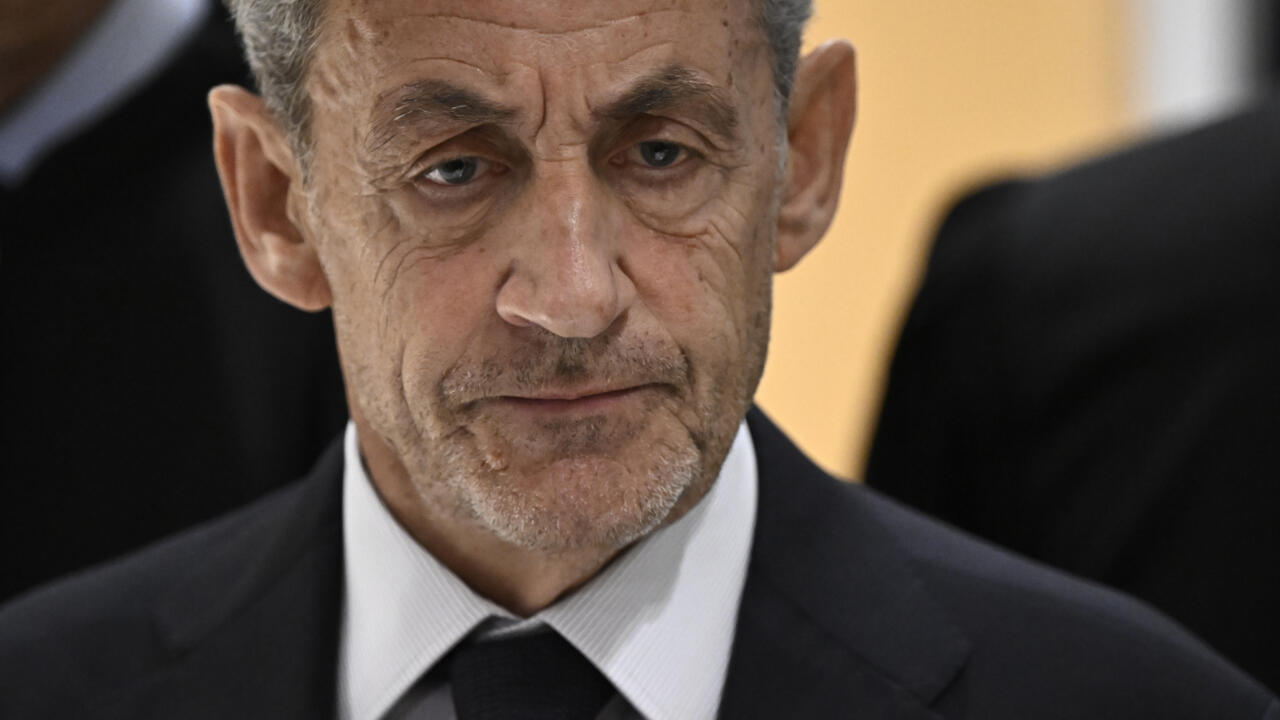
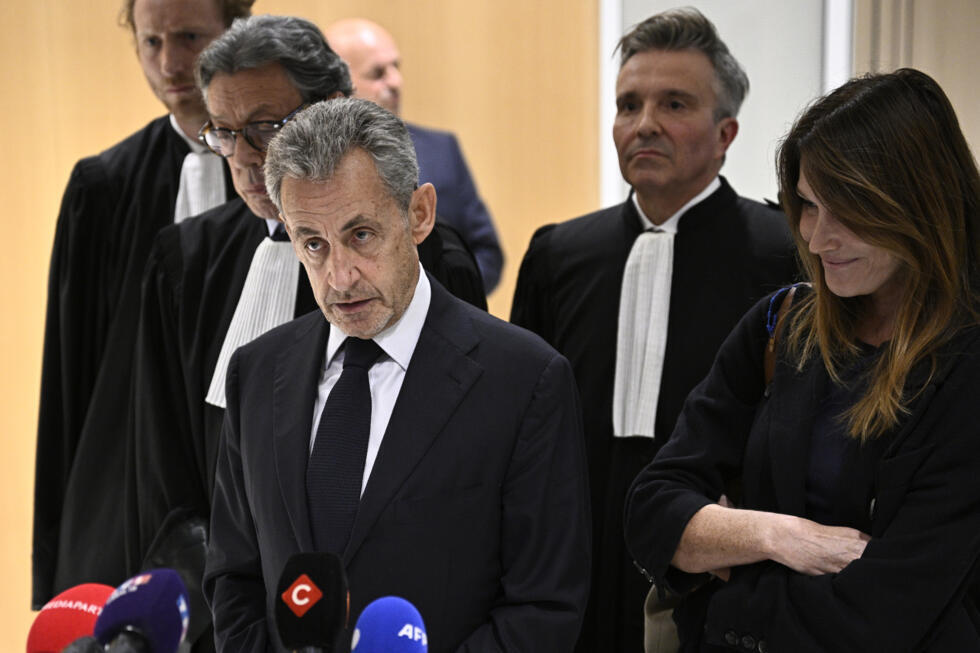
ormer French President Nicolas Sarkozy talks to journalists after the verdict in his trial related to alleged Libyan funding of his successful 2007 presidential bid, Paris, France, September 25, 2025. © Stéphanie Lecocq, Reuters
17:09


A court on Thursday sentenced former French president Nicolas Sarkozy to five years in prison over a scheme for late Libyan dictator Moamer Kadhafi to fund his 2007 presidential run.

In a verdict that will make the rightwinger the first French postwar leader to serve jail time, the Paris criminal court convicted Sarkozy, 70, on criminal conspiracy charges.

However, it acquitted the former head of state, France's president from 2007 to 2012, of corruption and personally accepting illegal campaign financing.

The court ordered that Sarkozy should be placed in custody at a later date, with prosecutors to inform him on October 13 when he should go to prison.

He was also fined €100,000 ($117,000) and banned from holding public office. He has been convicted already in two separate trials but always avoided jail, in one case serving his graft sentence with an electronic tag, which has since been removed.

Sarkozy, who was present in court for the verdict accompanied by his model and musician wife Carla Bruni-Sarkozy as well as his three sons, looked ashen-faced and shaken after the verdict.

But he vowed to appeal and his lawyer Christophe Ingrain later confirmed one had been filed.

The verdict was "extremely serious for the rule of law", Sarkozy told reporters after leaving the courtroom, adding that he would "sleep in prison with my head held high".

"This injustice is a scandal," he said.

After her husband finished addressing reporters, Bruni-Sarkozy, in a sign of the family's anger, snatched away the microphone muffler of the Mediapart news website which had published the first revelations on the case.

Sarkozy will have to serve his sentence while awaiting the outcome of his appeal.

He is to be the first French leader to be incarcerated since Philippe Petain, the Nazi collaborationist head of state of France's Vichy regime, who was jailed after World War II.
'Exceptional gravity'

Prosecutors argued Sarkozy and his aides, acting with his authority and in his name, struck a deal with Kadhafi in 2005 to illegally fund his victorious presidential election bid two years later.

The public prosecutor accused Sarkozy of entering into a "Faustian pact of corruption with one of the most unspeakable dictators of the last 30 years".

Investigators believe that in return, Kadhafi was promised help to restore his international image after Tripoli was blamed by the West for bombing a plane in 1988 over Lockerbie, Scotland, and another over Niger in 1989, killing hundreds of passengers.

The presiding judge, Nathalie Gavarino, said the offences were of "exceptional gravity".

The court's ruling, however, did not follow the conclusion of prosecutors that Sarkozy was the beneficiary of the illegal campaign financing.

He was acquitted on separate charges of embezzlement of Libyan public funds, passive corruption and illicit financing of an electoral campaign.

Another defendant in the trial, Alexandre Djouhri, who is accused of being the intermediary in the scheme, was sentenced to six years and ordered to be placed immediately under arrest.

Sarkozy's right-hand man, Claude Gueant, and ex-minister Brice Hortefeux were ordered to serve six and two years respectively.

Hortefeux, 67, will be able to serve his term with an electronic tag, while Gueant, 80, will not go to prison, due to his health.

Hortefeux told BFMTV he was "angry" at the sentence.

Eric Woerth, Sarkozy's 2007 campaign treasurer, was acquitted.
Accuser's death

The judgment came two days after the death in Beirut of Franco-Lebanese businessman Ziad Takieddine, a key accuser in the case.

Takieddine, 75, had claimed several times he helped deliver up to €5 million ($6 million) in cash from Kadhafi to Sarkozy and the former president's chief of staff in 2006 and 2007.

He then spectacularly retracted his claims, before contradicting his own retraction, prompting the opening of another case against both Sarkozy and Bruni-Sarkozy, on suspicion of pressuring a witness.

Sarkozy has faced repercussions beyond the courtroom, including losing his Legion of Honour -- France's highest distinction -- following the graft conviction.

But he still enjoys considerable influence and popularity on the French right, and has on occasion had private meetings with President Emmanuel Macron.

Interior Minister Bruno Retailleau, who leads Sarkozy's right-wing Republicans party, expressed his "full support and friendship", adding he had "no doubt" the ex-president will "devote all his energy" to defending himself on appeal.

(FRANCE 24 with AFP)


From power to prison: The stunning downfall of France's former president Nicolas Sarkozy

Nicolas Sarkozy, once a dynamic and controversial leader who promised to transform France, has been sentenced to five years in prison for criminal conspiracy tied to illegal campaign funding from Libya. This marks a stunning fall for Sarkozy, who has faced numerous legal battles since leaving office in 2012 and now becomes the first French head of state to face jail time in decades.


Issued on: 25/09/2025 
By: FRANCE 24

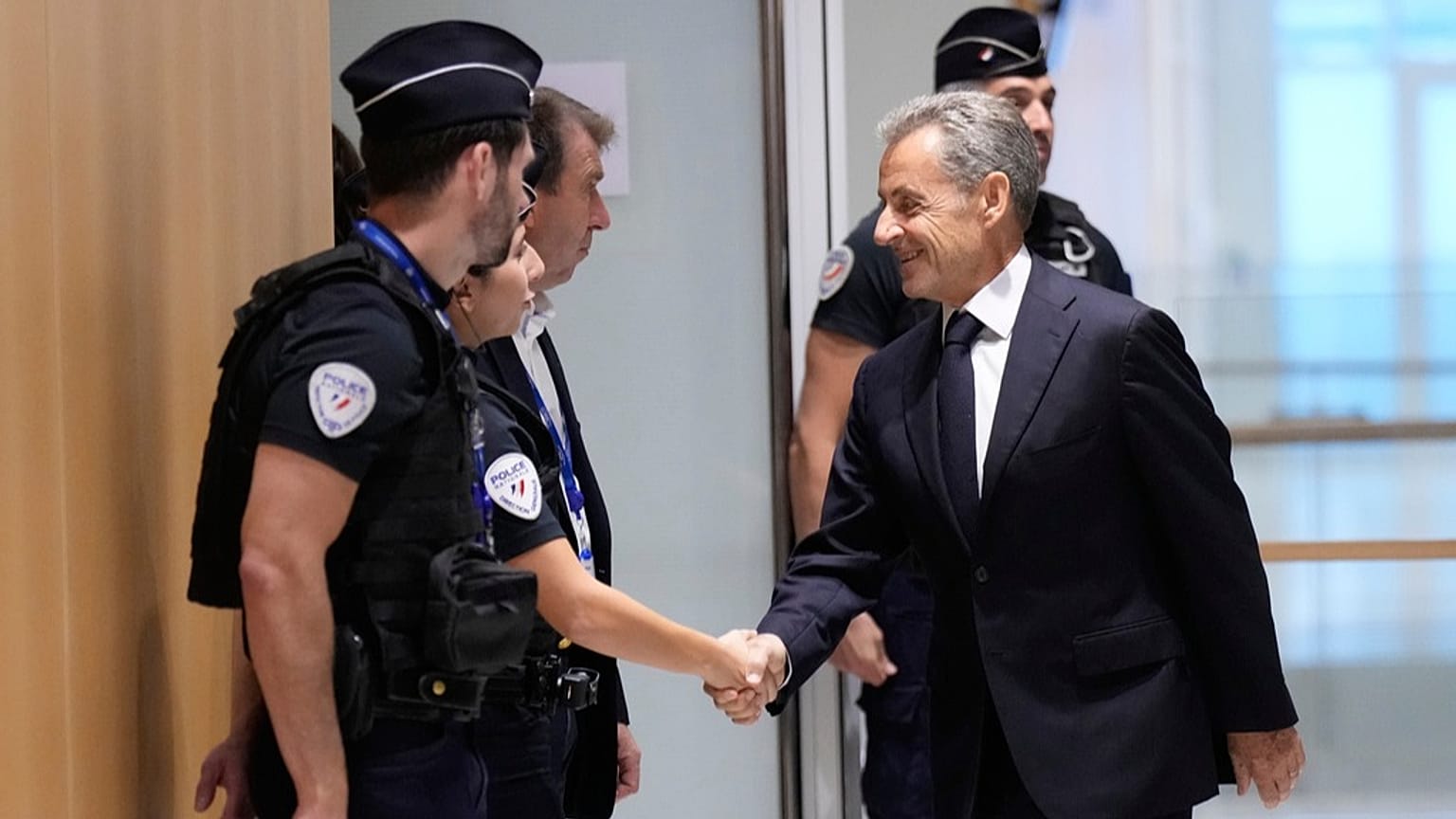
The verdict was a stunning reverse for Sarkozy © Julien De Rosa, AFP


Nicolas Sarkozy entered the Elysée Palace in 2007 boasting hyperactive energy and a vision to transform France, but lost office after just one term and the ex-president is now set to go to prison in a spectacular downfall.

Embroiled in legal problems since losing the 2012 election, Sarkozy, 70, had already been convicted in two separate cases but managed to avoid going to jail.

But after a judge sentenced him on Thursday to five years for criminal conspiracy over a scheme to find funding from Libya's then-leader Moamer Kadhadi for his 2007 campaign, Sarkozy appeared to acknowledge that this time he will go behind bars.

Prosecutors have one month to inform Sarkozy when he must report to jail, a measure that will remain in force despite his promised appeal.

"I will assume my responsibilities, I will comply with court summonses, and if they absolutely want me to sleep in prison, I will sleep in prison but with my head held high," he told reporters after the verdict.

"I am innocent. This injustice is a scandal. I will not accuse myself of something I did not do," he added, declaring that hatred towards him "definitely has no limits".

The drama and defiance were typical of Sarkozy, who is still seen by some supporters on the right as a dynamic saviour of his country but by detractors as a vulgar populist mired in corruption.


'Won't hear about me anymore'

Born on January 28, 1955, the football fanatic and cycling enthusiast is an atypical French politician.
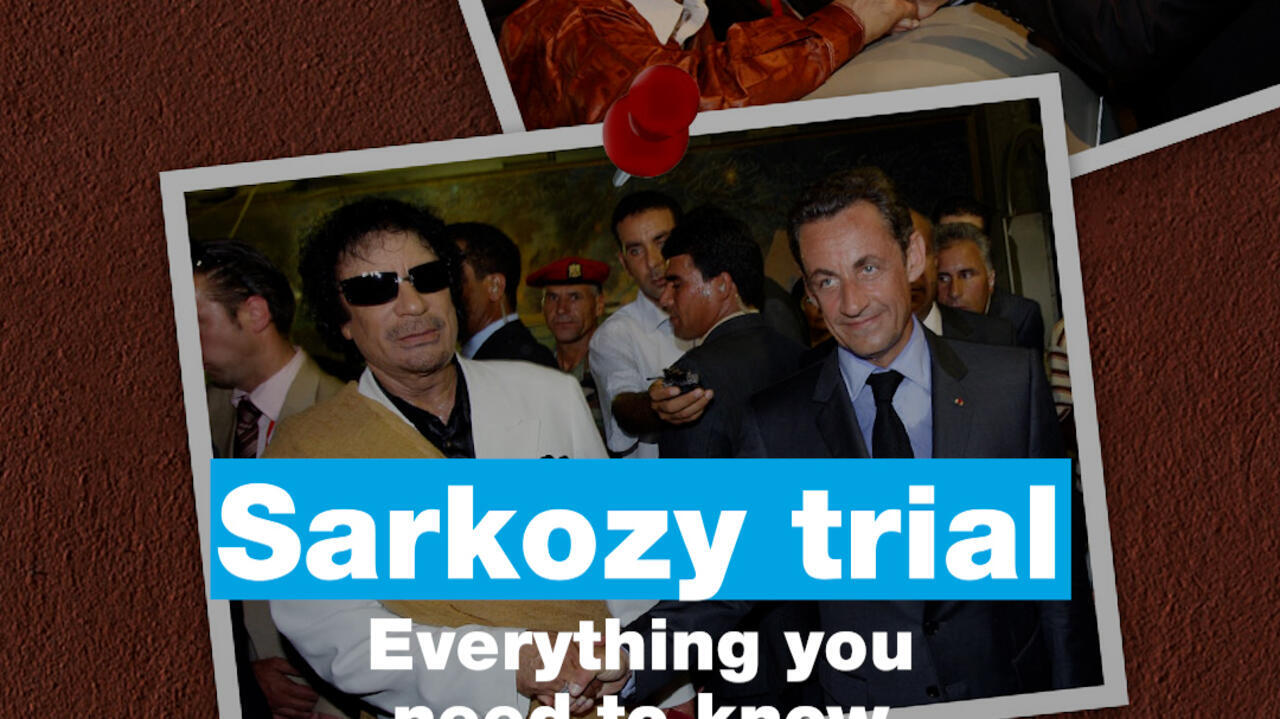
Sarkozy trial: Everything you need to know
Sarkozy trial: Everything you need to know © France 24
02:17


The son of a Hungarian immigrant father, Sarkozy has a law degree but unlike most of his peers did not attend the exclusive Ecole Nationale d'Administration, the well-worn production line for future French leaders.

After winning the presidency at age 52, he was initially seen as injecting a much-needed dose of dynamism, making a splash on the international scene and wooing the corporate world. He took a hard line on immigration, security and national identity.

But Sarkozy's presidency was overshadowed by the 2008 financial crisis, and he left the Elysée with the lowest popularity ratings of any postwar French leader up to then.

Few in France have forgotten his visit to the 2008 agriculture show in Paris, when he said "get lost, dumbass" to a man who refused to shake his hand.

He was flanked by his wife Carla Bruni © Julien de Rosa, AFP

Sarkozy failed to win a second mandate in 2012 in a run-off against Socialist François Hollande, a bruising defeat over which he remains embittered more than a decade on.

The 2012 defeat made Sarkozy the first president since Valéry Giscard d'Estaing (1974-1981) to be denied a second term, prompting him to famously promise: "You won't hear about me anymore."

That prediction turned out to be anything but true, given his marriage to superstar musician and model Carla Bruni and a return to frontline politics. But the latter ended when he failed to win his party's nomination for another crack at the presidency in 2017.

The series of legal woes left Sarkozy a behind-the-scenes political player, far from the limelight in which he once basked, although he has retained influence on the right and is known to meet President Emmanuel Macron.

But Sarkozy is tainted by a number of unwanted firsts: while his predecessor and mentor Jacques Chirac was also convicted of graft, Sarkozy was the first postwar French former head of state to be convicted twice and the first to be formally given jail terms.

Already stripped of the Legion of Honour, France's highest distinction, he will now be the first French head of state to go to jail since Philippe Pétain, France's nominal leader during the Nazi occupation.

(FRANCE 24 with AFP)


What does former French President Nicolas Sarkozy's conviction mean for France?


Copyright AP Photo

By Sophia Khatsenkova
Published on 25/09/2025 -EURONEWS

Sarkozy received a five-year prison sentence for criminal conspiracy in a complex scheme allegedly involving the former Libyan regime of Muammar Gaddafi.

Former French President Nicolas Sarkozy was found guilty on Thursday of criminal conspiracy in a long-running case alleging that he sought illegal financing from late Libyan dictator Muammar Gaddafi to secure his 2007 election victory.

The Paris court handed Sarkozy a five-year prison sentence, a €100,000 fine and a five-year ban on holding public office.

In a shocking twist, 70-year-old Sarkozy was also given a deferred detention order, effective immediately.

He must appear before prosecutors by 13 October to be notified of when his imprisonment will begin. His incarceration must start within a maximum period of four months.

Under French law, this measure applies even if he appeals. Because of his age, however, he can request conditional release.

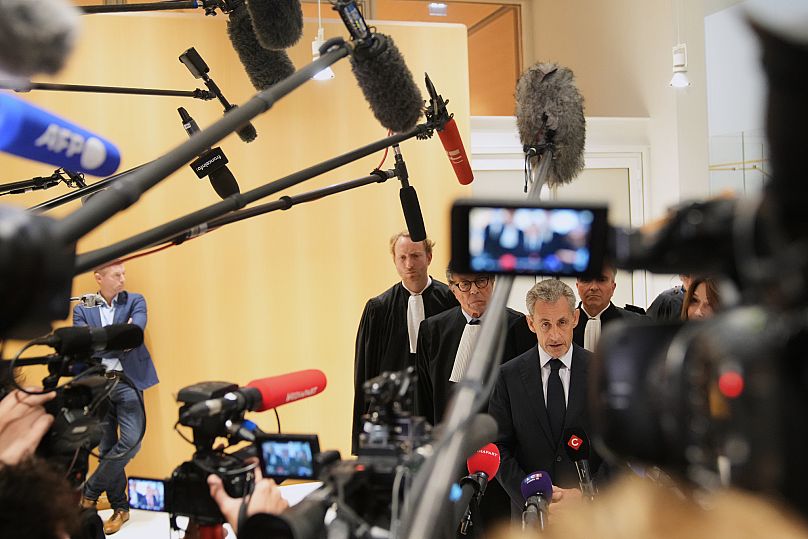
Former French President Nicolas Sarkozy speaks with the media after a Paris court sentenced him to five years in prison, 25 September, 2025 AP Photo

However, the court acquitted him of passive corruption, embezzlement of Libyan public funds and illegal campaign financing, concluding that prosecutors had failed to prove Libyan money directly flowed into Sarkozy's campaign.

The conspiracy charge, the court explained, stemmed from Sarkozy's involvement in a group that prepared a corruption offence between 2005 and 2007.

The chief judge noted that Sarkozy allowed his close associates to approach Libyan officials "to obtain or try to obtain financial support in Libya for the purpose of securing campaign financing."

However, the judge concluded they could not determine with certainty that Libyan money was ultimately used to pay for the campaign.

Sarkozy vows to fight on

After the sentencing, Sarkozy told journalists the ruling was "of extreme gravity for the rule of law" and said he would appeal.

"I will take responsibility. I will comply with the summons of justice. And if they absolutely want me to sleep in prison, I will sleep in prison. But with my head held high. I am innocent," he declared.

Reactions were sharply divided. On the left, many seized the chance to mock the former leader.

Green MP Benjamin Lucas quipped, "In the end, Sarkozy got his new five-year term," referring to the length of a presidential mandate in France.

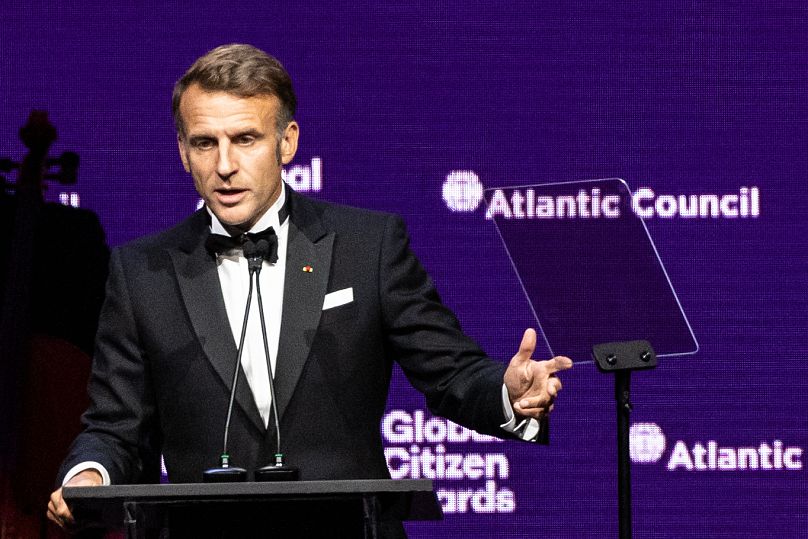
French President Emmanuel Macron speaks at the Global Citizen Awards ceremony in New York, 24 September, 2025 Stefan Jeremiah/Copyright 2025, The AP. All rights reserved

On the right, the verdict was slammed as disproportionate. Conservative Les Républicains party senator Stéphane Le Rudulier called it "a tsunami of shame" and urged President Emmanuel Macron to pardon Sarkozy.

Far-right figurehead Marine Le Pen warned that the ruling set a dangerous precedent by imposing immediate enforcement despite appeal rights.

Marine Le Pen was herself found guilty earlier this year of misappropriating EU public funds in the case involving parliamentary assistants for her party the National Front, now called the National Rally.
A long-running and sprawling case

The ruling also concerned 11 co-defendants, including three of Sarkozy's former ministers.

Businessman Ziad Takieddine, considered a key intermediary and one of Sarkozy's most vocal accusers, died in Beirut earlier this week at the age of 75, never standing trial.

Another intermediary, Alexandre Djouhri, along with other figures linked to Gaddafi's inner circle, was also implicated.

Muammar Gaddafi, Libya's longtime dictator, was toppled and killed in an uprising in 2011, ending his four-decade rule of the North African country.

The three-month trial examined a wide range of evidence, from trips to Tripoli to suspicious offshore transfers.

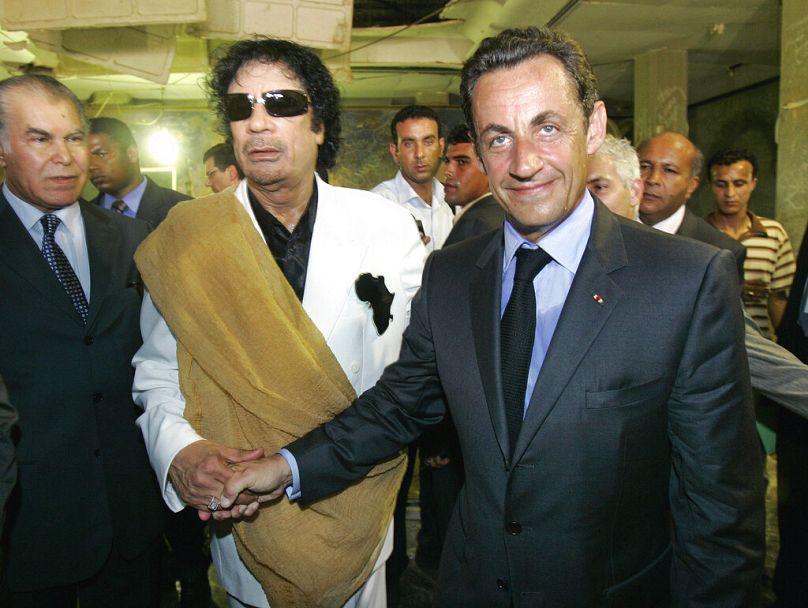
July 2007 - Libyan leader Moammar Gaddafi, left, shakes hands with French President Nicolas Sarkozy as they visit a house bombed by American airplanes MICHEL EULER/2007 AP

Judges also reviewed claims that Sarkozy's government had shielded Gaddafi's former chief of staff, Bechir Saleh.

Prosecutors alleged that Sarkozy and his associates forged a corruption pact with the Gaddafi regime in exchange for campaign financing.

The pact reportedly included promises to rehabilitate Libya's international standing and grant leniency to Abdallah Senoussi, Gaddafi's brother-in-law, who had been convicted in France for his role in a 1989 airline bombing over Niger that killed 170 people.

But the court dismissed a key piece of evidence that was revealed in 2012 by French investigative journal Mediapart: a document signed by Gaddafi's former intelligence chief, Moussa Koussa, which suggested €6.5 million had been sent for Sarkozy's campaign. Judges said the document "now appears more likely" to be forged.

Related


Political and legal fallout


The verdict further complicates Sarkozy's growing list of legal challenges. On 8 October, France's highest court will review his appeal in the Bygmalion case, which saw him sentenced to one year in prison for overspending on his failed 2012 re-election bid.

He has also been convicted in the so-called Bismuth case, involving corruption and influence peddling.

Between January and May, the former head of state had to wear an electronic ankle bracelet, an unprecedented punishment for a former president.

He has lodged an appeal for that case with the European Court of Human Rights.


Young artist from Martinique sheds light on the plight of coral reefs

The hidden world of coral reefs is home to thousands of plant and animal species. But it's a world under threat from pollution and the coral bleaching caused by global warming. Hervé Lechar, an artist from Martinique, uses his work to communicate his love for the sea, while issuing a stark warning for its future.


Issued on: 28/09/2025 - RFI


Hervé Lechar’s rayograms of corals are on display at the 'Double Trouble’ exhibition at Art Emergence from 17 September to 2 November. © Hervé Lechar / Photo RFI
02:28


By: Ollia Horton


Recently graduated from the Caribbean Campus of Arts in Martinique, one of France’s 42 public art and design schools, Lechar is representing the school at a new exhibition just outside Paris entitled "Double Trouble".

The exhibition is part of the Art Emergence event, which showcases young artists and provides them with mentoring.

Lechar's "Eye Sea the Invisible" project explores themes of memory and traces left behind, using both photographic techniques and ceramic sculpture.

"My work is all about light. It’s a tool to help me reveal what is invisible," he told RFI at the opening of Art Emergence.


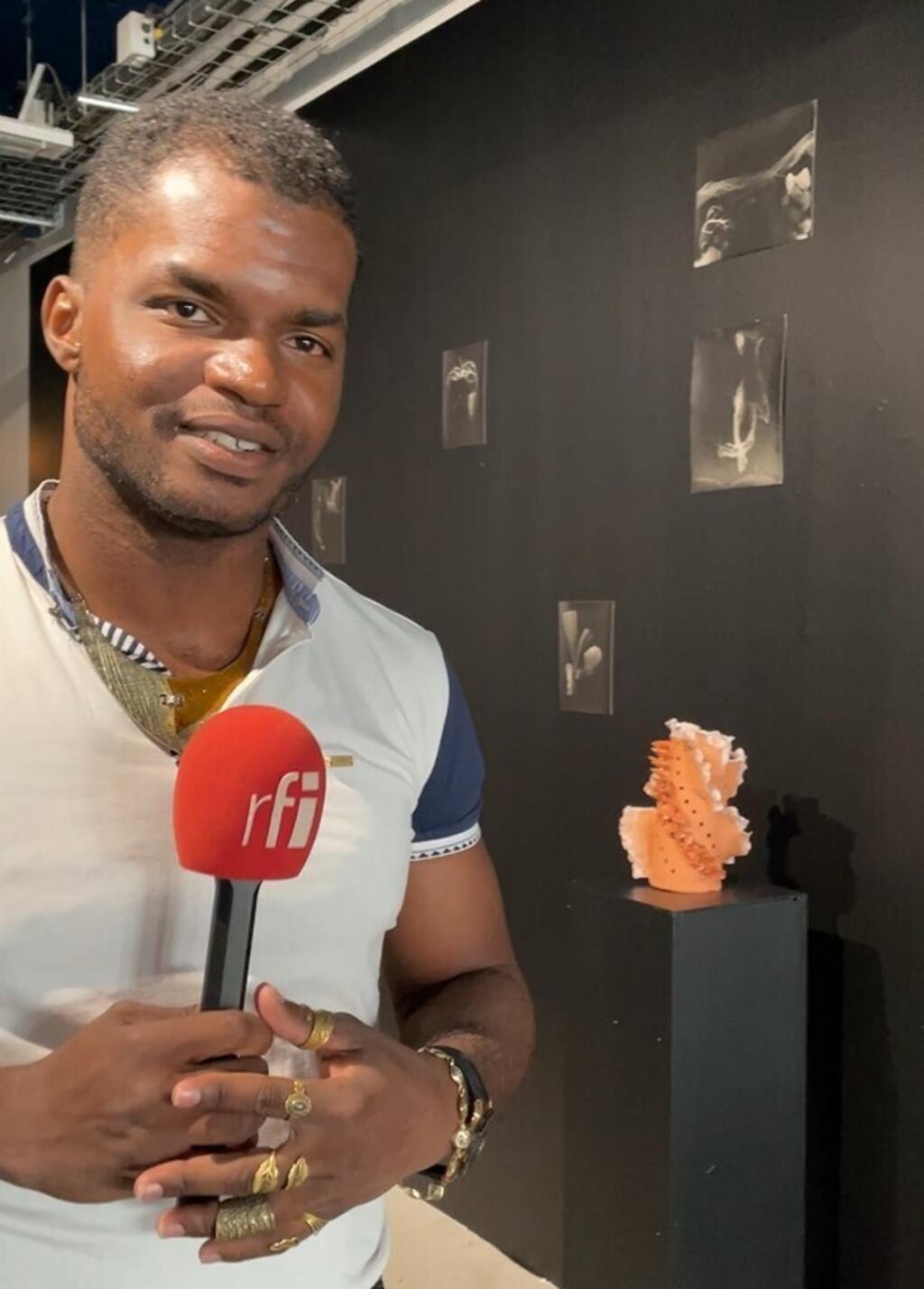
Hervé Lechar, an artist from Martinique taking part in the "Double Trouble" exhibition at the Art Emergence festival in Romainville. © RFI / Ollia Horton

'A memory within a memory'

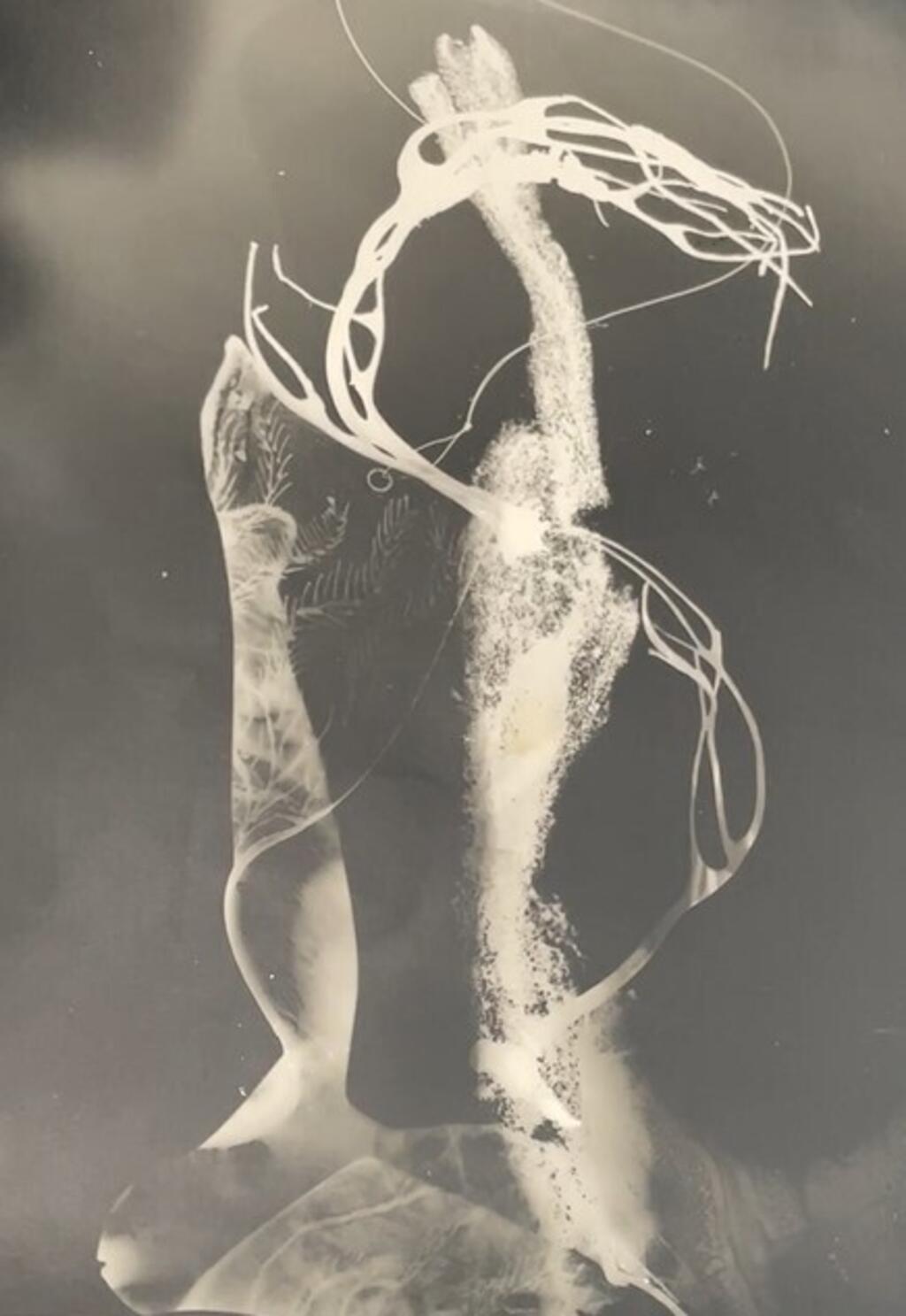
His delicate black and white images appear to be abstract, but on closer inspection white shapes of coral and algae appear, silhouetted on the pitch-black background.

He documents an unknown underwater universe, paying homage to the sea – an integral part of his life since his childhood on the French Caribbean island of La Martinique.

Using a technique that produces what are known as "rayograms", made famous by surrealist artist Man Ray, he places objects, such as coral, directly on to sheets of photosensitised paper and exposes them to light, without using a camera.

This allows him to play with contrasts, to highlight what he calls "absence and presence".

"These are my memories, my treasures that I have collected and used," he says of the coral he uses in the works. "My technique makes traces of them, it’s a memory within a memory."
Coral bleaching

Lechar points to tiny pieces of plastic that appear in his work, saying sadly that plastic pollution has become omnipresent in the ocean, much of it invisible to the naked eye.

He has also noticed that the coral is changing colour, in some cases dying, due to an increase in ocean temperatures which "bleaches" the corals.

This phenomenon – linked to climate change – has been recorded across the globe in tropical waters, from the Caribbean to Asia and Australia.


A rayogram of coral by Hervé Lechar. 
© Hervé Lechar / Photo RFI


In one of his images, he points to something resembling a flame. "This makes me think of fire, and as we know, heat is harmful to corals."

He points to this as an element of paradox in this work, because the presence of these dangerous elements makes the images more intriguing and, in some ways, more beautiful.

"There is clearly a committed message about the environment, but it is also mixed with my experience and my personal history. How I have understood the marine world, how I feel about it and how I see it in the future," Lechar says.

By bringing this visual exploration to a wider public, he hopes to share his admiration for the natural realm – and his fears over the death of coral reefs.

National platform


The first collective exhibition of its kind, Art Emergence aims to highlight the diversity of the future contemporary art scene at a national level.

Organisers Artagan worked with public and private bodies to bring together an exhibition, a multi-arts festival and open days in artists’ workshops, and also provides a mentoring programme for the young artists involved to learn how to make a living from their craft.

One of the three curators of "Double Trouble" is Temitayo Olalekan, a multidisciplinary artist from Nigeria, now based in Marseille.

He says the Art Emergence event is unique because it gives graduate art students a major national platform – exposure not often granted to young artists at the beginning of their career.

Explaining their works to journalists and visitors is also part of the challenge.

"It’s extremely gratifying to see the artists evolving and speaking about their portfolios," he told RFI.

Art Emergence runs until 2 November.
US backtracks on Ghana visa curbs as country becomes deportation hub

The United States has reversed its visa restrictions on Ghana as the west African nation emerges as a key deportation hub in President Donald Trump's immigration crackdown. While Accra maintains it has received nothing in return for taking in deportees, one political scientist told RFI an agreement to take in more west African deportees was the "only plausible explanation".


Issued on: 28/09/2025 - RFI

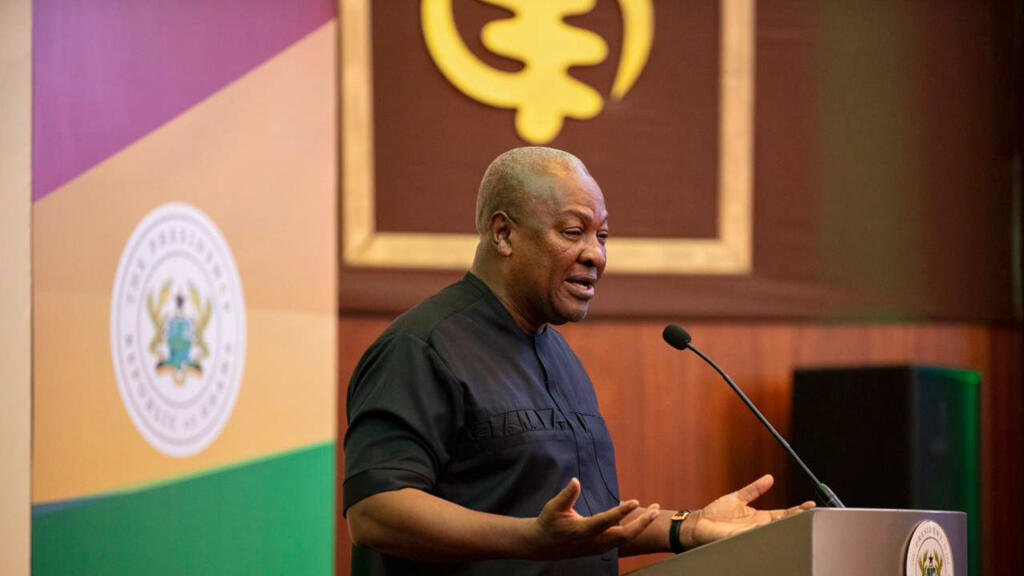
Ghana's President John Mahama says the agreement to take in west Africans deported from the US is being done on "humanitarian" grounds. © Ghanian presidency via AP

Earlier this month, Ghanaian President John Mahama revealed that the country was accepting west Africans deported by the United States – the fifth African nation to do so.

US President Donald Trump has made so-called "third-country" deportations a hallmark of his anti-immigration crackdown, sending people to countries where they have no ties or family.

Accra has insisted it has received nothing in return for taking in the deportees, though Mahama acknowledged that the deal was struck as relations were "tightening" – with Washington imposing tariffs as well as visa restrictions in recent months.

"The US visa restrictions imposed on Ghana" have been "reversed", Ghanaian Foreign Minister Samuel Okudzeto Ablakwa said.


In a post on X, Ablakwa said the "good news" was delivered by US officials on the sidelines of the United Nations General Assembly.

In June, the United States announced restrictions on most visas for nationals from Cameroon, Ethiopia, Ghana and Nigeria, restricting them to three months and a single entry.

"Ghanaians can now be eligible for five-year multiple entry visas and other enhanced consular privileges," Ablakwa said.

Migration deal?

Ablakwa attributed the US turnabout to "months of negotiations" without providing futher details.

At least 14 west Africans have been sent to Ghana since the beginning of September, though neither Accra nor Washington has made details of the arrangement public.

For political analyst Bright Simons, honorary vice-president of the Ghanaian think tank Imani, the Trump administration’s sudden change of course strongly suggests Ghana has agreed to take in further west African deportees.

“This is the only plausible explanation," Simons told RFI. "Ghana has made no announcement suggesting, for instance, a more favourable visa reciprocity policy towards the United States. The question is therefore: what prompted the US government to withdraw its restrictions? The only sensible answer is that Ghana offered something extra – and in this case, it was agreeing to take in deportees from third countries.”

Simons underlines that Cameroon and Nigeria remain under Washington’s sanctions. Both countries were hit by the same visa restrictions in July and have not since concluded migration agreements with the United States.

Alleged rights abuses

All of the 14 west Africans Ghana has taken in had won protection from US immigration courts against being deported to their home nations, their lawyers have told RFI. At least four of them have been forwarded on to their country of origin.

After weeks of detention in Ghana, allegedly under military guard and in poor conditions, six of the deportees were abruptly sent to Togo last weekend and left to fend for themselves, Samantha Hamilton, a lawyer for civil rights organisation (AAJC), that has filed a lawsuit in the US on behalf of the migrants, told RFI.

Another plane able to carry 14 people has since arrived in Ghana, though it was unclear how many people were on it.

Ghana has said it is accepting west Africans on humanitarian grounds and that the deal is not an "endorsement" of US immigration policy.

The return to the previous system has come as a relief for many Ghanaians. In 2024, Ghana ranked fifth on the continent for US visa approvals, and second for student visas.

(with AFP)
Sought by luxury labels, Nigerian leather reclaims home market

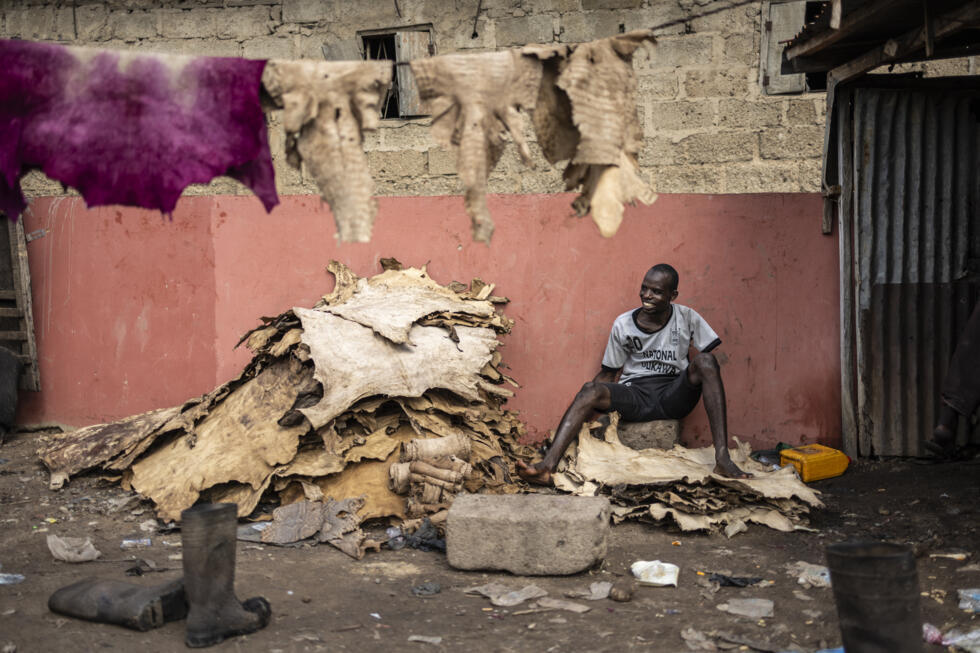
Kano (Nigeria) (AFP) – Most Nigerian leather, often semi-finished, is exported to Europe and Asia and turned into luxury items bearing international brand labels, with zero trace of its origins.


Issued on: 26/09/2025 - RFI

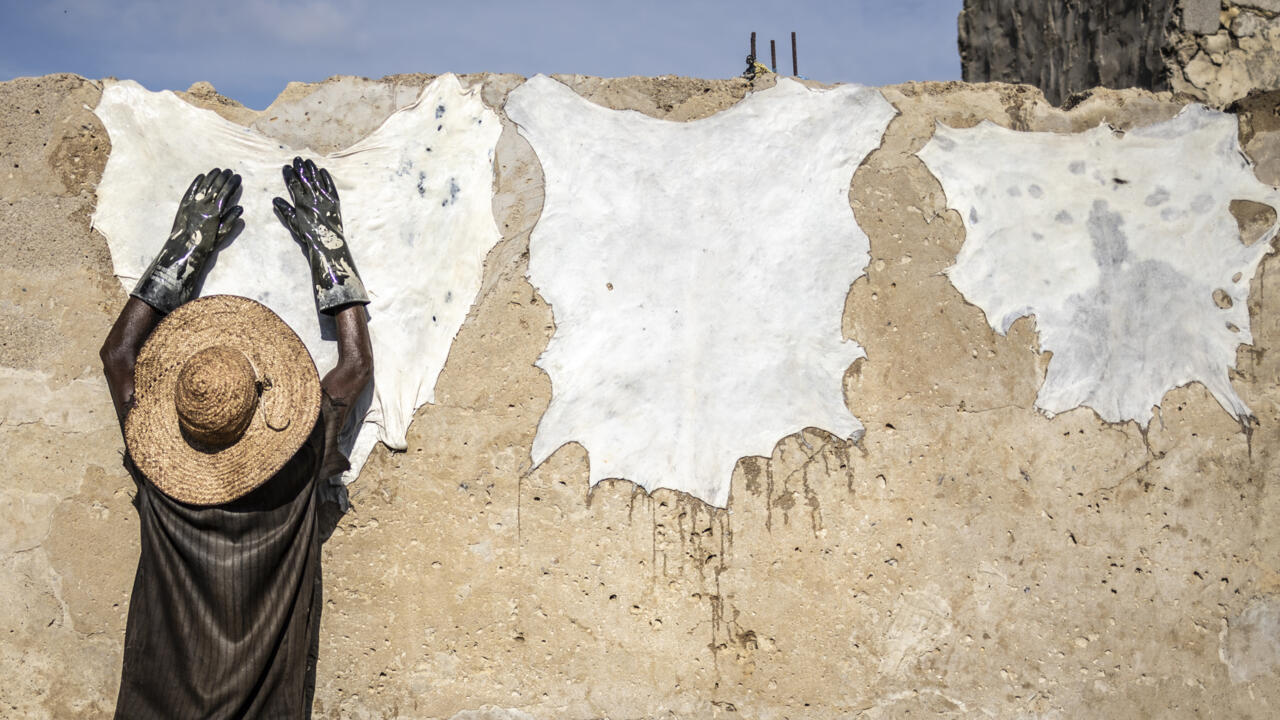
At the Majema traditional tannery in Kano, all the work is done by hand © OLYMPIA DE MAISMONT / AFP

But with her homegrown brand, Isi Omiyi creates high-end pieces to try to reclaim Nigeria's leather identity.

In her apartment in the Lagos metropolis, she has created a boutique corner where bags, wallets and shoes are carefully displayed on shelves, some carrying price tags of up to $1,500.

"Leather is part of our heritage. I can't just stand by and watch others receive all the credit for work that we started here," the 56-year-old designer told AFP.

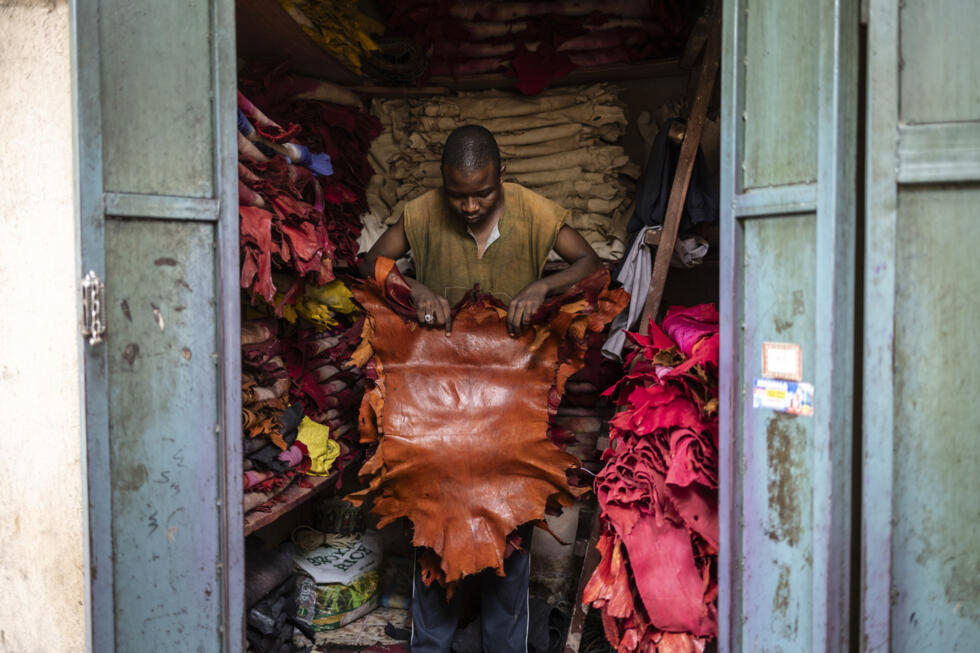
Local leather is sold at the Kurmi market in Kano -- but Nigeria exports 90 percent of its leather © OLYMPIA DE MAISMONT / AFP


Her mission is to amplify "Made In Nigeria" craftsmanship.

She "would like these foreign brands to indicate on their products: 'originally from Nigeria' and 'made in Italy', 'made in France,' or elsewhere, because most of them don't," Omiyi said.

According to the country's export promotion agency, Nigeria exports 90 percent of its leather, mainly to Italy and Spain, which make up around three-quarters of the total volume.

Leather exports generate about $600 million in annual revenue, said Oluwole Oyekunle, a researcher at the Nigerian Institute of Leather and Science Technology in Samaru in northern Kaduna state.

- Kano, cradle of tanneries -

In Kano, a state in northern Nigeria, major international luxury brands source leather through intermediaries, who link them with tanners.

The state counts 11 tanneries.

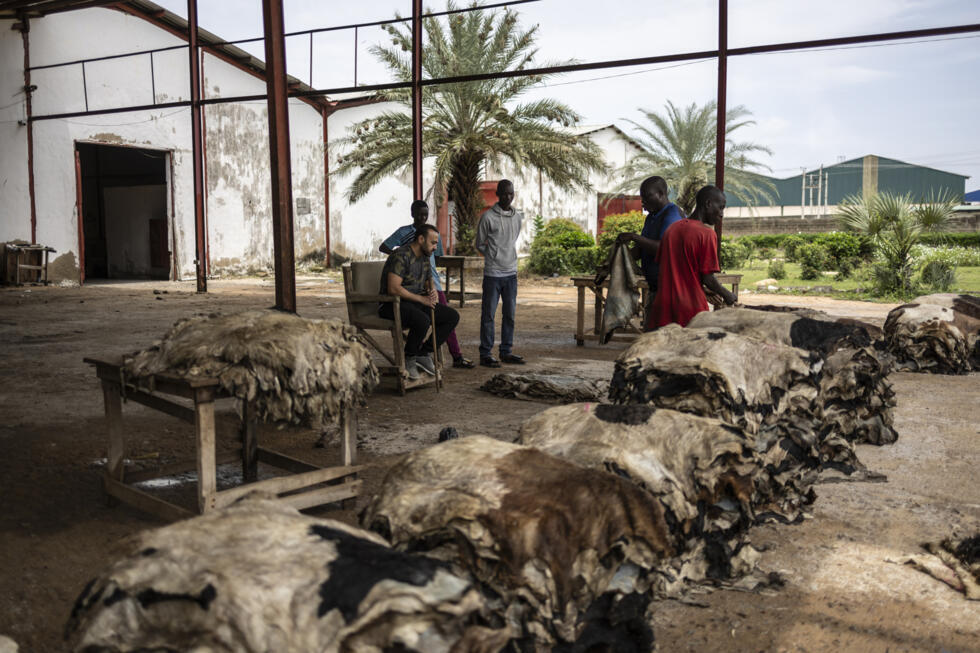
Ztannery, operational since 2010, takes daily delivery of dozens of fresh hides of goats and sheep from across Nigeria and neighbouring countries. They are sorted and treated over nine days.

Ztannery processes goat and sheep hides from across Nigeria © OLYMPIA DE MAISMONT / AFP

"We process from zero to semi-finished leather, which is 80 percent of the whole process," said company owner Abbas Hassan Zein, 47.

Intermediaries ship the hides to Europe, where they undergo further treatment before being sold to luxury brands like "Gucci, Ferragamo, Prada, Louis Vuitton, all the big names", Zein added.

"And this is where the process goes from 'Made in Nigeria' and the balance 10 percent of the finished leather is lost and becomes 'Made in Italy' or 'Made in China,'" he added.

Modern tanneries with state-of-the-art machinery like Ztannery only accept large orders paid in dollars or euros, cutting off access by local designers who would pay in local currency.

At the Majema tannery, workers clean and treat the hides on the floor © OLYMPIA DE MAISMONT / AFP

Many turn to the traditional Majema tannery, founded in 1932 in the heart of Kano city.

Here, everything is done manually. Dozens of tanners clean and dye hides directly on the earthen floor amid plastic bags and bottles.

"Our customers come from the north and south, and we also export to neighbouring countries such as Niger, Cameroon, Chad, Cotonou (Benin) and Europe," said tannery manager Mustapha Umar, 52, standing in front of goat hides hanging from wires, waiting to be dyed the next day.

- 'Expression of heritage' -


In 2017, Femi Olayebi, founder of the Nigerian brand FemiHandbags, created the Lagos Leather Fair, an annual event that brings together approximately 100 leather professionals in Nigeria's commercial hub.

"There was a need for a platform dedicated to designers, products and leather suppliers, demonstrating that Nigerians, with their own resources, are capable of creating items that are worth purchasing," said Olayebi.

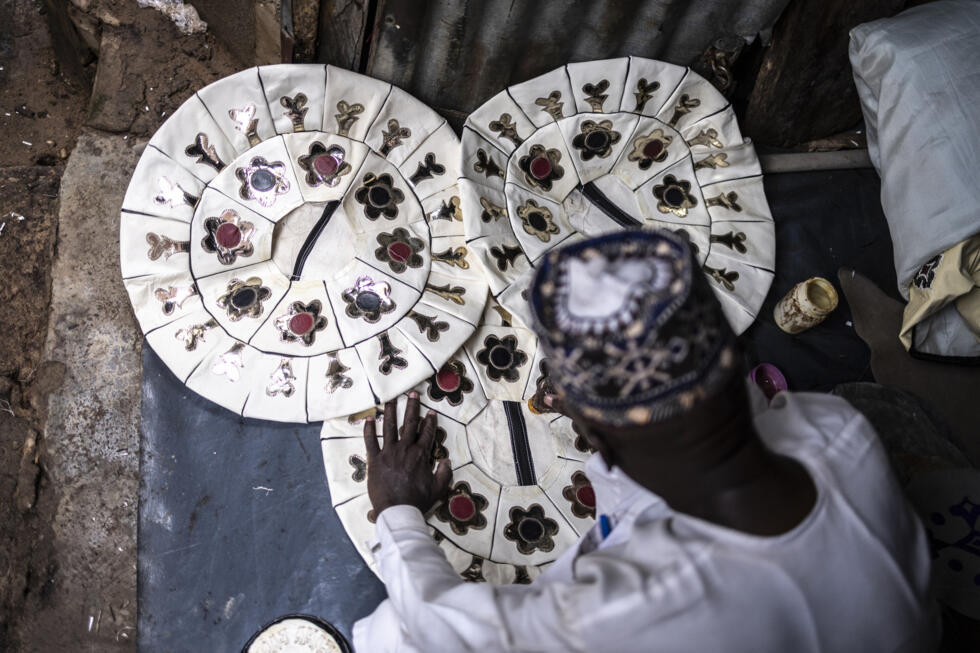
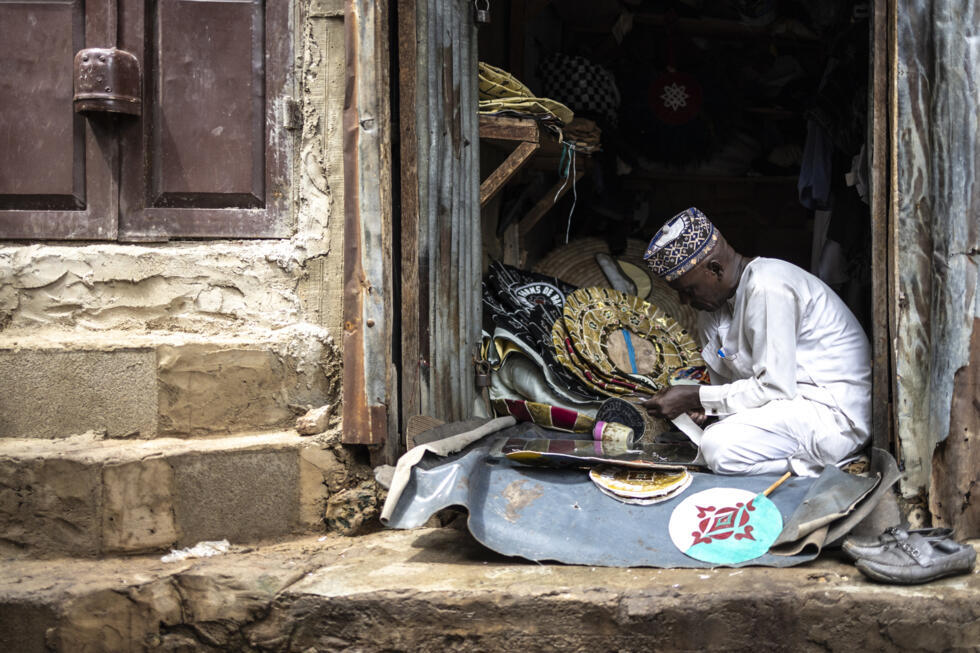
Kano supplies overseas luxury giants, but some of the leather goes to make local handicrafts such as pouffes © OLYMPIA DE MAISMONT / AFP


Public and private ventures are growing in the sector in Africa's most populous country.

In Kano, Indian, Chinese and some European producers -- not necessarily from the big names -- "have started showing interest of coming here to do the manufacturing", said Tijjani Sule Garo, of GB Tannery, a family business spanning three generations.

Back in Lagos, the state government in August launched a factory in the Mushin neighbourhood, with the target of producing leather goods and creating 10,000 jobs, located near one of the country's largest leather markets.

Nigerian leather-work is seen as an expression of heritage 
© OLYMPIA DE MAISMONT / AFP

To compete against global leather industry giants, Olayebi stresses the need for "better machines, better access to high-quality Nigerian leather, and above all, better training".

For David Lawal, 26, brand executive for Morin.O, it all boils down to promoting Nigerian identity.

Many customers seek a "timeless expression of heritage", narrated through leather products created in Nigeria and crafted by Nigerians, said Lawal.

© 2025 AFP


Deadly protests erupt in Madagascar over chronic blackouts and water cuts

Anger over chronic water and electricity shortages has exploded into deadly unrest in Madagascar, prompting a night-time curfew in the capital. At least five people were killed in mass protests in Antananarivo on Thursday, hospital sources said.


Issued on: 26/09/2025 - RFI

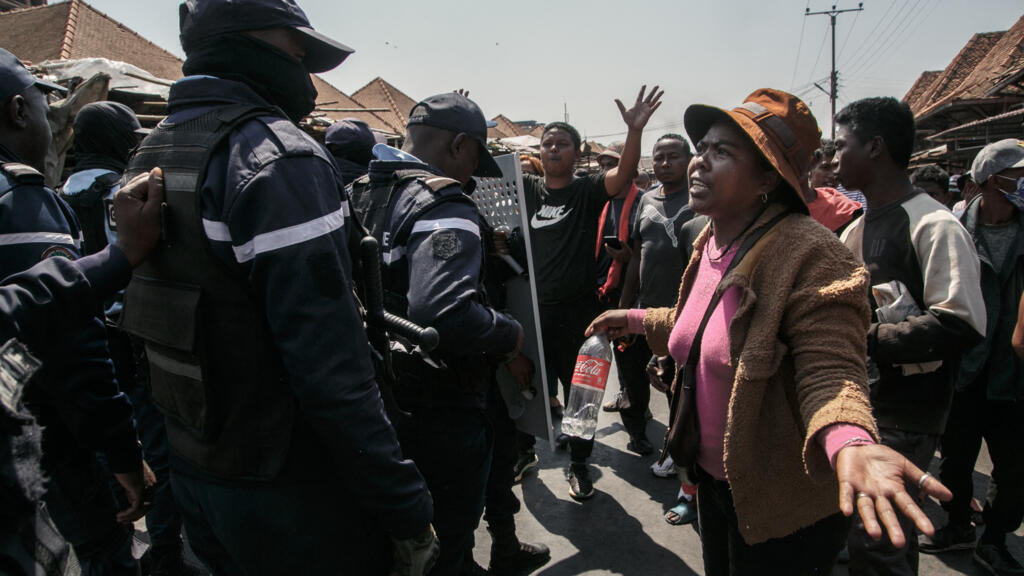
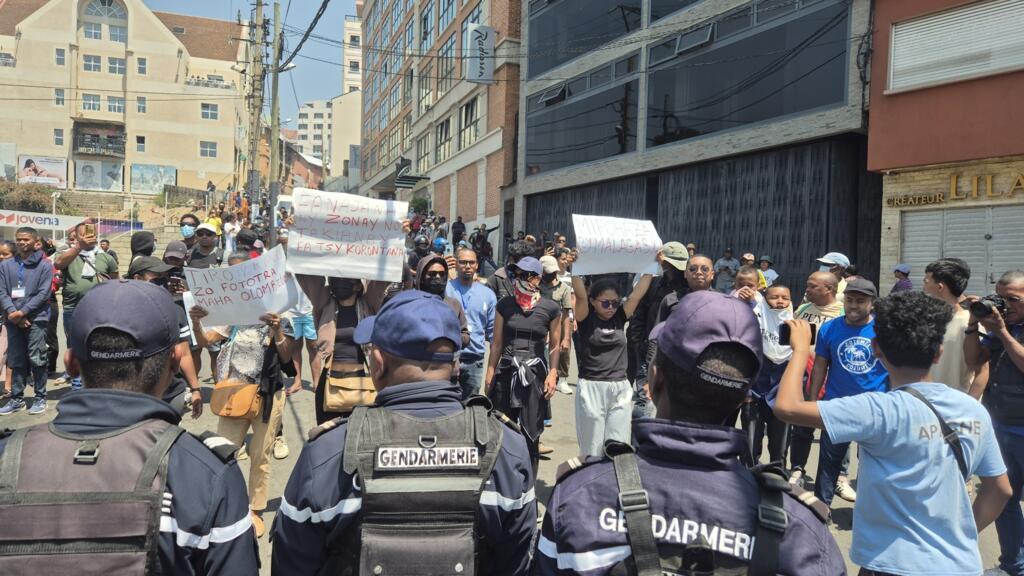
Protesters face security forces as they demonstrate against repeated water and electricity outages in Antananarivo, Madagascar, on 25 September 2025. © Rijasolo / AFP


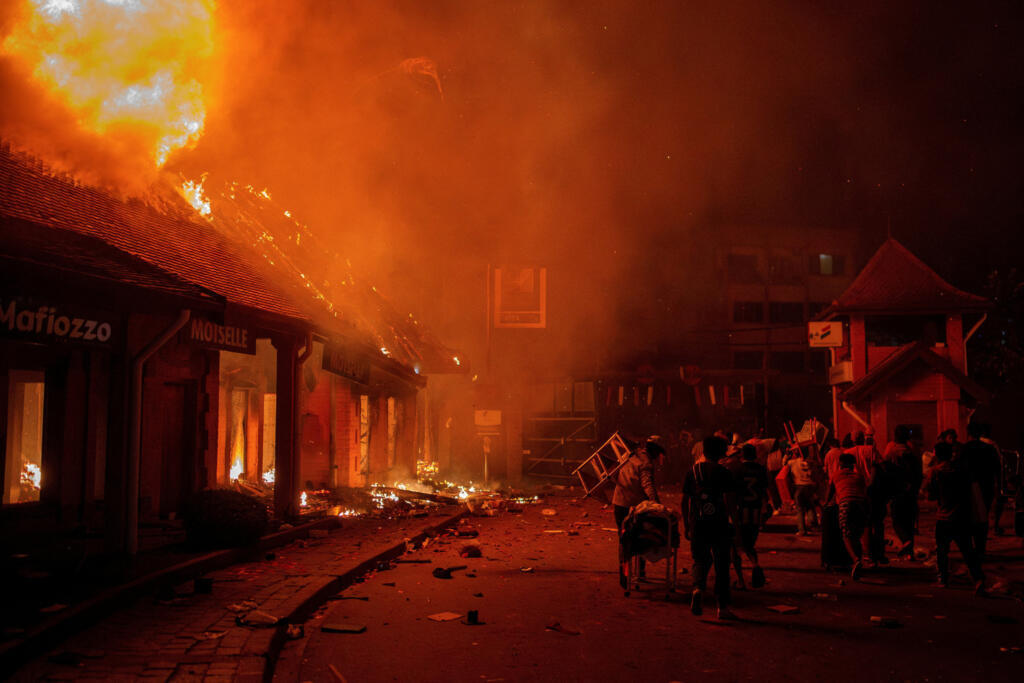
Despite the curfew, demonstrators built barricades of burning tyres and rubbish and ransacked shops. Cable car stations were also attacked as unrest spread through the city.

RFI correspondent Guilhem Fabry reported that loud blasts were heard near the city centre until about 2am on Friday and that a strong smell of smoke hung in the air.

Authorities have imposed a curfew in Antananarivo from 7pm to 5am, saying it will stay in place “until public order is restored”.

Schools across the capital and nearby districts were closed on Friday, and the suspension was extended to the city of Antsirabé, where clashes also broke out.

Burning shops during a demonstration to denounce frequent power outages and water shortages in Antananarivo, Madagascar, on 25 September 2025. © Zo Andrianjafy / Reuters


Tear gas, rubber bullets

Thursday’s protests in Antananarivo, which began as peaceful marches, were met with tear gas, rubber bullets and large numbers of police.

What started as demonstrations against the shortages quickly escalated into one of the biggest challenges faced by President Andry Rajoelina in years.

Hundreds of people tried to reach central Ambohijatovo Square despite a government ban on gatherings, but were blocked by heavy security.

Protesters split into smaller groups to get around the cordons, carrying banners denouncing the outages and accusing the government of failing to guarantee basic rights.

Police fired tear gas and rubber bullets as masked officers charged the crowds.


Protesters wave placards near Ambohijatovo Square in Antananarivo, on 25 September 2025. © Sarah Tétaud/RFI

Online mobilisation

Two lawmakers have reportedly had their homes vandalised, including senator Lalatiana Rakotondrazafy – a former minister and vocal supporter of Rajoelina.

Addresses of pro-government figures had been widely shared on social media, amid massive online mobilisation.

While most of the posts called for peaceful protests, some included addresses of officials to "target" or even DIY guides for making explosives.

Security forces claim that bad actors are taking advantage of the protests to destroy property, while legislators have tried to frame the movement as a plot.

Ahead of Thursday's protests, 13 out of 18 senators denounced what they called an "attempted coup d'état" by the opposition.

Rajoelina has yet to address the situation. Having spoken at the UN General Assembly in New York earlier in the week, it remains unclear whether the president has returned to Madagascar.

He first came to power through a coup in 2009, before going on to win presidential
 elections in 2018 and 2023.


Persistent shortages

Only around a third of Madagascar’s 30 million people have access to electricity, according to the International Monetary Fund. Power cuts often last more than eight hours a day.

Poor governance of the state-owned utility, Jirama, is at the heart of the problem and for months there have been protests outside their headquarters in Antananarivo.

Madagascar is one of the poorest countries in the world, with 75 percent of people living below the poverty line.

Yet Jirama uses up 10 percent of the state's revenue. Critics point to mismanagement and corruption as key factors behind the company's failings.
Global Sumud Flotilla set to continue its mission to Gaza as Frontex declines to provide protection


Copyright Copyright 2025 The Associated Press. All rights reserved

By Malek Fouda & Fortunato Pinto
Published on 27/09/2025 - EURONEWS

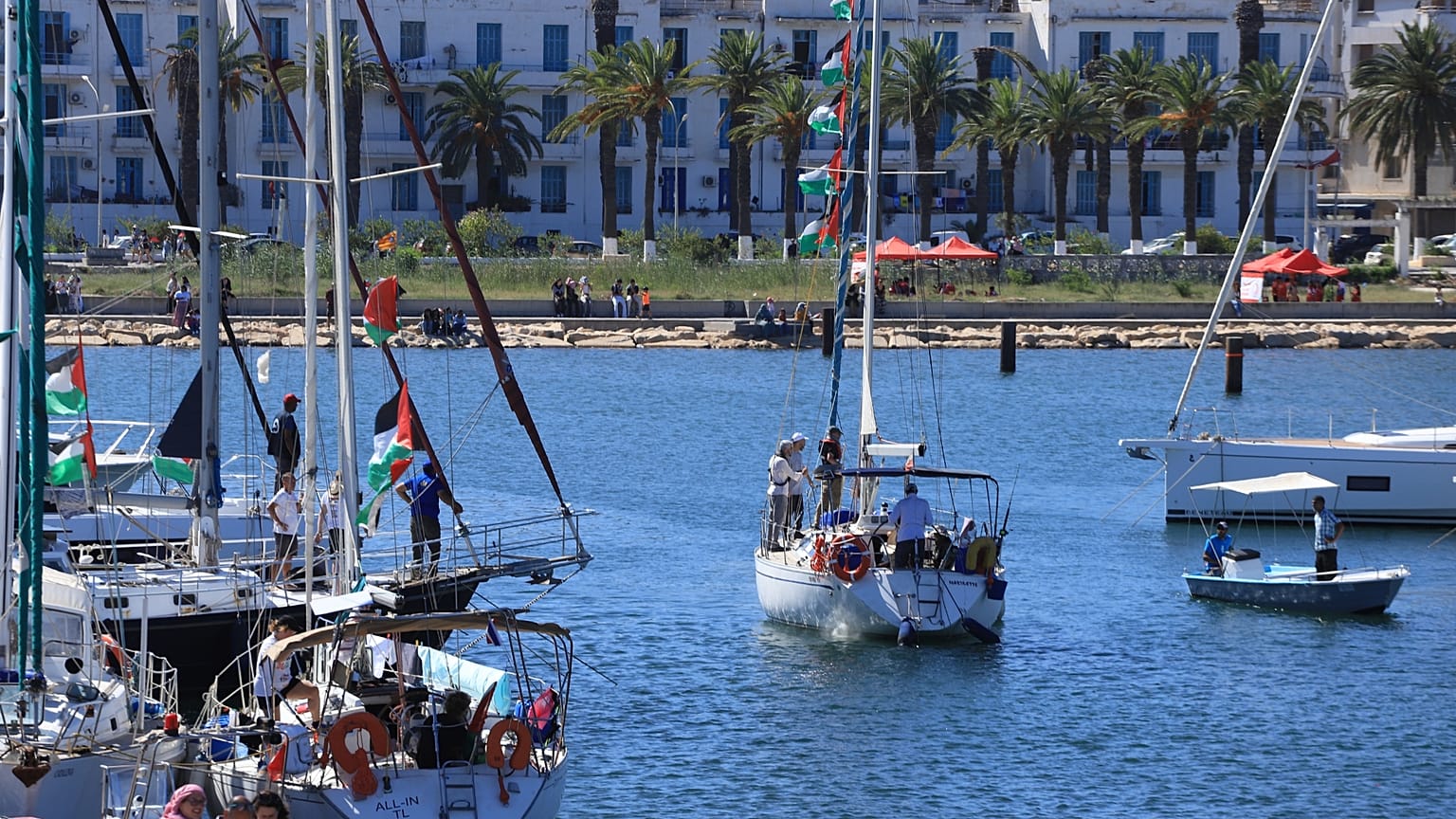
The Global Sumud Flotilla's mission to break Israel's siege on Gaza continues, but without the Family Boat, which is stranded off Crete due to a serious engine malfunction. Ten Italians have abandoned the journey after government pressure, but most have decided to continue.

Despite the Family Boat suffering an engine failure and pressures from the Italian government, the group of boats aiming to break the Israeli siege, the Global Sumud Flotilla, has decided that it will not stop its journey to the Gaza Strip.

In a video published in the night between Friday and Saturday, one of the Flotilla's spokespersons, Thiago Ávila, said that the Family Boat had suffered a "catastrophic technical failure" in the engine, preventing it from continuing its journey.

The boat had been hit in recent weeks by "incendiary drone attacks" and had to overcome technical difficulties, but due to the current failure, it can no longer safely sail.

Ávila reiterated however that the mission continues without interruption and that the aid cargo and people on board the now retired Family Boat will be relocated to other units of the flotilla.

"The need to act is more urgent than ever in light of the ongoing military operations in Gaza," said Ávila, as he renewed calls for international support.

The departure of the boats, as confirmed to Italian media outlets by Silvia Severini, an Ancona native on board the Seulle boat, is scheduled for Saturday.

Italian government pressures on the Flotilla

The Italian government has been applying strong pressure on the Flotilla to stop the journey to Gaza.

Italian President Sergio Mattarella asked the Flotilla to avoid "putting anyone in harm's way", and urged the group to heed of Prime Minister Giorgia Meloni and her Defence Minister Guido Crosetto's advice to instead send aid through humanitarian corridors.

The Italian premier has requested that a humanitarian corridor be opened to send the aid the Flotilla is carrying for delivery to Palestinians in Gaza through Cyprus. The initiative will see the aid being distributed via the Latin Patriarchate of Jerusalem.

A dozen people from the Italian delegation, as highlighted during a conference in Rome by Giorgina Levi, spokesperson for the Global Movement to Gaza, have decided to abandon the journey, but the remaining part of the approximately fifty Italians on board the flotilla's boats are carrying forward with their journeys to Gaza.

Maria Elena Delia, the Italian spokesperson for the Global Sumud Flotilla, responding to Mattarella's appeal on Friday, noted that she "appreciated the president's words" but stressed that abandoning the mission will "shift focus from the central objective".

"We are very willing to find a humanitarian corridor, which we would like to be permanent, but this cannot be an alternative to being able to freely navigate international waters. We are trying to highlight an anomaly," Delia stated.

"There is no intention to get hurt on purpose, we ask governments: is it possible to tell Israel that if they attack those boats in international waters, we will impose sanctions on them? Can we consider the possibility that Italy imposes an arms embargo or renounces some commercial agreements?"

"Israel could guarantee that once a month a naval corridor is opened so that UN ships, not the Flotilla's, can deliver aid by sea. There are many possibilities, but more needs to be done than asking us not to go to Gaza," added the activist

Frontex will not help the Flotilla

Meanwhile, the European Border and Coast Guard Agency, Frontex, has announced that it will not be able to support the Flotilla.

Speaking to Italian media, a spokesperson for the agency explained that as a civil and non-military organisation, it does not have the capacity to provide protection or escort to the Flotilla as it heads to the besieged enclave.

It comes after 58 MEPs from the Left, Greens, Socialists and Democrats, and non-attached groups had sent a letter to the President of the EU Commission, Ursula Von der Leyen, demanding urgent intervention by Frontex.


Thousands of Germans in Berlin protest, call for end to Israel-Hamas war in Gaza

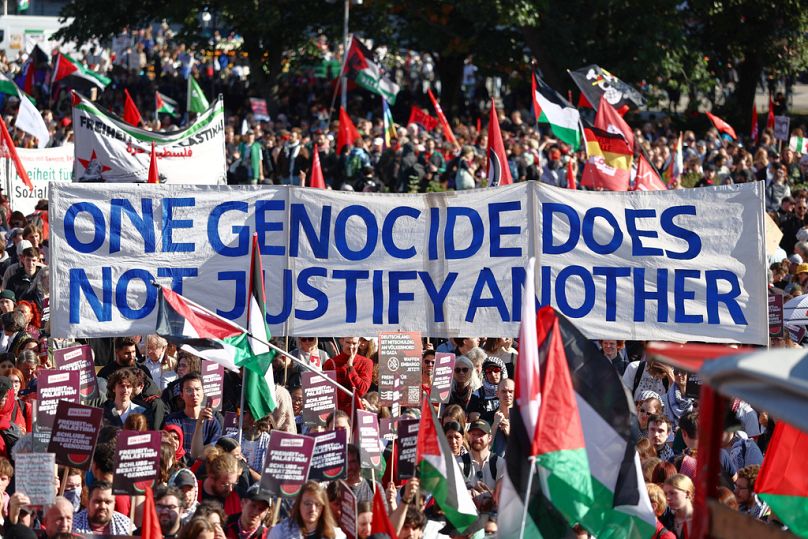
Berlin: 50,000 people demonstrate against the war in Gaza
Copyright AP Photo

By Euronews
Published on 

Some 50,000 people took part in the march through Berlin’s downtown area, according to police. About 1,800 law enforcement officers were deployed to monitor the demonstrators.

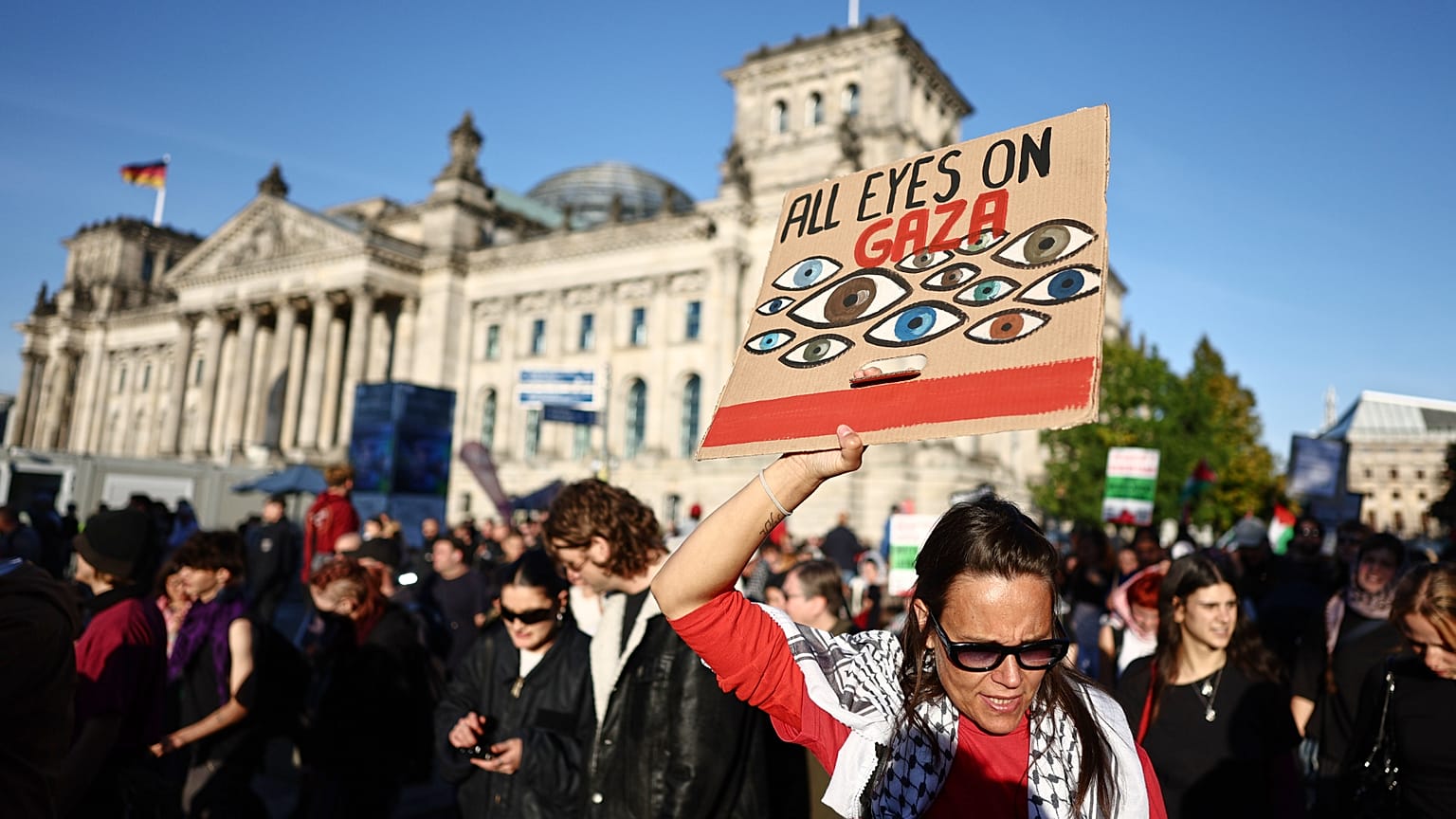
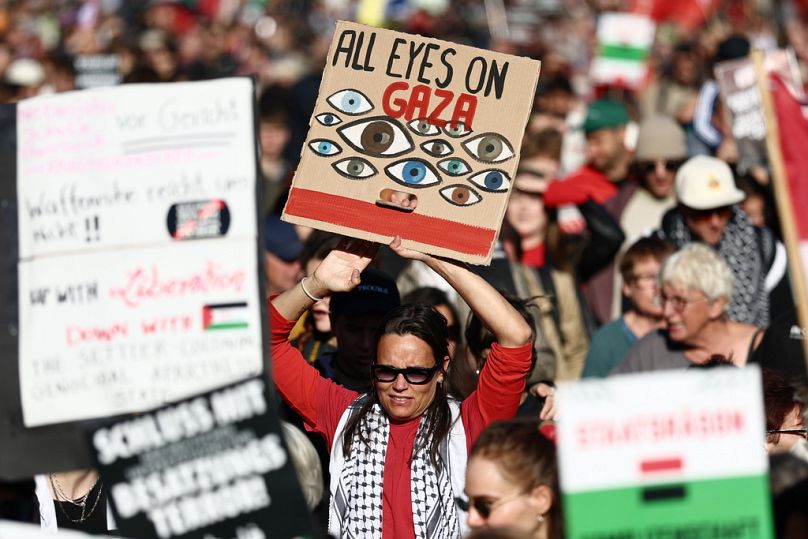
Tens of thousands of protesters took to the streets of Berlin, the German capital, on Saturday in solidarity with Palestinians in Gaza, calling for an end to the Israel-Hamas conflict in the war-devastated enclave.

Demonstrators shouted slogans like “free, free Palestine,” and demanded an end to the worsening humanitarian crisis in Gaza.

Some 50,000 people took part in the march through Berlin’s downtown area, according to police. About 1,800 law enforcement officers were deployed to monitor the demonstrators.

The protesters also called for a halt to German arms exports to Israel and demanded European Union sanctions against Israel, German news agency dpa reported.

Germany is one of Israel's leading foreign suppliers of military hardware, along with the US and Italy. In August, Berlin halted military exports to Israel for use in Gaza amid outcry over Netanyahu's plan for a renewed offensive, which Israel has since begun.

People protest against Israel during a mass demonstration called "All Eyes on Gaza" in support of Palestinians in Berlin, Germany, Saturday, Sept. 27, 2025. (AP Photo/Christop
People protest against Israel during a mass demonstration called "All Eyes on Gaza" in support of Palestinians in Berlin, Germany, Saturday, Sept. 27, 2025. (AP Photo/Christop Christoph Soeder/Copyright 2025 The AP. All rights reserved.

Protests in Berlin on Saturday reportedly began from Alexanderplatz, with demonstrators marching to the Victory Column in the Tiergarten district of Berlin.

Around 50 organisations and associations had called for the demonstration, including Amnesty International and the party Die Linke. One of the protests, a pro-Palestine demonstration in Kreuzberg, was, however, broken up due to anti-Israel slogans.

In a separate protest, about 100 people rallied in favour of Israel and “against all forms of antisemitism,” German public broadcaster RBB reported, adding that there were isolated scuffles when the two protest groups met. It wasn’t immediately clear if the scuffles were between the different protesters or with police trying to separate them.

Protests took place simultaneously in other EU cities

Several thousand people also protested in the western German city of Düsseldorf under the slogan “we will not forget Gaza — freedom for Palestine and all oppressed peoples.”

In Geneva, about 6,000 people demonstrated for an end to the war in Gaza, Swiss public broadcaster SRF reported. Other European cities have also seen Gaza protests in recent weeks.

People protest against Israel during a mass demonstration called "All Eyes on Gaza" in support of Palestinians in Berlin, Germany, Saturday, Sept. 27, 2025. (AP Photo/Christop
People protest against Israel during a mass demonstration called "All Eyes on Gaza" in support of Palestinians in Berlin, Germany, Saturday, Sept. 27, 2025. (AP Photo/Christop Christoph Soeder/Copyright 2025 The AP. All rights reserved.

The 7 October 2023 strike on southern Israel by Hamas set off the war in Gaza. Hamas terrorists killed almost 1,200 people in the attack, primarily civilians, and kidnapped 251. Israel believes that 20 of the 48 hostages that are still in Gaza are alive.

Israel’s retaliatory offensive over the past 23 months has killed more than 65,100 people in Gaza, according to Gaza’s Health Ministry, which does not distinguish between civilians and Hamas fighters.

Germany has led efforts among the EU’s 27 member nations to block collective criticism of or efforts to stop Israel’s blockade of Gaza and military campaign, but the German government has recently shown some scepticism about its position.

The German government remains deeply concerned about the suffering of civilians in Gaza, Merz said in August when he spoke against Israel's plan for a renewed offensive in Gaza.