Tuesday, October 14, 2025


Korea Claws Back Market Share as Global Shipbuilding Market Cools
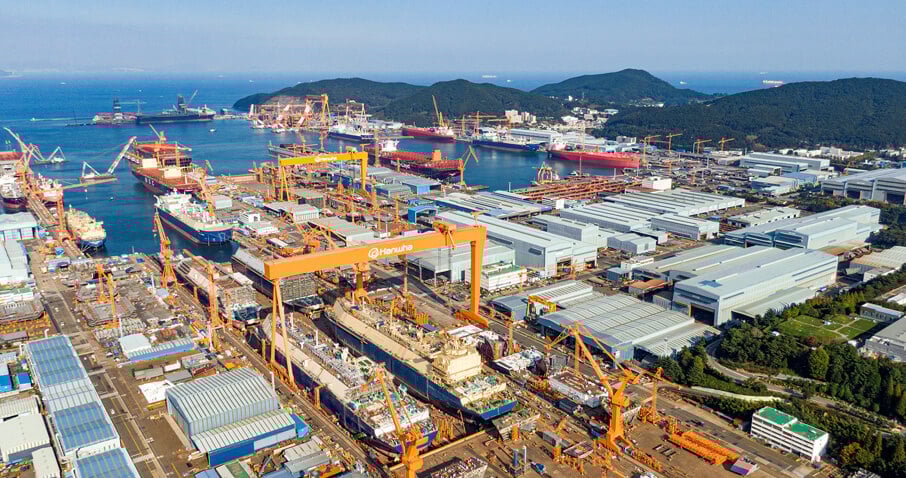
shipbuilding yard
Korea has reclaimed lost market share in shipbuilding possibly as owners react to the U.S. fee program for Chinese built ships (Hanwha Ocean file photo)

Published Oct 13, 2025 6:44 PM by The Maritime Executive


South Korean officials are highlighting an uptick in the country’s market share for the newbuilding orders and the potential that they have been able to regain market share from China on the eve of the introduction of the U.S. port fees on Chinese-owned, operated, and built ships. Using data from the UK’s Clarksons, the Ministry of Trade pointed to positive results that have been building in 2025 and a good outlook for the industry.

China’s shipbuilding industry reached approximately three-quarters of global orders in 2024, and despite the trends, China continues to highlight its dominance in the sector. China’s Global Times news outlet cites data from the China Association of National Shipbuilding Industry (CANSI) that shows a 15 percent increase in the share of orders during the country’s last five-year plan (2021-2025) to a level of over 64 percent of the orders up from just under 52 percent of orders at the end of the prior five-year plan in 2020. Moreover, they highlighted accelerated growth from 8.6 percent between 2016 and 2020 up to the 15 percent between 2021 and 2025.

Clarksons set China’s share of the global new orders in 2024 at 74.5 percent. Based on this growth, the U.S. Trade Representative’s Office in April released its plan for port fees to counter China’s dominance in shipbuilding and the maritime sector. The U.S. says the Chinese government has implemented unfair business practices, while China calls the U.S. moves “clearly a politically motivated protectionist attempt.” The U.S. begins charging the first round of port fees for vessels arriving starting on October 14.

Citing the nine-month data for 2025 and a strong performance in September, South Korea’s Ministry of Trade asserts some shipowners are now shifting part of their orders to Korean shipyards. “We anticipate that the concentration on China will likely ease further going forward,” MOT asserted in its report.

Clarksons’ data shows a cooling in the global orderbook. Orders in the first nine months were at just under 60 million tons. That is down by half from 2024.

In the most recent quarter, Chinese shipbuilders booked 10.47 million tons, down from 26.93 million a year ago.  China had booked 14.96 million tons in the second quarter of 2025.

South Korea, by comparison, booked 4.93 million tons in the most recent quarter. While it is down from the rates of the first two quarters (5.32 million in Q1 and 5.26 million in Q2), it is up significantly from the 4.13 million tons in the fourth quarter of 2024. Korea’s market share, they also note, has doubled in 2025 versus 2024, reaching 25.9 percent, while China is down from 74.5 percent to 58.8 percent.

While overall orders were down 44 percent in September versus last year, China and South Korea were nearly tied for the month. South Korea’s share reached 39 percent while China was down to 40 percent. Korea also highlighted that it secured twice as many high-value new ships ordered compared to China.

Clarksons calculates that the global order backlog stands at nearly 166 million compensated gross tons, with a 70,000-ton addition in September despite the overall slowing in the market. China holds 61 percent of the orderbook (108.6 million CGT) compared to Korea’s 20 percent share (33.81 million CGT).

South Korean officials cited trade uncertainty caused by the U.S. trade policy as contributing to the slowing in the global market. However, they remain confident that as the U.S. moves forward with its efforts against China, they will be able to further reclaim market share lost to China in the past few years.

 

Salvamento Maritimo Rescues Injured Seafarer After Fall Into Cargo Hold

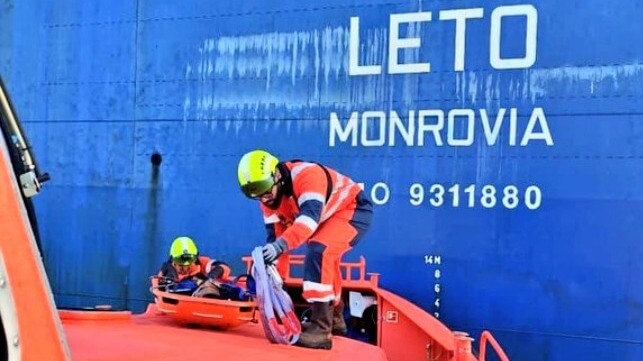
Leto rescue
Courtesy Salvamento Maritimo

Published Oct 13, 2025 8:52 PM by The Maritime Executive


On Saturday, a crewmember suffered a serious fall aboard a boxship at the port of Algeciras, necessitating a high-angle rescue operation. 

At about 0830 in the morning, Algeciras' maritime rescue coordination center received a request for emergency assistance from the container ship Leto. A crewmember had fallen about 16 feet into the hold. 

A helicopter medevac was ruled out because cargo above the hold made the operation too difficult. Instead, Salvamento Maritimo dispatched the SAR boat Salvamar Denebola. The boat crew used a crane to hoist the victim out of the hold and transfer him aboard the boat for safe transfer ashore. 

Within two hours of the accident, the victim was on shore and was transferred to local emergency services for further care. He was delivered in serious condition, but conscious. 

Because of Salvamar Denebola's home port at Algeciras, adjacent to one of the world's busiest maritime choke points, the boat regularly responds to serious casualties. The Denebola was on hand for the collision of the OS 35 and the Adam LNG; the collision of the HMM St. Petersburg and the Gloria Maris; and the collision of the tanker Southern Puma and the bulk carrier Louisa Bolten.

U.S. Coast Guard Rescues Dozens From Flooding in Alaskan Villages

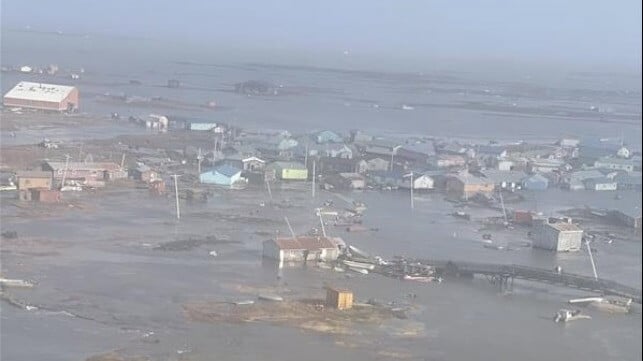
Damaged village
Courtesy USCG

Published Oct 13, 2025 6:23 PM by The Maritime Executive


After devastating winds and seas from the last remnants of Typhoon Halong swept through the Bering Sea, the U.S. Coast Guard and state agencies are conducting a large-scale SAR operation in two remote villages near Bethel, Alaska. 

The typhoon brought hurricane-force winds and gusts over 100 miles an hour to the Yukon-Kuskokwim Delta, according to the state of Alaska's emergency management division. The small towns of Kipnuk and Kwigillingok were in the midst of it and sustained extensive damage from flooding, winds and flying debris. Both experienced storm surge of more than six feet above the high tide line. At least eight homes were pushed off their foundations by the force of the elements in Kipnuk, the Alaska State Troopers reported.

Coast Guard airmen out of Air Station Kodiak pulled 18 survivors to safety in the village of Kwigillingok and 16 more in Kipnuk. Between all federal, state and local responders, a total of 51 people and two dogs have been rescued from the area. All were retrieved and delivered in stable condition, but three residents from Kwigillingok remain missing. One aircrew conducted a broad search for the missing on Sunday and began again at first light on Monday morning; the effort continues, the Coast Guard said. The service is moving supplies, personnel and assets to Bethel in order to be able to mount an extended search. 

“Preservation of life is our top priority,” said Capt. Christopher Culpepper, commander of U.S. Coast Guard Sector Western Alaska and U.S. Arctic. “The Coast Guard remains closely connected to the State Emergency Operations Center in full support of combined rescue and response operations alongside State Troopers, National Guard, and various additional agencies.”   

In addition to aircrews out of Kodiak, the cutter Kimball is in the area and assisting in the search using its unmanned aerial vehicle. Kimball's crew is also helping out with logistics. 

Kipnuk is built on permafrost and has been subsiding as the terrain melts underneath, an issue that affects many northern Alaskan communities. The village was already vulnerable to river flooding and residents were faced with the possibility of having to relocate the town. To help stave off flooding, Kipnuk was awarded $20 million in EPA Environmental and Climate Justice Block Grant funds last year to build a protective rock barrier next to the river. The grant was suspended this year amidst federal cutbacks on climate and DEI programs, according to Floodlight

Despite Shutdown, U.S. Coast Guard Will Still Receive Next Paycheck

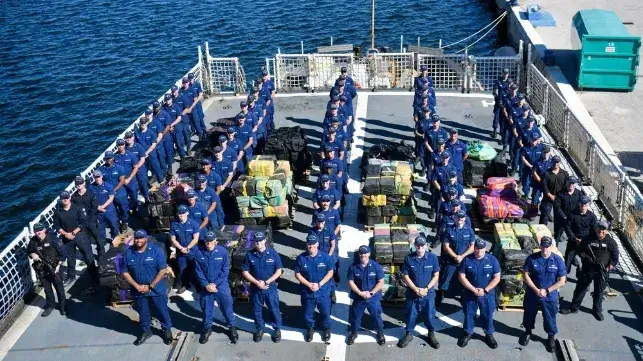
Crew of USCGC Seneca at the pier with seized cocaine cargoes, September 2025 (USCG file image)

Published Oct 13, 2025 1:40 PM by The Maritime Executive


The U.S. Coast Guard's active-duty servicemembers will receive their pay on time and as scheduled on October 15, the service confirmed Monday, despite the government shutdown. Unlike circumstances during the last shutdown, when servicemembers had to wait for Congress to pass an appropriations bill in order to receive back pay, the White House has redirected R&D funding to cover military salaries. 

"Our people are the heart of the Coast Guard," said Acting Commandant Admiral Kevin Lunday. "We are grateful for the actions taken by President Trump and Secretary Noem to ensure that our members — who protect and defend our nation’s maritime borders and our citizens every day — receive the pay they have earned."

Active duty military servicemembers have to remain at their posts during a shutdown, along with essential civilian federal employees. The Coast Guard's civilian workforce is not expected to receive pay at this time, but the service's leadership said that it continues to advocate for full funding. 

The financing for the military pay comes from $8 billion in unobligated funds for military R&D, testing and evaluation, according to Politico. This temporary shuffle may be on uncertain legal ground: the Antideficiency Act bans federal officials from spending funds that have not been appropriated by Congress. The criminal penalties are relatively light, capped at two years in prison or a small fine, and were not enforced during the 2019 shutdown.  

While military pay will go out on time on October 15, funds for the October 31 pay period will still have to be appropriated by Congress, or the administration will have to find another way to reallocate additional funding in order to meet payroll obligations. 

Across the country, servicemembers have been leaning hard on food pantries and charities in expectation of a missed paycheck, military-service nonprofits report. The shutdown does not relieve active-duty personnel of their financial obligations, like rent and utilities, even though they are legally required to continue to work without pay. 


Container Flow Resumes in Rotterdam as Court Orders Strikers Back to Work

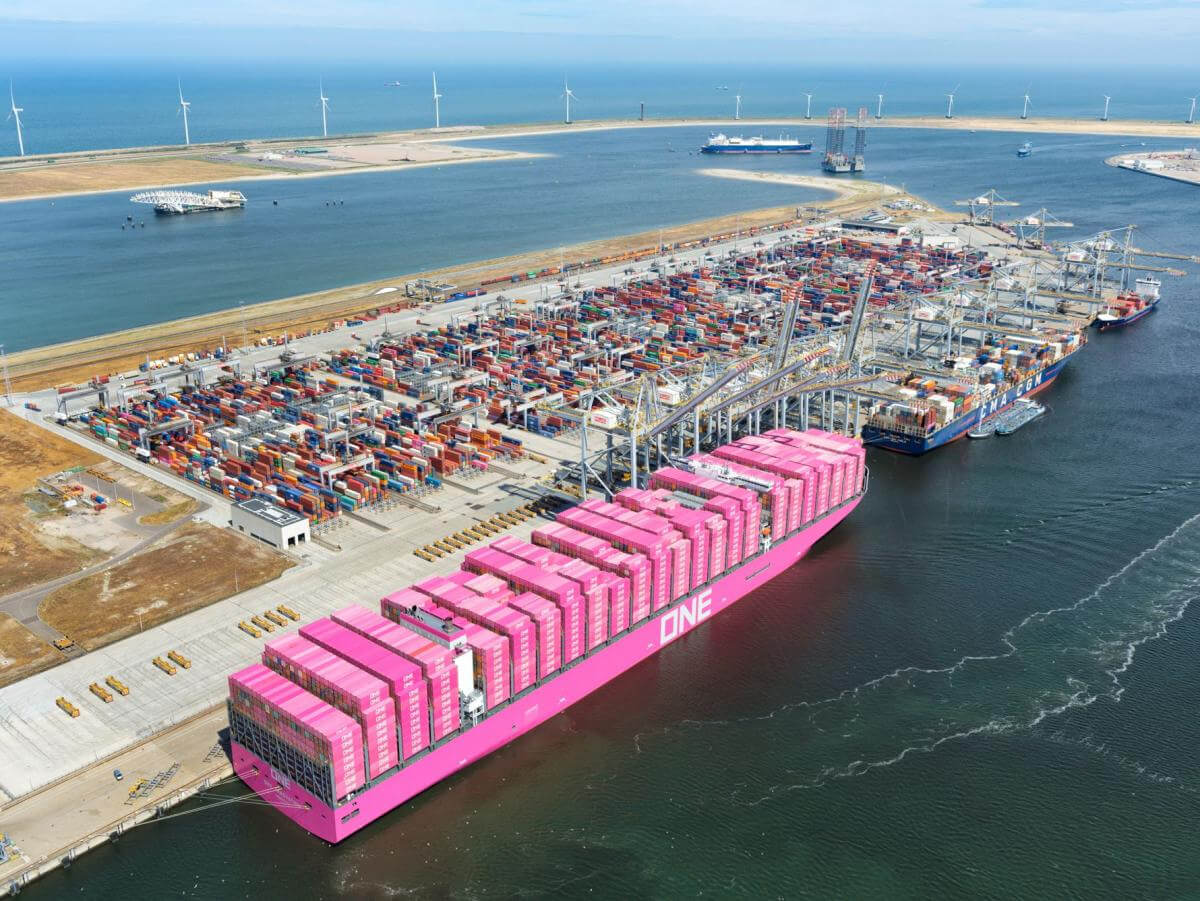
Port of Rotterdam
Container loading and offloading resumed as the lasher were ordered back to work for four days (Port of Rotterdam)

Published Oct 13, 2025 3:24 PM by The Maritime Executive


The lashers working in the Port of Rotterdam who handle containers were ordered back to work for the next four days. A court found with a coalition of their employers and businesses that argued the strike was having a disproportionate impact and could threaten supply chains.

The workers have been on strike since last Wednesday, October 8, and on Friday, extended their strike indefinitely. A spokesperson for the Port of Rotterdam told The Maritime Executive that they were experiencing “major backlogs.” They reported that as of Monday, 33 vessels were waiting in the anchorage areas, including 15 deep-sea containerships.

The port companies said the back-to-work order, which is temporary, was not ideal but would let them load and offload a few of the vessels while talks resumed. They forecasted that the current backlog would take till late October to clear, and if the strike is extended, the delays would easily continue into November.

The Port of Rotterdam, in a statement issued over the weekend, said, “We remain of the opinion that the action is currently causing disproportionate damage and putting serious pressure on the security of supply.”

The union, FNV, dismissed the claims, saying the delays and disruptions from the strike did not rise to the level of broad social impact required by law to intervene in the strike. They said the delays were “inconvenient,” but not urgent. The court, however, disagreed and told the lashers to resume work at 0700 on Monday. If no settlement is reached, they can resume the strike on Friday, October 17.

The union has been demanding a seven percent wage increase on top of the current automatic inflation indexing. On Friday, the union lowered its demand to 6.5 percent, but the two companies that employ the lashers are still rejecting the demand as too high. Both sides agreed to resume negotiations on Sunday.

The Port of Rotterdam said it hopes the lashers and their employers can reach an agreement this week at the negotiating table. The court has already warned that the business coalition could seek further injunctions if the strike resumes on Friday.

Delays have been mounting for containerships as well as other commercial vessels, as the Belgian union representing pilots also began a work slowdown last week. It is protesting the state’s pension reforms. As of Monday evening, the union is reporting that a total of 133 ships are now waiting, including 36 waiting for a pilot to leave the port of Antwerp. A total of 89 inbound vessels for the three Belgian ports are waiting offshore in the anchorages, and Belgium’s delays are expected to grow with the national organizations having called a nationwide strike for Thursday.

ORCA WAR ON THE 1%

Orcas Sink Sailing Yacht With Family of Five Off Portugal

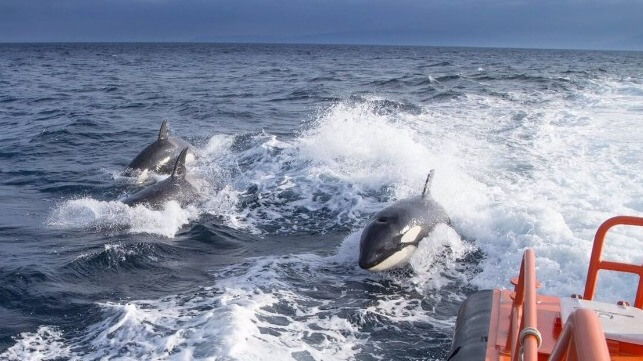
MITMAS
File image courtesy MITMAS

Published Oct 13, 2025 9:39 PM by The Maritime Executive


Last week, a family of five survived a sinking off the coast of Portugal, which was initiated by the latest aggressive encounter between the local orcas and a yacht rudder. 

On Friday, the Portuguese military received a distress call from the French sailing yacht Ti'fare, which was operating about 50 nautical miles off the coast of Peniche. The crew consisted of three young children and their parents, and they reported that they had been rammed by orcas and were taking on water. 

The family launched their life raft and boarded successfully. Within a short time, they were picked up by the good Samaritan fishing boat Silmar and brought safely on deck. To bring them to shore, the Portuguese Air Force dispatched a Merlin helicopter out of Montijo, returning them to dry land at about 2300 hours the same evening. Additional assets were dispatched to the scene but were not needed. 

It is the second yacht in a month that has been sunk by Iberian orcas. In broad daylight and close to shore, the pod struck the rudder of a sailing vessel off Fonte de Telha, causing it to spin and then sink. The crew abandoned ship and were rescued without injury. Another yacht nearby had to be evacuated the same day after the same group of orcas went after it. 

The attacks have been a problem for years. A number of known and identified orcas around the Iberian Peninsula have developed the unwelcome habit of smashing into yacht rudders, an activity that may be entertainment for the orcas but is dangerous for mariners. The attacks are limited to slow-moving sailing yachts with comparatively large rudders, and it has been suggested that they are a form of play - the objective being to make the yacht spin around. 

The crewmembers themselves are not believed to be the target. In all of human history, there are no recorded cases of a fatal orca attack on a person in the wild - though there are records of joint human-orca hunting partnerships.

Lamya Essemlali, an orca researcher, believes that the yacht sinkings aren't the objective of the unwanted behavior. Hundreds of harassed yachts have survived the interaction with varying degrees of damage, and she suggests that the orcas have the capability to sink a sailing yacht with consistency if that is what they set out to do. "They wouldn't have sunk four or five like they have, they would have sunk the 600," she said. 

Whatever the motive may be, the attacks continue. Over the weekend, Spanish marine rescue authorities had to tow two more yachts after orca interactions off the coast of Cabo Villano. 


Indonesia Scrutinizes Scrap Steel and Shrimp Trades After Cesium Scare

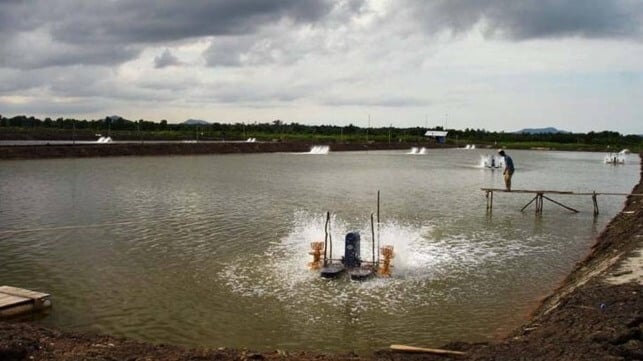
Shrimp aquaculture pond, Indonesia (Herman Gunawan / CC BY SA 3.0)

Published Oct 13, 2025 11:36 PM by The Maritime Executive


After a radioactive-shrimp scare earlier this year, the government of Indonesia is now requiring exporters to certify that their product is free of radioactive cesium before it is shipped to the United States. 

Shrimp producers in Java and Lampung will have to send independent lab test results in to Indonesia's KKP, with follow-up testing to be performed at a national laboratory. The process applies to certain companies that export to the United States and have not had problems before. The firms that have had problems with cesium in their shipments before will have to undergo a separate, more stringent process meeting American requirements. 

Indonesia is the fourth-largest producer of whiteleg shrimp in the world. In August, inspectors in the U.S. found cesium contamination in shipments tracing back to PT Bahari Makmur Sejati (BMS Foods), which supplies a third of the shrimp that Indonesia exports to American consumers. The trace contamination of the radioactive metal affected hundreds of thousands of pounds of product at major retailers across the country, forcing sweeping recalls. The amount present in the packaged shrimp was not large enough to be dangerous to consumers in a single dose, but repeat long-term exposure could cause cumulative harm (for example, elevated risk of cancer). 

Indonesian authorities searched BMS' supply chain for possible sources of contamination, and found above-background levels of radioactivity in the area around BMS' packing plants on Java. They traced the source back to a now-shuttered steel mill, Peters Metal Technology, which smelted scrap metal to produce recycled steel. The investigation into the cause of contamination is under way, and a criminal inquiry has been opened. 

As a precautionary measure, imports of foreign scrap steel and iron have been temporarily suspended pending a stricter regulatory regime. Cesium-137 is artificially-produced in nuclear reactors, and can be found in specialized medical devices and instruments, a potential route for scrap metal supply chain contamination. It is a byproduct of nuclear fusion, and can also be found in the environment in trace amounts as a legacy of Cold War-era weapons testing. 

Top image: Shrimp aquaculture pond, Indonesia (Herman Gunawan / CC BY SA 3.0)

Calcium could be key to solving stability issues in sodium-ion batteries


Researchers demonstrate that calcium doping prevents the degradation of the cathode in air and water


Tokyo University of Science

Calcium-doped NFM to resolve stability issues in sodium-ion batteries 

image: 

By introducing a minuscule amount of calcium into the sodium-ion layer of NFM, a promising cathode material, its stability greatly improved.

view more 

Credit: Professor Shinichi Komaba from Tokyo University of Science, Japan Image link: https://doi.org/10.1039/D5TA04742K


Rechargeable batteries are a fundamental part of today's technological landscape, powering everything from our personal devices to large-scale infrastructure. While many types of rechargeable batteries exist, lithium-ion batteries (LIBs) are by far the most ubiquitous, owing to their outstanding energy density, long life cycle, and low self-discharge rate. However, lithium is rather a scarce element with a very uneven distribution throughout the world, prompting research into batteries made from other materials.

Over the past decade, scientists have focused strongly on sodium-ion batteries (SIBs), which offer a compelling alternative to LIBs. The main advantage of SIBs is the abundance of sodium, which is present in seawater and is much more affordable and safer than lithium. This makes SIBs a promising option for large-scale energy storage, such as for renewable energy grids. Despite these promising qualities, SIBs have their drawbacks. A major challenge is the stability of the cathode material in air and water, which can degrade the battery’s performance and lifespan.

In a recent study, a research team led by Professor Shinichi Komaba, Assistant Professors Zachary T. Gossage and Changhee Lee, Project Scientist Shinichi Kumakura from Tokyo University of Science (TUS), Japan, has made substantial progress toward addressing this pressing limitation of SIBs. Their study was co-authored by Ms. Monalisha Mahapatra, a second-year doctoral student from TUS, who has made remarkable contributions to this research. Their paper, published online in the Journal of Materials Chemistry A on August 29, 2025, reports a new way of enhancing the air and water stability of Na2/3[Fe1/2Mn1/2]O2 (NFM), a very promising composition for the cathode material of P2-type SIBs.

Their approach centers around replacing some of the sodium (Na) ions in NFM with calcium (Ca) ions—a technique known as ‘doping.’ Even though the final concentration of Ca ions is low compared to the overall weight of the electrode (less than 2%), doping can have a marked impact on various properties. Experiments showed that Ca-doped NFM had a higher rate of performance than regular NFM while maintaining a high discharge capacity. Most importantly, Ca-doped NFM exhibited high stability in air and water. Whereas 2 days of air exposure made regular NFM lose 35% of its discharge capacity, no losses were observed in Ca-doped NFM.

To understand the underlying reasons behind these improvements, the team conducted a detailed analysis, revealing the interesting behavior of Ca in NFM. “According to our surface analyses, the improved stability appears to stem from spontaneous Ca migration during air exposure, which leads to the development of a protective Ca-enriched surface layer that suppresses the decomposition processes, such as Na+/H+ exchange and Na deintercalation,” explains Prof. Komaba. “This newly explored mechanism appears to be quite effective for mitigating surface degradation reactions in layered oxides.” The team also noted that Ca doping improved crystallinity and increased interlayer spacing in NFM, which contributes to a better electrochemical performance. Also, the protective layer shields the NFM during storage before battery assembly.

By discovering the protective effects of Ca doping in NFM, this study could pave the way to the widespread adoption of SIBs. Ca materials are abundantly available and they can be easily incorporated into NFM using synthetic techniques, without increasing the cost substantially. This would significantly benefit renewable energy generation by providing a more sustainable and cost-effective solution for large-scale energy storage. Furthermore, it would solve lithium scarcity issues, ensuring a stable supply chain for rechargeable batteries for a wide range of electric and electronic devices. “I believe that the outstanding results achieved in such a short period of time by Ms. Monalisha Mahapatra, a student from India through JICA, were due to both her own hard work and the support system of the entire laboratory,” highlights Prof. Komaba.

Future studies in this field will hopefully allow researchers to tap into the full potential of doping in SIBs.


***


Reference                     
DOI: 10.1039/D5TA04742K


About The Tokyo University of Science
Tokyo University of Science (TUS) is a well-known and respected university, and the largest science-specialized private research university in Japan, with four campuses in central Tokyo and its suburbs and in Hokkaido. Established in 1881, the university has continually contributed to Japan's development in science through inculcating the love for science in researchers, technicians, and educators.

With a mission of “Creating science and technology for the harmonious development of nature, human beings, and society," TUS has undertaken a wide range of research from basic to applied science. TUS has embraced a multidisciplinary approach to research and undertaken intensive study in some of today's most vital fields. TUS is a meritocracy where the best in science is recognized and nurtured. It is the only private university in Japan that has produced a Nobel Prize winner and the only private university in Asia to produce Nobel Prize winners within the natural sciences field.

Website: https://www.tus.ac.jp/en/mediarelations/


About Professor Shinichi Komaba from Tokyo University of Science
Dr. Shinichi Komaba is currently a Professor in the Department of Applied Chemistry at Tokyo University of Science (TUS). He obtained his Ph.D. from Waseda University in Japan. At TUS, he also leads the Komaba lab, which focuses on the development of next-generation energy-storage materials. He has published over 490 articles, which have received over 40,000 citations. His research primarily centers around sodium-ion batteries, with a broader focus on functional solid-state chemistry, inorganic industrial materials, and electrochemistry. He has received multiple awards for his contributions, including the “Wiley Top viewed article” in 2023.


Funding information
This study was partially funded by the Ministry of Education, Culture, Sports, Science and Technology (MEXT) Program: Data Creation and Utilization Type Materials Research. (JPMXP1122712807), the JST through CREST (Grant No. JPMJCR21O6), ASPIRE (JPMJAP2313), GteX (JPMJGX23S4), and JSPS KAKENHI Grant Numbers JP25H00905, JP24H00042, and JP20H02849.

Journal

DOI

Method of Research

Subject of Research

Article Title

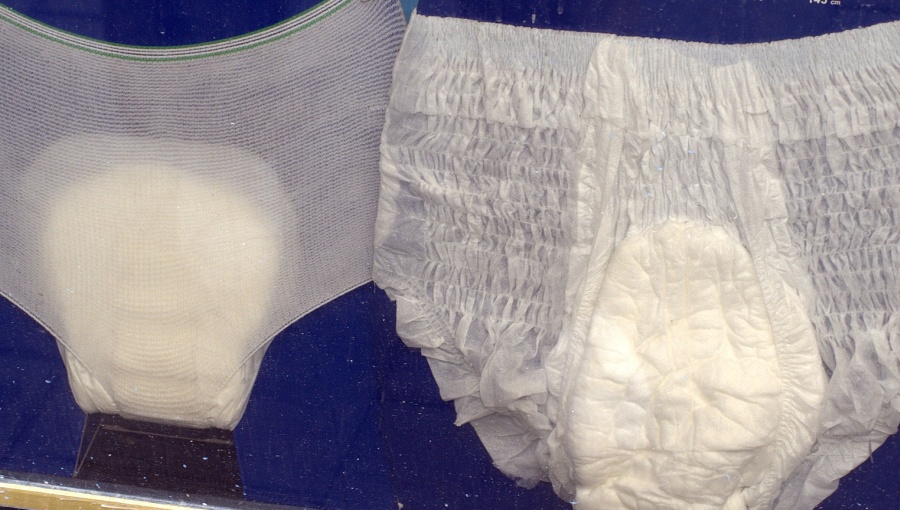
Japan to recycle soiled adult diapers

Japan to recycle soiled adult diapers
/ David Shankbone - CC BY 3.0
By bno - Taipei Office October 14, 2025

Japanese manufacturers are accelerating efforts to recycle used adult diapers as the country grapples with a growing waste problem fuelled by its ageing population. The initiative aims to curb incineration and cut carbon emissions by converting waste into reusable resources, Kyodo News reports.

The move follows Environment Ministry guidelines issued in 2020 urging local authorities and private companies to promote diaper recycling. While demand for baby products – diapers included - has declined in line with Japan’s falling birth rate, the market for adult diapers is expanding rapidly.

According to ministry projections, used diapers could account for about 7% of all household waste by the 2030 fiscal year, up from roughly 5% in 2020. Traditionally, the soiled products are burned with general waste, but their high moisture content hampers combustion and reduces energy efficiency Kyodo adds.

Modern diapers are made from premium pulp, resins and absorbent materials, much of which can be recovered. The ministry has encouraged a “horizontal recycling” process, in which used products are transformed back into raw materials to help manufacture new ones.

Several compaies are already moving in this direction it is reported and as Japan’s demographic shift accelerates, the country’s major paper and hygiene product manufacturers are increasingly viewing waste recycling not just as an environmental imperative but also as a potential growth market.