On Day of the Seafarer, IMO Calls for Harassment-Free Shipping
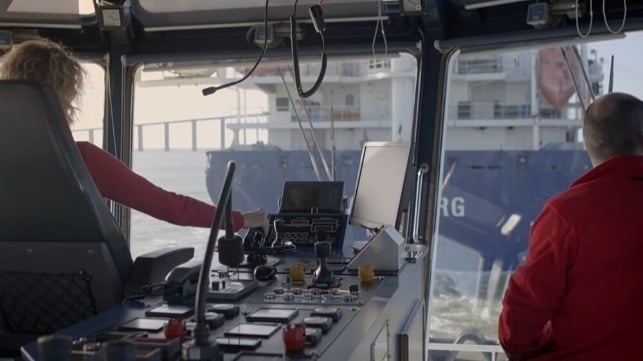
This year, IMO is focusing its Day of the Seafarer spotlight on harassment, a perennial - and often hidden - challenge of life at sea. Harassment affects one out of every four seafarers at some point in their careers, according to the Global Maritime Forum, and it is a top retention issue in a profession facing long-term labor shortages.
"Seafarers form a remarkable global workforce that calls ships their place of work. It is a unique, exciting and demanding environment, one that must be free from violence and harassment," said IMO Secretary-General Arsenio Dominguez. "We have taken a decisive step to amend the Standards of Training, Certification and Watchkeeping for Seafarers Code, mandating training for all seafarers on preventing and addressing violence and harassment. We are developing interactive platforms to connect seafarers with best practices and support networks from around the globe."
IMO has launched a social media campaign to share success stories of seafarers who have helped to build a culture of respect on board their vessels, and to "amplify the voices of those who have dealt with harassment."
Multiple senior shipping executives have joined IMO's call. “A truly positive workplace culture empowers people to show up as the best version of themselves. It creates the conditions for collaboration, innovation, and pride in the work we do," said V.Group CEO Rene Kofod-Olsen in a statement. "We therefore cannot afford to make seafarer wellbeing an afterthought when seafarers are, in fact, at the forefront of industry transformation."
As a starting point, the Global Maritime Forum's guidance on reducing harassment suggests that clear company policies and guidelines are a good way to enforce a non-abusive shipboard culture, followed up with enforcement. Morale-boosting measures - like keeping crew rotations on schedule and providing adequate shore leave - also go a long way, the forum says.
In a statement earlier this week, shipmanagement association InterManager called for stricter measures. "Harassment is a safety issue and should be treated with the same urgency and seriousness as any other life-threatening risk at sea. What we need is real enforcement, not just policies or pledges," said InterManager Secretary General Capt. Kuba Szymanski.
Gard Reports Increase in Crew Deaths Citing Suicide, Stress and Illness
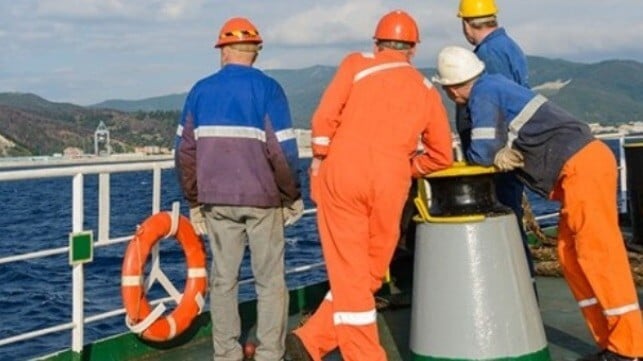
Insurer Gard marked the annual Day of the Seafarer releasing a report citing what it sees as “a troubling increase in crew deaths,” based on 2024 claims data and a survey of seafarers. According to the data, Gard highlights that the “number of suicides among crew exceeded the number of fatal accidents,” saying that the report emphasizes the need to further prioritize mental and physical wellbeing at sea.
“By sharing this data and insight, we hope to raise awareness, support better decision making, and to further strengthen the industry’s commitment to those who keep the world trade moving,” said Rolf Thore Roppestad, CEO of Gard.
An analysis of more than 30,000 P&I claims handled by Gard between 2020 and 2024 found that more than half related to people. In 2024 alone, the company received around 3,000 claims involving people, and nearly 90 percent were from crewmembers at sea.
Among the key findings it is highlighted from the analysis is a 25 percent increase in the frequency of crew death claims in the three years following the Covid-19 pandemic compared to the three years before the pandemic. In 2024, it registered more than 90 incidents resulting in the death of crew, and while most were related to illness (83%), seven were incidents, including falls and man overboard (injuries equaled 8%), and suicide was 9%.
The highest number of deaths (11) was among ABs, but masters (8) were tied with fitters for the second highest number. It received reports of five deaths of chief engineers. The suicides it reports happened both among senior and junior positions, but 75 percent of the cases were seafarers below the age of 41.
Commenting on the suicides and stress, Lene-Camilla Nordlie, Vice President and Head of People Claims at Gard, said, “This underscores the importance of having a stronger focus on mental health and wellbeing at sea. While some stressors can be handled by seafarers themselves, many factors are controlled or influenced by companies and authorities.”
Critically, it says that stress is a key factor in 8-out-of-10 illness claims. It points to illnesses caused or aggravated by stress, saying illness claims made up 60 percent of the claims received from crewmembers. It said these include abdominal, cardiovascular, and back pain, and while saying the health problem rate was similar to the general population, it notes that it is more difficult to treat illness at sea. Gard emphasizes it is more challenging to prevent and treat problems at sea due to demanding working environments and limited access to medical care.
Illness is the leading cause of death claims with 83 percent of fatalities related to illness. Injuries, such as fingers and to the back, it said accounted for 37 percent of the claims (over 800 claims). Other frequent problems it cited include sleep deprivation and chronic fatigue, which it said are more pronounced on vessels with smaller crews.
Christen Guddal, Chief Claims Officer at Gard, highlighted that there is a strong link between the health and well-being of seafarers and operational safety at sea. “Getting enough rest, having good social support, being part of a team – all of this impacts your state of mind and situational awareness.”
The analysis is in Gard’s second Crew Claims Report, and is based on claim data from 2024, and excludes Covid-19 related claims as they said it would have created significant anomalies. Gard also conducted its Crew Welfare Survey, which received over 6,000 responses from seafarers.

No comments:
Post a Comment