Saturday, January 14, 2023

How politics seep into daily life, negatively affecting mental health
Politics seep into daily life, negatively affecting mental health
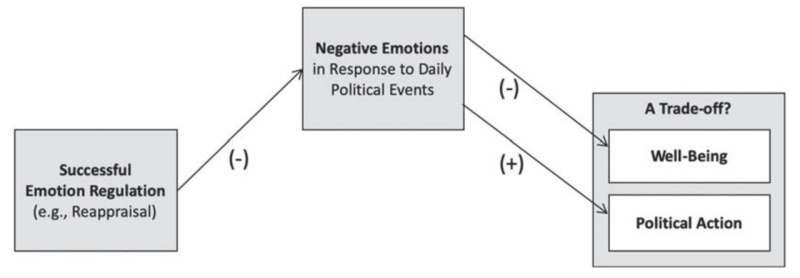
Conceptual Figure Demonstrating How Emotion Regulation Can Be Used to 
Reduce Negative Emotions in Response to Stressful Political Events, With a 
Resulting Trade-Off Between Well-Being and Political Action. Note. Although 
negative emotional responses to politics should accumulate and promote 
worse well-being, these emotions may also drive political action. As such,
 emotion regulation can come with a trade-off, whereby people are able to
 protect their well-being, but coming with a cost to political action. 
Credit: Journal of Personality and Social Psychology (2023). 

The stress of following daily political news can negatively affect people's mental health and well-being, but disengaging has ramifications, too, according to research published by the American Psychological Association.

There are strategies that can help people manage those —such as distracting oneself from —but those same strategies also reduce people's drive to act on political causes they care about, the research found.

"When it comes to politics, there can be a trade-off between feeling good and doing good," said Brett Q. Ford, Ph.D., an assistant professor of psychology at the University of Toronto. "Protecting oneself from the stress of politics might help promote well-being but it also comes at a cost to staying engaged and active in democracy."

The research was published in the Journal of Personality and Social Psychology.

Previous research and polling data have found that politics can be a major stressor in people's lives, according to the researchers. However, most of that research has focused on major political events such as presidential elections. Ford and her colleagues wanted to explore the emotional and mental health effects of everyday political news and how people use different strategies to manage those negative emotions.

"Politics isn't just something that affects people every four years during election season—it seems to seep into daily life. But we just don't know much about the day-to-day impact politics might have," Ford said.

To learn more, she and her colleagues began by asking a politically diverse sample of 198 Americans to answer a series of questions each night for two weeks about the political event they thought about most that day, the emotions they felt in response, how they managed those emotions, their general psychological and physical well-being that day, and how motivated they felt to engage in political action.

Overall, the researchers found that thinking about daily political events evoked negative emotions in participants—even though the survey question had not asked participants to think of negative political events. Participants who experienced more politics-related negative emotions reported worse day-to-day psychological and  on average—but they also reported greater motivation to act on political causes by doing things such as volunteering or donating money to political campaigns.

The survey also asked participants about several strategies they might have used to manage their negative emotions, including distracting themselves from the news and "cognitive reappraisal," or reframing how they thought about a news event to make it seem less negative. Participants who successfully used these strategies to manage their negative emotions reported better daily well-being, but also less motivation to take political action.

Next, the researchers replicated these results over three weeks with a larger group of 811 participants that included not only Democrats and Republicans but also people affiliated with a different political party or no party.

In a second set of experiments, Ford and her colleagues asked participants to watch political news clips from the highest-rated liberal and conservative-leaning news shows rather than simply asking them to report on politics they had encountered. In these experiments, participants watched a clip from either the Rachel Maddow Show (for liberal participants) or Tucker Carlson Tonight (for conservative participants).

In a first experiment, the researchers found that participants who watched the political clip experienced more negative emotions than those who watched a neutral, non-political news clip, and reported more motivation to volunteer for political causes or take other political action. The effect held true for participants across political parties.

In a final experiment, the researchers asked participants to try out several different emotion regulation strategies as they watched the clips—distraction, cognitive reappraisal or acceptance of their negative feelings. Replicating the results from the diary studies, the researchers found two of the strategies, distraction and cognitive reappraisal, consistently reduced participants' negative emotions which in turn predicted better well-being, but indirectly reduced the likelihood that they would want to take .

Overall, the results suggest that politics have a significant daily effect on many Americans' health and well-being, according to the authors.

"Modern politics—its daily controversies, incivility and ineptitude—puts a regular emotional burden on Americans," said Matthew Feinberg, Ph.D., a coauthor of the paper and professor of organizational behavior at the Rotman School of Management at the University of Toronto.

This has important implications, particularly for activists who wish to get people involved in advocating for political causes without harming their mental health, according to the researchers.

"In a way, this is a trade-off between individual wellness and collective wellness," Ford said.

"We are working toward identifying strategies that people can use to protect their own well-being without coming with costs to the broader collective. This paper begins to address this by studying emotional acceptance—a strategy that is linked with greater well-being for individuals in , and which doesn't seem to come with consistent costs to collective action. It is important that people have a variety of tools they can use to manage the chronic stress of day-to-day politics while also maintaining the motivation to engage with politics when needed."

Further research should examine the effects of politics on well-being in different countries, the researchers suggest. "The U.S. faces high levels of political polarization in a largely two-partysystem and a media often revolving around inciting moral outrage," Feinberg said. "It would be interesting to see the extent to which daily  would affect citizens from in other countries that are less polarized or with different political systems."

More information: Brett Q. Ford etal, The Political is Personal: The Costs of Daily Politics, Journal of Personality and Social Psychology (2023). DOI: 10.1037/pspa0000335. On PsyArXiv: psyarxiv.com/hdz97/

Largest decentralized study of its kind shows high levels of engagement with study app

Largest decentralized study of its kind shows high levels of engagement with Huma's study app
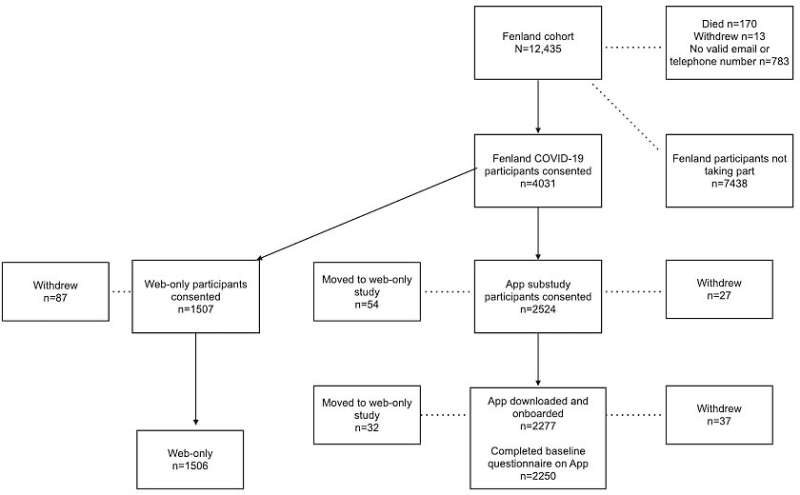
Fenland COVID-19 study flow diagram. 
Credit: Journal of Medical Internet Research (2022). DOI: 10.2196/40602

A new study, which was a collaboration between Huma Therapeutics and the Medical Research Council Epidemiology Unit at the University of Cambridge, shows that participants using Huma's clinical trial platform had high, sustained levels of engagement in an observational, fully remote COVID-19 study.

The study, published in the Journal of Medical Internet Research, involved 62.61% (2524/4031) participants from the longitudinal Fenland study, making it the largest population-based study to-date exploring how  can support population research.

From the participants, 90.21% (2277/2524) completed the app-based onboarding process and signed e-consent. In addition to using the study app (available for both iPhone and Android), each was also sent a digital pulse oximeter (to measure ) and thermometer. They were provided with remote set-up assistance and were asked to record the following biomarkers:

  • blood oxygen saturation (three times per week)
  • body temperature (three times per week)
  • resting  (three times per week)
  • activity levels (measured passively)
  • respond to monthly questionnaires
  • blood spot samples to test for the presence of coronavirus antibodies.

Participants had a positive experience with the study app, finding it easy to use and quick to report measurements and symptoms. They took part in the observational study for at least 6 months and most kept completing measures until asked to stop; there was minimum drop off in engagement over the study period. On average, people used the study app for 34.5 weeks (7.9 months), with only 2.5% of participants withdrawing from the study. It was interesting to see a higher engagement rate amongst the participants aged over 65.

Dr. Arrash Yassaee, Global Clinical Director at Huma, said, "Huma is committed to building robust clinical and scientific evidence for its technology. The high level of engagement and retention we've seen in this study is very encouraging. User-friendly clinical trial technologies such as Huma's have great potential to transform population-based health research by increasing access and reducing the burden on participants. This kind of data collection is incredibly valuable for understanding health and disease processes in the  and gathering insights that can make a difference to people's lives."

Dr. Kirsten Rennie, a Senior Research Associate at MRC Epidemiology Unit and an expert in quantitative measures of physical activity and diet, who led the study said, "Enrolment and retention in traditional cohort-based  is a constant challenge and participation has been declining in recent years. Here we saw not only great enrolment and retention, but also engagement which has helped us create a useful checklist for other researchers to follow."

The COVID-19 pandemic accelerated interest in the use of digital health solutions for remote health monitoring. But while these technologies have shown benefits for patients with chronic or acute health conditions, less is known about their utility in population-based health research, where it is becoming increasingly hard to recruit participants and keep them engaged over months or even years.

More information: Kirsten L Rennie et al, Engagement With mHealth COVID-19 Digital Biomarker Measurements in a Longitudinal Cohort Study: Mixed Methods Evaluation, Journal of Medical Internet Research (2022). DOI: 10.2196/40602

Journal information: Journal of Medical Internet Research 

Paying people to take COVID vaccine worked well, study finds

Paying people to take COVID vaccine worked well, study finds
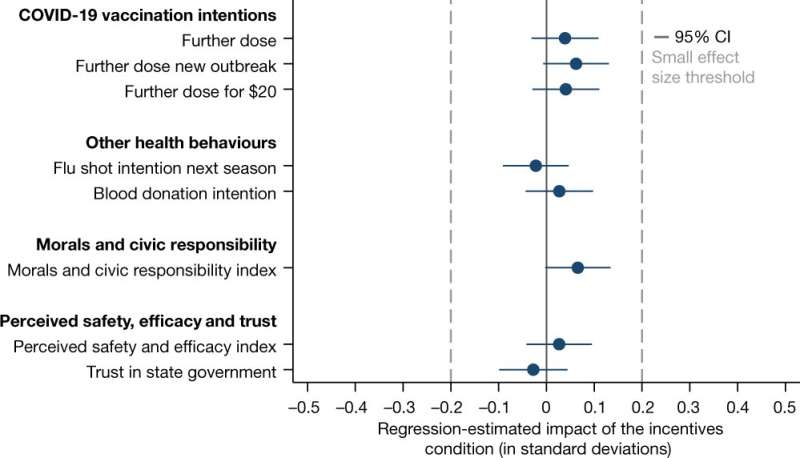
Regression-estimated effects of informing US residents about state vaccination incentive programs on further COVID-19 vaccination, other health behaviors, morals and civic responsibility, and perceived safety, efficacy and trust. The figure is based on experimental data from a general population sample of US residents in 12 states that introduced incentive programs for COVID-19 vaccination. The figure shows regression-estimated effects of the incentives condition (informing participants about the existence of incentive programs in their state) relative to the control condition, as pre-registered. All regressions use controls consisting of gender, age, education, employment status, income and state of residence in 2021 (see Extended Data Fig. 3 for results without controls). The blue dots indicate the estimated impact in standard deviations on the respective variables; all outcomes are defined as pre-registered. Error bars represent 95% confidence intervals (two-sided CI: mean ± 1.96 s.e.) from OLS regressions with heteroscedasticity-robust standard errors. The dashed gray lines indicate the threshold for small effect sizes of 0.2 standard deviations (Cohen’s d). The sample sizes for the control and incentives conditions are n incentives = 1,521 and n control = 1,541. Credit: Nature (2023). DOI: 10.1038/s41586-022-05512-4

A study finds that paying people to take a first dose of a COVID-19 vaccine didn't lower the likelihood of seeking the second or third dose or of other positive health behaviors and didn't erode morals, sense of civic duty, or feelings of self-determination.

The study, led by Swiss and Swedish researchers, was published yesterday in Nature. The researchers note that, while  to encourage healthy and  often generate initial behavioral change, critics say that they can corrode prosocial motivations, lead to moral decay, and increase feelings of coercion, reducing the likelihood of practicing healthy behaviors without a payment.

The team offered 1,131 Swedish participants in a previous randomized, controlled trial (RCT) 200 Swedish krona (SEK), or roughly $24 US, to receive a first COVID-19 vaccine dose within 30 days. That group was compared with 3,888 matched participants not offered the incentive.

Just as likely to seek subsequent doses

The researchers combined the RCT data with vaccination records on second-dose uptake and  from January (first dose uptake) and June 2022 (third dose). A total of 726 participants in the financial incentive group and 2,512 controls responded to the first survey, and 606 and 2,100, respectively, completed the second.

The payment boosted uptake by four percentage points 30 days after the trial ended. Uptake remained elevated for at least three months.

The authors identified no negative effects of financial incentives on subsequent planned or actual COVID-19 vaccine uptake or timing, morals, sense of civic duty, trust in vaccination providers or in the safety and effectiveness of vaccines, attitudes toward financial incentives, or feelings of self-determination or coercion.

Nor was there evidence that incentives received in the previous five months for behaviors such as flu shot uptake or  had any negative effects on the decision to receive the COVID-19 vaccine. "Our findings inform not only the  on financial incentives for behavior change but also  who consider using financial incentives to change behavior," they wrote.

More information: Florian H. Schneider et al, Financial incentives for vaccination do not have negative unintended consequences, Nature (2023). DOI: 10.1038/s41586-022-05512-4

Journal information: Nature 

Provided by University of Minnesota People were hesitant about rather than opposed to the COVID-19 vaccine, study finds

Looking to 2023: What lessons have we learned from the COVID-19 pandemic in the last three years?

covid
Credit: Unsplash/CC0 Public Domain

Last year, German Chancellor Olaf Scholz in a speech on global geopolitics popularized the German word "zeitenwende," which refers to a "turning point" and time for change.

The COVID-19 pandemic has likewise brought about seismic change in how the world looks at global health security and brought to the forefront the critical need for public health capabilities nationally and globally. "Never Again" has been the rallying cry of communities, businesses and public officials the world over and this momentum offers opportunities to fundamentally redefine pandemic preparedness and response.

What have we learned in the last three years?

There are numerous lessons cutting across all sectors of life. We summarize them in five key insights: pre-emptive investment in health security, nimbleness, trust, global cooperation and commitment to equity.

1. Pre-emptive investment

COVID-19 has shown that proactive preparedness remains key to managing future pandemics. Many countries challenged with lesser outbreaks in recent years, preserved the responding infrastructure which positioned them well for the initial containment of COVID-19.

South Korea and Senegal, with prior lessons from the Middle East Respiratory Syndrome (MERS) and Ebola respectively, were able to manage well whilst geographies in Asia affected by the Severe Acute Respiratory Syndrome (SARS) such as Hong Kong and Singapore all had regularly rehearsed response plans in place which could be adapted quickly for COVID-19.

2. Nimbleness

No country can afford to maintain standing resources to deal with Disease X (a term popularized by Singapore Prime Minister Lee Hsien Loong to describe the next pandemic) but creativity and nimbleness in adapting and re-purposing existing infrastructure can go a long way. Project Warp Speed harnessed decades of research into mRNA vaccines intended for cancer care and adapted these for SARS-CoV-2, the virus which causes COVID-19.

Contact tracing systems deployed globally leveraged geospatial technologies used in ride-hailing and other consumer applications. Locally, physical infrastructure such as hotels, holiday chalets, military camps and convention halls were quickly configured to house thousands of COVID-19 patients to mitigate transmission and prevent overwhelming the healthcare system.

The setting up of a community wastewater surveillance program by the NUS Environmental Research Institute is another example, harnessing existing resources to set up a quick system of detection and enabling rapid ringfencing of infections.

3. Trust

Mahatma Gandhi, India's independence leader, exhorted the world: "The moment there is suspicion about a person's motives, everything he does becomes tainted." The pandemic has richly illustrated how corrosive mistrust can be, manifesting in multiple forms such as misinformation campaigns, conspiracy theories and the like.

Open communication and collaborative partnerships built on trust between , public health entities, religious and , and the public are necessary conditions for successfully combating a pandemic. Sadly, many countries did poorly on this front with delays in vaccinations and inappropriate public health interventions all too common. Even more perniciously, some actors "politically weaponized" public health for their own nefarious purposes, worsening the trust deficit.

The reality of fast-spreading disease is that coordinated responses across all fronts are critical, and "trust is the glue." Trust and the community that trust builds cannot be achieved overnight or only in crises. As Stephen Covey, author of the best-selling The Speed of Trust drily notes, "The best time to plant a tree is twenty years ago. The second-best time is today." Trust barometers show we are, as a world, moving in the wrong direction and this has to be reversed.

4. Global cooperation

Pandemics can no longer be left to individual nations to handle. Widespread migration and travel mean diseases now spread much more quickly across borders, demanding a collective response internationally. Supranational public health agencies such as the World Health Organization (WHO) need to have larger roles and responsibilities as well as resources in pandemic surveillance and response.

The International Health Regulations, the only legally binding health-related legislation was shown to be woefully inadequate and a new order is needed. That said, international organizations are only as strong as their members want them to be, and member states have to determine they are better together under the central collective leadership and direction of a strong WHO than isolated and apart with an enfeebled WHO whose pronouncements are routinely disregarded.

Beyond strengthening the global peak public health body, public health networks should be developed regionally. Resource sharing among existing regional associations is a good start and it is encouraging that within our region, the Association of Southeast Asian Nations (ASEAN) has agreed to establish the ASEAN Centre for Public Health Emergencies and Emerging Diseases (ACPHEED).

At the people-to-people level, the Building Alliances for Pandemic Response (Public Health) Asia [ALPHA] program hosted by NUS will facilitate greater cooperation amongst leaders in the region, allowing an intersection of public health leadership, strong partnerships, and cross-country collaboration.

5. Commitment to equity

Moving forward, to truly achieve global health security, we must ensure equitable health development. Poignantly in Singapore, despite early laudations of stellar pandemic control, we saw an unprecedented outbreak within the migrant worker dormitories.

This reinforced a sobering truth—we are only as secure as the most vulnerable groups among us. United Nations Deputy Secretary-General Amina Mohammed reminded us, "Remember, we are in this together. No one will ever be truly safe until everyone is safe." And this truism holds at the local, national, regional and global levels.

Operationally, Universal Health Coverage or UHC for short is the right overarching framework to steer towards equitable health for all and all countries should be supported to realize this for their citizens. Globally for , the Microsoft co-founder turned philanthropist Bill Gates has proposed a global governance framework.

This framework would include establishing a permanent organization of experts to mount a coordinated response to a dangerous outbreak at any time in any country, conducting resilience and preparedness drills in between, a Global Epidemic Response and Mobilization (GERM) team, as well as mechanisms to accelerate vaccine and diagnostics developments and availability particularly in low and middle income countries.

The great American epidemiologist Larry Brilliant has said "outbreaks are inevitable, but pandemics are optional." Early in 2020, a group of public health academics gathered in NUS to discuss whether a two-week global lockdown would avoid the worsts of COVID-19. We decided that it would be highly effective from a public health perspective but that narrow national interests and partisan politics would not permit this reality. We have as a human species learned so many painful lessons these last three years. Will we do better with the next outbreak?

As COVID-19 becomes routine, Africa readies for next crisis

LEGIONAIRES DISEASE

Water systems study finds Legionella in 41% of samples

Breakthrough in fighting Legionnaires' disease
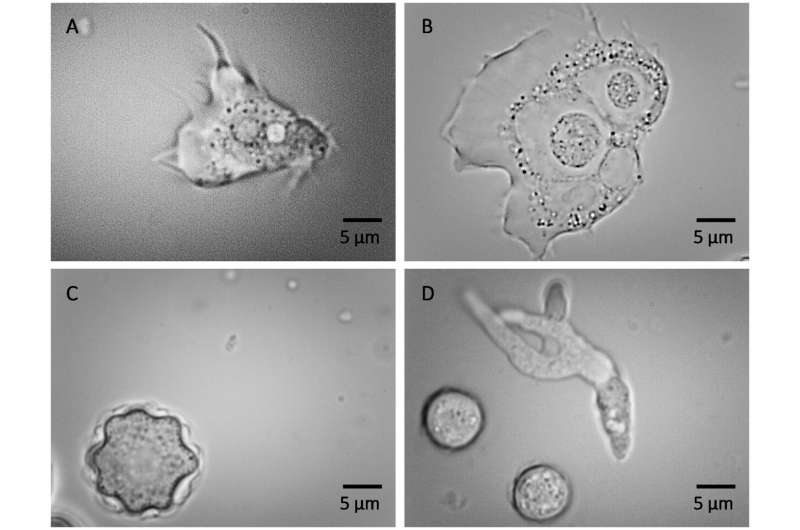
Light microscopic images of trophozoites (active form; image A, B and D) and 
cysts (dormant form; image: C and D circular in shape) of Acanthamoeba
(image A, B and C) and Vermamoeba vermiformis (image D) shown at 100 times
 magnification. Credit: Flinders University

A new study of domestic and hospital drinking water systems found Legionella in 41% of samples—with Flinders University researchers making a key connection between the pathogen's co-existence with a "host" microorganism in all samples tested.

The study found Legionella bacteria "infect the amoeba host and then once inside these hosts are protected from disinfection strategies," says Flinders University Associate Professor of Environmental Health Harriet Whiley, a co-author of the new journal article in Water Research.

Researchers tested for Legionella and its likely amoebae hosts in 140 samples of water or biofilm (the slime found on showerheads and end of faucets) to understand how the potentially dangerous bacterium colonizes and proliferates in both domestic and hospital plumbing and poses a threat to human health.

Legionnaires' disease is a severe pneumonia-like infection that can be fatal. Globally the number of Legionnaires' disease cases is increasing, with elderly and immunocompromised people at the highest risk.

"It is vital that we strive to improve the management of our water distribution systems, particularly in high risk setting such as hospitals, to protect vulnerable populations," says Associate Professor Whiley, from the Flinders College of Science and Engineering.

"Having a better understanding of the relationships between these amoebae and Legionella is an important step in improving future water treatment processes aimed at controlling Legionella and preventing Legionnaires disease."

L. pneumophilia is the main cause of Legionnaires' disease and is not transmitted from person to person but caused by inhalation or aspiration of contaminated water.

Maintenance and monitoring of water systems is a common preventive step to reduce public risk.

"To our knowledge, this is the first time the amoebae Allovahlkampfia and Stenamoeba have been demonstrated as hosts of L. pneumophila in Australian drinking water," says Flinders University Ph.D. candidate Muhammad Atif Nisar, who conducted the study.

The findings support the need further research to investigate the prevalence of Legionella as well as free-living amoebae in domestic and commercial water systems and to improve guidelines to better control water systems and safeguard the public health.

"Free-living amoebae are ubiquitous in the environment and cause both opportunistic and non-opportunistic infections in humans. Some amoebae are the natural reservoirs of opportunistic plumbing pathogens, such as Legionella pneumophila," says Mr. Atif Nisar.

"There is a need for future research to improve disinfection strategies against amoeba to reduce their colonization within building drinking water systems."

Up to 75% of the  or biofilm samples tested positive for free-living amoebae. This included V. vermiformis which was present in 55% of samples and Acanthamoeba was present in 11%.

As well as being hosts for Legionella, Acanthamoeba and V. vermiformis are pathogens that can cause severe eye infections, with contact lens users and immunocompromised individuals at greatest risk.

The water samples were collected from showers and hand basins located in domestic houses and hospitals across New South Wales and South Australia.

These results demonstrate the importance of amoebae in engineered , both as a pathogen and as a reservoir of Legionella.

"Future water management protocols should incorporate improved treatment strategies to control  to reduce the risk to end-users," adds Mr. Atif Nisar.

More information: Muhammad Atif Nisar et al, Molecular screening and characterization of Legionella pneumophila associated free-living amoebae in domestic and hospital water systems, Water Research (2022). DOI: 10.1016/j.watres.2022.119238


Provided by Flinders University Investigators identify optimal conditions for growth of Legionella bacteria

Plant-based diets: What are they, and how do you start?

Plant-based diets: what are they, and how do you start?

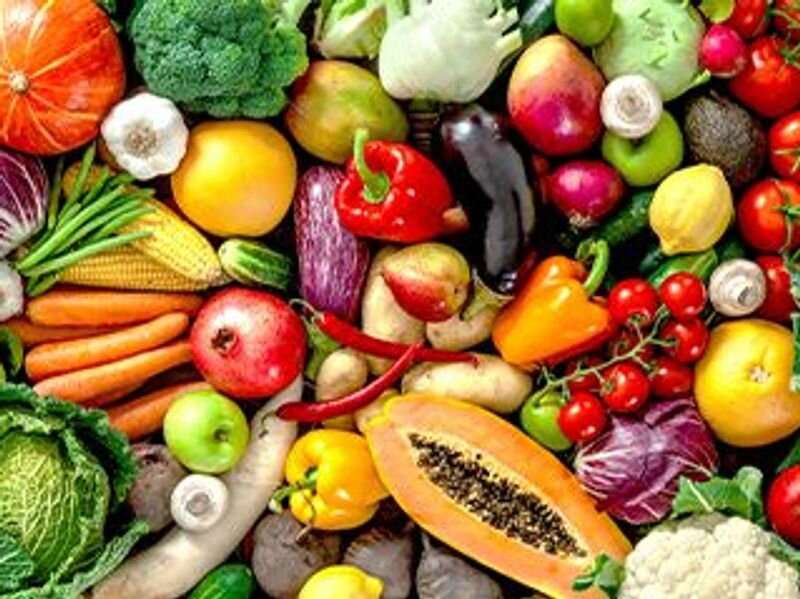
As Americans struggle to eat better, plant-based diets have become the rage, but exactly what are those and how hard are they to follow?

A growing number of people have turned to plant-based eating, as evidenced by the fact that the plant-based foods market increased by 29% in recent years, according to the U.S. National Library of Medicine.

Still, even though the Physicians Committee for Responsible Medicine says there are many health benefits to plant-based eating patterns, making the switch from consuming a  rich in meat to one that centers on plants can be a challenge.

What is a plant-based diet?

"When we talk about a whole foods, plant-based diet, we mean the majority (at least 80% to 90%) of the food should be unprocessed plant-based foods—things like legumes, fruits, vegetables, seeds,  and nuts," Dr. Urvi Shah, a hematologist oncologist at Memorial Sloan Kettering Cancer Center, said in a recent blog post.

"Some people may end up eating minimal amounts of processed plant foods or animal-based foods like dairy or meat occasionally, but not on a regular basis," she added.

Fruits, vegetables, grains, dairy, seeds, fish and meat that contain a variety of micronutrients (vitamins and minerals) and macronutrients (protein, carbohydrates and fat) should be included in a plant-based diet, according to a perspective published in the journal Advances in Nutrition.

The key is to ensure that the largest proportion of your food comes from plants, Harvard Health notes.

Plant-based vs. vegan vs. vegetarian: What's the difference?

The United States Department of Agriculture (USDA) names different levels of vegetarian eating patterns, including vegan, lacto-ovo vegetarian and pescatarian diets. The key difference between all these eating plans and a plant-based diet is that only the latter includes small amounts of meat.

"I tell patients that vegan means zero animal products and is grounded in ethical or environmental or health reasons for a person who has decided very clearly what they want. A  may have similar reasons, but allows dairy or eggs in varying proportions," said Shah.

"A whole foods,  can be similar to a Mediterranean diet or other diets that include eating meat rarely. Again, the majority (90%) of foods should be whole plant-based foods," she added.

Plant-based diet health benefits

A review published in the journal JAMA Oncology by Shah and her colleague at Sloan Kettering, medical oncologist Dr. Neil Iyengar, found that evidence supports plant-based diets for reducing  and improving metabolic disorders.

Better heart health may be another benefit of plant-centered eating. The American Heart Association (AHA) recently published a study in the Journal of the American Heart Association that revealed that  who eat a plant-centered diet reduced their risk for stroke, heart attack, and other cardiovascular conditions in middle age.

"A nutritionally rich, plant-centered diet is beneficial for cardiovascular health," study author Yuni Choi, a postdoctoral researcher at the University of Minnesota School of Public Health, said about the study.

Plant-based diets have also been shown to help control type 2 diabetes and obesity, and were linked to lower mortality risk, according to a study published recently in JAMA Internal Medicine.

How to start a plant-based diet

The plant-based eating plans that are recommended by the AHA in its 2021 Dietary Guidance Scientific Statement include the Mediterranean diet and the Dietary Approaches to Stop Hypertension (DASH) diet.

The USDA also recommends these two plant-based eating patterns to meet its daily dietary nutritional recommendations.

"We hope Americans can find ways to "Start Simple' and incorporate modest changes each day," Sonny Perdue, then Secretary of the USDA, and Alex Azar, then Secretary of the U.S. Department of Health and Human Services, said in the forward to the 2020-2025 USDA Dietary Guidelines for Americans.

Here are key foods that are part of these plant-based diets:

  • Green leafy vegetables like spinach, turnips, green leaf lettuce and kale
  • Red, orange and starchy vegetables, including bell peppers, carrots, corn, and whole potatoes
  • Whole grains such as brown rice, barley, wheat and oats
  • Whole fruits like bananas, berries, oranges and raisins
  • Dairy, including yogurt, dairy milk, and low-fat sour cream
  • Unsaturated oil, including olive and sunflower oils
  • A variety of plant-based proteins, including beans, legumes, seeds, soy, mushrooms, nuts and broccoli
  • Limited amounts of protein from meat, fish, eggs, cheese and low-fat poultry
  • Journal information: JAMA Oncology\
    , Journal of the American Heart Association , JAMA Internal Medicine

Copyright © 2023 HealthDay. All rights reserved.

What could a plant-based diet do for you?

Preterm birth linked to chemicals found in the vagina

birth
Credit: CC0 Public Domain

Chemicals that accumulate in the vagina, potentially originating from personal care products, may contribute to spontaneous preterm birth, according to a new study by researchers at Columbia University Vagelos College of Physicians and Surgeons.

The study of 232 pregnant women found that a handful of non-biological chemicals previously found in cosmetics and  are strongly associated with preterm birth.

"Our findings suggest that we need to look more closely at whether common environmental exposures are in fact causing preterm births and, if so, where these exposures are coming from," says study co-leader Tal Korem, Ph.D., assistant professor in the Program for Mathematical Genomics and the Departments of Systems Biology and Obstetrics and Gynecology at Columbia. "The good news is that if these chemicals are to blame, it may be possible to limit these potentially harmful exposures."

The study was published January 12 in Nature Microbiology.

Preterm birth, childbirth before 37 weeks of pregnancy, is the number one cause of neonatal death and can lead to a variety of lifelong health issues. Two-thirds of preterm births occur spontaneously, but despite extensive research, there are no methods for predicting or preventing spontaneous preterm birth.

Several studies have suggested that imbalances in the  play a role in preterm birth and other problems during pregnancy. However, researchers have not been able to reproducibly link specific populations of microorganisms with adverse pregnancy outcomes.

The research team, co-led by Korem and Maayan Levy, Ph.D., of the University of Pennsylvania, decided to take a more expansive view of the vaginal microenvironment by looking at its metabolome. The metabolome is the complete set of small molecules found in a particular biological niche, including metabolites produced by local cells and microorganisms and molecules that come from external sources. "The metabolome can be seen as a functional readout of the ecosystem as a whole," Korem says. "Microbiome profiling can tell us who the microbes are; metabolomics gets us close to understanding what the microbes are doing."

In the current study, the researchers measured over 700 different metabolites in the second-trimester metabolome of 232 pregnant women, including 80 pregnancies that ended prematurely.

The study found multiple metabolites that were significantly higher in women who had delivered early than in those who delivered at full term.

"Several of these metabolites are chemicals that are not produced by humans or microbes—what we call xenobiotics," says Korem. "These include diethanolamine, ethyl-beta glucoside, tartrate, and ethylenediaminetetraacetic acid. While we did not identify the source of these xenobiotics in our participants, all could be found in cosmetics and hygiene products."

Algorithm predicts preterm birth

Using machine learning models, the team also developed an algorithm based on  levels that can predict preterm birth with good accuracy, potentially paving the way for early diagnostics.

Though the predictions were more accurate than models based on microbiome data and maternal characteristics (such as age, BMI, race,  history, and prior births), the new model still needs improvement and further validation before it could be used in the clinic.

Despite the current limitations, Korem says, "our results demonstrate that vaginal metabolites have the potential to predict, months in advance, which women are likely to deliver early."

More information: William F. Kindschuh et al, Preterm birth is associated with xenobiotics and predicted by the vaginal metabolome, Nature Microbiology (2023). DOI: 10.1038/s41564-022-01293-8

Journal information: Nature Microbiology 

Hormonal treatment in pregnancy won't lower odds for preterm birth


https://libcom.org/article/our-synthetic-environment-murray-bookchin

Our Synthetic Environment was one of the first books of the modern period in which an author espoused an ecological and environmentalist worldview. It predates ...

Adopting pediatric readiness standards found to improve survival in hospital emergency departments

emergency room
Credit: Pixabay/CC0 Public Domain

Emergency departments that have the highest levels of coordination of health care, personnel, procedures and medical equipment needed to care for ill and injured children have far higher rates of survival than hospitals with low readiness, according to a new study.

Researchers found that more than 1,400 's deaths may have been prevented if hospital emergency departments had adopted national pediatric care readiness standards as laid out by the National Pediatric Readiness Project. The six-year study of 983 emergency departments in 11 states followed nearly 800,000 children.

The National Pediatric Readiness Project was established to ensure that all emergency departments have the coordination of health care, personnel, procedures and  needed to care for ill and injured children. According to the project's checklist, standards include specifications for physician and nurse certification, patient assessment, triage, medication administration, and trauma resuscitation and stabilization.

In the current study, researchers sought to determine if adopting the readiness standards would lower the death rate among children admitted to emergency departments for serious injury or illness. They ranked the emergency departments into four segments (quartiles) according to the extent they had implemented the readiness standards.

Compared to children cared for in low-readiness departments, children with injuries cared for in high-readiness departments had a 60% lower chance of dying in the hospital; and children with medical illness had a 76% lower chance of dying while they were in the hospital. Similarly, among roughly 545,000 children in six states, injured children in the highest quartile had a 41% lower chance of dying within a year and children with medical issues had a 66% lower chance of dying within a year, compared to children cared for in hospitals in the lowest readiness quartile.

The study was conducted by Craig D. Newgard, M.D., of Oregon Health & Science University, Portland, and colleagues. It appears in JAMA Network Open.

More information: Craig D. Newgard et al, Emergency DepartmentPediatricReadiness and Short-term and Long-termMortality Among ChildrenReceiving Emergency Care, JAMA Network Open (2023). DOI: 10.1001/jamanetworkopen.2022.50941


Journal information: JAMA Network Open Provided by NIH/Eunice Kennedy Shriver National Institute of Child Health and Human Development Child death rate linked to hospital preparedness for pediatric emergencies