Showing posts sorted by relevance for query SUGAR MINTZ. Sort by date Show all posts

Wednesday, December 09, 2020

PUNJAB
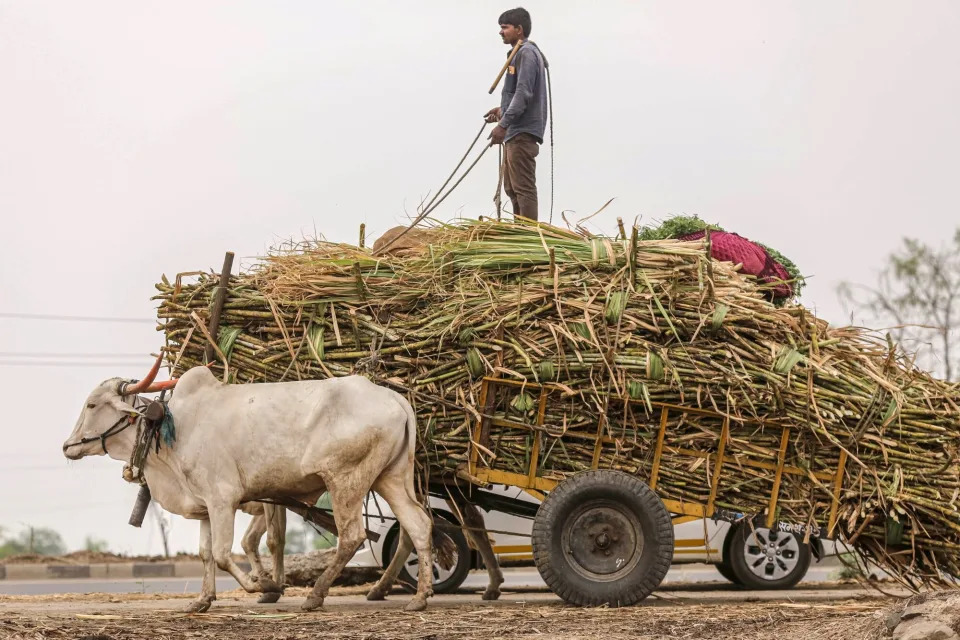
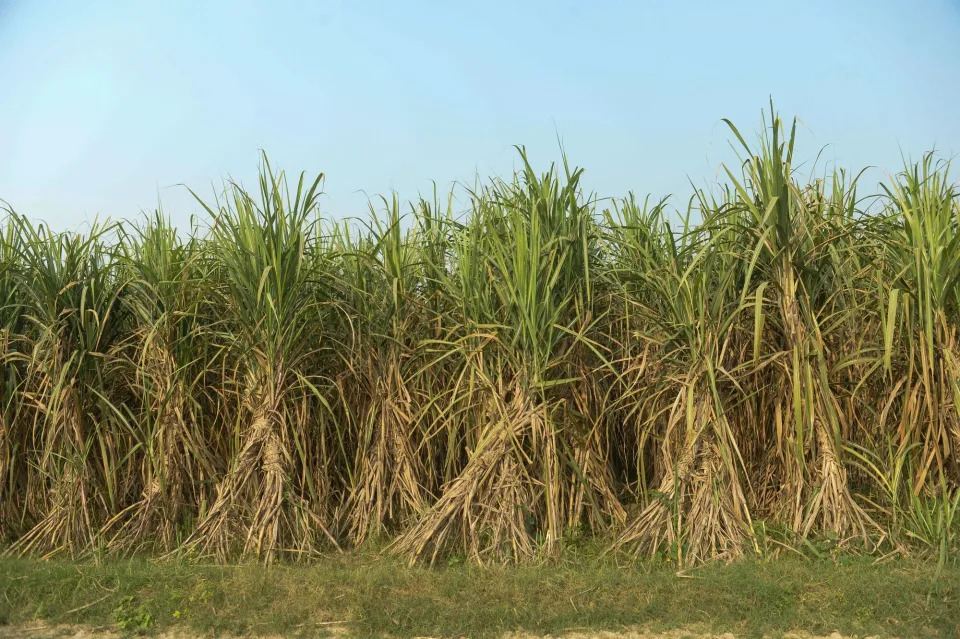
Rahim Yar Khan: riding the cane bandwagon
Ahmad Fraz Khan Updated 07 Dec 2020


Located on the extreme southern edge of Punjab, Rahim Yar Khan is a geographically diverse district. It is spread across a vast desert and enormous riverine area with three canals that water its farmlands. This natural endowment gives it enormous tapped and untapped potential for agricultural and livestock production.

The district has benefitted a great deal from this natural gift. It is known for the finest quality cotton. It has helped Pakistan meet its milk and meat requirement. It is now sustaining the sugar industry by producing high-yield sugar cane.

The success, however, has its flipside. The district morphed from being a cotton champion to the sugar industry’s sustainer. It is now persistently blamed for failing cotton crop and hurting textiles at a most critical juncture of our economic journey.

For the last one and a half decade, the district is known, at least in the agricultural sense, for jettisoning cotton and embracing sugar cane. The trend seems irreversible at least for now. The sugar industry not only led the change but also cemented its success both at policy and commercial levels to an extent that a reversal looks almost impossible.

The commercial success of the sugar industry has been so comprehensive that traditional landlords are now sugar mill owners as well


It has helped farmers improve seed. It has helped them lease out vast tracts of land at double the normal rate. It has helped farmers introduce latest machines and techniques. Most importantly, the cut-to-crush time has gone down to less than 24 hours, securing huge financial benefit in the process.

At the policy level, sugar cane production has been incentivised with a two-pronged strategy: steadily increasing the minimum indicative price and ensuring ample water for this water-guzzling crop. The five-year acreage chart further clarifies the situation. As per the data of the Punjab Crop Reporting Service, the area under cultivation of sugar cane increased from 310,000 acres in 2014-15 to 430,000 acres this year. In 2017-18, it touched 477,000 acres before sliding down a bit subsequently. Its production rose from 10.56 million tonnes to 13.2m tonnes in the same period. Six sugar mills — two plants of JDW, RYK Group, Hamza, Ittehad and Gulf — in the district led and rode the cane bandwagon.

Fed from the Panjnad barrage, supply data shows how water helped ensure the cane success in Rahim Yar Khan. Three canals — Panjnad, Abbasia and Abbasia Link — irrigate over 1.5m acres in the district that is mainly a brackish aquifer although there are a few sweet water pockets.

Their joint allocation (both for Kharif and Rabi) as per the Irrigation Department data is 5.05m acres feet (maf) a year. The district received 6.96maf in 2014-15, 7.11maf in 2015-16, 5.96maf in 2016-17, 4.99maf in 2017-18, 6.67maf in 2018-19 and 6.27maf last year. During these years, the province has suffered up to 40 per cent seasonal shortages. Yet water supplies to Rahim Yar Khan remained impervious to these troubles mainly because of flood supplies during the monsoon.

The commercial success of the sugar industry was so comprehensive that traditional landlords, including many branches of the Makhdoom family, are now sugar mill owners as well. New entrants like Chaudhry Munir and Jahangir Khan Tareen earned a place in national politics on the back of their successes in the sugar industry.

The decline of cotton happened alongside the rise of sugar. During the period mentioned above, cotton acreage dropped from 511,000 acres to 474,000. The dip was sharp in 2017-18 when its acreage dropped to 389,000 acres. Its production came down from 743,000 bales to 621,000 bales during the same period. Cotton has had many problems of its own. It was not the only crop rolled over by sugar cane: many mango orchards that dotted the district also lost their battle to cane.

Apart from the cotton-cane battle, the district has been a livestock success story because of rangelands in the Indus catchment. Livestock is a result of the nomadic lifestyle of the Cholistan tribes, which also feeds it. As temperatures start rising in the desert, many tribes and their huge herds follow rains — feeding their animals along the way — to the river catchment. This is in addition to over 200 cattle farms (of more than 50 animals) and over 400 buffalo farms and individual livestock farming in the district.

Eleven districts in South Punjab meet 60pc beef and meat requirements of the province. Rahim Yar Khan alone contributes 12-14pc of the supply chain, according to data released by the Livestock Department.

As for milk production, the district produces over 500,000 litres daily and is a major supplier to multinational corporations that sell milk to consumers. Of late, low fat and more nutritious camel milk has carved out a niche market for itself, thanks to some local initiatives by the University of Veterinary and Animal Sciences that connect producers to major city markets.

The district has historically been dominated by the Makhdooms, Qureshis, Legharis and Rais families. It has also been helped a lot by the United Arab Emirates whose ruler, the late Zayed bin Sultan Al Nahyan, started making yearly sojourn to the area to hunt houbara bustard and deer in the 1960s and ’70s. He and his sons helped build roads, hospitals, schools and colleges in the area that helped achieve close to a 40pc literacy rate in a predominantly rural district.

Of late though their interest seems to be waning, but the infrastructure investment in the area still reflects the attention it once received from the Arab world.

Published in Dawn, The Business and Finance Weekly, December 7th, 2020


  • Sugar - Sidney Mintz

    sidneymintz.net/sugar.php

    Sugar, or sucrose (C12H22O11), is manufactured photosynthetically by green plants. We humans can't make sugar. The best we can do is to extract it, and change its form. We have been doing so zealously, for more than 2,000 years.


  • Mintz (2008) Time, Sugar, and Sweetness - Geneseo Food ...

    https://wiki.geneseo.edu/display/food/Mintz+(2008)+Time,+Sugar,+and...

    2011-02-18 · Mintz outlined the usage of sugar cane starting in the seventeenth century. This was a time when sugar cane was a significant crop in the New World and was used to create several things Europeans consumed, namely sugar, molasses, and rum.

  • Sidney Mintz - Wikipedia

    https://en.wikipedia.org/wiki/Sidney_Mintz

    Sidney Wilfred Mintz (November 16, 1922 – December 27, 2015) was an American anthropologist best known for his studies of the Caribbean, creolization, and the anthropology of food. Mintz received his PhD at Columbia University in 1951 and conducted his primary fieldwork among sugar-cane workersin Puerto Rico. Later expanding his ethnographic research to Haiti and Jamaica, he produced historical and ethnographic studies of slavery and global capitalism, cultural hybridity, Caribbean peasants, and the po…

    Wikipedia · Text under CC-BY-SA license


  • Sunday, November 19, 2023

    MONOPOLY CAPITALI$M
    The sugar lobby’s up to its old tricks again 
    WHERE THE RIGHT AGREES WITH THE LEFT

    BY VINCE SMITH, OPINION CONTRIBUTOR - 11/19/23 

    A federal judge has rejected the Justice Department’s bid to block a major U.S. sugar manufacturer from acquiring its rival, clearing the way for the acquisition to proceed. The ruling, handed down Friday, Sept. 23, 2022, by a federal judge in Wilmington, Del., comes months after the Justice Department sued to try to halt the deal between U.S. Sugar and Imperial Sugar Company, one of the largest sugar refiners in the nation. 
    (AP Photo/Matt Rourke, File)

    For years, as a General Accounting Office report that came out this Halloween confirmed, U.S. consumers have been paying $3-$4 billion more annually for their sugar because of the federal sugar program. That amounts to an annual $40 hidden tax on a family of four, caused by a half-century-old farm bill program that on average doubles the price of a four-pound bag of sugar.

    This burden is caused by an import and domestic production quota system backed up by a minimum price guarantee that has been in place for almost half a century. For decades, the sugar producers lobby — the Sugar Alliance and its predecessors — has claimed that the program places no burden on taxpayers or federal government spending. The government spending claim is close to being truthful, as import- and domestic-production quotas (coupled with prohibitive tariffs for any non-quota imports) have been extraordinarily effective in increasing U.S. sugar prices. Thus, only infrequently does the federal government have to use taxpayer dollars to buy up sugar at the guaranteed support price.


    But the “no cost to taxpayers” claim is not true, simply because taxpayers are consumers. And they are paying much higher prices for the sugar they buy at the store, as well a little bit more for every candy, baked good, and other processed products they purchase.

    Now, apparently in response to the recent GAO report’s findings and the sugar lobby’s stated objective of increasing the federal support price for sugar in a new farm bill, the lobby has come up with a new story. It goes as follows.

    Food prices have increased more rapidly than sugar prices over the past decade and so now consumers are sending almost nothing to sugar producers. Further, they imply, the higher prices for processed foods that contain sugar were driven by greedy food processors seeking higher corporate profits. Thus, the sugar lobby argues, consumers need to blame food processors for higher prices, not the army of yeoman farmers that barely scratch their living raising sugar beets or cane. A sub-text is also that those farmers should receive a larger share of the consumer’s Snickers bar and tomato ketchup budget

    From a policy perspective, this is all highly questionable. As the GAO report documents, the financial benefits of the sugar program for farmers raising sugar cane and sugar beets, along with the processing factories that almost exclusively the farmers own through cooperatives, are as follows: One way or another, annually consumers spend between $3 and $4 billion more on sugar than would otherwise be the case, and the farmers enjoy between $1 and $1.2 billion in increased profits.

    In a U.S. agricultural sector consisting of about 2 million farms, that doesn’t sound like a lot. However, the benefits of the sugar program only accrue to the farms that plant sugar beets or sugar cane. So the relevant question is how many farmers are actually “dipping their beaks” in this particular honey pot and how much “honey” are they garnering?

    The answer is that very few farmers produce either sugar beets or sugar cane.

    The most recent publicly available data on farm numbers, currently for 2017, come from the National Agricultural Census, which is carried out by USDA once every five years. In 2017, a total 627 farms in Florida, Louisiana and Mississippi produced sugar cane and 3496 farms, spread thinly across 11 states planted sugar beets. Thus, only 4,123 of all U.S. farmers — about 0.2 percent of all farms — produced a sugar crop and benefited from the sugar program.

    In 2023, that number is almost certainly lower. Figure 1 shows how the numbers of farms raising cane and beets has changed since the early 1990s. In 1992, 9,841 farms produced a sugar crop (1,031 cane farms and 8,810 beet farms). Since then, the number of sugar beet farms has steadily declined; after a modest 4.6 percent increase between 1992 and 1997, so too has the number of farms planting sugar cane. Further, the forces leading to consolidation and a reduction in farm numbers in the sugar sector — technological innovation and increases in crop yields — remain in force. The result was that in 2017, the number of farms raising sugar beets and sugar cane respectively had fallen by 60 percent and 42 percent, respectively, and the total number of farms benefiting from the sugar program had fallen by 58 percent.

    Figure 1. Numbers of Sugar Cane and Sugar Beet Farms: 1992-2017

    Sugar Cane Farms Sugar Beet Farms Total
    1992 1,031 8,810 9,841
    1997 1,079 7,057 8,136
    2002 953 5,027 5,980
    2007 692 4,022 4,714
    2012 666 3,913 4,579
    2017 627 3,496 4,123
    Source: USDA National Agricultural Statistical Service Agricultural Census

    Thus, today, conservatively using the lower end of the range of profits and total revenues from sales accruing to sugar farmers of $1 billion and $3 billion identified by the recent GAO report, the average farm raising sugar cane or sugar beets enjoys higher profits of about $242,000 because of the sugar program. Impacts of the program on revenues from sales are much larger — close to $750,000 a year.

    Now, if the Sugar Alliance is to be believed, they want and deserve even more profits from the program because the farmer’s share has declined and is so very small, while processor profits are so large. A New Testament proverb, about which the Sugar Alliance seems blissfully unaware, warns us against complaining about a mote in someone else’s eye when we have a whole beam in our own. Given that the federal program effectively increases the average sugar farm’s annual profits by about a quarter of a million dollars, to many folks, sugar farmers would already seem to be more than very successful in obtaining their share of the consumer/taxpayer’s dollar to pad their annual profits.

    Making largely unsubstantiated complaints about food processor profits to justify the current and even more lucrative sugar program initiatives seems less than gracious — in fact, it’s just another Halloween lobbying trick to scare and confuse busy farm bill legislators.

    Vince Smith is director of agricultural policy studies at the American Enterprise Institute.


    Sugar - Sidney Mintz

    sidneymintz.net/sugar.php

    Sugar, or sucrose (C12H22O11), is manufactured photosynthetically by green plants. We humans can't make sugar. The best we can do is to extract it, and change its form. We have been doing so zealously, for more than 2,000 years.

    Monday, September 25, 2023

    Analysis-EU's bid to save bees stings sugar beet farmers
    SUGAR BEETS TAKE LOTS OF IRRIGATION & LAND

    Sun, September 24, 2023 


    By Maytaal Angel and Gus Trompiz

    LONDON/PARIS (Reuters) - Europe's sugar beet growers are turning away from the crop in a move that could drive soaring prices even higher, as the EU's environmental rules clash with its bid to stem food inflation and secure supplies.

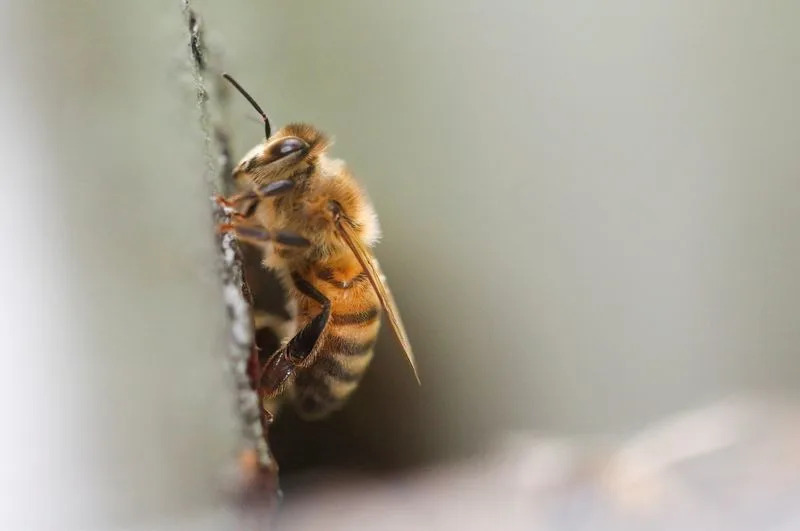
    Farmers are switching crops after the European Union's top court ruled in January they can no longer be granted exemptions to a ban on so-called neonics - insecticides which protect against diseases like virus yellows in sugar beet but are toxic to bees and other pollinators vital to food production.

    The ruling, which the bloc and environmental groups say is critical for safeguarding pollinators, some of which are currently threatened with extinction, has led to a cut in acreage devoted to sugar beet as crop yields suffer, farmers and industry experts told Reuters.

    "In our region, we lost 15% of the (sugar beet) area (this year)," said Alexandre Pele, who has a 240 hectare farm in central France.

    "I have struggled to meet volume commitments with the sugar factory because my yields have declined notably due to the ban on neonicotinoids," said Pele.

    The EU is the third largest sugar producer in the world so a reduction in output could impact soaring global prices and frustrate efforts to bring food inflation down.

    "We’ve entered a new paradigm in sugar, low prices are a thing of the past," said an analyst at one of the world's largest sugar traders. "Global stocks are low, demand is growing and supply is vulnerable all over the world due to climate change, due to the difficulty expanding production anywhere, not least Europe."

    EU sugar prices are at their highest ever levels, roughly double prices seen two years ago, driven partly by an increased reliance on costly imports as the local sugar sector shrinks.

    The European Commission expects sugar imports to have risen about 60% in the current season. The bloc relies on imported sugar, mostly subject to duties, for about 15% of its needs.Neonicotinoids were banned in Europe on non-flowering crops like sugar beet in 2018, but after a 2020 attack of virus yellows crushed output in France and Britain, EU member states granted temporary exemptions.

    Since January's court ruling banning exemptions, the area devoted to growing sugar beet in France, the EU's largest sugar grower, has hit a 14 year low.

    The European Commission said it expects the entire EU beet area to fall some 3% below a five-year average this year due to the ruling. The EU beet acreage has already fallen 17% percent since the 2018 neonics ruling, EU data shows.

    The acreage fall led the world's second largest sugar producer Tereos to close a factory in northern France this year, losing 123 jobs. Tereos said at the time it was expecting to receive 10% less beet from farmers.

    French grower Pele said he hasn't yet reduced his sugar beet crop because of the investment he's already made, but the yield from one of his plots is down by 45% this year.

    One in 10 bee and butterfly species, critical for safeguarding biodiversity, are currently threatened with extinction, and environmental groups along with the EU pin much of the blame on neonics.

    "The harm of neonics to pollinators is undeniable. They are the most studied pesticide in human history, and we know very well how they work," said Noa Simon Delso, scientific director at Beelife, a Brussels-based non-profit organisation.

    Several seed makers, including Germany's KWS Saat are working on new sugar beet varieties that would be naturally resistant to virus yellows, but farmers say they may not be available until 2027.

    By this time, those who have left the sector and sold costly equipment might be loathe to return.

    "Consumers will have to appreciate if more constraints are put on farming, for good reason or not, the costs of production will increase until we find other methods to cultivate this food," said Andrew Blenkiron, who runs a 7,000 acre farm in the east of England, which thanks to Brexit, can use neonics this year.

    He said he would move away from beet if he can't protect his crop.

    "It's a dilemma - producing food at a cost effective price while ensuring we have good environmental protection," he added.

    A shrinking sugar beet sector could hit other staple crops because farmers need to plant alternates like sugar beet or oilseeds on their wheat, barley and corn fields every other year in order to maintain soil health.

    Oilseeds were one of the first crops targeted by the ban in late 2013, and rapeseed production has since fallen 12%.

    "If I lose a crop like sugar beet, that's an agronomy (crop rotation) issue but also, because weather threats are multiple these days, having a number of crops allows me to better manage risk," said Pele. "If I no longer have sugar beet it would be a real loss."

    (Reporting by Maytaal Angel;Editing by Elaine Hardcastle)


    Jul 6, 2019 ... The sustainability of modern sugar beet growing has been proved considerably high. Its improvement has been gradual, streamlined with ...


    Sidneymintz.net

    https://sidneymintz.net/sugar.php

    Download PDF; 2009 “Notes toward a cultural construction of modern foods,” Social Anthropology 17 (23): 209-16. 2009 “Afterword,” Ethnology 47 (2): 129-35 ...ABOUT SUGAR CANE IN THE CARRIBEAN AND NORTH AND SOUTH AMERICAS


    THE DARK TRUTH ABOUT SUGAR BEET

    6th Dec 19
    by Jessica Sinclair Taylor, Head of Policy and Communications

    We all know sugar is bad for our health. But were you aware just how bad it is for our soil?

    We all know sugar is bad for our health. But were you aware just how bad it is for our soil? Today, Feedback publishes a report uncovering the hidden damage growing sugar beet is doing to our soil.

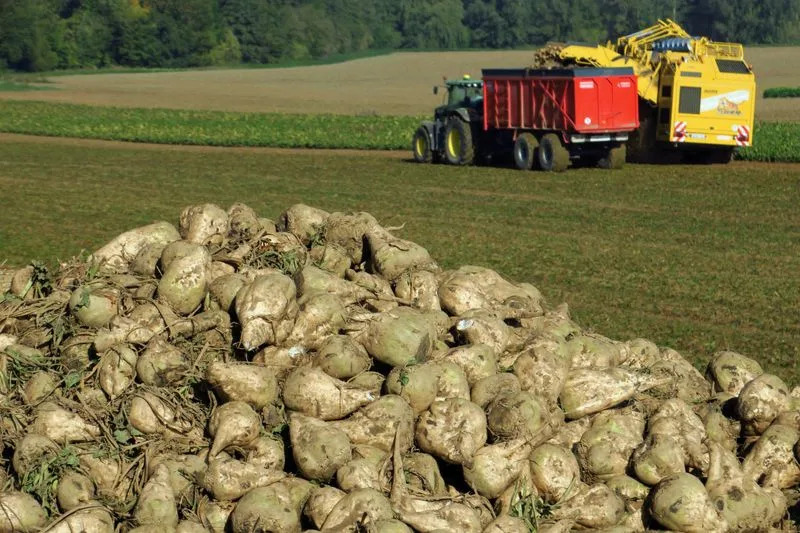
    In the UK we use over 100,000 hectares of prime agriculture land to grow a product we really need to eat less of: sugar. British Sugar, the monopoly company controlling the UK sugar beet industry refines around 7.6 million tonnes of sugar beet grown on English soils every year, turning it into over a million tonnes of refined sugar. And they have plans to expand, with a goal to increase production by 50%.

    That much sugar sounds like pretty bad news from a health perspective, especially when you take into account that in the UK most adults consume double their recommended daily allowance. But it turns out there’s another casualty of all that sweet stuff: our soil.

    Sugar beet is a hard-wearing crop on our soil. Harvesting it, especially late in the year when soil is wet, leads to large quantities of soil being lifted from the fields, stuck to the crop and to farm machinery. We’ve calculated that the sugar beet harvest caused an average soil loss of around 489,000 tonnes a year in the period 2014-2018. To put that in context, the UK’s total soil loss per year, excluding soil loss from harvesting, is estimated at 2.9 million tonnes – so the sugar beet harvest could be adding as much as 20% to our annual soil loss per year.

    Consider the fact that it takes between 200 and 400 years to form 1cm of topsoil, and that soil is a resource at the very heart of our agricultural production. Surely, we should be doing everything we can to care for it?

    It gets worse. Sugar beet is largely grown in East Anglia and the Midlands, in areas Natural England describes as having some of the best and most versatile land in the country. If we shrunk the area of land used to grow sugar beet by 40%, around the decrease needed to produce just enough sugar to meet our recommended daily allowance, we calculated that we could be growing 150,000 tonnes of peas, 3.1 million tonnes of carrots or 1.8 million tonnes of potatoes.

    Once harvested, beet is delivered to one of four sugar beet refineries all owned by a single company, British Sugar. British Sugar is a monopoly: nearly 40 years after the state sold its stake in the company, the company remains the only buyer for the UK’s sugar beet growers, negotiating a fixed yearly price with NFU Sugar, the body representing UK beet growers. We asked British Sugar to comment on our estimate on sugar beet’s contribution to soil loss, but they did not respond to our request.


    “We Welcome This Report, And Urge The Approach Outlined In It To Be Applied Across Our Entire Food System So That The Public Health And Environmental Impact Of The Crops We Grow Can Be Considered Alongside One Another – And Informed, Ambitious And Holistic Choices Made As A Result.” Ellen Fay, Director, Sustainable Soils Alliance

    On the one side, two vital and finite resources: our land and our soils. On the other, our health, and the costs to the NHS of treating ill-health related to excessive sugar consumption. Spending on treating Type 2 diabetes alone comes to £8.8 billion per year. With the government adopting policies to incentivise lower sugar consumption, like the ‘Sugar Tax’, it seems nonsensical to continue to use significant area of land to grow sugar.

    Sugar is bad for us, and it is bad for the land it is grown on. Yet amidst these challenges, British Sugar plans to grow production by 50% annually – potentially with grave potential effects for our health, land use and soils.

    Today, the UK shareholders of Associated British Foods Plc (ABF), the parent company that owns British Sugar, meet for the companies Annual General Meeting. ABF is forecasting strong earnings growth next year, including in its sugar divison.

    We hope our new report will open a new front in the fight to tackle our addiction to the sweet stuff. Between 2008 and 2018 (so, excluding the potential impact of the Sugar Tax, which kicked in April 2018), the average decline in sugar consumption has been just 0.2% annually – at this rate, it would take the UK 386 years to reach the WHO recommended daily sugar intake. Policy to address high sugar consumption through demand alone are failing. It is time to explore the potential to constrain supply of UK-grown sugar.

    Such a move poses the opportunity to staunch the rapid erosion of UK soils, to incentivise production of healthy vegetables improving food security, and to orient agricultural policy around the twin goals of public health and planetary health. As well as reconsidering the sugar in our tea, it is time to reassess the role of sugar beet in our fields.

    Read our full report.

    TELL THE SUGAR INDUSTRY TO 'BEET IT'


    Abstract

    The importance of crop-associated microbiomes for the health and field performance of plants has been demonstrated in the last decades. Sugar beet is the most important source of sucrose in temperate climates, and—as a root crop—yield heavily depends on genetics as well as on the soil and rhizosphere microbiomes. Bacteria, fungi, and archaea are found in all organs and life stages of the plant, and research on sugar beet microbiomes contributed to our understanding of the plant microbiome in general, especially of microbiome-based control strategies against phytopathogens. Attempts to make sugar beet cultivation more sustainable are increasing, raising the interest in biocontrol of plant pathogens and pests, biofertilization and –stimulation as well as microbiome-assisted breeding. This review first summarizes already achieved results on sugar beet-associated microbiomes and their unique traits, correlating to their physical, chemical, and biological peculiarities. Temporal and spatial microbiome dynamics during sugar beet ontogenesis are discussed, emphasizing the rhizosphere formation and highlighting knowledge gaps. Secondly, potential or already tested biocontrol agents and application strategies are discussed, providing an overview of how microbiome-based sugar beet farming could be performed in the future. Thus, this review is intended as a reference and baseline for further sugar beet-microbiome research, aiming to promote investigations in rhizosphere modulation-based biocontrol options.

    Keywords: biofertilization, Beta vulgarisRhizoctonia, phylosymbiosis, microbiome, biocontrol, soil-borne pathogens

    1. Introduction

    The holobiont concept (Zilber-Rosenberg and Rosenberg, ) changed the view on microbes in many scientific disciplines. It states that practically all multicellular lifeforms are inhabited, depending on—or at least are affected by—the interplay with microbial life. The collective genome of plant-associated microbiota exceeds the host genome in both size and number of functions by far and is thus referred to as its second genome (Berendsen et al., ; de la Fuente Cant et al., ). Given the importance of plant-associated microbes for the health, vigor, and resilience of their host, the microbiome of plants and its modulation is a potential key factor for crop management and crop development in the future (Berg et al., ; Mendes and Raaijmakers, ).

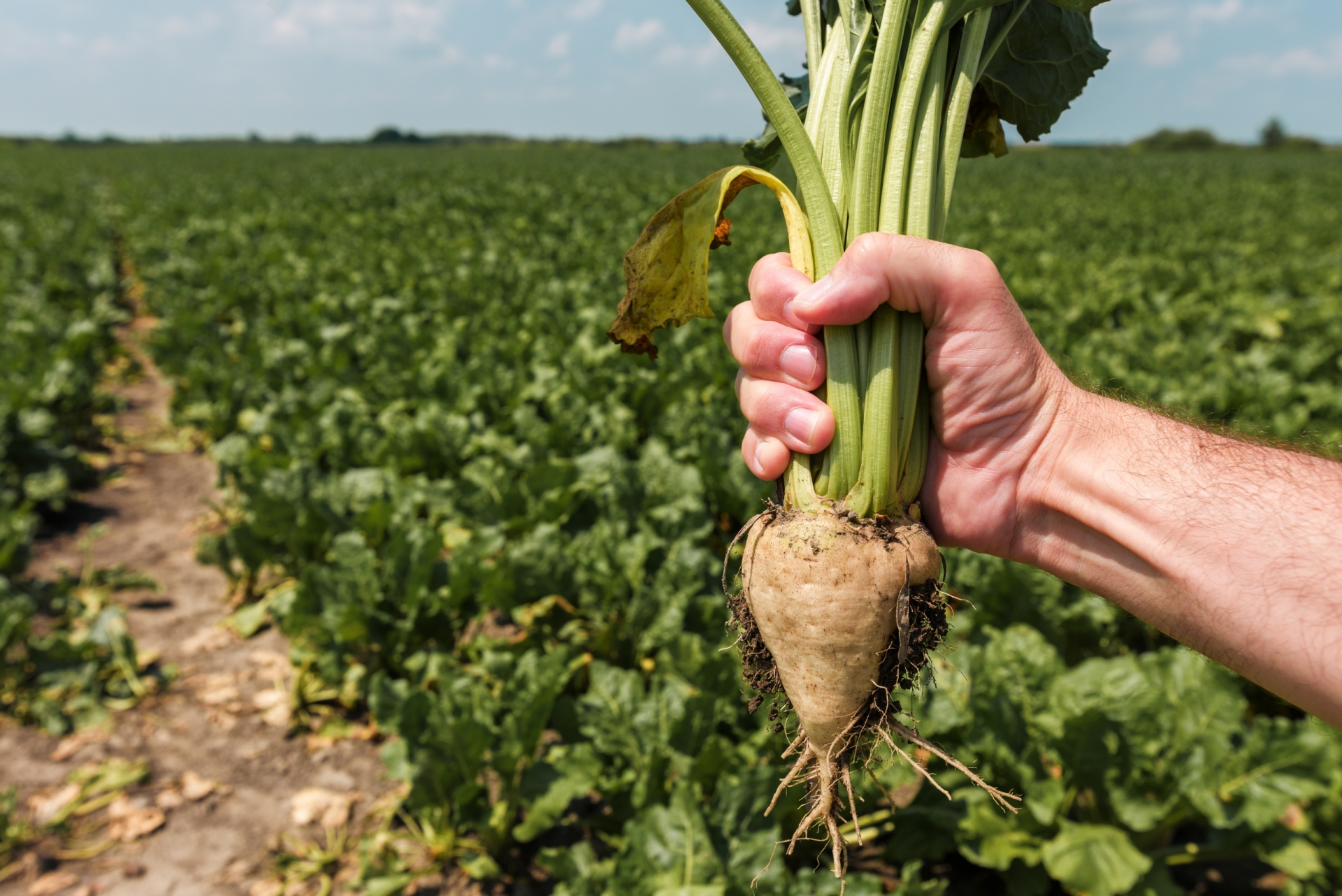
    Sugar beet (Beta vulgaris ssp. vulgaris, L.) is the most important regional source of sucrose in moderate climates of the northern hemisphere. Its biomass production is ranked eighth amongst the most produced field crops worldwide (FAOSTAT, ). Sugar beets are biennial, meaning that flowers and seeds are produced in the second year. Since flowering detracts sucrose from taproots, sugar beets are harvested annually. The wild ancestor of all beet crops is the sea beet (Beta maritima L.), a native plant still frequently found on European coastlines. Sugar beet thrives on most soil types, as long as pH is near neutral, easing its geographically widespread cultivation (Draycott, ). In contrast to many other crops, the breeding of sugar beet out of the Silesian Beet happened in times when the basics of genetics were understood. Therefore, its development and breeding trends over the decades are comparably well documented (Panella and Lewellen, ). Early sugar beet cultivars were bred in Northern Europe, a region with a non-humid, temperate climate and low pest and disease pressure. When these cultivars were planted in other regions, the yield was severely decimated by pests and pathogens (Panella and Lewellen, ). Sugar beet was intensively studied regarding physiology, anatomy, chemical, biochemical constitution, genomic traits, nutrient requirements, and convenient agricultural practices to optimize yield in the last 150 years, and was first genome sequenced in 2014 (Dohm et al., ). Still, leaf pathogens, root and storage rots, and microbes interfering with sucrose extractions illustrate the importance of sugar beet-associated microbial communities for both plant health and yield. All these mentioned facts make sugar beet an interesting model plant for microbiome research.

    Despite the widespread cultivation of sugar beet, our knowledge in sugar beet microbiomes and microbiome-based strategies in future agricultural systems have not reached their full potential thus far. To fully exploit this potential for crop protection and plant growth promotion (PGP), a deep and holistic understanding of both the plant itself and the environment-plant interactions is crucial. Since the rhizosphere is the primary soil-plant interface, we have to especially emphasize the establishment, formation, and dynamics of its microbiome in this context. We hereby try to connect current knowledge about sugar beet-associated microbial communities to their physical, chemical, and biological context, namely the specific traits of the host plant. We aim to describe the sugar beet holobiont as defined by Berg et al. (), as the entirety of the microbial community members and its “theater of activity”. In the first section of this review, we will provide an overview of the current knowledge on sugar beet microbiome to be considered in experimental setups of future studies, highlight knowledge gaps, and discuss the sugar beet holobiont following its ontology from seed to postharvest roots. The second section summarizes potential or already tested biocontrol agents and their natural occurrence in the plant host and presents the current application strategies for microbiome-based agricultural practices.

    An external file that holds a picture, illustration, etc.
Object name is fmicb-14-1151052-g0001.jpg

    Simplified temporal (Left) and spatial (Right) holobiont model of sugar beet taproot. The arrow width indicates the relative importance of vertically and horizontally assembled endophytes (Top Left). A: Root exudation and/or endophyte release leads to an increase in measured diversity in taproot-associated rhizosphere communities (Zachow et al., ; Cardinale et al., ; Wolfgang et al., ). CFU number in the peel can exceed the CFU number in the rhizosphere (Okazaki et al., ). B: Relative sugar content increases toward the center, higher in proximity to vascular bundles. Sucrose further decreases with increasing distance to the secondary cambia (Milford, ; Hoffmann and Kenter, ). C: Diversity decreases toward the center, while the relative abundance of copiotrophic bacteria increases (Lilley et al., ; Okazaki et al., ). D: Microbial abundance is highest in the root elongation zone near the root tip, with a high relative abundance of exudate responders, e.g., Variovorax and Pseudomonas (Jacobs et al., ; Lübeck et al., ; Shi et al., ). E: The sugar content of beet tissue is highest in lower taproot (Milford, ).

    2.2. Microbial assembly and dynamics in the sugar beet rhizosphere


    Sunday, August 27, 2023

    Sugar in India’s Key Growing Areas Under Threat From Poor Rain

    Pratik Parija
    Fri, August 25, 2023 


    (Bloomberg) -- Sugar crops in some of India’s major growing regions are in desperate need of rain as drier conditions threaten the production outlook, which may place more pressure on containing rising food costs.

    Rainfall is badly needed to replenish groundwater used for irrigating crops in Maharashtra, Sanjay Khatal, the managing director of the Maharashtra State Co-Operative Sugar Factories Federation Ltd., said in an interview. The state is India’s biggest sugar producer, accounting for about 37% of output.

    “At the moment, the crop is at risk, but if rains improve in the balance period of the monsoon season, then the situation will take a turn for the better,” he said. Some parts of Maharashtra have received as much as 20% less rain than normal since the start of the season, according to the weather bureau.

    A smaller crop could prompt the government of Prime Minister Narendra Modi to curb exports to prevent a surge in domestic prices ahead of elections early next year, similar to the measures India has already implemented on rice. Maharashtra’s Khatal said it’s too early to make a prediction about sugar production given there is more than a month before the monsoon ends.

    The Indian government will make a decision about overseas sugar shipments for 2023-24 when actual estimates of total production are available, according to the food ministry.

    The South Asian nation is the world’s second biggest producer after Brazil, and any production shortfall and subsequent export ban could reverberate across markets, boosting sugar futures traded in New York and London. India allowed mills to export about 6.1 million tons in 2022-23, compared with 11 million tons a year earlier after late rains reduced yields and cut output.

    The New York contract, which climbed for a third day after reversing losses, is headed for a 2.3% weekly gain.

    “There aren’t any talks with the government on sugar exports at present,” said Aditya Jhunjhunwala, president of the Indian Sugar Mills Association. “We will assess the crop after monsoon season is over in September and approach the government on allowing exports after that,” he said, adding there will be enough supplies next season to meet domestic demand.


    The group estimates production at 31.7 million tons in 2023-24 and domestic consumption at 27.5 million tons, leaving a surplus of 4.2 million tons. India’s planted sugar cane area was at 5.61 million hectares (13.9 million acres) as of Friday, little changed from a year earlier, according to the farm ministry.

    Lower Rainfall


    Even though 94% of India’s sugar cane area is irrigated, rains are needed during the monsoon from June to September to fill dams, ponds, wells and replenish ground water. Some areas of Karnataka have received as much as 27% less rainfall so far, while in Uttar Pradesh, rains have been mixed.

    Uttar Pradesh, Maharashtra and Karnataka account for more than 80% of India’s sugar cane production, according to the agriculture ministry. As of Thursday, water storage in the country’s 146 main reservoirs was 21% less than a year earlier, according to the state-run Central Water Commission.

    The harvest in Karnataka, the third biggest producer, will likely fall by 20% in the year starting October due to less rain, according to Shivanand H. Kalakeri, the state’s commissioner for cane development and director of sugar.

    “We have asked mills to start a little late next season as the crop needs some more time to mature,” Kalakeri said. Factories normally begin crushing in the middle of October, Kalakeri said.


    https://sidneymintz.net/sugar.php

    Sugar, or sucrose (C12H22O11), is manufactured photosynthetically by green plants. We humans can't make sugar. The best we can do is to extract it, and change ...


    SWEETNESS AND POWER 

    MINTZ.pdf 


    Tuesday, May 27, 2025

    Study: Sugar consumed through soda, fruit juice consistently linked to higher risk of developing type 2 diabetes


    'Drinking your sugar—whether from soda or juice—is more problematic for health than eating it'


    Brigham Young University

    Photo illustration: Rethinking Sugar 

    image: 

    Drinking your sugar—whether from soda or juice—is more problematic for health than eating it.

    view more 

    Credit: Aaron Cornia/BYU Photo


    For years, we've been told that sugar is a major culprit behind the global rise in type 2 diabetes. Now, emerging evidence from BYU researchers adds nuance to that message, suggesting not all sugar sources carry the same risk.

    In the largest and most comprehensive meta-analysis of its kind, BYU researchers—in collaboration with researchers from Germany-based institutions—found that the type and source of sugar may matter far more than previously thought. Researchers analyzed data from over half a million people across multiple continents, revealing a surprising twist: sugar consumed through beverages—like soda and even fruit juice—was consistently linked to a higher risk of developing type 2 diabetes (T2D). Meanwhile, other sugar sources showed no such link and, in some cases, were even associated with a lower risk.

    “This is the first study to draw clear dose-response relationships between different sugar sources and type 2 diabetes risk,” said Karen Della Corte, lead author and BYU nutritional science professor. “It highlights why drinking your sugar—whether from soda or juice—is more problematic for health than eating it.”

    After correcting for body mass index, excess energy intake and several other lifestyle risk factors, the researchers found the following dose-response relationships:

    • With each additional 12-oz serving of sugar-sweetened beverages (i.e., soft drinks, energy drinks and sports drinks) per day, the risk for developing T2D increased by 25%. This strong relationship showed that the increased risk began from the very first daily serving with no minimum threshold below which intake appeared to be safe.
    • With each additional 8-oz serving of fruit juice per day (i.e., 100% fruit juice, nectars and juice drinks), the risk for developing T2D increased by 5%.
    • The above risks are relative not absolute. For example, if the average person’s baseline risk of developing T2D is about 10%, four sodas a day could raise that to roughly 20%, not 100%.
    • Comparatively, 20 g/day intakes of total sucrose (table sugar) and total sugar (the sum of all naturally occurring and added sugars in the diet) showed an inverse association with T2D, hinting at a surprising protective association.

    Why drinking sugar would be more problematic than eating sugar may come down to the differing metabolic effects. Sugar-sweetened beverages and fruit juice supply isolated sugars, leading to a greater glycemic impact that would overwhelm and disrupt liver metabolism thereby increasing liver fat and insulin resistance.

    On the other hand, dietary sugars consumed in or added to nutrient-dense foods, such as whole fruits, dairy products, or whole grains, do not cause metabolic overload in the liver. These embedded sugars elicit slower blood glucose responses due to accompanying fiber, fats, proteins and other beneficial nutrients.

    Fruit juice, even with some vitamins and nutrients, is much less beneficial. Because of its high and concentrated sugar content, the researchers conclude that fruit juice is a poor substitute for whole fruits, which provide more fiber to support better blood glucose regulation.

    “This study underscores the need for even more stringent recommendations for liquid sugars such as those in sugar-sweetened beverages and fruit juice, as they appear to harmfully associate with metabolic health," Della Corte said. "Rather than condemning all added sugars, future dietary guidelines might consider the differential effects of sugar based on its source and form."