Thursday, October 15, 2020

First report on the impact of European incubators and accelerators NON MEDICAL

by Politecnico di Torino

  
Credit: CC0 Public Domain

In France, Germany, Italy, Spain and the UK there are a total of more than 1,200 business incubators/accelerators, with an estimated number of 7,165 employees. The most diffused services offered by these organizations are networking services, physical spaces and shared services, access to finance, managerial training and managerial support.


The Social Innovation Monitor research team, based at Politecnico di Torino, will present for the first time analyses on the ecosystems of incubators/accelerators in France, Germany, Italy, Spain and United Kingdom on 20th of October, at 5 p.m CEST time.

The research has been carried out in collaboration with Enterprise Educators UK Association, German Startups Association, InnovUp, La Boussole des Entrepreneurs, PNICube Association, Spanish Startups Association, UKSPA Association, Experientia, Instilla and Social Innovation Teams (SIT).

According to the research, in the five countries analyzed, there are 1,217 incubators and accelerators, of which 182 are corporate incubators and 227 are university incubators. France has the highest number of incubators/accelerators with a total of 284; followed by United Kingdom with 274, Germany with 247, Spain and Italy respectively with 215 and 197 incubators and accelerators.

The estimated number of employees is equal to 7,165. The highest number of employees in incubators and accelerators has been estimated to be in UK, with 2,164 employees. France follows with an estimated 1,420 employees, then Spain with 1,376, Germany with 1,111 and Italy with 1,094.

The most diffused services offered by these organizations are networking services, provision of physical spaces and shared services, access to finance, managerial training and managerial support. In particular, for French incubators and accelerators, the most important services provided are managerial support and support for the creation of networks; German incubators and accelerators consider as the most important services the same services of French incubators/accelerators with the addition of the provision of shared spaces and services.

The most important offered services for Italian incubators/accelerators are network creation, managerial support, the provision of shared spaces and services, and access to finance, while in Spanish incubators the most important services are related to managerial support and training, access to finance, and the provision of physical spaces and shared services. Finally, incubators and accelerators in U.K. consider more relevant physical spaces, network services, access to finance, managerial training and managerial support.

Another interesting data arising from the report relates to the equity taken by incubators/accelerators in the organizations that they incubate. On average, 17.5% of incubators and accelerators in these five states hold equity shares in organizations incubated.

In line with the SIM mission of empowering the ecosystem of innovation and entrepreneurship with a significant social impact, the survey put a focus on incubators that support startups with a social and/or environmental impact. In France and the United Kingdom, the report observes that the startups with a social impact most supported are those in the health and wellness sector, while in Italy and in Germany the majority of supported startup are in the sector of environmental and animal protection. Spain distinguishes itself by the predominance of startups with a social impact in the sector of sustainable tourism and responsible consumption.

The Social Innovation Monitor's research is based on the analysis of the information collected through the questionnaire sent out in the five countries. The research team has identified a total of 1217 European incubators and accelerators, of which 244 responded to the survey.

Professor Paolo Landoni from the Politecnico di Torino, scientific director of the research, says, "We are pleased to see that in all the countries that we have examined, there is a significant number of incubators/accelerators. It is interesting to note that the numbers, especially when compared to the population in each country, are highly comparable. We have to explore this further, but there is the possibility of a coherent model of incubation/acceleration in Europe. We are looking forward to discussing this and other points with our partners and the participants to the upcoming webinar."


University incubators may lead to lower-quality innovation, new study shows
More information: The Public Reports for each country are freely available for download at https://socialinnovationmonitor.com/en/report-incubators/
Provided by Politecnico di Torino
Soluble iron in skies over China's cities could create health risk, study finds

by University of Birmingham
Smog in Beijing. Credit: Lilydjwg - Wikimedia Commons

Industrial and vehicle pollution in the skies above East China's major cities is boosting the amount of atmospheric soluble iron particles—creating health risks for citizens, a new study reveals.

Research indicates that acidic gases emitted from power generation, industry and vehicle exhausts are helping to dissolve insoluble iron particles in Beijing, Handan, Zhengzhou and Hangzhou.

The tiny soluble iron-containing particles created as a result of this can be inhaled by people—causing respiratory illness, as well as being transported by winter winds into the Pacific Ocean, affecting the oceanic ecosystem.

Researchers at the University of Birmingham worked with partners at Zhejiang University, Hangzhou; China University of Mining and Technology, Beijing; Hebei University of Engineering, Handan; and Zhongyuan University of Technology, Zhengzhou—publishing their findings in Environmental Pollution.

Study co-author Zongbo Shi, Professor of Atmospheric Biogeochemistry at the University of Birmingham, commented: "Our research shows that chemical processing is a key reason behind greater amounts of soluble iron in the atmosphere on haze days when atmospheric pollution from man-made sources is higher.

"Acidic 'man-made' pollution helps to dissolve iron out of larger 'mixed' pollution particles—this is concerning because large amounts of tiny iron-containing particles can be inhaled and cause adverse health effects though the generation of oxygen free radicals."

Iron carried in airborne particles is an essential external source for phytoplankton growth in large parts of remote oceans and indirectly affects the seas' capture of planet-warming carbon dioxide, playing a significant positive role in the global carbon cycle and climate. There are natural sources of iron, such as desert dust and soil dust, and anthropogenic (man-made) generators such as fossil fuel combustion and steel industrial activities.

Researchers discovered that concentration of soluble iron particles was higher over the northern cities of Beijing, Handan and Zhengzhou than the southern city of Hangzhou. The experts selected the four cities to represent typical urban environments, with their respective populations of 21.5 million, 9.5 million, 10.1 million and 9.8 million citizens.

Beijing mainly suffers from road traffic pollution with pollutants from surrounding industrial regions, while heavy industry in Handan uses large amounts of energy, resulting in copious emissions of air pollutants. Zhengzhou is a major road, rail and air transport hub suffering from serious vehicle exhaust pollution, as does Hangzhou which is also polluted with contaminants blown in from surrounding industrial regions.

"Large amounts of soluble iron may be the catalyst for creating secondary sulfate particles in East China's polluted atmosphere," added Professor Shi. "We need further research to understand how this situation changes the creation of atmospheric oxygen free radicals which can pose significant health risks."


Iron dissolved by air pollution may increase ocean potential to trap carbon
More information: Yanhong Zhu et al. Iron solubility in fine particles associated with secondary acidic aerosols in east China, Environmental Pollution (2020). 
Rubber-leguminous shrub systems should be popularized to reduce greenhouse gas emissions in Xishuangbanna

by Zhang Nannan, Chinese Academy of Sciences
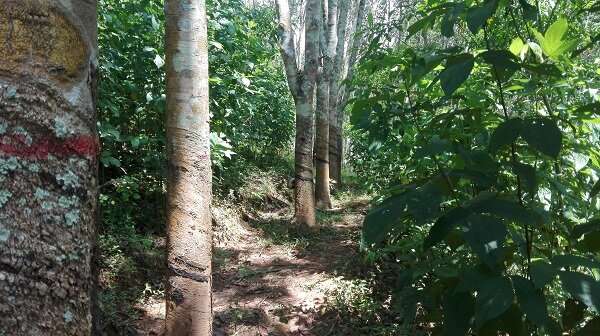
Rubber-Flemingia macrophylla plantation in Xishuangbanna. Credit: LIU Changan

In recent years, numerous rubber-based agroforestry systems, using a biological approach to enhance ecosystem services, have been developed. Intercropping rubber with Flemingia macrophylla, a leguminous shrub, has been widely established in rubber plantations area of China.

Previous studies showed that greenhouse gas emissions in rubber and rubber-F. macrophylla systems would be affected by their plantation age. However, the effect of different-aged rubber and rubber-F. macrophylla systems on CO2, N2O, and CH4 emissions from soils is unknown.

In a study published in Forest Ecology and Management, researchers from the Xishuangbanna Tropical Botanical Garden (XTBG) investigated the effect of introducing F. macrophylla to different-aged rubber plantations on the emissions of CO2, N2O, and CH4 in Xishuangbanna.

They found that the emissions of CO2, N2O and CH4 decreased as the trees aged in the rubber plantations. The introduction of F. macrophylla to different-aged rubber plantations significantly decreased CO2 and CH4 flux but increased N2O flux.

Furthermore, the CO2 and N2O fluxes were mainly affected by soil temperature at 10 cm depth, and CH4 flux was mainly affected by both soil water content in the 0–10 cm soil layer and soil temperature at 10 cm depth.

Moreover, they found that the rubber-leguminous shrub systems significantly improved soil organic carbon sequestration rate and reduced greenhouse gas emissions, relative to the same-aged rubber plantations.
  
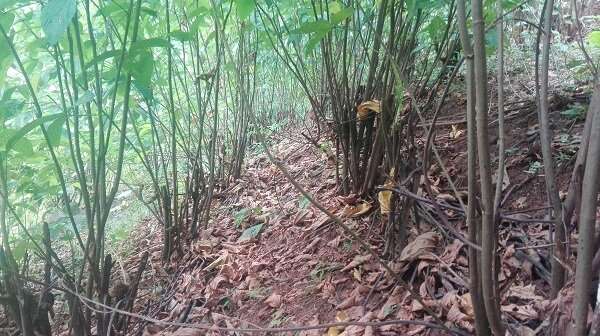
Sloping fields in the rubber–Flemingia macrophylla plantations. Credit: LIU Changan

Decrease of CO2 emissions is crucial for the reduction of greenhouse gas emissions in rubber plantations worldwide.

"We therefore propose that rubber-leguminous shrub systems should be popularized in the rubber planting area for reducing greenhouse gas emissions," said Prof. Tang Jianwei, principal investigator of the study.


Intercrops enhance soil moisture availability in rubber agroforestry systems
More information: Xin Rao et al. Rubber-leguminous shrub systems stimulate soil N2O but reduce CO2 and CH4 emissions, Forest Ecology and Management (2020). DOI: 10.1016/j.foreco.2020.118665
Journal information: Forest Ecology and Management
Provided by Chinese Academy of Sciences
American Pikas show resiliency in the face of global warming

by Arizona State University
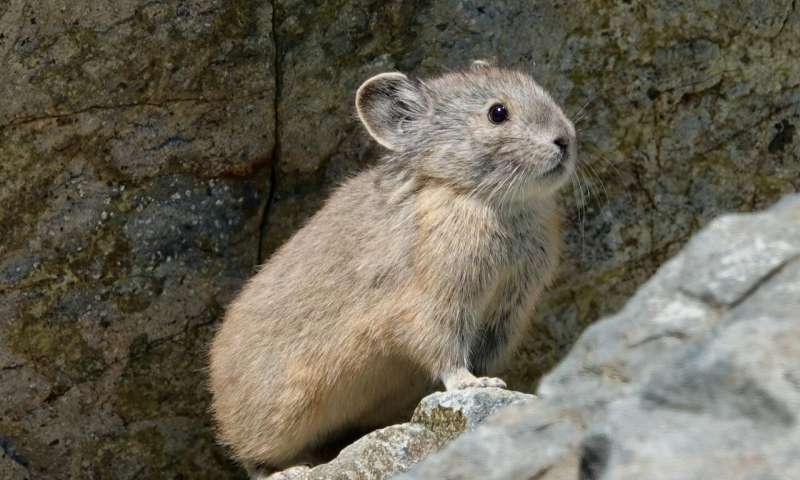
American pika Credit: Andrew Smith, Arizona State University

The American pika is a charismatic, diminutive relative of rabbits that some researchers say is at high risk of extinction due to climate change. Pikas typically live in cool habitats, often in mountains, under rocks and boulders. Because pikas are sensitive to high temperatures, some researchers predict that, as the Earth's temperature rises, pikas will have to move ever higher elevations until they eventually run out of habitat and die out. Some scientists have claimed this cute little herbivore is the proverbial canary in the coal mine for climate change.

A new extensive review by Arizona State University emeritus professor Andrew Smith, published in the October issue of the Journal of Mammalogy, finds that the American pika is far more resilient in the face of warm temperatures than previously believed. While emphasizing that climate change is a serious threat to the survival of many species on Earth, Smith believes that the American pika currently is adapting remarkably well.

Smith has studied the American pika for more than 50 years and presents evidence from a thorough literature review showing that American pika populations are healthy across the full range of the species, which extends from British Columbia and Alberta, Canada, to northern New Mexico in the U.S.

Occupancy in potential pika habitat in the major western North American mountains was found to be uniformly high. Among sites that have been surveyed recently, there was no discernible climate signal that discriminated between the many occupied and relatively few unoccupied sites.

"This is a sign of a robust species," Smith said.

Smith said most of the studies that have raised alarms about the fate of the pika are based on a relatively small number of restricted sites at the margins of the pika's geographic range, primarily in the Great Basin. However, a recent comprehensive study of pikas evaluating 3,250 sites in the Great Basin found pikas living in over 73% of the suitable habitat investigated. Most important, the sites currently occupied by pikas and the sites where they are no longer found were characterized by similar climatic features.

"These results show that pikas are able to tolerate a broader set of habitat conditions than previously understood," Smith adds.

Smith's most interesting finding is that pikas are apparently much more resilient than previously believed, allowing them to survive even at hot, low-elevation sites. Bodie California State Historic Park, the Mono Craters, Craters of the Moon National Monument and Preserve, Lava Beds National Monument, and the Columbia River Gorge (all hot, low-elevation sites) retain active pika populations, demonstrating the adaptive capacity and resilience of pikas. Pikas cope with warm temperatures by retreating into their cool, underground talus habitat during the hot daylight hours and augment their restricted daytime foraging with nocturnal activity.

This doesn't mean that some pika populations have not been pushed to their limit, leading to their disappearance from some habitats. Smith's review points out that most documented cases of local loss of pika populations have occurred on small, isolated habitat patches.

"Due to the relatively poor ability of pikas to disperse between areas, those habitats are not likely to be recolonized, particularly in light of our warming climate," Smith said. "In spite of the general health of pikas across their range, these losses represent a one-way street, leading to a gradual loss of some pika populations. Fortunately for pikas, their preferred talus habitat in the major mountain cordilleras is larger and more contiguous, so the overall risk to this species is low."

Smith's work emphasizes the importance of incorporating all aspects of a species' behavior and ecology when considering its conservation status, and that all available data must be considered before suggesting a species is going extinct. For the American pika, the data conclusively show that rather than facing extinction, American pikas are changing their behaviors in ways that help them better withstand climate change, at least for now.


American pikas tolerate climate change better than expected
More information: Andrew T Smith et al, Conservation status of American pikas (Ochotona princeps), Journal of Mammalogy (2020). DOI: 10.1093/jmammal/gyaa110
Journal information: Journal of Mammalogy
Provided by Arizona State University


Cover crop could solve weed problems for edamame growers

by Lauren Quinn, University of Illinois at Urbana-Champaign
  
Credit: CC0 Public Domain

For vegetable growers, weeds can mean lost income from reduced yield and foreign plant matter contaminating the harvest. But for many crops, particularly vegetable legumes, weed management options are very limited.

Cover crops such as cereal rye reduce weed competition in grain soybean, but most vegetable legume growers have yet to adopt the practice due to the potential for reduced germination and yield in thick cover crop residue. However, a new study from the University of Illinois and USDA Agricultural Research Service (USDA-ARS) shows early-terminated rye could be a promising part of an integrated weed management program for some vegetable legumes, including edamame.

"In general, the more cover crop biomass you have, the better the weed suppression. We found a sweet spot in an earlier experiment with edamame when we terminated rye at tillering and then planted into the stubble. The rye provided measurable weed suppression without harming the crop," says Marty Williams, USDA-ARS ecologist and affiliate professor in the Department of Crop Sciences at Illinois. "We wanted to follow that up with yield experiments for edamame, and decided to broaden to some mainstream vegetable legumes including snap bean and lima bean."

Williams and his research team looked at weed density and biomass in bare soil and in plots planted with a rye cover crop terminated at tillering, about a month before vegetable crops were planted. For three growing seasons, the researchers either sprayed weeds with one of the few registered herbicides; hand-pulled weeds in addition to spraying; or left weeds alone to grow. Then they gathered information on weed suppression, crop establishment and yield, as well as soil moisture and nitrogen.

In edamame and snap bean, early-terminated rye reduced weed biomass by 53% and 73%, respectively, compared with bare soil. And, consistent with his earlier studies, Williams found no reductions in edamame establishment or yield. Yet, the results for snap bean and lima bean were not as rosy. Both lost yield when planted in rye residue, and weed density and biomass actually increased for lima bean, compared with bare soil.

"We found the early-terminated rye system worked well in edamame. The rye suppressed weed biomass without impacting the crop." Williams says. "For lima bean, the system failed. For snap bean, there is room for improvement."

He suspects the poor performance in lima and snap bean is related to the crops' weak ability to fix nitrogen in soils depleted of the nutrient by the cover crop. In turn, poor crop growth and canopy development favored the weeds.

"We had a problem with crop establishment in lima bean in the rye stubble," Williams says. "And while snap bean established well, crop growth was hampered by the nitrogen-starved environment in rye stubble—one of the key traits providing weed suppression."

Edamame, like soybean, can grow without applied nitrogen because it benefits from symbiosis with nitrogen-fixing bacteria. Williams' group is currently doing follow-up research to exploit biological nitrogen fixation in snap bean, which would have implications beyond weed management.

Although early-terminated rye worked well in edamame, the cover crop didn't eliminate the need for other weed control measures.

"Early-terminated rye alone is not going to solve all weed problems," Williams says. "It reduced the weed load, but did not eliminate it. Early-terminated rye roughly halved the weeds compared to bare soil. The weed load was further reduced by using an herbicide, too. Hand-weeding, while generally used as a last-resort tactic, was used in this system to entirely eliminate interference with the crop and weed seedbank additions. That combination is the most effective approach."


Early-killed rye shows promise in edamame
More information: Nicholas E. Korres et al, Integrated weed management strategies with cereal rye mulch in processing vegetable legumes, Agronomy Journal (2020). DOI: 10.1002/agj2.20349
Journal information: Agronomy Journal
Provided by University of Illinois at Urbana-Champaign
How psychological ownership can enhance stewardship for public goods

THE DIFFERENCE BETWEEN BEING 
A CUSTODIAN OR A JANITOR

by Kim Tucker Campo, New York Institute of Technology
Credit: CC0 Public Domain

How can consumers be encouraged to take better care of public goods and resources? That's the question posed in a new research paper co-authored by Colleen P. Kirk, D.P.S., associate professor of marketing at New York Institute of Technology, in the Journal of Marketing.

"Caring for the Commons: Using Psychological Ownership to Enhance Stewardship Behavior for Public Goods" aims to help solve the "tragedy of the commons," the idea that when goods or resources are shared by many owners they are subject to abuse or neglect.

Sadly, the tragedy of the commons can be seen in many public spaces, such as cemeteries, public housing, fishing areas, and beaches, and has contributed to a number of environmental challenges. One commonly cited environmental issue includes ocean pollution. Because ocean waters are shared by many different nations no single authority has the power to pass laws that protect the entire ocean. Instead, nations manage and protect ocean resources along their coastlines, leaving the much larger shared waters vulnerable to contamination.

Citing available studies on the tragedy of the commons, Kirk joins Joann Peck, Ph.D., of Wisconsin-Madison School of Business; Andrea Luangrath, Ph.D., of the University of Iowa; and Suzanne Shu, Ph.D., of Cornell University in hypothesizing that increased feelings of ownership towards a public good can help ensure that individuals do their part.

Putting their theory to the test

The researchers manipulated scenarios in public settings to encourage visitors to view the spaces as their own, rather than as a shared commodity. In each scenario, the investigators found that increasing psychological ownership enhanced stewardship, causing participants to become more likely to take direct action to care for that setting, such as picking up trash, or financial stewardship, such as donating money.

For example, the researchers manipulated psychological ownership of a lake by asking a randomized group of kayak renters to think of and write down a nickname for the lake before renting their boats. Unbeknownst to the kayakers, the researchers had planted anchored floating trash in the lake to test whether naming the lake would create an increased feeling of ownership. Compared to the control group, kayakers who were not asked to name the lake, the "namers" were more likely to do their part in trying to pick up the trash, with 41 percent attempting to remove the planted litter.


In another scenario, study participants were asked to imagine that they were taking a walk in a hypothetical park called Stoneview Park. Researchers showed the control group a park entrance sign that read the generic message, "Welcome to the park." In contrast, the experimental group was shown a sign reading, "Welcome to YOUR park." Each group of "walkers" then completed a survey on how likely they were to remove litter or donate to park maintenance efforts. Once again, when compared to the control group, those exposed to the psychological ownership tactics (YOUR park group) felt a greater need to care for and contribute to maintaining the public space.

A third scenario tested yet another psychological ownership tactic aimed at cultivating stewardship. Cross country skiers and snowshoers at a public park ski rental were asked to plan a route prior to their outing. Following the completion of the park's standard liability waiver, an employee offered them a map, obtained their shoe size, and, in the control group (the "non-planners"), went on to retrieve the ski equipment. However, in the experimental group, before retrieving the skis or snowshoes, the employee asked the renters to plan a route they might take on the map. All renters were then charged for their ski equipment and asked whether they would like to add a dollar to the rental fee to help the park. Donations indicated that individuals who planned their route in advance were more likely to chip in. In addition, a participant survey also revealed that those asked to plan their route were more likely to feel ownership, volunteer, donate in the future, and promote the park to others using social media. The researchers believe that because these skiers played an active role in shaping their experience, they may have felt a greater sense of connection to the park.

Kirk, who has published significant research on psychological ownership and an op-ed in Harvard Business Review, believes the findings can assist marketers in conservation efforts.

"Maintaining the natural environment is a pressing issue facing our planet, and has become more challenging during the pandemic as park services are reduced while the number of people spending time outside has increased," she notes. "Researchers have previously shown that eliciting feelings of ownership in consumers, even in the absence of legal ownership, induces them to value a product more highly. In this research, we document, through a variety of experimental studies in the field and in the laboratory, that individual psychological ownership also motivates caring behaviors for a public good, such as picking up trash from a lake or donating time or money to a park. We encourage marketers and environmentalists alike to reflect on these findings when considering ways to maintain public spaces."


Why people go into debt: The money isn't really theirs
More information: Joann Peck et al, Caring for the Commons: Using Psychological Ownership to Enhance Stewardship Behavior for Public Goods, Journal of Marketing (2020). DOI: 10.1177/0022242920952084
Journal information: Journal of Marketing
Provided by New York Institute of Technology
The Pentecostal movement seeks a healthier form of community
IMPERIALISM THE HIGHEST FORM OF PROTESTANTISM
by University of Helsinki
Credit: CC0 Public Domain

Pentecostalism is the largest and fastest growing branch of Christianity in the world after the Catholic Church. Thanks to its focus on missionary work, Pentecostalism wields significant power particularly in areas where western secular culture has not gained dominant status, sch as in many parts of Africa.

"It's also a major political and social movement. Pentecostal demonology views demons as active agents with the power to influence people and various aspects of their daily lives. Other Christian denominations see this as problematic, as it tends to generate unhealthy phenomena and can result in practices and interpretations that are ethically problematic," explains Sanna Urvas, a doctoral candidate at the Faculty of Theology in University of Helsinki, Finland.

"In many African countries and places such as Papua New Guinea, witchcraft is a part of the traditional culture, but the Christian interpretation sees it as the work of evil spirits. Accusations of witchcraft are typically leveled at women, young people or the poor."

Evil comes from people, not demons

Theologians Amos Yong from the USA and Opoku Onyinah from Ghana are trying to reform Pentecostal thinking and its understanding of sin and evil.

"Yong's approach is exceptional in the Pentecostal context, as he accuses people and communities of evil, instead of demons. This means that evil could be banished by renouncing corruption and unhealthy power structures while protecting the weak, for example."

Onyinah emphasizes the significance of people's personal choices and the responsibilities of the communities instead of blaming misfortune on witchcraft perpetrated by a neighbor," Sanna Urvas describes.

"Both Yong and Onyinah are producing theology that aims at improving the lives of these communities. Both of them protect the underdog by highlighting unfair practices and undoing interpretations that enable abuses of power. Both unequivocally condemn teachings that claim a Christian might be possessed by a demon.

Demonology infringes on human rights

According to Sanna Urvas, belief in demonic possession enables psychological and spiritual violence while polarizing communities.

"Based on studies conducted in Africa, interpreting developmental disabilities as demonic has significantly eroded the human rights of disabled people and reduced their agency. Various illnesses, such as depression, may also be seen as the fault of spirits. This causes significant psychological stress for the disabled or sick person as well as their family."

Claiming that anything out of the ordinary, such as dissident thought, is demonic in nature may also lead to human rights violations.

According to Urvas, various activities across the denominational lines have brought demonological interpretations to nearly all denominations.

"The issue of demonic possession is controversial in the churches and fellowships outside the mainline denominations. Classical Pentecostalism teaches that the sick can be healed through prayer. A constructive interpretation of this would be that the sick person receives support and believes that God can heal them miraculously. Refusal of medical interventions and resorting to exorcisms are more disturbing phenomena. The goal of my research is, among other things, to emphasize an understanding of the underlying causes of illness that combines a medical standpoint with the belief in a healing God. This way, the sick person will receive the best help modern medicine can provide while still benefitting from the psychological and spiritual support of others praying for them. Such an integrated understanding should be embraced throughout the Pentecostal Church and potentially even more broadly."

Women as equal theological authorities

Pentecostalism is a very patriarchal movement, both in Finland and elsewhere. At The Church of Pentecost in Ghana, which is the second case study in Sanna Urvas's research, women are not allowed to study theology or serve as pastors.

"Also in Finland, the Pentecostal Church has very few female theological authorities. It seems I'm the first Pentecostal woman to receive a doctorate in systematic theology at a research university while specializing in Pentecostal theology. Meeting the women in the Ghanaian church was a revelation for them: a woman can also be a doctrinal authority."

Urvas wants to empower all women in the Pentecostal church in Finland and elsewhere:

"We as women have equal rights and opportunities to build healthier beliefs and practices and therefore communities everywhere in the world."

Sanna Urvas, MTh and MA (Dance), will defend her doctoral thesis entitled Theology of sin and evil in Classical Pentecostalism—Two case studies at the University of Helsinki's Faculty of Theology on 16 October 2020 at 2pm. Docent Jaakko Rusama from the University of Helsinki will serve as the opponent and Professor Risto Saarinen as the custos.


Nearly half of Finnish pastors have a positive attitude towards euthanasia
Provided by University of Helsinki
Sea star's ability to clone itself may empower this mystery globetrotter

by Smithsonian Tropical Research Institute
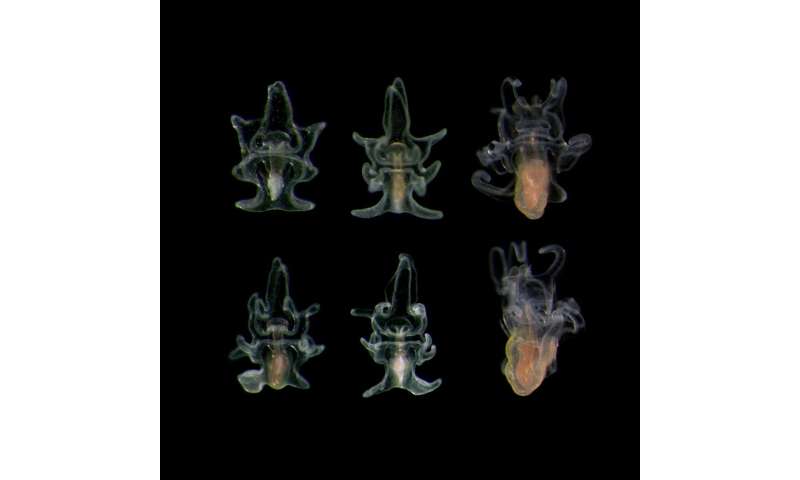
Mystery solved: the mystery larvae collected in the Caribbean grow up to become this sea star, Valvaster striatus, which is only known from the Indo Pacific region. Credit: Gustav Paulay

For decades, biologists have captured tiny sea star larvae in their nets that did not match the adults of any known species. A Smithsonian team recently discovered what these larvae grow up to be and how a special superpower may help them move around the world. Their results are published online in the Biological Bulletin.


"Thirty years ago, people noticed that these asteroid starfish larvae could clone themselves, and they wondered what the adult form was," said staff scientist Rachel Collin at the Smithsonian Tropical Research Institute (STRI). "They assumed that because the larvae were in the Caribbean the adults must also be from the Caribbean."

Scientists monitor larvae because the larvae can be more sensitive to physical conditions than the adults and larval dispersal has a large influence on the distribution of adult fishes and invertebrates. Collin's team uses a technique called DNA barcoding to identify plankton. They determine the DNA sequence of an organism, then look for matches with a sequence from a known animal in a database.

"This mystery species was one of the most common in our samples from the Caribbean coast of Panama," Collin said. "We knew from people's studies that the DNA matched sequences from similar larvae across the Caribbean and it matched unidentified juvenile starfish caught in the Gulf of Mexico—but no one had found a match to any known adult organism in the Caribbean. So we decided to see if the DNA matched anything in the global 'Barcode of Life' data base."
For thirty years, scientists have been capturing these larvae in their plankton nets, but only now have they discovered what they are. The larvae have the ability to make copies of themselves--clones. Credit: Michael Boyle

"That's when we got a match with Valvaster striatus, a starfish that was thought to be found only in the Indo West Pacific," Collin said. "The is the first-ever report of this species in the Atlantic Ocean. We could not have identifed it if Gustav Paulay from the University of Florida didn't have DNA sequences from invertebrates on the other side of the world."

But why are the larvae common in the Caribbean if adult Valvaster starfish have never been found here? Are the adult starfish hidden inside Caribbean reefs, or are the larvae arriving from the other side of the world?

V. striatus is widespread but rare in the western Pacific. The few reports from collectors and the confirmed photos on iNaturalist range from the Indian Ocean to Guam and Hawaii. These starfish live deep in the reef matrix, only coming out at night. So, it is possible that there are adults in the Caribbean that have never been seen. But the other possibility, that the ability to clone themselves may allow them to spread around the world, is also intriguing.

"It's possible that the ability of the larvae to clone themselves is not just a clever way to stay forever young," Collin said. "There's a natural barrier that keeps organisms from the western Pacific and the Indian ocean from crossing the Atlantic to the Caribbean. After they make it around the tip of Africa, they are met by a cold current that presumably kills tropical species."

"Just how cloning could help them get through the barrier is still not known, but it's intriguing that another sea star species from the Indo West Pacific that was collected for the first time in the Caribbean in the 1980s also has cloning larvae," Collin said.


Parents unknown—Mysterious larvae found in Panama's two oceans
More information: Rachel Collin et al, World Travelers: DNA Barcoding Unmasks the Origin of Cloning Asteroid Larvae from the Caribbean, The Biological Bulletin (2020). DOI: 10.1086/710796
Provided by Smithsonian Tropical Research Institute
Mathematician refines model of predator-prey relations in the wild

by RUDN University
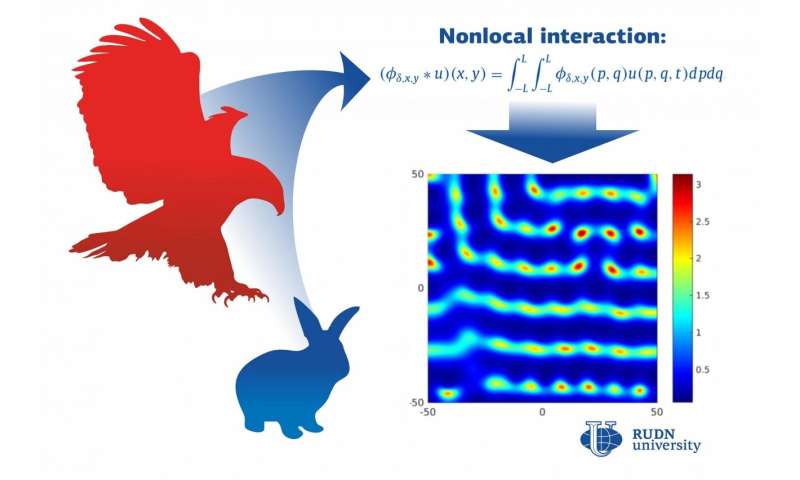
The traditional mathematical model of predator-prey relations in the wild does not take into account indirect nonlocal interactions. However, according to a mathematician from RUDN University, they affect the dynamics of predators and prey in a system, and the nature of this effect is sensitive to the initial conditions. Credit: RUDN University
The traditional mathematical model of predator-prey relations in the wild does not take into account indirect nonlocal interactions. However, according to a mathematician from RUDN University, they affect the dynamics of predators and prey in a system, and the nature of this effect is sensitive to the initial conditions. An article about his work was published in the Communications in Nonlinear Science and Numerical Simulation journal.


Ecologists use mathematical models of ecosystems to understand their structure and predict their development. Predator-prey is one of the basic models of this kind. With its help scientists can for instance calculate changes in the numbers of carnivores and herbivores depending on numerous conditions: the breeding of the latter, starvation of the former, amounts of prey eaten by predators, migrations, and so on. However, this model only takes into account local interactions, i.e. direct interactions between predators and prey in each given spatial location, while actual ecosystems also include nonlocal ones. A mathematician from RUDN University working together with his colleagues from the UK and India enhanced the standard predator-prey model taking these less obvious factors into account. Using his work, ecologists will be able to better understand developments in natural systems.

One example of natural nonlocal interactions is arid regions. To grow there, plants need to have a vast root system to collect moisture from large territories, not just from the vicinity of their location. Mathematically, this nonlocality is expressed as an integral that sums up the effect of the whole system at each given point. The competition for food among herbivores is also nonlocal, so a model has to take into account the integral amount of food in a system, not at each particular place.

"Nonlocal properties of movement are of interest for researchers; however, the nonlocal origin of this dynamics is often discarded. Still, there are a lot of natural systems with nonlocal interactions. One of the best examples may be the vegetation-water system, especially in semi-arid regions. There, nonlocality is a direct result of extensive root networks. We have confirmed that the nonlocality of intraspecific interactions can be the cause of different system dynamics in the predator-prey model," said Prof. Sergey Petrovskii from RUDN University.

The team tested their concept using computer modeling and found out that even if a system initially has equal numbers of carnivores and herbivores, after some time their quantities start to grow differently at different points due to nonlocal interactions. As a result, the total quantity of the system becomes dominated either by predators or prey, and different spatial patterns are formed. Another feature of a nonlocal system is bistability, i.e. possible coexistence of two patterns. This is an important attribute of nonlocality. It is the initial conditions that determine which pattern eventually succeeds.


Predator and prey in cyber stasis
More information: Swadesh Pal et al, Spatiotemporal pattern formation in 2D prey-predator system with nonlocal intraspecific competition, Communications in Nonlinear Science and Numerical Simulation (2020). DOI: 10.1016/j.cnsns.2020.105478
Provided by RUDN University


Beak bone reveals pterosaur like no other


by University of Portsmouth
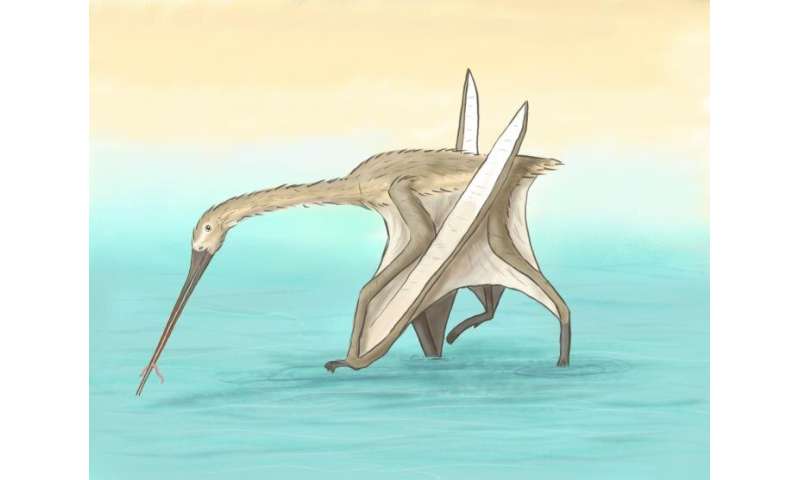
An artist's impression of Leptostomia begaaensis
 Credit: Megan Jacobs, University of Portsmouth

A new species of small pterosaur—similar in size to a turkey—has been discovered, which is unlike any other pterosaur seen before due to its long slender toothless beak.

The fossilised piece of beak was a surprising find and was initially assumed to be part of the fin spine of a fish, but a team of palaeontologists from the universities of Portsmouth and Bath spotted the unusual texture of the bone—seen only in pterosaurs—and realised it was a piece of beak.

Professor David Martill of the University of Portsmouth, who co-authored the study, said: "We've never seen anything like this little pterosaur before. The bizarre shape of the beak was so unique, at first the fossils weren't recognised as a pterosaur."

Careful searching of the late Cretaceous Kem Kem strata of Morocco, where this particular bone was found, revealed additional fossils of the animal, which led to the team concluding it was a new species with a long, skinny beak, like that of a Kiwi.

Lead author of the project, University of Portsmouth Ph.D. student Roy Smith, said: "Just imagine how delighted I was, while on field work in Morocco, to discover the lower jaw to match the upper jaw found by Dr. Longrich of this utterly unique fossil animal."

The new species, Leptostomia begaaensis, used its beak to probe dirt and mud for hidden prey, hunting like present-day sandpipers or kiwis to find worms, crustaceans, and perhaps even small hard-shelled clams.

Pterosaurs are the less well-known cousins of dinosaurs. Over 100 species of these winged-reptiles are known, some as large as a fighter jet and others as small as a sparrow.

Professor Martill said: "The diets and hunting strategies of pterosaurs were diverse—they likely ate meat, fish and insects. The giant 500-pound pterosaurs probably ate whatever they wanted.

"Some species hunted food on the wing, others stalked their prey on the ground. Now, the fragments of this remarkable little pterosaur show a lifestyle previously unknown for pterosaurs."

The scientists used a computerised tomography (CT) scan to reveal an incredible network of internal canals for nerves that helped detect the prey underground.


Dr. Nick Longrich, from the Milner Centre for Evolution at the University of Bath, said: "Leptostomia may actually have been a fairly common pterosaur, but it's so strange—people have probably been finding bits of this beast for years, but we didn't know what they were until now."

Long, slender beaks evolved in many modern birds. Those most similar to Leptostomia are probing birds—like sandpipers, kiwis, curlews, ibises and hoopoes. Some of these birds forage in earth for earthworms while others forage along beaches and tidal flats, feeding on bristle worms, fiddler crabs, and small clams.

Leptostomia could probably have done either, but its presence in the Cretaceous age Kem Kem strata of Africa—representing a rich ecosystem of rivers and estuaries—suggests it was drawn there to feed on aquatic prey.

"You might think of the pterosaur as imitating the strategy used successfully by modern birds, but it was the pterosaur that got there first," said Dr. Longrich. "Birds just reinvented what pterosaurs had already done tens of millions of years earlier."

Dr. Longrich suggests the new species shows how, more than a century after pterosaurs were first discovered, there's still so much to learn about them. He said: "We're underestimating pterosaur diversity because the fossil record gives us a biased picture.

"Pterosaur fossils typically preserve in watery settings—seas, lakes, and lagoons—because water carries sediments to bury bones. Pterosaurs flying over water to hunt for fish tend to fall in and die, so they're common as fossils. Pterosaurs hunting along the margins of the water will preserve more rarely, and many from inland habitats may never preserve as fossils at all.

"There's a similar pattern in birds. If all we had of birds was their fossils, we'd probably think that birds were mostly aquatic things like penguins, puffins, ducks and albatrosses. Even though they're a minority of the species, their fossil record is a lot better than for land birds like hummingbirds, hawks, and ostriches."

Over time, more and more species of pterosaurs with diverse lifestyles have been discovered. That trend, the new pterosaur suggests, is likely to continue.


Naked prehistoric monsters: Evidence that prehistoric flying reptiles probably had feathers refuted
More information: Roy E. Smith et al, A long-billed, possible probe-feeding pterosaur (Pterodactyloidea: ?Azhdarchoidea) from the mid-Cretaceous of Morocco, North Africa, Cretaceous Research (2020).