Sunday, July 20, 2025

Counterfeited In China: New Book Assesses State Of Industry And Its Future – Book Review
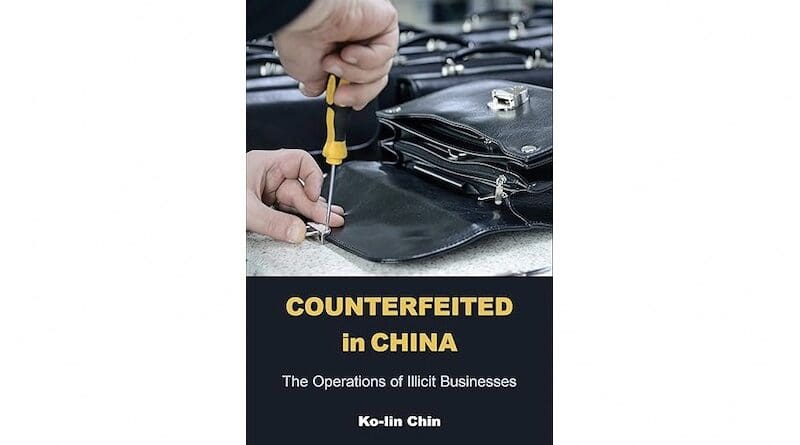
"Counterfeited in China: The Operations of Illicit Businesses," by Ko-Lin Chin


By 

Counterfeiting tops the list of organized crimes committed worldwide, raking in nearly half a trillion dollars in 2019. These illicit businesses impact consumers, workers, brand owners, state authorities, and the overall economy.

\

For example, counterfeit luxury goods like handbags and watches are commonly sold to unsuspecting consumers and divert revenue from legitimate producers. Moreover, the proliferation of counterfeiting has fueled the advancement of other types of organized crimes, such as human trafficking, drug trafficking, and money laundering. In a new book, a Rutgers University professor investigates this lucrative underground industry and its emergence in China, the global capital of counterfeit manufacturing.

“I interviewed counterfeiters—business owners, workers, facilitators, and key informants—in the hub of Guangzhou to uncover how they design, produce, and distribute fake and unauthorized luxury goods and how they manage the risks inherent in their business,” says author Ko-Lin Chin, professor of criminal justice at Rutgers School of Criminal Justice.

In Counterfeited in China: The Operations of Illicit Businesses, Chin offers new insights into the modus operandi of counterfeiters. He examines the individual and group characteristics of counterfeiters and their relationships with organized crime; analyzes the economic aspects of counterfeiting; assesses the relationships among counterfeiting, violence, and corruption; and seeks to understand the demand for counterfeit goods. He also discusses the role of Chinese authorities and other parties in the war against counterfeiting.

“Counterfeiting is a serious crime,” notes Chin. “Despite advances in security and detection, it continues to have far-reaching effects on economies, businesses, and people. Efforts to combat this crime must involve understanding how and why counterfeiters operate.”

Chin is also the coauthor of The Chinese Heroin Trade: Cross-Border Drug Trafficking in Southeast Asia and Beyond and Selling Sex Overseas: Chinese Women and the Realities of Prostitution and Global Sex Trafficking. He is the author of The Golden Triangle: Inside Southeast Asia’s Drug Trade, and Smuggled Chinese: Clandestine Immigration to the United States.

Counterfeited in China: New book assesses state of industry and its future


Rutgers University Newark School of Criminal Justice


Counterfeiting tops the list of organized crimes committed worldwide, raking in nearly half a trillion dollars in 2019. These illicit businesses impact consumers, workers, brand owners, state authorities, and the overall economy. For example, counterfeit luxury goods like handbags and watches are commonly sold to unsuspecting consumers and divert revenue from legitimate producers. Moreover, the proliferation of counterfeiting has fueled the advancement of other types of organized crimes, such as human trafficking, drug trafficking, and money laundering. In a new book, a Rutgers University professor investigates this lucrative underground industry and its emergence in China, the global capital of counterfeit manufacturing.

“I interviewed counterfeiters—business owners, workers, facilitators, and key informants—in the hub of Guangzhou to uncover how they design, produce, and distribute fake and unauthorized luxury goods and how they manage the risks inherent in their business,” says author Ko-Lin Chin, professor of criminal justice at Rutgers School of Criminal Justice.

In Counterfeited in China: The Operations of Illicit Businesses, Chin offers new insights into the modus operandi of counterfeiters. He examines the individual and group characteristics of counterfeiters and their relationships with organized crime; analyzes the economic aspects of counterfeiting; assesses the relationships among counterfeiting, violence, and corruption; and seeks to understand the demand for counterfeit goods. He also discusses the role of Chinese authorities and other parties in the war against counterfeiting.

“Counterfeiting is a serious crime,” notes Chin. “Despite advances in security and detection, it continues to have far-reaching effects on economies, businesses, and people. Efforts to combat this crime must involve understanding how and why counterfeiters operate.”

Chin is also the coauthor of The Chinese Heroin Trade: Cross-Border Drug Trafficking inSoutheast Asia and Beyond and Selling Sex Overseas: Chinese Women and the Realities of Prostitution and Global Sex Trafficking. He is the author of The Golden Triangle: Inside Southeast Asia’s Drug Trade, and Smuggled Chinese: Clandestine Immigration to the United States.
COMMENT: Poland’s presidential result heightens risks to fiscal reform – Fitch


By bne IntelliNews July 20, 2025

Poland’s recent presidential election result risks deepening political instability and weakening the government’s ability to implement fiscal consolidation and economic reform, according to a note from Fitch Ratings released on July 17.

The outcome, which saw conservative opposition-backed candidate Karol Nawrocki narrowly defeat the government’s nominee, is expected to prolong institutional tensions within the country.

“The outcome of presidential elections in Poland (A-/Stable) could exacerbate political uncertainty and institutional clashes and continue to challenge the government’s capacity to implement fiscal consolidation and economic reforms,” said Milan Trajkovic, an analyst with Fitch Ratings.

Nawrocki, affiliated with the opposition Law and Justice (PiS) party, defeated Warsaw mayor and government-backed candidate Rafal Trzaskowski in the second round of voting in May. His presidency is expected to act as a political counterweight to Prime Minister Donald Tusk’s coalition government, which has already faced pushback from PiS-appointed officials since returning to office in December 2023.

“The presidency is likely to continue challenging the coalition by vetoing or delaying legislation,” said Trajkovic, highlighting the likelihood of continued gridlock between the executive and legislative branches.

Despite surviving a vote of confidence on June 11, the governing coalition faces renewed pressure on cohesion and policy delivery. “Political considerations are also likely to reduce the room to implement unpopular measures, including those supporting fiscal consolidation, ahead of parliamentary elections due by October 2027,” Trajkovic added.

Poland’s public finances have deteriorated notably, with the general government deficit widening to 6.6% of GDP in 2024, up from 1.7% in 2021 and overshooting the government’s 5.7% target. The rise was driven by increased defence expenditure, higher debt servicing costs and rigid spending on public wages and social transfers.

Fitch sees limited progress ahead. “The government’s predominantly backloaded consolidation plan relies on smaller-scale initiatives. Without additional measures, reducing the deficit below 3% and stabilising debt at levels comparable to Poland’s peers will be difficult,” Trajkovic warned.

Fitch recently revised its 2025 deficit forecast upward to 6.6% of GDP, from 5.9% in March, citing “the higher 2024 deficit, increased political challenges and an absence of additional fiscal measures.” The deficit is projected to decline only gradually to around 4% by 2028, with limited consolidation expected in 2027 due to election pressures. Public debt is forecast to reach 64% of GDP by 2027, up from 55% at end-2024, widening its gap relative to the ‘A’ rating median.

“A key question is the government’s policy response if fiscal deficits continue to miss targets, particularly amid the trade war, US policy uncertainty, the impact of fiscal measures on domestic demand and the difficult political environment,” Trajkovic said.

Cyprus marks 51 years since Turkish invasion that led to island nation's partition


Copyright Paul Roque/AP1974

By Euronews
Published on 20/07/2025

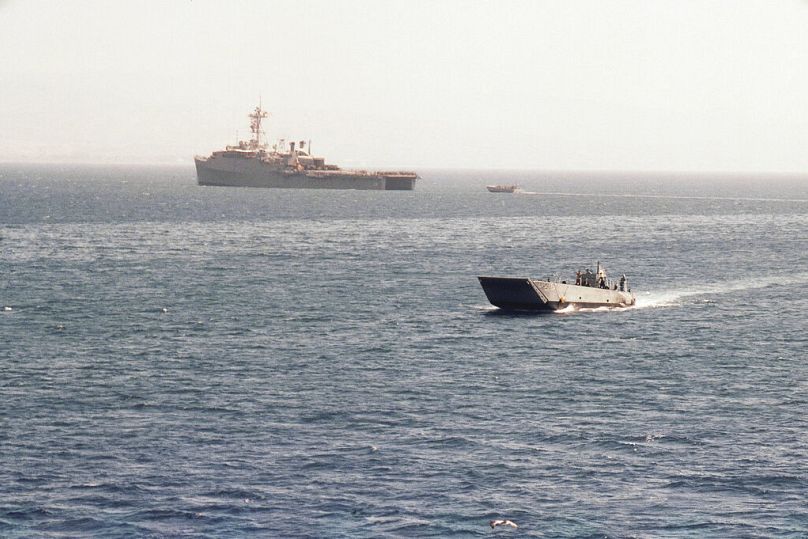
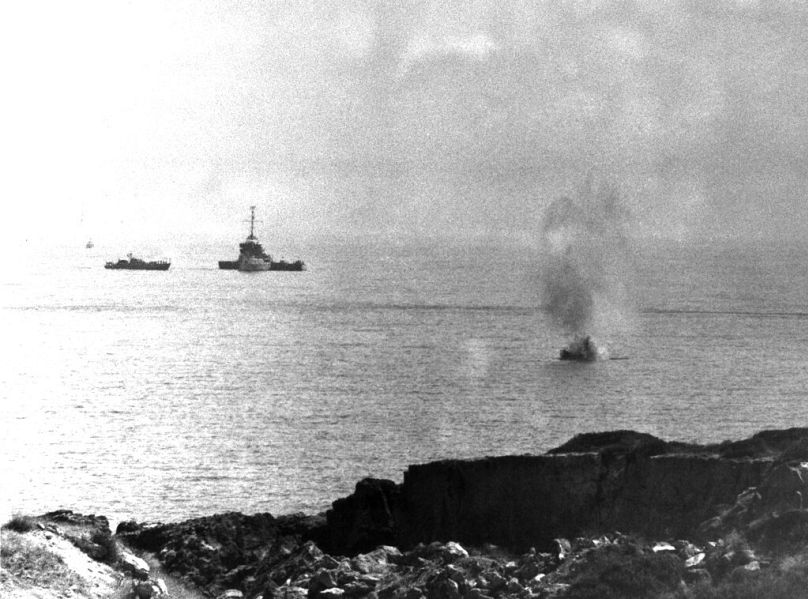
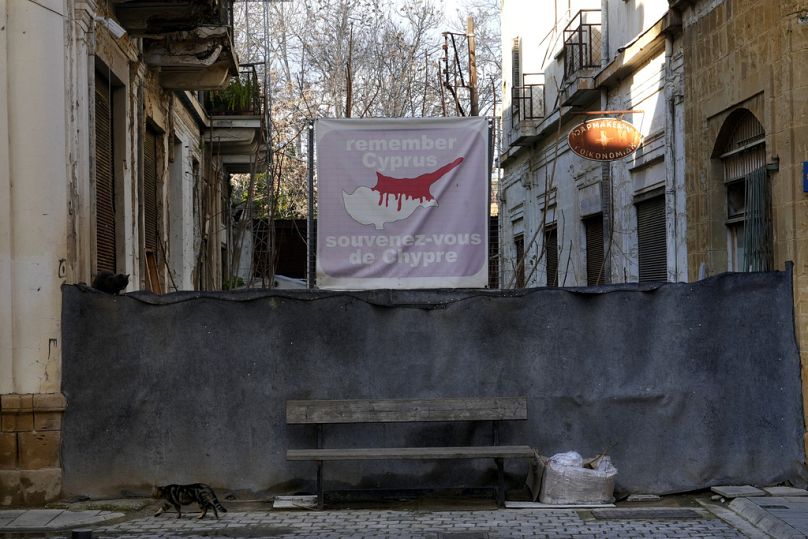
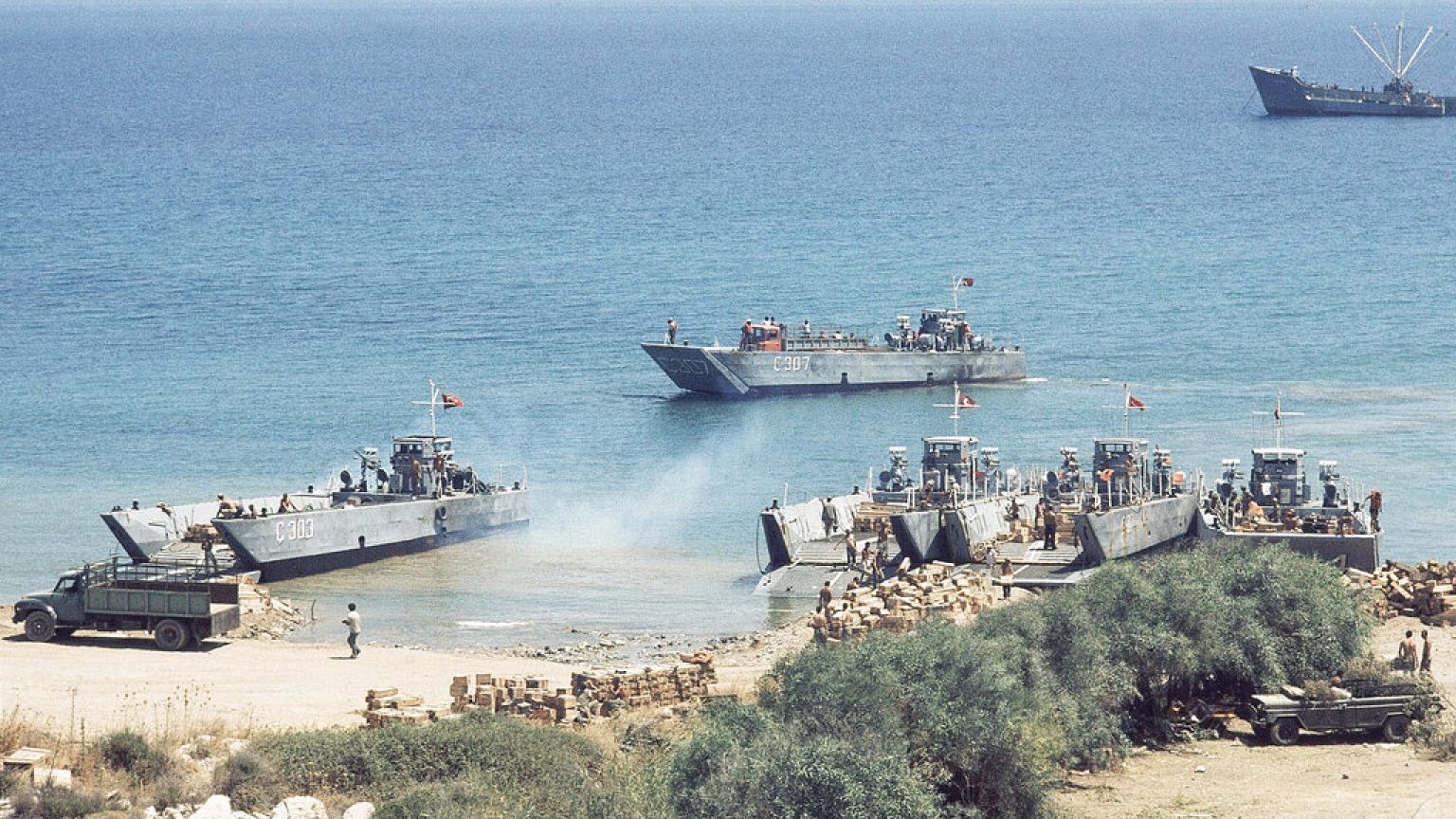
Cyprus marks 51 years since 40,000 Turkish soldiers descended on the island on 20 July, 1974, seizing more than 35% of its territory in a two-phase monthlong offensive.

Cyprus marks 51 years since an invasion by Turkey in 1974, which led to the partition of the island nation that is still in place today.

On the morning of 20 July, 1974, sirens sounded across the island, signalling that the invasion was underway.

A month of fighting later, approximately 36% of Cypriot territory had fallen under Turkish military control, which still presently persists, making Cyprus the only European Union member state that is under occupation.

Archive photo AP/1974

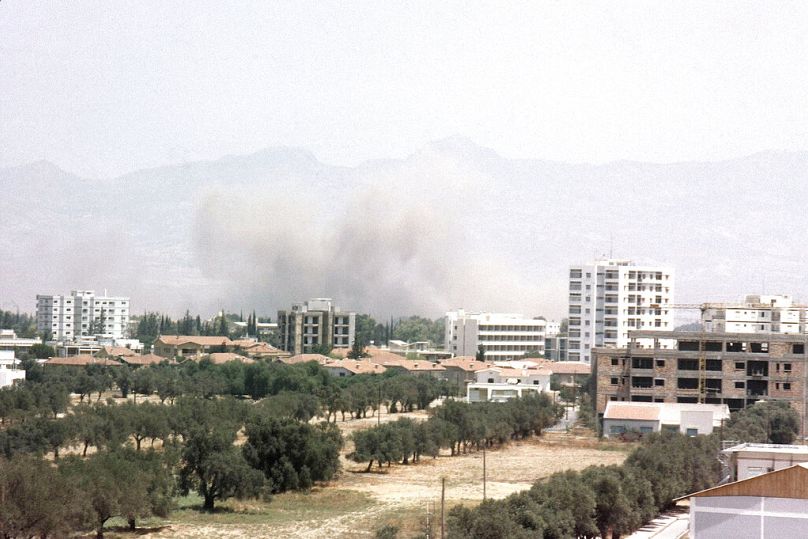
Turkish armed forces landed boots on the ground in Kyrenia, north of Cyprus, as Ankara's air forces carried out an aerial assault campaign on several targets on the island, causing panic and leaving widespread devastation and misery in their wake.

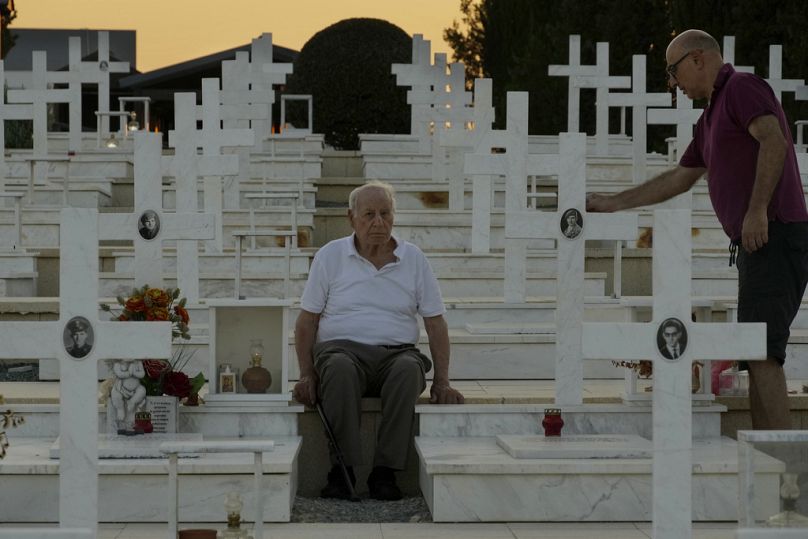
The invasion led to the deaths of more than 3,000 people, mainly civilians. Residents, still shaken by the aftermath of a violent coup d'état just five days prior, watched in horror.

Turkey, however, continues to claim "Operation Attila" - the codename for its military operation - was not an invasion but a peaceful intervention aimed at restoring constitutional order and protecting the country's Turkish Cypriot minority.


Archive photo AP

Several hundred people were killed in the coup on 15 July, 1974, which was staged by the Cypriot National Guard – backed by the Greek junta at the time – against forces loyal to Cyprus' democratically elected government, led by the ethnically Greek Cypriot President Archbishop Makarios III.

Greek Cypriot nationalists aimed to overthrow Makarios and unite the Mediterranean island with Greece in a movement known as 'Enosis'.

Makarios managed to flee Cyprus through Paphos and arrived in New York where he delivered a speech on 19 July, condemning the coup and denouncing the intention to unify his country with Greece.

By then, Ankara's military preparations had already been put in place, and the invasion was carried out the following morning.

Former President of the Republic of Cyprus, Archbishop Makarios III (archive photo) Charles Tasnadi/AP

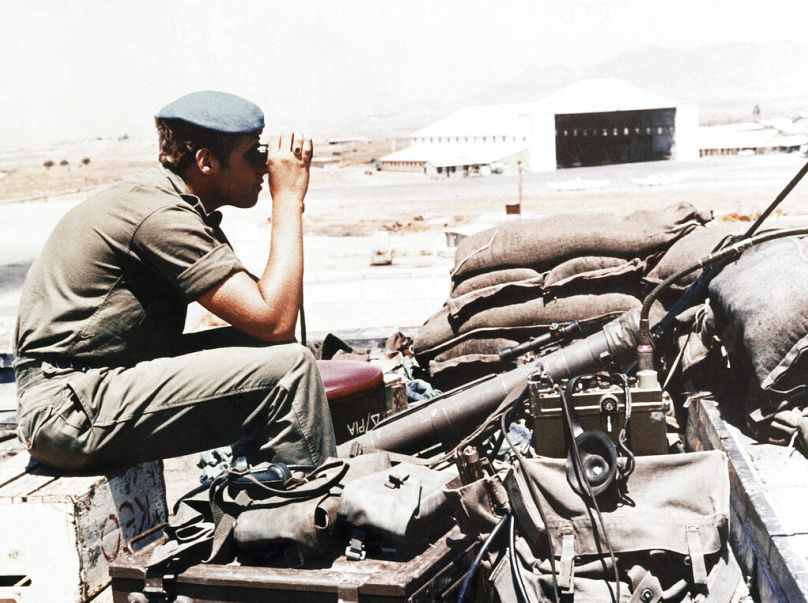
The Cypriot National Guard turned out to be unprepared, and as a result, Turkish soldiers were able to advance with relative ease. More than 40,000 soldiers, commanded by General Nuretin Ersin, took part in the monthlong invasion.

Units of the National Guard and Hellenic Force in Cyprus - Greek armed forces stationed in the country) were mobilised several hours after the invasion began, and fought without air cover and modern weaponry.

An estimated 12,000 soldiers fought to resist Turkish occupation under the command of Brigadier General Michalis Georgitsis, who was also a leading figure in the coup against Makarios days prior.

Archive photo AP/1974

Meanwhile, Greek Cypriot men began to mobilise and participate in the defence of their land with everything they had, though many were reportedly not armed.

Those who were tried everything they could to fend off the incoming Turkish troops, even shooting from the roofs of their houses.

A truce that was reached between Cypriot and Turkish forces a few days later was ultimately temporary, as Turkey, at the time of the ceasefire, only held roughly 3% of the island.

Archive photo Max Nash/AP

In August, Ankara struck the final blow with "Operation Attila II", the second phase of its military invasion, occuping large swathes of land on the island which it still holds today, in violation of multiple United Nations resolutions.

The UN and the European Commission of Human Rights have condemned Turkey multiple times for its illegal invasion of its neighbouring country, as well as the humanitarian disaster that ensued.

Approximately 200,000 Greek Cypriots, previously residing in the north of the island in what has since become the self-declared "Turkish Republic of North Cyprus" were uprooted from their homes and displaced to the south. Turkish Cypriots who lived in the south were forced to go the other way.

Only Turkey recognises the island’s breakaway state in northern Cyprus, where it maintains more than 35,000 troops.

While the Greek Cypriot-controlled Republic of Cyprus in the south is part of the European Union, EU law does not apply in the breakaway northern entity.

Archive photo AP Photo

The Greek Cypriot side has also been condemned for atrocities against Turkish Cypriots, especially for the massacre of Maratha, Santalaris and Aloda during the second Turkish invasion in August.

More than 100 Turkish Cypriots were killed in attacks carried out by ultranationalist Greek Cypriot paramilitary group EOKA B.

Over 2,000 Cypriots are now considered missing as a result of the events in 1974, as well as unrest that took place in the 1960s. Around three quarters are Greek Cypriots, with the rest being Turkish Cypriot.

Archive photo Petros Karadjias/AP/2024

Diplomatic efforts to resolve the Cyprus issue in the past five decades have failed thus far. Talks that took place in New York last week concluded without resolving key disputes.

Turkey's President Recep Tayyip Erdogan insists that Ankara has a legitimate right to have maintain a presence on the island. During a visit to the north of Cyprus today, he repeated his support for a "two-state solution", an idea rejected by most Cypriots. "It is time for the international community to come to terms with the reality on the ground," he said.
DIY plastic recycling made easy: How a global community is fighting plastic pollution


Copyright No Waste Ukraine

By Miriam Gradel
Published on 20/07/2025 -

Around 1400 tonnes were recycled by the Precious Plastic community in one year. Could open-source tech help plastic recycling finally take off?

It all started in 2014 when Dave Hakkens, then a student at the Eindhoven Design Academy, released his design for a plastic recycling machine to the world for free.

The aim was to make plastic recycling available to local communities at scale by lowering the technological threshold for success with easily replicable and repairable machines.

That year, three people independently replicated Hakkens’ machine. Within a short time, the Precious Plastic project was born.
‘Teach a man to fish’

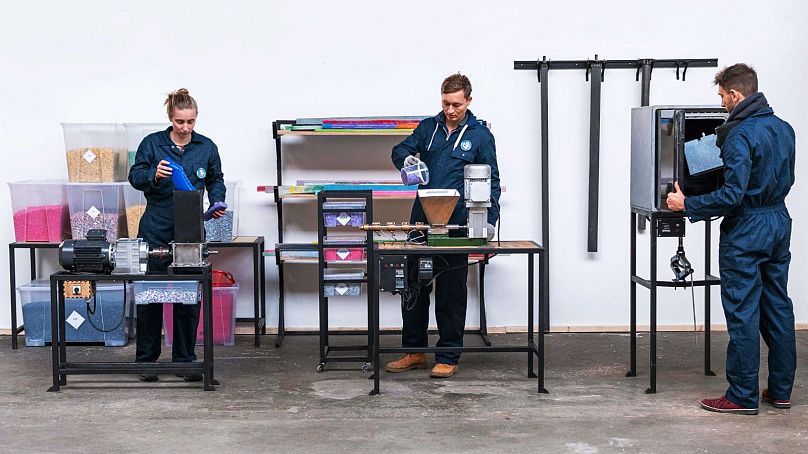
Everything the project makes - from machines, tutorials and tools to product designs - is shared freely online under open-source licenses, enabling anyone, anywhere, to start a plastic recycling project. Machines can also be purchased and shipped globally, or, for the DIY-savvy, replicated, repaired and improved upon with off-the-shelf materials.

Precious Plastic decided to lower the threshold for new players to enter the game. Precious Plastic

Four iterations of the original machines later, Precious Plastic is now a global community of more than 2000 registered plastic recycling initiatives across 56 countries. Community members not only tweak and improve upon the machines, but are also setting up business and infrastructure for plastic recycling while raising awareness locally.

“At the end of the day, what we wanted was more plastic recycling,” says Jerry de Voos, who joined Precious Plastic in 2017 while on a gap year between his Bachelor’s and Master’s in Industrial Design to help develop version three of the machines.

“Often, we had an idea from what others had done or what we thought the community would benefit from,” explains de Voos. “Then we’d seek funding and when we were happy with the results, we would share them online.”


Plastic waste remains an intractable problem

By 2050, 99 per cent of all birds will have eaten plastic.

Plastic waste remains one of the biggest environmental issues facing the planet. It’s estimated that less than 9 per cent of all plastic is recycled, with the rest ending up in landfills, nature or the ocean.

The consequences are particularly felt by wildlife and vulnerable ecosystems, with the actual impact of issues like microplastics only recently becoming evident. For the first time in 2025, an Italian study found microplastics in several women’s ovaries, raising concerns over their impact on fertility rates.

Though the technology for plastic recycling is out there, the expansion of the recycling industry remains stagnant. More often than not, recycled plastics rely on infrastructure that remains immature or non-existent in many countries. Virgin plastics manufacturing also remains significantly cheaper than high-quality recycling.

Add to this an increase in energy and labour costs, and what you’re left with is a recycling sector under pressure, with investors unwilling to bet on the growth of the sector as it is.

But rather than wait for the established market players to turn plastic recycling into a viable business proposition, Precious Plastic decided to lower the threshold for new players to enter the game.


Amidst war, No Waste Ukraine is “trying to make waste sorting a cultural norm". No Waste Ukraine

“Precious Plastic was one of the first projects where you could have small, personal solutions to bigger challenges and thereby make people feel like they could contribute to solving the issue,” explains de Voos. It has also shared best-practice business tools for those wanting to make a living out of plastic recycling.

As a result, several startups and businesses around the world are scaling plastic recycling at the local level.

In Singapore, Plastify has kickstarted a PET-bottle collection scheme and collaborates with hospitals to turn medical packaging waste into products, including official merchandise for the F1 Grand Prix.

In Turin, Italy, Plastiz turns everything from old traffic lights to coffee pods into sheets for architecture and interior design projects.

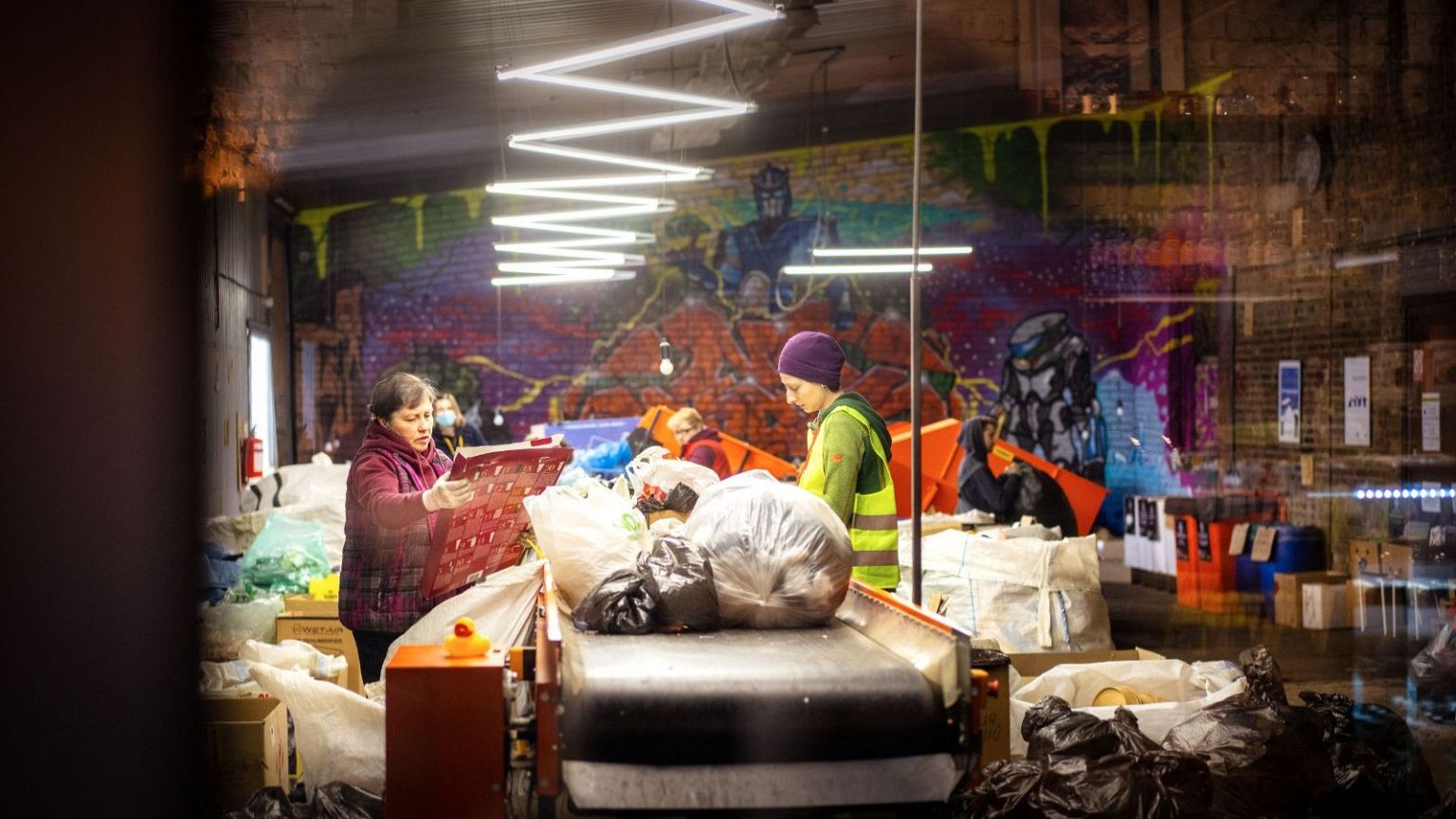
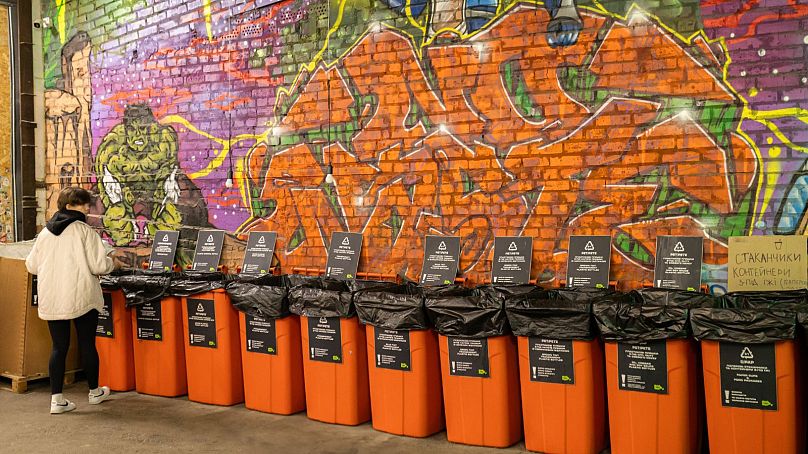
And amidst war, No Waste Ukraine is “trying to make waste sorting a cultural norm and to replace the old Soviet-era shame, when recycling was seen as a sign of poverty, with a new sense of pride and identity,” says project lead, Khrystyna Baranovska.

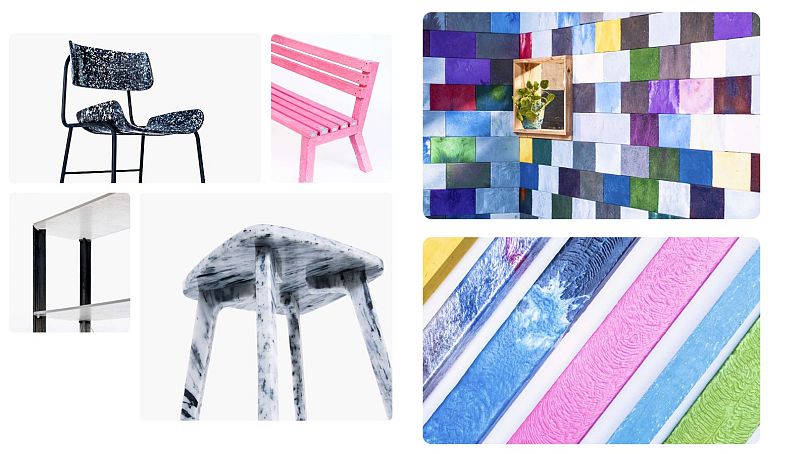
Since opening a Precious Plastic workshop, No Waste Ukraine has been able to manifest café furniture, notebook covers and branded gifts made from recycled plastic.


Plastic recycling requires long-term, multi-stakeholder commitment
Furniture and construction materials made from recycled plastics. Precious Plastic
While donations and occasional funding have supplied materials, workspace and sustenance for the community, Precious Plastic owes much of its success to volunteer work.

The reliance on altruism is both the key to its success and the fragile pillar of its foundation. When de Voos was active, “we were 12 people volunteering almost daily for free,” he says. “But at some point, people have to pay the rent.”

When a new version has been released, the project dies down, with version five currently on hold due to financial trouble.

De Voos is not worried, though. “The machines are out there and they are as relevant now as back then,” he says. Anyone can pick up where Precious Plastic left off.

Though Precious Plastic’s global community has moved plastic recycling significantly closer to the finish line, “it would be great if there was greater appreciation for people working in the recycling industry, and if the government would share the responsibility and back local initiatives,” he adds. .

Related

Recycling is only as good as the plastic produced

Circularity in plastic requires change from start to finish. Even with hyperlocal efforts and open-source technologies, at current production rates, recycling efforts simply can’t catch up with virgin plastics.

Around 460 million metric tonnes of plastic are produced every year, according to the United Nations Environment Programme, of which most of it is designed in a way that makes 1:1 recycling difficult, if not impossible

Alternatives are on the rise, however, from Notpla’s edible packaging in the UK to a Japanese alternative that dissolves safely in sea water. There are numerous examples challenging the notion that virgin plastics everywhere are a must.

What’s left to be seen is whether global leaders can get behind a plastic treaty this August that will finally see the plastic industry shift towards more circular designs and production. If so, plastic recycling at scale could become a thing. If not via big industry players, then evidently via grassroots initiatives like Precious Plastic.


Geopolitics is weighing on FDI, capital chasing certainty over scale - study

Geopolitics is weighing on FDI, capital chasing certainty over scale - study
The US still attracts the most FDI in the world, while China lost billions in 2024. But the flow of capital is shifting as it reacts to rising geopolitical tensions, looking for stability and welcoming government policies. / bne IntelliNews
By bne IntelliNews July 18, 2025

The world is living through turbulent times, but investors are still chasing returns which has affected the flows of international foreign direct investment (FDI). So, they are asking themselves: which countries offer the best risk-return deals as the polycrisis unfolds?

Capital is flowing not just where the money is, but where the momentum lies, according to an analysis by BestBrokers, based on World Bank data from 2023 and 2024 that highlights a reordering of FDI priorities.

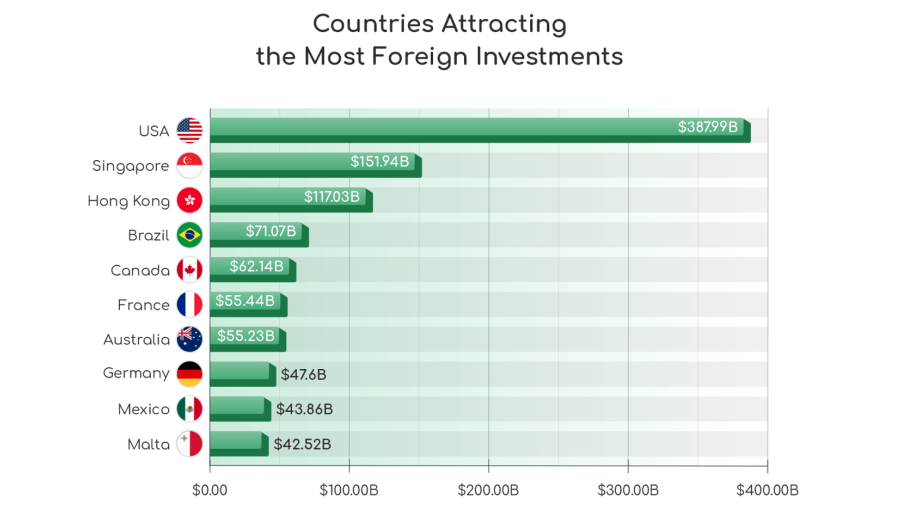
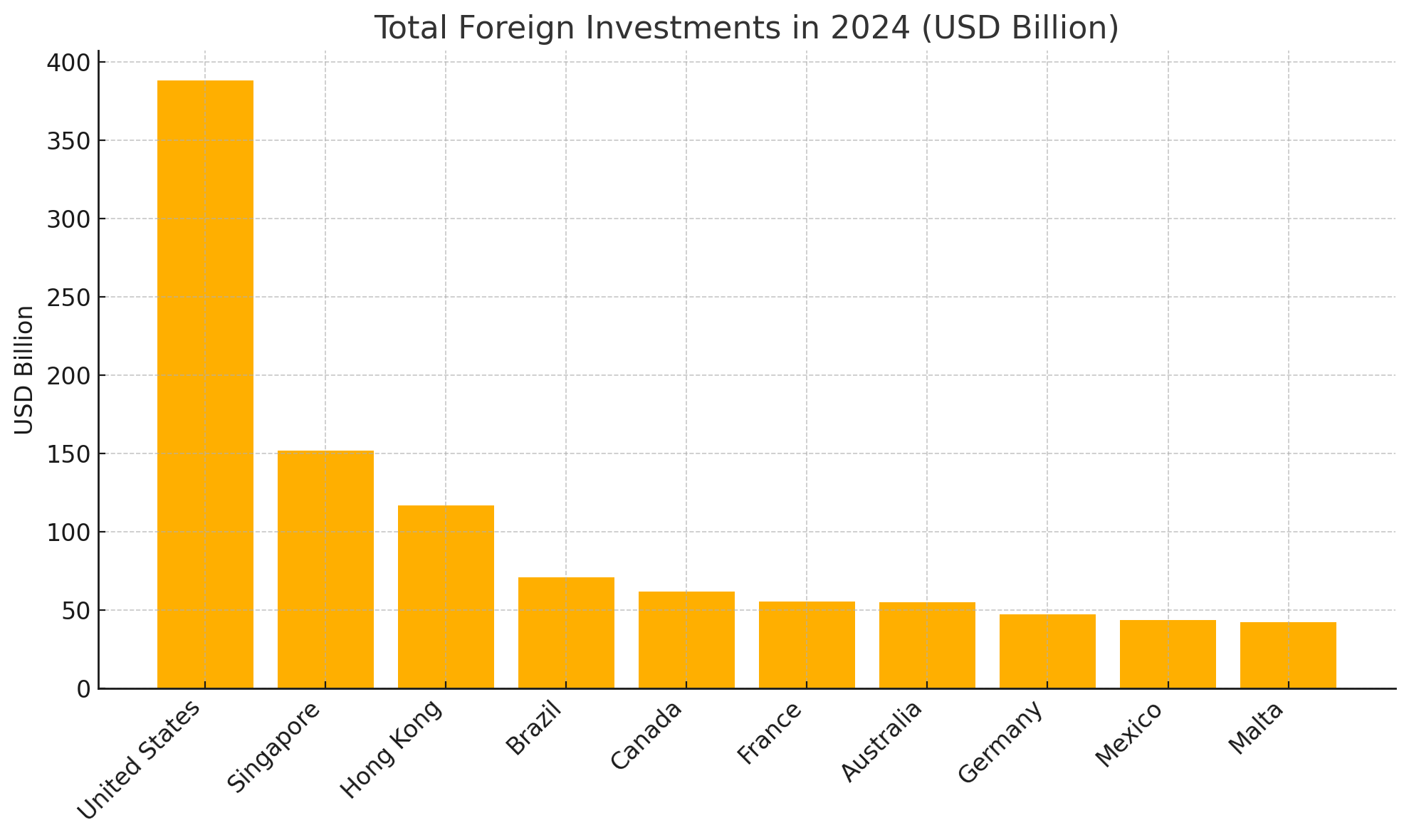
At first glance, the headline figure is predictable: the US remains the top global destination for FDI in 2024, attracting a total of $387.9bn, or just $1,140 invested per resident, a 11.2% increase y.y.

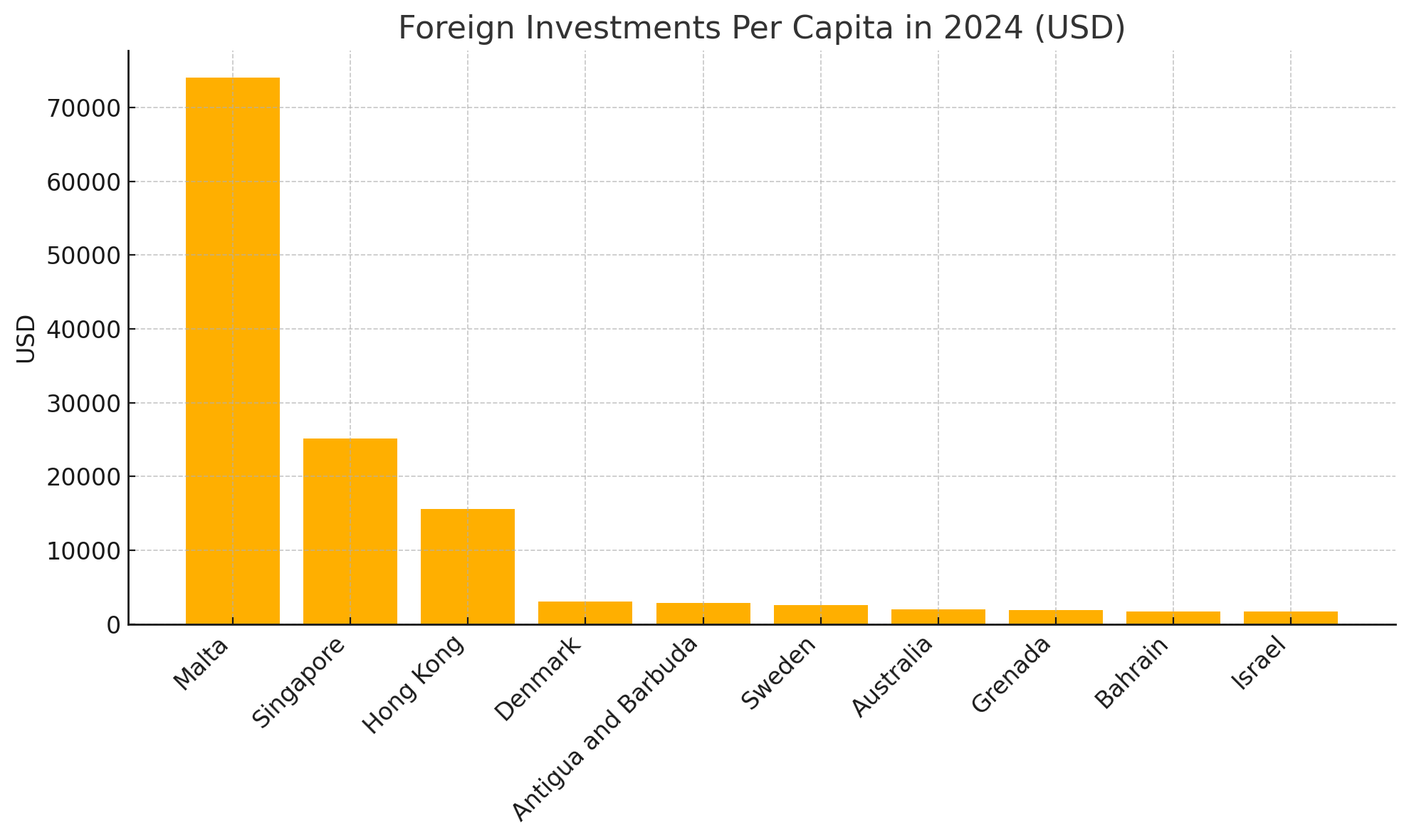
However, dig beneath the surface, and it’s the per capita numbers that illuminate the new rules of the game for global investment. As with the nominal size of GDP, the developed world wins, but on adjusted terms, it is the Global South that is the one to watch. In per capita terms, the US falls to 18th place globally, Antigua and Barbuda are the second and third largest of per capita inflows with $3,028 and $2,886 per resident, respectively.

But the standout champion in per capita terms is Malta that brought in a whopping $74,035 of FDI per resident. The Crusaders’ base tops the world in per capita terms. That represents a 69.1% increase, up from $25.1bn in 2023, driven by investor-friendly tax policies, digital finance infrastructure, and EU market access.

After the US, the biggest recipients of FDI in absolute terms were Singapore and Hong Kong, ranking second and third largest with $151.9bn and $117bn, respectively. Both record significant per capita figures too: $25,169 for Singapore and $15,554 for Hong Kong. Brazil ranks fourth with $71bn in FDI, though this amounts to just $335 per resident.

Indonesia is also a big player in Asia drawing in $24.1bn last year on EV supply chains, with Vietnam slightly behind with $20.1bn as a key electronics hub. Israel secured $16.8bn, driven by tech and defence, despite its small size.

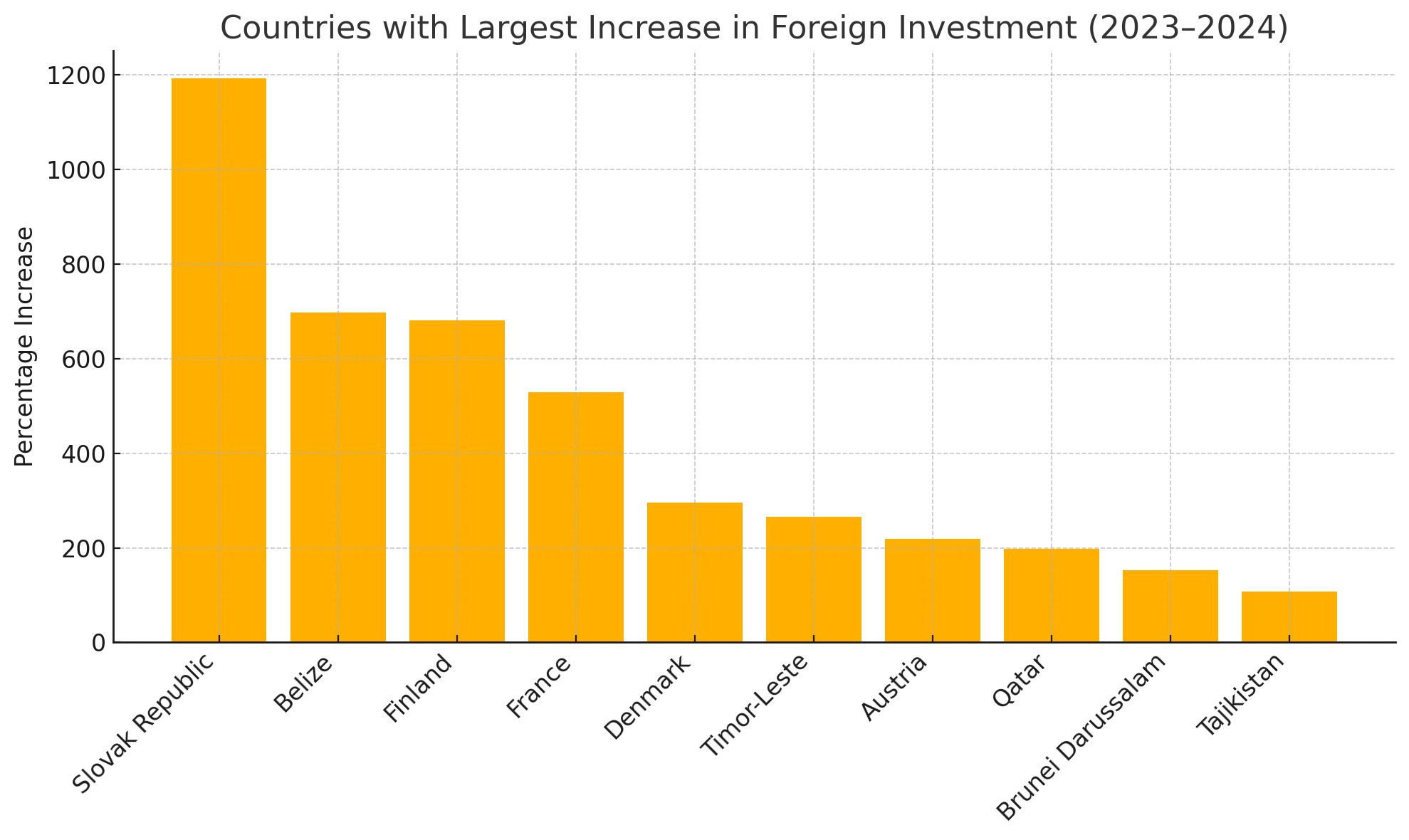
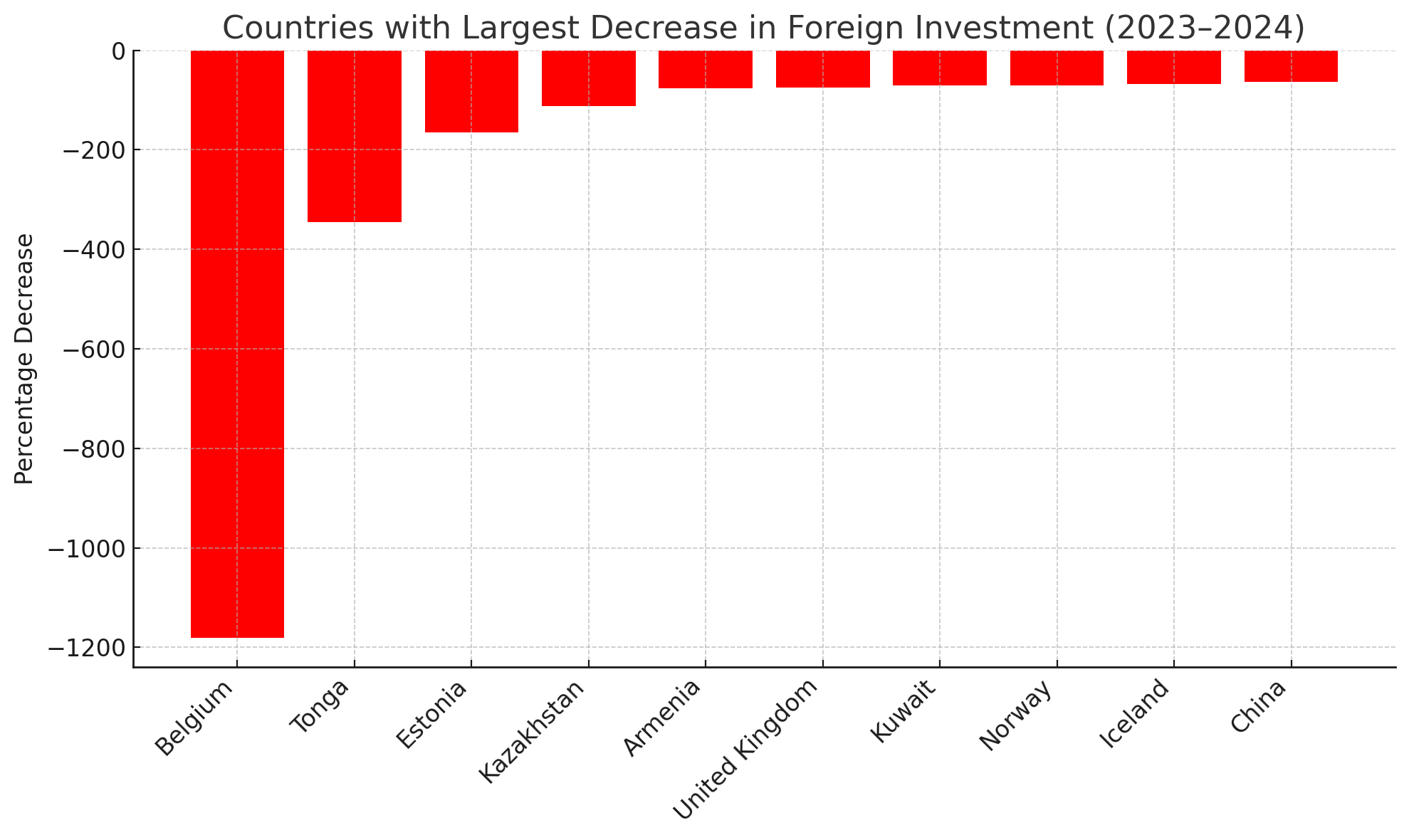
In Central and Eastern Europe (CEE) the star is the Slovak Republic with a massive 1,193% y/y increase in 2004, climbing from an outflow of $328mn in 2003 to an inflow of $3.58bn in 2024. Conversely, Belgium experienced the steepest decline, as FDI plummeted by 1,181.25%, falling from -$2.78bn to -$35.57bn in the same period.

France attracted $55bn in 2024, an enormous increase of 530% compared to 2023's $8.8bn. Sweden, with just 10mn people, drew $26.7bn fuelled by green tech, and even smaller Denmark secured $18.1bn through clean energy and pharmaceutical investments.

“The message is clear: global capital is flowing in bold new directions, toward stability, strategy, and sector strength,” the report concludes. This is especially evident in countries like the Slovak Republic, where FDI soared by 1,193% year-over-year, and in Denmark and Sweden, where green energy and pharmaceutical sectors are attracting targeted inflows.

By contrast, traditional giants like China and India underperform on a per capita basis. China drew just $18.6bn in FDI in 2024—only $13.17 per person. For the world’s second-largest economy, the figure suggests a deliberate shift away from inward investment and toward outbound capital deployment and domestic self-reliance.

Outflows linked to geopolitics

Negative FDI flows appear to be closely linked to the problems in Europe where instability caused by the Ukraine conflict are putting investors off. Switzerland, long a magnet for global finance, saw an outflow of -$112.1bn—over $12,400 per capita – a 26% y/y decline. The causes include capital repatriation, profit shifting, and ongoing scrutiny of opaque corporate structures connected to the sanctions regime on Russia following its invasion of Ukraine in 2022. Belgium and Hungary, too, posted steep declines, raising questions about regulatory uncertainty and multinational restructuring within the EU.

Some of these negative flows—such as Russia’s -$8bn—highlight its political isolation and the increasingly important role of geopolitical tensions, US President Donald Trump’s trade war and the ongoing deglobalisation on investment decisions. Others reflect market corrections or rebalancing, rather than structural decline. “The changes in FDI flows points to a new reality where global capital no longer follows predictable patterns,” the report found.

Tech investment a driver, size doesn’t matter

The nature of the investment is changing too with “new economy” sectors increasingly dominating FDI flows. Singapore stands out for attracting investment into its clean tech and port infrastructure. Indonesia and Vietnam are becoming central hubs for EV and electronics supply chains. Israel, despite its military conflicts with Iran and Lebanon, still attracts billions in defence and cybersecurity-related investment.

Smaller countries are finding that size doesn’t matter if they offer clarity, incentives, and a strategic edge. As large economies grapple with polarised politics, protectionism, and deglobalisation, nimble nations like Belize, Grenada, Bahrain and even Tajikistan, are attracting outsized inflows.

“The reshaping of the FDI map in 2024 signals more than statistical anomalies. It represents a structural rebalancing of confidence, with capital now favouring governments that offer transparency, strategic focus, and regulatory coherence—regardless of their GDP ranking,” BestBrokers concluded.

In an era where capital can reroute at the speed of a click, countries that align policy with investor expectations will continue to outpace those relying solely on market size or legacy status. Malta, Singapore, and the Slovak Republic didn’t just receive capital—they earned it.


Countries with the Largest Total Foreign Investments in 2024

Rank

Country

Total Investment (USD Bn)

1

United States

387.99

2

Singapore

151.94

3

Hong Kong

117.03

4

Brazil

71.07

5

Canada

62.14

6

France

55.44

7

Australia

55.23

8

Germany

47.60

9

Mexico

43.86

10

Malta

42.52

source: BestBrokers.com

Countries with the Most Foreign Investments Per Capita in 2024

Rank

Country

Investment per Capita (USD)

1

Malta

74,034.82

2

Singapore

25,168.88

3

Hong Kong

15,553.62

4

Denmark

3,028.27

5

Antigua and Barbuda

2,886.09

6

Sweden

2,525.19

7

Australia

2,030.14

8

Grenada

1,925.92

9

Bahrain

1,701.21

10

Israel

1,685.16

source: BestBrokers.com


Countries with the Largest Increase in Foreign Investments (2023–2024)

Rank

Country

% Increase

1

Slovak Republic

+1192.74%

2

Belize

+697.38%

3

Finland

+680.85%

4

France

+529.72%

5

Denmark

+295.47%

6

Timor-Leste

+265.91%

7

Austria

+218.14%

8

Qatar

+197.05%

9

Brunei Darussalam

+151.97%

10

Tajikistan

+107.22%

source: BestBrokers.com

Countries with the Largest Decrease in Foreign Investments (2023–2024)

Rank

Country

% Decrease

1

Belgium

-1181.25%

2

Tonga

-345.21%

3

Estonia

-165.40%

4

Kazakhstan

-111.71%

5

Armenia

-76.13%

6

United Kingdom

-74.58%

7

Kuwait

-70.94%

8

Norway

-70.16%

9

Iceland

-67.92%

10

China

-63.86%

source: BestBrokers.com

Fitch upgrades Trump’s effective tariff rate to 19.4%


Fitch as reassessed US average tariff rates taking into account Trump's Liberation Day increases from 14.1% to 19.4%. 
/ bne IntelliNews
By bne IntelliNews July 18, 2025

President Donald Trump’s evolving trade policy is set to sharply increase the United States’ effective tariff rate (ETR), with Fitch Ratings warning of substantial rises as new duties take effect on August 1.

The increases reflect broader policy shifts, including reciprocal tariffs and commodity-specific levies that mark a departure from previous administration approaches.

According to Fitch Ratings, “the US ETR will jump to 19.4% from 14.1% on the basis that higher reciprocal tariffs and copper duties come into force on August 1, 2025, in line with the rates specified in recent letters and announced deals.”

The Trump administration has signalled that further duties may follow, including tariffs on semiconductors, electronic derivatives, and pharmaceuticals, pending the outcome of ongoing Section 232 investigations. “The ETR Monitor contains a scenario for an additional 25% tariff on these imports, which would further increase the total ETR to approximately 23.7% from 19.4%,” Fitch noted.

In April, Trump extended a pause on country-specific reciprocal tariffs, but recent letters sent to trading partners have proposed new rates ranging from 25% to 50%. For most countries that have not received specific letters, a 10% baseline tariff remains in place. However, “Trump stated he may set a blanket tariff of 10% to 15% for around 150 countries,” Fitch said, warning that this “presents additional upside risk to current ETR levels.”

New reciprocal agreements have been reached with Vietnam and Indonesia, setting tariff rates of 20% and 19%, respectively. More steeply, Canada and Mexico will face new tariffs of 35% and 30%, raising their ETRs to 11.7% and 13.1%, up from 7.5% and 9.5%. Fitch said these estimates assume “about half of previous tariff-free imports will ultimately be reclassified as USMCA compliant.”

European Union goods are also affected. “Reciprocal tariffs on European Union goods would increase to 30% from 20%,” Fitch said, leading to ETRs across EU member states ranging from around 12% to over 30%. The ETR varies based on changes in product mix and origin of imports.

Bangladesh is projected to face the highest ETR of all US trading partners under the August regime. “The ETR approximates the announced tariff rate as Bangladesh does not benefit from tariff carveouts,” Fitch explained, putting the new rate at around 50% — a combination of a pre-existing 15% and a newly introduced 35% rate.

There are no new changes to tariffs on Chinese goods. “The ETR for China is unchanged at 41.4%,” Fitch said.

Fitch’s updated ETR Monitor provides granular data through 2025, including a sector-by-sector breakdown of duties on imports from top US trading partners such as China, the EU, Japan, Vietnam, Canada, and Mexico. “The tool allows users to assess tariff scenarios by adjusting sector and country rates as well as import amounts,” Fitch said, adding that the monitor will be updated in line with future policy changes.