Monday, March 09, 2026

Child Suicide Exposes Indonesia’s Mental Health Gap – Analysis


March 9, 2026 
 360info
By Fitri Ariyanti Abidin


A recent case of suicide involving a primary school student in East Nusa Tenggara has renewed concerns about child mental health in Indonesia.

A mental health screening of 148,239 students in Bandung found 71,433 children—48.19 percent—show signs of mental‑health issues. Psychologists warn the situation has reached an alarming level and requires professional intervention beyond what school counsellors can provide.

The incident has highlighted a broader pattern of distress among young people and the systems that struggle to support them.

Indonesia has limited national surveillance on child and adolescent mental health. Stigma, cultural norms, and weak reporting systems mean many cases of self‑harm or suicide never enter official records. UNICEF Indonesia reports that adolescents face high levels of psychological pressure, including academic stress, social expectations, and limited access to mental‑health support. These pressures often remain invisible until a crisis occurs.


Globally, suicide kills more than 700,000 people each year, according to the World Health Organization. Nearly 80 percent of these deaths occur in low‑ and middle‑income countries, where young people face multiple social and economic pressures.

Suicide is now among the top five causes of death for adolescents worldwide. Indonesia is not alone in confronting this challenge, but its ability to respond is constrained by limited data and uneven access to care. Many families avoid disclosing suicide attempts or deaths, leaving the crisis largely invisible. Without reliable data, policymakers struggle to design effective prevention strategies or allocate resources where they are most needed.
A hidden burden

Indonesia’s available data suggests a significant but under‑recognised problem. The 2023 Global School‑based Student Health Survey found that 8.7 percent of Indonesian students had seriously considered suicide in the past year, and 10.4 percent had attempted it.

A separate study of more than 2,300 high‑school students across four provinces on Java reported that over a quarter had experienced suicidal thoughts at some point in their lives, while over 40 percent said they had such thoughts in the past 12 months alone. The study also revealed that nearly one in five students had made plans to take their own lives, and more than 4% had attempted suicide.

Underreporting is not unique to Indonesia. Many countries in Asia, Africa, and Latin America face similar challenges. Cultural norms that discourage open discussion of emotional distress, combined with limited mental‑health infrastructure, create conditions where risk of suicide remains hidden.

But Indonesia’s large youth population and the rapid societal changes affecting them make the issue particularly urgent.
What drives suicidality

International research identifies several risk factors linked to suicidal behaviour among children and adolescents. Meta‑analyses show that experiences of childhood maltreatmenti.e., sexual, physical, and emotional abuse and physical and emotional neglect significantly increased risk of suicidal ideation. Childhood sexual abuse, in particular, is strongly associated with suicide planning. Beyond these early-life adversities, mental disorders such as depression and anxiety, are closely linked to suicidal thoughts and behaviour.

Parental mental‑health problems, conflict at home, and low emotional support can heighten vulnerability. Economic hardship can intensify stress within households, especially when combined with academic pressure or social expectations. In the Nusa Tenggara Timur case, financial strain was one of the reported stressors, reflecting how economic pressures can intersect with emotional wellbeing.

At school, bullying victimisation is one of the most consistently identified risks. Studies across Asia show that students who experience bullying are significantly more likely to report suicidal thoughts or attempts. Other factors include chronic illness, sleep disturbances, absenteeism, and loneliness.

Studies among Indonesian students echo these findings. Female students, those with chronic health conditions, and those reporting low resilience, low self‑esteem, or limited family support show higher levels of suicidal ideation. These patterns align with global evidence but are intensified by Indonesia’s limited infrastructure to address mental health disorders.
What protects young people

Evidence shows that strong relationships and supportive environments can reduce the risk of suicide. Adolescents who feel connected to their families and schools, maintain positive self‑perceptions, and engage in regular physical activity are less likely to experience suicidal thoughts.


Family involvement plays a crucial protective role. Supportive parenting helps young people manage stress, recognise emotional changes, and seek help when needed. Over time, these relationships strengthen resilience and coping skills. In Indonesia, where extended families often play a central role in caregiving, strengthening family‑based support systems can have a significant impact.

Schools can also act as protective environments. Regular screening for emotional distress, substance use, and risky behaviours can help identify students who may need support. Research shows that early intervention reduces the likelihood of self‑harm and helps students feel seen and supported. Anti‑bullying programs, peer‑support initiatives, and teacher training in mental‑health literacy can further strengthen school‑based prevention.

Communities matter too. Supportive neighbourhoods and social networks can buffer the effects of poverty, exclusion, and limited access to services. Community‑based care models have been shown to reduce vulnerability and improve mental‑health outcomes. In rural and remote areas, where formal services are limited, community support can be especially important.

Digital platforms and the media play an increasingly important role. Responsible reporting on suicide can reduce harm, while sensational coverage can increase risk. The World Health Organization recommends that media outlets avoid explicit descriptions, refrain from attributing blame, and provide information on support resources. When used responsibly, digital platforms can raise awareness, reduce stigma, and encourage help‑seeking.
Steps toward prevention

Reducing stigma is critical. Public education campaigns can help families and communitiesrecognise signs of distress and respond supportively. Expanding access to youth‑friendly mental‑health services, especially in rural and low‑income areas, would help ensure that young adults receive timely support.

Digital platforms can be leveraged to share evidence‑based information and connect young people with support services.

Suicidality among children and adolescents is a preventable crisis. The Nusa Tenggara Timur suicide case has drawn national attention, but many more young people struggle in silence.

Strengthening family, school, and community support systems — and building a national framework for early detection and prevention — can help protect Indonesia’s young adults from avoidable harm.

About the author and editors:
Fitri Ariyanti Abidin is an associate professor and psychologist at the Faculty of Psychology, and leads the Center for Relationship, Family Life, and Parenting Studies at the Universitas Padjadjaran. Her work focuses on parenting, parenthood, family mental health, and relationship wellbeing, combining academic research with clinical practice.
 
Ria Ernunsari, Sr. Commissioning Editor, 360info
Namita Kohli, Commissioning Editor, 360info

360info

360info provide an independent public information service that helps better explain the world, its challenges, and suggests practical solutions. Their content is sourced entirely from the international university and research community and then edited and curated by professional editors to ensure maximum readability. Editors are responsible for ensuring authors have a current affiliation with a university and are writing in their area of expertise.
The Question Of The Alevi Minority In Turkey And Their Religious Identity – Analysis


Alevi women partaking in Semah ritual in Turkey. 
Photo Credit: SERDAR AYDIN 1, Wikipedia Commons


March 9, 2026 
By Dr. Vladislav B. Sotirovic

Introduction

Despite occasional suggestions from President Recep Tayyip Erdoğan—including floated referendums on EU talks in the mid-2010s—the path to Turkish EU membership remains blocked, fueling debates over whether accession would strengthen European security against radicalism or exacerbate cultural and historical divides.

A current EU political concern is reflected in many controversial issues, and one of those the most important is about whether or not to accept Turkey as a full member state (being a candidate state since 1999). Turkey is, on one hand, governed as a secular democracy by moderate Islamic political leaders, seeking to play the role of a bridge between the Middle East and Europe. However, Turkey is, on the other hand, an almost 100% Muslim country with a rising tide of Islamic radicalism (especially since the 2023 Israeli aggression on Gaza and ethnic cleansing of the Palestinian Gazans), surrounded by neighbors with a similar problem.

There are two fundamental arguments by all of those who are opposing Turkish admission to the EU: 1) Muslim Turkish citizens (70 million) will never be properly integrated into the European environment that is predominantly Christian; and 2) In the case of Turkish accession, historical clashes between the (Ottoman) Turks and European Christians are going to be revived. Here we will refer only to one statement against Turkish accession: it “would mean the end of Europe” (former French President Valéry Giscard d’Estaing) – a statement which clearly reflects the opinion by 80% of Europeans polled in 2009 that Turkey’s admission to the EU would not be a good thing. At the same time, there are only 32% of Turkish citizens who had a favorable opinion of the EU, and, therefore, the admission process, for which formal and strict negotiations began already in 2005, is very likely to be finally abortive.

Islamic fundamentalism and Turkey’s admission to the EU

The question of Turkish admission to the EU is, by the majority of Europeans, seen through the glass of Islamic fundamentalism as one of the most serious challenges to European stability and, above all, identity that is primarily based on Christian values and tradition. Islamic fundamentalism is understood as an attempt to undermine existing state practices for the very reason that militant Muslims (like ISIS/ISIL/DAESH) are fighting to re-establish the medieval Islamic Caliphate and the establishment of theocratic authority over the global Islamic community – the Umma. Nevertheless, religious fundamentalism first came to the attention of the Western part of the international community in 1979 when a pro-American absolute monarchy was replaced with a Shia (Shiia) Muslim anti-American semi-theocracy in Iran. In other words, Iranian Shia Muslim clerics, who were all the time the spiritual leaders of the Iranians, became their political leaders too. The Iranian Islamic revolution of 1979 prompted possibilities of similar uprisings in other Muslim societies, followed by pre-emptive actions against them by other governments.

What can be the most dangerous scenario for Turkey from the European perspective if the accession negotiations fail is, probably, Turkish turn towards the Muslim world, followed by rising influence of Islamic fundamentalism, which can be properly controlled by the EU if Turkey were to become a member state of the club? That is, probably, the most important “security” factor to note regarding the EU-Turkish relations and accession negotiations. Namely, following the 9/11 terror attacks (on Washington and New York), it was becoming more and more clear that it was better to have (Islamic) Turkey inside the EU rather than as a part of an anti-Western bloc of Muslim states.

In general, for Western governments and especially for the US and Israeli administrations, Shia Muslims became seen after the 1979 Iranian Islamic (Shia) revolution as the most potential Islamic fundamentalists and the religious terrorists. Therefore, the oppression of Shia minorities by the Sunni majorities in several Muslim countries is deliberately not recorded and criticized by Western governments. The case of the Alevi people in Turkey is one of the best examples of such a policy. However, at the same time, the EU administration is paying full attention to the Kurdish question in Turkey, even requiring the recognition of the Kurds by the Turkish government as an ethnocultural minority (as different from the ethnic Turks). Why are the Alevi people discriminated against in this respect by the EU’s minority policy in Turkey? The answer is because the Kurds are Sunni Muslims, but Alevis are considered a Turkish faction of the (militant) Shia Muslim community within the Islamic world.

In the next paragraphs, I would like to shed more light on the question of who the Alevi people are and what Alevism is as a religious identity, taking into account the fact that religion, undoubtedly, has become increasingly important in both the studies and practice of international relations and global politics. We also have to keep in mind that religious identity was predominant in comparison to national or ethnic identities for several centuries, being the crucial cause of political conflicts in many cases.

What is Alevism?

The Alevi people are those Muslims who believe in Alevism, that is, in fact, a sect or form of Islam. Especially in Turkey, Alevism is a second common sect of Islam. The number of Alevi people is between 10 and 15 million. The name of the sect comes from the term Alevi, which means “the follower of Ali”. Some experts in Islamic studies claim that Alevism is a branch of Shi’ism (Shia Islam), but, as a matter of fact, the Alevi Umma is not homogeneous, and Alevism cannot be understood without another Islamic sect – Bektashism. Nevertheless, Alevi culture produced many poets and folk songs, alongside the fact that Alevi people are experiencing many everyday life problems in living according to their beliefs in Islam.

The Alevis (Turkish: Aleviler or Alevilik; Kurdish: Elewî) are a religious, sub-ethnic, and cultural community in Turkey representing at the same time the biggest sect of Islam in Turkey. Alevism is a way of Islamic mysticism or Sufism that believes in one God by accepting Muhammad as a Prophet, and the Holy Qur’ān. Alevi people love Ehlibeyt – the family of Prophet Muhammad-, unifying prayer and supplication, prayer in their language, to prefer a free person instead of Umma (Muslim community), to prefer to love God instead of God’s fear, to overcome Sharia reaching to the real world, believing in the Holy Qur’ān’s genuine instead of shave. Alevism has found its cure in human love; they believe that people are immortal because a person is manifested by God. Women and men are praying together, in their language, with their music that is played via bağlama, with semah. Alevism is an entirety of beliefs that depends on Islam’s rules, which are based on the Holy Qur’ān, according to Muhammad’s commands; by interpreting Islam with a universal dimension, it opens new doors to the earth. The Alevi system of belief is Islamic with a triplet composed of Allah, Muhammad, and Ali.

There are many strong arguments about the relationship between Alevism and Shi’ism. Some researchers say that Alevism is a form of Shi’ism, but some of them say that Alevism is sectarian. We have to keep in mind that Shi’ism is the second most common type of Islam in the world after Sunnism. This is a branch of Islam which is called the Party of Ali for the reason that it recognizes Ali’s claim to succeed his cousin and father-in-law, the Prophet Muhammad, as the spiritual leader of Islam during the first civil war in the Islamic world (656−661). In most of the Islamic countries, the Sunnis are in the majority, but the Shi’ites comprise some 80 million believers, or, in other words, around 13% out of all the world’s Muslims. The Shi’ites are predominant in three countries: Iran, Iraq, and the United Arab Emirates. However, Alevism cannot be understood as identical to Sufism, which is the mystical aspect of Islam that arose as a reaction to strict religious orthodoxy. Sufis seek personal union with God, and their Christian Orthodox counterparts in the Middle Ages were the Bogumils.

Undoubtedly, Alevism has some similar issues with Shi’ism; at the same time, there are a lot of differences concerning the general practice of Islam. However, in some Western literature, Alevism is presented as a branch of Shi’ism, or more specifically, as a Turk or Ottoman way of Shi’ism.

Split within Muslims

We have to keep in mind that in this place, the Islamic expansion in the 7th and 8th centuries was accompanied by political conflicts which followed the death of the Prophet Muhammad, and the question of who is entitled to succeed him is still splitting up the Muslim world today. In other words, when the Prophet died, a caliph (successor) was chosen to rule all Muslims. However, as the caliph lacked prophetic authority, he enjoyed secular power but not authority in religious doctrine. The first caliph was Abu Bakr, who is considered, together with his three successors, as the “rightly guided” (or orthodox) caliphs. They ruled according to the Quran and the practices of the Prophet, but, thereafter, Islam became split into two antagonistic branches: Sunni and Shia.

The Sunni-Shia division basically started when Ali ibn Abi Talib (599−661), Muhammad’s son-in-law and heir, assumed the Caliphate after the murder of his predecessor, Uthman (574−656). The civil war ended with the defeat of Ali and the victory of Uthman’s cousin and governor of Damascus, Mu’awiya Umayyad (602−680), after the Battle of Suffin. However, those Muslims (like the Alevi people, for instance) who claimed that Ali was the rightful caliph took the name of Shiat Ali – the “Partisans of Ali”. They believe that Ali was the last legitimate caliph and, therefore, the Caliphate should pass down only to those who are direct descendants of the Prophet Muhammad through his daughter, Fatima, and Ali, her husband. Ali’s son, Hussein (626−680), claimed the Caliphate, but the Umayyads killed him together with his followers at the Battle of Karbala in 680. This city, today in contemporary Iraq, is the holiest of all sites for Shia Muslims (Shi’ism). Even though the Prophet Muhammad’s family line ended in 873, the Shia Muslims believe that the last descendant did not die, as he is rather “hidden” and will return. Those basic Shia interpretations of the history of Islam are followed by the Alevi people, and, therefore, many researchers are simply considering Alevism as a faction of Shi’ism.

The dominant branch of Islam is Sunni. The Sunni Muslims, unlike their Shia opponents, are not demanding that the caliph has to be a direct descendant of the Prophet Muhammad. They are also accepting the Arabic tribal customs in the government. According to their point of view, political leadership is in the hands of the Muslim community as such. Nevertheless, as a matter of fact, the religious and political power in Islam was never again united into a political community after the death of the fourth caliph.

Alevism in Islam

Alevi people believe in one God, Allah, and, therefore, Alevism, as a form of Islam, is a monotheistic religion. Like all other Muslims, the Alevis understand that God is in everything around them in nature. It is important to notice that there are those Alevis who believe in good and bad spirits (and kind of angels), and, therefore, they often practice superstition to benefit from good ones and to avoid harm from bad ones. For that reason, for many Muslims, Alevism is not a real Islam as it is more a form of paganism imbued with Christianity. However, a majority of Alevis do not believe in these supernatural beings, saying that it is an expression of Satanism.

The essence of Alevism is in the fact that Alevis believe that according to the original text of the Quran, Ali, Muhammad’s cousin and son-in-law, was to be the Prophet’s successor as God’s vice-regent on earth or caliph. However, they claim that the parts of the original Quran related to Ali were taken out by his rivals. According to Alevis, the Quran, as a fundamental holy book for all Muslims, should be interpreted esoterically. For them, there are much deeper spiritual truths in the Quran than the strict rules and regulations that appear on the surface. However, most Alevi writers will quote individual Quranic verses as an appeal for authority to support their view on a given topic or to justify a certain Alevi religious tradition. The Alevis generally promote the reading of the Quran in the Turkish language rather than in Arabic, stressing that it is of fundamental importance for a person to understand exactly what he or she is reading, which is not possible if the Quran is read in Arabic. However, many Alevis do not read the Quran or other holy books, nor base their daily beliefs and practices on them, as they consider these ancient books to be irrelevant today.

The Alevis are reading three different books. If, according to their opinion, there is no proper information in the Quran, as the Sunnis corrupted the authentic words of Muhammad, it is necessary to reveal the original Prophet’s messages by alternative readings. Therefore, Alevi believers are looking to (1) the Nahjul Balagha, the traditions and sayings of Ali; (2) the Buyruks, the collections of doctrine and practices of several of the 12 imams, especially Cafer; and (3) the Vilayetnameler or the Menakıbnameler, books that describe events in the lives of great Alevis such as Haji Bektash. Except for these basic books, there are some special sources to participate in the creation of Alevi theology, like poet-musicians Yunus Emre (13−14th century), Kaygusuz Abdal (15th century), and Pir Sultan Abdal (16th century).

The foundation of Alevism is in the love of the Prophet and Ehlibeyt. Twelve Imams are godlike, glorified by the Alevis. Waiting for the last Imam’s (Muslim religious leader) reappearance, the Shia Muslims established a special council composed of 12 religious scholars (Ulema) that elect a supreme Imam. For instance, Ayatollah (“Holy Man”) Ruhollah Khomeini (1900−1989) enjoyed that status in Iran. Most Alevis believe that the 12th Imam, Muhammad al-Mahdi, grew up in secret to be saved from those who wanted to exterminate the family of Ali. Many Alevis believe Mehdi is still alive and/or that he will come back to earth one day. According to Alevis, Ali was Muhammad’s intended successor, and therefore the first caliph, but competitors stole this right from him. Muhammed intended for the leadership of all Muslims to perpetually stem from his family line (Ehli Beyt) by beginning with Ali, Fatima, and their two sons, Hasan and Hüseyin. Ali, Hasan, and Hüseyin are considered the first three Imams, and the other nine of the 12 Imams came from Hüseyin’s line. Just to remind ourselves, the names and approximate dates of the birth and death of the 12 Imams are:

İmam Ali (599-661)
İmam Hasan (624-670)
İmam Hüseyin (625-680)
İmam Zeynel Abidin (659-713)
İmam Muhammed Bakır (676-734)
İmam Cafer-i Sadık (699-766)
İmam Musa Kâzım (745-799)
İmam Ali Rıza (765-818)
İmam Muhammed Taki (810-835)
İmam Ali Naki (827-868)
İmam Hasan Askeri (846-874)
İmam Muhammed Mehdi (869-941).


For the Alevis, to be a really good person is an inalienable part of their life philosophy. It is important to notice that the Alevis are not turned to the Black Stone (Kaaba), which is in Mecca in the Sunni Saudi Arabia, and, as it is known, the Muslim community’s member is supposed to visit it for Hajj at least once in their lives. Alevis’ first fasting is not in Ramadan, it is in Muharram, and it takes 12 days, not 30 days. The second fast for them is after the Feast of Sacrifice for 20 days, and another one is the Hizir fast. In Islam, there is a rule that if a person has enough money, he/she should give a specific amount to a poor person, but the Alevis prefer to donate money to Alevi organizations, not to individuals. As they don’t go to Mecca for Hajj, they visit some mausoleums, like that of Haji Bektaş (in Kırşehir), Abdal Musa (in Tekke Village, Elmalı, Antalya), Şahkulu Sultan (in Merdivenköy, İstanbul), Karacaahmet Sultan (in Üsküdar, İstanbul), or Seyit Gazi (in Eskişehir).

Bektashism

Haji Bektash (Bektaş) Wali was a Turkmen who was born in Iran. After graduating, he moved to Anatolia. He educated a lot of students, and he and his students served a lot of religious, economic, social, and martial services in Ahi Teşkilatı. Haji Bektash started to be popular among the Ottoman elite military detachment, the Janissaries. Nevertheless, he was not of the Alevi origin, but he adopted the rules of the Alevi believers into his personal life. That sect, or a form of Islam, was founded in the name of Haji Bektash Wali, whose members depend on the love of Ali and the twelve imams. Bektashism was popular in Anatolia and the Balkans (especially in Bosnia-Herzegovina and Albania), and it is still alive today.

Over the course of time, Bektashism was improved by taking some features of the old beliefs of Anatolia and Turkish culture. However, Bektashism is the most important part of Alevism, as many rules of Bektashism are incorporated into Alevism. For the Alevi believers, the mausoleum of Haji Bektash Wali in Nevşehir in Anatolia is an important point of the pilgrimage. Finally, in Turkey, Bektashism and Alevism, in fact, cannot be treated as different concepts of Islamic theology.

Problems and difficulties of Alevis in Ottoman history and Turkey

When the Ottoman state was established at the end of the 13th century and at the beginning of the 14th century, it did not have sectarian frictions within Islam. At that time, Alevis occupied a lot of chairs in state institutions. The Janissaries (originally the Sultan’s bodyguard) were members of Bektashism, which means that even the Sultan tolerated in full such a way of the interpretation of the Quran and the early history of Islam. However, as the Ottoman state was involved in the process of imperialistic transformation by annexing surrounding provinces and states, Sunnism was getting more and more important because the Sunni Muslims were becoming a clear majority of the Ottoman Sultanate and, therefore, Sunnism was much more useful for the state administration and the system of governing. The Ottoman state became involved in the chain of conflicts with the Safavid Empire (Persia, today Iran, 1502−1722) – a country with a clear majority of those Muslims who expressed Shi’ism that is a form of Islam very similar to Alevism. The Alevi group, who complained about being more Sunni in the Ottoman Sultanate, became sympathizing Safavid Shah İsmail I (1501−1524) and his state, as it was based on Alevism. The animosity between the Ottoman Alevis and Ottoman authorities became more obvious in 1514 when the Ottoman Sultan Selim I (1512−1520) executed some 40.000 Alevis together with the Kurdish people while going to have a decisive Battle of Chaldiran (August 23rd) in Iran against Shah Ismail I. Till the end of the Ottoman Sultanate in 1923, Alevis have been oppressed by the authorities as the sectarian believers who were not fitting to the official Sunni theology of Islam.

After the end of the Ottoman Empire in 1923, Alevis were glad in the first years of the new Republic of Turkey, which declaratively proclaimed a segregation of the religion from the state, which practically meant that there was no official state religion in the country. The Alevi population of Turkey supported most of the reforms with great hope that their social status would be improved. However, after the first years of the new state, they started to experience some difficulties as, de facto, a religious minority. The 1960s were very important for Turkish society for at least three reasons: (1) The immigration had started from the rural area to the urban area following a new process of industrialization; (2) The immigration abroad, mostly to West Germany, according to the German-Turkish so-called Gastarbeiter Agreement; and (3) A further democratization of political life. As a consequence, in 1966, Alevis established their own political party – Birlik Partisi (Unity Party). In 1969, Alevism, as a minority group, sent eight members to the Parliament according to the results of the parliamentary elections. However, in 1973, the party had sent just one member to the Parliament, and finally, in 1977, the party had lost its efficiency. In 1978, in Maraş, and in 1980, in Çorum, hundreds of Alevi Muslims were killed as a consequence of the conflict with the majority Sunni population, but the most notorious Alevi massacre happened in 1993 on July 2nd in Sivas, when 35 Alevi intellectuals were killed in Madimak Hotel by a group of religious fundamentalists.

Undoubtedly, the Alevi believers still face many problems in Turkey today in connection with freedom of religious expression and the recognition as a separate cultural group. For example, the religious curriculum does not have any information about Alevism, but rather only about Sunnism, which means that Alevism is not studied on a regular basis in Turkey. Alevism is deeply ignored by Turkey’s administration, for instance, by the Presidency of Religious Affairs (est. 1924), which is an institution dealing with the religious questions and problems, but in practice, it is working according to the rules of Sunni Islam. However, on the other hand, there are some improvements in Alevi cultural life, as, for instance, many foundations and other civic public institutions are opened to support it. Nevertheless, Alevis, like Kurds, are not recognized as a separate ethnocultural or religious group in Turkey due to the Turkish understanding of a nation (millet) that is inherited from the Ottoman Sultanate, according to which all Muslims in Turkey are treated as ethnolinguistic Turks. The situation can be changed as Turkey is seeking the EU’s membership and, therefore, certain EU requirements have to be accepted, among others, and granting minority rights for Alevis and Kurds.

Conclusions

Alevism is a sect of Islam, and it shows many common points with Shi’ism. However, we can not say that it is a part of Shi’ism as a whole. Alevi culture has a rich heritage in poems and music because of its worship style. In Anatolia, Bektashism is usually connected with Alevism.

The Alevi people were living in the Ottoman Sultanate and its successor, the Republic of Turkey, usually with troubles, as they, with their religion, did not fit the official (Sunni) expression of Islam.

Today, Alevis in Turkey are fighting to be respected as a separate religious-cultural group that can freely demonstrate their peculiar way of life. As a matter of fact, the Alevi people could not express themselves freely for centuries, including in present-day Turkey, which should learn to practice both minority rights and democracy.

Finally, if Turkey wants to join the EU, surely, it has to provide a maximum of the required standards of protection of all kinds of minorities, including religious and religious-cultural ones. That can be a chance for the Alevi people in Turkey to improve their status within society.


Personal disclaimer: The author writes for this publication in a private capacity, which is unrepresentative of anyone or any organization except for his own personal views. Nothing written by the author should ever be conflated with the editorial views or official positions of any other media outlet or institution. The author of the text does not have any moral, political, scientific, material, or legal responsibility for the views expressed in the article.
Like what your read?

Dr. Vladislav B. Sotirovic

Dr. Vladislav B. Sotirovic is an ex-university professor and a Research Fellow at the Center for Geostrategic Studies in Belgrade, Serbia.


When cultural assimilation became a survival strategy


MARCH 5, 2026

Profssor Corinne Fowlerco-investigator on The Rural Racism Project, led by Professor Neil Chakraborti, discusses new research project findings about racism in the countryside.

In 2025, the Centre for Hate Studies at the University of Leicester released three reports which detailed the research findings of their Rural Racism Project. Led by Professor Neil Chakraborti and funded by a Leverhulme grant, this research project ran between 2023 and 2025. The co-investigators were Professor Corinne Fowler, Dr. Amy Clarke and three postdoctoral researchers: Dr. Viji Kuppan, Dr. Rachel Keighley and Dr. Adrian Yip.

We conducted in-depth interviews with minoritised residents and visitors to rural areas, white rural residents, community organisations and service providers. The research team also embarked on an extensive investigation of online forums, social media and public comments posted below news media articles on the topic of racism in the countryside. Project participants were also asked to produce personal reflections, poems and biographical writing which communicated the emotional experience and impact of racism in the countryside. This combined evidence provided a rich, nuanced and up-to-date description of racism.       

The project produced three reports (The Rural Racism Project: Towards an Inclusive Countryside | The Centre for Hate Studies | University of Leicester). The first is entitled Unpacking Experiences of Hostility, which drew on 115 in-depth interviews. This report focuses on how racism has been experienced, expressed and navigated by minoritised individuals.

The key findings of this report is that rural life is both enriching and attractive to those we interviewed, but that the experience of racism is both common and persistent. Nature plays an essential role in well-being and physical health but the benefits are marred by both interpersonal and institutional racism. Minoritised individuals and groups commonly find it hard to feel they belong in an environment where racism is widely and frequently expressed.

We found that interpersonal racism is frequently expressed through persistent watching and aggressive staring, hostile body language and deliberate exclusion. One commonly reported example was the persistent experience of not being served in a restaurant, café or pub. Participants also told us about overtly threatening behaviours such as name-calling, racial slurs, direct intimidation or threats. The more subtle experiences of racism often go unreported and therefore do not show up on official statistics (ironically, a low statistical incidence of recorded racist incidents in the countryside was levelled at the project team by hostile media as well as the Countryside Alliance).

The first reason for not reporting racism is that complainants’ identity is too obvious, given their visibly minoritised status in majority-white villages and hamlets. One woman of Caribbean heritage told us that, though she had been living in a village for decades, new neighbours conducted a relentless racist campaign against her, hoping to drive her out of the village (and here I have had to omit the details of her neighbours’ overtly racist actions to protect her from being recognised). She feared violent reprisals if she complained to the authorities or reported it to the police.

Another reason is that racist incidents can be as subtle as they are persistent, but often do not amount to criminal offences and cannot be reported or recorded as such. Nonetheless, these experiences are unpleasant and impact negatively upon victims’ mental well-being. Examples of subtle microaggressions that interviewees told us about include being repeatedly questioned about origins and place of birth, being quizzed about the countryside code and being stereotyped or scrutinised.

Racism in the countryside is not merely interpersonal. Some of the worst sufferers from racism were schoolchildren who, when facing racial slurs and physical violence in the playground, found that schools responded inadequately, or did not intervene. One participant was told almost daily that he should go back to Africa, but nothing was done about it. Meanwhile, anti-racist curriculum materials which might help combat such attitudes are scarce or non-existent. We also found that local authorities and service providers routinely dismiss or minimise people’s experience of racism.

In the context of the rise of far-right populism, nationalist and exclusionary ideas about British identity frame minoritised individuals as outsiders, normalising the expression (and harms) of racism. Participants told us that racism was worsened by racist reporting on immigration and social media campaigns by the far right. Minoritised groups face both career stagnation and a lack of skilled job opportunities. Racism, we learned, has disrupted people’s careers, forced their businesses to close and prompted relocation to urban spaces. One interviewee told us that a Facebook campaign was launched against his family with the purpose of driving them out of the village.

Processing racism takes its toll. For minoritised individuals it results in chronic stress, anxiety, fear, exhaustion and anger. Anticipating, or bracing yourself to deal with, racism – as well as the experience of being a visible minority – also places psychological burdens on minoritised individuals. Participants described how they altered their behaviour, accent, language and appearance to avoid or minimize discrimination. Cultural assimilation became a survival strategy in response to the pressure to conform to local norms, behaviours and tastes. Racism also affects White communities by corroding trust, reinforcing social divisions and limiting the opportunities for connection with those from different cultures.

Our second report is called Unpacking Expressions of Hostility. Drawing on close collaboration with 20 community research partners and using creative writing, arts-informed methods and participant interviews, we investigated how racism is embedded in heritage practices, the built environment, cultural memory, and everyday human encounters. As well as highlighting how inequity is hard-baked into local systems and processes, this methodology gave us greater access to people’s internal worlds as well as providing insights into the emotional impact of experiencing racism. We were able to identify prevalent and pervasive myths which were challenged by those we spoke to.

The first myth is that minoritised communities have no affinity with the countryside. Our evidence directly contradicts this, showing that participants’ selfhood is often profoundly shaped by rural landscapes both in England and through memories and traditions associated with the countryside in ancestral homelands like Kashmir or Jamaica.

A second myth was that racism in the countryside is a figment of people’s imagination. The prevalence of this myth was confirmed by our extensive social media and discourse analysis (featured in our third report). Refusals of hospitality, slow service, exclusion from conversation, intrusive questioning about origins or disapproving looks evade admissible proof. Another commonly expressed concern is that the formation of now-popular Black and Muslim walkers’ groups is unnecessary and divisive. This overlooks the role of such groups in responding to genuine real-world exclusion or prejudice by finding safety in numbers or seeking out relaxing time with friends and neighbours.

Our second report also addresses the myth that rural history is White history. This imagines the countryside as untouched by empire, whereas archival and creative work by our collaborators (as well as by prominent historians like David Olusoga and Miranda Kaufmann) reveals the extent to which rural lives have been shaped by colonial labour, the influx of colonial wealth and migration from the colonies. Indeed, we found that these revisionist histories of rural Britain are actively attracting minoritised groups to the countryside. We also found widespread ignorance about the centuries-long contribution of Romany (Gypsy), Roma and Irish Traveller communities to everyday labour, traditions and ecologies of rural England. Their exclusion is not accidental but built into laws, policies, practices and cultural assumptions.

Our third report – Unpacking the Backlash –   collected and analysed 193,000 words from below- the-line comments under news articles as well as social media posts and public debates about rural racism, heritage, and access to the countryside. It found widespread reluctance to explore the colonial history of rural Britain as well as fierce resistance to removing overtly racist pub-names, including The Turk’s Head and The Black Bitch.

We also found frequent claims that the countryside was being invaded by foreigners and assertions that minoritised groups lack affinity with nature or knowledge about how to behave in the countryside. We further found that expertise on this topic was routinely dismissed, with academic rigour, qualifications or methodologies being questioned. Academics who speak or write about these topics are accused of selecting examples of racism based on preconceived beliefs, producing opinion pieces rather than evidence-based work.

More virulent still, was the force of denial that any problem exists. Rather, assertions that racism exists in the countryside were dismissed as figments of victims’ imaginations – an often-repeated question is “are the fields racist?” – and even personal testimony is commonly dismissed as being “made up”. So the battle to recognise that there is a problem presents a major barrier to acknowledging the issue and moving towards an evidence-based understanding of racism in the countryside today. 

Corinne Fowler is Professor of Colonialism and Heritage at the University of Leicester. Her book Our Island Stories: Country Walks Through Colonial Britain is published by Penguin Allen Lane.

Image: https://commons.wikimedia.org/wiki/File:The_sign_of_the_Turks_Head_-_geograph.org.uk_-_1300151.jpg Source: From geograph.org.uk Author: Richard Croft, licensed under the Creative Commons Attribution-Share Alike 2.0 Generic license.

Animal welfare in Wales


MARCH 3, 2026

Senedd member Mike Hedges outlines what still needs to be done.

How we treat animals is a sign of the type of society we are and want to be. If we allow animals to be mistreated either via ignorance or cruelty, then it reflects badly on us. There is substantial evidence that a wide range of animals are sentient beings. This means they have the capacity to experience positive and negative feelings such as pleasure, joy, pain and distress.

Progress has been made in recent years in Wales. We have passed a law on wild animals in circuses, one on banning snares and one making it compulsory for CCTV to be installed in all areas where live animals are unloaded, kept, handled and stunned. A law banning greyhound racing is currently before the Senedd.

It is now illegal for a commercial seller to sell a puppy or kitten they have not bred themselves at their own premises and they must ensure the mother is present. Puppies and kittens can only be purchased from where they were bred or from a rescue or rehoming centre.

Substantial progress has been made but there is a lot still to be done. I suggest microchipping cats, no tethering of horses, training people on how to look after a rabbit before they can own one, regulations on where animals are kept and bred, and banning the private ownership of primates.

Cats are roaming animals; that is why it is important to ensure that cats are microchipped in case they get lost or killed. We need compulsory microchipping of cats as a matter of urgency.

I do not believe that horse owners set out to mistreat their horse but unfortunately ignorance can lead to suffering. It is important that horses are not left tethered for long periods of time.

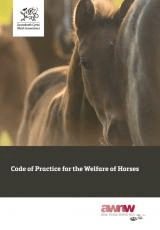
The Welsh Government’s Code of Practice for the Welfare of Horses explicitly states that “tethering should never be used as a long-term measure to control horses as this can lead to a failure to meet a horse’s basic welfare needs.” The prevalence of poor tethering practices in Wales suggests that the Code of Practice’s reference to this issue is not effective, and I want more stringent guidance, change in enforcement practices and a change in legislation to better discourage and deter the long-term tethering of horses.

Owning and caring for a rabbit is a big responsibility and a long-term caring and financial commitment. It is the owner’s responsibility to make sure that the rabbit’s needs are met. I believe before anyone is sold a rabbit, they should undertake a short online course on how to look after the rabbit culminating in an online test. The law requires that you must take reasonable steps to ensure that it has a suitable environment to live in, has a healthy diet, is able to behave normally, has appropriate company, and is protected from pain, suffering, injury and disease.

I am opposed to individuals keeping primates such as monkeys as pets. Estimates suggest 120 primates are currently kept as pets in Wales. This should be banned. For those already owned, we need a legally enforceable statutory code with tough penalties to protect monkeys that are kept as pets.

We cannot continue to lose species and certainly not at the current rate. In Wales, one in three species are threatened with extinction and 51% of mammal species need urgent support.

The image of hedgehogs in our countryside is one we are all familiar with, but they are under significant threat as a result of a reduction to their natural habitat. I believe we all have to do what we can to ensure that they breed safely and see their population grow. I hope that all landowners in Wales will take the needs of hedgehogs into consideration when planning use of land within their ownership.

We know that to promote good life and lengthy life in our hedgehogs, we need to promote the offering of good quality, meaty hedgehog food, meaty cat or dog food, or dried cat biscuits, and the provision of water. We need urgent action to protect what is an iconic Welsh species.

I am pleased that we pride ourselves on being a nation of dog lovers and we should all have an interest in dog and animal welfare. I have a lot of correspondence on issues and concerns about the treatment of dogs including those left unattended in hot cars.

We owe animals a good life free from pain and discomfort. Regulation of animal welfare centres by whatever name they go by will be a significant addition to the welfare of animals.

I welcome the legislation already passed, as well as legislation to ban greyhound racing but there is more to be done. There is a need for proposals to strengthen dog breeding licensing conditions, in order to ensure comprehensive protection for male and female dogs and their offspring by introducing robust standards, and also proposals to regulate sanctuaries, rescue and rehoming centres, to protect animals from substandard levels of care and rogue operators.

Mike Hedges is the Senedd Member for Swansea East and a former Leader of Swansea Council.

Guardians Of Hydropower

Storvassdammen in Bykle, Agder, is Norway’s largest rockfill dam and a key component of Statkraft’s hydropower system. It is one of many Norwegian facilities where NGI experts have contributed to dam safety, design, and risk assessments over several decades. 

Photo: Martin NH / Wikimedia Commons.

March 9, 2026\
By Eurasia Review


Norway’s rockfill dams hold billions of cubic metres of valuable water in place high in the mountains. Behind every dam stands an extensive safety system and decades of engineering expertise that have been critical to Norwegian energy production.

When Norwegians think about their electricity supply, many picture power lines and wall sockets. Few think about the dams themselves: massive structures of rock and earth that hold back enormous volumes of water. They form the foundation of the country’s energy security – but many of them are now ageing.

“Most of Norway’s large rockfill dams were built from the 1950s onwards, especially during the 1960s, 70s, and 80s. That creates a significant need for renewed safety assessments, maintenance, and rehabilitation,” says Arnkjell Løkke, Head of Section Dam Safety at NGI.
A collaboration that shaped Norway

Statkraft is by far Norway’s largest dam owner, operating around 500 dams in the country alone, in addition to a substantial international portfolio. The company manages roughly half of Norway’s total reservoir capacity.

NGI’s role in this story reaches back to the institute’s early years. During the 1960s and 70s, dam-related work accounted for the majority of the institute’s revenue. Many of NGI’s most prominent researchers built their reputations through this work.

“NGI has designed and supervised construction for roughly two-thirds of all large rockfill dams in Norway. That is a legacy we manage with both pride and a strong sense of responsibility,” says Løkke.
Norwegian nature enables unique solutions

While many countries traditionally built concrete dams or earthfill dams, Norway developed its own approach. Many dams sit high in the mountains, where roads and logistics pose major challenges. Engineers, therefore, relied on materials already available in the landscape: glacial moraine deposits.

“When the glaciers retreated after the last Ice Age, they left behind well‑graded deposits – mixtures of rock, gravel, sand, and silt. When you compact this material, it becomes highly watertight. That makes it ideal as the sealing core in rockfill dams,” Løkke explains.

Norway also has strong bedrock and high‑quality stone, and tunnel excavation for hydropower plants often produces large volumes of surplus rock. The result is rockfill dams with a central moraine core – a dam type that has become a Norwegian hallmark and delivered robust, cost‑effective solutions.

Norwegian rockfill dams are often built with an impermeable moraine core surrounded by rockfill made from locally sourced materials. For several decades, NGI has contributed to the design, analysis and safety assessment of such dam structures in Norway’s demanding mountain terrain.
From safety factors to risk analysis

Norway’s dam safety regulations are largely deterministic, based on detailed requirements for safety factors, material sizes, and structural design. But reality is more complex than what regulations alone can capture.

“The regulations do not sufficiently account for variations between dams and site‑specific conditions. How a dam has behaved over time, local hydrology, the geology at the dam site – all of this influences its actual safety,” says Løkke.

Internationally, a more risk‑based approach has therefore emerged, known as risk‑informed decision‑making. Instead of only asking whether a dam meets a specific safety factor, engineers ask: what is the actual probability of failure, and what would the consequences be?

NGI uses analytical tools such as event‑tree analysis and probabilistic Monte Carlo simulations to map the risks associated with a range of possible failure mechanisms. What happens during extreme floods? During earthquakes? Or during slow internal erosion over decades?

“When we complete these analyses, we are much better equipped to identify concrete risk‑reducing measures. You gain a comprehensive picture that allows you to prioritise actions where each invested krone delivers the greatest risk reduction,” says Løkke.

Statkraft has adopted NGI’s risk‑based methodology more extensively than any other Norwegian dam owner. In recent years, NGI has carried out risk analyses for more than a dozen dams for the company.

“We always learn something new about the dams. These analyses go beyond standardised assessments and systematically examine the entire picture of what can go wrong, how it might happen, and which factors influence the probability,” says Løkke.
Climate change raises the stakes

Future challenges do not only involve ageing infrastructure. Climate change is bringing more intense rainfall and new flood patterns. Storms such as “Dagmar” in 2011 and “Hans” in 2023 have revealed vulnerabilities in Norway’s river systems.

Statkraft plans to invest NOK 27 billion in more than 200 hydropower projects before 2030. A significant share of this investment will go toward rehabilitating dams such as Kjela, Nesjødammen, and Bjølsegrø to meet both present and future requirements.

The overarching goal is simple: it should be just as safe to live downstream from an old dam as from a new one.

“For NGI, this means continuing the work that began more than 60 years ago: ensuring that the foundation of Norwegian hydropower remains secure for generations to come,” Løkke concludes.

Eurasia Review is an independent Journal that provides a venue for analysts and experts to publish content on a wide-range of subjects that are often overlooked or under-represented by Western dominated media.
Is It Possible To Cut CO2 Emissions From European Agriculture By 40 Percent?


Researchers at NTNU have studied how to reduce greenhouse gas emissions and compensate for the loss of biodiversity, without compromising food production. The picture is from Nardò in Italy. 
Photo: Ingebjørg Hestvik


March 9, 2026
By Eurasia Review


It is entirely possible to reduce greenhouse gas emissions and show greater consideration for nature – without reducing food production. This is one of the findings of a recent study from the Norwegian University of Science and Technology (NTNU).

“Agricultural activities pose a significant threat to the natural environment,” said Francesco Cherubini, professor and Director of the Industrial Ecology Programme at NTNU.

We all need food, but food production currently accounts for a third of the world’s greenhouse gas emissions. Agriculture leads to a reduction in biodiversity. In addition, it uses large amounts of water and pollutes rivers, lakes and oceans due to nutrient runoff.

“That is why we need to take action. Agriculture in Europe must become more sustainable. The problem is that the measures being implemented today, such as protecting certain areas or allowing forests to regrow, are competing with food production for areas of land.”
Little potential for intensification

Researchers at NTNU have therefore looked for solutions to reduce greenhouse gas emissions and mitigate the loss of biodiversity, without compromising food production.


By allowing natural vegetation to regrow in these ‘sub-optimal’ areas, while also optimizing production on better agricultural land, the study shows that emissions from agriculture can be reduced by up to 40 per cent.

“In Europe, we already have a rather intensive type of agriculture. There is little to be gained from further intensification. That leaves us with only one option – to stop cultivating the areas that are least suitable for agriculture and move production to better-suited areas. By allowing trees and natural vegetation to repopulate the cultivated areas that are least suitable for food production, it is actually possible to achieve higher agricultural yields,” explained Cherubini.

The researchers have used European satellite data to map cultivated areas used for food production (cereals and vegetables) across Europe. This includes areas with steep terrain, areas that produce low yields, or where cultivated plots of land are small and scattered. Grassland used for the production of animal feed has not been included.

The study, published in the journal Nature Communications, shows that Europe has 24 million hectares of this type of agricultural land.

These are areas that are low in productivity and expensive to farm. In addition, they are often in direct conflict with efforts to protect biodiversity. Approximately 14 per cent of agricultural operations in Europe, including Norway, takes place in areas considered to be less favourable.
Improving the carbon balance

Of these areas, about two-thirds are at risk of becoming less fertile due to soil degradation, and half of them are located in areas with important or threatened habitats and species.

By allowing natural vegetation to regrow in these ‘sub-optimal’ areas, while also optimizing production on better agricultural land, the study shows that emissions from agriculture can be reduced by up to 40 per cent. Pressure on biodiversity can be reduced by 20 per cent, while food production is maintained.

“Allowing natural vegetation to return to areas with poor crop yields benefits the carbon balance and increases biodiversity,” added Cherubini.

The production lost by allowing this to happen can be made up for by focusing on more intensive cultivation in the best agricultural areas. At the same time, so-called extensification of agriculture can be introduced in areas where plots of land are small and scattered. Extensification involves using less fertilizer, pesticides and labour, while at the same time introducing more natural growth, such as trees.

“When we add up all the numbers, we see that it is possible to reduce climate emissions, increase biodiversity and at the same time maintain food production levels.

By allowing trees and natural vegetation to repopulate the cultivated areas that are least suitable for food production, it is actually possible to achieve higher agricultural yields. The trees’ roots help retain nutrients in the soil. Erosion is reduced, and the carbon content of the soil is increased,” explained Cherubini.
Requires collaboration

Research shows that crop yields can be increased by between 10 and 20 per cent through this kind of extensive farming. However, this requires changing the methods used and producing varieties of crops that yield the most calories per square metre.

In Europe, this means growing more maize, wheat and barley. However, the researchers also recommend focusing on the most suitable crops locally, meaning those already grown in the area, based on local knowledge and intended for a local market.


“When we add up all the numbers, we see that it is possible to reduce climate emissions, increase biodiversity and at the same time maintain food production. But it requires collaboration among the countries of Europe,” added the researcher.

In the bigger picture, this means reducing production in steep mountain areas in Southern and Eastern Europe while improving and changing the production methods in more suitable areas.

Norway ranks high on the list when it comes to the proportion of land with poor productivity. One-third of Norway’s arable land accounts for only 20 per cent of the country’s crop yields.

However, Professor Gunnar Austrheim at NTNU University Museum refers to Norway as an ‘exceptional case’ in this context.

“In Norway, one-fifth of the agricultural land is not very productive. But we have very little arable land overall, since two-thirds of the agricultural area is used to produce grass. As a result, we are not very significant in the European context.”
Benefits of natural regrowth

He says the study should be seen as a feasibility study and points out that measures have already been initiated in Norway to restore natural environments, such as wetlands, moorlands and forests.

“Restructuring agriculture in this way might be seen as controversial. But it is important to remember that some areas of land have already been taken out of agricultural production. So, it is good to know that this also has value. More trees and wetlands increase carbon storage and also help preserve biodiversity.”

Austrheim emphasizes that for many countries, including Norway, there may be social and cultural reasons to continue farming in low-productivity areas, even though these areas are expensive to manage and often subsidized.

“So, we are not saying that the whole of Norway should be left to grow wild, but the study shows that there is untapped potential,” said Austrheim.

He reminds us of Norway’s commitments under the UN Biodiversity Agreement from 2022, which also involve making agriculture more environmentally friendly. Among other things, the surplus of nutrients in agriculture must be halved.

“We must also halve the use of pesticides and restore 30 per cent of our natural areas. So we also need to do these things, albeit on a smaller scale. This study shows how the reallocation of land makes it possible to achieve important goals for agriculture,” concluded Austrheim.
Avian Flu Strikes California’s Northern Elephant Seals; Area Quarantined – Analysis


 Mongabay
By Christine Heinrichs


Ever since a deadly strain of avian influenza, H5N1, killed some 17,000 southern elephant seal pups on South American coastlines in 2023 and 2024, researchers and public officials have kept an extra-close eye on California’s northern elephant seals. Fears of infection have now become reality: Lab tests just proved the virus has breached this colony.

In mid-February, six young, newly weaned seals on Año Nuevo State Park beaches fell ill. They had obvious respiratory problems and also suffered from neurological symptoms, including weakness, tremors and seizures — all of which pointed to H5N1.

The research team collected samples from sick and dead elephant seals, which were analyzed at the California Animal Health and Food Safety Laboratory System. Initial screening revealed that the samples were positive for avian influenza; it was then confirmed to be the highly pathogenic H5N1 strain.

As of Feb. 24, seven pups had tested positive for the virus, according to the USDA’s National Veterinary Services Laboratory. At time of publication, 30 seals had died, 29 of them weaned pups, but the cause has not yet been confirmed for all the victims.

The outbreak marks the first cases of H5N1 in marine mammals in California and the first time it’s been found in northern elephant seals (Mirounga angustirostris). This highly contagious virus has been circulating the planet as a panzootic — an animal pandemic — since 2020, infecting and killing some 700 species of birds and mammals.

Because of the constant monitoring of these seals, the virus was detected “very early in the outbreak,” Roxanne Beltran, an assistant professor in ecology and evolutionary biology at UC Santa Cruz, said during a press conference. Beltran’s lab leads the university’s northern elephant seal research program at Año Nuevo.

Her colleague, Christine Johnson, elaborated. “This is exceptionally rapid detection of an outbreak in free-ranging marine mammals,” she said. Johnson directs the Institute for Pandemic Insights at the University of California, Davis. “We have most likely identified the very first cases here because of coordinated teams that have been on high alert with active surveillance for this disease for some time.”

On Monday, Feb. 23, California State Parks barred the public from the elephant seal viewing area of the Año Nuevo Coast Natural Preserve. Then, with confirmation that H5N1 was responsible, tours have been canceled for the rest of the season.

A deadly virus

Avian flu — which, in another, milder strain is much like the common cold in wild birds — morphed and became pathogenic when chickens and other poultry at industrial-scale producers were exposed to the virus through contact with migrating flocks of wild birds. Since it first appeared in Europe in 2020, this “Highly Pathogenic Avian Influenza” strain has devastated wildlife worldwide, the largest avian flu outbreak ever. And this panzootic is obviously not over.

H5N1 has raged on, leaping the species barrier to infect animals on six continents, pole to pole. Animals that gather in large groups, like pinnipeds and birds, are particularly vulnerable. Proximity is a big factor in a virus’s ability to spread, as the world learned too well during the COVID-19 pandemic.

Animals can be infected by contact with an infected bird or animal or their droppings. Both scavengers and carnivores may catch H5N1 by eating an infected carcass. But in 2024, researchers made a startling discovery about how this quickly mutating virus had changed: They discovered that elephant seals were passing the virus between themselves. This method of transmission makes a virus infinitely more dangerous. Since then, animal-to-animal transmission has been confirmed in the wild, in zoos and on farms.

Some of the wildlife victims are endangered species, and this virus’s ability to spread to new hosts is astounding. As of December 2025, H5N1 had infected some 598 types of bird and 102 mammal species, according to the United Nations. The numbers have jumped substantially over the past 18 months: As of August 2024, the U.N. tally was 485 bird and 48 mammal species.


H5N1 has stricken or killed animals as diverse as sea otters, house cats, terns, dolphins, foxes, California condors, rats, albatrosses, cougars, polar bears, zoo tigers — and many, many others, including humans. An outbreak in imperiled species could push them to extinction: Wildlife is already fighting to survive against a changing climate, disappearing habitat and other stressors.

On the lookout

Scientists from UC Davis have been testing samples from marine birds and mammals along the coast since 2024. With colleagues from UC Santa Cruz, they’d increased surveillance at elephant seal beaches over the past two months in anticipation of a possible disease outbreak: From mid-December through March, the area becomes a nursery, as mothers arrive and give birth to their pups. The beaches are literally littered with seals, often in very close proximity.

“Given the catastrophic impacts observed in related species, we were concerned about the possibility of the virus infecting northern elephant seals for the first time, so we ramped up monitoring to detect any early signs of abnormalities,” Beltran said.

That wasn’t only because of the massive seal die-off in South America. “We had two prior outbreaks in U.S. marine mammals; not elephant seals, but other types of seals, one in Maine in 2022 and [another] in Washington state in 2023,” Johnson said. “Because of these trends and global trends in H5N1 outbreaks around the world, our teams, both at UC Davis and UC Santa Cruz, increased disease surveillance at Año Nuevo and other locations in anticipation of a possible spillover into seals.”

The team is now working closely with NOAA Fisheries, the California Department of Fish and Wildlife and the West Coast Marine Mammal Stranding Network to closely monitor marine mammals along the coast.

The rich eastern Pacific coast is a marine mammal hotspot, with about 350,000 northern elephant seals that haul out on at least 14 rookery beaches along the U.S. West Coast, offshore islands and Mexico.

Elephant seals congregate at various locations along the West Coast. The size of the circle shows the relative number of seals at that site. The seals’ flippers are tagged with different colors according to their birthplace. Image courtesy of Richard Condit, Population Biology of Northern Elephant Seals.

They share that coast with five other pinnipeds: 250,000-300,000 California sea lions (Zalophus californianus), about 66,000 northern or Steller sea lions (Eumetopias jubatus), some 14,000 northern fur seals, (Callorhinus ursinus), 35,000-44,000 Guadalupe fur seals (Arctocephalus townsendi) and perhaps 31,000 harbor seals (Phoca vitulina richardsi).

With some six decades of study, researchers have amassed astounding data on this elephant seal population. It includes some 380,000 observations of 55,000 individuals.

They’ve tracked individuals, built family trees, and they knew the history of one of the victims, a dead “weaner.” It was the offspring of a mother in the study who was herself born on that beach. The pup entered the researcher’s database when she was 15 days old. She was weaned when her mother left the beach; two mornings later, she was convulsing on the beach. By afternoon, she was dead.

“It’s tough to watch animals we have followed and watched for years get sick,” Beltran said. “We know their family lineages.”

This large body of research will greatly inform assessments of the long-term effects on the population: how many pups survive, whether females are affected and future births.
Rapid transmission

The virus’s ability to mutate rapidly and its record of infecting other species make it a cause of intense concern, and seal populations have suffered catastrophic losses. In 2022-23, H5N1 swept along South America’s Atlantic and Pacific coastlines, slaying more than 30,000 sea lions in addition to the devastation of the southern elephant seal (M. leonina) population on Argentina’s Península Valdés, which was the species’ largest die-off ever.

It’s also infected people. Since 2024, 71 human cases have been diagnosed in the U.S., with two deaths. Most cases involved hands-on contact with infected cows or poultry. Current public health risk is considered low, experts say, with no person-to-person transmission reported.

“The more a virus like this is able to mutate and find its way into a wide range of species, especially farmed species that live in close contact with people like poultry and now cattle, the more the odds go up that a viral strain will more easily make that leap to people,” wildlife veterinarian Steve Osofsky, a professor and wildlife health expert at Cornell University’s College of Veterinary Medicine, wrote in Statin June 2025.

Cautionary measures

To protect the public and limit virus transmission, the public has been barred from the area for the rest of the season. A California State Parks spokesperson said 4,363 tickets for Año Nuevo tours were canceled. Visitors pay $11 each to hike out 1.5-3 kilometers (1-2 miles) with a guide to view the elephant seals during the mid-December through March mating and pupping season.

Since this pathogen is zoonotic and can spread between wildlife, livestock and humans, surveillance extends beyond animals. With each leap to a new mammal host, it raises concern that the virus could more easily infect people. Since 2021, there have been 131 human infections globally, according to the Centers for Disease Control and Prevention. But thus far, it hasn’t spread between humans.

Over the past 50 years or so, zoonotic diseases have emerged and spread at ever-faster rates, facilitated by human conversion of wild habitats and global travel and trade. This allows humans and animals to swap germs that are quickly transported across the globe and shared with species that have no immunity to them. These emerging diseases rarely have a cure and are often fatal. Examples include HIV and Ebola.

Christian Walzer, executive director of health at the nonprofit Wildlife Conservation Society, called H5N1 “an existential threat to the world’s biodiversity.”

For now, the hope is that this is a small outbreak. “If it’s a cluster, we will figure it out,” said Dominic Travis, the chief programs officer at The Marine Mammal Center. “If it’s perpetuated, it will be really tricky. We will assess it day by day with NOAA.”

The timing of the outbreak may lean in the seals’ favor. “We are cautiously optimistic, as most of the adult females had already departed the beach for their routine migrations before the outbreak began, and most seals on the colony seem healthy,” Beltran said.

This article includes reporting by Sharon Guynup.

Source: This article was published by Mongabay

Citation: Uhart, M., Vanstreels, R. E., Nelson, M. I., Olivera, V., Campagna, J., Zavattieri, V., … Rimondi, A. (2024). Massive outbreak of influenza A H5N1 in elephant seals at peninsula Valdes, Argentina: Increased evidence for mammal-to-mammal transmission. doi:10.1101/2024.05.31.596774


Mongabay

Mongabay is a U.S.-based non-profit conservation and environmental science news platform. Rhett A. Butler founded Mongabay.com in 1999 out of his passion for tropical forests. He called the site Mongabay after an island in Madagascar.