Thursday, March 13, 2025

Can China Maintain Its Clean Energy Dominance?

By Felicity Bradstock - Mar 12, 2025


China has achieved renewable energy superpower status through decades of strategic investment, but faces potential challenges like overcapacity and reduced subsidies.

S&P Global predicts China's share of solar and battery manufacturing will decline due to economic factors and increased global competition.

While China continues to invest in green energy projects and infrastructure, its long-term dominance is questioned as the government plans to reduce clean power subsidies.


Despite being the world’s biggest polluter, China is also a renewable energy superpower. Following decades of investment, China is the world’s biggest green energy producer, and its renewable energy capacity keeps on growing. The Asian giant is aiming to achieve carbon neutrality by 2060, despite continuing to be heavily reliant on oil, gas and coal. As China’s renewable energy sector continues to expand, how long will this last until the bubble bursts?

In March, China’s National Development and Reform Commission (NDRC) announced the country’s plans to invest in major renewable energy projects, including the development of new offshore wind farms and large-scale clean energy bases combining solar and wind farms. Planned projects include a controversial hydropower project on the Yarlung Tsangpo River in Tibet, which experts worry could harm downstream water flows to India, and a direct power transmission route connecting Tibet with Hong Kong, Macao, and the southeastern Guangdong province.

This is just one of several moves China is making to support a green transition. Unlike most other countries, which have only really grown their renewable energy capacity over the last decade, the Chinese government has long been investing in green energy projects to establish the country’s dominance in the sector.

“Several of the clean energy industries were identified by the government several decades ago as strategic industries, where they really wanted to invest and position themselves as the global leader,” explained the director of the science, technology, and international affairs program at Georgetown University Joanna Lewis. “This has really been a long-term strategic effort on behalf of the government to both put in place policies that would promote the deployment of renewables domestically within China but also build up the industrial capacity to allow them to actually manufacture the technologies as well.”

In 2020, the Chinese government pledged to double its green energy capacity by the end of the decade, a goal that it achieved six years ahead of schedule. Heavy public investment and favourable policies have catapulted China to become the dominant renewable energy force globally. In 2024, China invested more than any other country in the energy transition, funding around two-thirds of the $2.1 trillion spent globally on clean energy projects.

China currently produces 31 percent of its electricity from renewable sources. While the country is still heavily dependent on coal, the government expects solar energy to overtake fossil fuels as China’s main energy source by 2026. In addition, China is supporting the global green transition by developing infrastructure through its Belt and Road Initiative. The government is investing heavily in the development of clean energy and green infrastructure in developing countries worldwide. Meanwhile, its renewable product exports increased by 35 percent between 2019 and 2023.

There is also significant private investment being seen in China’s renewable energy sector. This month, Saudi Arabia’s Acwa Power opened a renewable-energy innovation centre in Shanghai as part of the firm’s plans to expand its presence in China. The centre will focus on photovoltaics, wind, energy storage, green hydrogen, and seawater desalination. Phase I will see $2.8 million in funding for a research and development centre and a green energy laboratory. Acwa Power has signed preliminary deals with Gulf Renewables Laboratory (GRL) and Shanghai Jiao Tong University (SJTU) to develop the project. This follows the signing of agreements by Acwa Power earlier in the year to develop over 1 GW of green energy projects across China. The company expects to invest up to $30 billion in projects in China by 2030.

However, while many assume China’s green energy sector will keep on growing, others are less enthusiasticabout the outlook. The ratings agency S&P Global predicts that China’s clean energy hegemony will begin to decline in the coming years because of its weak domestic economy, slow global demand, export barriers, and overcapacity. It expects China’s share of solar photovoltaic module manufacturing to decrease from 70 percent in 2024 to 65 percent in 2030, and its share of battery-cell manufacturing to drop from 80 percent to 61 percent over the same period.

“As we look towards 2025, manufacturing growth in China is expected to slow down in response to current overcapacity issues, leading to a more diversified cleantech manufacturing footprint by 2030,” S&P said.

China has also announced plans to reduce clean power subsidies in the coming years following several successful years of growth in solar and wind power. Lower subsidies for new solar farms could put pressure on China's solar industry, where overcapacity relative to global demand has prompted plunging solar panel prices and threatened to drive smaller producers into bankruptcy.

China’s renewable energy sector is likely to keep growing over the next decade as the government strives to reduce the country’s dependence on coal and significantly decrease its carbon emissions. However, following more than a decade of sharp green energy capacity growth, the government is beginning to reduce its subsidies for certain renewable energy sectors and, in the long-term, other countries may gradually increase their market share of sectors such as solar module and battery manufacturing as growth in China slows.

By Felicity Bradstock for Oilprice.com


Kazakh Tycoon Bets on China’s EV Boom

By Charles Kennedy - Mar 11, 2025

Kazakh millionaire Kenges Rakishev, who built his fortune in oil, gas, and metals, sees major opportunities in the EV sector.

Kazakhstan is well positioned to be China's key supplier of critical minerals like lithium, nickel, and cobalt.

With 80% of Chinese goods to the EU passing through Kazakhstan, the country could serve as a strategic EV manufacturing hub for Chinese automakers.


Sales of electric vehicles have been slowing down across markets, but one man believes the future remains bright. That man is Kazakh millionaire Kenges Rakishev, who made his money from oil and gas and metals, and now wants a piece of the EV pie.

“The West is lagging behind China when it comes to the EV race,” Rakishev, chairman of Fincraft Group, told the South China Morning Post in an interview. “China started to secure supplies of lithium, cobalt, and graphite decades ago, and they are racing ahead when it comes to the price and quality of their EVs. We are a natural partner for China, especially in the growing EV sector.”

Kazakhstan is perhaps most famous as an oil-producing state—and the biggest miner of uranium in the world—but it also has substantial other mineral resources. Among these are chrome and zinc, of which Kazakhstan is a major global producer, along with copper, iron ore, lead, gold, and manganese.

In terms of copper, Kazakhstan is the world’s ninth-largest producer, with production rising at a sizable 7% compound annual growth rate between 2018 and 2022. Since then, output growth has slowed and is about to reverse, following global trends. Even so, Kazakhstan certainly has a part to play in the EV industry, and one of its wealthiest businessmen is grabbing the opportunity.

Rakishev has been making inroads into transition technology for a few years now, focusing on EVs, solar panels, and batteries. A special company was set up to produce nickel and cobalt in the eastern part of the country, which is already one of the leading mineral suppliers to Chinese businesses.

“There is still much to be developed,” Rakishev told the South China Morning Post. “The scale of these resources presents enormous opportunities and we are eager to partner with Chinese companies who can contribute to our growth.”

Meanwhile, Chinese EV makers are setting up shop in the Central Asian country. Sales of Chinese electric vehicles in Kazakhstan reached 12,587 last year, which although a small figure, represented a 60% increase on the previous year, with projections for more than 40,000 EVs in sales by 2035, not least thanks to government tax breaks emulating other countries’ strategy to boost EV adoption.

Kazakhstan is already China’s biggest trade partner in Central Asia, and the country’s government has signaled a strong interest in boosting ties, specifically in the electric vehicle space in the form of critical minerals. According to Rakishev, the next step in this EV partnership could see the cars being made in Kazakhstan.

“Kazakhstan is a large consumption economy for EVs, but we also want to see Chinese investors come and build production here, in addition to buying these metals,” he told the South China Morning Post. And those EVs will not just be sold on the local market, either. The bigger prize could be Europe.

As much as 80% of Chinese goods sold in the European Union passes through Kazakhstan, according to the country’s deputy prime minister, Roman Sklyar. According to Rakishev, “This means that if China invests in Kazakhstan for manufacturing – whether it’s cars, EV batteries, or related industries – this market could become a significant opportunity for them. And through Kazakhstan, you can have very fast access to Europe. For China, this is very important.”

The only potential problem for this is the abovementioned slowdown in EV sales due to still high prices—for non-Chinese vehicles—and governments running out of subsidy money. The problem looks especially grave in the European Union, where member state governments must now fork out fresh billions for defense spending.

By Charles Kennedy for Oilprice.com
Trump blasts Ireland on trade during traditional visit


By AFP
March 12, 2025


US President Donald Trump meets with Irish Prime Minister Micheal Martin (L) in the White House - Copyright AFP Mandel NGAN


Danny KEMP

It was perhaps not the welcome Irish Prime Minister Micheal Martin had hoped for on an annual US trip to mark Saint Patrick’s Day — a dressing down from Donald Trump on trade and tariffs.

“We do have a massive deficit with Ireland,” the US president said in answer to the very first question he faced with Martin in the Oval Office, before going on to lambast the European Union in general.

Trump promised to respond to tariffs imposed by the EU in retaliation for new US levies on steel and aluminum — an economic shockwave that could hit Ireland too.

Certainly the encounter with the Irish taoiseach, or premier, was calmer than the scene less than two weeks ago when Trump and Ukraine’s President Volodymyr Zelensky got into a blazing row, also in the Oval Office.

There was even a light-hearted moment as Trump ribbed Vice President JD Vance about the green-and-white shamrock socks he wore to honor Martin’s trip, a tradition by the Irish leader ahead of Saint Patrick’s Day on March 17.

But despite the pleasantries during the visit, the 78-year-old president had a long list of grievances about the Emerald Isle.

Trump said he had “great respect” for Ireland but in the same breath accused it of luring pharma and tech giants to its shores with low taxes.

“This is this beautiful island of five million people, it’s got the entire US pharmaceutical industry in its grip,” Trump said.

The United States is Ireland’s single biggest export market for pharmaceutical drugs and ingredients, mostly manufactured by American companies like Pfizer, Eli Lilly, and Johnson & Johnson.


– ‘Very tough’ –


“I’m not upset with you. I think I respect what you’ve done,” said Trump. “But the United States shouldn’t have let it happen.”

The US president complained about “tremendously bad” treatment of tech titan Apple, which was ordered by Brussels to pay a multi-billion-euro tax settlement to Ireland.

It then got personal, as it often seems to with Trump, as the billionaire former property developer complained about EU red tape holding up the expansion of a resort he owns in Ireland.

Trump finally returned to one of his favorite themes as he launched a broader attack on the 27-nation European Union.

“The EU was set up in order to take advantage of the United States,” Trump said.

Trump also doubled down on his threats to impose reciprocal tariffs on the European Union in April.

“So whatever they charge us, we’re charging them.”

When Martin got a word in edgeways, he tried to strike a diplomatic tone.

“It’s a two-way street,” Martin said, adding that Ireland was stepping up investments in the United States.

“It’s a relationship that we can develop and that will endure into the future.”

Trump agreed — and then went back to speaking about the deficit.

The Irish and US leaders also ended up talking past each other on the subject of the Israel-Hamas war.

Non-NATO member Ireland is one of the most pro-Palestinian countries in Europe, in stark contrast to Trump who has called for the US to “take over” Gaza.

“It’s been our view that a two-state solution is the ideal,” Martin said.
EU hits back hard at Trump tariffs to force dialogue


By AFP
March 12, 2025


The EU responded swiftly to US steel and aluminium tariffs by saying it would retaliate with countermeasures from April 1 - Copyright AFP Geoff Caddick

Raziye Akkoc

The EU put on a quick show of force Wednesday against sweeping new US steel and aluminium tariffs, striking back with countermeasures that seek to hurt the United States and force it to the negotiating table.

President Donald Trump’s 25-percent levies took effect just after midnight struck in Washington, “with no exceptions or exemptions”, as promised by the White House — despite countries’ efforts to avert them.

The European Commission, which leads the EU’s trade policy, responded swiftly by saying it would impose “countermeasures” from April 1.

They will target US states controlled by Trump’s Republican Party as well as goods that the EU believes will hurt American businesses enough to force the president to row back.

Although Trump’s higher customs duties impact a swathe of countries, only the European Union and China initially vowed to retaliate to defend their businesses and citizens.

“We deeply regret this measure,” European Commission chief Ursula von der Leyen said.

“Tariffs are taxes. They are bad for business and worse for consumers. They are disrupting supply chains. They bring uncertainty for the economy,” she added.

An EU official said the 27-country bloc wanted to “show strength” and give a response that “very clearly shows how we consider this completely unnecessary”, all while seeking to resolve the tensions through dialogue.

But the official said the EU was not filing a World Trade Organization complaint at this point as it observes how the United States reacts.

Von der Leyen estimated the US tariffs would target $28 billion worth of exports, and the European Union’s response would affect the same amount of US products.

European businesses and American firms on the continent criticised the tariffs, warning they would do damage to both sides of the Atlantic.


– ‘Lose-lose scenario’ –


The EU plans to target industrial goods and agricultural products, particularly those exported to Europe from politically important states.

This will include soybeans produced in Louisiana, the home of US Speaker Mike Johnson, as well as beef and poultry from states that voted for Trump in the last election: Nebraska and Kansas.

The EU official said the bloc could source soybean from Brazil or Argentina.

The hope is that the targeted products “will provide the right incentives to the US to come to the table”, the official said.

The intensifying drum beats for a damaging trade war between the EU and the United States have spooked businesses.

“These tariffs, along with the EU’s announced countermeasures, will only harm jobs, prosperity and security on both sides of the Atlantic,” warned Malte Lohan, CEO of the American Chamber of Commerce to the EU.

“Additional US tariffs… are a lose-lose for both sides of the Atlantic,” said Markus J Beyrer of EU-wide lobby group BusinessEurope.

But Washington has framed the move as a bid to protect US steel and American workers as the sector declines and faces fierce overseas competition, especially from Asia.

The latest duties will also impact Australia, Britain, Canada, Japan and China as well as Brazil and Mexico despite last-ditch attempts by some to get exemptions.

Amid fears the US move will lead to steel dumping in Europe, the bloc will monitor the situation and take action where necessary to protect European industry, officials say.


– Target ‘right products’ –


It’s not the first time Trump has slapped tariffs on the metals.

During his first presidency, he imposed duties on steel and aluminium exports in 2018 — prompting the EU to respond with its own higher duties that were later frozen in a deal with Washington.

As part of the EU’s two-pronged approach to Trump’s actions, von der Leyen said Brussels will allow the previous levies to take effect again automatically when their suspension ends on March 31.

“For the first time, these rebalancing measures will be implemented in full. Tariffs will be applied on products ranging from boats to bourbon to motorbikes,” the commission said.

And the EU formally launched a procedure on Wednesday to draw up and impose additional countermeasures.

The first step will be a “two-week stakeholder consultation” to make sure the “right products” are targeted and avoid disruptions to consumers and businesses.

The measures would be fully in place by mid-April unless Trump reverses course.

Trump’s tariffs could have significant impact on packaging


By Dr. Tim Sandle
March 12, 2025
DIGITAL JOURNAL


The Panama Canal is owned and operated by the Central American nation, but US President-elect Donald Trump has made waves about excessive shipping fees and has threatened to demand control of the vital waterway be returned to Washington - Copyright Panama Canal Authority/AFP/File Handout

In any shop, and nearly everything — except some produce — comes in some type of package. Bottled water, cheese, electronics, large appliances…each is wrapped in protective material to ensure that items are not damaged in transit and to aid their preservation.

Changes, such as tariffs in the global marketplace, could have a ripple effect on packaging. This is the view of Laszlo Horvath, an associate professor in the College of Natural Resources and Environment at Virginia Tech.

Horvath’s research interests include packaging sustainability, smart and connected packaging, and unit load Interactions, which is highlighted by generating information used to create a commercial pallet design software.

“Tariffs can significantly impact costs”, Horvath continues. “Many packaging moulds, which can cost millions, are made overseas. If a company orders a mould from Europe or China, and tariffs increase before it arrives, they suddenly owe more money. This increased cost is then passed down to consumers.”

The potential impact of Trump’s tariffs could also adjust shipping routes or the actual method of transportation.

“If a shipping route changes, packaging requirements may also change,” Horvath adds. “For example, if a product that was originally shipped by sea now needs to be transported by rail, it faces different types of vibrations and impacts. Packaging designed for one mode of transportation might not be suitable for another.”

As an example, if a product is manufactured in Pennsylvania and shipped to Virginia, it spends minimal time in transit with limited handling. In contrast, a product made in China must first be transported by truck to a port, cross the ocean, arrive in California, travel by train to Chicago, and finally reach its destination. This significantly longer journey involves multiple handling points, increasing the likelihood of damage.

Hence, packages must be designed to withstand these conditions. Horvath explains: “Every time a package is handled, there’s a chance it will be dropped, compressed, or hit. Additionally, environmental factors like temperature and humidity fluctuations must be considered.”

Drawing on another example, a product moving from the humid climate of Costa Rica to the cold of Alaska requires packaging that can handle these extremes. Therefore, if a shipping route changes due to tariffs, there’s also the possibility of the packaging design to be revised to fit the new handling points, which could also increase costs for the consumer.

Horvath recently joined ⁠Virginia Tech’s “Curious Conversations”⁠ to talk about the complexities of packaging and the factors to be considered during packaging design. Here the academic shared insights related to affordability and sustainability as well as how international tariffs and other supply chain disruptions can impact packaging and ultimately customers.

Trump Tariffs Threaten U.S. Oil Refiners

  • President Trump's new tariffs on energy imports from Canada and Mexico are expected to significantly impact US refiners, particularly those reliant on heavy crude.

  • While Canadian oil imports are likely to continue despite tariffs, Mexican oil imports may see a sharp decline due to alternative sources available to Gulf Coast refiners.

  • These tariffs could lead to higher fuel prices for consumers, increased market volatility, and broader economic repercussions for industries dependent on oil and gas.

President Donald Trump’s newly imposed 25% tariffs on goods from Mexico and a 10% tariff on energy products from Canada have the potential to send ripples through the U.S. oil and gas market. 

These tariffs, effective March 4, come after last-minute negotiations failed, raising concerns about higher costs for refiners and potential disruptions to North America’s tightly integrated energy supply chains.

How Canadian Oil Tariffs Could Disrupt U.S. Refiners

The U.S. imports approximately 4.4 million barrels per day (MMb/d) of crude oil from Canada, accounting for about 27% of total U.S. refinery demand.  The Midwest (PADD 2) is particularly dependent on Canadian oil, receiving about 3.5 MMb/d—roughly 75% of Canada’s total crude exports. 

Many U.S. refiners, particularly in the Midwest and Rocky Mountain regions, have spent billions upgrading facilities to process Canada’s heavy, sour crude. These refiners prefer Canada’s discounted barrels because they provide the best refining margins.

A 10% tariff on Canadian crude will increase costs for these refiners, and this will both erode margins, and get passed on to consumers in the form of higher gasoline and diesel prices. Refiners do have some options for replacing this crude, but they are more expensive, and there may be logistical challenges. Further, in the short-term it will definitely cause some disruptions to U.S. refinery operations, much as Russia’s invasion of Ukraine did in 2022. 

However, because of how deeply integrated the U.S.-Canada crude supply chain is, analysts believe that nearly 90% of Canadian oil imports will continue flowing into the U.S. despite the tariff. The bigger concern is for refiners in California and the Northeast, which rely on Canadian crude shipped from Newfoundland and Alberta. Some may seek alternative sources such as Alaskan North Slope (ANS) crude or heavier Middle Eastern grades but switching suppliers could present the aforementioned logistical and pricing challenges.

Impact on Mexican Oil Imports

The 25% tariff on Mexican crude is even more significant. The U.S. imported about 625,000 barrels per day from Mexico in 2024, mainly heavy Maya crude destined for Gulf Coast refiners (PADD 3). This heavy crude is a critical feedstock for refineries that specialize in processing lower-quality oils into usable fuels.

Unlike Canadian crude, Mexican oil imports could see a sharp decline because refiners along the Gulf Coast have more alternative sources. Venezuelan crude, Middle Eastern heavy grades, and even some Canadian barrels rerouted from PADD 2 could replace Mexican oil. However, redirecting supply chains is not seamless—it involves higher transportation costs and potential disruptions. In the short term, refiners may absorb some of the higher costs, but over time, fuel prices could inch higher as a result.

Wider Economic and Market Impacts

Beyond oil and gas prices, tariffs on energy imports can have broader economic repercussions. Higher refining costs could squeeze profit margins for U.S. refiners, potentially leading to lower capital expenditures, delayed maintenance schedules, and even job reductions in refinery-dependent regions. Additionally, any sustained increase in energy costs could impact industries that rely heavily on oil and gas, such as transportation, agriculture, and manufacturing.

Energy markets also react strongly to uncertainty. If tariffs introduce supply chain inefficiencies or raise the prospect of retaliatory actions from Mexico and Canada, crude oil futures could experience higher volatility. Canada and Mexico could respond by imposing tariffs on U.S. refined fuel exports, making American gasoline, diesel, and jet fuel more expensive in key foreign markets.

Final Thoughts

The U.S. oil market is deeply intertwined with those of Canada and Mexico, and tariffs on crude oil imports will have consequences—some immediate, others playing out over time. While U.S. refiners will still process the majority of Canadian crude despite the 10% tariff, the 25% tariff on Mexican oil could shift trade patterns and raise costs for Gulf Coast refiners.

Ultimately, the energy industry is adept at adjusting to policy shifts, but those adjustments come at a cost. It also takes time to adjust, and prices can be volatile during the adjustment period. If sustained, these tariffs could contribute to higher fuel prices, market volatility, and economic inefficiencies—raising the question of whether the benefits of trade leverage outweigh the financial burden imposed on American consumers.

By Robert Rapier

Wednesday, March 12, 2025

U.S. Considers 25 Percent Tariff on Copper Imports


By Metal Miner - Mar 12, 2025


The announcement of a potential 25% tariff on copper imports by the United States has led to a significant surge in Comex copper prices and increased market volatility.

Global copper inventory levels are rising, with a notable increase in Comex stocks due to arbitrage opportunities and anticipation of tariffs, while LME and SHFE inventories show varying trends.

Economic uncertainties, including recession fears in the US and deflation in China, are adding to the risks in the copper market, despite ongoing demand from sectors like renewables and technology.


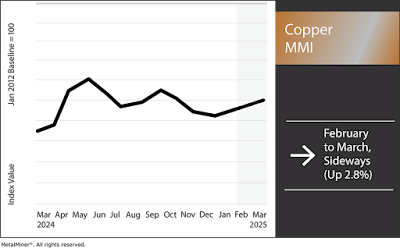
The Copper Monthly Metals Index (MMI) held sideways, although the upside bias continued to accelerate. Supported by a rise among most of its components, the index increased 2.8% from January to February.


25% Tariff Threat Boosts Comex Copper Price

Comex copper prices remained decidedly bullish, jumping even higher on the suggestion that a 25% copper tariff is on the horizon. In an address to Congress, U.S. President Trump stated, “I have also imposed a 25% tariff on foreign aluminum, copper and steel. Tariffs are about making America rich again. It is happening, and it will happen rather quickly.”

Markets had already started pricing in a potential duty after the White House launched an investigation into copper imports in late February. The move was intended to assess national security risks related to America’s foreign dependence on copper imports and followed a barrage of other tariff announcements and threats.


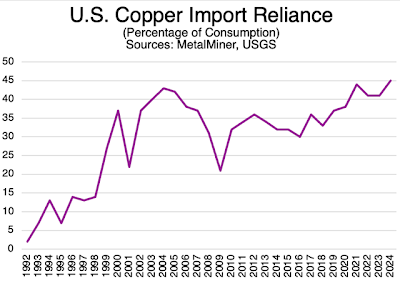
While the administration has yet to announce a final tariff, Trump’s statements surprised markets, which likely anticipated a much smaller duty. As with other metals, the U.S. requires copper imports to meet demand. However, U.S. reliance on imports has grown considerably over the past two decades.

According to USGS, imports accounted for roughly 45% of domestic consumption. Considering rising electrification needs and ongoing grid developments, a 25% duty, should it come to fruition, would significantly impact the domestic copper market.
Markets Remain Well-Supplied as Copper Floods U.S.

The delta between LME and Comex prices is now as wide as ever. While the two exchange contracts continue to loosely mirror one another, Comex prices hold a substantial premium over LME prices, mainly due to the ongoing tariff threats.


Source: MetalMiner Insights, Chart & Correlation Analysis Tool


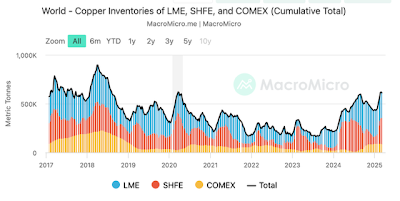
On top of a rush to refill inventories ahead of potential tariffs, that arbitrage caused a sharp increase in Comex inventories starting at the beginning of the year. Stocks now sit at their highest levels in over 6 years. This trend will likely continue in the foreseeable future, or at least as long as the delta between LME and Comex prices remains high.


Comex Copper Warehouse Stocks, Source: MacroMicro

As the red metal pours into the United States, LME stocks have started to sink. Despite this, LME inventory levels still suggest a well-supplied market, with stocks holding above where they stood over recent years.

LME, SHFE, Comex Copper Warehouse Stocks, Source: MacroMicro


Meanwhile, SHFE stocks are in the middle of a rebuild. The last rebuild, in 2024, was large enough to calm markets worried about an impending supply crunch. While it remains unclear where SHFE inventories will find their peak, the current uptrend appears sharp. This has helped global stocks across the three major exchanges climb to their highest levels since 2018.
U.S. Recession, China Deflation Add Copper Price Risk

In the meantime, dark clouds have started to form regarding the health of the global economy. Recession fears have returned, with President Trump telling reporters that the U.S. is in “a period of transition.” The combination of fear and economic uncertainty caused a significant drop in the stock market as investors have started to operate with increased caution.

On the other side of the world, China continues to battle deflation. Unlike in the U.S., where inflation remains sticky, China’s CPI in February fell 0.7% year over year. Not only did it miss expectations, it dropped at its fastest pace in 13 months.

While China continues to invest heavily in renewables and copper-hungry technology, the impact of increased U.S. trade barriers and longstanding issues with its property sector remains a significant demand risk.

By Nichole Bastin
UK Industry Faces Steel Tariff Challenges

By City A.M - Mar 12, 2025, 


US tariffs on steel and aluminum imports have come into force, impacting UK exports and creating uncertainty for British businesses.

Industry leaders express disappointment and warn that the tariffs will further challenge the UK's struggling steel industry, which already faces high energy costs and subdued demand.

The UK government plans to take a "cool-headed" approach to the tariffs, engaging with the US while defending national interests, despite concerns about potential trade deficits and market flooding.


UK industry heavyweights have branded Donald Trump’s tariffs on steel and aluminium imports a “difficult day for transatlantic trade” that will put “considerable pressure” on the UK’s metals sector.

Tariffs on the two widely-used commodities came into force on Wednesday morning, meaning all UK steel and aluminium exports to the US will now be subject to a 25 per cent levy.

The duties were first announced last month, and bosses from the UK’s steel and trade sectors lamented the fact the UK was unable to negotiate an exemption.

William Bain, head of trade policy at the British Chambers of Commerce (BCC) told City AM that the tariffs represented a “lose-lose scenario” for British and American firms.

“The introduction of tariffs will be a difficult day for transatlantic trade and will plunge businesses, in both the US and UK, into a new age of uncertainty,” he said.

Meanwhile leading figures from Britain’s metals sector branded the levies “hugely disappointing” and warned they will serve only to further hamper the UK’s struggling steel industry.

Gareth Stace, director general of UK Steel, said: “Our steel sector is not a threat to the US, but a partner to key customers.”

“These tariffs couldn’t come at a worse time for the UK steel industry, as we battle with high energy costs and subdued demand at home, against an oversupplied and increasingly protectionist global landscape,” he added.

Nadine Bloxome, chief executive of the Aluminium Federation, told City AM that her sector had already been forced to deal with preemptive shifts in trade patterns.

Semi-finished goods could soon “flood the UK market” undermining domestic producers already contending with high energy costs and burdensome regulation, she said.

On Tuesday, Keir Starmer pledged not to respond with immediate counter-tariffs, in a departure from the approach adopted by the European Union, Canada and Mexico.
UK to take “cool-headed” approach to tariffs

Downing Street’s official spokesman said the the government was engaging “closely with the US administration to make the case for the UK to be exempted from proposed tariffs”.

He added: “When it comes to the UK steel industry we remain prepared to defend the UK’s national interest where it’s right to do so. But we will continue to take a cool-headed approach to any speculation around tariffs.”

The US accounts for just five per cent of UK steel exports, and six per cent of aluminium exports, according to the Office for National Statistics, and steel trade to the US is worth over £400m.

Business secretary Jonathan Reynolds had previously warned that steel tariffs would damage both the UK and US, and Starmer’s decision not to engage in a tit-for-tat response sparked a warning from UK Steel’s Stace.

He said Britain’s steel industry could be left especially vulnerable to US and EU exporters flooding the UK, worsening its trade deficit.

By City AM


Steel at heart of new Trump trade war


By AFP
March 12, 2025


Steel is at the heart of US President Donald Trump's new tariffs - Copyright AFP Geoff Caddick

Isabel MALSANG

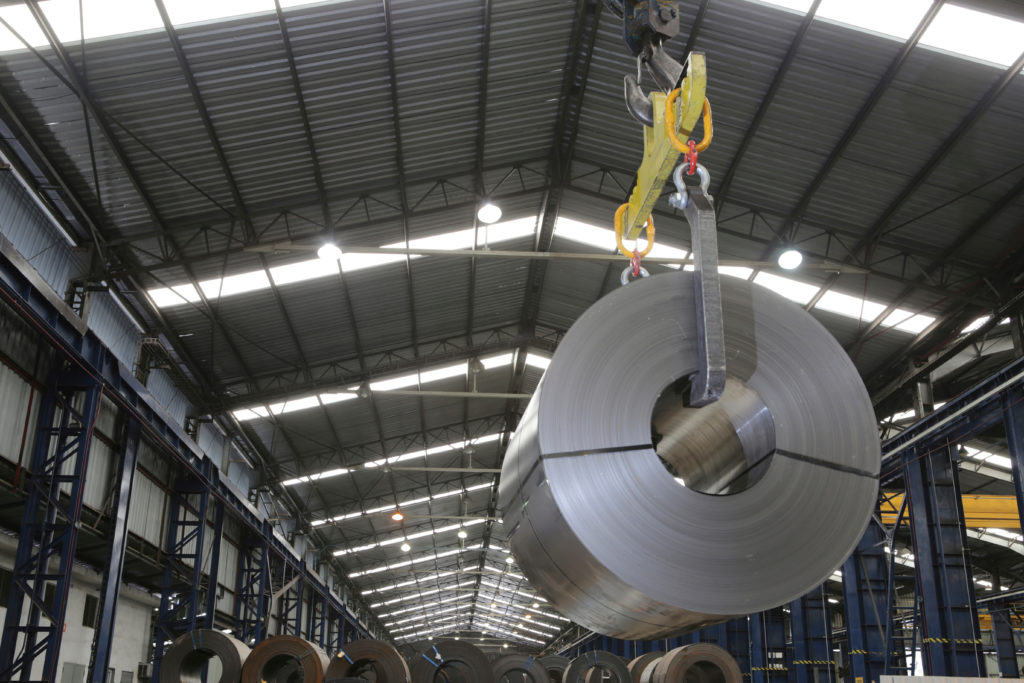
US President Donald Trump’s new tariffs on steel target a major industry that is found in everything from cars to buildings but was already facing a range of challenges.

The 25-percent tariffs, which also hit US imports of aluminium, came into effect at midnight in Washington, hitting numerous nations from Brazil to South Korea, as well as the European Union.

Washington has framed the tariff moves as a bid to protect US steel and American workers as the sector declines and faces fierce overseas competition, especially from Asia.


– Who exports steel to the US? –


Global steel production hit 1.84 billion tonnes in 2024, a 0.9 percent drop from the previous year, according to the latest figures from the World Steel Association trade body.

China is the biggest producer, accounting for more than half of world output with more than one billion tonnes.

The United States stands in fourth place with 79.5 billion tonnes, which was down 2.4 percent from 2023.

The world’s biggest economy imported 26.4 million tonnes of the alloy in 2023, making it the second-largest market for foreign steel behind the European Union.

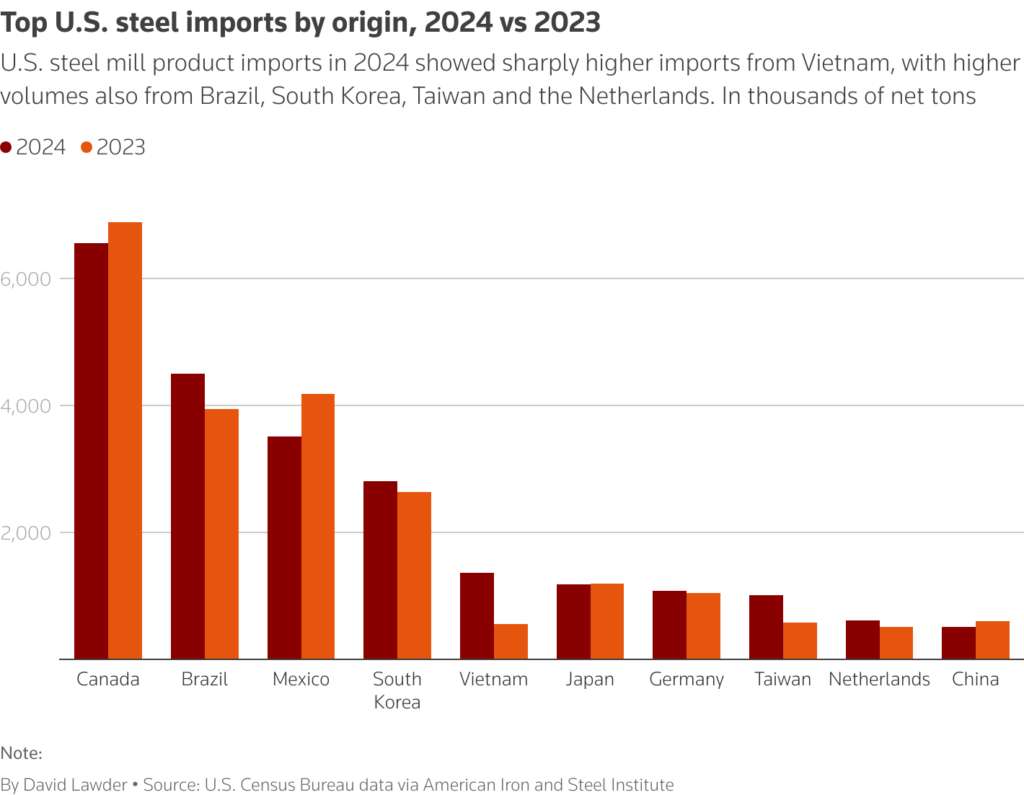
Canada tops the list of the United States’ biggest steel providers, exporting 5.95 million tonnes to its southern neighbour last year, according to the US Department of Commerce.

Brazil was next at 4.08 million tonnes followed by the European Union at 3.89 million tonnes, Mexico at 3.19 million and South Korea at 2.5 million.

While China’s total steel exports hit 111 million tonnes in 2024 — a nine-year high — only 470,000 tonnes were shipped to the United States.


– Why is Trump complaining? –


Global overproduction has caused steel prices to plummet in the past year.

Where the steel economy of the past half-century cycled through periods of shortage and plenty, today it faces a structural problem of too much steel being produced, experts say.

That surplus stands at around half a billion tonnes, according to the Organisation for Economic Co-operation and Development.

Many experts point to China being responsible for most of that overcapacity, and there are suspicions that Beijing has subsidised steelmakers.

This month, China said it would cut output by its massive steel industry to address overcapacity and halt plunging profits in the sector, without providing details.


– Is overcapacity to blame? –


Some analysts argue that overcapacity is not the main culprit.

Marcel Genet, a steel expert and head of the French consultancy Laplace Conseil, said the problems in the industry stem mainly from the lack of competitiveness of old blast furnaces.

Such furnaces produce steel from iron ore and coal, compared to steel made from recycled scrap in electric arc furnaces, which is much cheaper to produce.

Companies with “traditional blast furnaces don’t have the funds to finance their energy transition”, meaning they are unable to replace coal “without massive state aid”, Genet said.

Moreover, US and European steelmakers are under pressure as their exports have been dropping for the past half century as emerging countries develop their steel industries, he added.

Japan’s Nippon Steel sought to buy struggling rival US Steel, but the bid was blocked by former president Joe Biden and now Trump.

In Europe, around 50 blast furnaces remain, Genet said.

Most are operating at under 70 percent of capacity and have halted plans to invest massively in lower-emissions projects.


– What happened last time? –


Trump had already imposed tariffs of 25 percent on steel and 10 percent on aluminium during his first term in office in 2017-2021.

The last 12 blast furnaces in operation in the United States are owned by US Steel, which is based in Pittsburgh, Pennsylvania, and Cleveland Cliffs in the state of Ohio, both key states in US elections.

The move had a very limited impact, said Ruben Nizard, an economist at French insurer Credit Coface.

US imports of steel fell by 24 percent over the period and imports of aluminium by 31 percent, according to a report by the US International Trade Commission.

“No clear benefits have emerged, either in terms of employment or production, and prices have increased,” Ruben Nizard points out.

Trump metals tariffs draw swift retaliation from Canada and EU

Reuters | March 12, 2025 | 


Donald Trump (Photo by Michael Vadon, Wikimedia Commons)

Donald Trump threatened on Wednesday to escalate a global trade war with further tariffs on European Union goods, as major US trading partners said they would retaliate for trade barriers already erected by the US president.


Just hours after Trump’s 25% duties on all US steel and aluminum imports took effect, Trump said he would impose additional penalties if the EU follows through with its plan to enact counter tariffs on some US goods next month. “Whatever they charge us, we’re charging them,” Trump told reporters at the White House.

Trump’s hyper-focus on tariffs has rattled investor, consumer and business confidence and raised recession fears. He has also frayed relations with Canada, a close ally and major trading partner, by repeatedly threatening to annex the neighboring country.

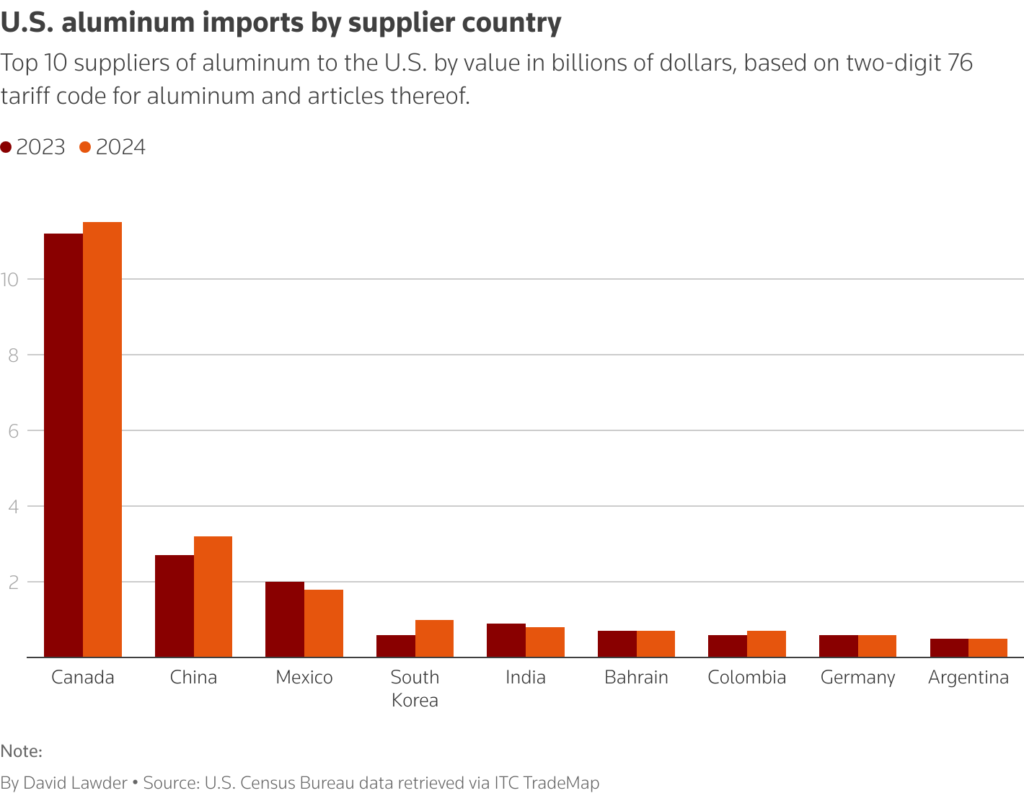
Canada, the biggest foreign supplier of steel and aluminum to the United States, announced 25% retaliatory tariffs on those metals along with computers, sports equipment and other products worth $20 billion in total. Canada has already imposed tariffs worth a similar amount on US goods in response to broader tariffs by Trump.


“We will not stand idly by while our iconic steel and aluminum industries are being unfairly targeted,” Canada’s Finance Minister Dominic LeBlanc said.

Canada’s central bank also cut interest rates to prepare the country’s economy for disruption.

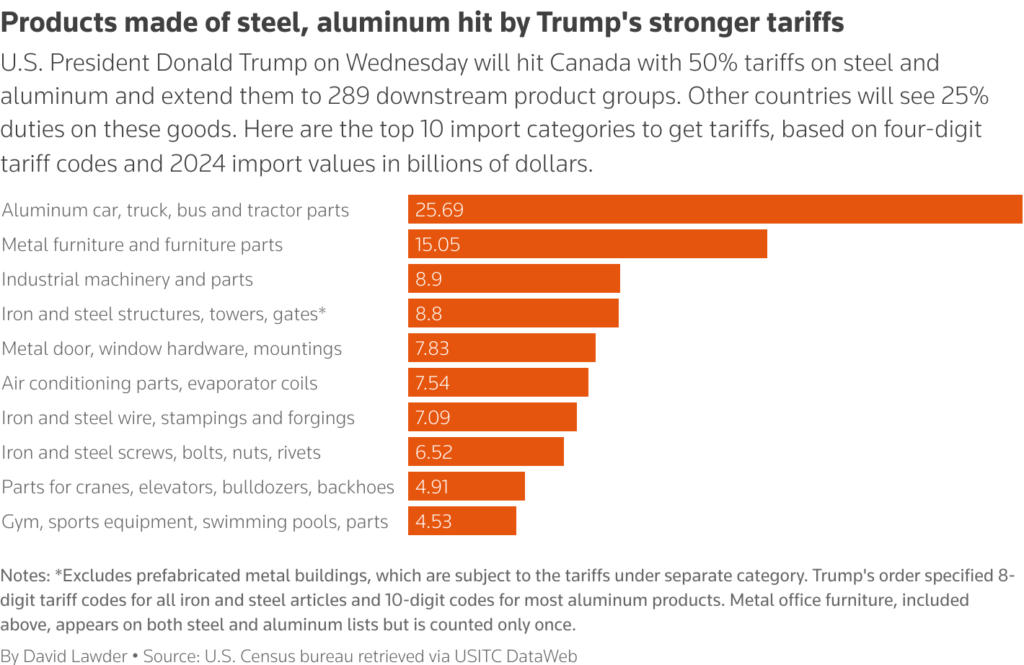
Trump’s action to bulk up protections for American steel and aluminum producers restores effective tariffs of 25% on all imports of the metals and extends the duties to hundreds of downstream products, from nuts and bolts to bulldozer blades and soda cans.

US Commerce Secretary Howard Lutnick said Trump would impose trade protections on copper as well.

A Reuters/Ipsos poll found 57% of Americans think Trump is being too erratic in his effort to shake up the US economy, and 70% expect that the tariffs will make regular purchases more expensive.

EU less exposed

The 27 countries of the European Union are less exposed, as only a “small fraction” of targeted products are exported to the United States, according to Germany’s Kiel Institute.

The EU’s counter-measures, due to take effect next month, would target up to $28 billion worth of US goods like dental floss, diamonds, bathrobes and bourbon – which likewise account for a small portion of the giant EU-US commercial relationship. Still, the liquor industry warned they would be “devastating” on its sector.

Nevertheless, Commission President Ursula von der Leyen said the bloc will resume talks with US officials.

“It is not in our common interest to burden our economies with such tariffs,” she said.

At the White House, Trump said he would “of course” respond with further tariffs if the EU followed through on its plan. With Irish Prime Minister Micheal Martin at his side, Trump criticized the EU member country for luring away US pharmaceutical companies.

China’s foreign ministry said Beijing would safeguard its interests, while Japan’s Chief Cabinet Secretary Yoshimasa Hayashi said the move could have a major impact on US-Japan economic ties.

Close US allies Britain and Australia criticized the blanket tariffs, but ruled out immediate tit-for-tat duties.

Brazil, the No. 2 provider of steel to the United States, said it would not immediately retaliate.
Stocks steady, companies spooked

With Wednesday’s tariff increase well flagged in advance, global stocks were barely changed on Wednesday.

But the back and forth on tariffs has left companies unnerved, and producers of luxury cars and chemicals painted a gloomy picture of consumer and industrial health. More than 900 of the 1,500 largest US companies have mentioned tariffs on earnings calls or at investor events this year, according to LSEG data.

“We are in a trade war and when a trade war begins, it tends to sustain itself and feed itself,” Airbus CEO Guillaume Faury said on French television.

Shares in German sportswear maker Puma lost almost a quarter of their value after earnings underscored concerns that trade concerns are curbing American spending.

US steel producers welcomed Wednesday’s move, noting Trump’s 2018 tariffs had been weakened by numerous exemptions. The cost of aluminum and steel in the United States hovered near recent peaks.

JP Morgan’s chief economist forecast a 40% chance of a US recession this year and lasting damage to the country’s standing as a reliable investment destination if Trump undermines trust in US governance.

A steep US stocks selloff in March has wiped out all of the gains notched by Wall Street following Trump’s election.
Frayed relations with Canada

The escalation of the US-Canada trade war occurred as Prime Minister Justin Trudeau prepares to hand over power to his successor Mark Carney, who won the leadership race of the ruling Liberals last weekend.

“I’m ready to sit down with President Trump at the appropriate time, under a position where there’s respect for Canadian sovereignty and we’re working for a common approach,” Carney said while touring a steel plant in Ontario.

Other Canadian officials are due to meet with US officials in Washington on Thursday.

The US national anthem has been booed at hockey games and some stores removed US products from their shelves, even before the duties took effect. Travelers are steering clear of the United States, with bookings down 20% from a year ago.

Canadian Energy Minister Jonathan Wilkinson told Reuters that Canada could impose non-tariff measures such as restricting oil exports to the US or levying export duties on minerals if US tariffs persist.


(Reporting by David Lawder, Philip Blenkinsop, Andrea Shalal, Mark John, David Ljunggren, Jarrett Renshaw, Arathy Somasekhar, Shubham Kalia, Gnaneshwar Rajan and Renju Jose; Writing by Andy Sullivan; Editing by Lincoln Feast, Christina Fincher and Toby Chopra)


Column: Bad news for American beer drinkers as aluminum tariffs kick in

Reuters | March 12, 2025 | 


Image source: Rusty Clark via Flickr, under Creative Commons license CC2.0.

First some good news for US aluminum buyers. President Donald Trump has backed off from his threat to hit imports of Canadian metal with a huge 50% tariff.


Now for the bad news. As of today they will be paying a 25% import tariff, not just for Canadian metal but for all aluminum products from all countries.

Market pricing has already shifted to reflect the Trump administration’s doubling-down on tariffs as a way of reviving domestic smelting capacity.

The CME Midwest premium , reflecting the cost of unwrought aluminum delivered to a US fabricator over and above the international London Metal Exchange basis price, is trading at record highs.

The high premium will flow down the aluminum product chain until it hits the last-stage user, whether it be Ford Motor, Lockheed Martin or one of the country’s many independent brewers.

That’s how tariffs have worked to date and things won’t change while the United States remains so dependent on imports.

CME Premium Contracts for US, Europe and Japan
Tariff hangover

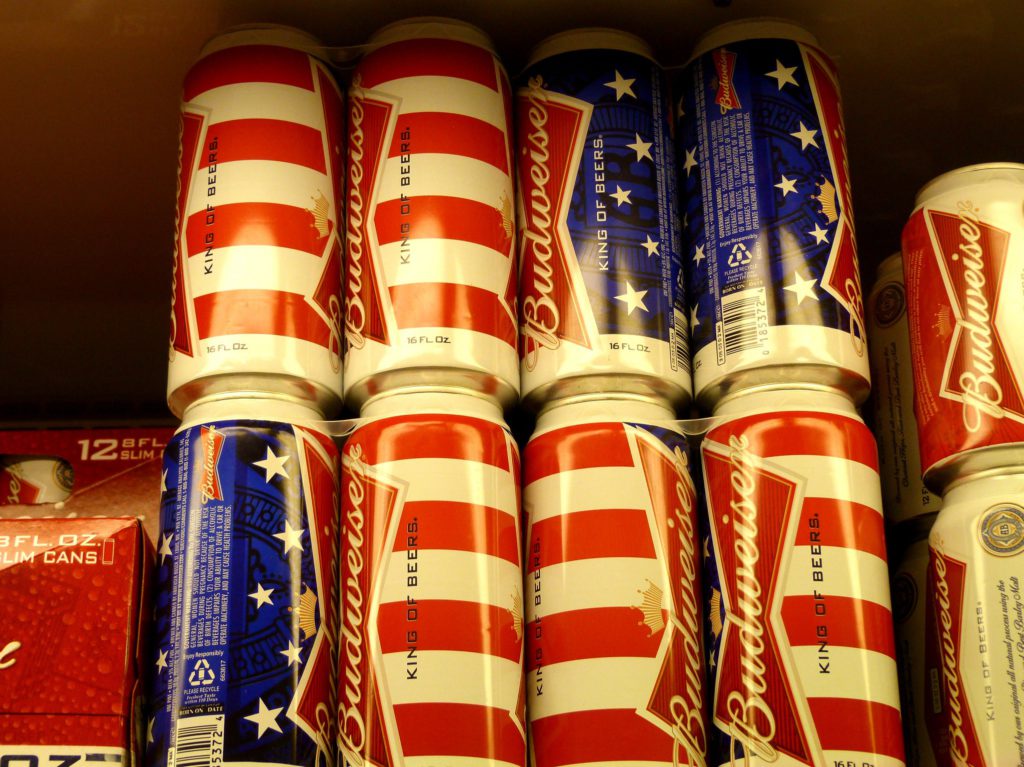
Trump’s original 2018 tariffs on aluminum were set at 10% and within a year the Beer Institute, which represents the nearly 8,000 brewers in the United States, estimated they had already cost the industry an extra $250 million.

A report by consultancy Harbor Aluminum found that $50 million had gone to the US Treasury, $27 million to domestic smelters and $173 million to the fabricators who convert metal to aluminum sheet for beer cans.

What really irked the Beer Institute was that the import tariff was being passed through even though US cansheet typically contains around 70% recycled metal sourced domestically.

But that’s how tariffs tend to work.

Just ask European aluminum buyers. The European Union also imposes import tariffs ranging from 3% on primary aluminum to 6% on some alloys.

Researchers from the LUISS University of Rome studied the impact on consumers and in a 2019 paper found that even though duty-exempt metal accounted for around half of all European Union imports, everyone ended up paying 6% anyway.

Producers are incentivized to “align their prices to the highest possible level – that is, the duty-paid price,” the researchers wrote.

The Beer Institute’s follow-on research in 2022, confirmed this harsh economic reality, finding that even with exemptions for key suppliers such as Canada, beer makers were still paying the full import tariff for their can metal. The cost at that stage had risen to $1.4 billion.


Import dependency

Harbor Aluminum’s finding that the main beneficiaries of tariffs to date have been first-stage processors reflects the imbalanced nature of the domestic US supply chain.

The country has a large base of semi-manufactured product makers but only four operating primary metal smelters to supply them.

The aluminum sector directly employs more than 164,000 workers but only 4,000 are engaged in upstream metal production, according to the US Aluminum Association.


Those four smelters produced 670,000 metric tons of metal in 2024, compared with US consumption of around 4.9 million tons.

Imports of primary metal totaled almost 4.0 million tons, of which 70% came from Canadian smelters.

It’s hard to see how that dynamic is going to change any time soon. Even if all the currently idled smelting capacity of around one million tons per year returned to production – a big “if” given the age and cost structure of the four mothballed plants – it would still leave a big import dependency gap.

Century Aluminum’s proposed new smelter is years away and the company hasn’t yet found a source of competitively priced power to feed the plant’s electrolysis process.

There is much more potential to lift domestic production from domestic scrap but as long as even one ton of extra imported metal is needed to meet domestic consumption, you can be sure that the tariffs will continue to determine the end price for American buyers.


Trading uncertainty

Moreover, as the markets learned on Tuesday, Trump is quite capable of raising tariffs on a presidential whim.

The changeable tariff rhetoric is causing volatility in the CME US premium, which briefly jumped to almost $1,000 per ton over the LME price on the threat of 50% tariffs on Canadian metal before retreating on news of the truce with Ontario Premier Doug Ford.


But it may also be about to generate a major realignment of global trading patterns.

Previous spikes in the US aluminum premium have pulled European premiums higher. This is logical given that Europe, which is also dependent on primary metal imports, must compete for spare units in the global market-place.

Not this time, though. Even as the US premium has surged to all-time highs, European premiums have been falling.

This is counter-intuitive, particularly since European consumers are set to lose Russian supply over the next year as part of the bloc’s latest sanctions package. If anything, the European premium should be even more sensitive to what is happening in the North American market.

The divergence suggests that some suppliers to the United States are already looking to avoid Trump’s tariff tantrums by re-directing sales to Europe.

If so, it will be good news for European beer drinkers, who may raise an aluminum can to their less fortunate American counterparts.

(The opinions expressed here are those of the author, Andy Home, a columnist for Reuters.)

(Editing by Jason Neely)


Aluminum premiums for US buyers hit record after Trump doubles tariffs


Reuters | March 11, 2025 | 


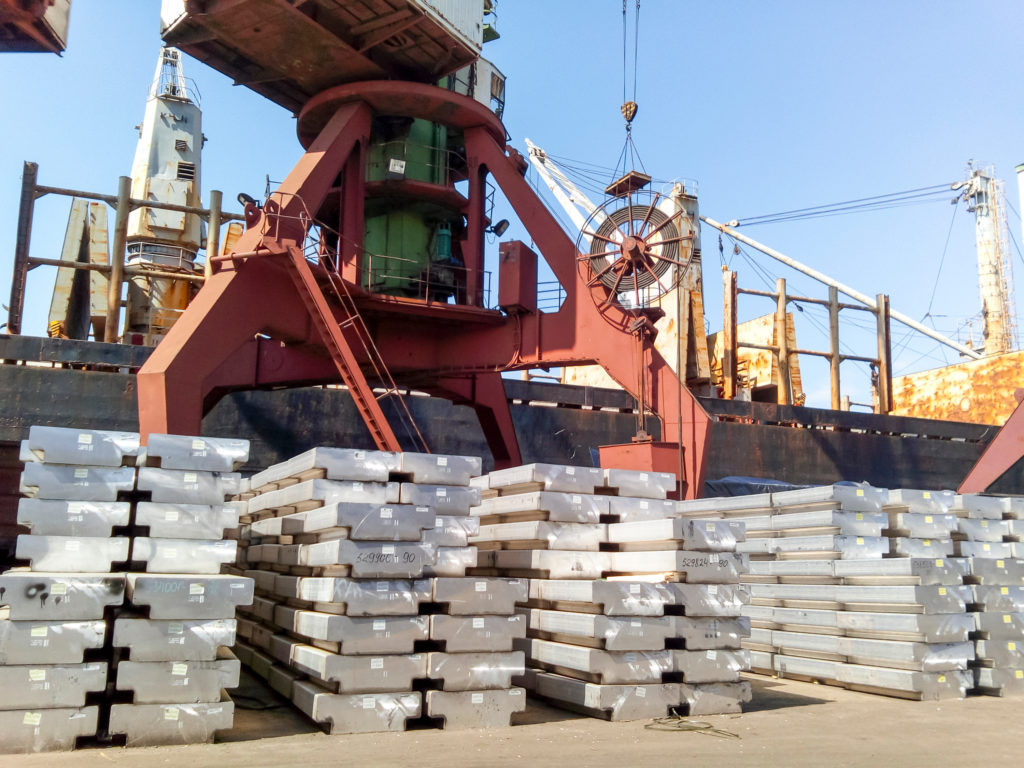
Aluminum ingots. Stock image.


Premiums for consumers buying aluminum on the physical market in the United States soared to record highs on Tuesday after President Donald Trump said he would double tariffs on Canadian metal to 50%.


The doubling of levies, in response to the Canadian province of Ontario placing a 25% tariff on electricity coming into the US, take effect from Wednesday.

Consumers buying aluminum on the physical market typically pay the London Metal Exchange (LME) benchmark aluminum price plus a premium that covers taxes, transport and handling costs.

Traders predict premiums will continue to rise as producers pass on as much of the extra costs of tariffs as they can.

Canadian smelters account for most primary and alloyed aluminum shipped to the United States. Aluminum is vital for the transport, packaging and construction industries.

About 70%, or 3.92 million metric tons of the primary and alloyed aluminum exported to the United States last year, came from Canada, according to information provider Trade Data Monitor (TDM).

The 25% tariff originally planned would have meant the premium would have had to rise to 47 cents a lb or more than $1,000 a ton to cover the extra costs for sellers, analysts have calculated.

The US Midwest duty-paid aluminum premium jumped to 45 US cents per lb, or more than $990 a metric ton, on Tuesday, a jump of nearly 20% from Monday. It has climbed more than 70% since the start of 2025.

During his previous presidency, Trump in 2018 sought to use tariffs on aluminum to encourage investment in capacity.

Given that aluminum smelters take longer to build than political election cycles, analysts were sceptical investors would be confident to spend the large capital sums needed.

“US primary aluminum production has experienced a sequential decline over the past two decades due to often thin or negative margins, and the implementation of tariffs in 2018 has not sustainably helped local supply to recover,” Macquarie analysts said in a note last month.

While premiums for US buyers have risen, industry sources have said they are likely to continue falling elsewhere as aluminum produced in countries where import levies apply are diverted.

In Europe, the duty-paid physical market premium has dropped to $240 a metric ton, the lowest since January last year. It has fallen more than 35% since the start of 2025.

(By Pratima Desai; Editing by Eric Onstad, David Goodman and Barbara Lewis)


Gold price rises as traders digest US inflation, Trump’s metal tariff

Bloomberg News | March 12, 2025 | 

Stock image.


Gold climbed as investors assessed the outlook for the US economy and the Federal Reserve interest-rate path following the latest inflation print and the start of President Donald Trump’s metal tariffs.


US consumer prices rose at the slowest pace in four months in February, welcome news for American households who remain apprehensive about the potential for tariffs to drive costs higher.

Trump’s 25% tariffs on steel and aluminum imports came into force Wednesday, triggering concern across export-reliant Asia and immediate reprisals from the European Union and Canada.

“I read the lower-than-expected CPI data as being favorable for commodities, and the precious sector in particular. The market will interpret this as allowing the Fed to ease sooner rather than later,” said Bart Melek, global head of commodities strategy at TD Securities.

“As tariffs hit, however, price pressures may well reemerge.” he added. Lower rates typically benefit bullion as it pays no interest.

Bullion has risen 11% this year, helped in part by haven demand emanating from uncertainty surrounding Trump’s tariff measures.

Spot gold was up 0.4% at $2,927.27 an ounce at 11:43 a.m. in New York. The Bloomberg Dollar Spot Index was up 0.1%. Silver, platinum and palladium rose.

(By Yvonne Yue Li)


Trump rules out Australian steel, aluminum tariff exemptions


Bloomberg News | March 11, 2025 | 


(Stock image)


Australia has failed to secure an exemption from US steel and aluminum tariffs despite an extensive lobbying campaign by Prime Minister Anthony Albanese’s government, in a blow to ties between the longtime allies.


White House spokesman Kush Desai confirmed in a statement that the planned levies would come into effect from midnight on Wednesday, with no exemptions for any US trading partners.

Albanese told reporters after the announcement that the Trump administration’s actions were “entirely unjustified” and an act of “economic self-harm” on the part of the US. But, he added, Australia would not take any reciprocal measures.

“This is against the spirit of our two nations’ enduring friendship and fundamentally at odds with the benefits that our economic partnership has delivered over more than 70 years,” Albanese said Wednesday in Sydney. Australia will continue to advocate for an exemption, he added.

President Donald Trump had told the Australian prime minister during talks by telephone last month that he would consider an exemption. Albanese, who must hold an election by May 17, had been under intense pressure from local lawmakers and executives to secure a carve out for Australia’s exports.

Albanese said after the announcement that he would be working with the steel and aluminum industries to diversify their exports, encouraging citizens to buy domestically produced products.

“Friends need to act in a way that reinforces to our respective populations the fact that we are friends. This is not a friendly act,” Albanese said Wednesday.

During Trump’s first term, Canberra undertook months of painstaking negotiations with Washington to secure an exemption. However, then-Prime Minister Malcolm Turnbull told Bloomberg this week that he believed it would be “a lot harder” for Australia to get a similar deal this time.

White House spokeswoman Karoline Leavitt had told reporters earlier that Trump had decided against giving an exemption, according to Australian media reports.

“He considered it, and considered against it,” she told the Australian Broadcasting Corp., referring to Trump.

(By Ben Westcott)

Ukraine Could Import Large Volumes of U.S. LNG

Ukraine could import significant quantities of U.S. LNG via terminals in EU countries as it seeks to boost supply with domestic infrastructure damaged by Russian attacks, the head of the gas system operator told Reuters in an interview published on Wednesday.

Ukraine could import at least 4 billion cubic meters of gas between April and October this year, Dmytro Lyppa, chief executive at the Gas Transmission System Operator of Ukraine (GTSOU), told Reuters.

DTEK, Ukraine’s biggest private energy company, signed in June a Heads of Agreement (HOA) with U.S. firm Venture Global for the supply of U.S. LNG to Ukraine and Eastern Europe.

Ukraine could import American LNG via the terminals in Germany, Greece, Lithuania, and Poland, according to the gas system operator.

“If we take the political aspect, it is better for us to bring as much (U.S. LNG) as possible to Poland and gradually bring it to us,” Lyppa told Reuters.

Ukraine can import natural gas via pipelines from Poland, Slovakia, and Hungary.

Ukraine will be looking to import as much U.S. LNG as possible via the European terminals, the executive said.

Due to the geopolitical situation, Ukraine could prefer U.S. LNG to supply from competitors, Qatar for example, if the different in prices is not significant, Lyppa told Reuters.

The U.S. has been seeking to broker a ceasefire deal between Ukraine and Russia in recent days. Ukraine on Tuesday “expressed readiness to accept the U.S. proposal to enact an immediate, interim 30-day ceasefire,” says a joint statement of Ukrainian and American delegations following their meeting in Jeddah, Saudi Arabia.

However, the proposed ceasefire is contingent on Russia also agreeing to it.

Russia has been targeting – and hitting – energy infrastructure in Ukraine since the beginning of the invasion in February 2022. Air strikes become more aggressive and frequent during the winter when Ukraine needs more gas and all other sources of energy to keep heating and lights on.

By Charles Kennedy for Oilprice.com


U.S. Resumes Military Aid to Ukraine


By RFE/RL staff - Mar 12, 2025


US military aid to Ukraine has resumed flowing across the border from Poland after an agreement was reached in Saudi Arabia between US and Ukrainian officials.

The resumption of aid follows a brief freeze and a public clash between the US and Ukrainian presidents, causing concern among Ukrainian frontline soldiers.

A 30-day cease-fire proposal has been adopted by the US and Ukraine and presented to Moscow, with both countries expressing readiness to work on a truce road map.


US military aid to Ukraine has now started moving across the border from Poland, following an agreement between US and Ukrainian officials in Saudi Arabia, according to Polish Foreign Minister Radoslaw Sikorski.

Sikorski was speaking to reporters alongside his Ukrainian counterpart, Andriy Sybiha, in Warsaw, as the latter returned from the talks in Jeddah on March 12.

"I can confirm that arms deliveries via Jasionka have returned to previous levels," Sikorski said, referring to a logistics hub southeastern Poland.

Washington had announced it was freezing supplies last week after a public clash in the White House between US President Donald Trump and his Ukrainian counterpart, Volodymyr Zelenskyy.

The move caused deep concern in Ukraine, which Current Time documented in interviews with frontline troops.

"Give us more weapons, and we'll guarantee our security," said one soldier, identified by the call sign Sokol, serving in an artillery unit in eastern Ukraine's Donetsk region.

"I think things will clear up soon, and we'll keep receiving weapons and other aid."

Sokol was right, with aid having now resumed following the nine-hour meeting that resulted with Ukraine and the United States adopting a proposal for a 30-day cease-fire.

Washington has now presented this to Moscow, with US Secretary of State Marco Rubio declaring, "We're going to tell them this is what's on the table."

The United States is Ukraine's single biggest arms donor, and Sokol's comments underlined how important the resumption of weapons supplies is to Ukraine's war effort.

"We use a lot of weapons produced in the United States and Europe," he said.

Another soldier in the unit, identified as Odin, said: "We're doing everything we can to keep [Russian forces] out of the Dnipropetrovsk region. We are inflicting huge losses to minimize their movements on our land."

Speaking in Warsaw, Sybiha reiterated his country's commitment to the 30-day truce.

"We are ready to create the appropriate team on our side that will work on this road map on how to get this truce, if it happens," he said.

Russian officials did not immediately respond to the Jeddah proposals.


Speaking on March 12, Kremlin spokesman Dmitry Peskov said, "We have planned contacts with the Americans in the coming days, during which we count on (getting)complete information."

By RFE/RL