Monday, September 29, 2025


The relaxed birder


A framework for a more flexible approach to data collection


Kyoto University

The relaxed birder 

image: 

Scenery during a relaxed point‑count bird survey conducted while commuting from the author’s home to his workplace, Hiroshima University, in Higashihiroshima City. Such surveys are unintended, occasional, and opportunistic—carried out whenever and wherever the opportunity arises. 

view more 

Credit: (Masumi Hisano)


Kyoto, Japan -- Citizen science has allowed regular citizens to participate in data collection as well as expanded biodiversity monitoring. Yet many datasets are still limited to the coverage of certain regions and habitats in particular seasons. In bird research, for example, traditional point‑count surveys often have strict rules regarding the location, timing, and spacing between observation points, making it challenging for citizen volunteers to participate casually.

This inspired Masumi Hisano, formerly of Kyoto University and now at Hiroshima University, to try a more flexible approach by conducting counts whenever and wherever possible, as part of his daily routines. As someone who hates waking up early, Hisano tried to bend the traditional time rules to suit his desired schedule.

"I thought it was a wasted opportunity to not record birds I encounter in daily life, like in the supermarket parking lot or at the train station," says Hisano.

"After applying this approach for two years, I began to wonder whether it could be academically validated, or at least shared with the wider research community to invite further discussion," he continues.

Hisano developed a flexible, scalable framework for collecting robust, geographically extensive datasets while relaxing time, distance, and spatial constraints, so that surveying can happen anytime and anywhere. The framework accounts for potential biases from spatial and temporal autocorrelation, differences in observer skill, and varying environmental conditions by incorporating random effects and relevant covariates into the analysis, highlighting the need for statistical adjustments.

With this approach, counts can take place in many settings, including cities, along travel routes, or during daily routines, at different times of day and in different seasons, even outside a species' breeding period. The distance between points can vary, and the same location can be surveyed on multiple days.

"With this relaxed approach, I can survey birds truly anywhere, anytime, without being restricted by rigid research rules: it’s fun, relaxed, and something I can enjoy as a hobby," says Hisano.

By conducing point counts whenever and wherever he travels, regardless of whether the trip is personal or academic, Hisano has already collected data at more than 1,300 survey points across Japan. Not only is it enjoyable, but it also allows him to easily increase sample size, which is often challenging in field ecology.

"I want to encourage ecologists and citizen scientists to expand the spatial and temporal coverage of bird monitoring data," says Hisano. "It is a pity that so many birders around the world are missing out on opportunities to record birds in ways that could help build species assemblage datasets linked to landscape characteristics."

Next, Hisano plans to analyze the data he has collected in terms of landscape and community ecology, and to empirically test how far the relaxed approach deviates from data collected under standard protocols while statistically accounting for the "noise" that may have resulted from relaxing the traditional survey rules.

###

The paper "Facilitating large-scale bird biodiversity data collection in citizen science: 'relaxed' point counts for anytime, anywhere monitoring" appeared on 25 September 2025 in Ecology and Evolution, with doi: 10.1002/ece3.72176

About Kyoto University

Kyoto University is one of Japan and Asia's premier research institutions, founded in 1897 and responsible for producing numerous Nobel laureates and winners of other prestigious international prizes. A broad curriculum across the arts and sciences at undergraduate and graduate levels complements several research centers, facilities, and offices around Japan and the world. For more information, please see: http://www.kyoto-u.ac.jp/en

New review warns of growing heavy metal threats in reservoirs, calls for smarter monitoring and greener cleanup solutions


Biochar Editorial Office, Shenyang Agricultural University
Heavy metals in reservoirs: pollution characteristics, remediation technologies, and future prospects 

image: 

Heavy metals in reservoirs: pollution characteristics, remediation technologies, and future prospects

view more 

Credit: Song Cui, Chao Ma, Fuxiang Zhang, Zhaoyang Jia, Fengyang Pan, Dingwen Zhang, Hongliang Jia, Jingwei Wang, Zulin Zhang & Rupert Hough


Reservoirs are lifelines for drinking water, food production, and economic growth. But a new study warns that these crucial ecosystems are increasingly under threat from toxic heavy metals—and that urgent, innovative action is needed to safeguard both human health and the environment.

Researchers from Northeast Agricultural University, together with international collaborators, have published the most comprehensive review to date of heavy metal pollution in reservoirs, outlining its sources, risks, and promising solutions. The findings, published in Agricultural Ecology and Environment, reveal that heavy metals such as mercury, cadmium, and arsenic are accumulating at dangerous levels in reservoir waters and sediments, where they can persist for decades and move through food chains.

“Reservoirs are not only water storage systems, but also living ecosystems. Once heavy metals enter, they don’t just stay in the water—they accumulate in sediments and organisms, creating long-term risks for both ecosystems and people,” said lead author Dr. Song Cui.

The review identifies three main pathways of contamination: direct industrial and mining discharges, diffuse runoff from agriculture and other land uses, and internal release from sediments under changing environmental conditions. Once inside reservoirs, metals interact with complex physical and chemical processes, making them difficult to predict or remove. Fish from many reservoirs already exceed World Health Organization safety standards, posing dietary exposure risks for nearby communities.

To tackle this global challenge, the authors highlight recent progress in monitoring and remediation. Intelligent technologies, such as Internet of Things (IoT) sensor networks, artificial intelligence, and machine learning, are transforming heavy metal detection, enabling real-time monitoring and early warnings of pollution events.

On the remediation side, greener and more sustainable methods are emerging, including the use of nanotechnology, agricultural waste-based adsorbents, aquatic plants, and biochar. These eco-friendly approaches could replace traditional chemical methods, which are often costly and generate secondary pollution. However, the authors stress that scaling these technologies to real-world reservoirs remains a major challenge.

“Developing multifunctional, low-cost, and environmentally friendly solutions is essential if we want to prevent reservoirs from becoming long-term pollution traps,” said co-author Prof. Rupert Hough of the James Hutton Institute in Scotland.

The review also calls for greater international cooperation and the establishment of global risk management frameworks. With over 58,000 large dams worldwide, and many located in regions already facing water scarcity, the stakes are high. Climate change and growing industrial demand will likely worsen contamination risks unless proactive measures are taken.

“Our study shows that we need integrated strategies that combine advanced monitoring, innovative remediation, and coordinated governance,” added Dr. Cui. “Reservoirs are too important to fail—protecting them means protecting our future water security.”

The study offers a roadmap for policymakers, engineers, and environmental scientists to advance heavy metal pollution control and ensure the sustainability of reservoir ecosystems.


=== 

Journal Reference: Cui S, Ma C, Zhang F, Jia Z, Pan F, et al. 2025. Heavy metals in reservoirs: pollution characteristics, remediation technologies, and future prospects. Agricultural Ecology and Environment 1: e003 https://www.maxapress.com/article/doi/10.48130/aee-0025-0003 


=== 

About Agricultural Ecology and Environment

Agricultural Ecology and Environment is a multidisciplinary platform for communicating advances in fundamental and applied research on the agroecological environment, focusing on the interactions between agroecosystems and the environment. It is dedicated to advancing the understanding of the complex interactions between agricultural practices and ecological systems. The journal aims to provide a comprehensive and cutting-edge forum for researchers, practitioners, policymakers, and stakeholders from diverse fields such as agronomy, ecology, environmental science, soil science, and sustainable development. 

Follow us on FacebookX, and Bluesky

Europe’s climate progress overshadowed by worsening loss of nature

Europe has made big strides in cutting pollution that drives climate change – but its natural world is in deep trouble, the EU’s environment watchdog has warned.


Issued on: 29/09/2025 - RFI

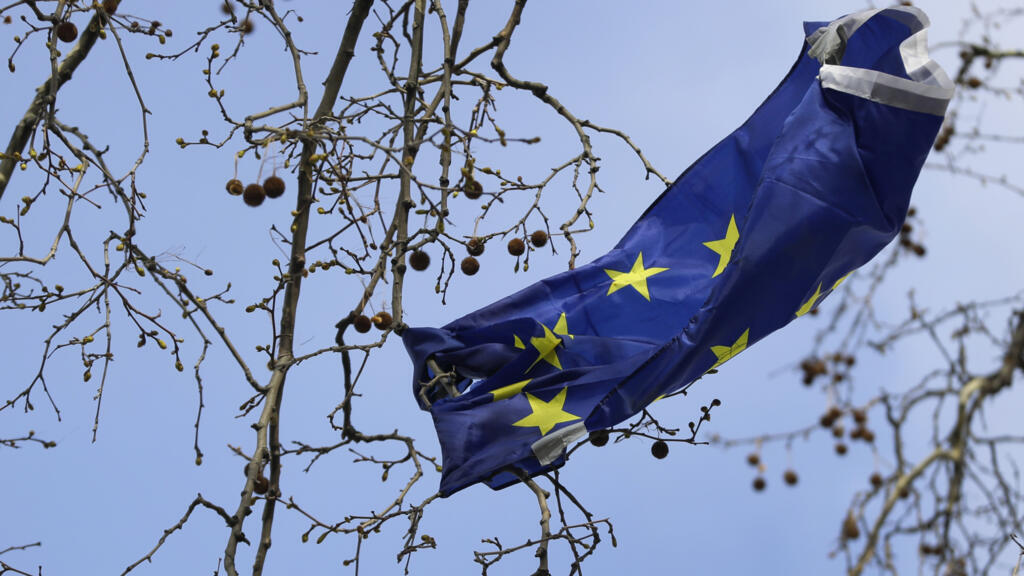
EU is being urged to speed up its green transition as warming and biodiversity loss intensify. AP - Kirsty Wigglesworth

By: Amanda Morrow

The warning comes in the European Environment Agency’s Europe’s Environment 2025 report, a flagship assessment published only once every five years.

Drawing on data from 38 countries, it offers the clearest picture yet of how climate change and damage to nature are threatening Europe’s future well-being and prosperity.

“Significant progress has been made in reducing greenhouse gas emissions and air pollution, but the overall state of Europe’s environment is not good,” the report said.

Nature under strain


The EEA says Europe has cut greenhouse gas emissions by 37 percent since 1990 and more than doubled the share of renewable energy since 2005. Cleaner air has saved lives – deaths linked to fine pollution particles have fallen by nearly half since 2005.

But nature is still being degraded. More than four out of five protected habitats are in poor condition. Much of the soil is exhausted, and only about a third of rivers and lakes are healthy.

One in three Europeans lives in areas where water is under serious stress.


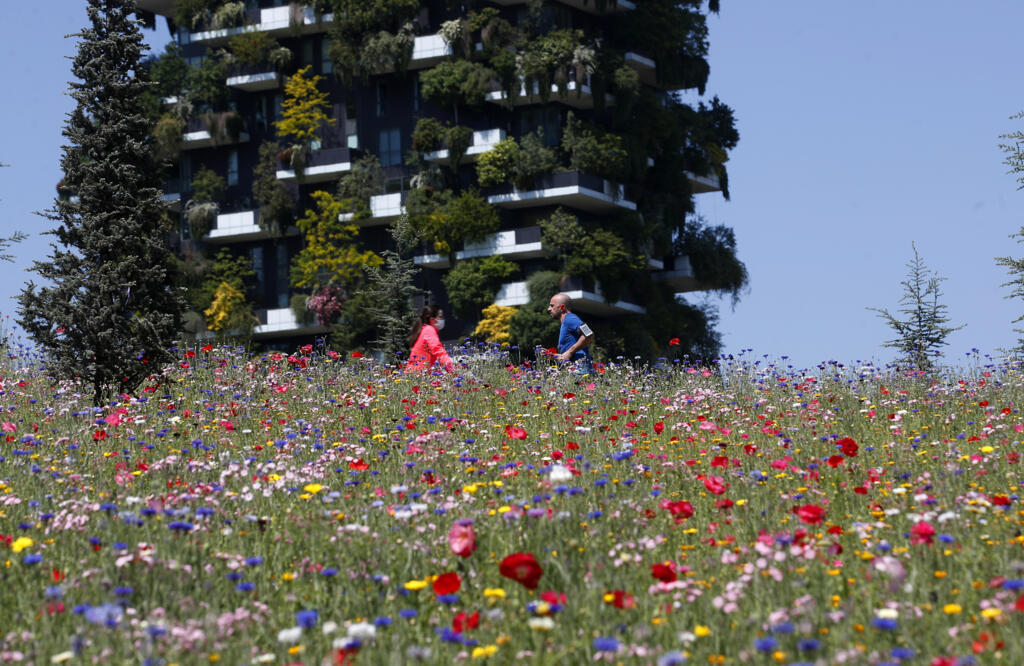
A man jogs in a flowered park near the Vertical Forest building in Milan, Italy, on 4 May 2020. AP - Antonio Calanni

Europe is also warming faster than any other continent, making heatwaves, droughts, wildfires and floods more frequent and more destructive.

In 2022 extreme heat was linked to more than 70,000 deaths. Floods in Slovenia in 2023 caused damage equal to 16 percent of that country’s economy.

Air pollution continues to cause about 239,000 premature deaths a year across the EU, and traffic noise contributes to another 66,000 deaths.

“This report is a stark reminder that Europe must stay the course and even accelerate our climate and environmental ambitions,” said Teresa Ribera, the EU executive vice-president for clean transition.

She warned that recent extreme weather had shown how fragile Europe’s prosperity and security become when nature is damaged and the climate crisis intensifies.

“Protecting nature is not a cost. It is an investment in competitiveness, resilience and the well-being of our citizens.”

Others in Brussels echoed similar concerns.

EU climate commissioner Wopke Hoekstra said the wildfires and floods of recent years showed that “the costs of inaction are enormous, and climate change poses a direct threat to our competitiveness”.

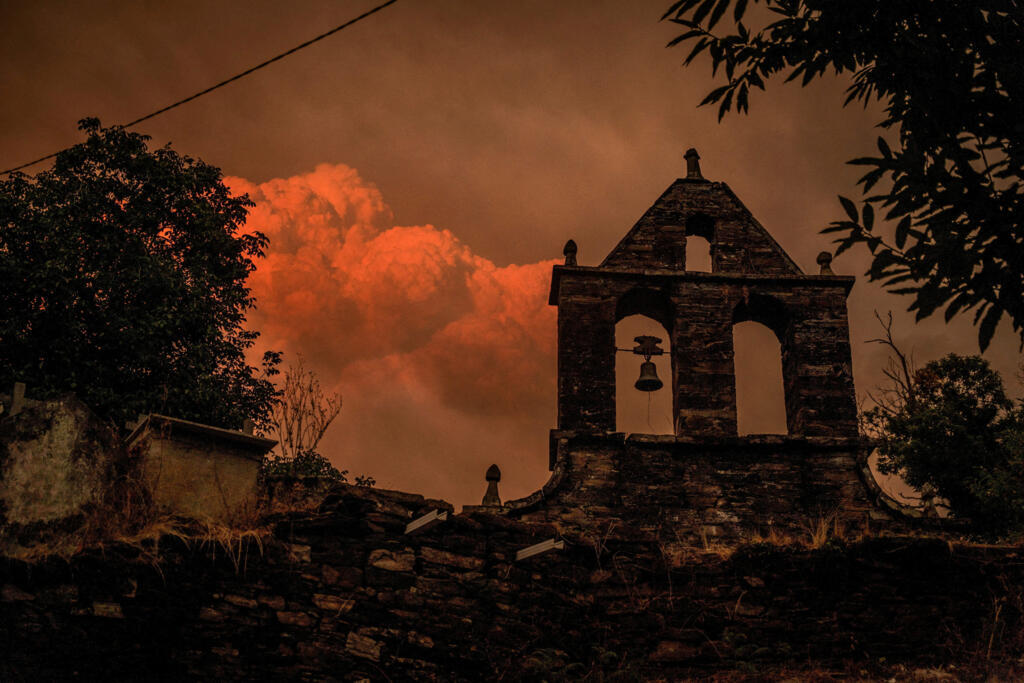
A pyrocumulus cloud forms as smoke rises from a wildfire as seen from a cemetery in the village of Vilarmel, Lugo area, Galicia region, Spain, on 16 August 2025. REUTERS - Mikel Konate

Meanwhile environment commissioner Jessika Roswall said Europe’s economy ultimately depends on healthy ecosystems.

“Healthy nature is the basis for a healthy society, a competitive economy and a resilient world, which is why the EU is committed to stay the course on our environmental commitments,” she said.

France’s green challenge

The country profiles underscores the mixed picture in individual member states.

France has cut its greenhouse gas emissions by 35 percent since 1990, including an 8 percent drop between 2022 and 2023. It now protects nearly a third of its land, and water quality has improved.

But France still relies heavily on fossil fuels. Renewables supplied just 22 percent of its energy use in 2023 – well short of the 33 percent target for 2030. Only about one in 10 French farms is organic, far below the goal of nearly one in five by 2027.

Recycling and reuse of materials also lag behind.

A national water plan launched in 2023 set 53 steps to safeguard supplies as droughts become more common. The EEA says Europe as a whole could save up to 40 percent of its water in farming, energy and daily use with better management and modern technology.

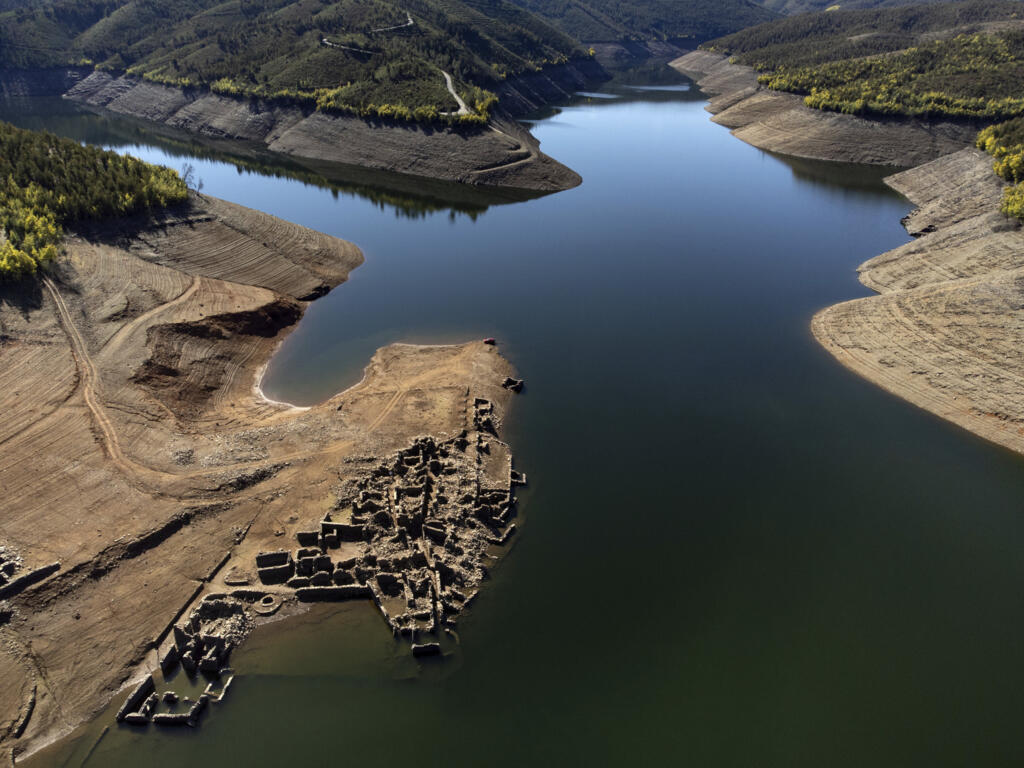
The ruins of the old village of Vilar, normally submerged by a hydropower dam, emerged during severe drought in central Portugal in February 2022. AP - Sergio Azenha

Economy at risk

The report warns that the loss of healthy ecosystems threatens Europe’s economy.

Nearly three-quarters of businesses in the eurozone depend on natural systems such as pollination and clean water. Most bank loans go to companies that rely on these resources.

“Human survival depends on high-quality nature, particularly when it comes to adaptation to climate change,” said Catherine Ganzleben, head of the EEA’s Sustainable and Fair Transitions unit.

“Sustainability is not a choice, it is a question of when we do it. Do we do it in the short term and start now, or do we park it, in which case it is going to be harder and the costs of inaction will be higher?”

Environmental groups have urged the EU not to weaken its laws.

“Delaying the EU Deforestation Regulation or weakening our nature and water laws would be historic and irreversible mistakes,” said Ester Asin, head of WWF’s European policy office.

Her call for strong rules was echoed by the European Environment Agency itself.

“We cannot afford to lower our climate, environment and sustainability ambitions. What we do today will shape our future,” said EEA director Leena Ylä-Mononen.

The agency says reaching climate-neutrality by 2050 will require faster cuts in emissions from transport and farming, much greater recycling and the large-scale repair of damaged natural areas.
Eggs, zoos and tech at the heart of France's food waste revolution

International Day of Awareness of Food Waste,

DOWN TO EARTH © FRANCE 24
10:48


Issued on: 29/09/2025 - 
From the show


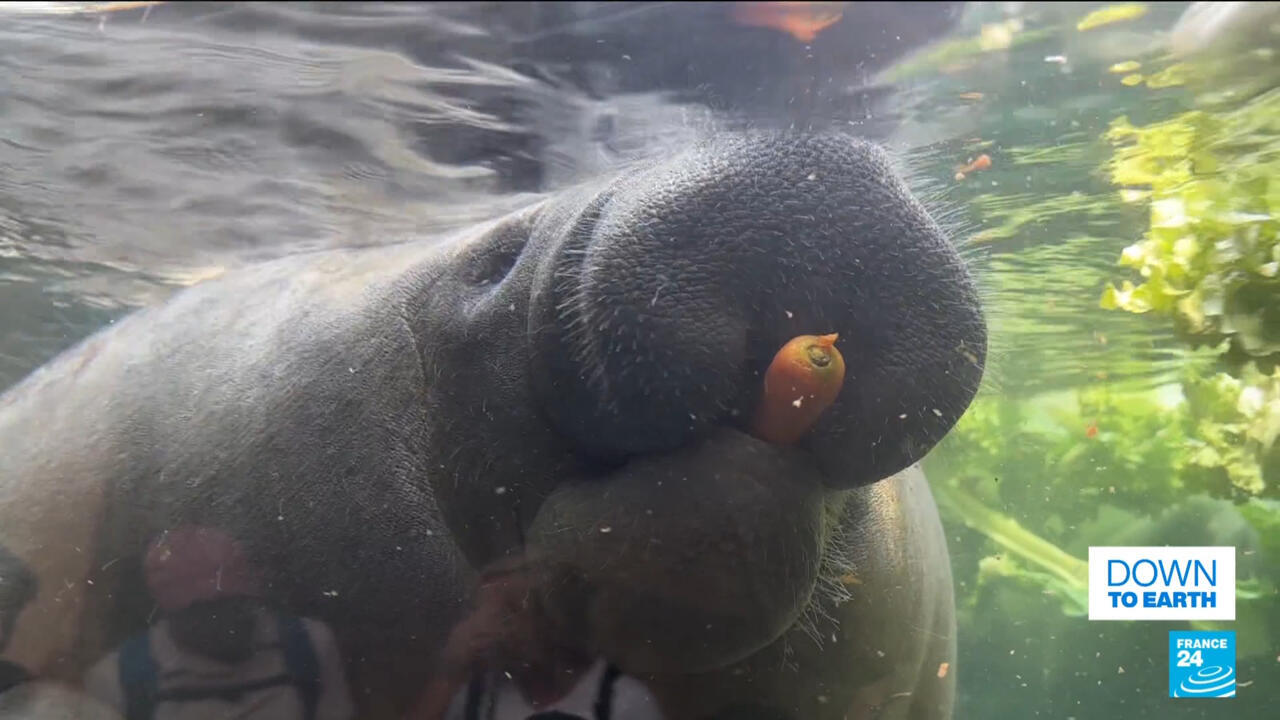
Every year, the world throws away 1 billion tonnes of food and households are responsible for 60 percent of it. As we mark the International Day of Awareness of Food Waste, FRANCE 24 is looking at solutions to curb the problem. Ordinary citizens, businesses and even zoos have found surprising ways to save food. We take a closer look in this edition of Down to Earth.


Singapore denies entry to exiled Hong Kong activist Nathan Law


Hong Kong activist Nathan Law said Singapore barred his entry over the weekend despite a valid visa. Law, who fled Hong Kong after Beijing’s controversial National Security Law, suspects political motives behind the decision.


Issued on: 29/09/2025 - 
By: FRANCE 24

This file photo shows Hong Kong activist Nathan Law outside the Chinese Embassy in London, on June 4, 2023. © Kin Cheun, AP

An overseas Hong Kong activist said he was denied entry to Singapore over the weekend for what he presumes were political reasons.

Nathan Law said he was detained at the Singapore airport on Saturday night and told four hours later that his entry had been denied. He was going to attend a closed-door, invitation-only event, he said in a statement, without elaborating.

Law, who is based in London, is one of a number of activists who have fled Hong Kong in recent years after the adoption of a National Security Law that has thrown others in prison.

He said he had received a visa from Singapore to attend the event and departed on a flight from San Francisco. No reason was given for the denial, he said, and he boarded a plane back to San Francisco on Sunday after about 14 hours in Singapore.

“I think the decision to deny my entry was political, although I am unsure whether external forces, such as the PRC, are involved, directly or indirectly,” his statement said, referring to China by the acronym for its official name, the People's Republic of China.

Watch more Nathan Law on the future for pro-democracy activists in Hong Kong

Law declined further comment. The Singapore Home Affairs Ministry did not immediately reply to a request for comment.

Hong Kong is a Chinese territory but has its own laws and regulations. The central government in Beijing cracked down after massive anti-government protests in 2019, imposing a National Security Law on Hong Kong the following year.

Read more Anger as China passes controversial Hong Kong security law

Law rose to prominence as a student leader of the pro-democracy Umbrella Revolution in 2014 along with Joshua Wong, who is imprisoned in Hong Kong.

In 2023, Hong Kong police offered rewards of 1 million Hong Kong dollars ($127,600) for information leading to the arrest of Law and other self-exiled activists for National Security Law violations.

Law was elected to the legislature in 2016 but disqualified after he raised his tone while swearing allegiance to China during the oath of office, making it sound like a question.

(FRANCE 24 with AP)
Ukrainian journalist who was jailed by Russia wins Vaclav Havel rights prize

Maksym Butkevych, a Ukrainian journalist and human rights activist, has been awarded the 2025 Vaclav Havel human rights prize after being held prisoner by Russian forces for over a year. Butkevyc was released during a prisoner exchange in October 2024.


Issued on: 29/09/2025 - 
By: FRANCE 24


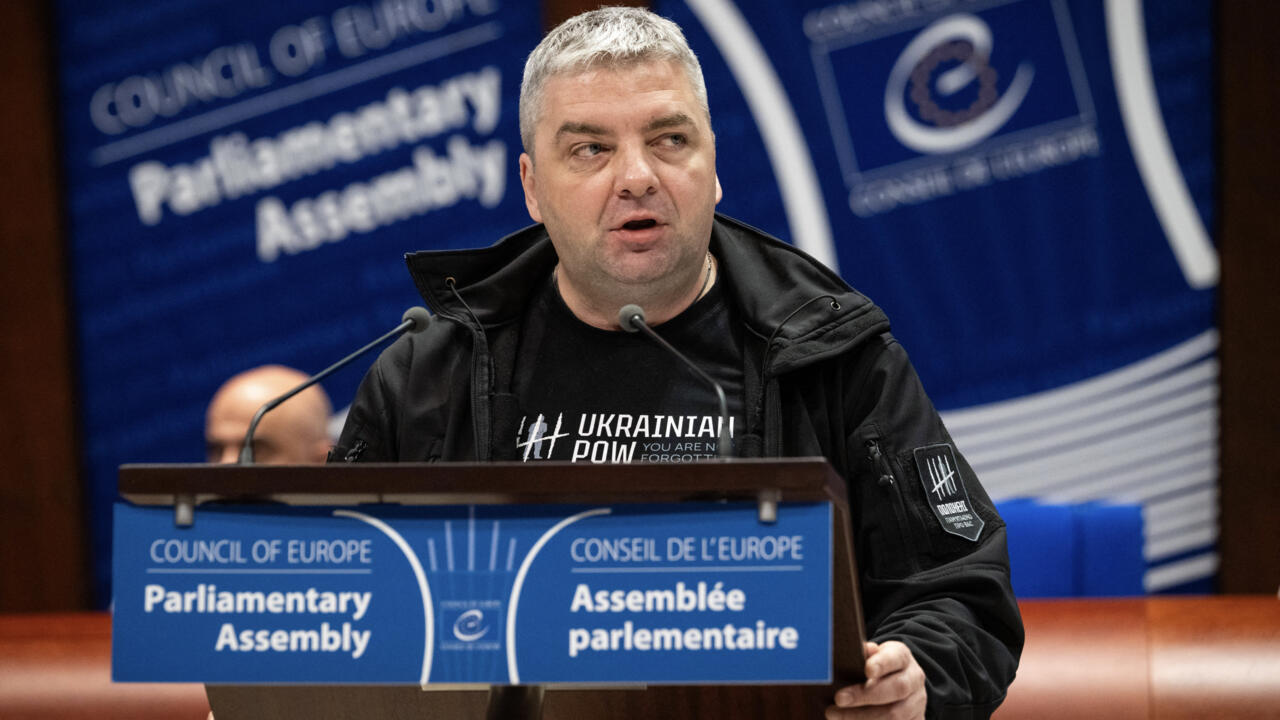
The Council of Europe on Monday awarded its 2025 rights prize to Ukrainian journalist and rights activist Maksym Butkevych, who was released last year after being captured by Russian forces.

Butkevych, co-founder of the independent Hromadske radio station and ZMINA human rights centre in Kyiv, joined the Ukrainian army in March 2022, then was detained in June and convicted of war crimes by a court in Lugansk in Russian-controlled eastern Ukraine in March 2023.

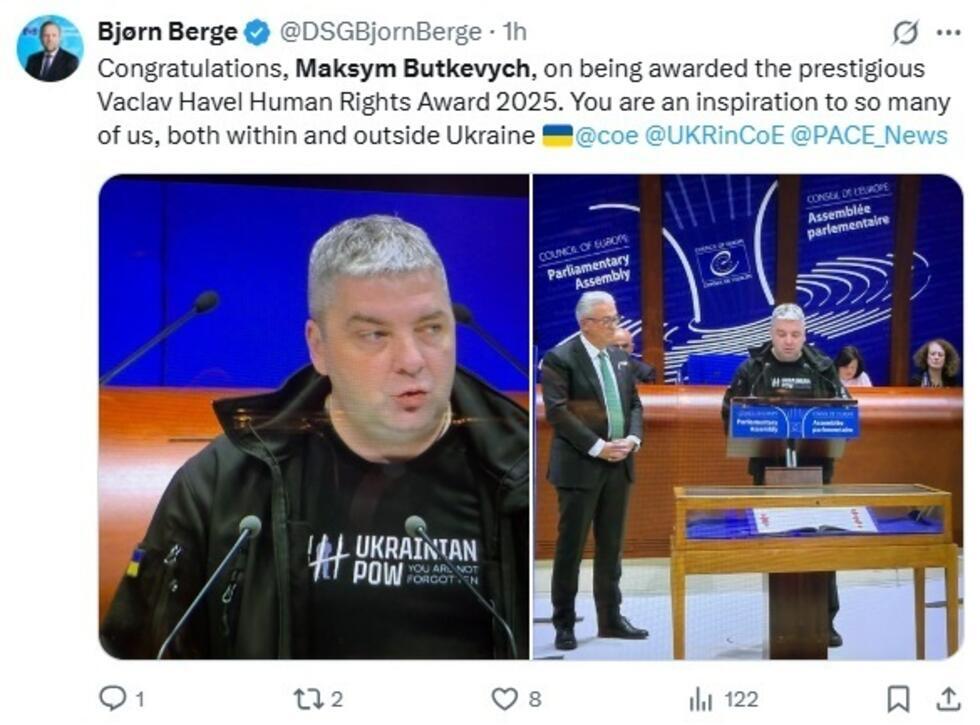
The Council of Europe's Deputy Secretary General, Bjorn Berge, congratulates Maksym Butkevych. © Bjorn Berge via X


He was sentenced to a 13-year prison term on charges of wounding two civilians while firing an anti-tank grenade launcher in the eastern city of Severodonetsk, but he was released during an October 2024 prisoner exchange.

"This is no coincidence," said Theodoros Rousopoulos, the head of the Parliamentary Assembly of the Council of Europe (PACE), which bestows the award.

"The last few months have proved particularly dangerous for journalists," he said, adding that 171 journalists were in detention in Europe at the beginning of the year, including at least 26 Ukrainians detained in Russia or in the territories occupied by Moscow in Ukraine.

Read moreHundreds honour Ukrainian journalist who died in Russian captivity

The award is named after the late Czech dissident, playwright and post-communist president Vaclav Havel.

Previous winners include the Venezuelan opposition figure Maria Corina Machado in 2024 and Russian activist Vladimir Kara-Murza in 2022.

(FRANCE 24 with AFP)

FASCIST EU LEADER

Viktor Orbán questions Ukraine's sovereignty amid spat over Hungarian drone incursion

PUTIN'S PUPPET DOESN'T LIKE UKRAINE BOMBING ITS RUSSIAN GAS PIPELINE
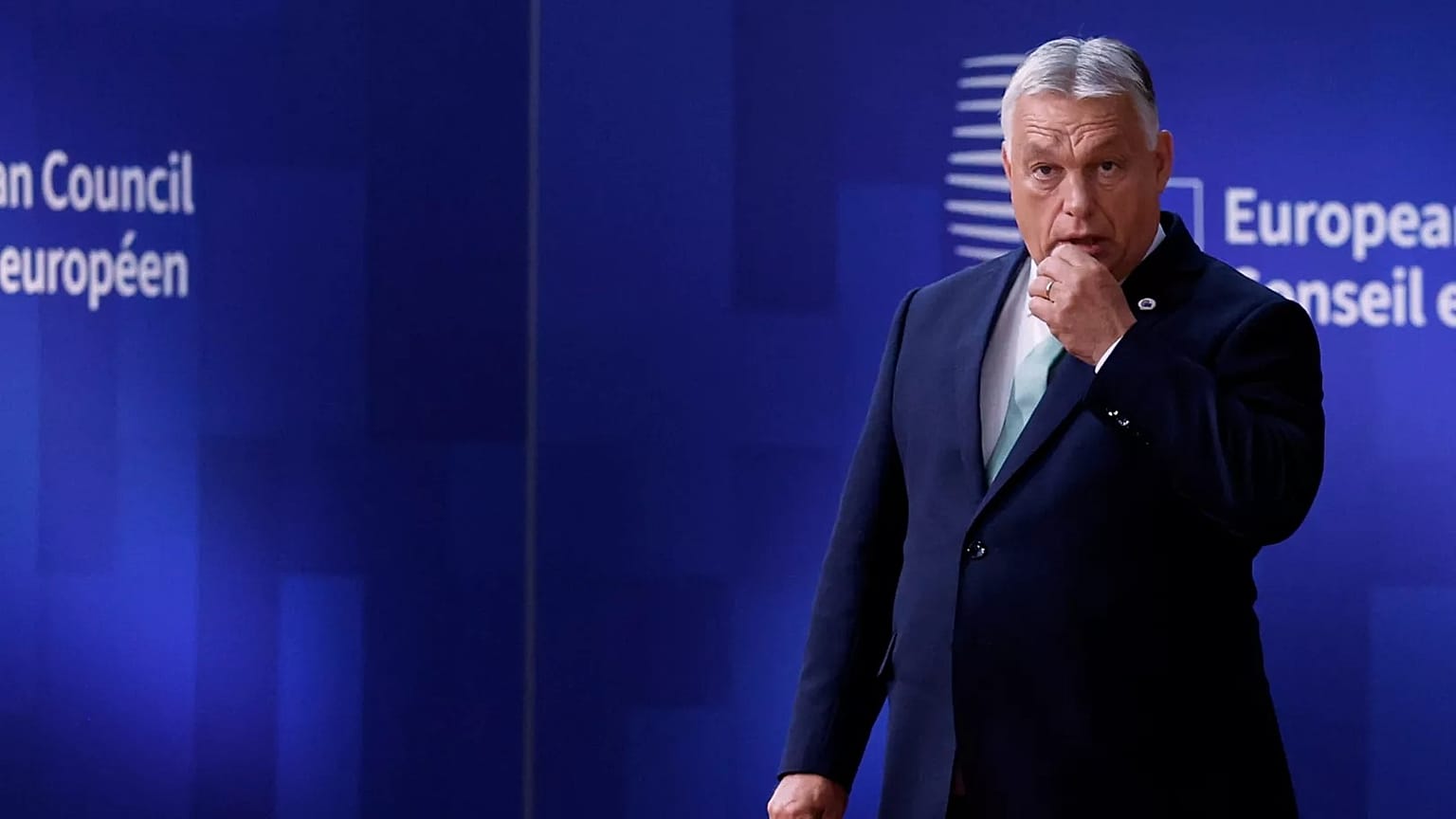
Hungary's Prime Minister Viktor Orban arrives for an EU summit at the European Council building in Brussels, Thursday, June 26, 2025. (AP Photo/Omar Havana)
Copyright AP Photo

By Sandor Zsiros
Published on 


The Hungarian leader said it doesn't matter if a few Hungarian drones flew over Ukraine, since he doesn't consider Ukraine an independent, sovereign country.

Hungary's Prime Minister Viktor Orbán played down the possibility of Hungarian drones violating Ukraine's airspace in an interview released on Monday. Even if a drone enters Ukraine from Hungary, Orbán said, Kyiv should deal with drones coming from the east, from Russia.

On Friday, Ukraine's president Volodymyr Zelenskyy claimed that a reconnaissance drone from Hungary violated the airspace of Ukraine, flying over industrial installations in the Transcarpathian region.

Earlier, Hungarian Foreign Minister Péter Szijjártó rejected the Ukrainian claims, but Orbán didn't deny the incident.

"I believe my ministers, but let's say it did actually fly a few metres there, so what? Ukraine is not an independent country. Ukraine is not a sovereign country," Orbán said.

In the interview, the Prime Minister argued that Ukraine was not in danger from its Western NATO neighbours and should concentrate on Russian drones on its eastern frontline.

"Ukraine is not at war with Hungary; it is at war with Russia. It should be concerned with the drones on its eastern border, as there are NATO member states here. Ukraine's hinterland is safe. Nobody will attack it from there. I don't think the Poles, Slovaks, Hungarians or Bulgarians would want to attack them. This is a hoax. It has no significance," Orbán said.

Tensions are high between Hungary and Ukraine

Earlier, the Hungarian and Ukrainian foreign ministers exchanged words over the issue. Hungarian Foreign Minister Péter Szijjártó denied that the drone in question was from Hungary and accused Ukraine's leader of fostering anti-Hungarian sentiment.

"Volodymyr Zelenskyy is becoming crazily anti-Hungarian, now he sees horrors," Szijjártó said.

His Ukrainian counterpart, Andrii Sybiha replied with a map showing the route of drone, calling Hungarian officials blind.

"For the blind Hungarian officials. [This is the] Exact route of yesterday’s drone incursion from Hungary into Ukrainian airspace. Our Armed Forces have gathered all of the necessary evidence, and we are still waiting for Hungary to explain what this object did in our airspace," Sybiha wrote.

Relations between Hungary and Ukraine are at a historic low, following a series of incidents. Ukraine bombed the Druzhba pipeline on Russian territory, effectively stopping oil deliveries to Hungary and Slovakia for days.

Hungary is also the main opponent of Ukraine's EU accession ambitions, threatening a veto on opening negotiating chapters. Prime Minister Orbán said earlier that Ukraine's joining the EU would be an economic disaster for Hungary and the EU alike.