Aluminum price rises as looming smelter closure adds to supply strains
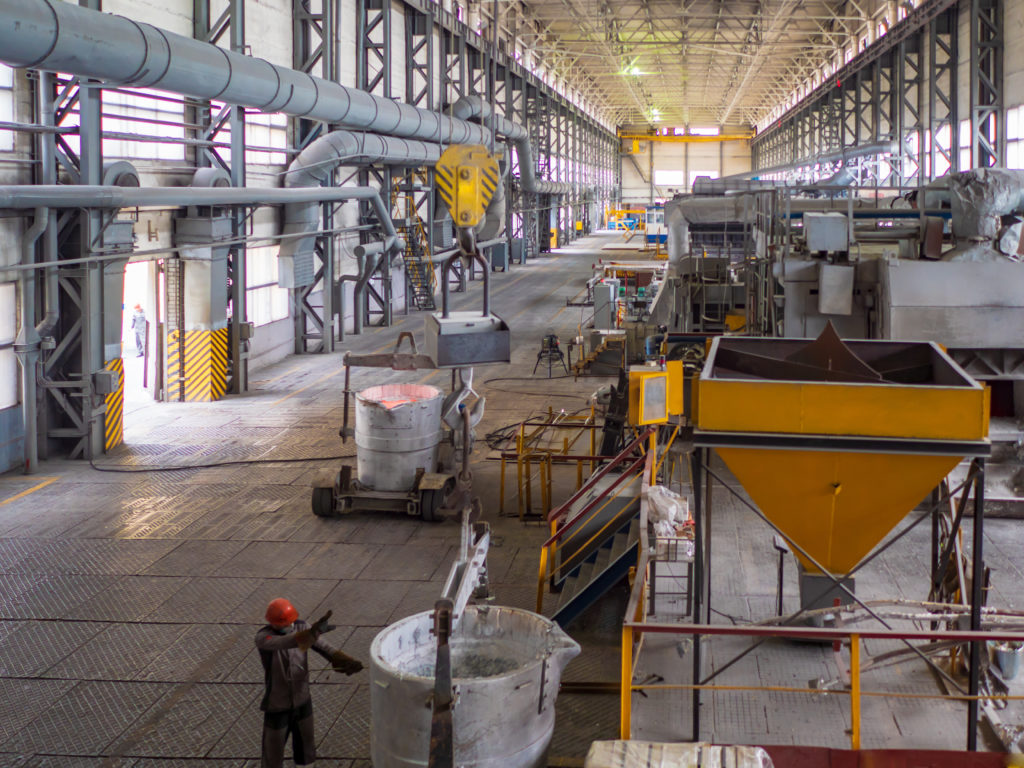
Aluminum led most industrial metals higher as the looming closure of a smelter in Mozambique underscored the growing constraints on supplies in key consumer markets.

Prices rallied as much as 2% to the highest in almost two weeks in London, as South32 Ltd. confirmed that it’s still planning to mothball its Mozal smelter in Mozambique next month, despite receiving some “inbound interest” in the asset. While the plant is small relative to China’s powerhouse aluminum industry, it’s a major supplier to the European market, and its closure adds to growing supply constraints weighing on key manufacturing hubs worldwide.
In China, smelters are nearing a government-imposed cap on production capacity, while 50% tariffs on the metal in the US have caused imports to slump and the all-in price of aluminum paid by manufacturers to skyrocket. Though demand has been sluggish globally, those tightening supply dynamics helped fuel a 17% price rally last year, and a further 5.5% advance so far in 2026.
Copper also extended gains, buoyed by a tighter supply outlook and a weakening dollar, even as Chinese buying waned ahead of the Lunar New Year break.
Investors continue to bet on rising demand from global manufacturing, the green transition and artificial intelligence, at a time when mine supplies are constrained by falling grades. Speculative funds, including those in China, have helped supercharge the rally in recent months. A weaker greenback makes commodities cheaper to buy in other currencies.
Although Chinese buying has tailed off ahead of next week’s holiday, overseas risk appetite remains, said Wu Kunjin, head of base metals research at Minmetals Futures Co.
Refined copper spot trades in China dropped to 13,400 tons on Wednesday, from a peak of over 38,000 tons on Feb. 2, according to consultancy Mysteel Global, citing a survey of plants. Open interest and trading volumes on the Shanghai Futures Exchange have dropped to the lowest since November.
Aluminum climbed 1.8% to $3,159 a ton by 10:28 a.m. local time on the London Metal Exchange. Copper rose 0.1% to $13,292.50 a ton. Nickel dropped 0.8%, paring recent gains after moves to cut output at the world’s biggest nickel mine in Indonesia.
Metals retreat on reports Trump may soften aluminium tariffs
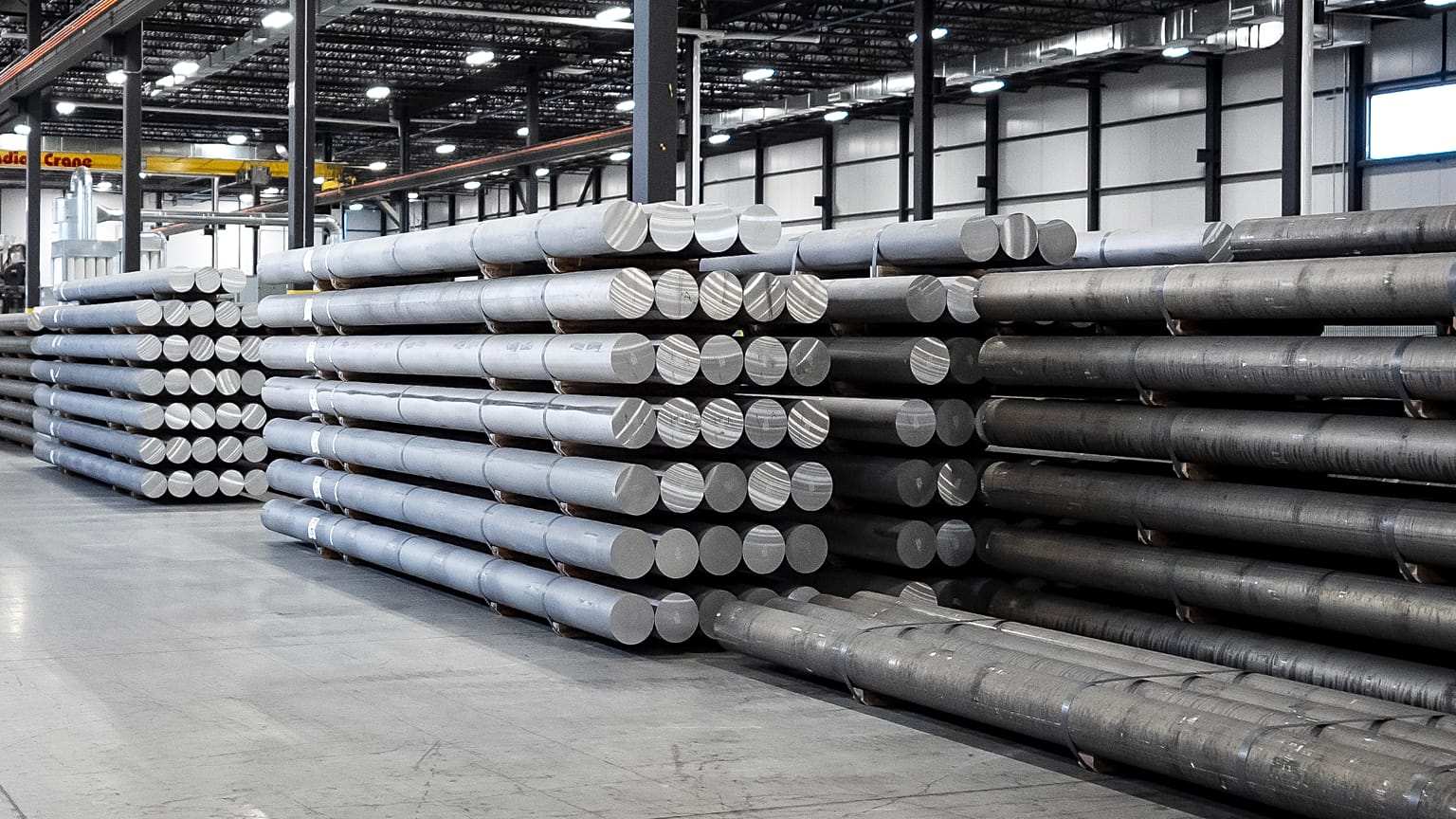
The metal fell in morning trade alongside zinc, nickel, and lead as investors digested reports the White House could ease duties ahead of November’s midterms.
Aluminium prices edged lower on Friday as a broader pullback in metals gathered pace after reports that US president Donald Trump may roll back some tariffs on metal goods.
On the London Metal Exchange, the benchmark three-month aluminium contract slipped more than 2.5% to $2,965.75 a tonne by around midday, while the most-active contract on the Shanghai Futures Exchange fell 1.76% to 23,195 yuan (€2,832) a tonne.
Several core industrial metals have also moved lower on the day. Zinc was quoted at $3,316.50 a tonne, down $51.95 (-1.54%), nickel at $16,993.38, down $257 (-1.49%) and lead at $1,972.38 or down $10.30 (-0.52%).
The decline reflects growing expectations that Washington could loosen some of the restrictions that have tightened global supply chains and driven up costs for manufacturers.
According to a report from the FT, the White House is reviewing the extensive list of goods caught by tariffs on steel and aluminium and may exempt certain products, stop further tariff expansions, and rely instead on more targeted duties.
The shift comes as the administration grapples with voter dissatisfaction over the cost of living ahead of November’s midterm elections.
Trump imposed duties of up to 50% on imported metals last summer, later extending them to a wide range of everyday items.
The policy pushed US tariffs to their highest levels since before the Second World War, but economists say the levies have fed through to consumer prices, undermining claims that foreign producers would bear the burden.
Trump has since scaled back tariffs on popular food products in a bid to tame grocery price inflation for ordinary Americans and called a truce in its trade war with China after Beijing retaliated with its own tariffs.
Aluminium, in particular, sits at the heart of packaging, transport, and appliances, so even modest daily moves can quickly feed into expectations for input costs, especially if investors start to believe US tariff settings are becoming less restrictive than feared.

No comments:
Post a Comment