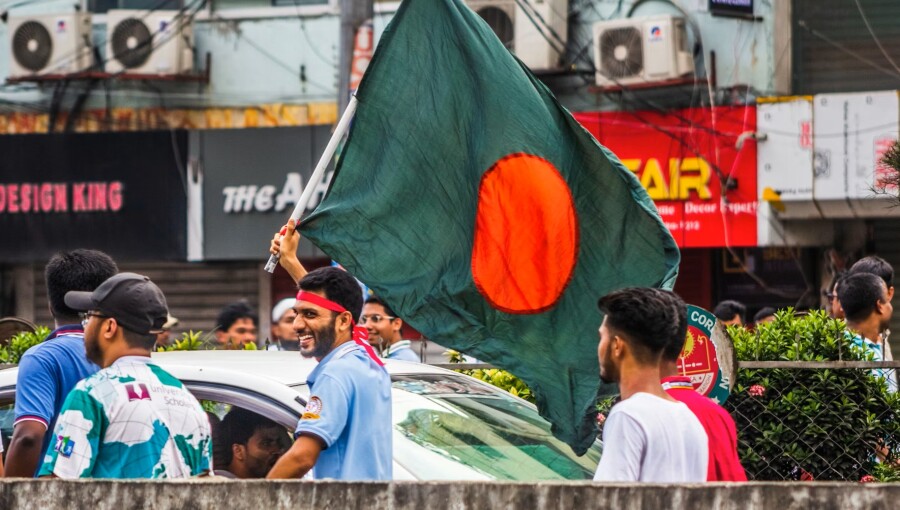
Bangladesh’s parliamentary election points to a strong showing for the Bangladesh Nationalist Party(BNP) as counting continues after largely peaceful voting on February 12, 2026, in the country of about 170mn people.
The 300 seat Jatiya Sangsad requires 151 seats for a simple majority. More than 127mn citizens were eligible to vote, with turnout at 47.91% by 2pm local time and polling closing at 4:30pm, according to Bangladesh’s Election Commission as cited by The Daily Star in a report.
Former Prime Minister Sheikh Hasina, in exile in India, rejected the process and alleged widespread irregularities, including interference at polling stations and inducements to voters. She also disputed official participation levels and questioned the legitimacy of an election held without the Awami League after Bangladesh’s Election Commission cancelled the party’s registration.
Early tallies indicate the BNP has secured 135 seats, more than 100 ahead of the Jamaat-e-Islami-aligned bloc with 34, while other candidates have taken the remaining declared seats. The party’s chairman has won Dhaka-17 and Bogra-6 constituencies. Provisional trends show the BNP leading in more than 175 seats and its nearest rivals ahead in about 30.
Most media outlets in Bangladesh projecting exit polls are favouring the BNP to win in a landslide. BNP’s victory indicates that the Awami League’s removal has positioned it as the only dominant political force in the country with very little space for other actors like the Jamaat-e-Islami or the newly emergent Citizens National Party(CNP) but they may still form a credible opposition if not persecuted.
Voting included a parallel national referendum on adopting the July Charter, which proposes institutional reforms to strengthen governance, democracy and social justice. Ballots for the parliamentary poll were white, while referendum ballots were pink. More than 1,981 candidates contested the vote, including 109 women.
The interim administration led by Nobel laureate Muhammad Yunus has pledged credible results, with investors watching for policy continuity and stability.

No comments:
Post a Comment