Tuesday, July 13, 2021

#AUSTERITYKILLS

Cuts to local government funding in recent years cost lives, study finds


UNIVERSITY OF LIVERPOOL

Research News

A new study from researchers at the University of Liverpool shows that decreasing local government funding over recent years probably contributed to declines in life expectancy in some areas of England, which was stalling even prior to the COVID-19 pandemic.

Local government funding and life expectancy in England, a longitudinal ecological study published in The Lancet Public Health, linked annual local government funding data from the Ministry of Housing, Communities, and Local Government with life expectancy and mortality data from Public Health England between 2013 and 2017.

Corresponding author Dr Alexandros Alexiou said: "Since 2010, large reductions in funding for local government services have been introduced in England, which led to reduced provision of health-promoting public services. We wanted to investigate whether areas that showed a greater decline in funding also had more adverse trends in life expectancy and premature mortality.

"Prior to the COVID-19 pandemic, stalling life expectancy in England was a major public health concern, and the causes were unclear.

"Our research shows that cuts to local government over recent years have probably cost lives. We found that, during a period of large reductions in funding for local government in England, areas that experienced the greatest cuts also experienced slower improvements or a decline in life expectancy. As funding for the most deprived areas decreased to a greater extent, they experienced the most adverse impact - widening health inequalities.

"This has important implications for current policy and for recovery from the COVID-19 pandemic."

On average between 2013 and 2017 central funding to local governments decreased by 33% or £168 per person in total. Each £100 reduction in funding per person was associated with an decrease in 1.3 months in male life expectancy and 1.2 months in female life expectancy.

As funding reductions were greater in more deprived areas, these places were more severely affected, increasing the gap in life expectancy between those places and more affluent areas. Researchers estimated that cuts in funding increased the gap in life expectancy between the most and least deprived areas by 3% for men and 4% for women. Overall reductions in funding during this period were associated with an additional 9600 deaths in people younger than 75 years old.

Dr Alexiou added: "Our study suggests that reduced funding for local services that disproportionally affected deprived areas have had a significant impact on health. The UK government has declared that austerity is over and has committed to investing more to 'level up' those places that have previously been 'left behind'. Fair and equitable investment in local government services can redress these inequalities, enabling the country to 'build back better'."

###

This work was funded by the NIHR and MRC.

The full paper is available in the Lancet Public Health, here: http://www.thelancet.com/journals/lanpub/article/PIIS2468-2667(21)00110-9/fulltext

#ABOLISHICE   

ICE violated internal medical standards, potentially contributing to deaths

Many deaths were preceded by delayed or inappropriate care

#CRIMESAGAINSTHUMANITY


UNIVERSITY OF SOUTHERN CALIFORNIA

Research News

A USC analysis of deaths among individuals in U.S. Immigration and Customs Enforcement custody found that ICE violated its own internal medical care standards in 78% of cases, potentially contributing to deaths in relatively young and healthy men.

The study appears in JAMA Network Open.

Researchers found many of the deaths were preceded by delayed or inappropriate care and/or inadequate or absent responses to markedly abnormal vital signs. In multiple cases, detention facility staff or other detained persons raised concerns about an individual's health to a superior or staff member before that individual's death.

"The ICE medical care team minimized or dismissed signs and symptoms of critical illness," said first author Molly Grassini, a physician in the Department of Emergency Medicine at the Keck School of Medicine of USC and the Los Angeles County+USC Medical Center. "It is possible that these deaths might have been avoided if these concerns had been addressed."

ICE detention centers have both medical personnel onsite and the ability to transfer patients to nearby hospitals.

Seventy-one individuals died while in ICE detention between 2011 and 2018. The study team analyzed ICE death investigation reports for 55 deaths available for review at the time of study completion. The death investigation reports consist of a narrative developed from medical record reviews and interviews with medical and security staff as well as other detained individuals. Reviews of video footage and security logs are included when available.

In analyzing the reports, the researchers found 47 deaths were due to medical causes and eight due to suicide. The average age at death was 42.7 years. The individuals -- 85.5% of which were men -- had lived in the U.S. an average of 15.8 years prior to detention and spent a median of 39 days in custody before they died.

Markedly abnormal vital signs, such as abnormal heart rate and blood pressure, were documented preceding 29 of the 47 deaths from medical causes. These warning signs were often ignored. In one case, a man with flu-like symptoms grew increasingly ill as medical personnel documented grossly abnormal blood oxygen levels of 78%, 80% and 82% -- but supplied supplemental oxygen only intermittently and not as directed by the advising physician. The resulting death investigation report noted concerns regarding multiple instances where oxygen levels were not documented, nurses had not notified a physician of low oxygen levels and oxygen levels had not been adequately monitored following administration of supplemental oxygen.

Of note, the mean age at death among individuals who died in ICE detention facilities -- 42.7 years -- is substantially younger than the typical life expectancy for individuals not born in the US (81.2 years for men, 85.1 years for women). Individuals who died had low burdens of preexisting disease, and more than half had expected 10-year survival rates between 90% and 98% based upon a formula that considers age and preexisting medical conditions to estimate 10-year mortality.

The authors said they were aware of cases of individuals who died within days of being released but added that these cases do not undergo the mandatory death review process, potentially leading to an undercount of mortality in ICE detention facilities nationwide.

Suggested corrective actions were mentioned in several of the reports; a forthcoming research project will focus on systemic issues associated with these deaths and steps needed to improve care.

The researchers recommend that the Department of Homeland Security officials ensure timely, public and transparent reporting, along with independent medical reviews, of all deaths in ICE detention facilities as well as those that occur within one week of release.

"Facilities with recurrent violations should undergo targeted rehabilitation and close monitoring. Those that are unable to meet predetermined benchmarks and fail to implement acceptable corrective action should be faced with penalties including possible closure," said senior and corresponding author Parveen Parmar, an associate professor of clinical emergency medicine at the Keck School of Medicine. "These processes are vital to ensuring that the dignity and health of the detained population are respected."

As of July 8, ICE held 27,217 people in detention, according to Syracuse University's Transactional Research Access Clearinghouse, which tracks immigration statistics. Of those, 79.6% have no criminal record.

###

In addition to Grassini and Parmar, other authors of the study are Sophie Terp, Briah Fischer, Sameer Ahmed, Madeline Ross and Elizabeth Burner, all of the Keck School of Medicine, and Niels Frenzen of the USC Gould School of Law.

The work was supported in part by grant No. 2020-6243 from the Evelyn and Walter Haas Jr. Fund and the USC Equity Research Institute.

Language isolation affects health of Mexican Americans

New study finds health ramifications for Hispanic older adults

UNIVERSITY OF GEORGIA

Research News

New research from the University of Georgia finds that older Mexican Americans who live in low English-speaking neighborhoods are at greater risk for poor health and even an early death.

Language barriers can be a significant deterrent to health. People who don't speak English well are less likely to seek health care or receive health information. This can lead to delay of care and missed health screenings for chronic disease and cancers. Language isolation is also linked to poor mental health.

These issues only compound as non-English speakers age, said study co-author Kerstin Emerson, a clinical associate professor of gerontology at the Institute of Gerontology in UGA's College of Public Health. REGARDLESS OF LANGUAGE (OTHER THAN ENGLISH)

"Not many studies have looked at the link between language isolation and health outcomes for Hispanic older adults," said Emerson, and few have studied how a whole neighborhood that is linguistically isolated - where more than a third of households do not speak English or speak it proficiently - may impact health.

Understanding risk at the community level is vital for creating effective public health interventions, which focus on improving health in populations, said Emerson.

Older Mexican Americans tend to have lower English-speaking proficiency than other Latino groups, and increasingly, this group is experiencing poorer health outcomes.

"So, we are trying to explain one factor - living in this community with a lot of linguistically isolated households and whether it would matter a lot to their health, and even survival during old age," said co-author Donglan "Stacy" Zhang, assistant professor of health policy and management at UGA CPH.

The team analyzed data from the Hispanic Established Populations for the Epidemiologic Studies of the Elderly dataset, a survey of over 1,100 Mexican Americans, 65 and older, living in five U.S. states. The survey followed respondents up to 13 years, tracking demographic factors and personal health factors.

"We controlled for individual level factors, like their smoking status and alcohol use, because these behavior issues contribute to all-cause mortality, and we also adjusted for community-level factors. Community poverty rates, for example, are highly correlated with all-cause mortality, but living in a linguistically isolated community still significantly predicts all-cause mortality," said Zhang, who led data analysis for the study.

In fact, older Mexican Americans who lived in linguistically isolated neighborhoods had mortality rates that were about 1.25 times higher.

"If you are linguistically isolated, you're very likely to be isolated socially, and we know social isolation contributes to mortality," said Emerson. Her research on social isolation among older adults has found that social connection is essential to accessing and maintaining good health.

"It's not just that you're not using the health care system; you're very likely not to have a large social network outside of your neighborhood. The bigger your social networks are, the more likely you are to find out about services," she said.

Zhang recommends that health care providers need to be trained to provide culturally adaptive services to non-English speaking community members, and more outreach should be done to bring preventive services like chronic disease screenings to the patients who need it.

Emerson agrees.

"We focus on the easy thing, which is translating a pamphlet [into Spanish], but we're actually talking about entire neighborhoods that are socially isolated, so not just the one home or one person. Translating pamphlets isn't going to cut it," she said.

Reducing health disparities, says Zhang, will require tackling a wider set of issues like language barriers. Zhang and Emerson say that more long-term, population studies like this one are needed to support better public health outreach.

"It would mean targeting those communities with specific interventions that are linguistically and culturally appropriate. So, let's spend our money there and do it culturally, competently," said Emerson.

###

The paper, "Linguistic Isolation and Mortality in Older Mexican Americans: Findings from the Hispanic Established Populations Epidemiologic Studies of the Elderly," published in Health Equity. Find it online here.


Farm marketing success linked to natural, cultural assets

CORNELL UNIVERSITY

Research News

ITHACA, N.Y. - Direct farm marketing efforts, such as farmers markets and roadside stands, are more successful in communities with more nonprofits, social enterprises and creative industries, according to a team including Cornell University researchers, who created a nationwide database of assets to help municipalities craft community-specific development plans.

While many municipalities seek to encourage direct-to-consumer (DTC) marketing - an important factor in farmers' livelihoods - the success of their efforts hinges on a wide array of community resources, or capital assets, with natural and cultural assets correlating most strongly with farmers' success, the research found.

To explore differences between communities, Todd Schmit, associate professor in the Charles H. Dyson School of Applied Economics and Management, and colleagues at Colorado State University and the University of Missouri created a database of assets for every county in the United States, breaking down these community resources in six areas: built, cultural, financial, human, natural and social.

"There's a broad acceptance of the idea that sustainable community development is dependent on this array of capital assets. But when it comes to measuring those capitals, the literature is all over the place," Schmit said. "Some studies will use educational attainment to measure human capital, but others will use food security, or access to medical care. We thought, why not measure all of those things?"

To create their composite database, Schmit and his colleagues gathered data on dozens of factors, such as: the number of manufacturing establishments; the number of owner-occupied housing units without a mortgage; and acreage of farmland. All data came from publicly available sources such as the U.S. Census and the U.S. Department of Agriculture (USDA).

Then they used their new database to evaluate DTC farm marketing against community capital stocks in an article published July 2 in the journal Food Policy: "Measuring Stocks of Community Wealth and Their Association With Food Systems Efforts in Rural and Urban Places."

They found, as expected, that high levels of natural capital, especially farmland, correlated positively with DTC farm marketing. But they also found a positive association with cultural capital: Communities with more nonprofits, social enterprises and creative industries help farmers prosper in direct marketing.

"Art-centric businesses, museums, theaters, symphonies, architecture firms - there was a very complementary effect," Schmit said. "Maybe farmers markets are hosting musicians or art vendors and that's making the farmers market a bigger draw for consumers? Or maybe because people are coming to communities to visit an art gallery or go to a museum, they're saying, 'Well, let's head over to the farmers market, too, and make a day of it.'"

Schmit said he hopes the new database will be helpful for community planners and other researchers studying a variety of issues important for regional development.

"With this paper, we wanted to showcase an application of these capital stocks, but our bigger purpose is to provide this data for others to use in whatever application they want: obesity, child nutrition programs, infrastructure investment planning, conservation protection," he said. "We want people to use this data."

Co-author Becca Jablonski, a Cornell alum and an associate professor of agricultural and resource economics at Colorado State University, hopes the database will enable researchers and planners to craft economic development policies that are more successful because they are community-specific.

"Often policymakers set strategies to support community economic development at the federal level without full consideration of the fact that different types of programs and initiatives will have different impacts in different places based on the comparative advantage of a particular place - what they do better than other places," Jablonski said. "We hope that this database of the stocks of community assets can help decision-makers more thoughtfully reflect on their unique strengths and opportunities."

###

This research was supported by a grant from the USDA's National Institute of Food and Agriculture.


The two-thousand-year-old mystery of the havoc-wreaking worm

New research reveals that we know less about the history-altering shipworm than we thought

UNIVERSITY OF MASSACHUSETTS AMHERST

Research News

IMAGE

IMAGE: SECTION OF A PILING ATTACKED BY SHIPWORMS IN BELFAST, MAINE. view more 

CREDIT: BARRY GOODELL

AMHERST, Mass. - Humans have known for over two thousand years that shipworms, a worm-like mollusk, are responsible for damage to wooden boats, docks, dikes and piers. Yet new research from the University of Massachusetts Amherst published in Frontiers in Microbiology reveals that we still don't know the most basic thing about them: how they eat.

"It's unbelievable," says Reuben Shipway, adjunct assistant professor in microbiology at UMass Amherst, research fellow at the Centre for Enzyme Innovation at the University of Portsmouth, UK, and one of the paper's authors. "The ancient Greeks wrote about them, Christopher Columbus lost his fleet due to what he called 'the havoc which the worm had wrought,' and, today, shipworms cause billions of dollars of damage a year."

Shipworms also play a key role in mangrove forest ecosystems, found throughout the world's tropical regions, and are responsible for cycling a huge amount of carbon through the web of life. "Yet," says Shipway, "we still don't know how they do what they do."

Part of the problem is that the nutritious part of wood - cellulose - is encased in a thick and extremely difficult-to-digest layer of lignin. "Imagine a really thick, unbreakable eggshell," says senior author and UMass professor of microbiology, Barry Goodell.

Certain fungi possess enzymes capable of digesting the lignin, and it has long been thought that symbiotic bacteria living in shipworms' gills also had the enzymes. "We thought that the bacteria were doing the work," says Goodell, "but we now know they are not."

Researchers are still trying to figure out what within the shipworm could be responsible for breaking down the lignin. "I combed through the entire genomes of five different species of shipworm," says Stefanos Stravoravdis, the paper's lead author and a graduate student in microbiology at UMass, "looking for specific protein groups which create the enzymes that we know are capable of digesting lignin. My search turned up nothing."

This, however, is not the end of the story, and the team will be publishing more research in the near future that will help unravel the mystery of how shipworms eat wood. "We need to understand this process" says Stravoravdis.

###

This research was supported by the National Science Foundation; National Institute of Food and Agriculture; U.S. Department of Agriculture; the Center for Agriculture, Food and the Environment; and the UMass Amherst microbiology department.

Contacts: Barry Goodell, bgoodell@umass.edu
Daegan Miller, drmiller@umass.edu


Species of gut bacteria linked to enhanced cognition and language skills in infant boys

Alberta study offers compelling new evidence pointing to the importance of gut bacteria for neurodevelopment

UNIVERSITY OF ALBERTA FACULTY OF MEDICINE & DENTISTRY

Research News

The University of Alberta-led research followed more than 400 infants from the CHILD Cohort Study (CHILD) at its Edmonton site. Boys with a gut bacterial composition that was high in the bacteria Bacteroidetes at one year of age were found to have more advanced cognition and language skills one year later. The finding was specific to male children.

"It's well known that female children score higher (at early ages), especially in cognition and language," said Anita Kozyrskyj, a professor of pediatrics at the U of A and principal investigator of the SyMBIOTA (Synergy in Microbiota) laboratory. "But when it comes to gut microbial composition, it was the male infants where we saw this obvious connection between the Bacteroidetes and the improved scores."

"The differences between male and female gut microbiota are very subtle, but we do know from CHILD Cohort Study data that girls at early ages are more likely to have more of these Bacteroidetes. So perhaps most girls have a sufficient number of Bacteroidetes and that's why they have improved scores over boys," added Kozyrskyj.

The researchers, led by Kozyrskyj and associate professor of pediatrics Piush Mandhane, studied bacteria found in fecal samples from the infants and identified three different groups exhibiting similar dominant clusters of bacteria. They then evaluated the infants on a variety of neural developmental scales. Of those groups, only the male infants with Bacteroidetes-dominant bacteria showed signs of enhanced neurodevelopment.

The research replicates similar findings from a U.S. study that also showed an association between Bacteroidetes and neural development.

According to Kozyrskyj, Bacteroidetes are one of a very few bacteria that produce metabolites called sphingolipids, which are instrumental for the formation and structure of neurons in the brain.

"It makes sense that if you have more of these microbes and they produce more sphingolipids, then you should see some improvement in terms of the formation of neuron connections in our brain and improved scores in cognition and language," she said.

According to Kozyrskyj, caesarean birth is one factor that can significantly deplete Bacteroidetes. Factors that positively influence gut microbiota composition in infants include breastfeeding, having a high-fibre diet, living with a dog and being exposed to nature and green spaces.

While the findings don't necessarily mean children with a lower proportion of Bacteroidetes will remain behind their peers in later childhood or adulthood, the researchers believe the study offers early promise as a way to potentially identify children at risk of neurodevelopmental disorders.

The team will continue to follow the infants participating in CHILD to determine whether the findings can be predictive of autism or attention deficit/hyperactivity disorder. Moving forward, the researchers are also examining several other factors that may have an impact on neurodevelopment in infants, including stress and gut colonization by the bacterium Clostridium difficile.

"Over the first one to two years of life, your brain is very malleable," said Kozyrskyj. "Now we're seeing a connection between its malleability and gut microbiota, and I think that is very important."

###

The study, "Bacteroides-dominant gut microbiome of late infancy is associated with enhanced neurodevelopment," was published in the journal Gut Microbes.

Funding for the study was provided by the Canadian Institutes of Health Research, the Stollery Children's Hospital Foundation and Alberta Women's Health Foundation through the Women and Children's Health Research Institute, and the Allergy, Genes, and Environment (AllerGen) Network of Centres of Excellence.

Air pollution exposure linked to poor academics in childhood

COLUMBIA UNIVERSITY'S MAILMAN SCHOOL OF PUBLIC HEALTH

Research News

Children exposed to elevated levels of air pollution may be more likely to have poor inhibitory control during late childhood and poor academic skills in early adolescence, including spelling, reading comprehension, and math skills. Difficulty with inhibition in late childhood was found to be a precursor to later air pollution-related academic problems. Interventions that target inhibitory control might improve outcomes.

Results of the study by researchers at the Columbia Center for Children's Environmental Health (CCCEH) at Columbia University Mailman School of Public Health and Columbia University Irving Medical Center are published in the journal Environmental Research.

"Children with poor inhibitory control are less able to override a common response in favor of a more unusual one--such as the natural response to say 'up' when an arrow is facing up or 'go' when a light is green--and instead say 'down' or 'stop,'" says first author Amy Margolis, PhD, associate professor of medical psychology in the Department of Psychiatry at Columbia University Irving Medical Center. "By compromising childhood inhibitory control, prenatal exposure to air pollution may alter the foundation upon which later academic skills are built."

"When evaluating student's learning problems and formulating treatment plans, parents and teachers should consider that academic problems related to environmental exposures may require intervention focused on inhibitory control problems, rather than on content-related skill deficits, as is typical in interventions designed to address learning disabilities," Margolis adds.

"This study adds to a growing body of literature showing the deleterious health effects of prenatal exposure to air pollution on child health outcomes, including academic achievement," says co-author Julie Herbstman, PhD, CCCEH director and associate professor of environmental health sciences at Columbia Mailman School. "Reducing levels of air pollution may prevent these adverse outcomes and lead to improvements in children's academic achievement."

The new findings align with prior Columbia research finding a DNA marker for PAH exposure was associated with altered development of self-regulatory capacity and ADHD symptoms.

The study followed 200 children enrolled in a longitudinal cohort study in Northern Manhattan and the Bronx led by CCCEH researchers. Researchers collected measures of prenatal airborne polycyclic aromatic hydrocarbons (PAH, a major component of air pollution) during the third trimester of pregnancy, a period when the fetus is highly vulnerable to environmental insults. Tests of inhibitory control were administered at or around age 10 and tests of academic achievement, at or around age 13.

Inhibitory Control and Learning

When students learn new concepts, they often need to override a previous habit in order to incorporate a new rule into a skill. For example, when learning to read a vowel a child will learn that the letter a has a short vowel sound "a as in apple" but a long sound when the consonant is followed by a "magic e," as in "rate."

###

Funding for the research was provided by the National Institute of Environmental Health Sciences, U.S. Environmental Protection Agency, the New York Community Trust, Trustees of the Blanchette Hooker Rockefeller Fund, and the John and Wendy Neu Foundation. Related grant numbers: ES026239, ES030950, ES014393, ES018784, ES13163, ES08977, 5P50ES009600, ES09600/RD82702701, ES09600/RD832141, ES09600/RD834509, ES09600/RD83615401.

The authors declare that they have no known competing financial interests or personal relationships that could have appeared to influence the work reported in this paper.

A full list of co-authors is available online.


Is Green Concrete Truly Environmentally Friendly?

In a race to develop clean energy technologies, a question appeared: ‘Is green concrete truly environmentally friendly?’

Every year, over 4 million tons of concrete are produced, accounting for approximately 8% of global CO2 emissions. concrete production is a difficult and complex industry, which involves transformation in powerful furnaces of limestone and clay. The resulting heat releases large quantities of carbon dioxide. Transport and extraction of these raw materials are also sources of CO2 emissions into the atmosphere.

Although the National Recovery and Resilience Plan (NRRP) can play a major role in reducing the carbon footprint, quite many obstacles are in the way of deep decarbonization of concrete. The sector is dominated by a handful of important manufacturers, which are cautious in terms of creating new products that would calls into question the already existing ones. Alternative materials are not always easy to procure. In the meantime, architects, engineers, entrepreneurs, and customers are prudent regarding the new building materials. Therefore, implementation of new practices is a factor that cannot be neglected for millions of workers involved in the use of concrete in the urban landscape.


DECARBONATED CONCRETE – PROJECTS AND INITIATIVES OF SOME EUROPEAN COUNTRIES


Belgium. LEILAC project


The Belgian construction market absorbs approximately 6.5 million tons of concrete, of which approximately 75% is domestically produced concrete. National consumption amounts to over 576 kg of cement per capita (figure from 2020), which places it in the leading position compared to the neighbouring countries. The three large cement groups that carry out their activity in Belgium (Holcim, CCB Ciment, Eloy Beton) are based in Tournai, Mons, and Liège, where limestone-rich deposits ensure the necessary raw materials for the manufacturing of clinker. The current trend in the industry is to focus on the formation of increasingly large units, which is necessary to optimize productivity and efficiency of the necessary environmental protection investments.

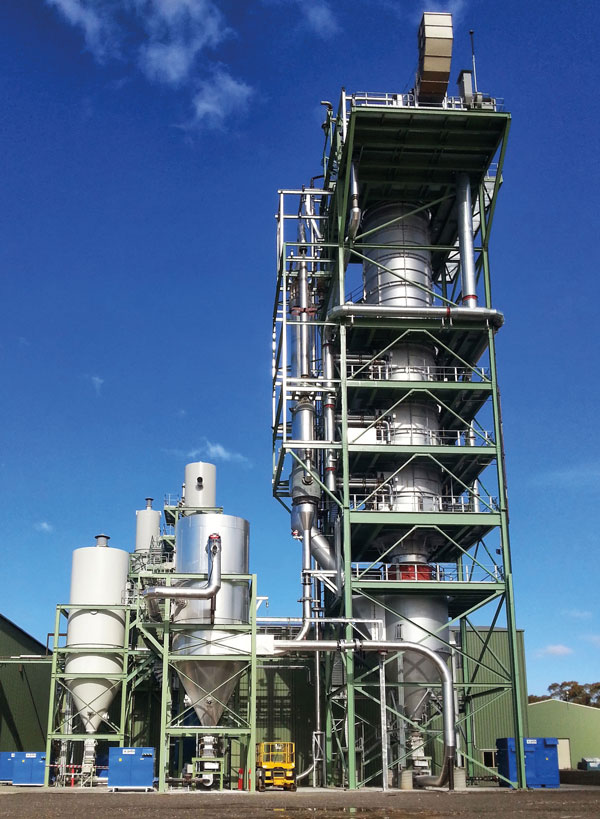
LEILAC 1 Pilot plant at the HeidelbergCement plant in Lixhe, Belgium

To find a more environmentally friendly solution, the CBR Lixhe factory has put into practice a pilot project (LEILAC), which consists of a new carbon capture technology.

LEILAC project, financed by the EU, has developed a new technology which is expected to contribute to the significant reduction of emissions in the European cement and lime industries. In its factory in Lixhe, LEILAC uses a system that captures pure CO2, released during lime calcination (CaO), which is possible due to the separation of the furnace exhaust gases. This elegant solution does not require chemicals or additional processes to obtain a pure CO2 flow. On the project’s website it is mentioned: “When making lime or concrete CO2 is released as an intrinsic part of the production process and cannot be avoided (for example by using renewable energy). As such, carbon capture is the only realistic means by which these industrial emissions can be further reduced to support EU to be carbon neutral by 2050.”

“It is simply a new type of furnace, whose design allows an intrinsic separation of CO2, which comes out cold and very pure, which makes it a potentially valuable raw material for existing niche markets, such as greenhouses and mineralization in the concrete industry,” explains Daniel Rennie, Calix company representative who coordinates the LEILAC project. The project lasted from May 2019 until the end of 2020.

Following LEILAC success, it was decided to develop a second project, LEILAC 2. It refers to a new reactor, with a size equivalent to approximately one fifth of that of a commercial concrete factory and will focus more on the final destination of CO2 extracted during the process and, possibly, by the electrical production of the heat needed to obtain clinker. LEILAC will keep approximately half of the previous partners, especially Calix and HeidelbergCement.

“We want to be ready from a technological point of view once the carbon price makes the solution viable. If we don’t do it now and if we wait until the carbon price is set at 100 euros per ton, it will take another ten years and we have no time to lose,” says Jan Theulen, from HeidelbergCement, project partner.

Germany develops the Catch4climate project


For the first time, four European cement producers – Buzzi Unicem SpA-Dyckerhoff GmbH, HeidelbergCement AG, SCHWENK Zement KG and Vicat SA – join forces to cope with a major challenge: to contribute to the significant reduction of cement-related CO2 emissions. The Catch4climate project will allow the reuse of captured CO2 as raw material in other industrial processes. Therefore, the European concrete industry will be able to significantly reduce its CO2 emissions, bringing a major contribution to climate problems. At the end of last year, the four European cement producers that form the Cement Innovation for Climate (CI4C) joint-venture signed a Letter of Intent on the following steps of the Catch4climate pilot project. This project consists of creating a pre-industrial demonstrator of the Oxyfuel technology, on the site of the SCHWENK concrete factory in Mergelstetten, Germany. Oxyfuel Technology Oxyfuel principle (‘oxygen and fuel’) is based on the introduction of pure oxygen into a cement kiln instead of ambient air, to ensure the production of heat at high temperatures necessary for the manufacture of the clinker. In this way, the gases resulting from combustion are very pure in CO2, which greatly facilitates its capture.

Lengfurt concrete factory in Bavaria, Platinum certified

In mid-May this year, HeidelbergCement completed a campaign of certification of the Concrete Sustainability Council (CSC) at the 10 concrete plants, 12 concrete factories and five aggregates sites that were subject to the certification process. Lengfurt concrete factory in Bavaria and two concrete factories have obtained the Platinum certification. Lengfurt factory is the first concrete factory in Germany with Platinum certification.

“CSC certification allows production sites to gain a holistic understanding of their sustainability performance and our successful engagement in CSC certification highlights our commitment to sustainability,” points out Christian Artelt, senior manager sustainable construction and public affairs.


Carbon-free concrete, an ecological innovation Made in France


In France, Lafarge, Ciment Calcia, Hoffmann Green are companies in the concrete industry that propose carbon neutrality in their production chain, by 2050.

In 2020: CEM II/C-M (M for mixture) and CEM VI are the so-called ‘ternary’ blends, i.e., composed of clinker, cement compounds (slag, ash or pozzolan) and limestone. Their clinker content varies from 50 to 65% for CEM II/C-M and from 35 to 50% for CEM VI.

In 2021: LC3 (calcined clay limestone cement), composed of clinker, limestone and metakaolin (calcined clay), LC3

concrete has a higher physical strength than current cements and an environmental footprint reduced by 35 to 40% compared to CEM I. This type of concrete will be included in the European standard EN 197 -1, which is the benchmark in Europe. This composition offers mechanical performance and durability similar to current cements, with a reduction of the environmental footprint from 35 to 65% compared to CEM I, the concrete used for the construction of structures.

Research is currently underway to develop new clinkers, characterized by a lower formation temperature and which allows a reduction of the environmental footprint by about 30%.

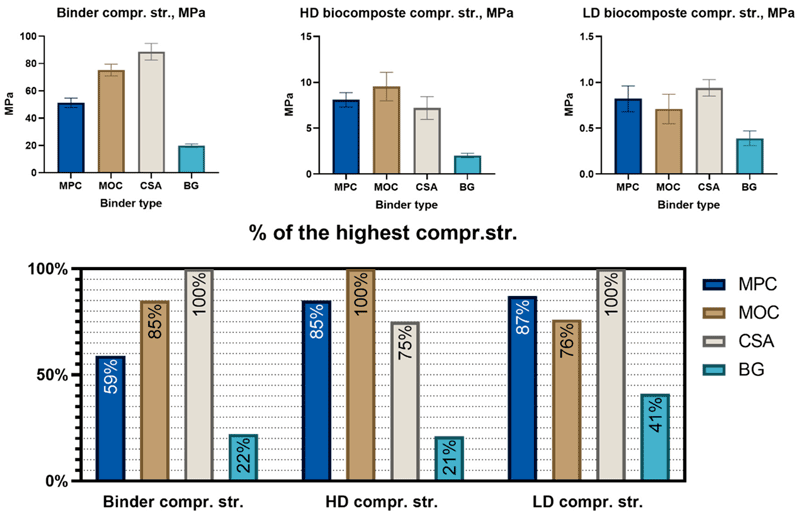
Such projects include the ECO-Binder European Research Project, which brings together 14 partners, concrete producers, laboratories, and technical control offices. So far, the results suggest that for a 30% reduction of the environmental footprint there will be a gain of 20% in thermal insulation properties and an increased fire resistance capacity. At normative level, a specific standard will be necessary, at which the ECO-Binder project is already working in close collaboration with the European Committee for Standardization CEN/TC51.


HGCT – ‘carbon-free concrete’


Hoffmann Green Cement Technologies (HGCT) is a pioneer in its field, as it is the first in the world to offer carbon-free concrete. The objective of HGCT Hoffmann Green Cement Technologies is to reduce carbon emissions related to the concrete manufacturing process: zero waste, zero discharge, zero inconvenience, no quarry, use of renewable energy and manufacture of environmentally friendly short-circuit products. They use three innovative technologies: H-P2A, H-UKR and H-EVA. These acronyms represent the manufacture, conservation of natural resources and perfect compatibility with current manufacturing procedures. Each of these technologies symbolize a green cement adequate for each specific need. H-P2A is used to create 100% mineral adhesives, H-UKR is intended for the industrial concrete market (ready mixed), and H-EVA is dedicated to mortar and plaster, construction concrete and road binders.


Italy. Green concrete, an emergency!


If the situation was already worrying in recent years, the image of the Ispra 2020 land use report in Italy is alarming. Two square meters of concrete are produced every second. And this clearly means that two square meters of green or, in any case, of soil are irretrievably erased. In the largest cities, that is metropolis, the year 2019 recorded the loss of 24 square meters per hectare of green area. Overall, about 50% of national soil losses in the last year are concentrated in urban areas, 15% in central and semi-central areas, 32% in peripheral and less dense areas. The eight ball goes to Rome with a loss of 75 hectares in total (of which 57 ha in the green areas of the city). Milan devoured 11.5 hectares of land in one year (of which 11 are green areas). Turin is the only city that stands out with the least land loss, remaining the only positive reality in this bleak image.

As far as regions are concerned, Veneto has some of the largest losses: over 923 hectares. It is followed by Lombardy (633 hectares), Puglia (425), Emilia-Romagna (381) and Sicily (302).


ECO-Binder project in Italy, Romania, Spain, and the UK


The ambitious ECO-Binder project, financed by the EU, continues in five testing locations in Italy, Romania, Spain, and the UK. Specialists aimed to develop an environmentally friendly solution to drastically reduce the carbon footprint of concrete manufacturing. However, the objectives of the team went much further. Researchers took advantage of the opportunity of integrating more safety, comfort, and stability in a single package of products at a competitive price. Concrete is formed by mixing a binder, usually cement, with water. Belite-Y and Ye’elimite-Ferrite (BYF) cement binders are a family of environmentally friendly materials. The performance of the new class of cements is comparable to that of OPC. However, lower calcium content, lower combustion temperature and lower energy demand for grinding result in approximately 30% less CO2 emissions associated with concrete production.


In 2018-2020 (the first two years of the four-year project), the team demonstrated the feasibility of prefabricated elements combining new BYF binders and the manufacture of advanced functional finishing materials.


Proven success

Four different concrete materials, manufactured with three BYF and OPC cements were used at small-scale models in Romania, Spain, and the UK and at a testing plant in Spain.


According to Arianna Amati, coordinator of the project, the target reached was large-scale production of BYF concrete. 11-meter-high monolithic panels were installed and tested in a real-world scenario on the demonstration site in Mantua, Italy. “165 m2 of facade of the structure were built with prefabricated BYF concrete components in order to demonstrate the complete replacement of the OPC-based product on a full scale,” explains Arianna Amati. The tests of these small- and large-scale models have confirmed the success of project objectives. Prefabricated panels with the new BYF products showed a 24% lower ‘gray energy’, as well as a 24% reduction in carbon footprint. Moreover, insulation properties were improved by 10%. Lower hygrometric shrinkage of BYF concrete (higher dimensional stability) without the use of additives has led to a reduction in air losses. All of these were delivered at a cost 15% lower than conventional OPC products.


Poland: Concrete, gypsum, plaster, and mortar obtained from ash


In turn, Poland is facing high costs for fulfilling the European agreement to reduce CO2 emissions by 40% by 2030 and for reaching carbon neutrality by 2050. The Polish Cement Association (SPC) has forecast a 2% year-on-year drop in cement sales to 18.5 million tons in 2021. In 2020, concrete imports made by Poland with Belarus increased by 80% (440,000 tons) and those in Ukraine climbed by 50% (around 32,000 tons). SPC has expressed its firm support for the European Carbon Border Adjustment Mechanism (CBAM) as a means of protecting industry against imports from both non-EU neighbouring countries and through polluting transport from concrete exporters abroad, such as in Turkey.

EKO-ZEC, a Polish subsidiary of Veolia, collects ash from burning coal and uses it in concrete production. Since the beginning of 2017, part of the surplus was exported to other European countries. EKO-ZEC produces up to 650,000 tons of ash per year, a figure that exceeds by far the local demand, especially in winter months, when there are fewer sites and demand for concrete is lower, and the surplus is obviously exported, especially to countries with fewer coal-fired power plants. Due to these new distribution channels, EKO-ZEC and Veolia contribute to circular economy in Europe!


Romania. ECOPact – the widest range of green concrete in the industry


Local cement market had a value of EUR 630 million in 2020, according to data from the National Institute of Statistics. Compared to EUR 570 million in 2019, it results in a 10% growth of this sector last year.

2021 brought, through Holcim, for the first time in the industry of building materials in Romania, ECOPact – the widest range of green concrete in the industry, with CO2 emissions reduced by over 30%, created to accelerate transition to sustainable construction. At the same time, the company develops a new business model – ECONCEPT, which is based on three complementary directions: ECO Solutions (green products and solutions, with low CO2 footprint); ECO Services (consulting and instruments for building sustainable projects) and ECO Score (evaluation and certification of climate performances of products in the portfolio). The new range of green concrete has a wide range of uses, from residential and non-residential civil constructions, industrial and hydrotechnical constructions, special industrial constructions and to special constructions for water transport and marine structures.

With the new business model, the company has set new targets in terms of sustainability, in accordance with the ‘Net Zero’ commitment that LafargeHolcim Group signed up to last year, at global level. The latter has the goal of reaching CO2 emission neutrality by 2050.


Switzerland. LC3, one of the technologies with the greatest potential to reduce CO2 emissions

A consortium led by the Federal Polytechnic School of Lausanne (EPFL) has received support from the Swiss Agency for Development and Cooperation (SDC) worth more than 4 million francs to accelerate the development and testing of a new type of concrete with low impact on the environment. Developed in partnership with the Institutes of Technology in India and various universities in Cuba and Brazil, this product based on a mixture clay and limestone could replace up to half of the traditionally used Portland concrete, reducing by up to 40% CO2 emissions caused by this material. Researchers, who have actively collaborated with industrial and government partners, hope to make LC3 the new benchmark for the largest companies in the field. Two industrial-scale pilot projects, carried out in India and Cuba, have already proven the efficiency of the product and ease with which it can be integrated into the current production chain. “If we truly want to make concrete more attractive in terms of durability, cost, availability and environmental impact, we must act before demand explodes in developing countries,” concludes Karen Scrivener, who heads EPFL’s Building Materials Laboratory.


LC3 – short history


In 2004, prof. Karen Scrivener from EPFL Switzerland and prof. Fernando Martirena from UCLV Cuba discussed for the first time about the use of calcined clays for pozzolans, and in 2005, the two professors launched together the first research project on this topic supported by the Swiss National Scientific Foundation (SNSF) and the Swiss Development Agency and Cooperation (SDC). In 2009, a second project supported by the SNSF and SDC on materials research began to focus on ternary blended cement with clay and limestone. During this project, from 2009 until 2012, the huge potential of calcined clay was fully recognized.

In 2013, EPFL started a global project: concrete from calcined clay. In addition to the laboratory in Cuba, it was decided to open a second laboratory in India, due to the significant potential to increase the volume of construction materials.

In 2014, the first three-year phase of the LC3 project had as main objective the technical verification of LC3 technology. It involved the development of an academic network for the research of LC3 cements. Consequently, it could be proven that LC3 achieves OPC – CEM I quality and is suitable for global launch.

From 2017 until 2020, the SDC financed another three-year phase with the same team of academic partners in Switzerland, Cuba, and India. Within this phase, the LC3-Project mainly worked on verifying the economic attractiveness of the material and increasing the awareness in industrial and policy circles. Several LC3-applications were built in different parts of the world that are exposed to different environmental conditions. During the phase academic, industrial and policy circles widely acknowledged LC3 as one of the technologies with the highest potential to lower CO2-emissions in the concrete sector. Also, the first permanent large-scale production of LC3 started within the second project phase in Colombia.

Since September 2020, the LC3-Project extends its technology globally. Several new LC3-productions are on the way. The project has received high attention by Bloomberg and TED-talks.


Houses of the future without cement?


Northern countries do what they do best: they are always one step ahead in terms of environmental protection.

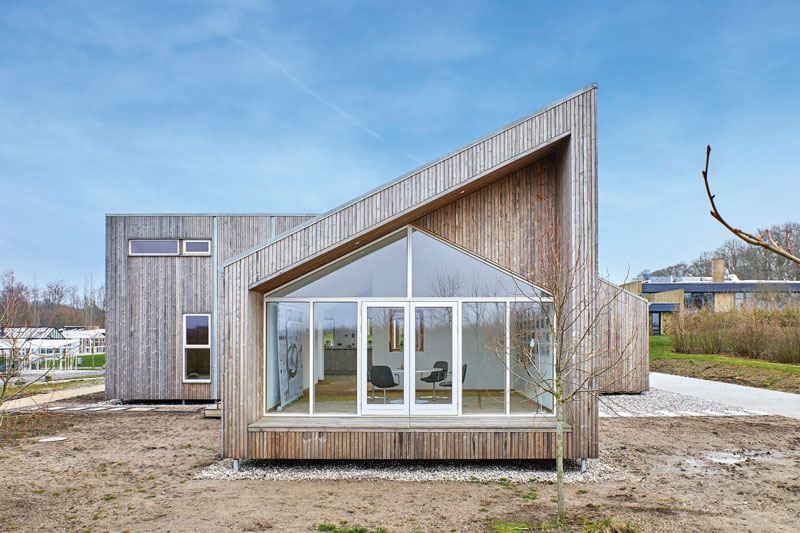
As part of a pilot project supported by green funds from the Danish Ministry of Environment, architects from Een til Een have built the world’s first house from waste and scrap materials from the agricultural industry. Whilst houses made from natural materials are nothing new, as numerous examples can be found in the huts of tribes living in jungles and forests around the world, in this case they are made from materials that have undergone a process of transformation and recycling. Hay and rice straw, reed, hemp, flax, algae and other cellulosic fibres, materials that are normally considered waste and are usually used as fuel for energy production, are given a new life in this project and become raw materials for construction.

The CO2 captured by these materials is not re-emitted into the atmosphere as a result of their combustion. On the other hand, the recycling of locally available materials promotes the local economy. This ‘organic’ house, as the architects themselves have dubbed it, has been designed and produced using digital technologies. Moreover, it is a fully integrated building with natural ventilation and passive solar heating, not to mention that the recycled materials are breathable. The house also sits on screw piles, instead of the traditional concrete foundation, which means better insulation and ventilation, whilst at the same time having less impact on the land on which it stands. For the cladding, wood from local sustainable forests is used, with a special treatment, also biological, which makes it resistant, durable, and dimensionally stable.

World’s first house from waste and scrap materials from the agricultural industry. It is exhibited at the BIOTOPE ecological park in Middelfart, Denmark

The world’s first ‘organic’ house, which aims to tackle ecological problems and global climate change, is part of the general trend towards green architecture. It is exhibited at the BIOTOPE ecological park in Middelfart, Denmark.

The new generation of concrete – ‘green’ or not?


The building sector, a significant emitter of carbon dioxide, plans to make efforts in terms of sustainable development. For this, it relies a lot on ‘green’ concrete, which would have the benefit of not containing carbon. But is green concrete truly environmentally friendly?

The disadvantage of this essential binder is that it is not truly environmentally friendly due to the manufacturing process. Its manufacture is one of the most polluting on the planet, and manufacturers would like to find a solution to protect the planet. Of course, the idea is noble, but not as easy as it seems. And not by the ‘green concrete’ indication on the bags will this product be carbon-free.

The low-carbon method, according to the manufacturers, is to replace the treatment of limestone and clay with slag – waste resulting from the manufacture of steel. This is the shocking argument for proposing the so-called green concrete. Furnaces that mainly produce steel, another element that goes into the construction of buildings, are not models in terms of sustainability.

Slag allows the use of ‘blind’ points in environmental calculation standards


In France, the Elioth design office team, a subsidiary of the Egis group, intrigued by the promises made by manufacturers to reduce CO2 emissions, took over the life-cycle analysis calculations for next-generation concrete.

The use of materials capable of not emitting carbon into the atmosphere or even storing it is gradually becoming essential. It’s about meeting the commitments assumed in France at COP 21 and the Paris Agreements signed in 2015, which translates into the National Low Carbon Strategy (SNBC). Traders support the low-carbon qualities of almost all materials, and concrete is no exception, as manufacturers now offer qualified ‘low-carbon emission’ ranges.

“These calculations are caricatural because, under certain conditions, a concrete floor had a carbon footprint comparable to that of a wooden floor,” said Guillaume Meunier, deputy director responsible for the environment division at Elioth.

Reducing the carbon footprint of so-called low-carbon concrete involves replacing part of the cement clinker with blast-furnace slag. The whole carbon footprint reduction trick looks at the LCA of this slag, which has an almost ridiculous carbon footprint through calculation tricks. Slag is a ‘waste’ of the steel processing industry. Waste, improperly said, because it is now used to justify all low-carbon concrete. 95% of the slag is sold at a rate of 82% to cement producers, at a selling price ten times higher than the real value.

The fact that slag is a by-product allows it to use blind spots in environmental calculation standards in order not to consider its impact on the environment.

On the one hand, we have steel producers who consider slag to be a material that avoids the use of clinker and, therefore, logically (from their point of view) subtract from the balance the difference between the carbon footprint of clinker and that of concrete products. This is therefore a ‘negative’ value that can be deduced from the steel LCA.


New cements blocked by the European Commission

In mid-2019, the European Commission called into question the legality of the mandate review procedure, which aims to introduce new types of cement. Any revision of the standard for current cements is blocked. From a technical point of view, the subject has become legal. But the problem is even deeper, as most of the recently revised harmonized standards are technically robust, but do not apply because they are not cited in the ‘Official Journal of the European Union’ due to lack of compliance. The technical document is expected to reach the CEN survey, and if countries vote positive, we can have a new normative document. At the same time, each concrete manufacturer develops its own strategy for greening its ranges.

Two ranges of ‘low carbon’ concrete: CEM II/C-M and CEM VI. The so-called ‘ternary’ are composed of clinker, limestone and cemented compounds. The compounds can be made of slag from furnaces, but also to be the ash from thermal power plants or pozzolans – volcanic rocks. Their clinker content varies from 50 to 65% for CEM II/C-M and from 35 to 50% for CEM VI. These cements are no longer in the research and development stage but have been widely validated. However, they have not yet been produced and sold due to a legal deadlock in the European Commission that prevents their approval. “In order to introduce them, we need to revise the harmonized European standard that allows them to be placed on the market. But legal issues between the European Commission and the European Committee for Standardization prevent work from being completed. Concrete companies intend to write a standard common to all member states, but to be applied at national level. We need to move forward to meet the challenges we are being asked to meet, which is to reduce our CO2 emissions. The launch on the market is expected, at best, this year,” says Xavier Guillot, head of standards coordination at LafargeHolcim.

Coal Mines in Europe
A Reality We Still Need to Accept


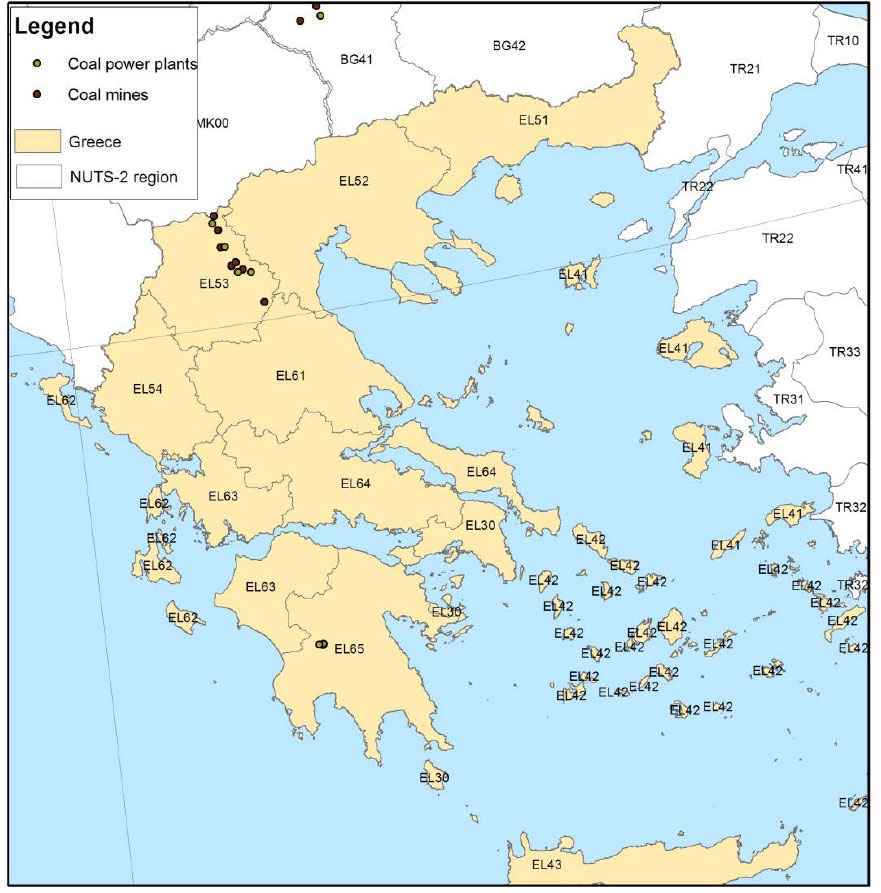
Location of coal power plants with information on capacity and fuel type; and regional CO2 emissions at NUTS-2 level.

Home/Analysis/Coal Mines in Europe

Coal mines are not just images from ‘Germinal’, Émile Zola’s famous novel. Although doomed to disappear due to the catastrophic impact on the environment, coal mines remain a reality in many European countries.

However, coal accounts for only 15% of European Union’s energy production. In the 27 Member States, 53,000 persons are working in thermal power plants and in mines – 185.000, according to the European Commission. Mines in Germany and Poland are the most active, these being supported by modern technologies and improved working conditions. And yet, according to European institutions, two thirds of coal-fired power plants must cease operations by 2030. Even if the European Union manages to spare the black ore, it will remain widely used on the continent, even only for the fact that Russia is one of the main global producers.

At European level, Green Deal provides for financial support measures through the just transition facility: in the following seven years, approximately EUR 40bn will represent public and private funds to help the regions characterized by coal mining.


Most desired transition path in Eastern Europe: natural gas


Eight EU countries, mainly from the former communist bloc, have defended the use of natural gas and support for investments in this energy during energy transition.

However, the place of natural gas in EU’s energy transition remains controversial. The European Investment Bank has decided to cease, as of 2022, financing for any projects related to fossil fuels, including gas. The EU hasn’t regulated yet the draft legislation on green investments. In discussions aimed to establish a classification of investments, depending on their contribution to green transition, the role of gas hasn’t been determined. Therefore, this production was not explicitly excluded from the regulation.


Eight European countries advocate for natural gas

Almost a year ago, Bulgaria, Czechia, Greece, Hungary, Lithuania, Poland, Romania, and Slovakia signed together a 2-page text, which they submitted to the European Commission and Council, advocating for the integration of gas and other gaseous fuels (biomethane and carbon-free gas) in the strategy to a carbon-neutral Europe by 2050.
Related Articles


The countries signatory of the document consider that natural gas can be “an important backup and balance source”, giving time to the development of renewable energy. “It is essential to maintain the support and financial assistance of the EU for the development of gas infrastructure through a favourable framework, structural funds and investment loans,” the signatories claim.


Transition from coal to renewable energy sources through natural gas in Romania


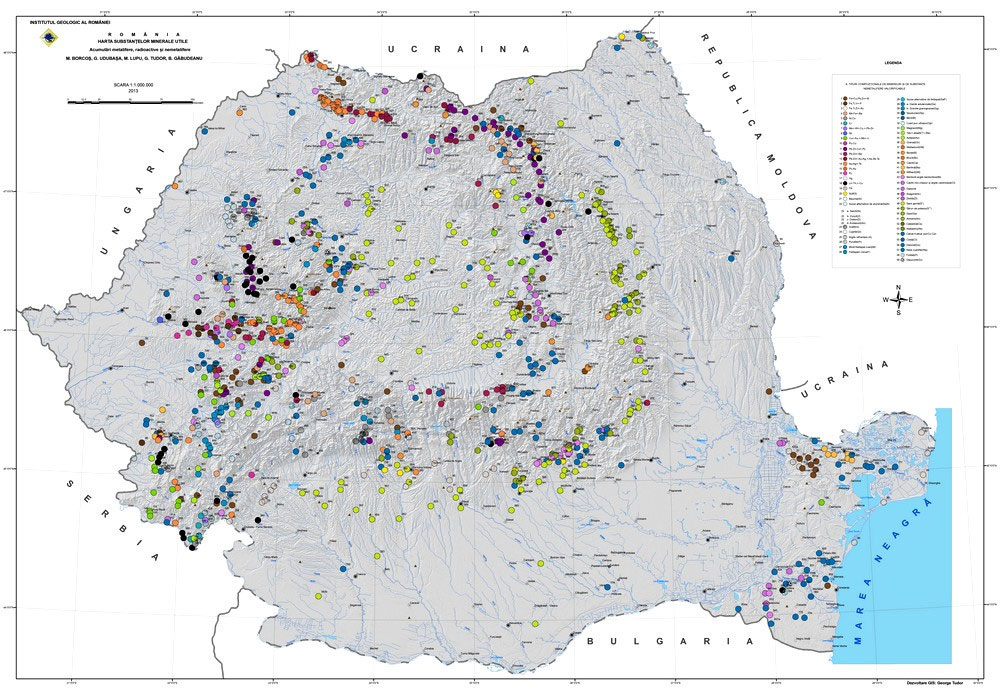
Romania is preparing to mark its permanent elimination of coal. A transformation far from easy, as Romania prides itself with a long and rich mining tradition and continues to use coal, turning it into electricity in its power plants and therefore ensuring its electricity demand. Two electricity production capacities, located in Oltenia and Hunedoara regions, continue to produce coal-fired electricity. While before 1989 the Romanian mining sector employed almost 100,000 people in 450 mines, its current situation is far from encouraging. Indeed, most mines had to be closed, including the oldest mining exploitation, in Petrila, which was opened in 1859. The poor economic performance of coal today is a consequence of several factors, including the lack of investments in operation technologies, costs generated by obsolete technologies, lack of investments necessary to make the production efficient and to comply with environmental standards and, in the end, the lower demand for coal.

On April 21, 2021, Energy Minister Virgil Popescu stated: “Today we completed a memorandum through which we are building a package of social protection for absolutely all those who are working in the mineral resources sector, in the sector related to electricity production: social protection will be directed to those who work underground at Complexul Energetic Hunedoara, to those who work at Mintia Thermal Power Plant and those in Paroseni, if necessary. We are talking about the same social protection for those working at Complexul Energetic Oltenia, where there are surface lignite quarries. The memorandum obviously includes a package of social protection for miners in Crucea mine, which will close because it has no deposits left”.

At the same time, Virgil Popescu insisted to reassure that the Ministry of Energy, Nuclearelectrica, and the current management of CNU make extensive efforts so that following the closure of Crucea mine and by opening the uranium mine in Tulghes-Grinties, Romania will continue to have the integrated nuclear circuit ensured.

European Commission Vice-President Frans Timmermans mentions that Bucharest should propose as soon as possible to the European Commission its plan for the permanent elimination of coal.

“This could become an opportunity for creating new jobs, made available to redundant miners. Romania has funds to do it,” Timmermans mentioned.

According to Green Peace, the Ministry of Energy has to pursue the following objectives to comply with the European climate targets:
To stop unsustainable support for coal-fired energy production (too polluting and too expensive) and communicate a clear date and a realistic plan to phase out coal from the national energy mix and replace it with new renewable energy capacities; the first step is the urgent establishment of the coal phase-out committee, a committee which would have a mixed composition and would find solutions for the social and economic impact in the area.
To correlate these efforts with the financial support program announced by the European Commission, the Just Transition Fund, a program dedicated to mining areas that will undergo an extensive decarbonization program. It aims to maintain the economic production and increase the level of employment for those affected by coal elimination (EUR 2.2 billion will be allocated for Romania).
To amend the Restructuring and Decarbonization Plan of Complexul Energetic Oltenia, so as to be in line with the principles of granting European funds, to pursue and access the existing opportunities of funding for investments in the development of technologies and infrastructures for clean energy.

In Romania, a sensitive project is Jiu Valley. Mihai Melczer, expert in the mining industry and former CEO of Complexul Energetic Hunedoara, has recently stated for RRI (Radio Romania International) that: “When you see that coal mining is no longer profitable and exploitation costs are rising, exploitation must be stopped. There is a need for a reorientation towards industries that offer a margin, which allow to reduce operating costs and increase profits. Coal from Jiu Valley is difficult to extract, does not allow the use of advanced technologies. We are not in Poland. Here, coal deposits are more difficult to exploit. And stubbornly pursuing mining activities is just throwing money out the window.”


Also, the former CEO of Complexul Energetic Hunedoara highlights the social consequences generated by the plan to restructure mining activities. Among projects that should help the affected industrial regions, we can note the creation, in Petrosani, of an institution that develops training courses, and which should train former miners for jobs in the field of green energy. The project should open to the inhabitants of this mono-industrial region other professional prospects and not only mining careers. Another project, which should provide professional alternatives to the inhabitants of the mining region of Jiu Valley, aims to take advantage of properties of hydrogen, which some see as the energy of the future.

“It is crucial to take coal regions along in the European energy transition – we need a just transition. In practice this means that new jobs need to be created for fossil fuel workers – and they need to be trained to fill these jobs. This is the only way for coal regions to go through a successful transition along with the rest of Europe,” WindEurope warns.

The Romanian Wind Energy Association (RWEA) has been working on this issue over the past years and has now been able to fully establish a reskilling project for miners.

It all started with the Renewable Energy School of Skills in Constanta, where 4,500 technicians have been schooled who now take care of O&M of wind farms in Romania and abroad. But starting in July the School’s facilities will be expanded to the Jiu Valley – a former coal region. This facility will train 400 miners per year who will be able to work in the wind industry afterwards.

It is highly critical for these regions to be offered help in their transition. Just like many European coal regions, the Jiu Valley used to have a strong economy. But after the closure of all its mines, its communities were left behind and almost half of the region’s population has left ever since.

These local initiatives can be a big support in reawakening the local economy. Wind energy has grown a lot in Romania recently. It now provides about 12% of Romania’s electricity but is expected to provide up to 35% of Romania’s electricity by 2030.

The closing of mines does not have to mean the downfall of these regions. New opportunities will arise, and the wind industry can make its contribution here by creating jobs for locals.


No new coal-fired power plant will be built in Romania


Energy Minister Virgil Daniel Popescu confirms that no new coal-fired power plant will be built in Romania. Romania will receive no less than EUR 4.4bn within the European Just Transition Facility. “Romania is one of the largest gas producers and reserve owners in Europe. We aim that energy transition from coal to renewable energy be made with natural gas.”

Despite its efforts to develop renewable sources, Romania depends for energy supply with over 60% on fossil fuels, mainly related to coal extraction. But the rising costs and global heating force a transition. The challenge appears especially for Jiu Valley, the famous coal basin of the country. This landscape marked by industrial decline raises the question: what will be the fate of mining regions in Europe; how about in Romania?


Bulgaria. Extremely costly transition


Countries in Eastern Europe rely to a great extent on fossil fuels. In Bulgaria, almost half of national energy is produced by coal-fired power plants. A very polluting energy, in terms of CO2 emissions, but also due to the production of sulphur dioxide, a toxic gas that irritates the airways and produces acid rain. Therefore, the country is trying to produce less polluting coal, due to new infrastructure. But this transition is very expensive. Completed in 2011, the new power plant that uses flue gas desulphurization technology cost EUR 1.3 billion. “Our efficiency coefficient for these emissions sometimes reaches from 98% to 99%. So, you can imagine the quantity of sulphur dioxide we capture in our plant. Captured sulphur dioxide reacts with limestone and forms industrial gypsum,” said Ivan Tzankov, CEO of AES Bulgaria.

Following Bulgaria’s accession to the EU in 2007, sulphur dioxide emissions have been significantly reduced, from 800,000 tons per year to less than 100,000 tons today. But this remains insufficient in the eyes of the European Commission, which referred Bulgaria to the EU Court of Justice in 2019.


According to several experts, Bulgaria will not be able to comply with new European rules on pollution, due to its aging coal plants. Some of the most recent plants are less than 20 years old. The others are power plants of 50, 60, 70 years, which are reaching the end of their life. In 2018, prices increased from EUR 5 to EUR 25 per ton of coal, as old coal-fired power plants had to comply with EU system of emission quotas. An example is the public power plant Martiza Iztok 2, for which the situation is particularly difficult, as it has accumulated hundreds of millions of euros in debts and produces expensive electricity, which is difficult to sell. The power plant is even more important as it generates up to half of the entire electricity in Bulgaria during the cold season. This is why its closure or upgrade is such a sensitive topic in the country. According to trade unions, over 100,000 people depend economically on this power plant. The Ministry of Energy is trying to expand its life at least until 2050.


Poland – ‘coal country’, a nice history chapter that must be closed


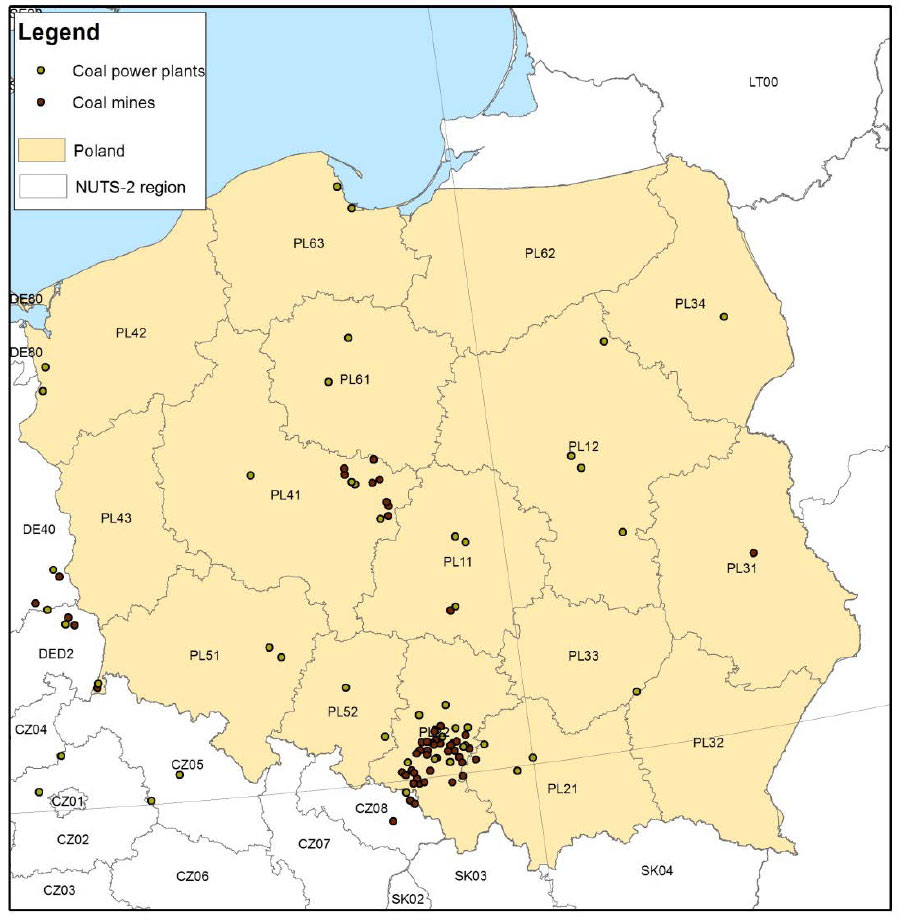
In September last year, under pressure from the European Union, Warsaw decided to begin energy transition. The first measure: closing all coal mines by 2049. A decision with serious consequences, as electricity production relies 80% on this fuel. Artur Sobon, minister responsible for state assets, acknowledges that there is no future for coal in Poland. “We have to do deeper and deeper extractions; it is hard work that will be done less and less. It is a nice chapter in Poland’s history, which must be closed,” said the minister in February this year.


To reduce coal share in electricity production from 80% to 32% by 2040, the Government wants to build, by then, six reactors, of which the first in 2026. Also, Poland undertakes to develop renewable energy, especially solar power, and offshore wind power, in the Baltic Sea. The Minister detailed the problems of heat production, especially to decarbonize the chemical industry. The country is interested in the technology of high-temperature gas reactors (HTGR). Discussions continue with the Japanese Atomic Agency (JAEA) on this technology and the 30 MW high temperature test reactor (HTTR) also received the green light from the Japanese Safety Authority (NRA) to bring the reactor in line with the new safety standards in order to restart it. Poland wants to make sure that the model of financing these reactors will ensure competitiveness of nuclear power.


Czechia: Construction of new reactors in Temelin and Dukovany


While for several years Czechia has expressed its desire to focus more on nuclear power, today, with the strong support of the state, Czechia is turning to the national energy company CEZ.

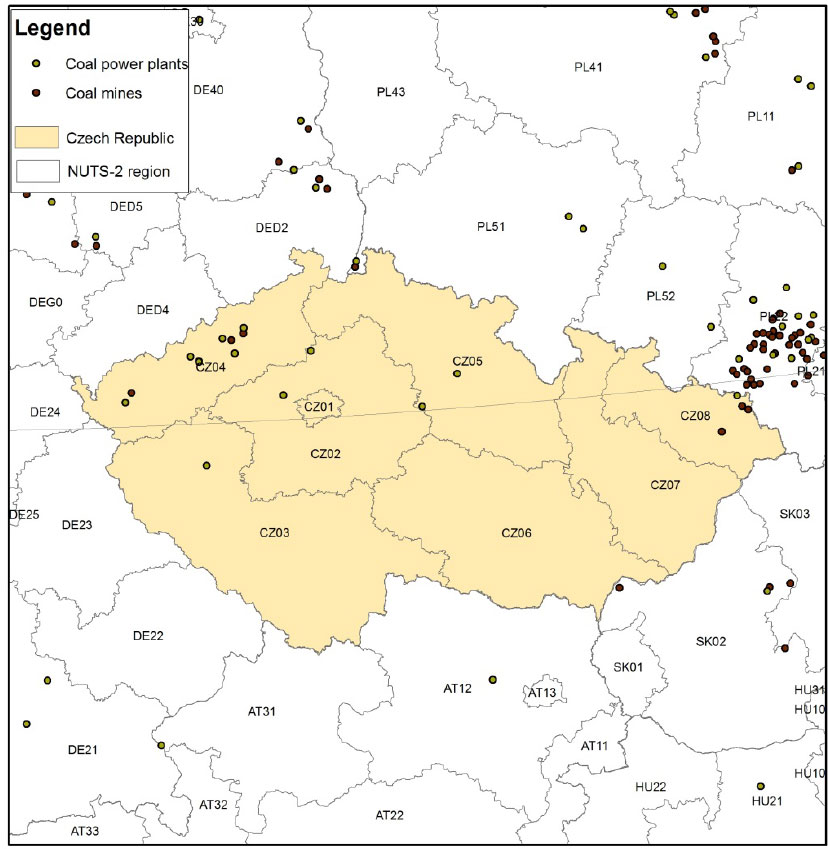
In 2015, Czechia adopted a strategic plan for 2040-2050, in line both with the national objective of keeping energy security and the European decarbonization objective. This plan provided for the construction of an additional reactor, on each of the two sites, Temelin and Dukovany, with the goal of reaching 50% of nuclear power production by 2050, instead of 35% at the moment. The new nuclear construction project was confirmed by government resolution on July 8, 2019 and it was decided to begin work at Dukovany site. Czechia currently has two nuclear power plants: Temelin and Dukovany.

In May 2020, Czech state officials and players in the nuclear sector, including CEZ, agreed on a financial plan articulated around a state loan for the renewal of Dukovany nuclear power plant, including the estimated cost of the following reactor: EUR 5.80 billion. This orientation takes shape to help lower electricity bills. Waiting for the approval requested from the European Commission on the main conditions of this project, the Czech state has held for long-time discussions with CEZ (the majority shareholder, 70%) about the project’s options to renew its nuclear park, to anticipate the shutdown of its first reactors in the following decades. The country’s priority is to guarantee its energy independence and its related status of net electricity exporter. Moreover, it’s about a drastic decrease in the share of fossil fuels, starting with coal, which accounts for 50% of the electricity mix.


At European level, Czechia defends the objective of nuclear power, considered a source with reduced carbon emissions, in accordance with the European Union rules. According to Karel Havlicek, Minister of Industry and Commerce, it would also contribute to the reduction of its financing costs.


Hungary. Coal phase-out by 2025


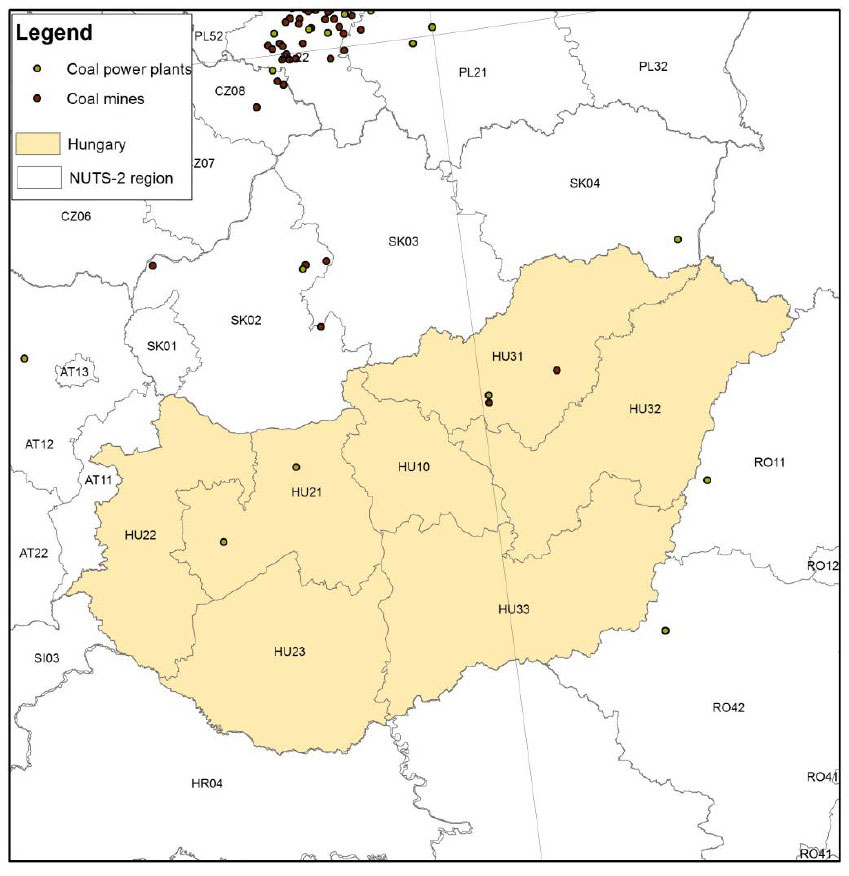
“The last coal-fired power plant of the country will be closed in 2025, not in 2030,” said Hungary’s Secretary of State for European Affairs, Attila Steiner, at the annual summit ‘Powering Past Coal Alliance (PPCA)’, on March 2, 2021.

“We want to achieve 90% carbon neutral electricity production by 2030, and to do this, Budapest intends to maintain existing nuclear power production and increase photovoltaic production to 6 GW – three times more than the existing nuclear capacity of the country,” said Attila Steiner.


The Secretary of State added that he wanted the closure of the last major lignite-fired thermal power plant of the country, in Mátra, by 2025, as through this closure Hungary would benefit from European funding to support the affected works in the coal industry.

Greece 2.0. Energy transition in Greece, lagging behind other European countries


The European Investment Bank (EIB) agreed to help manage up to EUR 5 billion as part of implementation in Greece of the National Recovery and Resilience Plan, known as ‘Greece 2.0’. Technical, financial, and environmental experts of EIB will identify high-impact projects, priority sectors and efficient financial structures to ensure the best use of the new European support and loan subsidies for Greece to mitigate the social and economic impact of the coronavirus pandemic. It seems that Greece has breached the European Commission rules on electricity market liberalization. Some still request a fair and real competition by breaking the monopoly of Public Power Corporation S.A. (PPC); therefore, the Greek energy transition is lagging behind other European countries. And as in Europe discussions focus on gradual elimination of coal and lignite, while ensuring a smooth transition for regions that have depended for years on coal extraction and electricity production, in Greece lenders have put pressure to sell 40% of PPC lignite stations to ‘upgrade’ the electricity market, as part of the rescue agreement.


For WWF Greece, the decision to sell a large part of coal assets could be a disaster for consumers and the sustainability of the energy model of the country. A study on Greece’s long-term energy plan, published by the National Observatory in Athens and WWF Greece, showed that electricity costs would be significantly higher if the country’s dependence on lignite were extended. “While the rest of Europe is focused on decarbonization, the claim by Athens officials that the Greek market will become competitive by selling one or two PPC lignite plants is simply a lie,” said in 2019 Nick Keramidas, European director for metallurgy and industrial businesses.


The new European industrial strategy proposes the creation of new alliances


Weaknesses in EU capacities of extraction, processing, recycling, refining and separation (e.g., for lithium) reflect a lack of resilience and a high dependence on sources of supply in other parts of the world. Some materials extracted in Europe (such as lithium) must currently leave the continent to be processed elsewhere. The technologies, capacities and abilities of refining and metallurgy are a key link in the value chain. Thanks to the European Battery Alliance, public and private funds have been widely mobilized and should, for example, make it possible to meet 80% of European demand for lithium from European sources by 2025.

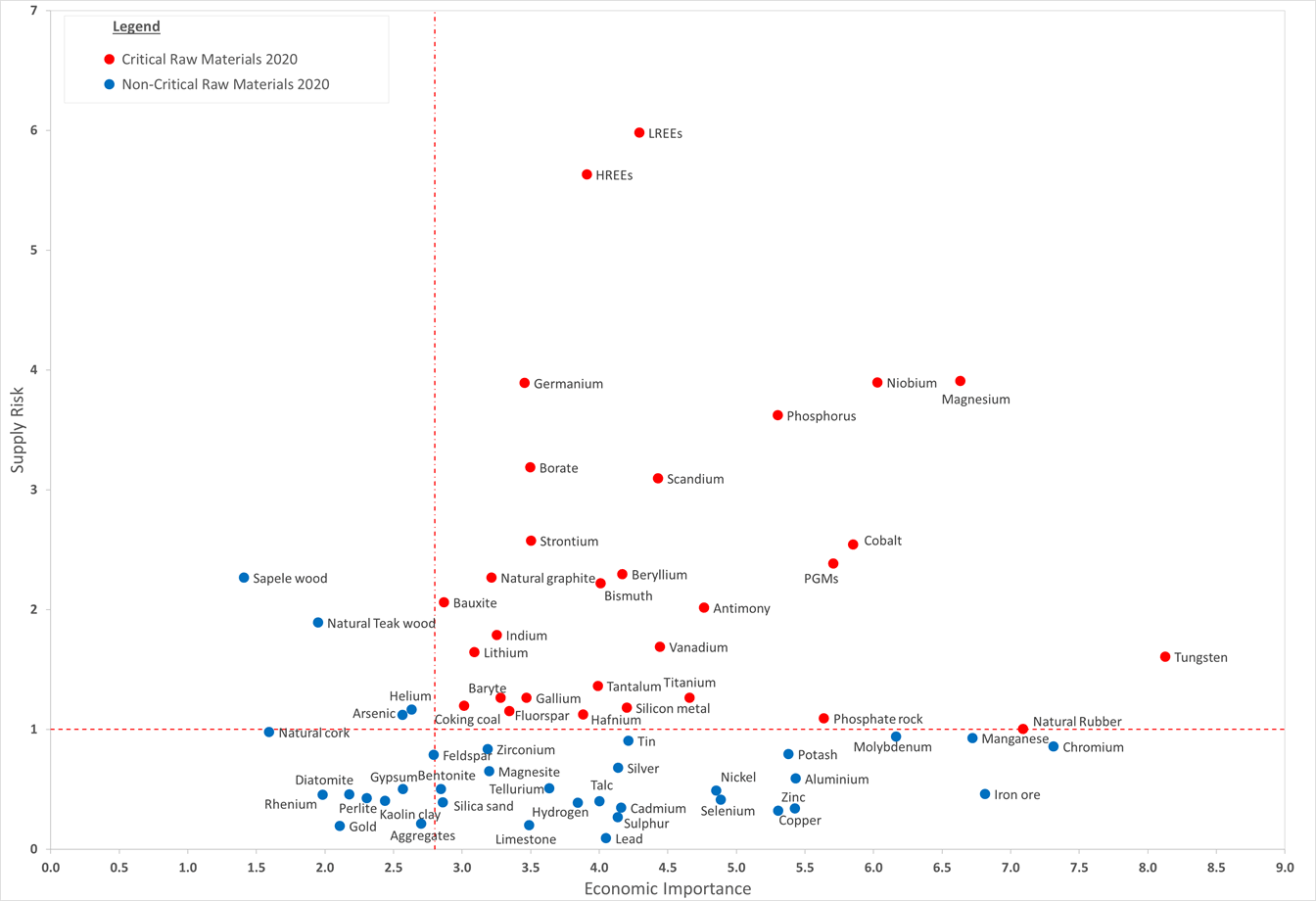
The European Commission has presented its action plan on critical raw materials defined as “raw materials that are the most important from an economic point of view and that present a high risk of lack of supply.” For example, 75 to 100% of metals extracted in Europe come from third countries. In order to overcome this excessive dependence and materialize its green deal, the European Commission is implementing a strategy to secure supplies to the EU.


The Commission Communication to the European Parliament, the Council, the Economic and Social Committee and the Committee of the Regions is structured in two directions. It first provides the list of critical raw materials for the EU and sets out the measures to be taken to strengthen the Union’s resilience and strategic autonomy. The Commission reviews the list every three years, the first being published in 2011 and containing only 11 substances compared to 30 in 2020. Bauxite, lithium, titanium, and strontium appear for the first time in the new list. Helium and nickel are not listed but remain under surveillance due to growing demand.

This list is used to support the development of EU policies, to play a role in negotiating international agreements and to identify investment needs for different programs (Horizon 2020, Horizon Europe).

The criticality assessment method could be revised for the next list (2023) to incorporate the latest knowledge. The EU will contribute to global efforts for better resource management and cooperate with relevant international organizations. This knowledge base should enable strategic planning and forecasting, reflecting the EU’s goal of creating a climate-neutral digital economy by 2050 and strengthening its influence on the world stage. The geopolitical aspect should also be an integral part of this forecasting exercise, thus enabling Europe to anticipate and meet its future needs.

The EU Action Plan for critical raw materials will pursue objectives such as:
Establishing resilient value chains for industrial ecosystems in the European Union;
Reducing dependence on primary and critical raw materials through a circular use of resources and the design of sustainable and innovation products;
Strengthening supply and sustainable and responsible processing of raw materials in the EU;
Diversification of supply sources through sustainable supply to third countries, by consolidating open and regulated trade in raw materials and eliminating international trade distortions.