Tuesday, January 11, 2022

'Do what you love' could be contributing to the Great Resignation

Galen Watts, Banting Fellow, Centre for Sociological Research, KU Leuven 

“Do what you love,” is no longer just advice.
© (Shutterstock) 
The passion paradigm is one cause of what has been dubbed the “Great Resignation.

High school students learn early on that their future careers should be passion-driven. Self-help books counsel job searchers to start with reflection on what they love. And Hollywood films teach people, in romantic fashion, to aspire to work that is intrinsically satisfying and expresses our authentic selves.

Researchers call this way of thinking about work the passion paradigm, and studies show it has become pervasive in modern societies.

The passion paradigm emerged in the 1960s. During this time, there was widespread questioning of social and cultural norms — especially among youth — which helped develop a new way of thinking about the role of work in human life.

This trend was spearheaded by the scholarship of humanistic psychologist Abraham Maslow, who applied his theory of the “hierarchy of needs” to the modern workplace. In Eupsychian Management, Maslow argues that work should be thought of as a key source of personal growth and self-actualization.

Maslow envisioned a world where individuals derive deep satisfaction from their working lives, and who treat their work as a sacred activity.

Since early 2021, I have conducted interviews with over 90 professionals and managers in Toronto, to learn how they think about work. Although there are exceptions, what the data shows, in general, is that Maslow’s theory has increasingly become common.
The downsides of the passion paradigm

Because the rising popularity of the passion paradigm has coincided with both increasing economic inequality and a steep decline in the power of unions, it has attracted a host of criticism.

Sociologist Lindsay DePalma contends that the passion paradigm encourages workers to romanticize their work while blinding them to the unequal distributions of power that characterize their working lives.

In her book Work Won’t Love You Back, journalist Sarah Jaffe argues that loving your job is a bad idea because it is a recipe for (self)exploitation.

Derek Thompson, a staff writer at The Atlantic, maintains that the passion paradigm has fuelled a new religion — “workism” — which is responsible for causing burnout and depression even among high-wage earners.
© (Shutterstock) It wasn’t just managers who were part of the Great Resignation.

These commentators rightly fear that the passion paradigm can (and does) lead workers to accept harmful working conditions, poor treatment from their employers and unrealistic expectations from themselves — basically to put up with what they shouldn’t.

When people aspire to love their work, they may prioritize work at the expense of other important aspects of life — family, friends and hobbies. An overvaluation of work can lead people to see those who cannot work as lazy, stupid or undeserving of concern.

And yet, despite these evident pitfalls, the passion paradigm can also have the opposite effects. In fact, I would argue that it is one cause of what has been dubbed the “Great Resignation.”
The Great Resignation

In August 2021, 4.3 million American workers quit their jobs, the highest ever recorded. And similar waves have hit the U.K..

In Canada it’s not clear whether the Great Resignation is taking place with equal intensity, but some studies show that Canadian workers are increasingly considering leaving or switching their jobs.

Read more: Vast majority of American workers like their jobs – even as a record number quit them

There are many factors causing the Great Resignation. Among the most notable are wage subsidies which have given workers more freedom to choose the kind of work they want to do, the added work stress caused by the pandemic, the need to stay home with young children and the shift to remote work.

However, I think another reason has to do with the expectations workers have around work — expectations which derive from the passion paradigm.
The passion paradigm and the Great Resignation

By disrupting people’s routines, the pandemic has reawakened in many the deep-seated desire for a job they actually enjoy — a desire that has long been suppressed.

My interviews make it clear that many Canadian workers are looking at their jobs and asking themselves, “Is this really what I’m passionate about?” “Do I want to spend the majority of my waking hours doing this?” “Does my job bring me meaning?”

And this isn’t just managers. The highest number of resignations in Canada have taken place within the accommodation and food service industries. And as a recent article in The Atlantic put it, “this level of quitting is really an expression of optimism that says, ‘We can do better.’”

In a sense, the passion paradigm is paradoxically fuelling the demand for better, more satisfying, and more meaningful work. It is because workers expect more that they are no longer willing to put up with the status quo.
 The passion paradigm can fuel demands for better.

The passion paradigm requires a strong safety net

Of course, none of this could have happened without the government supports that reweighed the balance of power between workers and bosses.

Since the 1980s, workers have had less and less power to negotiate. So, while the passion paradigm may have grown in popularity, it grew in economic conditions that were largely determined by employers, not employees.

But in the wake of the pandemic this has slowly begun to change. Faced with labour shortages, employers are forced to take workers’ seriously when it comes to demands around pay, flexibility, autonomy and scheduling. They are receiving the message that “business as usual” is no longer acceptable — and, in some cases, they’re caving.

The crucial takeaway is that the passion paradigm can fuel demands for better, more meaningful work, but this is only possible when it’s accompanied by a strong social safety net.

Workers don’t need to stop loving their jobs. But they should ask whether their jobs are themselves loveable. And this is easier to do when you have real economic freedom.

This article is republished from The Conversation under a Creative Commons license. Read the original article.


Read more:
COVID stress syndrome: 5 ways the pandemic is affecting mental health

We can’t ignore mental illness prevention in a COVID-19 world

Galen Watts receives funding from the Social Sciences and Humanities Research Council of Canada.
United's CEO said one worker a week was dying from COVID-19 before the company mandated vaccines. 

Now, no vaccinated employees have died in 2 months.

jepstein@insider.com (Jake Epstein,Taylor Rains) 12 hrs ago
 United Airlines planes are seen at Newark International Airport in New Jersey, United States on September 29, 2021. United Airlines is firing employees over its vaccine mandate. 
Tayfun Coskun/Anadolu Agency via Getty Images

United Airlines says an average of one employee a week died from COVID-19 before vaccine mandate.

Since enforcing a vaccine mandate, no vaccinated employee has died from COVID-19 in two months, the airline's CEO said.

The airline's CEO said that no vaccinated staff members are hospitalized with COVID-19.

More than one United Airlines employee on average was dying from COVID-19 each week prior to the company's vaccine mandate, CEO Scott Kirby said on Tuesday.

Now that a vaccine mandate is in place, the airline has not seen a COVID-19-related death among its vaccinated employees in two months, according to a memo sent by Kirby to United staff and obtained by Insider.


A spokesperson for United confirmed to Insider that the vaccine mandate went into place in September, and that "the memo references the stats before the mandate and afterwards."

It remains unclear if the data refers to all deaths that happened since the pandemic began or if it refers to a shorter time period.

Kirby also said that while nearly 3,000 United employees are currently positive for COVID-19, and there are no vaccinated employees currently in the hospital.

"In dealing with COVID, zero is the word that matters — zero deaths and zero hospitalizations for vaccinated employees," Kirby said in the memo.

Airlines recently have been canceling flights as the highly transmissible Omicron variant has forced employees to call in sick and disrupted travel across the country.

Alaska Airlines axed about 10% of its January flight schedule due to an "unprecedented amount of sick calls while JetBlue cut roughly 1,280 flights through January 13 over COVID-related absences. Delta and SkyWest confirmed to Insider that the Omicron variant has impacted their operation and flight schedule, as well.

Kirby said in his memo that on one specific day at Newark Liberty International Airport, a United hub, one-third of the company's workforce called out sick. It was not made immediately clear when, exactly, this happened.

Delta Air Lines battles with nation's largest flight attendant union over shortened Covid sick leave


Delta sent the Association of Flight Attendants a cease-and-desist letter last week over comments on social media about the airline's sick policy.

Delta urged the CDC to reduce its isolation guidelines for breakthrough cases of Covid, warning about employee shortages and flight cancellations, which later materialized, despite the new policies.
© Provided by CNBC Flight attendants hand out refreshments to a packed Delta Airlines flight traveling from Ronald Regan National Airport to Minneapolis Saint Paul International Airport on Friday, May 21, 2021.

Delta Air Lines sent the country's largest flight attendant union a cease-and-desist letter after its president criticized the company's shortened sick leave policy for staff with Covid-19.

Last Thursday, Sara Nelson, president of the Association of Flight Attendants, tweeted that the union was getting "multiple reports" that Delta "is telling workers across work groups that they should come to work w/ symptoms even if someone in the household tested positive." She also said that positive workers were told to "come to work after 5 days if the fever is below 100.9, even if still testing positive."

A day later, Peter Carter, Delta's chief legal officer sent AFA the letter.

"Not only is this information false, but it is actionable because it places Delta in a highly negative light by suggesting Delta was asking employees to work while they were ill," said Carter's letter. "Such irresponsible conduct is inappropriate, defamatory and must cease immediately."

Nelson, whose union doesn't represent Delta's flight attendants but began an organizing drive there in November 2019, defended her comments and said Delta's policies have confused flight crews.

"Delta's policy now refers to being asymptomatic before returning to work, which was a serious concern as that CDC guidance was initially omitted from Delta's policy announcement," she wrote to Delta CEO Ed Bastian on Tuesday. "But we are still getting questions from Delta flight attendants about returning to work with a low grade fever and about the fact that Delta's current policy only recommends to test before returning to work and does not require a test."

Delta updated its Covid sick leave policy on Dec. 28 to five days off with pay protection — reduced from 10 days — that doesn't require staff to use days in their sick banks. Staff can get an additional two days if they test positive again on the fifth day.

"Delta has always followed the science to form our policies regarding COVID-19," a Delta spokesman said Tuesday. "We sent a cease and desist letter because we believe institutions and leaders must speak carefully, truthfully, and factually."

The carrier had asked the Centers for Disease Control and Prevention to halve its recommended isolation time for breakthrough Covid infections to five days, warning about staff shortages and flight cancellations, which later materialized. JetBlue Airways and other carriers asked for the same change. CDC had updated its guidance on Dec. 27, after loosening recommendations for health care workers.

Cancellations from staff out sick from Covid and a series of winter storms surpassed 20,000 between Christmas and the first week of the year. United Airlines, which still has 10 days of pay protection in place for crews with Covid, said Tuesday that it would further trim its schedule, with 3,000 workers, about 4% of its U.S. staff, positive for the coronavirus.

Frontier Airlines and Spirit Airlines give employees 10 days of pay protection if they test positive for Covid.
Maryland man receives first successful pig-to-human heart transplant

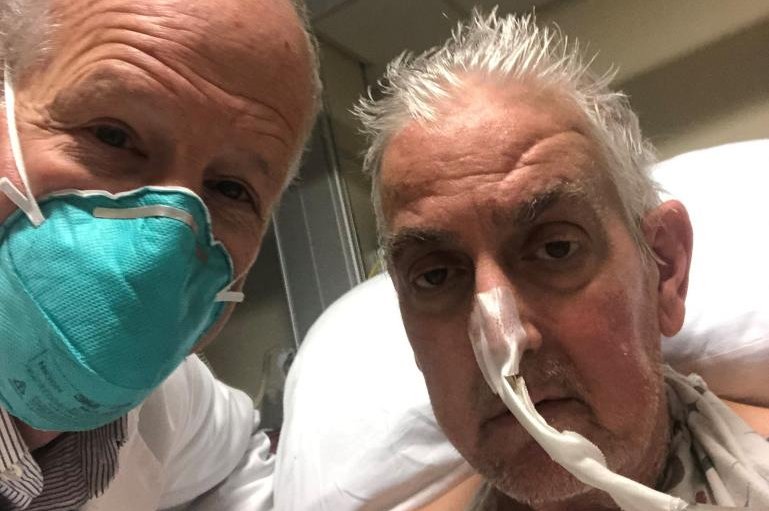
David Bennett, a 57-year-old from Maryland, became the first person to successfully receive a heart transplant from a genetically modified pig. 
Photo courtesy University of Maryland Medical Center

Jan. 10 (UPI) -- A Maryland man became the first person to receive a successful pig-to-human heart transplant.

David Bennett, 57, is "still doing well" three days after the first-of-its-kind surgery, and will continue to be monitored to determine whether the transplant, conducted at the University of Maryland, provides lifesaving benefits, the university said in a statement.

"This was a breakthrough surgery and brings us one step closer to solving the organ shortage crisis. There are simply not enough donor hearts available to meet the long list of potential recipients," said Dr. Bartley Griffith, the doctor who performed the surgery.

"We are proceeding cautiously, but we are also optimistic that this first-in-the-world surgery will provide an important new option for patients in the future."

RELATEDGene therapy may help cure sickle cell disease, study says

The surgery took nine hours and saw doctors replace Bennett's heart with one from a 1-year-old, 240-pound pig that was bred and had its genes edited specifically to provide organs to humans.

The pig had 10 genetic modifications that includes inactivating, or knocking out, four genes, including one that encodes a molecule that causes an aggressive human rejection response and a growth gene to prevent the pig's heart from continuing to grow after it was implanted.

Additionally, six human genes were inserted into the genome of the donor pigs to make the porcine organs more tolerable to the human immune system.

The transplant provided the first demonstration that a genetically modified animal heart can function like a human heart without being immediately rejected by the human body.

"It creates the pulse, it creates the pressure, it is his heart," Griffith told The New York Times. "It's working and it looks normal. We are thrilled, but we don't know what tomorrow will bring us. This has never been done before."

Bennett chose to undergo the experimental treatment, as he would have died without a new heart, had exhausted other methods of treatment and was not healthy enough to qualify for a heart from a human donor.

"It was either die or do this transplant," Bennett said, a day before the surgery. "I want to live. I know it's a shot in the dark, but it's my last choice."

The Food and Drug Administration granted emergency use authorization for the surgery on New Year's Eve through its expanded access provision.

Griffith said the procedure required some "clever plastic surgery to make everything fit" but added that once the clamp restricting blood supply to the organ was removed that "the heart fired right up" and "the animal heart began to squeeze."

Bennett remains connected to a heart-lung bypass machine, which he may be removed from as early as Tuesday, and is being closely monitored to ensure his body does not reject the new heart and for infections, including porcine retrovirus, a pig virus that can be transmitted to humans.

US doctors implant pig heart in human in medical first


The team behind the historic procedure say they hope the process can help solve the massive shortage of donor organs.

Surgeons in the United States have implanted the heart of a genetically modified pig into a human patient in a global first, the University of Maryland Medical School announced on Monday.

The procedure took place on Friday, and while the long-term prognosis for 57-year-old patient David Bennett is uncertain, the doctors hailed it as a "historic" milestone.

Bennett, who was still in the hospital recovering on Monday, said before the surgery: "It was either die or do this transplant. I want to live. I know it's a shot in the dark, but it's my last choice."

"I look forward to getting out of bed after I recover," he added, having been bedridden for months and hooked up to a heart-lung bypass machine.

Why was it necessary to use a pig's heart?

The US Food and Drug Administration issued an emergency authorization for the procedure on New Year's Eve, a final ray of hope for a patient who was not suitable for a traditional organ transplant.

"This was a breakthrough surgery and brings us one step closer to solving the organ shortage crisis," said Bartley Griffith, one of the surgeons on the team. "There are simply not enough donor human hearts available to meet the long list of potential recipients."

About 110,000 Americans are currently waiting for an organ transplant, and more than 6,000 patients die each year before getting one, according to official figures.

Muhammad Mohiuddin, who co-founded the university's cardiac xenotransplantation program, added the surgery was the culmination of years of research that involved transplanting pig organs into baboons.

The donor pigs are the result of gene editing that has removed certain markers that caused patients to reject the organs, or that led to the excessive growth sometimes seen in pigs.

Pig heart valves and pig skin grafts are already widely used on human patients.

Dr. Peter Chin-Hong, a doctor with the University of California, San Francisco, said the gene editing was the key difference between this attempt and earlier tries at the procedure.

"Our immune system is so vigrous" that it reacts to even "very minor perturbation that look foreign," and reject them he told DW, adding that the result also allowed patients to use fewer anti-rejection medications and "live a more nomal existence."

es/rt (AFP, Reuters)

In a medical first, doctors transplanted a pig heart into a patient
© Provided by The Canadian Press

In a medical first, doctors transplanted a pig heart into a patient in a last-ditch effort to save his life and a Maryland hospital said Monday that he's doing well three days after the highly experimental surgery.

While it’s too soon to know if the operation really will work, it marks a step in the decades-long quest to one day use animal organs for life-saving transplants. Doctors at the University of Maryland Medical Center say the transplant showed that a heart from a genetically modified animal can function in the human body without immediate rejection.

The patient, David Bennett, a 57-year-old Maryland handyman, knew there was no guarantee the experiment would work but he was dying, ineligible for a human heart transplant and had no other option, his son told The Associated Press.

“It was either die or do this transplant. I want to live. I know it’s a shot in the dark, but it’s my last choice,” Bennett said a day before the surgery, according to a statement provided by the University of Maryland School of Medicine.

On Monday, Bennett was breathing on his own while still connected to a heart-lung machine to help his new heart. The next few weeks will be critical as Bennett recovers from the surgery and doctors carefully monitor how his heart is faring.

There’s a huge shortage of human organs donated for transplant, driving scientists to try to figure out how to use animal organs instead. Last year, there were just over 3,800 heart transplants in the U.S., a record number, according to the United Network for Organ Sharing, which oversees the nation’s transplant system.

"If this works, there will be an endless supply of these organs for patients who are suffering,” said Dr. Muhammad Mohiuddin, scientific director of the Maryland university's animal-to-human transplant program.

But prior attempts at such transplants — or xenotransplantation — have failed, largely because patients’ bodies rapidly rejected the animal organ. Notably, in 1984, Baby Fae, a dying infant, lived 21 days with a baboon heart.

The difference this time: The Maryland surgeons used a heart from a pig that had undergone gene-editing to remove a sugar in its cells that’s responsible for that hyper-fast organ rejection. Several biotech companies are developing pig organs for human transplant; the one used for Friday's operation came from Revivicor, a subsidiary of United Therapeutics.

“I think you can characterize it as a watershed event,” Dr. David Klassen, UNOS’ chief medical officer, said of the Maryland transplant.

Still, Klassen cautioned that it’s only a first tentative step into exploring whether this time around, xenotransplantation might finally work.

The Food and Drug Administration, which oversees such experiments, allowed the surgery under what’s called a “compassionate use” emergency authorization, available when a patient with a life-threatening condition has no other options.

It will be crucial to share the data gathered from this transplant before extending it to more patients, said Karen Maschke, a research scholar at the Hastings Center, who is helping develop ethics and policy recommendations for the first clinical trials under a grant from the National Institutes of Health.

“Rushing into animal-to-human transplants without this information would not be advisable,” Maschke said.

Over the years, scientists have turned from primates to pigs, tinkering with their genes.

Just last September, researchers in New York performed an experiment suggesting these kinds of pigs might offer promise for animal-to-human transplants. Doctors temporarily attached a pig’s kidney to a deceased human body and watched it begin to work.

The Maryland transplant takes their experiment to the next level, said Dr. Robert Montgomery, who led that work at NYU Langone Health.

“This is a truly remarkable breakthrough," he said in a statement. "As a heart transplant recipient, myself with a genetic heart disorder, I am thrilled by this news and the hope it gives to my family and other patients who will eventually be saved by this breakthrough.”

The surgery last Friday took seven hours at the Baltimore hospital. Dr. Bartley Griffith, who performed the surgery, said the patient’s condition — heart failure and an irregular heartbeat — made him ineligible for a human heart transplant or a heart pump.

Griffith had transplanted pig hearts into about 50 baboons over five years, before offering the option to Bennett.

“We’re learning a lot every day with this gentleman,” Griffith said. “And so far, we’re happy with our decision to move forward. And he is as well: Big smile on his face today.”

Pig heart valves also have been used successfully for decades in humans, and Bennett’s son said his father had received one about a decade ago.

As for the heart transplant, “He realizes the magnitude of what was done and he really realizes the importance of it,” David Bennett Jr. said. “He could not live, or he could last a day, or he could last a couple of days. I mean, we’re in the unknown at this point.”

__

AP Medical Writer Lauran Neergaard contributed.

___

The Associated Press Health and Science Department receives support from the Howard Hughes Medical Institute’s Department of Science Education. The AP is solely responsible for all content.

Carla K. Johnson, The Associated Press

Fact check: How do I spot state-sponsored propaganda?

Across the world, politicians use propaganda to manipulate the thoughts and actions of others. It's a strategy deployed by democracies and dictatorships alike. How, then, can I detect state-sponsored propaganda?


Propaganda and PR are closely related

In 2021, journalist Maria Ressa was awarded the Nobel Peace Prize for her efforts in combating propaganda and lies disseminated by the Philippine state. The latest machinations of the Philippine government make clear that state-sponsored propaganda remains a persistent problem throughout the world today. Recall, for instance, how the United States government misled the public over its reasons for invading Iraq in 2003.

While state-sponsored propaganda is certainly no new phenomenon, it has evolved over time. In Nazi Germany, state propaganda was deployed to instill a specific ideology in the public. Today, state propaganda is often more subtle, and shared over social media.

Consider this example: Meta — formerly known as Facebook — said it recently dismantled an elaborate disinformation campaign run by Nicaraguan authorities. For the past three years, it said, a variety of websites and social media accounts had been celebrating Nicaraguan President Daniel Ortega and discrediting the country's opposition.

Or this case: In September, YouTube blocked two German-language channels operated by Russian state broadcaster RT (formerly Russia Today) for spreading misinformation about the coronavirus. RT is regarded by many as the Russian government's propaganda outlet. Indeed, a recent study by two researchers from the University of Oxford found that RT's overriding agenda consists of framing Western media organizations as purveyors of falsehoods.


RT is accused by many of peddling a pro-Kremlin narrative

But what, exactly, constitutes propaganda? And how can we detect it? DW spoke with four experts to provide answers to these and other questions.

Defining propaganda

Politicians use propaganda to manipulate the thoughts, feelings and actions of others. Talking to DW, Piers Robinson, a political scientist with the Organisation for Propaganda Studies, said propaganda can persuade someone to act or behave in a particular way. He cites the example of how US politicians worked to get the US public to support the 2003 invasion of Iraq.

"In that case, famously, they exaggerated intelligence about weapons of mass destruction to make Iraq appear a bigger threat than it really was," said Robinson. No weapons of mass destruction were ever found in the country. Images presented by the CIA purporting to prove their existence constituted deliberate misinformation deployed for propaganda purposes.

Florian Zollmann, a senior lecturer in journalism at Newcastle University's School of Arts and Cultures, used the Iraq war example to illustrate how disinformation and fake news are elements of propaganda. He said that often, false claims and propaganda are not easy to discern. 

Indeed, a study by the European Parliament has found that propaganda can pose a serious threat to the rule of law, democracy and civil rights.

Robinson and Zollmann also stressed that public relations campaigns are similar to propaganda. "Ultimately, they too are propaganda techniques," said Zollmann. Propaganda, he said, is not always bad. We should, however, recognize that public relations campaigns can be just as manipulative.

What is the purpose of political propaganda?

Political propaganda is designed to cast politicians and governments in a positive light, said Pavel Koshkin, a senior research fellow at the Institute for US and Canadian Studies of the Russian Academy of Sciences. In Russia, Koshkin said, state-sponsored propaganda is utilized to create a "democratic image of Russia."

Other times, political propaganda will aim to vilify other countries, cultures or values. A Media Development Foundation study was, for instance, able to document anti-Western messages disseminated in Georgian media.

Propaganda is not only deployed by countries like Russia, China and North Korea, said propaganda expert Robinson; it is present all over the world. "I think the problem we face in democracies is that we have a lot of propaganda, but we're not aware of it."

Zollmann concurred. "Propaganda is also present in Germany and the US," he pointed out. It is deployed by both authoritarian as well as democratic states, according to Zollmann. Freely accessing alternative media outlets and information, however, is far more straightforward in democracies, he said.

What role do media outlets play in spreading political propaganda?

Media organizations can spread and amplify propaganda messages, Christian Mihr of Reporters Without Borders (RSF) told DW. Russian state-funded broadcaster RT, for instance, is often accused of serving as a Kremlin mouthpiece. Its coverage largely reflects the Russian government's official position. Polish Public Television (PVP) is similarly accused of deploying propaganda techniques to glorify the PiS-party led government. 

Media outlets may actively spread propaganda, or do so unknowingly and by mistake. Ideally, they also act as watchdogs to sniff out and debunk propaganda, said Robinson. Indeed, media researchers say this is one of most important tasks expected of journalists. RSF's Mihr said journalists are in an ideal position to help contextualize political propaganda by asking lawmakers tough questions and interviewing independent experts.

How to detect political propaganda?

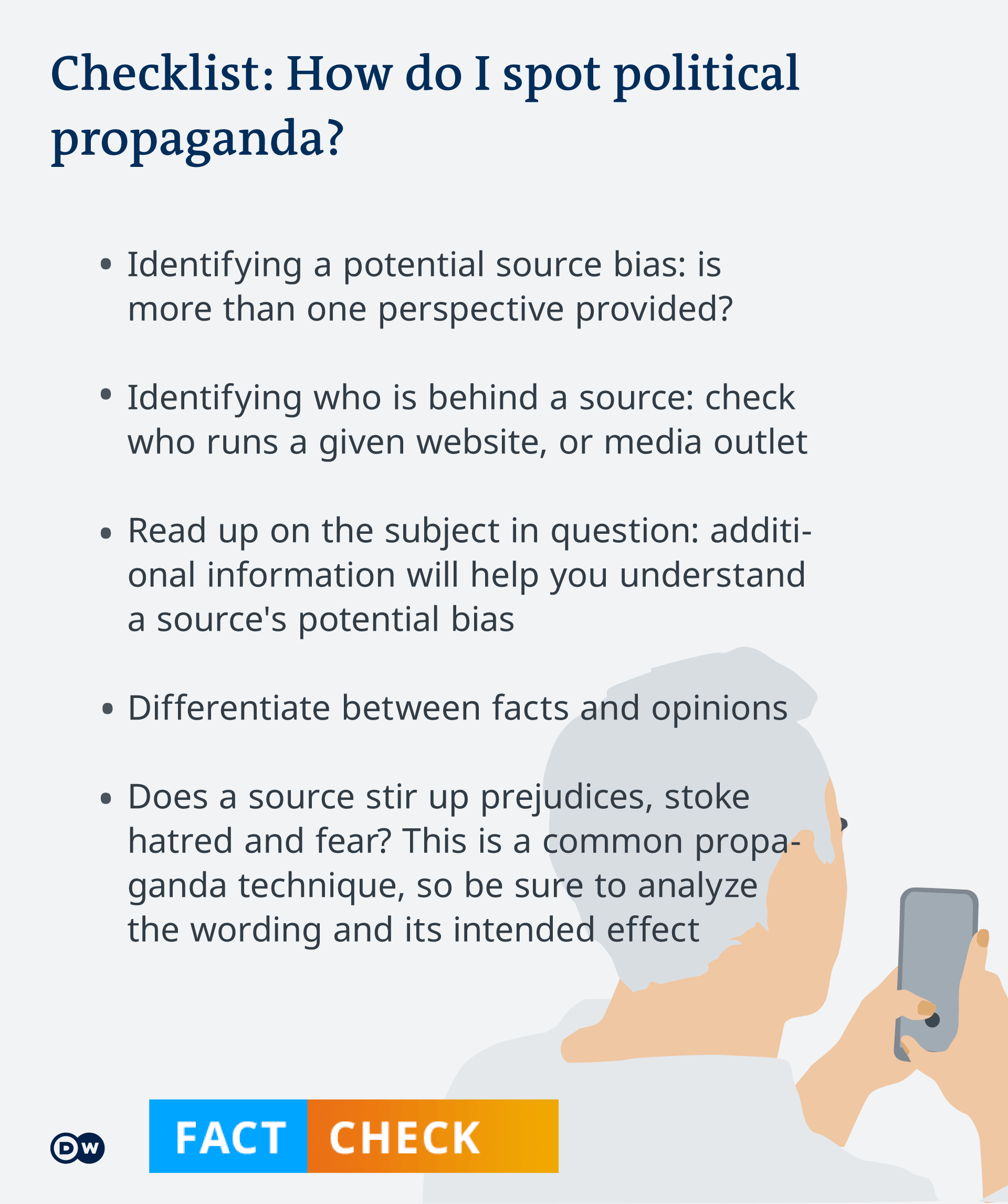
Although political propaganda is often subtle, there are nevertheless ways of identifying it. Here is a checklist to help you spot propaganda:

More on how to spot misinformation:

Hong Kong: Journalists remain defiant despite clampdown on media

After two independent media outlets shut down in Hong Kong in recent weeks, journalists in the city describe how their once-thriving sector is now witnessing the end of an era.


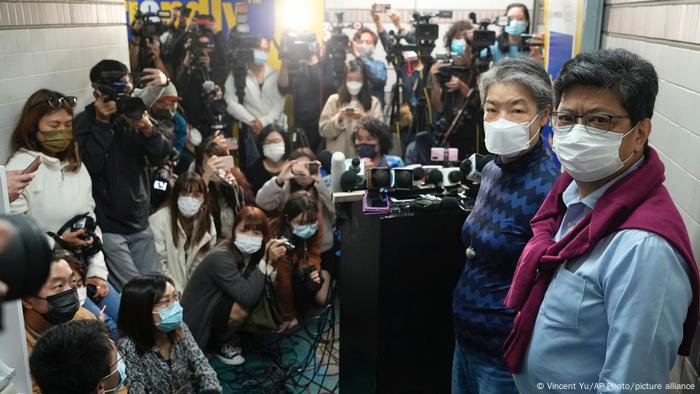
The intensified crackdown on independent media outlets shows that the high level of press freedom that Hong Kong used to enjoy no longer exists, say observers


Hong Kong's Citizen News had just celebrated its fifth anniversary in the first few days of 2022, but the independent news outlet abruptly announced its decision to close down on the evening of January 2.

The next day, the front page of the website was filled with sentimental reflections from their journalists. Rather than writing other people's stories as usual, they were expressing their complicated feelings and reflecting on what could be the end of their career.

Journalist Wong, who did not want to reveal his first name, reflected on that dramatic day, as all his colleagues were busy putting out their last reports on the final day of Citizen News.

"I finished a report that I'd been procrastinating on for half a month in one day, while everyone in the newsroom was frantically writing their reports," the 27-year-old told DW.

"The server that we used for editing videos almost crashed. That was the laughing stock of the newsroom on that day, but at least we didn't get into trouble and had a chance to bid farewell to our readers and colleagues," wWoing said.

The management at Citizens News cited the raid and arrest of former staff members at Stand News, another independent media outlet in Hong Kong known for its investigative reports, as the main reason behind the decision to close the publication.

"The decision was made within a short period of time. The trigger point was the fate of Stand News," Chris Yeung, chief writer at the Citizen News, said at a press conference on Monday. "We could not rule out that ... we might be exposed to some risks."

'No more space for independent media in Hong Kong'


The Stand News was forced to close down last week after 200 police officers from the National Security Department raided its office and froze its assets. Seven people were arrested on suspicion of conspiring to publish "seditious" materials.

Two news editors were later formally charged under the crime and put into detention.

Ronson Chan, the chairman of the Hong Kong Journalists Association and former deputy assignment editor at Stand News, told DW that it was a very sad day for him, as he lost his colleagues, his job and his identity as a journalist.

"The closure of Stand News and Citizen News is a warning sign to the public that there is no more space for independent media in Hong Kong," he said

Hong Kong Chief Executive Carrie Lam defended the government's move, claiming the closure of the two media outlets had nothing to do with the national security law (NSL) imposed by the Chinese government last year.

"I could not, on behalf of these organizations and their responsible people, explain what they mean by a chilling effect," she said during the weekly press conference on Tuesday. "But I certainly will reject any allegations that this is related to the implementation of the national security law."

The impact of the sedition law

The concerns about the clampdown on press freedom aren't only felt by journalists who work for independent media outlets.

A journalist surnamed Kiu, who also does not want to reveal his first name for fear of reprisals, works for a pro-establishment media outlet. He told DW that the government's definition of sedition as "wider than the Red Sea."

"In the past, news about China would be heavily censored, but, after the NSL came into effect, Hong Kong's security forces have a lot of power to prevent negative news, especially those about them, from being published," he said. "I think investigative journalism will become increasingly rare in Hong Kong, as Chinese-language media in Hong Kong becomes more cautious under the current climate."

Kiu said he had yet to find a way to deal with the sense of powerlessness and frustration that come with the ongoing clampdown on media outlets. "It's hard to see many capable colleagues lose their jobs, and there's hardly any media outlet that can still accommodate them," he said.

'The end of an era'

Observers say the intensified crackdown on independent media outlets shows that the high level of press freedom that Hong Kong used to enjoy no longer exists.

"Without Stand News and Citizen News, the overall state of journalism in Hong Kong is becoming very poor," said Kim-Wah Chung, the deputy chief executive officer of the Hong Kong Public Opinion Research Institute (HKPORI).

"The remaining media in Hong Kong are either the mouthpieces of the Communist Party or media that are already very close to the government. The era when there were still many types of media outlets no longer exists in Hong Kong. No media outlet in Hong Kong can do investigative reporting now," he added.

Sharon Yam, an associate professor of writing and digital studies at the University of Kentucky, said any remaining independent media outlets in the Chinese special administrative region would have to carry the burden of holding authorities accountable while making difficult risk calculations to protect the safety of their journalists and staff.
What's next for journalists in Hong Kong?

Since Stand News and Citizen News closed down, at least six small and midsize online media have also ceased operations amid what many describe as the industrywide chilling effect.

Traditional media outlets such as Ming Pao also added a statement under their opinion articles, emphasizing that any critical opinions are intended to "correct policy mistakes" rather than "inciting hatred, resentment or hostility towards the government."

"If it weren't for the safety of their employees, media outlets in Hong Kong wouldn't have to shut down," Ronson Chan said. "I believe many people see the facts and I still hope the authorities understand that a pluralistic and independent voice is vital to Hong Kong."

HKPORI's Kim-Wah Chung told DW that many journalists won't be able to keep doing their jobs based on the standards that media in Hong Kong used to follow.

"Many of the remaining Hong Kong media are now fully aligned with the government, so journalists who have left Apple Daily or Stand News most likely won't want to work for these media outlets," he said.

"Some of them might consider becoming independent or citizen journalists, but they will still face a lot of challenges, including the lack of resources to support their operations or the growing risks facing media workers in general," he added.
No giving up

Even though he feels that his future in Hong Kong appears bleak, Wong hasn't given up on the idea of working as a journalist.

Wong said most of his colleagues would try to remain anonymous and continue to document lives in Hong Kong in a discreet way. "Even if you can't write about the most sensitive subjects, if you can dig up a little more information for your readers on a story, you're already making a contribution," Wong noted.

He said all journalists in Hong Kong kne0w the risks very well, but he believes that those who choose to stay in the field now treat journalism as a religious belief.

"Whether or not we stay in this industry, journalism won't die if we keep telling the truth," he said.

Edited by: Srinivas Mazumdaru
Germany's coal phaseout: The last farmer standing

Lützerath, in western Germany, is set to disappear for the sake of brown coal mining. All 90 residents have been relocated. Only one, Eckhardt Heukamp, vows to stay.


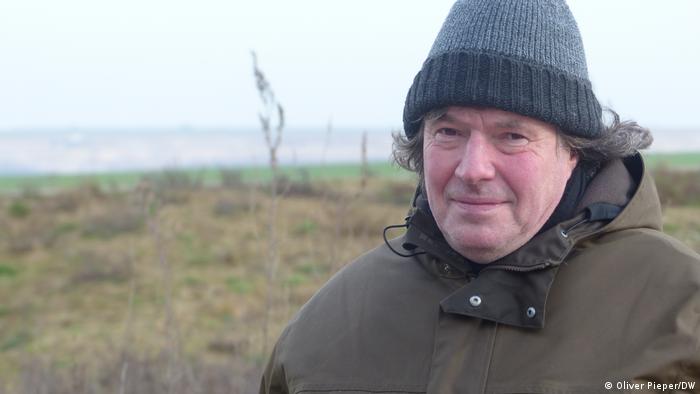
Eckardt Heukamp is refusing to accept an RWE proposal and move away from his home town of Lützerath


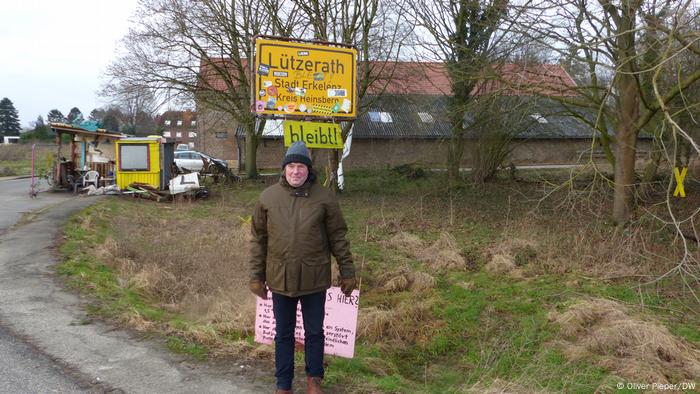
Heukamp's farm stands in sight of the excavators of Garzweiler's opencast mine. But the fourth-generation farmer doesn't want to sell up. "I want to live here — this is my home," the 57-year-old said.

Sixteen years ago, RWE began tearing down farms and houses in Lützerath to mine brown coal. Residents in the small, western German village received compensation and most of those affected have found a new home a few kilometers west. At the end of 2020, there were 14 residents left. Heukamp is the last person standing in what's now a ghost town. He's doing everything possible to oppose resettlement. A Higher Administrative Court in Münster will rule on his lawsuit against expropriation in a matter of weeks.


Eckhardt Heukamp has become an icon of resistance

Heukamp's fight against RWE becomes a political issue


The story of Lützerath is about much more than demolishing an 18th-century farm. Heukamp's opposition has long since become a political issue, revolving around a huge question: How serious is Germany about its coal phaseout? If the new government really wants to wind down coal-fueled energy by 2030 — instead of by 2038 as planned by the previous government — how much sense does it make to dismantle Heukamp's farm, even if the decision is legally sound?

Heukamp, who managed to save his ancestors' gravestone from the cemetery in the neighboring village, which has already been demolished, has turned to expert opinion to support his case. They say excavators could also dig around Lützerath.

"Technically this is feasible for RWE, but probably not that interesting for them economically speaking," he said.


GARZWEILER OPEN PIT MINE
Supreme Court strengthens rights - and sanctions further digs
For years, the lignite mine of Garzweiler has been a case for the courts. Now Germany's Supreme Court in Karlsruhe has decided: The constitutional rights of one of the plaintiffs had indeed been breached. In future, citizens must be able to file complaints against expropriations and resettlements at an earlier stage. At the same time, the court gave the general go-ahead for further mining.
1234567891011121314


A study by the German Institute for Economic Research also suggests that Lützerath should remain untouched if Germany wants to meet the target of the Paris climate agreement and limit global warming to 1.5 degree Celsius (2.7 F).

"We're not in the same situation as 30 years ago, where coal couldn't be replaced because there wasn't any renewable energy," Heukamp said.

"What's the point of expropriating people, tearing down villages, and dealing with higher CO2 emissions, even though we all know that this is no longer acceptable given the alternatives that are available?" he asked.


Police repeatedly tried to remove the treehouses built by activists in the Hambach Forest
Holding on till the bitter end


So why, Heukamp asks, should he leave Lützerath? Should he start a new life in the eastern state of Brandenburg, where RWE has offered him a farm as compensation?

"I'm a stranger there, and, because of the drought in Brandenburg, I can't expect the same yield for any crops. I'd have more hectares, but with significantly poorer soil," Heukamp said.

The farmer said none of RWE's offers were acceptable to him, which is one of the reasons why he prefers to continue growing grain in Lützerath, as he has done for many years. "Why should I settle for something that is not as good as I have it here?"

Heukamp's story drifts in and out of the German media. It's a classic story of the underdog taking on a seemingly hopeless battle against a powerful corporation. By now, he's a little annoyed by all the hype. And the worry is taking its toll. He has sleepless nights worrying about what will become of his farm."It would be mad to deny that this is a burden for me," he said. "But I started the fight, and now I'm going to see it through — until they carry me out of here."

Help from activists


Heukamp is no longer fighting alone. Since authorities removed environmental activists from nearby Hambach Forest in 2018, Lützerath has become the new place of pilgrimage for Germany's climate protection movement.

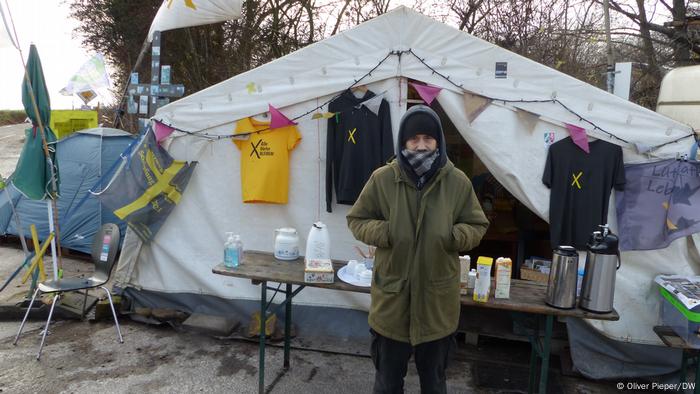
Dozens of young activists cavort on Heukamp's premises. His farm is adorned with a huge yellow poster that reads: "1.5 degrees means: Lützerath stays". Tree houses with colorful anti-coal posters tower like huge nests in the treetops. Even Swedish activist Greta Thunberg was here in September 2021.

"Time is on our side. The longer we're here, the more certain we are that we can stay longer. The hope that Lützerath will be preserved grows with every single day," the 35-year-old activist Dirk said.

Dirk was at the front of the picket, wrapped up in the cold. The name of the alliance translates to All Villages Remain, and the group also collects donations to help cover Heukamp's legal costs. What unites the unlikely partners is the same opponent, RWE.

"At first, Ecki thought: 'What kind of people are they?'" Dirk said with a laugh. "But we made it clear to him that we're there for him and that he's not alone."

Activist Dirk lives in a tent on Heukamp's premises

Opencast mine only a stone's throw from Lützerath

Other activists have written a poem in Heukamp's honor: "Eckhard, der Letzte" (Eckhard, the last one standing). It is an expression of their gratitude.

Dirk is one of them. The activist quit his job in the food industry to fight climate change. He has been a full-time campaigner for the preservation of Lützerath for many years and lives in his makeshift home in Heukamp's yard, where seasonal workers used to be.

It's a surreal scenario: The white tent of the picket is only a stone's throw away from the edge of the mine with its gigantic excavators, edging closer and closer to what remains of Lützerath.

"The edge is approaching little by little — the excavators have been running day and night for a long time," Dirk said. "But I'll stay here until the last day because I feel like I have to do this to have a future."

Energy giant RWE insists on its rights


Will Lützerath become a second Hambach Forest for RWE, as activists hope? Two years ago, with the decision to phase out coal-fueled energy, the German government decided to preserve the woodland. Years of massive protests by the climate protection movement preceded the decision. The deal at the time, however, stipulated that Hambach Forest can stay, but RWE is allowed to mine brown coal in the Rhineland lignite mining area. For RWE, that's some 900 million tons of brown coal. And a lot of money.

"The decision by the North-Rhine Westphalia state government in March explicitly allows for excavation in this southern part of the area," RWE press spokesman Guido Steffen wrote in response to questions from DW. With regard to Heukamp, Steffen said RWE was ​​"still trying to find an amicable solution."

Roda Verheyen is a Hamburg-based lawyer who represents residents affected by mining

New legal situation due to Constitutional Court ruling?


For legal aid, Heukamp and other activists have turned to Roda Verheyen. The Hamburg-based lawyer also represents Peruvian smallholder Saúl Luciano Lliuya, who is suing RWE for compensation payments because of climate change in his home country.

Her greatest success was a ruling by the Constitutional Court against the German government on April 29, 2021. The court ruled that the government must take precautions for climate protection and protect the future of younger generations. And that's exactly why the lawyer is certain will sway things in Lützerath's favor.

"Given the current state of affairs, a coal phaseout by 2030, 2035 or 2038 is illusory. We have to get out of coal quickly in to achieve the emissions target that the German Constitutional Court is demanding," Verheyen said.

"The court agreed that what we've been doing for decades with coal mining doesn't serve the general good," she added. "Every additional ton that is mined is a burden for the future generations."

If the Higher Administrative Court in Münster rules against Heukamp's complaint on expropriation, Verheyen and her client will have to go to the Constitutional Court.

Germany's month-old government is ducking the issue. Page 59 of the coalition deal between the Social Democrats, the Greens and the neoliberal Free Democrats reads: "The courts will decide on Lützerath."

This article was translated from German.

EPA moves to crack down on dangerous coal ash storage ponds
By MATTHEW DALY

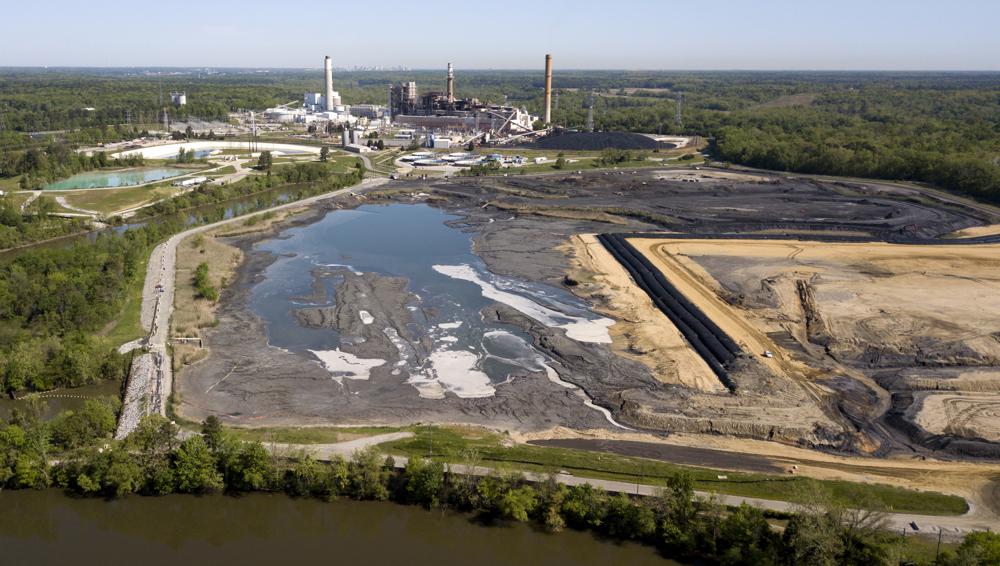
In this May 1, 2018, file photo, the Richmond, Va., city skyline is seen in the horizon behind the coal ash ponds along the James River near Dominion Energy's Chesterfield Power Station in Chester, Va. In the first first major action to address toxic wastewater from coal-burning power plants, the Environmental Protection Agency is denying requests by three Midwest power plants to extend operations of leaking or otherwise dangerous coal ash storage ponds.
 (AP Photo/Steve Helber, File)


WASHINGTON (AP) — The Environmental Protection Agency is taking its first major action to address toxic wastewater from coal-burning power plants, ordering utilities to stop dumping waste into unlined storage ponds and speed up plans to close leaking or otherwise dangerous coal ash sites.

Plants in four states will have to close the coal ash ponds months or years ahead of schedule, the EPA said Tuesday, citing deficiencies with groundwater monitoring, cleanup or other problems.

Coal ash, the substance that remains when coal is burned to generate electricity, contains a toxic mix of mercury, cadmium, arsenic and other heavy metals. It can pollute waterways, poison wildlife and cause respiratory illness among those living near massive ponds where the waste is stored.

The actions mark the first time the EPA has enforced a 2015 rule aimed at reducing groundwater pollution from coal-fired power plants that has contaminated streams, lakes and underground aquifers.

U.S. coal plants produce about 100 million tons (90 million metric tons) annually of ash and other waste.

The Obama administration regulated the storage and disposal of toxic coal ash for the first time, including a requirement to close coal-ash dumping ponds that were unstable or contaminated groundwater. The Trump administration weakened the Obama-era rule in 2020, allowing utilities to use cheaper technologies and take longer to comply with pollution reduction guidelines that are less stringent than what the agency originally adopted.

EPA Administrator Michael Regan said the actions announced Tuesday will ensure that coal ash ponds meet strong environmental and safety standards and that operators of industrial facilities are held accountable.

“I’ve seen firsthand how coal ash contamination can hurt people and communities,″ said Regan, a former North Carolina environmental regulator who negotiated with Duke Energy what state officials say was the largest cleanup agreement for toxic coal ash.

“For too long, communities already disproportionately impacted by high levels of pollution have been burdened by improper coal ash disposal,″ Regan said. “Today’s actions will help us protect communities and hold facilities accountable. We look forward to working with our state partners to reverse damage that has already occurred.″

In separate letters sent Tuesday, EPA denied requests for extensions of coal ash permits by the Clifty Creek power plant in Madison, Indiana; James M. Gavin plant in Cheshire, Ohio; and the Ottumwa plant in Ottumwa, Iowa.

The Greenidge Generation plant in Dresden, New York, was ruled ineligible for an extension. The former coal plant now uses natural gas.

The H.L. Spurlock plant in Maysville, Kentucky, will be required to fix groundwater monitoring as a condition for continued operation of its coal ash pond, the EPA said.

Lisa Evans, a senior attorney for the environmental group Earthjustice, said the enforcement action “sends a strong message to industry that (compliance with the EPA rule) is not a paperwork exercise. It requires them to clean up these toxic sites.″

Frank Holleman, a lawyer for the Southern Environmental Law Center who has battled Duke Energy and utilities over coal ash disposal, said the enforcement action offers significant protections for clean water nationwide.

“The EPA has sent a clear message that (power plant operators) cannot leave coal ash sitting in primitive, polluting ponds across the country,″ he said.

Utilities in Alabama, Georgia, Tennessee and other states that are still storing coal ash in leaking, unlined pits sitting in groundwater and next to waterways are among those affected by the decision, Holleman said.

Michelle Bloodworth, president and CEO of America’s Power, a trade association that represents coal-fired utilities, said the group was reviewing the EPA’s announcement. “On its face it doesn’t make sense to shut down prematurely coal plants that provide the security of on-site fuel storage or serve as an alternative when prices of natural gas and other sources spike” or are not available, she said.

In a related action, EPA sent letters to operators of four current or closed coal-fired power plants, saying they need to make improvements to coal-ash sites to comply with EPA rules. The AES power plant in Puerto Rico and three closed plants — the former Beckjord power station in Ohio, Tecumseh Energy in Kansas and Gallagher Generating Station in Indiana — all received EPA warning letters.

Coal ash storage and disposal goes back decades, but went largely unregulated until a 2008 spill at a Tennessee Valley Authority power plant in Kingston, Tennessee. A containment dike burst and flooding covered more than 300 acres (121 million hectares), dumped waste into two nearby rivers, destroyed homes and brought national attention to the issue.

In 2014, an estimated 39,000 tons of coal ash spewed into the Dan River after a drainage pipe running below a waste dump collapsed at a Duke Energy plant in Eden, North Carolina. The toxic sludge turned the river gray for more than 70 miles (112 kilometers).

The EPA on Tuesday reiterated its “consistently held position that surface impoundments or landfills cannot be closed with coal ash in contact with groundwater.″ Limiting contact between coal ash and groundwater after closure is critical to minimizing contaminants released into the environment and will help ensure communities near the sites have access to safe water for drinking and recreation, the EPA said.
The world's oceans saw record warming in 2021 as climate change continues apace

David Knowles
·Senior Editor
Tue, January 11, 2022,

Thanks to the relentless pace at which humans are adding greenhouse gases to the atmosphere, ocean temperatures in 2021 were “the hottest ever recorded by humans,” according to a report published Tuesday in Advances in Atmospheric Sciences.

Since 1958, the researchers found, the world’s oceans have warmed at a steady pace. But that rate sharply accelerated in the late 1980s, warming eight times as fast as in the decades prior.

“The increased concentrations of greenhouse gases in the atmosphere from human activities trap heat within the climate system and result in massive changes in the climate system,” the report states.

The seas that are warming fastest, the report says, are the Atlantic, Pacific and Indian oceans. While factors such as El Niño and La Niña weather patterns continue to help determine short-term water temperature conditions, greenhouse gas emissions that trap solar radiation and warm the planet’s atmosphere are the bigger factor for increasing ocean warmth, according to the report

The consequences of rising ocean temperatures range from stronger tropical storms to the accelerated melting of the Earth’s polar ice, which, in combination with the fact that the volume of the oceans expands when warmed, translates into more sea level rise. Warmer oceans result in a greater amount of evaporation, which adds more moisture to the atmosphere and leads to more powerful rain events like those witnessed across the globe in 2021, as well as conditions that give rise to tornadoes.

“We used measurements from the oceans because they are absorbing the vast majority of the heat associated with global warming. In fact, more than 90% of global warming heat ends up in the oceans. I like to say that ‘global warming is really ocean warming,’” John Abraham, a professor of thermal sciences at the University of St. Thomas School of Engineering who contributed to the research, wrote in the Guardian. “If you want to know how fast climate change is happening, the answer is in the oceans.”

Major bleaching of coral reefs in 2019 in Moorea, French Polynesia. (Alexis Rosenfeld/Getty Images).

On Monday, European researchers announced that 2021 was the Earth’s fifth-warmest year on record, with La Niña conditions helping to lower temperatures on land. Still, the pattern of global warming remains crystal clear when one considers that the last seven years represent the seven warmest years for surface temperatures on record. As for ocean warming, 2021 was the third straight year to set a record.

While U.S. greenhouse gas emissions have fallen since their peak in 2005, in 2021 they rose by 6.2 percent over the previous year as the economy began to rebound from the effects of the coronavirus pandemic. Since carbon atoms can last in the atmosphere for up to 1,000 years, scientists have urged the world’s nations to immediately transition away from burning fossil fuels. President Biden has pledged to cut U.S. emissions by 50 percent by 2050, a target that most experts say will be difficult to achieve unless the U.S. Senate passes the president’s Build Back Better spending plan.

The oceans are at risk from climate change, scientists warn, causing events such as coral bleaching that endanger marine habitats.

“By altering distributions of fish stocks and increasing the vulnerability of fish species to diseases, ocean warming is a serious risk to food insecurity and people’s livelihoods globally,” the International Union for Conservation of Nature states on its website.

With the oceans absorbing the bulk of excess heat caused by global greenhouse gas emissions, it’s no wonder that many scientists have long tried to warn the world of what is unfolding. Mika Rantanen, a climate change researcher at the Finnish Meteorological Institute, summed up that sentiment Tuesday, tweeting in response to the latest study.


The last 7 years have been Earth's 7 hottest


Andrew Freedman
AXIOS
Mon, January 10, 2022

The past seven years have been the seven hottest on record, according to the European Union's Copernicus Climate Change Service, which released new global temperature data this morning.

Why it matters: The data shows in vivid detail that, even though 2021 was relatively cool compared to other recent years, it still ranked as the fifth warmest year and continued a trend driven by ever-growing amounts of greenhouse gases in the air.

The big picture: According to Copernicus, the annual global average surface temperature was 1.1-1.2°C (1.98-2.16°F) above pre-industrial levels (1850-1900).

Details: Europe had its hottest summer on record, and saw deadly extreme weather events, such as the flooding that hit Germany, Belgium and several other countries in July. A study subsequently found that climate change made those floods more severe.

The areas with the most unusual warmth during 2021 included the U.S. West Coast, parts of Canada and Greenland, much of central and northern Africa and the Middle East.

The regions that saw cooler-than-average conditions, relative to the 1991-2020 average, were in Siberia, Alaska, parts of the Pacific Ocean, and most of Australia, Copernicus found.

During a sizzling heat wave last summer, a preliminary European heat record was set in Sicily, where the temperature reached 48.8°C (120°F).

Copernicus researchers found wildfire-generated greenhouse gas emissions from North America were the highest on record since such data began in 2003, as the U.S. and Canada contended with massive blazes.

Of note: Both methane and carbon dioxide, two of the leading planet-warming gases, reached new highs in 2021, with methane making a particularly large jump.

Go deeper: U.S. greenhouse gas emissions jumped in 2021

EU report: 2021 was fifth-hottest year on record

People cool off in hot and humid weather at the mist garden near the World's Fair Unisphere in Flushing Meadows-Corona Park in New York City on August 26. A European Union report on Monday said the past seven years have been the hottest in history. Photo by John Angelillo/UPI | License Photo

Jan. 10 (UPI) -- The European Union's climate agency said Monday that 2021 was the fifth-hottest year on record and that the past seven years together have been the warmest ever.

The Copernicus Climate Change Service, an arm of the European Centre for Medium-Range Weather Forecasts, said 2021 was slightly warmer than 2015 and 2018 with its average temperature 0.3 degrees Celsius above the temperature of the 1991-2020 reference point and 1.1-1.2 C above the pre-industrial level of 1850­-1900.

"Only with determined efforts backed up by observational evidence can we make a real difference in our fight against climate catastrophe," said Vincent-Henri Peuch, director of the Copernicus Atmosphere Monitoring Service, according to Politico.

Europe's temperature was 0.1 degrees Celsius over the 1991-2020 average last year but was still its highest temperature on record.

"July saw a very heavy rainfall event in western-central Europe, leading to severe floods in several countries, while the Mediterranean region experienced a heatwave during July and part of August," the report said.

Germany, Belgium, Luxembourg, and the Netherlands suffered severe flooding events while high temperatures affected Greece, Spain and Italy.