Saturday, September 21, 2024

 UPDATE

Scale of microplastics in Antarctic revealed in preliminary survey results

By Alex Hunt
World Nuclear News, in Vienna
Wednesday, 18 September 2024

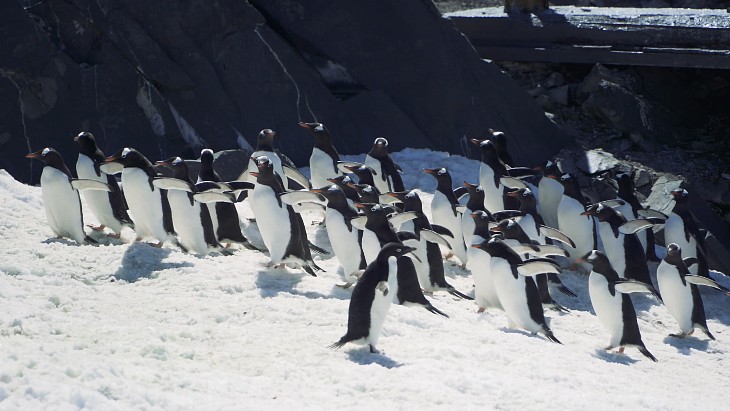
The first results of the pioneering scientific research project launched earlier this year have catalogued microplastic particles in the sea water, sediment and animals in Antarctica.
Scale of microplastics in Antarctic revealed in preliminary survey results
(Image: IAEA)

The preliminary results were outlined during an International Atomic Energy Agency (IAEA) General Conference session focusing on the study, which is supported by Argentina and forms part of the wider IAEA NUTEC plastics initiative, which aims to use nuclear technologies to tackle plastic pollution.

Nathalie Bernard, from the IAEA Marine Environment Laboratories and University of Buenos Aires, unveiling the results, said that "sadly we have found microplastics everywhere, on every sample, every matrix".  She said that the concentrations of microplastics varied by location and by day.

More than 250 samples were collected from the Almirante Irizer icebreaker, which sailed 27,209 kilometres over 125 days covering 84 sampling stations. Over the course of a week 166 samples were collected from Argentina's Carlini research station base as part of what was described as the first study of microplastics pollution from South America to Antarctica.

The samples were of water, of sediment and also of penguin droppings and shellfish. Bernard said: "All of these results were possible thanks to nuclear techniques, specifically vibrational microspectroscopy which allows us not only to count, but also identify polymers. We were able to analyse particles as small as 20 microns (WNN note: for comparison a human hair is about 100 microns) and this is important because we found out that almost 90% of the particles we analysed were smaller than 100 microns and ... most of the studies conducted before have focused on larger particles, larger than 300 microns, which clearly overlooks the larger majority."

The preliminary results - with 30% of the samples analysed so far, found that in terms of distribution in water, in Buenos Aires it was 256 microplastic particles per litre, compared with 5 microplastics particles per litre in the Antarctic Ocean and 21 microplastics particles per litre at Carlini Station in the Antarctic.

The Carlini samples found 6000-15,000 microplastic particles per kilogramme of sediment, 15 microplastic particles per square metre of sand and 200-4000 microplastic particles per biological sample of shellfish or penguin droppings.
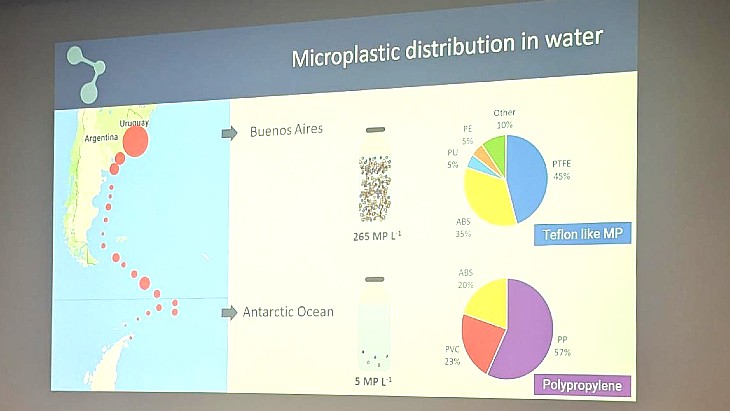

The prevalence and type of microplastics was shown to the session (Image: WNN photo/IAEA/Bernard slide)

There were 11 different types of plastics found in the samples, 62% were "Teflon-like microplastics" and 29% were polyethylene-like. Examples of the types of products using the types of plastics found included frying pans, PVC pipes and plastic drinks bottles.

The early theories about the possible sources of the pollution in Antarctica include fisheries, local human activities and global sources, via the atmosphere or ocean currents.

Bernard said that the conclusions of the preliminary study was that "we know now that microplastics are everywhere, that we can find different levels and types between the sites and that the levels in Antarctica are relatively low if we compare them with highly populated industrial zones - but they are far away from zero, which is what it was thought to be until recently in Antarctica.".

The next steps are to finalise the analysis and do extra checks before sharing the results globally and using the figures as a baseline for future surveys, to assess possible pollution sources and inform policy makers for local and global actions in line with the Antarctic Treaty.

The meeting also heard progress reports on the United Nations actions to end plastics pollution and how the NUTEC initiative can help with plastics upcycling using irradiation to allow plastic waste to not just be traditionally recycled, but also used in cement or in wood/plastic composits - one of the examples given was Argentina using radiation-modified railway sleepers from plastic waste.

Argentina's Foreign Affairs Minister Diana Mondino said that the country was one of the original signatories of the Antarctic Treaty and said: "There's growing concern in understanding the impact in the Antarctic ecosystem from plastics and microplastics." She said the results had prompted the creation of a regional group in Latin America led by Argentina to focus on the issue.

IAEA Director General Rafael Mariano Grossi said the NUTEC initiative had been well received because "we do have a serious problem with microplastics, nanoplastics and we did also have a scarcity of information, objective information". He said having the facts was important so people can take "informed decisions when it comes to the protection of this environment, which is so pristine and that we all care for".

"This is not a simple environmental endeavour that we take for the sake of knowing a little bit more - the idea is that we provide important information that is relevant for fisheries, relevant for very important economic activities in all our countries."

Australia's ambassador Ian Biggs said that Australia had a major stake in the international effort in Antarctica and he said that according to projections there could soon be a tonne of plastic in the ocean for every three tonnes of fish, saying this showed the necessity of action to tackle plastic pollution and he said Australia believed that the NUTEC programme was "making a real difference in helping countries address pressing global challenges on plastic pollution".
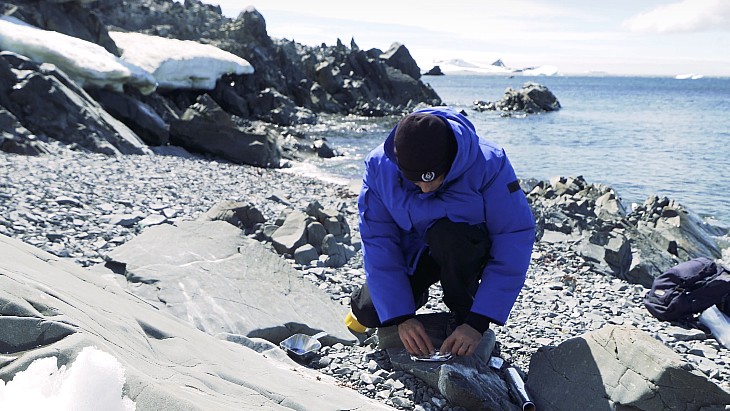

More than 400 samples were taken during the study (Image: Still from IAEA video)

The background


The IAEA's NUTEC plastics scheme was established in 2020 and uses a series of monitoring laboratories to use nuclear technology to sample and analyse microplastics - which are bits of plastic less than 5 millimetres in diameter - in the environment. There are more than 60 countries participating in monitoring of microplastics in the sea, and the goal is to equip more than 50 laboratories with the technology to form a global monitoring network.

The aim is to then be able to take action to bring in measures designed to reduce the sources of the pollution - at least 30 countries are involved in developing innovative recycling technology, including using irradiation to treat plastics and make them fit for reuse, or for a wider range of reuses. This process uses gamma and electron beam radiation technologies to modify certain types of plastic waste, breaking down plastic polymers judged not to be of sufficient quality into smaller components and then allowing them to be used to generate new plastic products.

The IAEA cites studies suggesting that only around 10% of plastic produced between 1950 and 2015 has been recycled, with the majority (about 60%) going to landfill, meaning action is imperative given estimates that there will be one tonne of plastic for every three tonnes of fish within a few years.

Grossi visited an IAEA mission in Antarctica in January with Argentina's president to see the start of work for the project, with the IAEA explaining that "there is still almost no information available on where and how much microplastics arrive in the Antarctic and how much is taken up by Antarctic organisms. There is also very little data existing on the types of microplastics reaching this pristine area through ocean currents, atmospheric deposition and the presence of humans in the Antarctic".

It also said the "presence of microplastics can contribute to accelerating the ice-loss in Antarctica by reducing ice reflectivity, altering surface roughness, promoting microbial activity, acting as thermal insulators, and contributing to mechanical weakening of the ice structure".

Antarctica’s Deep Vulnerability Exposed at 11th Scientific Conference


 Facebook

Image by James Rathmell.

The 11th Scientific Committee on Antarctic Research conference was held in Pucón, Chile August 19-23, 2024. Fifteen-hundred academics, researchers, and scientists specializing in Antarctica met to share cutting-edge research. Reports at the conference exposed new dimensions of the Antarctic risk profile that should move the world’s leadership posthaste to mitigate society’s self-destructive dependence on fossil fuels.

Antarctica is starting to carry the brunt of too much CO2 leading to too much heat, leading to unstable ice sheets. And it’s happening much, much faster than anybody thought possible. This is a relatively new development that could have far-reaching consequences.

For example, Gino Casassa, glaciologist, head of Chilean Antarctica Institute commented: “Current estimates show sea levels rising by 4 meters (13 feet) by 2100 and more if emissions continue to grow.” (Source: Scientists in Chile Question if Antarctica Has Hit a Point of No Return, Reuters, August 28, 2024)

Thirteen feet higher won’t suddenly appear in 2100. It builds up over decades. Assuming emissions “continue to grow”, as warned by Dr. Casassa, you’ve gotta wonder, with 13 feet by 2100, what will 2035, or 2050, look like? That’s right around the corner.

Sea level rise is one of the most challenging fields in science and thus produces the most complex results. For example, in comparison to Casassa’s estimate of 13 feet by 2100, a recent study: What Are the Best – and Worst – Case Scenarios for Sea Level Rise? MIT Climate Portal, June 12, 2024: “By 2100, we could see as little as 8 inches of additional sea level rise, or over 6 feet—based partly on how much we continue to pollute the climate, and partly on how the oceans respond to climate change that’s already baked in… despite the enormous stakes for the future of humanity, it remains frustratingly difficult to know how much sea level rise is in store for us. All we know for sure is that taking strong and immediate action to control our greenhouse gas emissions gives us the best chance to avoid meters of sea level rise. ‘The difference between the low-end projections and the high-end projections is many trillions of dollars in infrastructure, and hundreds of millions of people losing their homes,’ Minchew says (Brent Minchew, MIT geophysicist) ‘But we don’t have a good answer to which one of those scenarios is more likely.”

The biggest concern echoed throughout the conference hall: “Antarctica is changing faster than expected.” For example: “Extreme weather events in the ice-covered continent were no longer hypothetical presentations, but first-hand accounts from researchers about heavy rainfall, intense heat waves and sudden Foehn (strong dry winds) events at research stations that led to mass melting, giant glacier breakoffs and dangerous weather conditions with global implications,” Ibid.

A hot topic was whether Antarctica has reached a tipping point, a point of accelerated, irreversible sea ice loss, especially West Antarctica where the Thwaites Doomsday Glacier is located. But scientists have yet to determine whether current observations indicate a ‘temporary blip” or a “downward plunge of sea ice.” Nevertheless, by all appearances, it’s advanced far enough for “plunging sea ice” to raise very serious concerns.

What is clear is the rate of change, unprecedented, nothing compares. According to Liz Keller, a paleoclimate specialist at Victoria University of Wellington/New Zealand; ‘”You might see the same rise in CO2 over thousands of years, and now it’s happened in 100 years,” Ibid. Which is a prime example of today’s human-generated climate change working >10 times faster than nature on its own.

That one factor is what confuses those who argue “oh yeah, the climate always changes, so what?” However, there’s regular climate change in nature, like they allude to, which takes centuries to develop and then, there’s turbo-charged climate change, like we’ve got now that takes decades, not centuries, thanks to human-generated excessive CO2 thrusts from burning fossil fuels.

Climate change has become a straight-forward function of human activity.

Hopefulness

According to some reports at the conference, “the worst-case scenarios can be avoided by dramatically reducing fossil fuel emissions.” Specifically, regarding mitigation, Mike Weber, a paleoceanographer, University of Bonn, who specializes in Antarctic ice sheet stability: “If we keep emissions low, we can stop this eventually. If we keep them high, we have a runaway situation and we cannot do anything.”

On the other hand, there is evidence that ecosystems may already be exceeding boundaries, e.g., Mathieu Casado, a paleoclimate and polar meteorologist at France’s Climate and Environment Sciences Laboratory claims dozens of ice core collected throughout the ice sheet have allowed him to reconstruct temperature patterns in Antarctica dating back 800,000 years. The last time the planet was as warm as today, 125,000 years ago, sea levels were 6-to-9 meters (20-to-30 feet) higher with a large contribution coming from West Antarctica. Ipso facto, with temperatures today as warm as 125,000 years ago causing seas to be 20-30 feet higher, then every coastal megacity should be/will be flooded, which begs the obvious question of “how long do these things take to playout?” And, more importantly, how do we get CO2 and temperatures back down?

Speakers at the conference made special note of the extraordinary speed and amount of carbon -CO2- being pumped into the atmosphere, unprecedented, causing rapid global warming. There’s no previous paleoclimate record of CO2 hitting the planet with such ferocity and large scale and so suddenly. This recalls Michael Mann’s Hockey Stick that famously said it all with one vertical image.

The hockey stick graph is a visualization of the average temperature of the Northern Hemisphere over the past 500 to 2000 years. Because of the spectacular hockey stick concept, Professor Mann became an overnight target of right-wing charlatans and fossil fuel attempts to destroy him. They failed: A Jury in February 2024 awarded Mann more than US$1 million in a lawsuit that accused two conservative commentators of defamation for challenging his research and comparing him to a convicted child molester.

“The Hockey Stick achieved prominence in a 2001 UN report on climate change and quickly became a central icon in the ‘climate wars.’ The real issue has never been the graph’s data but rather its implied threat to those who oppose governmental regulation and other restraints to protect the environment and planet.” (Foreword by Bill Nye, The Hockey Stick and The Climate Wars by Michael E. Mann)

In that regard, with parts of West Antarctica hanging by a very big thread, timing couldn’t be worse as the climate wars heat up once again: Bloomberg News headline: Right-Wing Populist Backlash Is Threatening Climate Fight d/d June 20, 2024: “The green revolution is in trouble. The rise of the nationalist right in much of the Western world has placed huge question marks over commitments to transition out of fossil fuels to fight climate change. Donald Trump in the US and other populist politicians have vowed to jettison low-carbon policies and downplayed the impact of global warming.”

Antarctica has rapidly become a dangerous climate change symbol of major concern and nail-biting as it serves to verify Mann’s early warnings. Global warming has become humanity’s number one challenge for survival of the species. Mann’s Hockey Stick is an amazing analog of 8 billion people sucking up oil from the planet, belching out CO2 in hockey stick fashion, vertically, up, up, and away into an increasingly overloaded CO2 atmosphere that weighs on planetary heat.

Reality

Meanwhile, as stated numerous times in articles like this one, the oil and gas industry has publicly brushed aside concerns about climate change. Looking ahead to the future, it’s full bore, full speed ahead with record-setting fossil fuel production and record-setting CO2 on a very full agenda of oil and gas production to 2030 and beyond.

“The world’s fossil-fuel producers are on track to nearly quadruple the amount of extracted oil and gas from newly approved projects by the end of this decade, with the US leading the way in a surge of activity that threatens to blow apart agreed climate goals.” (The Guardian, March 28, 2024). Questioning whether West Antarctica, especially the Doomsday Glacier, can survive the onslaught of fossil fuel interests looking the other way as right-wing interests threaten anything and everything green.

According to Mike Weber, paleoceanographer, University of Bonn, who specializes in Antarctic ice sheet stability, regarding fossil fuel CO2 emissions: “If we keep them high, we have a runaway situation, and we cannot do anything.”

We’re keeping ’em high.

Robert Hunziker lives in Los Angeles and can be reached at rlhunziker@gmail.com.


Czech Republic selects Rolls-Royce SMR for small reactors project


Thursday, 19 September 2024

The Czech Republic has chosen UK firm Rolls-Royce SMR after assessing seven potential technology suppliers for its proposed small modular reactor programme.

Czech Republic selects Rolls-Royce SMR for small reactors project
A concept image of how a Rolls-Royce SMR might look (Image: Rolls-Royce SMR)

The Ministry of Trade said that the applicants were approached "on the basis of their potential suitability for placement in the Czech Republic ... Rolls-Royce SMR emerged as the best company with which ČEZ (the Czech nuclear power company) wants to establish a strategic partnership". The government will now carry out a "safety assessment of the British company" as was done for those who bid for the recent large nuclear units contracts - involving the Ministry of the Interior, Security Information Service, ÚZSI, Military Intelligence and other key institutions to ensure it complies with the state's security requirements.

The first small modular reactor (SMR) is planned by ČEZ at a site near the existing Temelin nuclear power plant in the 2030s, "before the start up of the new large Czech nuclear unit which is planned for before 2040", the ministry said. ČEZ is also looking at other sites suitable for SMRs, including Tušimice and Dětmarovice where survey and monitoring work is taking place to see if they are suitable nuclear sites.

Rolls-Royce SMR's selection by the Czech Republic comes as the company waits to hear whether it will be selected by the UK as one of the preferred suppliers for its own SMR programme. It is one of five in the running, with the expectation that two technologies will be selected to be taken forward by the UK government's arms-length Great British Nuclear body for deployment.

The Czech government says it would be an "advantage ... that Rolls-Royce SMR is just forming its supply chain, and Czech companies thus have a unique opportunity to stand at its birth and participate to the maximum extent possible. Thanks to this strategic cooperation, local companies will be able to participate not only in the development and implementation of the new small modular reactor, but also in the supply of SMR abroad".

Prime Minister Petr Fiala said: "Small modular reactors can be a key technology for ensuring energy security in the future. That is why from the beginning we try not only to build them, but also to participate in their global production and development. In addition, the establishment of a strategic partnership between ČEZ and Rolls-Royce SMR will be a great opportunity for Czech companies that have many years of experience in the nuclear industry."

Minister of Industry and Trade Jozef Síkela said: "This technology can not only provide enough electricity at affordable prices, but also support our efforts to decarbonise and safely transition to clean energy sources. In addition, this cooperation is also a great opportunity for Czech industry. Our companies can be part of the global supply chain from the very beginning and contribute to the development of this promising technology."

ČEZ CEO Daniel Beneš said: "The strategic partnership with Rolls-Royce SMR will allow us to use our long-term experience in the field of nuclear energy in combination with the high technological maturity of the British company." He said that ČEZ would now negotiate specific terms of the cooperation with the British company.

CEO of Rolls-Royce SMR, Chris Cholerton, welcomed the decision and said: "Discussions are ongoing to finalise contract terms and the final agreements are subject to customary regulatory clearances. Details of the agreement will be published at signing. This important strategic partnership further strengthens Rolls-Royce SMR’s position as Europe’s leading SMR technology, and will put ČEZ, Rolls-Royce SMR and its existing shareholders at the forefront of SMR deployment. Rolls-Royce SMRs will be a source of clean, affordable, reliable electricity for Czechia - creating jobs, enabling decarbonisation, reducing the reliance on imported energy and supporting the global effort to reach net zero."

Nuclear Power in the Czech Republic


The Czech Republic currently gets about one-third of its electricity from four VVER-440 units at Dukovany, which began operating between 1985 and 1987, and the two VVER-1000 units in operation at Temelín, which came into operation in 2000 and 2002. In July, Korea Hydro & Nuclear Power (KHNP) was named the preferred bidder for up to four new units at the two existing nuclear power plants, with the target of the first unit entering commercial operation in 2038.

The Czech SMR roadmap was published and approved last year setting out options for technology suppliers and identifying a range of potential sites - 45 in total - as well as investor models. Its vision is for "SMRs to complement large nuclear untis from 2030s-40s onwards".

The Rolls-Royce SMR


The Rolls-Royce SMR is a 470 MWe design based on a small pressurised water reactor. It will provide consistent baseload generation for at least 60 years. 90% of the SMR - measuring about 16 metres by 4 metres - will be built in factory conditions, limiting on-site activity primarily to assembly of pre-fabricated, pre-tested, modules which significantly reduces project risk and has the potential to drastically shorten build schedules.

Its capacity is larger than many of its SMR rivals - the general definition of an SMR is of a reactor unit with an output of up to 300 MWe. In July, it successfully completed Step 2 of the UK's Generic Design Assessment process and progressed to the third and final phase of the process which assesses the safety, security and environmental aspects of a nuclear power plant design that is intended to be deployed in the UK. The target date to complete that final stage is August 2026.

In July, the Nuclear Industry Association applied to the UK government for a justification decision for Rolls-Royce SMR's SMR, a decision required for the operation of a new nuclear technology in the country. It marks the first ever application for justification of a UK reactor design. If Rolls-Royce is successful in the UK's SMR selection contest, the aim is for a final investment decision to be taken in the UK in 2029.

MICHIGAN


Palisades on schedule for repowering, NRC considers restart regulations


Thursday, 19 September 2024

The programme to restart the Palisades nuclear power plant in Michigan is now in the inspections and maintenance phase and remains on schedule, Holtec International said in its latest update. Meanwhile, the US regulator has been petitioned to codify regulations for restarting shuttered nuclear power plants.

Palisades on schedule for repowering, NRC considers restart regulations
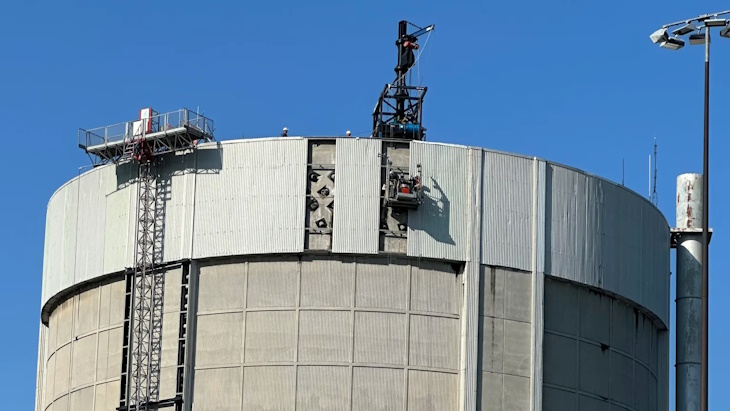
Inspection work is carried out on the containment building dome and structural tendon system at Palisades (Image: Holtec)

Recent progress at the plant, in Covert Township, has included initial accreditation for Holtec's operations and maintenance and technical training programmes, requalification of 26 former Palisades licensed operators, significant workforce growth, completion of chemical cleaning of the primary coolant system , and comprehensive reactor vessel internal inspections. The chemical cleaning has "had a dramatic effect on further improving the plant’s occupational radiation safety metrics", Holtec said.

The focus has now shifted to detailed inspections and maintenance of major systems, including the main turbine, containment building structure, high-voltage towers and transformers. Detailed inspections of the plant’s steam generators have been completed, during which the need for additional maintenance activities was identified, Holtec said: "Thorough and early inspections have allowed us to proactively identify and implement the needed refurbishments before Palisades returns to service. Palisades's owner’s engineer, Nuclear Consultants International (NCI, an autonomous Holtec affiliate), is working with experienced on-site and external experts to devise and implement industry-proven solutions."

Preparations are also nearly complete for a five-month campaign to transfer used fuel assemblies currently stored in the plant’s fuel pool to Hi-Storm FW dry fuel storage systems at a unified on-site storage facility, designed and built by Holtec’s Nuclear Power Division.

“As nuclear professionals, restoring the plant to its highest level of safety is our utmost priority. Our primary focus remains ensuring that Palisades returns to service safely and reliably, with all necessary repairs and maintenance completed to the highest standards,” said Holtec Chief Nuclear Officer Rich Burroni.

Palisades' single-unit 800 MWe pressurised water reactor was shut down in 2022, after more than 40 years of commercial operation, and was to be decommissioned. Holtec completed its acquisition of the reactor from then-owner and operator Entergy shortly after the reactor's closure, with plans to finish dismantling, decontamination, and remediation by 2041. The same month, the US Nuclear Regulatory Commission (NRC) transferred the plant's operating licence to Holtec for the purpose of decommissioning.

But Holtec then announced plans to apply for federal funding to enable it to reopen the plant, and in October 2023 submitted a filing with the NRC to formally begin the process of seeking reauthorisation of power operations at the plant. The company is aiming to repower the plant by the end of 2025. It would be the first nuclear power plant in the USA to return to commercial operations after being closed down, and current plans would see it provide baseload clean power until at least 2051.

Regulatory process


According to NRC information, Holtec will need to explain to the regulator how it will return plant components to a status that supports safe operation; restore the licensing basis of the plant to an operational status, and make any upgrades necessary to meet current NRC requirements. NRC staff will carefully review the regulatory and licensing documents for the plant, inspect new and restored components necessary to operate safely, and continue ongoing oversight to ensure sufficiency of all plant systems and programmes. The NRC has established the Palisades Nuclear Plant Restart Panel to provide oversight of the restart effort.

Palisades may not be the only shuttered US plant to return to service: earlier this year, NextEra Energy CEO John Ketchum told investors the company was considering the possibility of restarting the Duane Arnold boiling water reactor plant, which closed in 2020. Constellation Energy CEO Joe Dominguez has also, in comments to investors, not ruled out a restart of Three Mile Island unit 1 which closed in 2019.

Now, the US regulator has been petitioned to revise its regulations to include a Commission-approved process for returning a decommissioning plant to operational status. In an entry in the US Federal Register, the NRC said it has determined that the petition "meets the sufficiency requirements" for it to be documented, and is calling for public comment. The petition was submitted by a former engineering director of the plant and an investigative journalist, with community members near the plant adding their signatures.

"The petition states that the NRC staff lack a specific NRC Commission-approved and codified process for licensing, inspecting, and approving the return to service of a power reactor that has entered decommissioning. The petitioner requests that the NRC conduct rulemaking to include a codified process for returning a decommissioning plant to operational status," the NRC said.

The review of the petition is a separate process from the ongoing NRC consideration of requested actions related to the potential restart of the Palisades Nuclear Plant, the regulator added.


GERMANY


Environmental challenge to Konrad repository dismissed


Thursday, 19 September 2024

The Lower Saxony Ministry of the Environment has rejected an application from environmental groups NABU and BUND to revoke or withdraw the planning approval decision for the Konrad repository for low and intermediate-level radioactive waste.

Environmental challenge to Konrad repository dismissed
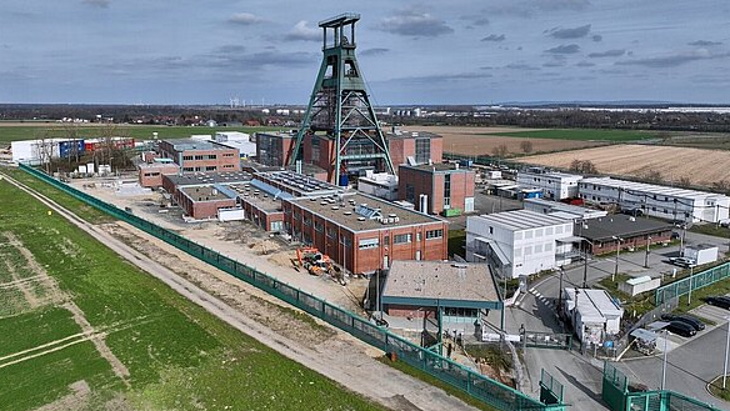
The former Konrad mine (Image: BGE)

The former Konrad iron ore mine - in Salzgitter, Lower Saxony - closed for economic reasons in 1976 and investigations began the same year to determine whether the mine was suitable for use as a repository for low and intermediate-level radioactive waste (LLW/ILW).

In 2002, the Lower Saxony Ministry for the Environment issued a planning approval decision for the Konrad repository. Following multiple legal proceedings, this approval was confirmed by the Federal Administrative Court in 2007. A construction licence was issued in January 2008.

However, in May 2021, NABU and BUND submitted an application to withdraw or revoke the existing planning approval decision for the Konrad repository and to stop construction.

The Lower Saxony Ministry of the Environment has now dismissed the application "after intensive legal and substantive review".

Federal radioactive waste company, Bundesgesellschaft für Endlagerung (BGE) - which assumed responsibility as the operator of the Konrad repository from the Federal Office for Radiation Protection in April 2017 - welcomed the decision.

"This finding once again confirms that the planning approval decision for the Konrad repository is legal," it said. "BGE will continue to push ahead with the construction of the Konrad repository so that the majority of low and medium-level radioactive waste from Germany can be safely disposed of."

Thomas Lautsch, technical director of BGE, added: "With the planning approval decision for the Konrad repository, we have a robust basis for the construction, operation and decommissioning of the Konrad repository. The construction will take place on this basis and will also be implemented in accordance with the current technical regulations."

The Konrad mine is being converted for use as a repository under the supervision of BGE. The two mine shafts are being renovated and equipped with the necessary infrastructure underground. Among other things, this infrastructure includes transport galleries and the emplacement areas at a depth of around 850 metres. Above ground, construction work is under way on new buildings, including the reloading hall.

The final disposal of up to 303,000 cubic metres of LLW/ILW at Konrad is set to begin in the early 2030s. This waste represents 95% of the country's waste volume, with 1% of the radioactivity. At present, this waste is stored above-ground in interim storage facilities at more than 30 locations in Germany. Once within the Konrad repository, the containers will be immobilised with suitable concrete and securely sealed off during emplacement operations. Once operations are complete, all cavities of the mine will be backfilled and sealed in a manner that ensures long-term safety.


UPDATE

South Yorkshire chosen for Holtec's proposed UK SMR factory


Friday, 20 September 2024

USA-based Holtec International has selected South Yorkshire in England as the preferred site for its proposed UK small modular reactor factory. It has also signed memorandums of understanding with two British research centres to support SMR manufacturing and testing.

South Yorkshire chosen for Holtec's proposed UK SMR factory
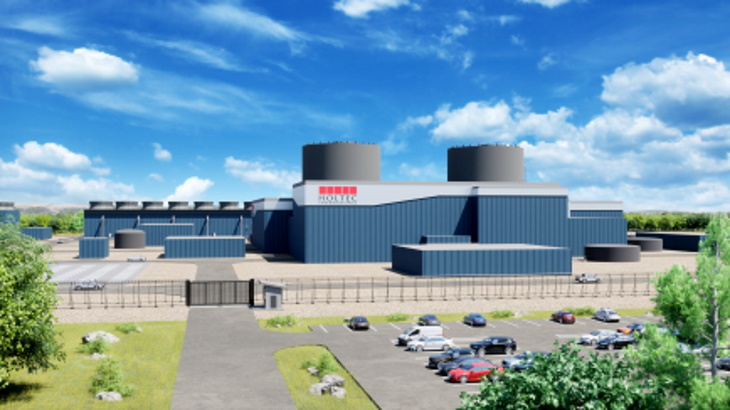
Holtec's image of a two-unit SMR-300 plant (Image: Holtec)

Holtec's selection process involved evaluation of 13 locations that responded to a call for interest released by Holtec earlier this year, after which four locations - West Midlands, South Yorkshire, Cumbria and Tees Valley - were shortlisted. Holtec's UK subsidiary, Holtec Britain, has now selected South Yorkshire as the location for its new SMR factory to serve the UK, Europe and the Middle East.

According to the company, the factory is estimated to provide GBP1.5 billion (USD2 billion) in Gross Value Added to the economy and is set to create hundreds of well-paid, high-skilled jobs.

Holtec said that at least 70% of materials, components and services will be sourced from the UK, with significant supply chain opportunities, particularly in and around South Yorkshire.

"Holtec Britain was impressed by the resounding interest in our new SMR factory across the UK and the strong support received by the local authorities during our engagements," said Gareth Thomas, Director of Holtec Britain. "However, after a rigorous process, South Yorkshire was finally selected as our preferred location.

"In addition to the technical, supply chain, training, and logistics criteria for the formal evaluation, we were also impressed by the history and pride of the people we met during our visit to South Yorkshire, which demonstrated the workforce really cares about the quality and reputation of their work. For Holtec, that translates to a workforce that can be trained and will remain committed to delivering the high-quality nuclear products that Holtec, and our customers, demand."

Holtec said it was working to finalise its factory business plan to support its Final Investment Decision, based on its UK and international order book.

Holtec has been developing its SMR unit since 2011. The SMR-300 is a pressurised water reactor producing around 300 MW of electrical power or 1050 MW of thermal power for process applications, and the company says it has undergone several design evolutions, the most recent of which is the incorporation of forced flow capability overlayed on gravity-driven flow in the plant's primary system.

The SMR-300 is one of six SMR designs selected in October last year by Great British Nuclear on a shortlist for the UK's SMR selection competition and one of the five vendors to submit a bid by the 8 July deadline. The aim is for a final investment decision on two or three of the designs to be taken in 2029.

Holtec proposes to deploy around 5 GWe of SMRs in serial production in the UK by 2050.

In December 2023, Holtec secured GBP30 million from the UK government's Future Nuclear Enabling Fund to start the generic design assessment (GDA) process, and completed the first step last month.

The company said it is on track to begin the licensing and construction of two SMR-300 units at its Palisades nuclear power plant site in Michigan. It is aiming to file a construction permit application for the two Palisades SMRs in 2026 with the first SMR-300 plant targeted for mid-2030, subject to regulatory reviews and oversight.

Cooperation agreements

Holtec has also announced that it has signed memorandums of understanding with two UK research centres within the High Value Manufacturing Catapult - the University of Sheffield Advanced Manufacturing Research Centre (AMRC) and the Coventry-based Manufacturing Technology Centre (MTC) - to support SMR manufacturing and testing.

The MoU with AMRC agrees that both parties will conduct in-depth analysis of manufacturing technology efficiency and UK skills challenges. Holtec and AMRC will also explore collaboration on SMRs, large-scale nuclear and fusion in both the civil and defence sectors.

"With the signing of this MoU, we're delighted to work with Holtec on a number of manufacturing technology challenges that will bring enhanced efficiency, productivity and impact for the UK - which is at the very core of what we do at the AMRC and indeed, the wider High Value Manufacturing Catapult, said AMRC CEO Steve Foxley.

Holtec Britain's Thomas said: "Our MoU is a serious statement of intent to cement our UK footprint to service the UK domestic market with UK R&D, UK jobs and a fully integrated UK supply chain." 

The MoU signed between Holtec Britain and MTC is aimed at supporting the manufacturing and testing of the SMR-300. The agreement states that both parties will work together to find the best manufacturing processes and solutions for the SMR-300. MTC will leverage its expertise to explore innovative manufacturing processes for a future testing phase and both parties will work collaboratively from proof of concept to final installation, training and support after project completion.

"Through our partnership with Holtec, not only will we deliver the innovations needed by one company, but also support end-to-end supply chain development to help anchor this growth sector in the UK," said MTC Senior Business Development Manager Andrew Bowfield.

Thomas added: "Our MoU with the world class MTC is a landmark moment for Holtec Britain as we commit to build on our historic UK nuclear history and use this SMR moment to grow jobs with a fully integrated UK supply chain."

EXPANSION BABY, EXPANSION

Industry groups ask governments to commit to nuclear expansion


Thursday, 19 September 2024

Ten industry associations have issued a communiqué calling on all OECD member states to set out clear plans for nuclear energy deployment. The document was released during the first day of the second Roadmaps to New Nuclear conference in Paris, organised by the OECD Nuclear Energy Agency.

Industry groups ask governments to commit to nuclear expansion
(Image: OECD NEA)

Co-chaired by Swedish Deputy Prime Minister and Minister for Energy, Business and Industry, Ebba Busch, and OECD NEA Director-General William Magwood, the OECD NEA said at the event "ministers, CEOs and other leaders will discuss concrete ways to make good on global pledges to increase nuclear energy production to fight climate change".

It added: "Building on the success of Roadmaps to New Nuclear 2023, ministers, senior government officials and industry representatives will convene to share recent experiences, deliberate on best practices and chart a collaborative path towards delivering new nuclear energy construction at the scale and pace required to meet the growing global expectations for nuclear energy.

"Whereas Roadmaps 2023 provided a general direction for collective action, which was followed by a pledge by more than 20 countries at COP28 to triple global nuclear energy capacity by 2050, this second meeting will focus on critical next steps to bring solutions to the countries most interested in proceeding with nuclear new build."

The NEA said the discussions during the two-day event "will inform the development of actionable policy recommendations for policymakers, nuclear power companies and the nuclear energy sector more broadly".

The nuclear industry - represented by the Canadian Nuclear Association, Candu Owners Group, the Electric Power Research Institute, Groupement des Industriels Français de l'Energie Nucléaire (Gifen), Japan Atomic Industrial Forum, Korea Atomic Industrial Forum, Nuclear Energy Institute, nucleareurope, Nuclear Industry Association and World Nuclear Association - issued a communiqué saying: "We congratulate those OECD member states that signed the Declaration to Triple Nuclear at COP28. We urge all OECD member states to set out clear plans for nuclear energy deployment that would fulfil the targets they have set through the UNFCCC process and to demonstrate their commitment to nuclear energy, giving clear signals to markets and investors."

The associations said they recognise that meeting a tripling of nuclear capacity by "2050 will require significant expansion in access to financing, strengthening of supply chains, investment in workforce, further development of the nuclear fuel supply and supportive policies and regulations to enable rapid scaling of nuclear energy generation".

They called on governments to help maximise the use of existing nuclear power plants, including extending the operating period of reactors, uprating their output and restarting those that have shutdown where feasible. They said governments should act to accelerate deployment of new nuclear facilities based on proven designs, and accelerate the development, demonstration, and deployment of new nuclear technologies, including new large nuclear reactors as well as small modular reactors and advanced modular reactors.

The associations highlighted eight key areas in which governments must take action in order to achieve the 2050 target. These include: promoting policies to encourage fleet deployment of nuclear energy technologies; ensuring ready access to national and international climate finance mechanisms for nuclear development; ensuring that multilateral financial institutions include nuclear energy in their investment portfolios; providing clarity to investors on the funding and investment recovery mechanisms available for nuclear projects and including nuclear energy in clean energy financing mechanisms; continuing efforts to strengthen supply chains for nuclear fuel in OECD member states; investing in workforce development and training; continuing investments in nuclear research and efforts to bolster the nuclear supply chain within OECD member states; and expanding regulatory cooperation.

"The communiqué issued today congratulates those OECD member states that signed the Declaration to Triple Nuclear at COP28, and encourages other member states to join," said Sama Bilbao y León, Director General, World Nuclear Association. "The goal to triple global nuclear capacity is also shared by industry through the Net Zero Nuclear initiative highlighting government and industry collaboration. The time is now to expand nuclear capacity and provide clean, reliable and secure energy for all."

New initiative launched


The NEA announced it will create a new Joint Undertaking on Roadmaps to New Nuclear that will "bring together like-minded countries to rebuild their capability to implement successful nuclear energy new-build projects".

The initiative will focus on addressing the most pressing issues in nuclear energy, including nuclear finance, supply chain readiness and building a skilled and diverse workforce.

So far, 13 countries (Bulgaria, Canada, Czech Republic, France, Hungary, Japan, Poland, Romania, Slovenia, South Korea, Sweden, the UK and the USA) have expressed interest in the initiative.

"The Joint Undertaking on Roadmaps to New Nuclear will allow us to turn the priorities identified by Ministers and CEOs into practical actions to support the tripling of nuclear energy capacity by 2050," OECD NEA Director-General William Magwood said. "This collaborative framework will advance international cooperation, foster strategic partnerships, and exchanges among governments and industry to more effectively deliver on the national priorities of the countries pursuing new nuclear capacity."


Darlington 1 refurbishment on target for early completion


Friday, 20 September 2024

Ontario Power Generation's (OPG) project to refurbish the four Candu units at Darlington is now 86% complete, with unit 1 preparing to restart ahead of schedule. Meanwhile disassembly work on unit 4 continues - and the company has announced its latest corporate green bond issue.

Darlington 1 refurbishment on target for early completion
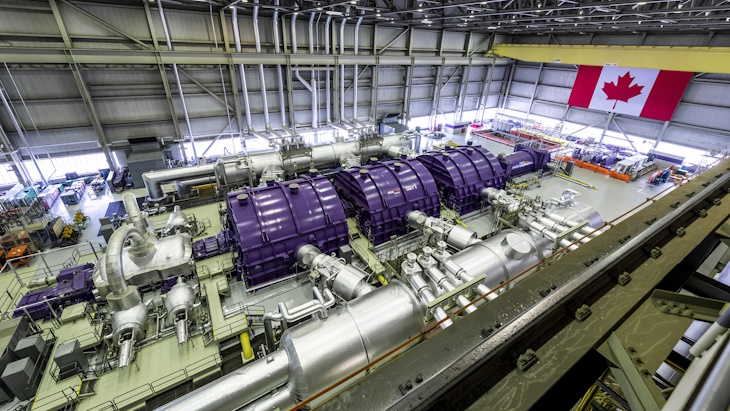
(Image: OPG)

The reactor and supporting systems at Darlington 1 are undergoing tests in preparation for regulatory approval to restart the unit in the final quarter of this year, OPG said in its latest update on the project which covers the period to 30 June. "At the end of this report period, Unit 1 refurbishment execution was 95% complete, on plan, with the restoration of the reactor vault forecasted to be complete in Q3," the company said.

The execution of the refurbishment of unit 4, which began in July 2023, is 42% complete and is on plan, with recent highlights including the completion of calandria tube insert removal, allowing for ongoing work to remove the unit's 480 calandria tubes and pressure tubes which is expected to be completed during the current quarter.

"The refurbishment of the four Darlington units remains on plan for completion by the end of 2026, as committed," the company said. "Unit 1 is on track to complete in Q4 2024, ahead of plan."

The Darlington units are being refurbished in a CAD12.8 billion (USD9.7 billion) project that will enable the station to operate for an additional 30 years. Unit 2 was the first to be refurbished and returned to service in June 2020; unit 3 returned to service in July 2023.

OPG has also initiated a project to refurbish four Candu units at the Pickering nuclear power station, as well as planning to build up to four BWRX-300 small modular reactors (SMRs) at its Darlington New Nuclear project.

On 18 September, the company announced the issue of CAD300 million (USD221 million) of bonds under its Sustainable Finance Framework and said it will use the net proceeds to fund a range of low-carbon energy projects. Under a new Sustainable Finance Framework announced in June, OPG may use funds from the bonds for energy-related projects and programmes including new nuclear projects, such as SMRs, and large new nuclear, in addition to maintenance or refurbishment of existing facilities.

OPG has issued a total of CAD4.6 billion in green bonds since 2018, including offerings by its subsidiaries. To date in 2024, OPG and its subsidiaries have issued CAD1.5 billion in green bonds, including CAD1.3 billion under the Sustainable Finance Framework.

 WAIT, WHAT?!


Constellation to restart Three Mile Island unit, powering Microsoft


Friday, 20 September 2024

Constellation has signed a 20-year power purchase agreement with Microsoft that will see Three Mile Island unit 1 restarted, five years after it was shut down.

Constellation to restart Three Mile Island unit, powering Microsoft
Three Mile Island unit 1 was shuttered in 2019 (Image: NRC/Exelon)

Constellation purchased the 837 MWe Three Mile Island Unit 1, in 1999. The unit, which had enough capacity to power 800,000 homes, was retired prematurely for economic reasons in 2019. In its last year of operation, the plant was producing electricity at maximum capacity 96.3% of the time - well above the industry average and employed more than 600 full-time workers.

The Unit 1 reactor is located adjacent to TMI Unit 2, which was shut down in 1979 after an accident which resulted in severe damage to the reactor core and is in the process of being decommissioned by its owner, Energy Solutions. 

Constellation says "significant investments will be made to restore" unit 1 "including the turbine, generator, main power transformer and cooling and control systems. Restarting a nuclear reactor requires US Nuclear Regulatory Commission approval following a comprehensive safety and environmental review, as well as permits from relevant state and local agencies. Additionally, through a separate request, Constellation will pursue licence renewal that will extend plant operations to at least 2054".

The plant is to be renamed the Crane Clean Energy Centre - after Chris Cane, who was CEO of Constellation's parent company and passed away in April. The aim is for it to be online in 2028. Constellation says it aims to operate it for decades to come, and will create 3400 direct and indirect jobs and deliver more than USD3 billion in state and federal taxes

"This agreement is a major milestone in Microsoft's efforts to help decarbonise the grid in support of our commitment to become carbon negative. Microsoft continues to collaborate with energy providers to develop carbon-free energy sources to help meet the grids' capacity and reliability needs," said Bobby Hollis, vice president of energy, Microsoft.

Joe Dominguez, president and CEO, Constellation, said: "Powering industries critical to our nation’s global economic and technological competitiveness, including data centres, requires an abundance of energy that is carbon-free and reliable every hour of every day, and nuclear plants are the only energy sources that can consistently deliver on that promise. Before it was prematurely shuttered due to poor economics, this plant was among the safest and most reliable nuclear plants on the grid, and we look forward to bringing it back with a new name and a renewed mission to serve as an economic engine for Pennsylvania."

Governor Josh Shapiro said: "Under the careful watch of state and federal authorities, the Crane Clean Energy Center will safely utilise existing infrastructure to sustain and expand nuclear power in the Commonwealth while creating thousands of energy jobs and strengthening Pennsylvania’s legacy as a national energy leader."

Michael Goff, Acting Assistant Secretary, Department of Energy's Office of Nuclear Energy, said: "Always-on, carbon-free nuclear energy plays an important role in the fight against climate change and meeting the country's growing energy demands."

Friday's announcement could see the unit become the second in the USA - and the world - to return to operational status after being shut down for decommissioning. Holtec International is currently working to bring the Palisades single-unit pressurised water reactor in Michigan, which closed in 2022, bring back into service and is aiming to repower the plant by the end of 2025.

Earlier this year, the US Department of Energy Loan Programs Office conditionally committed up to USD1.52 billion for a loan guarantee to Holtec Palisades for the project, and in June US Energy Secretary Jennifer Granholm told Reuters she would be "surprised" if the office was not talking to other owners of shuttered plants about potential restarts.

BlackRock and Microsoft Partner on $30 Billion AI Infrastructure Fund

  • BlackRock and Microsoft are launching a $30 billion AI infrastructure fund to address the growing energy demands of artificial intelligence.

  • The fund will invest in data centers, energy projects, and other infrastructure needed to support AI development.

  • Nvidia will provide advisory on factory design and integration, while MGX and Global Infrastructure Partners are also involved.

As we have been writing for the better part of the last year, the next AI trade continues to look like it's going to be energy. And now, both BlackRock and Microsoft are making it known that they understand this, too. 

Yesterday it was reported that the two industry giants are prepping the launch of a $30 billion AI investment fund that'll see Microsoft build data centers and energy projects to meet the demands of AI, according to the Financial Times.

BlackRock’s new infrastructure investment unit, Global Infrastructure Partners, is launching a major investment fund with Microsoft and Abu Dhabi’s MGX as general partners. Nvidia will provide advisory on factory design and integration.

The FT wrote that the partnership aims to tackle the massive power and infrastructure needs of AI development, which is expected to strain current energy systems. AI’s computing demands far exceed past technologies.

The partnership seeks to raise up to $30bn in equity, with plans to leverage an additional $70bn in debt.

In a statement, Larry Fink said: “Mobilizing private capital to build AI infrastructure like data centers and power will unlock a multitrillion-dollar long-term investment opportunity.”

Brad Smith, Microsoft’s president, added: “The country and the world are going to need more capital investment to accelerate the development of the AI infrastructure needed. This kind of effort is an important step.”

Jensen Huang of Nvidia added: “Accelerated computing and generative AI are driving a growing need for AI infrastructure for the next industrial revolution.”

The upcoming fund is the latest by a major asset manager to address the rising energy needs of generative AI and cloud computing. Earlier this year, Microsoft committed $10bn to renewable energy projects with Brookfield Asset Management and aims for 100% zero-carbon energy by 2030, the Financial Times concluded

The International Energy Agency predicts global electricity consumption by data centers could exceed 1,000 terawatt-hours by 2026, more than double the 2022 level.

In the U.S., which houses a third of the world’s data centers, electricity demand is surging for the first time in 20 years. A report from Grid Strategies shows five-year electricity demand projections in the U.S. have nearly doubled, from 2.6% to 4.7%.

For those who missed it, in our note "The Next AI Trade" from April of this year, we outlined various investment opportunities for powering up America, most of which have dramatically outperformed the market.

A favorite name of ours has been the Sam Altman-backed Oklo, which we have highlighted as the potential solution to the extreme forthcoming demands in energy as a result of artificial intelligence. It makes nuclear power plants, ranging from 15 MWe to 50 MWe, utilizing liquid metal reactor technology, in soon-to-be everywhere small modular reactors. 

By Zerohedge.com