Monday, September 29, 2025


The UN flag flies on a stormy day at the United Nations during the United Nations General Assembly, Sept. 22, 2022.

UN leaders are concerned about AI’s potential harms. Could an AI forum prevent the worst?

Copyright AP Photo/Ted Shaffrey, File

By Roselyne Min with AP
Published on 


As world leaders weigh its promise and peril at this week’s high-level meetings, the United Nations heralds a COP meeting like body for international AI governance and an expert panel to present annual reports at the forum.

Artificial intelligence (AI) took  center stage at this week’s annual high-level United Nations (UN) meeting in New York.

Leaders at the UN Security Council addressed AI’s possible benefits and harms in security, military use and misinformation.

“The question is not whether AI will influence international peace and security, but how we will shape its influence used responsibly,” UN Secretary-General Antonio Guterres said in opening remarks at Wednesday’s meeting.

“AI can strengthen prevention and protection, anticipating food insecurity and displacement, supporting de-mining, helping identify potential outbreaks of violence, and so much more. But without guardrails, it can also be weaponised,” Guterres added.

Wednesday's general debate centred around how the Council can help ensure the responsible application of AI to comply with international law and support peace processes and conflict prevention.

How have world leaders reacted?

Several European leaders stressed the need for the Council to lead the way on ensuring that AI is not used by militaries without human oversight to avert potentially devastating escalations or misfires.

Greek Prime Minister Kyriakos Mitsotakis called on the Council to “rise to the occasion – just as it once rose to meet the challenges of nuclear weapons or peacekeeping, so too now it must rise to govern the age of AI.”

British Deputy Prime Minister David Lammy stressed deep AI analysis of situation data  holds a promise for peace, saying AI is capable of keeping “ultra-accurate, real-time logistics, ultra-accurate real-time sentiment analysis, ultra-early warning systems”.

UN sets up new bodies for AI

Last month, the UN General Assembly (UNGA) announced that it will set up two key bodies on AI - an independent scientific panel of experts and a global forum.

The UN said in a statement that the new governance architecture will be a much more inclusive form of international governance and address the issues surrounding AI, and ensure that it benefits all people.

The Scientific Panel, for which 40 experts will be appointed through nominations, will present annual reports at the forum named Global Dialogue on AI Governance to take place in 2026 in Geneva and 2027 in New York.

The new establishment is seen as the latest and biggest effort to rein in AI. Experts have called it “a symbolic triumph”.

They are “by far the world’s most globally inclusive approach to governing AI,” Isabella Wilkinson, a research fellow at the London-based think tank Chatham House, wrote in a blog post.

Britain, France, and South Korea have all held global AI summits but none of them have resulted in binding pledges for AI safety.

However, Wilkinson is sceptical that the UN's lumbering administration can regulate a fast-moving technology such as AI.

“But in practice, the new mechanisms look like they will be mostly powerless,” she added.

The UN chief will hold a meeting to officially launch the two new bodies on Thursday. It will be the first time that all 193 Member States of the UN will have a say in the way international AI governance is developed, according to the UN.

Previously, leading AI experts and Nobel Prize winners, including senior figures from OpenAI, Google DeepMind and Anthropic, had issued a call for the United Nations to spearhead a binding global treaty setting “minimum guardrails” for AI designed to prevent the “most urgent and unacceptable risks”.

Among those who signed the call were European lawmakers, including Italian former prime minister Enrico Letta and former president of Ireland Mary Robinson, who is currently a United Nations high commissioner for human rights.


AstraZeneca will list shares directly in New York, but isn't leaving the UK

Copyright Kirsty Wigglesworth/AP2009

By Doloresz Katanich
Published on 


Amid concerns it might leave the UK, the pharma giant reaffirmed its commitment to the country, keeping its headquarters, primary listing, and tax base there.

In order to attract global investors, AstraZeneca said it will directly list its ordinary shares on the New York Stock Exchange, in addition to its shares trading in the UK and Sweden.

To do so, the Anglo-Swedish pharmaceutical giant needs to replace its existing US listing of AstraZeneca American Depositary Receipts (ADRs) on the Nasdaq.

The company said that the move aims to harmonise its listing structure "while remaining headquartered in the UK".

"The Board of AstraZeneca is recommending to shareholders a Harmonised Listing Structure for the Company’s ordinary shares across the London Stock Exchange (LSE), Nasdaq Stockholm (STO) and the New York Stock Exchange (NYSE)," the company said in a statement.

The announcement follows increased speculation that the pharma company may move its shares entirely from the London Stock Exchange, where it is one of the largest companies traded. And according to analysts, the current announcement doesn't exclude this possibility in the future.

“While there is logic to shifting to a direct listing in the US rather than American Depositary Receipts beyond setting up for any longer-term moves, it does at least hint at the possibility of a more dramatic shift at some point in the future," said AJ Bell investment director Russ Mould.  

The US has the world’s largest and most liquid public markets by capitalisation. A direct listing makes it easier for US investors to buy AstraZeneca shares directly without going through ADRs.

Compared to ordinary shares, American Depositary Receipts come with additional costs and extra steps. ADR investors may be subject to fees and double taxation, and ADRs come through a custodian bank.

"Enabling a global listing structure will allow us to reach a broader mix of global investors and will make it even more attractive for all our shareholders to have the opportunity to participate in AstraZeneca’s exciting future,” said Michel DemarĂ©, Chair of AstraZeneca.

In response to the announcement, AstraZeneca's shares listed on the FTSE 100 rose 0.71% at around 11.30 CEST.

Labi Siffre issues cease-and-desist order to Tommy Robinson over use of song in UK rally

Labi Siffre issues cease-and-desist order to Tommy Robinson over use of song in anti-immigration rally
Copyright Screengrab YouTube Labi Siffre - AP Photo

“Anybody who knows me and knows my work will know the joke of them using the work of a positive atheist, homosexual black artist as apparently representative of their movement.” 


By David Mouriquand
Published on 


Labi Siffre has issued a cease-and-desist order to far-right activist Tommy Robinson over the use of his anti-apartheid song in an anti-immigration rally earlier this month.

British singer-songwriter Labi Siffre has issued a cease-and-desist order to far-right activist and convicted criminal Tommy Robinson over his use of the song ‘(Something Inside) So Strong’ at a recent rally. 

The 1987 hit featured prominently at the anti-immigration “Unite the Kingdom” rally in central London on 13 September, which was organised by Robinson - whose real name is Stephen Yaxley-Lennon. 

Robinson, who regularly expresses Islamophobic, racist and derogatory opinions and has a long history of criminal convictions ranging from theft to assault, stalking and fraud, also used Siffre's song without prior approval in posts on social media.

‘(Something Inside) So Strong’ was written by Siffre as an anti-apartheid song, inspired by a television documentary about apartheid in South Africa in which white soldiers were shown shooting at black civilians in the street. Siffre also told the BBC in 2014 that the song was influenced by his experience as a homosexual.  

The song went on to win an Ivor Novello Award and has been used in Amnesty International campaigns. It was said to be Nelson Mandela’s favourite song.

In an interview with The Guardian, Siffre, 80, has said that Robinson is “breaking all sorts of copyrights”, adding: “Even in an era when theft is easier than it ever was, it’s still theft.” 

He further explained his objection to the song’s use by Robinson by saying: “Anybody who knows me and knows my work since 1970 will know the joke of them using the work of a positive atheist, homosexual black artist as apparently representative of their movement.” 

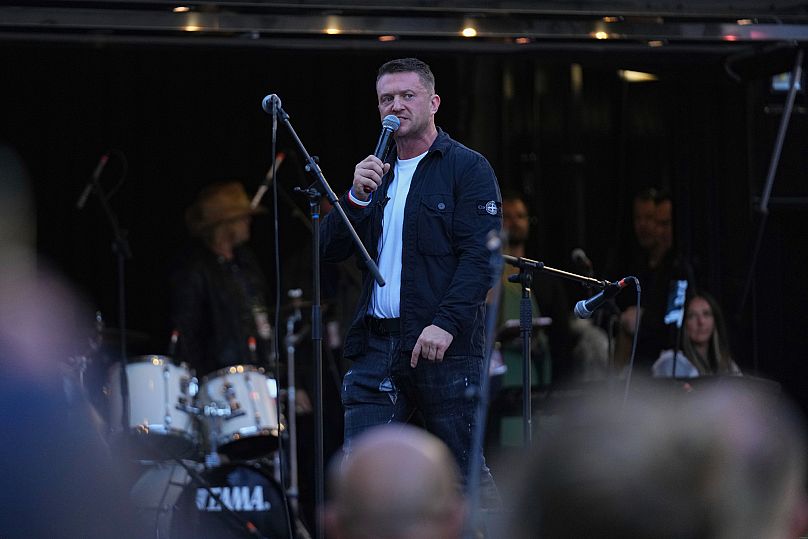
Tommy Robinson at the Unite the Kingdom march - London, 13 September 2025 AP Photo

At the September rally, Robinson invited former X Factor contestant Charlie Heaney to sing the song, and introduced it by saying: “I always like telling stories through music and this next song now is going to tell all of our stories of why we’re here and why we care.” 

The Metropolitan police estimated that between 110,000 and 150,000 people attended the demonstration. At least 25 people were arrested, and 26 police officers were injured at the event. 

Elon Musk gave a speech via video link at the demonstration, saying that “massive uncontrolled migration” was contributing to the “destruction of Britain”. He then spewed criticism on the “woke mind virus” and told the crowd “you either fight back or you die”. 

UK Prime Minister Keir Starmer went on to condemn the "dangerous" comments made by Musk.

While the demonstration was one of the largest far-right protests in recent memory, Siffre added: “It’s just same old, same old. I wish the media would stop talking about this as an unprecedented movement. There’s nothing unprecedented about it. Anyone who has even the slightest knowledge of 20th-century history should know that.” 

The Tommy Robinson-led Unite the Kingdom march - 13 September 2025 AP Photo

Siffre is far from the first artist who has had to condemn or issue cease-and-desist orders so that their music is not used for political reasons.  

Donald Trump is renowned for using songs without authorisation. Last year, Jack White added his name to an ever-growing list of artists suing Trump over the illegal use of their songs in campaign videos. The singer filed a copyright infringement lawsuit, with the band The White Stripes opposing Trump’s use of their song ’Seven Nation Army’ in a political video.

Other artists who have criticsed Trump for his use of their work include the estates of Isaac Hayes and SinĂ©ad O'Connor, as well as CĂ©line Dion and BeyoncĂ©.  

According to Rolling Stone, BeyoncĂ©’s record label issued a cease-and-desist letter to the Trump campaign after the former President’s spokesperson Steven Cheung posted a now-deleted video on X of Trump stepping off an airplane with the song ‘Freedom’ playing the background. This took place days after the singer approved the song as the official anthem for Kamala Harris’ presidential campaign


EU energy systems vulnerable to heatwaves, droughts and rising cooling needs, EEA says

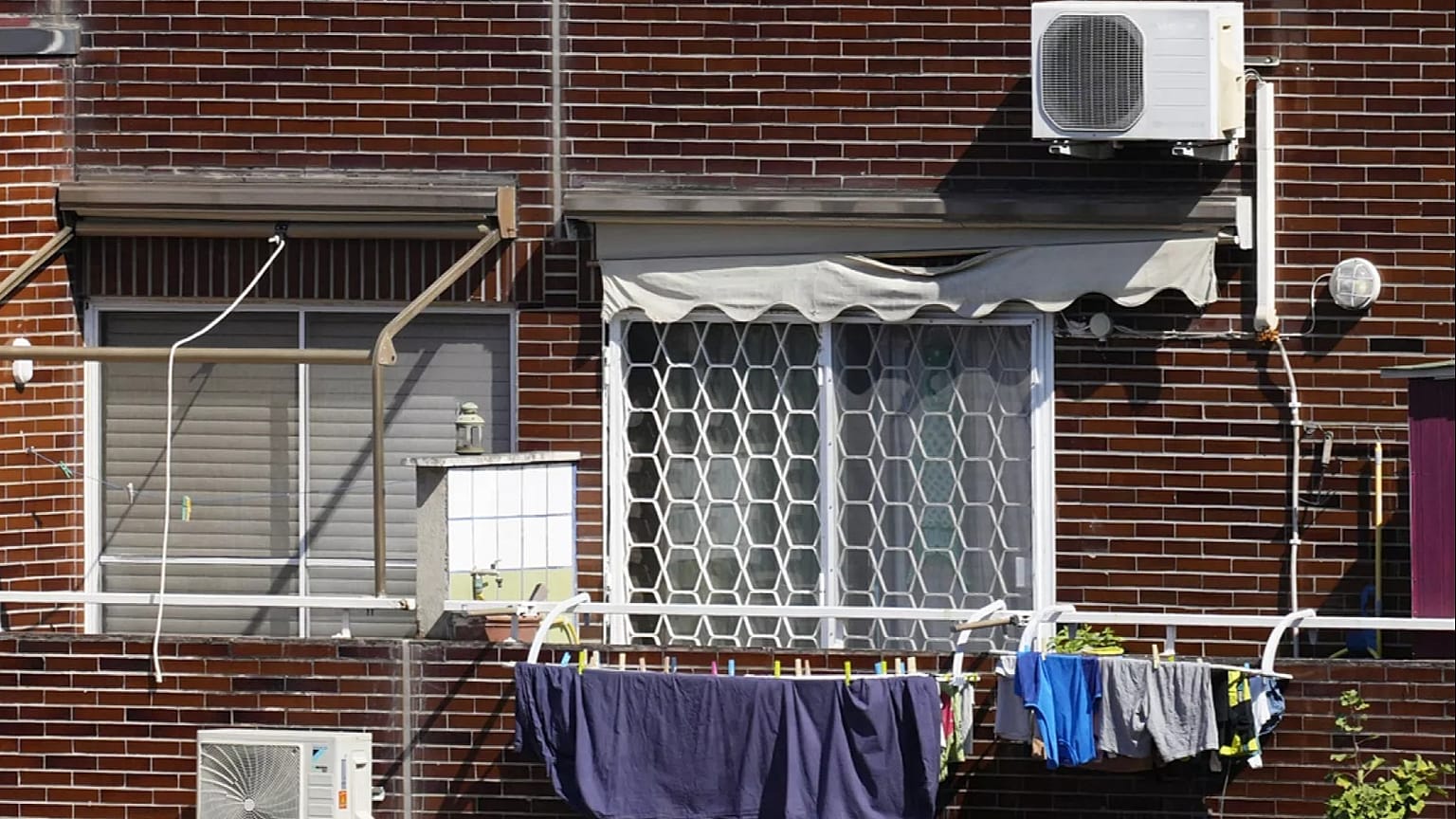
Air conditioning units are seen on the facade of a building in Rome, Tuesday, July 25, 2023.
Copyright Andrew Medichini/AP


By Ema Gil Pires
Published on 


Future energy demand for cooling is expected to increase more in southern EU countries, such as Greece, Italy, Portugal and Spain.

Portugal is a "good example" in the transition from fossil fuels to renewable energy, according to a new report. But it could be one of the countries that, in the future, spends the most on cooling its homes.

The report, released this Monday by the European Environment Agency and initially quoted by the Lusa news agency, says that Greece, Italy, Portugal and Spain could consume 71 per cent of the total annual energy for cooling purposes in residential buildings in the EU due to global warming in the future.

Emphasising that the "climate risks to energy security" arising from climate change "vary across Europe", it points out that southern Europe faces increasing risks from heat, droughts and water scarcity, while northern Europe is likely to face both risks and opportunities.

Cooling is one of Europe's 'main climate risks'

The European Environment Agency report lists increased demand for cooling as one of the "main climate risks" for the European energy system.

It projects that future energy demand for cooling is expected to increase more in the southern EU countries, such as Greece, Italy, Portugal and Spain.

Looking at recent years, the report also notes that "the amount of final energy used for cooling purposes in residential buildings tripled between 2010 and 2019" in 19 European countries.

Other potential threats to EU countries are "the regional reduction in hydroelectric potential due to lower water availability, the lower efficiency of thermal power stations and electricity transmission, and the impacts of extreme weather events on energy infrastructure".

In this context, the European Environment Agency explains that these other climate-related risks - such as floods, storms or forest fires - "can damage energy production and transmission infrastructures and disrupt energy supply".

Once again, southern Europe could be more prone to episodes of power cuts, due to "prolonged droughts that affect electricity supply, combined with heatwaves that affect peak demand" for energy.

Portugal listed as a 'good example' of renewable energy transition

In 2023, renewable energy sources accounted for 24.5 per cent of the EU's final energy consumption, the report says.

It outlines how this "all-time high" was "driven by EU policies to accelerate the transition to clean energy", such as the REPowerEU plan and the "Fit for 55" legislative package.

This figure, however, still falls well short of the "minimum target" set at European level - 42.5 per cent by 2030 - which will require a "profound transformation of the European energy system".

It cites Portugal as a "good example of the progress made in the transition from fossil fuels to renewable energies" and in the decarbonisation process.

"The country has almost doubled the share of renewable energies in its final energy consumption, from 19 per cent in 2004 to 35 per cent in 2023," The European Environment Agency states.

Last year, renewable energies supplied more than 73 per cent of Portugal's energy mix, enabling the country to position itself as "one of the pioneers in Europe's energy transition". This change, the report explains, "was driven by the expansion of hydroelectric, wind and solar energy".

"Portugal has invested heavily in additional hydropower and wind energy since the early 2000s. In recent years, it has rapidly increased solar capacity through large-scale photovoltaic projects and the growing adoption of rooftop solar installations. The country has also invested in modernising hydroelectric power stations with reverse pumping dams, providing storage and increasing security of supply," says the European Environment Agency.

In addition, Portugal's "closure of coal-fired power stations in 2021 marked a fundamental step in reducing emissions" and "sent a clear signal about the country's commitment to phasing out fossil fuels", the document concludes.


Experimental cannabis extract can help reduce chronic back pain, trial finds

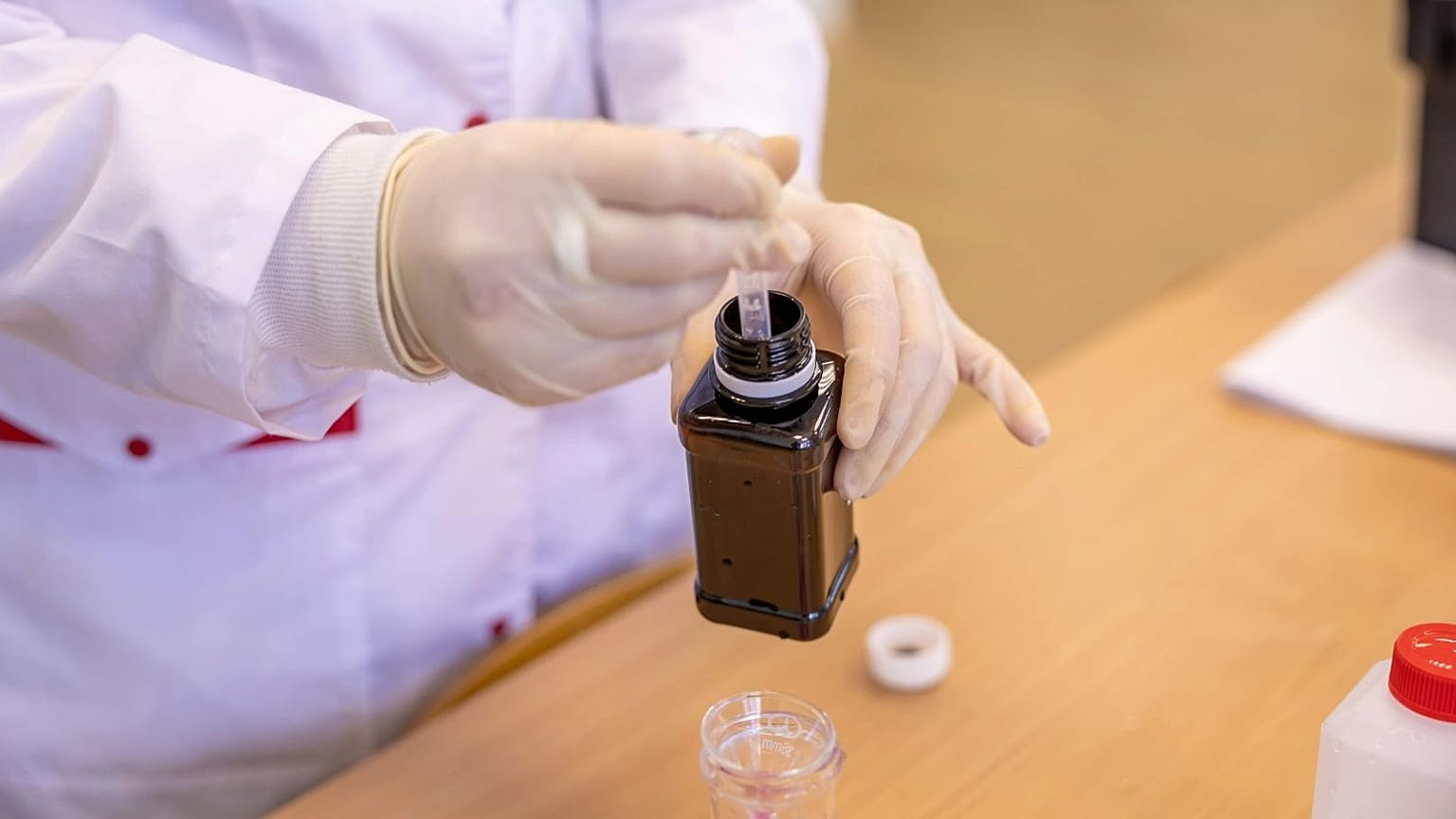
A scientist works with an extract.
Copyright Canva

By Gabriela Galvin
Published on 


Patients reported a significant reduction in pain scores in the months after starting the cannabis extract, which is not the same as smoking cannabis.

An experimental cannabis extract could help people manage chronic lower back pain without risking addiction or serious side effects, a new study has found.

The findings from a late-stage clinical trial could offer hope to the estimated 619 million people worldwide who have chronic lower back pain, which is the most common form of disability globally.

While lower back pain is fairly common and can be caused by several issues, chronic pain that keeps coming back can be debilitating.

Despite its prevalence, adequate treatments for chronic pain remain scarce. Existing options include opioids, which are highly addictive, and nonsteroidal anti-inflammatory drugs (NSAIDs) such as ibuprofen, which can come with long-term heart and gastrointestinal risks. 

About the study


The trial included 820 adults with chronic lower back pain who had not gotten sufficient pain relief from non-opioid medicines. Participants were split into two groups, with about half receiving VER-01 – the cannabis extract, which is made by the German company Vertanical – and the rest receiving a placebo, or dummy treatment.

They were asked to record their pain levels on a 0 to 10 scale, with 10 being the worst pain imaginable.

After three months, people who got the cannabis extract treatment reported a 1.9-point reduction on the pain rating scale, compared with a 0.6-point reduction among those who received a placebo.


In a six-month extension, patients taking VER-01 experienced an additional 1.1-point decline on the pain scale, as well as improvements in sleep quality and physical function.

The findings were published in the journal Nature Medicine on Monday.

“The pain relief was clinically significant and would be meaningful to the many people living with chronic pain out there,” Jan Vollert, a neuroscience lecturer at the University of Exeter who was not involved with the study, said in a statement.

“It is only one trial, and we will need further studies to confirm the findings, but this is a good signal that the compound could help patients,” Vollert added.

The most common side effects among people taking VER-01 were short-term dizziness, nausea, and excessive sleepiness. There were no signs of drug abuse or dependence on the cannabis extract, the researchers said.

The study authors plan to publish additional research testing VER-01 against standard opioid treatments for chronic back pain.

‘No way comparable to smoking cannabis’

VER-01 is derived from a strain of Cannabis sativa, which is a type of cannabis plant. Each dose of the medication contains 2.5 milligrams of Tetrahydrocannabinol (THC) – the main psychoactive element in marijuana that makes people feel “high” – as well as other compounds.

But Vollert cautioned that people should not turn to cannabis to self-manage their chronic pain. The new findings apply specifically to the cannabis extract found in VER-01, he said, which is “in no way comparable to smoking cannabis”.

“Smoking cannabis and taking VER-01 are probably as similar as eating hazelnuts and eating Nutella: they might share a similar basis, but they just are not comparable,” Vollert said.

ECOCIDE

Scientists shocked to find marine life thriving on World War II explosives in the Baltic Sea

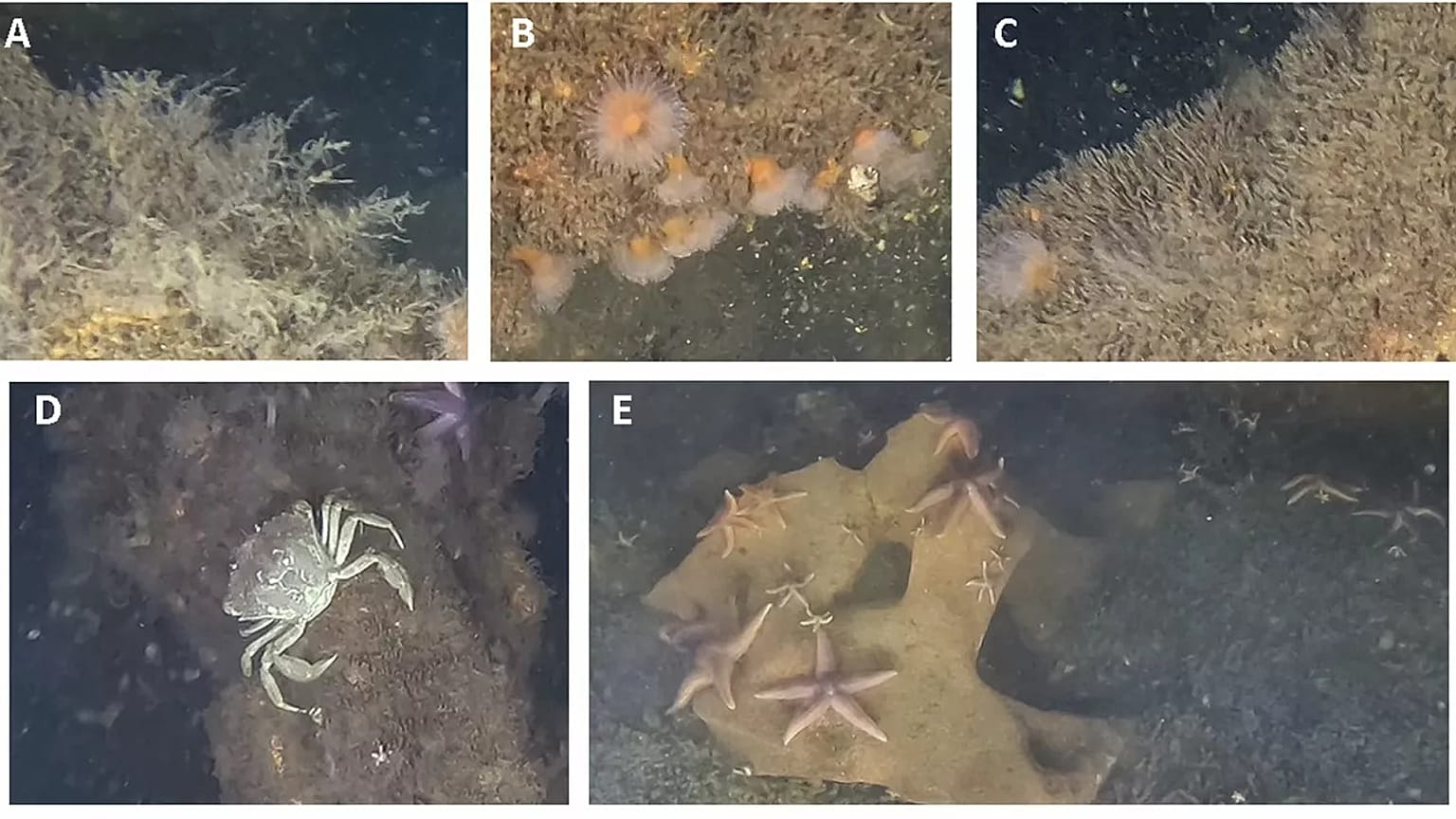
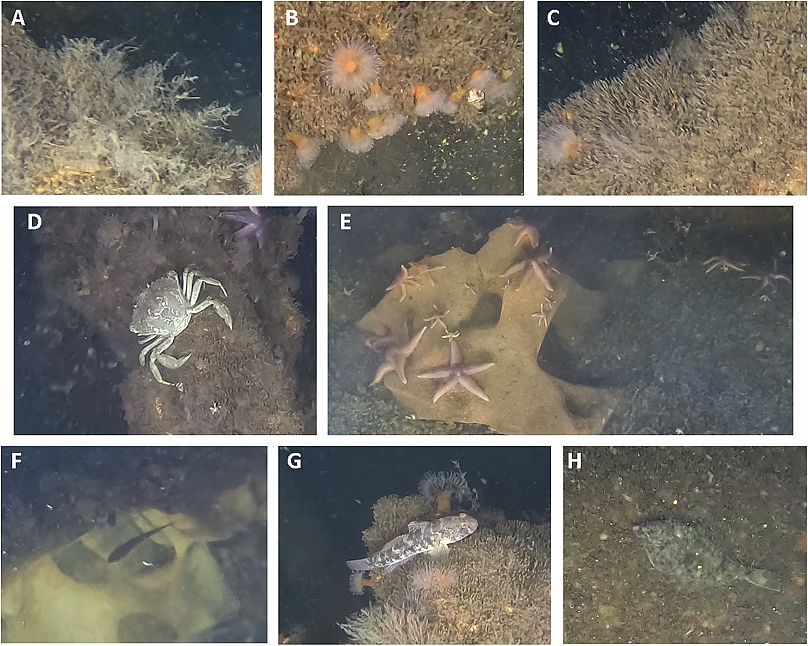
This image provided by Andrey Vedenin shows sea creatures living on dumped World War II explosives in the Baltic Sea.
Copyright Andrey Vedenin, GEOMAR via AP


By ADITHI RAMAKRISHNAN with AP
Published on 


German waters alone contain about 1.5 million metric tonnes of dumped weapons, mostly from the two world wars in the 20th century.

An undersea submersible has spotted crabs, worms and fish thriving on the surfaces of World War II explosives thought to be toxic to marine life.

At a former weapons dump site in the Baltic Sea, scientists found more creatures living on top of warheads than in the surrounding seabed.

“We were prepared to see significantly lower numbers of all kinds of animals," said study author Andrey Vedenin with the Senckenberg Research Institute in Germany. “But it turned out the opposite.”

Past conflicts have left their mark on the world's oceans, Vedenin said. German waters alone contain about 1.5 million metric tonnes of dumped weapons, mostly from the two world wars in the 20th century.

Dumped relics can contain nuclear and chemical remnants as well as explosives like TNT.

Shipwrecks, weapons and wildlife

It's the latest example of wildlife flourishing in polluted sites. Previous research has shown shipwrecks and former weapons complexes teeming with biodiversity.

In the new study, researchers filmed networks of anemones, starfish and other underwater life in the Bay of LĂ¼beck off the coast of Germany. They were lurking on pieces of V-1 flying bombs used by Nazi Germany.

This image provided by Andrey Vedenin shows sea creatures living on dumped World War II explosives in the Baltic Sea.
This image provided by Andrey Vedenin shows sea creatures living on dumped World War II explosives in the Baltic Sea. Andrey Vedenin, GEOMAR via AP

“Normally, one does not study the ecology of bombs,” said University of Georgia ecologist James Porter, who was not involved with the research.

The research was published Thursday in the journal Communications Earth and Environment.

Why would sea creatures make their home on contaminated weapons? They could be drawn to the hard surfaces, which are in short supply in the Baltic Sea.

The seafloor is mainly a flat bed of mud and sand because stones and boulders were fished out of the water for construction in the 1800s and 1900s, Vedenin said.

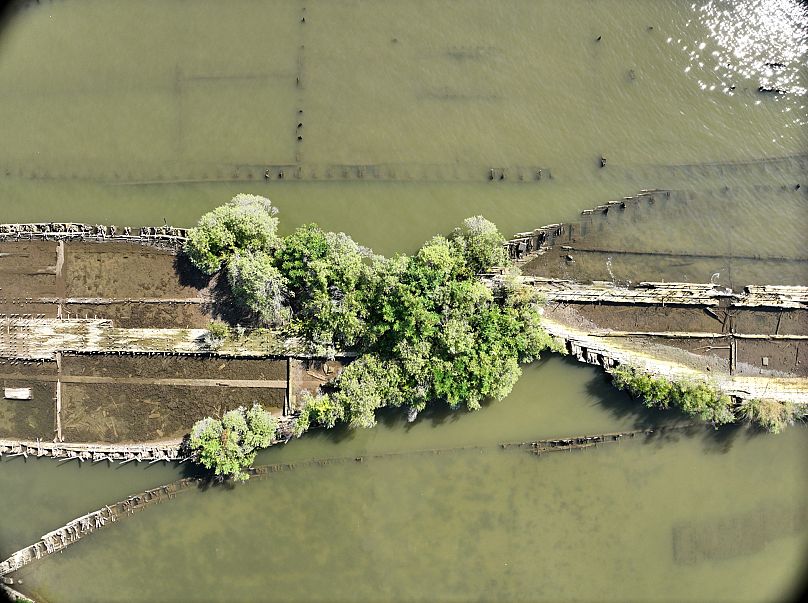
This 2016 image provided by the Duke Marine Robotics and Remote Sensing Lab shows shipwrecks in Mallows Bay, Maryland which have become habitats for plant and animal life.
This 2016 image provided by the Duke Marine Robotics and Remote Sensing Lab shows shipwrecks in Mallows Bay, Maryland which have become habitats for plant and animal life. Duke Marine Robotics and Remote Sensing Lab via AP

The area is also fairly isolated from human activity because of the chemicals, creating a somewhat protective bubble for the critters to thrive despite some toxic tradeoffs.

Scientists hope to calculate how much contamination was absorbed by sea life. Another important next step is to see what happens after the critters settle and whether they're capable of reproducing, Porter said.

Studies like these are a testament to how nature takes advantage of human leftovers, flipping the script to survive, said marine conservation biologist David Johnston with Duke University. He recently mapped sunken World War I ships that have become habitats for wildlife along the Potomac River in Maryland.

“I think it’s a really cool testimony to the strength of life,” Johnston said.

Cyclone Gabrielle hits Portugal's Azores causing damage to homes
The last cyclone to hit the Azores before Gabrielle was Gordon in 2012.Copyright AP/AP
By Euronews
Published on 26/09/2025 - 

With the Azores archipelago lying outside the region of warm tropical water, which acts as its fuel, it is somewhat rare for cyclones to reach the Portuguese islands.

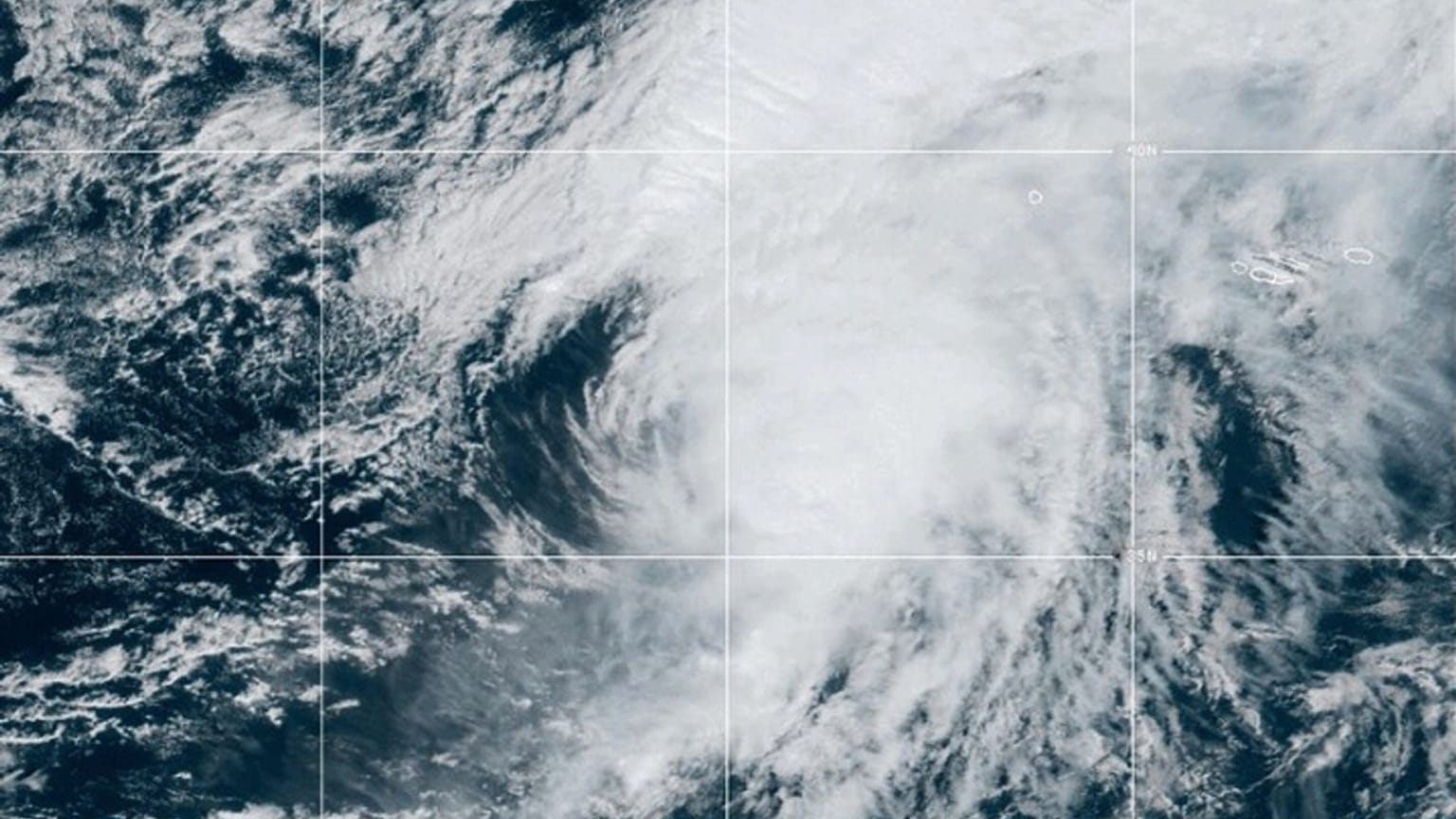
Gabrielle hit Portugal's Azores islands late Thursday into the early hours of Friday morning, reaching a speed of 185 kilometres per hour and causing over 100 incidents and damage to homes.

Winds and rain were less intense than expected, but the storm still toppled trees and collapsed roofs, authorities said.

According to Portugal's Civil Protection, there had been four cases of damage to homes and a serious one at Graciosa Aerogare. Four people had to be relocated, one on Graciosa and three on Faial Island, officials said.

Of the 103 incidents, 49 were resolved, according to the Civil Protection update. Most reports were of fallen trees, poles, and damage to a roof, with no casualties recorded.

"Fortunately, with the collaboration of the people and respect for self-protection measures, we were able to mitigate the effects of this cyclone," Alonso Miguel, Regional Secretary for the Environment and Climate Action of the Azores, said.

The Cyclone reached the Azores, particularly the Central group (Pico, Faial, Graciosa, Terceira and SĂ£o Jorge) at around 22:00 on Thursday, authorities said.

The highest wind gust, with a speed of 185 km/h, was recorded during the early hours, in Serra de Santa BĂ¡rbara on Terceira island, according to an early Friday report from the NHC - National Oceanic and Atmospheric Administration.

Schools and public services closed

Ahead of the cyclone's arrival, the Portuguese Institute of Sea and Atmosphere (IPMA) placed the islands on red alert, the highest emergency level, used only for extreme weather events with significant risk.

Authorities also cancelled all tourist and recreational activities for 24 hours and shuttered schools and public services, urging people to stay indoors.

With rough seas expected, the Civil Protection reminded the population that the cyclone context remains, recommending that they stay at home and avoid going to the coastline.

According to an IPMA statement, "from the end of the 27th - Saturday - on the west coast, periods of rain or showers are expected, which may occasionally be accompanied by thunderstorms, extending to the rest of the territory, especially to the Centre and South on the 28th".

With the Azores archipelago lying outside the region of warm tropical water, which acts as its fuel, it is somewhat rare for cyclones to reach the Portuguese islands.

The last cyclone to hit the Azores before Gabrielle was Gordon in 2012.