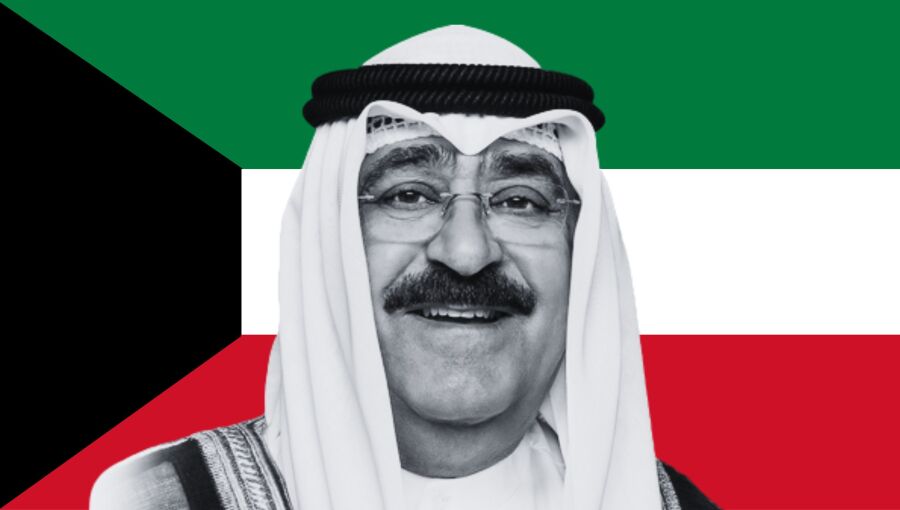
Kuwait has stripped more than 50,000 people of their citizenship since September 2024, with campaigners saying the total could be as high as 250,000, as the government continues its sweeping nationality crackdown under a new decree published this week.
The Kuwaiti Official Gazette published Decree-Law No. 52 on April 13, amending a 1959 decree on Kuwaiti Citizenship. The five-article decree restructures the nationality system, strengthens the state's sovereign authority over citizenship and introduces new penalties for fraud, according to state news agency KUNA.
The backlash so far has been considerable, with human rights groups and exiled Kuwaitis saying the state is effectively waging a campaign which is counter to international law. It also potentially indicates a state under mounting financial strain, as years of deficits and heavy public spending squeeze a welfare model long sustained by oil wealth. With revenues under pressure and subsidies and salaries consuming most of the budget, authorities are moving to narrow the circle of those entitled to state benefits.
The situation in Kuwait has been massively exacerbated by the US-Israeli war on Iran, which saw Tehran effectively shut off Kuwait from its export market via the Strait of Hormuz. Also, repeated Iranian strikes on key Kuwait oil assets have also massively reduced the state's ability to pay and could potentially open the door to a sovereign debt crisis in the next few months.
"Kuwaiti citizenship has been revoked from approximately 36,000 citizens, along with their dependents, in the raids issued today, according to data from the Citizenship Investigation Committee," AR Media reported.
A further 2,182 people and their dependents had their citizenship revoked on April 14 under the new amendments, GDN Online reported, citing the official gazette. Among those stripped was prominent Muslim scholar and author Nabil Al Awadi.
If proven, some 20% of Kuwait's citizens have been made stateless, in some cases effectively forcing many to leave the country; it is unknown currently if the state is also seizing bank accounts.

Subtle amendments
The first amendment clarifies that Kuwaitis are those who lived in the country before 1920 and remained residents until December 14, 1959; however, due to the transient nature of Kuwait, Iraq, Saudi Arabia, and Iran a century ago, many natural-born Kuwaitis have become stateless overnight.
Authorities may now use DNA testing and biometric identification in nationality disputes; however, due to the historical inter-linking of tribes near the Persian Gulf, rights groups have said that the process is discriminatory and nonsensical.
The state is also threatening people, saying "providing false information" in nationality cases, with penalties of up to three years in prison and a KWD3,000 ($9,760) fine, rising to seven years and KWD5,000 ($16,267) for deliberate fraud.
Nationality decisions have been classified as sovereign acts under the new law, meaning they are not subject to judicial review, with growing international calls to reverse the decision.

Anti-woman agenda
Another aspect which has been ignored in recent Western media is the move by the state to strip widows of their citizenship. A replaced Article 10 stipulates that a Kuwaiti woman naturalised through marriage to a Kuwaiti man will lose her citizenship after her husband's death or the termination of the marriage if she has no children.
"Article 11 requires naturalised citizens holding another nationality to renounce it within three months, with failure to do so rendering their Kuwaiti citizenship null and void from the date of issue."
The campaign began in late 2024 after Emir Sheikh Mishal Al Ahmad Al Sabah dissolved parliament and suspended parts of the constitution in May that year. The Ministry of Interior has justified the revocations as corrective measures targeting fraudulent naturalisations, citing fabricated tribal lineages and false residence claims.
Official data indicates that at least 26,000 of those affected are women who gained citizenship through marriage. High-profile figures stripped of nationality include singer Nawal Al Kuwaitia, actor Dawood Hussein, Islamic scholar Tareq Al Suwaidan and former army brigadier Turki Al Mutairi.
Kuwait stopped regularly announcing figures in September 2025.
Human Rights Watch and Democracy for the Arab World Now have documented cases of affected individuals being deported in handcuffs, having bank accounts frozen and being denied access to education and healthcare.

No comments:
Post a Comment