Saturday, March 21, 2026


Data on super-polluting plumes show Turkmenistan’s joining of Global Methane Pledge has achieved little

Data on super-polluting plumes show Turkmenistan’s joining of Global Methane Pledge has achieved little
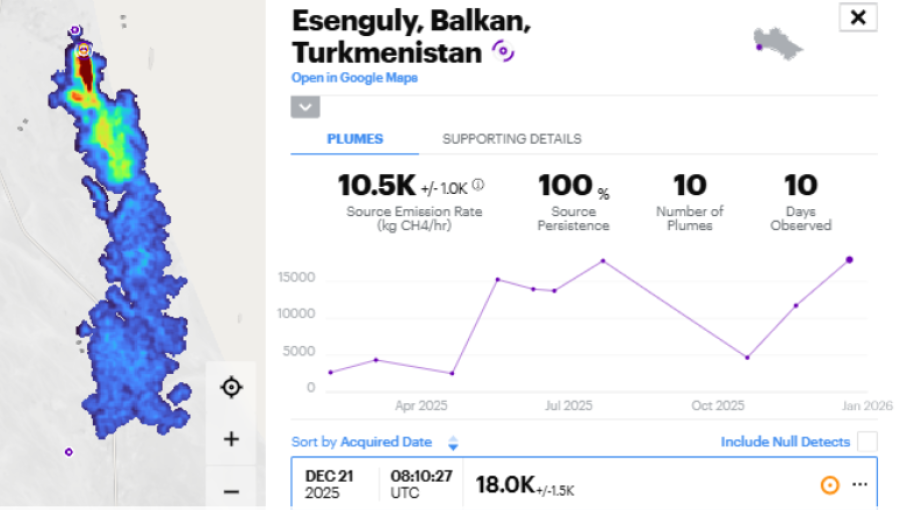
This super-plume in Esenguly, Balkan province, Turkmenistan shot to number one in the UCLA top 25. / Carbonmapper.org
By bne IntelliNews March 18, 2026

Back in December 2023, Turkmenistan proclaimed that it had joined the Global Methane Pledge and was set to tackle its proliferation of super-polluting plumes. Around 28 months later, new analysis has shown that it is still one of the worst countries in the world when it comes to potent methane mega-leaks that contribute hugely to global heating, even though the gas releases are typically simple and cheap to fix.

A top 25 list of such mega-leaks, produced by the Stop Methane Project at the University of California, Los Angeles (UCLA), is dominated by facilities in Turkmenistan. Researchers at the project have called the situation with Turkmenistan and other culprits “maddening”.

As the Guardian reported on March 17, Turkmen officials claimed last October that the gas-rich Central Asian country’s methane mega-leaks had been reduced.

“Management has placed this under special control, and leaks are being repaired locally within two to three days,” state media outlet Turkmenportal quoted Muhammetberdi Byashiev, head of the environmental protection department at state company Turkmengaz, as saying as he pointed to collaboration with the UN, International Energy Agency (IEA) and EU. However, there is no sign of Turkmenistan making meaningful progress in sealing sources of its giant methane plumes.

“It’s clear that Turkmenistan is trying to access the European [gas] market,” Cara Horowitz at UCLA told the Guardian, adding: “European potential buyers should pay attention to our results and think of this as a ‘buyer beware’ moment.”

The EU is bringing in supposedly tight limits on methane leaks linked to imported gas.

“Methane was the stealth pollutant gas for many years: invisible, out of sight and out of mind,” Horowitz was also reported as saying. “But we can now see these tremendously powerful emissions using satellites and use that as a wake-up call for the world,” she added.

The UCLA Stop Methane analysis is based on data from Carbon Mapper. It itemises 4,400 significant plumes recorded in 2025. Each emitted at a rate of more than about 100kg/hour, or the equivalent of running 20,000 SUVs.

Oman’s foreign minister tells the US some hard truths, because that’s what friends do

Oman’s foreign minister tells the US some hard truths, because that’s what friends do
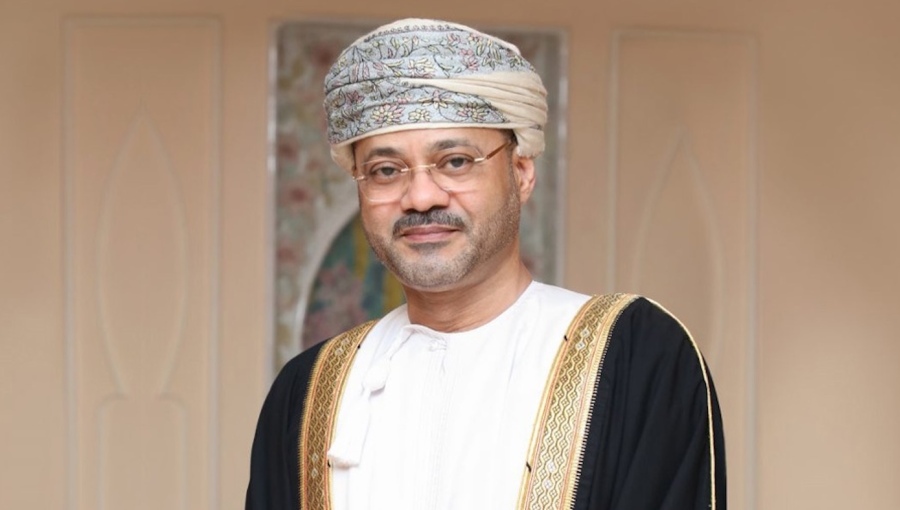
Oman's Foreign Minister Badr Albusaidi said the US has "lost control of its foreign policy" to Israel and sharply criticised the White House in a poignant op-ed in The Economist, but couched it in terms of friendship and a call to end the conflict in the Middle East being in everyone's interests. / bne IntelliNews
By bne IntelliNews March 19, 2026

Oman has played a leading role in the mediation between the US and Iran trying to prevent the regional conflict that started two weeks ago. In a poignant opinion piece “America’s friends must help extricate it from an unlawful war,” published by The Economist, Foreign Minister of Oman Badr Albusaidi was sharply critical of the US but offered this criticism as “a friend,” as America’s friends have a responsibility to tell the truth.

Albusaidi struck a balance between highlighting the disaster that the White House has caused with its ill-conceived and illegal attack on Iran, and the need for allies of the US to pressure it into ending the conflict. Poignantly, he chimed with an increasing number of Trump critics, arguing that the US has “lost control of its foreign policy” to Israel.

Albusaidi warned that the war between the US and Iran represents a “profound strategic miscalculation”, arguing that both sides have more to gain from peace than conflict.

Neutral Oman has played a key role in mediating talks between the US and Iran in the run up to the start of Operation Epic Fury on February 28. Unlike many of the other Gulf Cooperation Council (GCC) countries it does not host a US military base and keeps what weapons supplies it buys low profile, although it does have defence agreements granting the US limited access to some ports and airports.

Widely seen as the Gulf’s “honest broker,” the day before Iranian Foreign Minister Abbas Araghchi almost closed a deal with the US, via Omani intermediation, to give up on its uranium enrichment ambitions and end its missile program. “A deal was within reach. We left Geneva with an understanding that we’d seal a deal the next time we meet… but it was Mr Trump, yet again, who ultimately ordered the bombing of the negotiating table,” Araghchi said in a social media post.

Reflecting on failed diplomacy, Albusaidi said: “Twice in nine months the US and Iran have been on the verge of a real deal” on Tehran’s nuclear programme, describing it as “a shock but not a surprise” when talks were derailed by military action. The subsequent escalation, he argued, was predictable: Iran’s retaliation was “inevitable, if deeply regrettable and completely unacceptable,” but also “probably the only rational option available to the Iranian leadership.”

He warned that the consequences are being felt most acutely in the Gulf, where US security guarantees are now seen as a liability and the outlook has darkened.

“For Gulf states an economic model in which global sport, tourism, aviation and technology were to play an important role is now endangered. Plans to become a global hub for data centres may need to be revised,” he said.

Arab states that once relied on Washington “now experience that co-operation as an acute vulnerability,” threatening both “their present security and future prosperity.” The disruption to Hormuz has already begun to reverberate globally, “driving up energy prices and threatening deep recession,” a risk that “if this had not been anticipated… was surely a grave miscalculation.”

Albusaidi was particularly blunt of Washington’s decision-making and its abrogation of its foreign policy to Israel.

“The American administration’s greatest miscalculation, of course, was allowing itself to be drawn into this war in the first place. This is not America’s war, and there is no likely scenario in which both Israel and America will get what they want from it,” he said. “Hopefully America’s commitment to regime change is just rhetorical, whereas Israel explicitly seeks the overthrow of the Islamic Republic and probably cares little about how the country is governed, or by whom, once this has been achieved.”

“With this objective in mind Israel’s leadership seems to have persuaded America that Iran had been so weakened by sanctions, internal divisions and the American-Israeli bombings of its nuclear sites last June, that an unconditional surrender would swiftly follow the initial assault and the assassination of the supreme leader,” he said.

He said regime change in Iran could only be achieved by a “a long military campaign” and potentially US ground troops, opening “a new front in the forever wars. This is not what America’s government wants. Nor do its people, who certainly do not see this as their war.”

He urged US allies to confront uncomfortable realities. “America’s friends have a responsibility to tell the truth,” he said, including that “there are two parties to this war who have nothing to gain from it.” This, he suggested, also means acknowledging “the extent to which America has lost control of its own foreign policy.”

Looking ahead, Albusaidi argued that US interests lie in “a definitive and decisive end to nuclear-weapons proliferation… secure energy supply chains and renewed investment opportunities,” all of which are “best achieved with Iran at peace with its neighbours.” Despite the breakdown in trust, he maintained that “the path away from war… may have to lie through precisely this resumption” of negotiations.

“This is an uncomfortable truth to tell, because it involves indicating the extent to which America has lost control of its own foreign policy. But it must be told,” Albusaidi said.

To incentivise renewed diplomacy, he proposed linking US-Iran talks to a broader regional framework. A process aimed at “transparency on nuclear energy—and the energy transition more broadly” could offer a shared prize, potentially culminating in “a regional non-aggression treaty” and “a substantive regional deal on nuclear transparency.”

“It may be difficult for America to return to the bilateral negotiations from which it was twice diverted by the temptations of war. It will certainly be difficult for the Iranian leadership to return to dialogue with an administration that twice switched abruptly from talks to bombing and assassination. But the path away from war, hard though it may be for both parties to follow it, may have to lie through precisely this resumption,” Albusaidi said.


Which countries face the broadest international sanctions? Statista


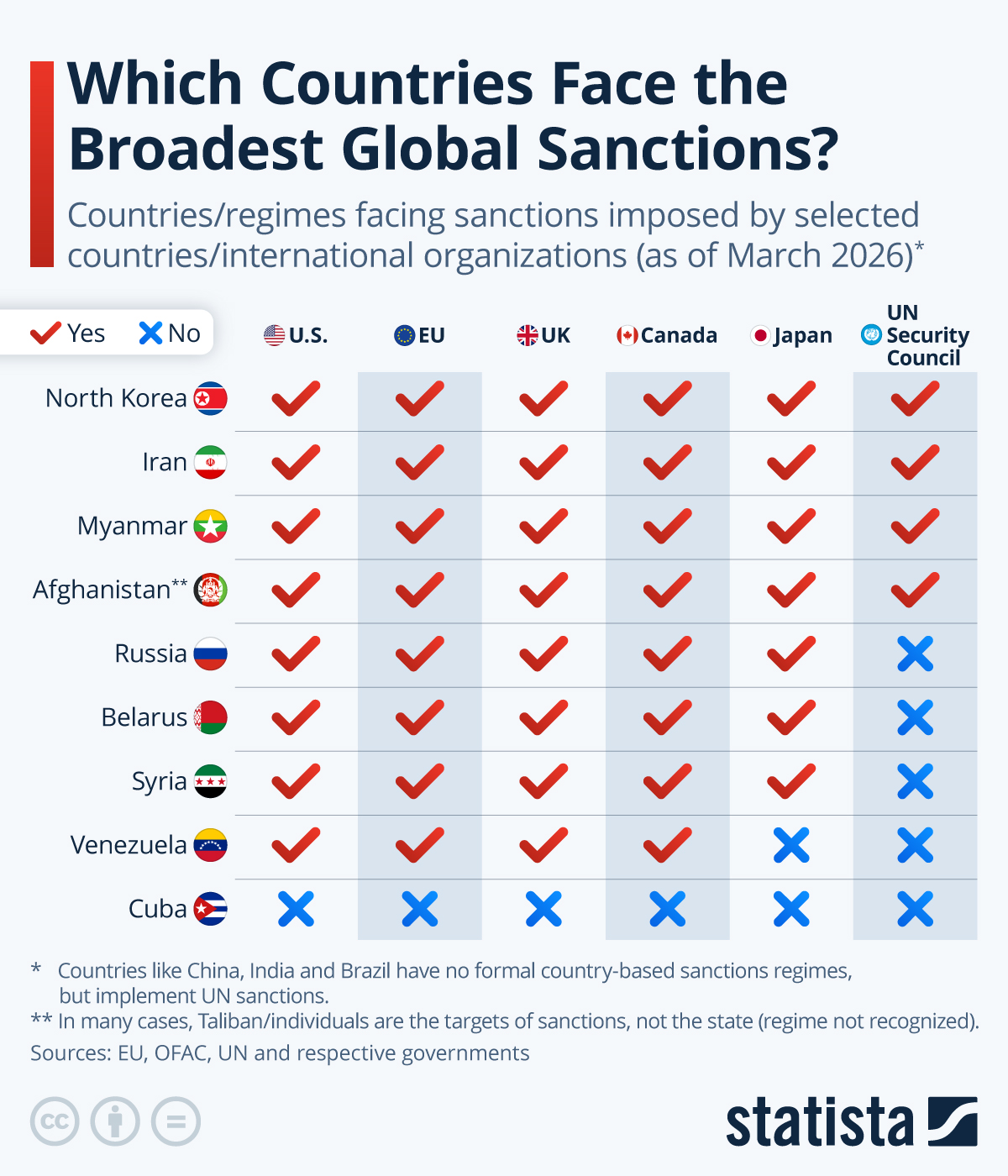
North Korea tops the list of which countries have the most sanctions on them, followed by Iran and Myanmar. Russia comes in at only number five. / bne IntelliNews
By Tristan Gaudiaut for Statista March 20, 2026

As geopolitical tensions remain elevated and economic measures are becoming a key foreign policy tool, sanctions continue to shape global trade and diplomacy, Statista reports.

Since Russia's full-scale invasion of Ukraine in 2022, Western countries have rolled out unprecedented restrictions targeting Moscow’s financial system, energy exports and key industries. At the same time, long-standing measures remain in place against countries such as Iran and North Korea over their nuclear and missile programs, while measures against Myanmar have intensified following the 2021 military coup. More recently, new sanctions have been introduced in response to conflicts, weapons programs and human rights violations in countries such as Russia, Iran and Myanmar.

Official data compiled in our chart shows that a small group of regimes faces particularly broad international pressure. North Korea, Iran, Myanmar and Afghanistan are subject to sanctions from all major Western actors as well as multilateral frameworks such as the UN Security Council, reflecting concerns ranging from nuclear weapons development to political repression and security threats. Russia, Belarus and Syria also face extensive restrictions, although these are not universally backed at the UN level due to geopolitical divisions. Venezuela, meanwhile, is sanctioned by several Western powers but to a lesser extent overall.

It is important to note that not all sanctions are alike. In some cases, such as Afghanistan, measures primarily target individuals or entities (e.g., the Taliban) rather than the state itself. In others, including North Korea and Iran, sanctions are far-reaching and cover trade, finance and entire sectors of the economy. Together, these patterns highlight how sanctions are increasingly used in coordinated ways by major economies, while also underscoring the limits of global consensus in an increasingly fragmented geopolitical landscape.


You will find more infographics at Statista


Democracy fading as autocractic rulers gain ground – Statista


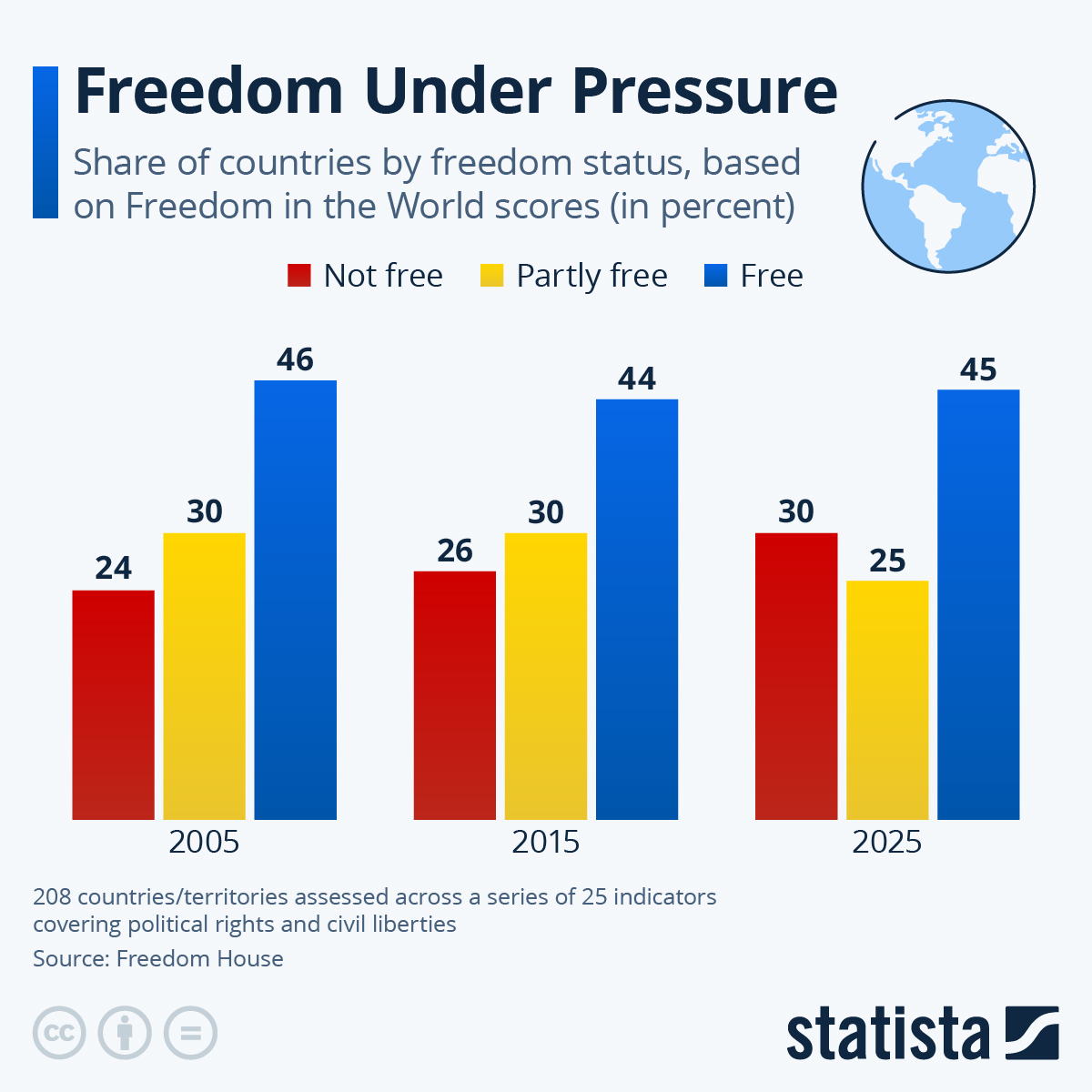
the latest Freedom in the World 2026 report found that democracy fell for the twentieth year in a row as autocractic rulers rise. / bne IntelliNews
By Felix Richter of Statistia March 20, 2026

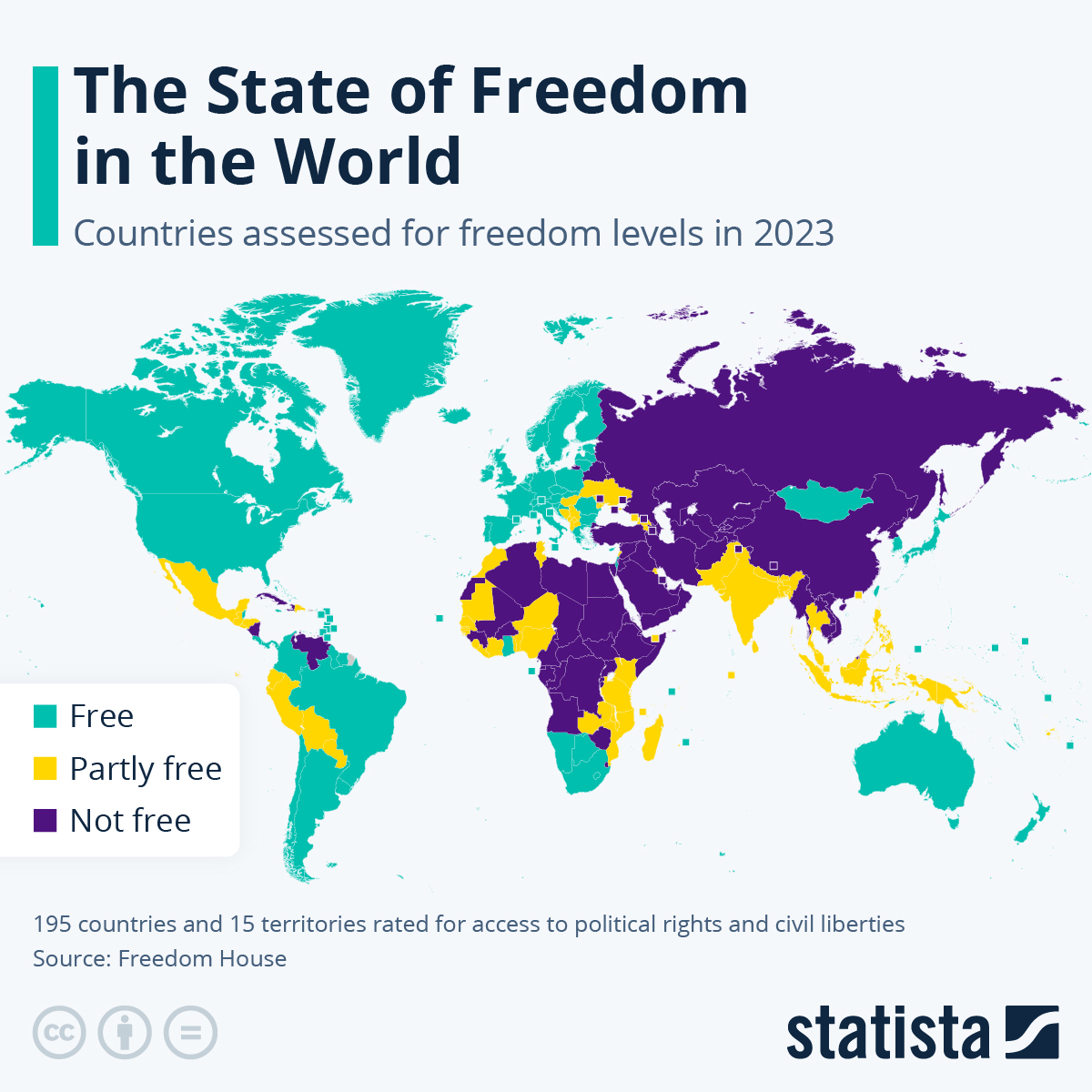
Released on March 19, the latest Freedom in the World 2026 report finds that global freedom declined for the 20th consecutive year in 2025, with more countries experiencing a deterioration in political rights and civil liberties than improvements, Statista reports.

According to Freedom House, 54 countries saw their scores worsen, compared with just 35 registering gains, as armed conflict, coups and the erosion of democratic institutions continued to weigh on freedom worldwide.

This long-term trend is also reflected in the distribution of countries by freedom status. While the share of countries classified as “Free” has remained broadly stable since 2005, at around 45 percent, the proportion of “not free” countries has increased (from 25 to 30 percent), mainly at the expense of those rated “partly free” (from 30 to 25 percent). In fact, many countries that once occupied a middle ground have shifted toward more authoritarian forms of governance. Over the past two decades, 19 countries have fallen from “partly free” to “not free”, contributing to the expansion of the world’s autocracies, while only a limited number have improved their status and consolidated democratic institutions.

Among the most striking declines over the past two decades are countries such as Nicaragua and Venezuela, where democratic institutions have been steadily dismantled, as well as Mali, which has seen one of the largest score drops since 2005 following repeated coups. Elsewhere, notable setbacks have been recorded in countries such as Turkey and Hungary, while the United States has lost more points than any other country still classified as “free”. On the other hand, some countries have made meaningful progress, including Fiji and Malawi, which recently improved their status to “free”, alongside longer-term gains in countries such as Nepal ("partly free), Bhutan ("free") and Côte d’Ivoire ("partly free").


You will find more infographics at Statista

In all, 54 countries have experienced a deterioration in their political and civil liberties last year, while only 35 countries saw improvements. Guinea-Bissau, Tanzania, Burkina Faso, Madagascar and El Salvador saw their scores drop the furthest compared to last year, while Syria, Sri Lanka, Bolivia and Gabon saw the biggest gains.

Among the countries considered "not free", Sudan, Myanmar and Iran recorded further declines in their scores, as armed conflict and authoritarian repression resulted in profound human rights violations. Meanwhile the scores for Russia and China remained unchanged at 12 and 9 out of 100, respectively, as both countries continue to suppress anything resembling dissent, thereby crippling people's political and civil liberties.

Among the countries rated "free", Bulgaria, Italy and the United States saw the biggest declines. While Bulgaria and Italy saw their scores reduced in the face of widespread public corruption, the decline in freedom in the U.S. was attributed to a combination of long-term trends, such as chronic partisan gridlock, and more recent developments, i.e. the executive branch's assertion of unilateral authority and its threats and reprisals against any political opposition.

Overall, just three countries were assigned a new status, as Bolivia, Fiji and Malawi were upgraded from "partly free" to "free". According to Freedom House, these changes were driven by competitive national elections as well as growing judicial independence and strengthening of the rule of law.

The Freedom in the World Index is an index compiled annually by the U.S. NGO Freedom House, which evaluates civil and political freedom in states and territories around the world. The methodology is based on the Declaration of Human Rights as proclaimed by the United Nations (UN) in 1948 and is intended to assess the political rights and civil liberties of individuals rather than governments.

The countries/territories are evaluated by a team of internal and external analysts and expert advisors from a range of academia, think tanks and human rights communities, with the final scores being the result of a consensus between the analysts, a panel of outside advisors and Freedom House staff. Depending on the weighted index score for political rights and civil liberties, a country is classified as "free", "partly free" or "not free".

 You will find more infographics at Statista


Iran blackout enters 20th day as 456-hour outage sets record, NetBlocks says

Iran blackout enters 20th day as 456-hour outage sets record, NetBlocks says
Iran blackout enters 20th day as 456-hour outage sets record, NetBlocks says. / bne IntelliNews
By bnm Tehran bureau March 19, 2026

Iran’s nationwide internet shutdown has entered its 20th day, with public access to the global web cut for more than 456 hours, network monitor NetBlocks said on March 19, citing real-time connectivity data.

The outage, now the longest recorded in Iran, shows a wartime clampdown on information flows as authorities tighten control over communications during the conflict that began on February 28. Connectivity has fallen to around 1% of normal levels, effectively cutting off millions and deepening the country’s isolation from international networks. The duration surpasses a previous record set in January.

NetBlocks said a brief restoration after roughly 444 hours appeared to result from a filtering “glitch”, allowing limited access before services went dark again.

Restrictions have since broadened. So-called “white SIM” cards, previously used by regime-linked users to maintain access, were disabled on March 15 before being partially restored on March 18, suggesting a calibrated rollback. VPNs have been choked off, domestic platforms intermittently disrupted and messaging traffic curtailed, according to network data.

The tightening coincided with the run-up to Chaharshanbe Suri on March 17, a fire festival that in recent years has doubled as a protest flashpoint, pointing to a pre-emptive effort to disrupt mobilisation channels.

Foreign Minister Abbas Araghchi framed the shutdown as a security measure. “The internet is closed because of security reasons… we have to do everything to protect our people,” he told CBS News, likening the restrictions to wartime controls.

The blackout has unfolded alongside an escalation in hostilities. Israeli and US strikes on Iran since late February have reportedly killed around 1,300 people, including senior figures, while Tehran has retaliated with drone and missile attacks targeting Israel and neighbouring states hosting US assets. The exchange has disrupted aviation routes and unsettled regional markets.

With external connectivity largely severed, Iranians are increasingly reliant on state broadcasters, while information flows shift abroad, where diaspora accounts fill gaps without direct verification from inside the country.


Ukraine deploys 228 counter-drone specialists to Gulf states amid Iran war

Ukraine deploys 228 counter-drone specialists to Gulf states amid Iran war
Ukraine deploys 228 counter-drone specialists to Gulf states amid Iran war. / bne IntelliNews
By bnm Gulf bureau March 20, 2026

Ukrainian President Volodymyr Zelenskiy said 228 Ukrainian counter-drone specialists are now working in Qatar, the UAE and Saudi Arabia, with further cooperation underway with Kuwait and Jordan, RBC-Ukraine reported on March 20.

"Already not 210 but 228 of our experts are in Qatar, the UAE and Saudi Arabia. We are also working with Kuwait and Jordan. I will not disclose the details," Zelenskiy said.

The deployment positions Ukraine as a direct contributor to Gulf air defences at a time when Iran has launched more than 1,600 drones at the UAE alone and hundreds more at Saudi Arabia, Qatar, Kuwait and Bahrain since the war began on February 28.

Ukraine has developed extensive expertise in counter-drone warfare through its own conflict with Russia, where it has faced sustained attacks from Iranian-designed Shahed drones.

Kyiv has been keen to export that knowledge as both a revenue source and a means of strengthening ties with wealthy Gulf partners.

The arrangement also carries a geopolitical dimension. Iran has supplied Russia with attack drones used against Ukrainian cities, making the deployment of Ukrainian specialists to defend Gulf states from Iranian drones a pointed reversal.

Zelensky did not elaborate on whether the specialists were providing training, operating systems or advising on procurement.

Friday, March 20, 2026


African food security threats spike as Iran war strangles fertiliser supplies, prices soar

African food security threats spike as Iran war strangles fertiliser supplies, prices soar
/ bne IntelliNews
By Brian Kenety March 20, 2026

Conflict-driven disruption to fertiliser supply chains in the Middle East is raising the risk of price shocks across Africa, with analysts warning that benchmark urea prices could approach levels seen after Russia’s invasion of Ukraine in February 2022, when global prices roughly doubled, impacting food security.

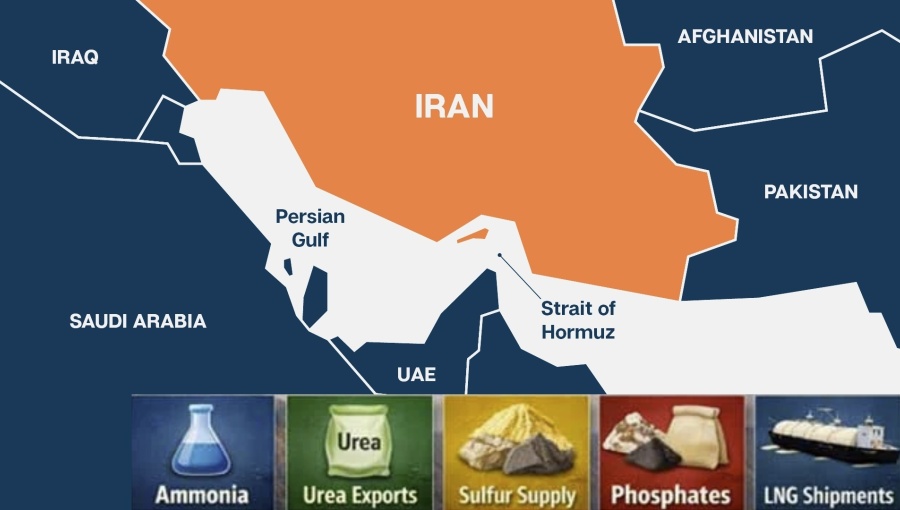
Africa imports more than 6mn tonnes of fertiliser annually and remains heavily dependent on external suppliers, particularly for nitrogen-based products such as urea and ammonia produced in the Gulf. Disruptions to shipments through the Strait of Hormuz, a key maritime corridor, have tightened supply and increased costs.

Urea export prices in the Middle East had risen by around 40% to above $700 per tonne as of mid-March from below $500 prior to the US and Israel joint attacks on Iran, according to Argus, a specialist energy and commodities price reporting agency, highlighting the market’s sensitivity to geopolitical shocks.

Fertiliser markets are structurally vulnerable because production is concentrated in a small number of exporting regions, while most sub-Saharan African countries lack domestic manufacturing capacity. A handful of North African producers, Morocco, Egypt and Algeria, dominate continental output, but exports are insufficient to meet broader regional demand.

Egypt, which supplies about 8% of globally traded urea, may struggle to produce nitrogen fertiliser after Israel declared force majeure on gas exports to the country, according to Scotiabank and Rabobank analysts. Prices for nitrogen-based fertilisers such as urea could roughly double if the Iran war, now in its third week, drags on.

The Food and Agriculture Organization (FAO) has warned that fertiliser affordability is a key factor affecting crop production in developing economies, where farmers often cut fertiliser use when prices rise. Lower fertiliser use can quickly translate into reduced crop yields, particularly for staple crops such as maize, wheat and rice.

The most important fertilisers in the short term are nitrogen-based products such as urea: if farmers do not apply them for one season, yields will suffer, with the same true, to a lesser extent, for other key products such as those based on phosphate and potassium.

In many African countries, farmers already apply less than 20kg of fertiliser per hectare, compared with a global average of about 140kg per hectare. The 2022 fertiliser crisis triggered by the war in Ukraine forced many farmers to further reduce these already low application rates, resulting in even weaker crop yields – and higher food prices.

Svein Tore Holsether, chief executive of Yara International (OSE:YAR), warned that prolonged disruption to Gulf supply routes could have severe consequences for agriculture. “If the Strait of Hormuz was closed for a year it would be catastrophic,” he said, as quoted by The Guardian, adding that fertiliser markets are facing pressure from both supply constraints and rising gas prices, “a double impact”.

Holsether added that Europe would always be able to outbid poorer countries. “The countries that are most vulnerable still pay the highest price,” he said. “In a global auction for fertiliser, Europe will have stronger buying power than poorer parts of the world, we need to keep in mind the magnitude of this before it is too late.”

The 2022 Russia-Ukraine fertiliser crisis sent urea to $925 per tonne, anhydrous ammonia above $1,635 per tonne at retail, and DAP above $1,000 per tonne, according to ProFarmer.

“The current crisis shares similarities, but there are key differences. For one, the Gulf’s exposure is much higher. Also, Russian fertiliser wasn’t removed from the market in 2022, but was instead rerouted. In 2026, there are fewer options for products trapped behind a closed Strait,” the industry publication writes.

Fertiliser costs are a key input in agricultural production, and price increases are typically passed through to consumers. The World Bank has previously warned that fertiliser price spikes feed directly into food inflation, particularly in import-dependent economies.

The continent’s largest agricultural economies — including Kenya, Ethiopia and Ghana — depend on imported fertiliser supplies to maintain crop yields. Price increases can therefore quickly translate into higher food prices and increased fiscal pressure on governments that subsidise fertiliser purchases.

Larger economies such as Ethiopia, Tanzania and Zambia also depend on imports despite growing demand, as local production capacity remains insufficient. Meanwhile, according to the UN’s trade and development agency (Unctad), more than half of war-torn Sudan’s fertiliser comes from the region, while for famine-prone Somalia the figure is close to one-third.

According to the Global Hunger Index 2025, hunger is considered “alarming” in seven countries worldwide, all but two of them in Africa: Burundi, Democratic Republic of the Congo (DRC), Madagascar, Somalia and South Sudan, while hunger remains “serious” across much of sub-Saharan Africa.

“Conflict remains the most destructive force driving hunger. Armed violence fuelled 20 food crises affecting nearly 140 million people in the past year. The wars in Gaza and Sudan illustrate how conflict devastates both livelihoods and lifelines: global famine-level food insecurity, concentrated largely in those two settings, more than doubled between 2023 and 2024,” the GHI report states.