Saturday, March 21, 2026

Hapag and India Plan Cooperation for Reflagging Ships, Recycling, and Ports
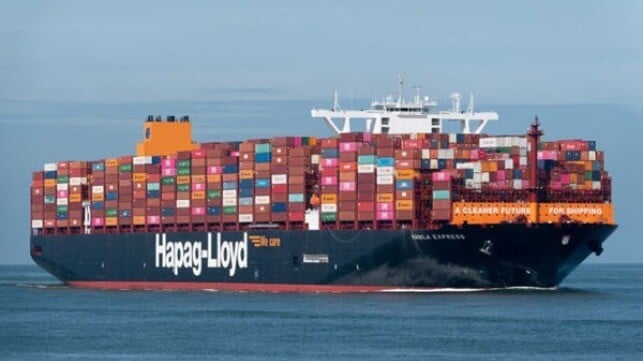
Hapag-Lloyd containership
Hapag-Lloyd agreed to a strategy of maritime cooperation with India (Hapag)

Published Mar 19, 2026 7:04 PM by The Maritime Executive


Hapag-Lloyd has become the latest among the largest carriers to map out a strategy of cooperation and expansion with India. The liner company reports it already has six dedicated services that include India and that it aims to grow volumes handled in the India area to around 3 million TEU by 2030.

India has been anxious to attract the major carriers as part of its strategy to expand its maritime related industries. It hopes to attract the lines to build and repair ships in India, but it also made changes to its cabotage regulations and announced plans for building domestic carriers. CMA CGM has reflagged ships and ordered feeder ships to be built in India, while both Maersk and MSC reflagged ships and said they were exploring opportunities.

“India is one of the most important growth markets in global trade and a key strategic partner for Hapag-Lloyd,” said Rolf Habben Jansen, CEO of Hapag-Lloyd.

Hapag reports it signed three Letters of Intent to deepen its cooperation and participation in India. Like the other major carriers, it says it intends to reflag up to four vessels under the Indian registry. However, it says there is no specific timeline or vessel profile, and that it would be subject to commercial considerations and further discussions. Reflagging requires using Indian officers and crew but opens the domestic Indian market for the carriers.

Another focus includes cooperation on the development of a ship recycling ecosystem in India. Alang, India, is well-known for its breaker operations, but so far has not moved to be incompliance with international and EU regulations on elements such as safety and environmental management. Hapag says the intended cooperation aims to support the development of recycling capacity in India, aligned with the EU Ship Recycling Regulation (SRR). Hapag says the envisioned ecosystem could provide capacity for recycling up to 100 vessels.

It also foresees discussions on a strategic cooperation related to the development of Vadhavan Port in collaboration with the Jawaharlal Nehru Port Authority. Located about 100 miles north of Mumbai, it is seen as one of India’s major upcoming infrastructure projects. 

“India’s port and logistics infrastructure is developing at remarkable speed and scale,” said Dheeraj Bhatia, CEO of Hanseatic Global Terminals and member of the Hapag-Lloyd Executive Board. “Projects such as Vadhavan Port have the potential to significantly strengthen India’s role in global supply chains. 

Vadhavan Port is expected to play an important role in strengthening the country’s maritime logistics network. Hapag-Lloyd intends to contribute its global shipping and terminal expertise to support this development.

Hapag already has a strategic investment in J M Baxi, a private company that operates terminals and inland transport in India. It recently revealed, according to India's The Economic Times, that through capital infusions it has grown its stake in J M Baxi. Hapag started a 35 percent in January 2023, then went to 40 percent, and is not in a 50-50 joint venture, according to the news outlet. Hapag told The Economic Times that it sees strong opportunities for its Hanseatic Terminals working with J M Baxi.


India’s Shipbuilding Imperative: Charting A Policy Roadmap To 2047 – Analysis


India's Hindustan Shipyard Limited (HSL). Photo Credit: Hslvizag, Wikipedia Commons


March 21, 2026 
Observer Research Foundation
By Anusha Kesarkar Gavankar


India recently announced plans to invest INR 3 lakh crore to develop shipbuilding clusters across the country under the Maritime Amrit Kaal Vision 2047. As part of these efforts, India has also outlined its first Special Purpose Vehicle (SPV), the National Shipbuilding & Heavy Industries Park, Tamil Nadu (NSHIP, TN), under its Shipbuilding Development Scheme (SbDS).

As a landmark 50:50 joint venture between the V.O. Chidambaranar Port Authority under India’s Ministry of Ports, Shipping and Waterways (MoPSW) and the Tamil Nadu State Industries Promotion Corporation, the SPV exemplifies the spirit of cooperative federalism in accelerating India’s indigenous shipbuilding capabilities. Conceived as a greenfield mega shipbuilding and heavy industries cluster at Tuticorin to strengthen India’s commercial shipbuilding and repair ecosystem, NSHIP, TN aims to attract global investment, promote technology-driven manufacturing, and generate large-scale employment across skilled and semi-skilled segments.

Following this, the Mumbai Port Authority (MPA) and the Maharashtra government plan to establish a co-owned SPV to develop the second greenfield shipbuilding cluster under the SbDS. The latest meeting between HD Hyundai Group Chairman Chung Kisun and India’s Prime Minister Narendra Modi to explore potential shipyard projects further underscores the country’s growing strategic appeal for international shipbuilding players. Collectively, these developments indicate a paradigm shift in which India is actively positioning itself as a commercially competitive, export-oriented, and globally integrated shipbuilding ecosystem. These initiatives not only align with India’s national vision of Make in India and Atmanirbhar Bharat — encouraging self-reliance through import substitution, green and sustainable shipbuilding practices, and the creation of globally competitive maritime infrastructure — but also advance its ambition to rank among the world’s largest shipbuilding and heavy engineering hubs.
The Global Context

Over 90 percent of global trade moves by sea, yet global shipbuilding remains concentrated in a few countries. China, South Korea, and Japan collectively accounted for 95 percent of new shipbuilding orders by tonnage as of 2024. These nations dominate a market valued at roughly US$150 billion annually, leaving most of the world reliant on a handful of economies for commercial vessels, with significant geopolitical and strategic implications. As global trade volumes expand and shipping routes face uncertainty, countries are recognising that domestic shipbuilding is not merely an economic activity but a strategic necessity. For emerging maritime economies like India, this is crucial for economic security, supply chain resilience, energy transport, the green transition, and geopolitical influence.


Despite maritime transport handling nearly 95 percent of India’s trade by volume and around 70 percent by value, the country accounts for less than one percent of global shipbuilding output, currently rankingapproximately 18th worldwide. India’s current shipbuilding capacity is roughly 0.072 million GT, in stark contrast with China’s 39 million GT, South Korea’s 20 million GT, and Japan’s 9 million GT. This gap underscores India’s vulnerability to external supply shocks and freight volatility, reinforcing the strategic imperative to build domestic capability. Other mid-tier shipbuilding economies, such as Brazil, Vietnam, and the Philippines, illustrate that incremental growth is possible when policy, industrial strategy, and workforce development are aligned.
India: Current Landscape and Challenges

The shipbuilding capacity of a unit is defined as the “maximum carrying capacity of the ship that can be built by a shipyard, measured in terms of Dead Weight Tonnage (DWT), which is the number of tonnes (one tonne = 2,240 pounds) of stores, fuel, and cargo that a ship can carry.” India’s shipbuilding industry is broadly categorised into three segments:Large ocean-going vessels for overseas and coastal trade;
Medium-sized specialised vessels, including port crafts, fishing trawlers, offshore vessels, inland crafts, and smaller vessels; and
Defence/Naval and Coast Guard vessels.

As of 2023-24, India had 42 dry docks for ship repair, eight public-sector shipbuilding and repair companies, and nine dry docks operated by five major ports. The total workforce in Indian shipyards was just over 19,000, with officers accounting for about one-fifth. In that year, around 418 ships were repaired across both the public and private sectors. These figures show that India possesses a basic shipbuilding and repair capability but will require substantial structural reforms and a much stronger focus on workforce training and upskilling to compete globally.


India’s Shipbuilding and Ship Repairing Industry at a Glance
Shipbuilding Capacity
S. No. Name of the Company* Capacity (in thousand DWT)
1 Cochin Shipyard Ltd. 110.0
2 Hindustan Shipyard Ltd. 80.0
3 Shoft Shipyard Ltd. 10.0
4 Patra Shipping Pvt. Ltd. 10.0
5 San Marine 8.0
Ship Repairing Capacity
S. No. Name of the Company* Capacity (in thousand DWT)
1 Cochin Shipyard Ltd. 125.0
2 Hindustan Shipyard Ltd. 80.0
3 Patra Shipping Pvt. Ltd. 10.0
4 Waterways Shipyard Pvt. Ltd. 8.0
5 Modest Infrastructure Pvt. Ltd. 6.0
*Top 5 Reporting Companies

 Source: Statistics of India’s Shipbuilding and Ship Repairing Industry 2023-24, MoPSW


Despite a coastline of 11,098 km and a rich maritime heritage, Indian-owned ships accounted for only 4.11 percent of the country’s overseas trade by tonnage in 2023-24, underscoring the need for both demand creation and capability expansion. India’s shipbuilding sector therefore must overcome real-world challenges, including securing a steady flow of domestic and strategic orders to ensure consistent yard utilisation; addressing financing barriers and structural constraints; deepening supply chains for key components such as engines, propulsion systems, and advanced electronics; and bridging the gap between current workforce capabilities and international standards.

Addressing these concerns will be central to realising India’s ambitious shipbuilding vision while ensuring inclusive growth. The country is likely to gain a comparative advantage in green shipping technologies and specialised niche segments, where an early-mover advantage could help India secure long-term industrial and strategic gains.
Policy Architecture

India’s shipbuilding ambitions are anchored in the Maritime India Vision (MIV) 2030 and the Maritime Amrit Kaal Vision 2047 (MAKV). Some of the main objectives include:
Achieve a 5 percent share of the global shipbuilding market by 2030 to be among the top ten, and rank in the top five by 2047;
Modernise and establish world-class shipyards through public-private partnerships (PPP) and global tie-ups;
Scale domestic shipbuilding capacity to 3 million gross tonnage (GT) annually by 2047;
Expand India’s merchant fleet to roughly 100 million GT cumulatively;
Generate approximately 22 lakh (2.2 million) direct and indirect jobs;
Promote green shipping technologies, in line with India’s net-zero commitments, including green vessel construction and low-carbon shipping; and
Support domestic industry through financial schemes and Right of First Refusal (RoFR) policies.

India’s shipbuilding strategy then rests on the following factors:
Financial and Institutional Support:In 2025, following a four-pillar approach, the Union Cabinet approved an approximately US$ 8 billion (INR 69,725 crore) maritime incentives package:~US$ 2.70 billion (INR 24,736 crore) for the Shipbuilding Financial Assistance Scheme (SBFAS), including a ~US 436 million (INR 4,001 crore) “Shipbreaking Credit Note” for eco-friendly ship dismantling. A National Shipbuilding Mission will oversee the implementation of all initiatives.
~US$ 2.18 billion (INR 19,989 crore) for a dedicated Shipbuilding Development Scheme (SbDS) with 100 percent capital assistance to support greenfield/brownfield yards, infrastructure expansion, risk coverage, and the establishment of the India Ship Technology Centre to enhance technical capabilities, innovation, and skilling.
~US$ 2.73 billion (INR 25,000 crore) for a Maritime Development Fund (MDF) to underwrite long-term financing.
Regulatory, taxation, and policy reforms to strengthen maritime infrastructure and boost domestic shipbuilding.
Infrastructure status has been accorded to shipyards, reducing financing costs and enabling long-term capital investment.
Standard Operating Procedures (SOPs) mandate long-term charters for port tugs and pilot boats, thereby promoting small- and medium-sized shipyards.
RoFR provisions for Indian-built, Indian-flagged, and Indian-owned vessels aim to strengthendomestic demand creation.

Cluster-Driven Industrialisation:NSHIP, TN is the first mega shipbuilding cluster under a Centre-State SPV.
A similar cluster is being instituted jointly with Maharashtra and the MPA, alongside additional proposals in Kerala, Andhra Pradesh, Odisha, Gujarat, and Maharashtra.
Integrated waterfront clusters are being developed to leverage supplier networks, logistics, and skills, emulating global leaders such as South Korea, Vietnam, and China.
Skills and Technological Ability:A target to upskill 50,000 maritime workers by 2030, including in research and development for autonomous and green vessels
The promotion of automation, digital twin technologies, and green vessel construction using LNG, methanol, and hydrogen.
The integration of international partnerships to transfer technology, embed R&D, and develop domestic capability rather than serving merely as an assembly hub.
Shaping India’s Shipbuilding Future

India is increasingly using low-carbon and green shipping as a strategic advantage. International regulations, including the International Maritime Organization‘s net-zero targets and the European Union Emissions Trading System for maritime transport, along with the need to renew fleets, are driving demand for vessels powered by alternative fuels. Today, more than half of new ship orders worldwide involve green technologies. Indian shipyards, such as Cochin Shipyard Limited, have already secured orders for hydrogen fuel-cell and other low-carbon vessels. Government initiatives such as the Harit Nauka Guidelines for inland vessels, the Green Tug Transition Programme, and incentives under MIV further demonstrate India’s commitment to a sustainable maritime transition.

Strategic collaborations with advanced shipyards can help India quickly absorb technology, train its workforce, and strengthen domestic research and development. These partnerships and initiatives to upgrade the sector are expected to create around 3 million new jobs and attract approximately US$49 billion (INR 4.5 trillion) in investments. They also set an international example of how early engagement with leading global shipbuilders can help scale domestic industry. The main challenge, however, will be ensuring that these partnerships build lasting domestic capabilities and support competitiveness rather than delivering short-term capacity gains.

Private sector initiatives, such as Mundra Port, complement government-led efforts, demonstrating that India’s shipbuilding ecosystem is entering a new growth trajectory. Market analysis also suggests that the Indian shipbuilding industry, currently valued at US$1.12 billion, could grow at a CAGR of 60 percent to over US$8 billion by 2033 and potentially reach US$237 billion by 2047.

Conclusion

India’s shipbuilding policy marks a significant strategic shift, but whether it can achieve its full potential remains to be seen. Moving from the periphery of global shipbuilding to a credible competitor will require more than ambition; it will require consistent execution, steady demand creation, and partnerships that genuinely enable the transfer of technology and expertise. By combining financial incentives, cluster-based industrial growth, skill development, and international partnerships, the country is building an enduring sectoral framework. MAKV has the potential to make shipbuilding a central pillar of India’s economy, boosting self-reliance, technological capability, and global competitiveness. By 2047, India could not only secure its maritime interests but also emerge as a world leader in sustainable and advanced shipbuilding


About the author: Anusha Kesarkar Gavankar is a Senior Fellow at the Observer Research Foundation.

Source: This article was published by the Observer Research Foundation.

Observer Research Foundation

ORF was established on 5 September 1990 as a private, not for profit, ’think tank’ to influence public policy formulation. The Foundation brought together, for the first time, leading Indian economists and policymakers to present An Agenda for Economic Reforms in India. The idea was to help develop a consensus in favour of economic reforms.

Iran issues global threat as Israel's regime kill list grows with help from the inside

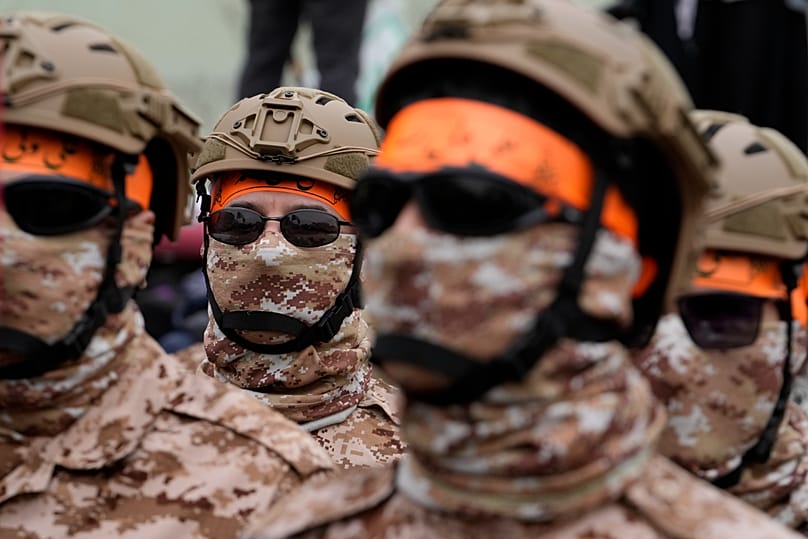
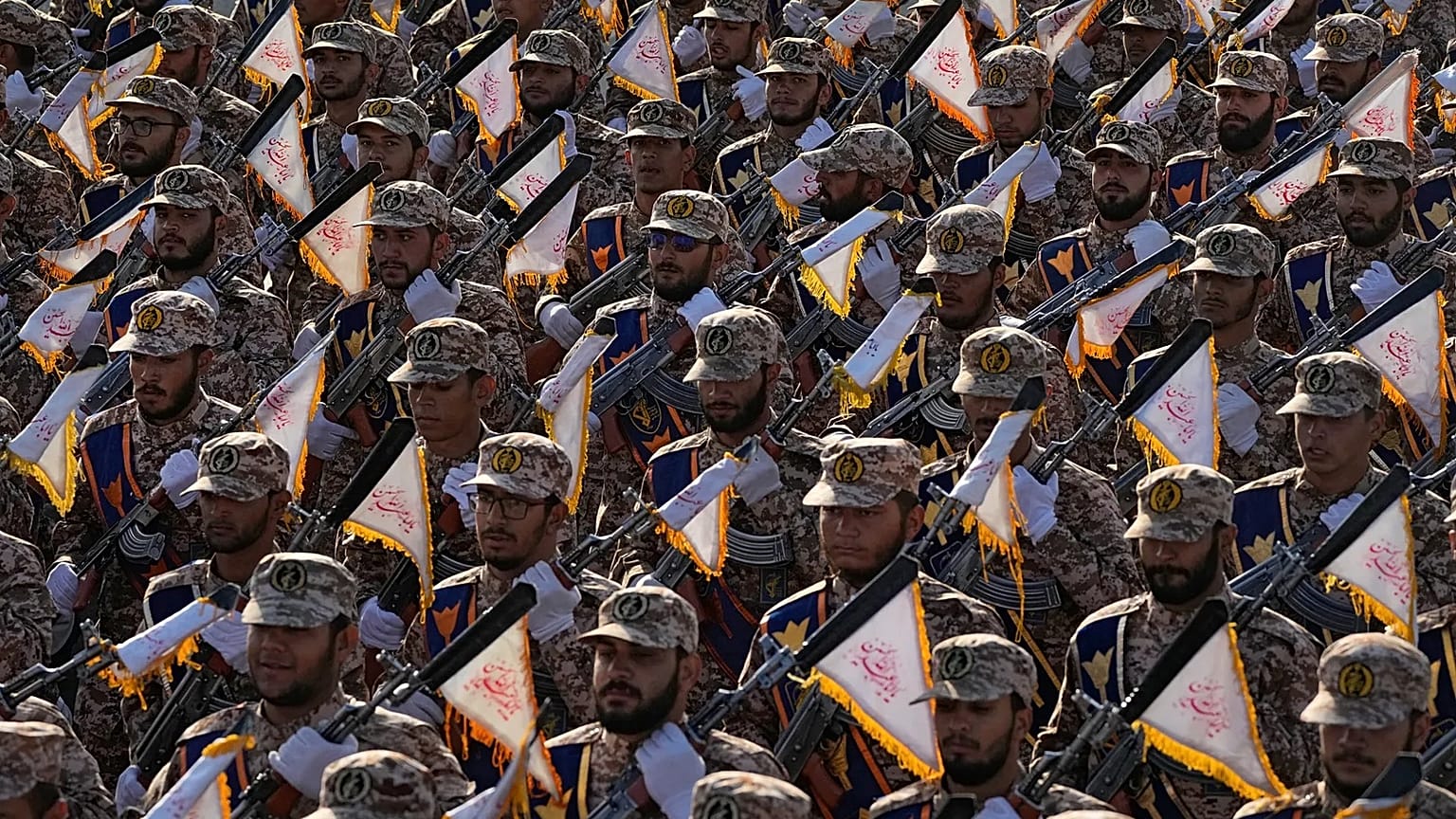
Iranian Revolutionary Guard members march during an annual military parade outside Tehran, 21 September, 2024
Copyright AP Photo

By Peter Barabas & Babak Kamiar
Published on 

Israel eliminated three top Iranian commanders on Friday as it continues its relentless strikes on Tehran's repression forces, with help from ordinary Iranians who are rising up against the regime.

Israel continued its intense strike campaign against the Iranian regime's security forces on Friday by killing the spokesman of Iran's Islamic Revolutionary Guard Corps (IRGC), Ali Mohammad Naini, the intelligence chief and deputy commander of the Basij forces, Esmail Ahmadi-Moghaddam as well as the commander of the IRGC Aerospace Force, Mehdi Ghorishi, the Iranian media and Israel’s Defence Forces (IDF) announced on Friday.

Ali Mohammad Naini was known to be the IRGC's main propagandist, while Esmail Ahmadi-Moghaddam was described as a main pillar of the Basij force, "with a central role in suppressing protests," Israel said.

Additionally, as Israel keeps pounding the regime forces across Iran, the IRGC in Iran's East Azerbaijan Province announced that 12 Basij members were killed in a strike in Tabriz on Thursday.

Shortly after these announcements, Iran's top military spokesman, General Abolfazl Shekarchi warned that "parks, recreational areas and tourist destinations" worldwide won't be safe for Tehran's enemies, renewing concerns that Iran could stage attacks beyond the Middle East.

"From now on, based on the information we have about you, even parks, recreational areas and tourist destinations anywhere in the world will no longer be safe for you," Shekarchi said in a statement quoted by Iranian state television on Friday, which is set to trigger renewed alarms across European security agencies. Qatar and the UAE announced that their security agencies dismantled Iranian operatives cells after the start of the war.

Since the war began, monitors estimate that up to a third of strikes have eliminated scores of IRGC and Basij personnel in a relentless campaign of precision strikes to break the regime's complex security establishment responsible for the brutal crackdown on protests, and apparently to support regime opponents to return to the streets.

The Basij units, also known as the regime's moral police, are a paramilitary force of volunteers tasked with enforcing loyalty to Iran's theocratic rulers across the country. They are linked to the Islamic Revolutionary Guard (IRGC) which is the backbone of the Iranian regime's security force, responsible for killing and injuring hundreds of opposition protesters before the war.

Member of the Basij paramilitary force attend a rally in Tehran, 28 March, 2025 AP Photo

Basij checkpoints have proliferated across Tehran since the war started. One resident told the Associated Press that there were five or six new checkpoints in his neighbourhood alone and that the Basij forces search vehicles for weapons, examine documents and sometimes demand to look at people’s phones. By manning checkpoints, the Basij helps security agencies to focus on information gathering and arrests.

The strikes on checkpoints began on 11 March, with at least 15 incidents on a single day documented by Armed Conflict Location and Event Data, a US-based monitoring group, quoted by AP.

Social media accounts observed by Euronews since the war started show that ordinary Iranian citizens have been sharing films or photographs of the Basij checkpoints or military hideouts, posting locators, photos or videos on social media in a form of opposition following the regime's violent crackdown on the widespread protests preceding the war.

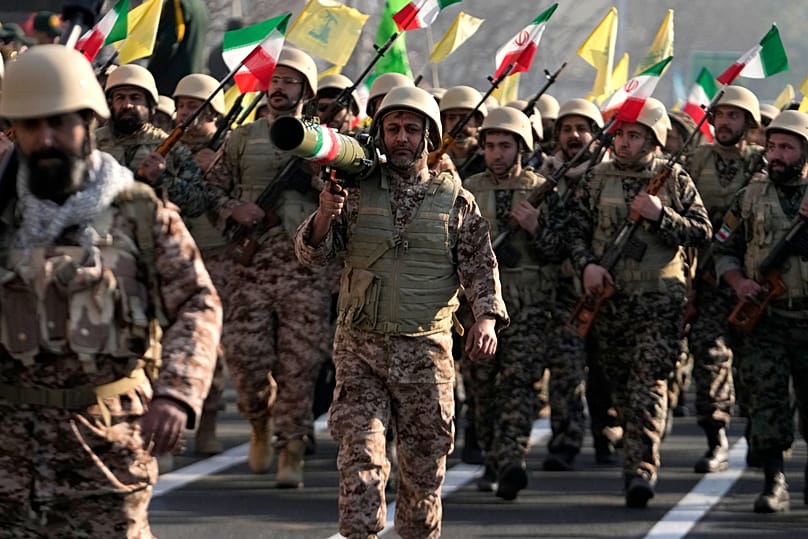
Members of the Iranian Basij paramilitary force march in Tehran, 10 January, 2025 AP Photo


Despite the nationwide internet blackout imposed by the regime, Israel is reportedly gathering some of the targeting intelligence from the videos and photos by ordinary Iranians who often tag the Farsi account of the Israeli military, sometimes in the name of protesters who were killed in the area.

According to insiders in Iran Euronews spoke to at the time, as many as 32,000 people were reportedly killed by mid-January after Tehran responded with violence to growing country-wide unrest originally sparked in December by hyperinflation and the cost of living, but then grew into major anti-regime demonstrations.

Euronews' Persian service observed that a phrase has been trending on Iranian social media saying that every drone that hits a Basij checkpoint "gladdens the souls of dozens of Javid-nam" in reference to the victims of January repression. It also suggests that these strikes provide new momentum and renewed hope for the protest movement.

In a recent move, Israeli intelligence has started appealing to Iranians to keep posting the locators of the regime forces. One of the Israeli messages says: "Don't underestimate your power. One more location, one less Basij dog. Start sending."

Residents say security forces still have an intimidating presence in Tehran. War monitors say an intensified crackdown that began with the crushing of January’s nationwide protests continues, often targeting those who take videos of strikes or try to get around a weekslong internet blackout to contact the outside world.

The Iran Human Rights Documentation Center, a U.S.-based group, said people have been rounded up for taking pictures identifying the location of checkpoints, bases and military installations, AP reported. Authorities are also still detaining people linked to the January protests, former political prisoners or members of minorities.

The rights group said it had reports of security forces opening fire at checkpoints. In one incident, two teenage brothers were shot and killed after honking their car horn in celebration of the killing of Supreme Leader Ayatollah Ali Khamenei in the war's opening salvo.

Nevertheless, over the last days, new videos from Tehran surfaced on social media showing the Basij and IRGC units hiding under bridges, in tunnels and even in empty schools and kindergartens to evade Israeli strikes.

In a recent video, a group of Basij fighters appear to hide under a bridge in Tehran waving a white flag.

Another video from Tehran appears to show security forces changing uniforms to avoid being identified from the air.

The Israeli Defence Force keeps releasing cockpit videos of its airstrikes on the Basij and IRGC forces to show its rate of action, while ordinary citizens continue posting videos showing the aftermath of the Israeli airstrikes.

On Friday, Iranians posted the aftermath of an Israeli airstrike on a Basij compound in Semnan.

As Israel's strikes are dismantling the Iranian regime's security system and in growing signs of defiance, social media videos out of Tehran over the last days showed scores of Iranians celebrating the yearly Chaharshanbe Suri, an ancient Persian festival, which is consistently opposed by the regime as young Iranians often use the occasion to protest..

In videos released from the Chitgar neighborhood in western Tehran, security forces can be seen entering an apartment complex with a large convoy of vehicles while residents chant slogans and gunshots can also be heard.

According to the Associated Press, the Basij, Farsi for "mobilization," has tens of thousands of volunteers under the command of the Revolutionary Guard, being engaged in ideological and political activities, with branches in schools, universities, government institutions and other organizations.

Volunteers, both men and women, work to ensure loyalty to the Islamic Republic which include holding religious lectures or harassing those who flout social restrictions, but they can also be mobilized for state-organized events, including counterprotests.

District-level paramilitary units deploy in times of domestic unrest — like the January protests — armed with everything from batons and electroshock devices to live ammunition.

Iranians describe mass text messages warning against protests while aggressive Basij patrols operate in Tehran, AP reports. On Thursday, Iran announced the execution of three men detained in the January protests, the first such sentences known to have been carried out.

Members of the Iranian Basij paramilitary force march during the force parade in Tehran, 10 January, 2025 AP Photo

In the last week, semiofficial news outlets have reported the arrest of more than 100 people across Iran, most accused of conspiring with enemy states or sharing media reports with foreign entities. At least 14 were accused of possessing Starlink internet dishes or virtual private network cards. Starlink has been one of the only ways to access the global internet since the unprecedented blackout began on January 8.

The government has also reportedly shut down parts of Iran’s internal internet and revoked some VPN cards given to people with specialized jobs.


Five European nations and Japan ready to 'contribute' to securing Hormuz


By Mohamed Elashi
Published on 

The conflict around the Strait of Hormuz is starting to draw in global powers, as disruptions to shipping and energy flows raise concerns about wider economic fallout.

European nations and Japan have said they are ready to support efforts to improve security in the Strait of Hormuz, as the war with Iran continues to disrupt shipping without a concrete military role being outlined.

In a joint statement, countries including Britain, France, Germany, Italy, the Netherlands and Japan condemned attacks on commercial vessels and said they were prepared to "contribute to appropriate efforts" to help ensure safe passage through the waterway and support stability in global energy markets.

The statement did, however, not provide details on how they would do so or the extent they would be willing to commit resources.

At the same time, maritime data shows the strait has not been completely shut. Around 90 ships, including oil tankers, crossed the waterway in the first two weeks of March. That is far below normal levels, but indicates that limited traffic is continuing.

Analysts say the strait is now operating on a selective basis, with some vessels allowed through while others face higher risks.

Disruption and attacks at sea

The crisis began on 28 February when the United States and Israel launched strikes on Iran, raising immediate concerns about the safety of shipping routes in the Gulf.

Within days, tankers were damaged in attacks and shipping companies began delaying voyages as risks increased.

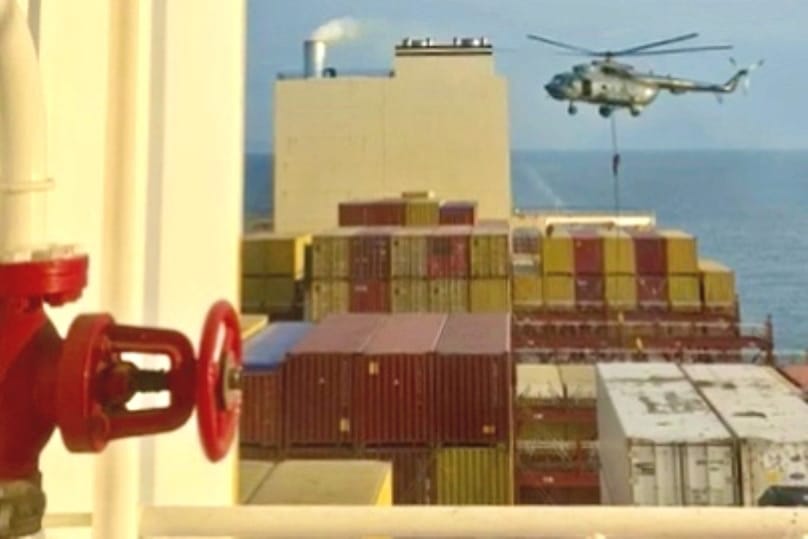
A helicopter raid targets a vessel near the Strait of Hormuz in April 2024. AP Photo

A Malta-flagged container ship was hit by a projectile while passing through the strait, forcing its crew to abandon the vessel.

Shipping data showed dozens of vessels slowing or waiting in Gulf waters, while many others delayed movements as operators reassessed whether it was safe to transit the narrow passage.

At least 20 vessels have been attacked in the area since the start of the conflict.

Iran has warned it could target ships attempting to pass through the strait if attacks on its territory continue.

Selective crossings and energy impact

Despite the disruption, some ships have continued to get through, often under specific conditions.

Vessels linked to Iran or from countries that maintain ties with Tehran have been among those able to transit, while others have relied on diplomatic arrangements to pass safely.

Iran has continued exporting oil during the conflict, with trade data suggesting millions of barrels have still been shipped despite the slowdown in traffic.

The disruption has fed into global energy markets, with oil prices rising sharply and shipping rates increasing as insurers and operators factor in the risks of sailing through the strait.

The Strait of Hormuz is one of the world’s most important energy routes, carrying around a fifth of global oil supply and key liquefied natural gas exports from the Gulf.


As U.S. Applies Force in Hormuz, European Powers Support Post-War Security

alt
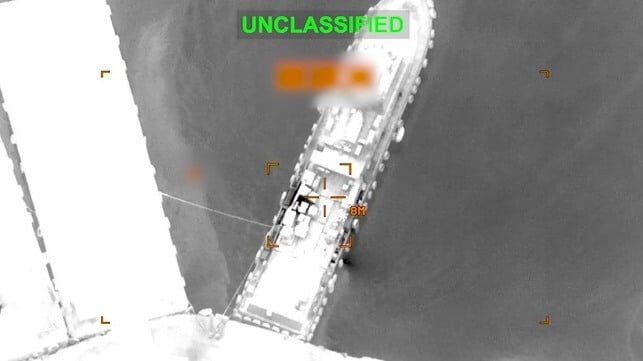
U.S. forces target an Iranian patrol vessel near the Strait of Hormuz, March 2026 (U.S. Central Command)

Published Mar 19, 2026 6:32 PM by The Maritime Executive


On Thursday, following a broad rejection of the White House's appeal for help in reopening the Strait of Hormuz, a coalition of six allied nations released a statement supporting action to protect shipping in the contested waterway - leading to immediate confusion.

"I have read completely erroneous interpretations of the document approved today by some European and non-European nations, including Italy," said Italian defense minister Guido Crosetto, referring to a joint release approving action in Hormuz.

The miscommunication may have stemmed from open-ended timing and unspecified means of assistance in the language of the letter. In their statement, the leaders of United Kingdom, France, Germany, Italy, the Netherlands and Japan expressed a "readiness to contribute to appropriate efforts to ensure safe passage through the strait."

For the U.S. and Israel, "appropriate efforts" in the strait include the immediate use of high-end military force in combat with Iran. For Italy, "appropriate efforts" means the opposite: no war mission, and no entry into Hormuz right away - without first establishing a truce and building a multilateral naval coalition, Crosetto said.    

"We are aware of the importance for all of working to safely reopen Hormuz and believe it is right and appropriate for the United Nations to provide the legal framework for a peaceful and multilateral initiative to achieve this goal," said Crosetto. 

The pledge for a post-conflict security mission received praise from the UK Chamber of Shipping. "Protecting crews must remain the foremost consideration at every stage, and we strongly support sustained international coordination to restore maritime security, stabilize shipping operations and safeguard those working on the front line of global trade," the trade organization said. 

In the meantime, Iran has its own plans for safe passage through the strait. According to the Iranian Student News Agency (ISNA), Iran's parliament is considering a bill that would impose a fee structure for passing vessels. Lloyd's List reports that at least one ship has already paid a steep fee of $2 million to make the run through Iran's new protected route between Qeshm and Larak; the bill would formalize this arrangement.


Trump calls NATO allies 'cowards' over refusal to join Strait of Hormuz security force
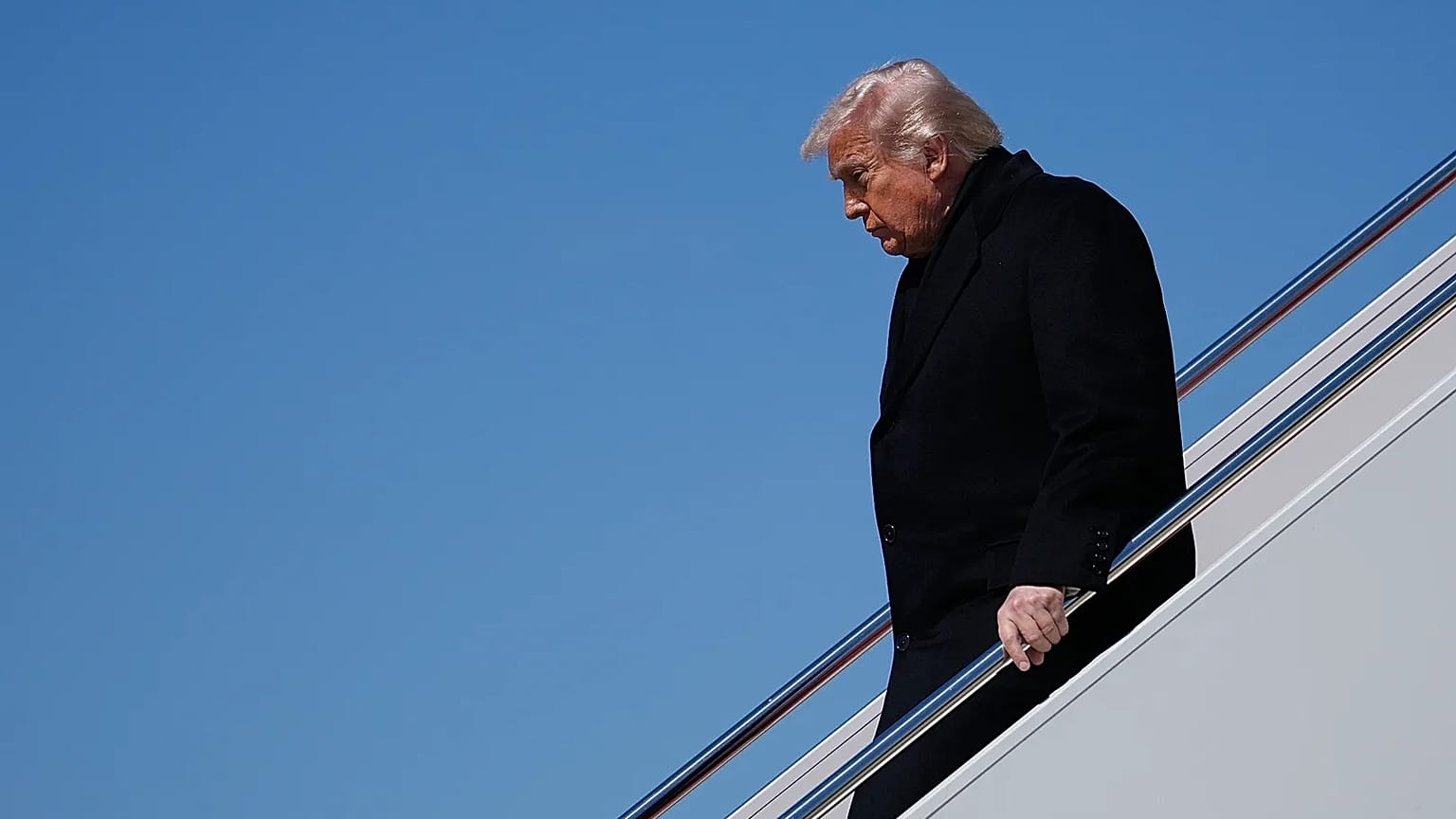
US President Donald Trump speaks in the Oval Office of the White House, 19 March, 2026
Copyright AP Photo

By Gavin Blackburn & Evelyn Ann-Marie Dom & Emma de Ruiter
Published on 

The death toll has risen to more than 1,300 people in Iran, more than 1,000 people in Lebanon, 15 in Israel and 13 US military members in the region. Millions of people in Lebanon and Iran have been displaced.

Three weeks into an escalating war in the Middle East, the US is reportedly sending more warships and Marines to the region, and Iran threatened Friday to expand its retaliatory attacks to include recreational and tourist sites worldwide.

As Israeli airstrikes landed in Tehran, Iran launched more attacks on Israel and energy sites in neighbouring Gulf Arab states, and the region marked Eid, one of the holiest days on the Muslim calendar. Iranians were also celebrating the Persian New Year, known as Nowruz, a normally festive holiday that is more subdued this year.

Jerusalem's Old City was hit by debris on Friday from incoming intercepted Iranian missiles. The debris landed in the Jewish quarter, less than 500 metres from The Western Wall, the holiest site where Jews can pray, and Al Aqsa Mosque, the third holiest site in Islam. It struck just above Dung Gate, one of seven functional entrances into the Old City.

With little information coming out of Iran, it was not clear how much damage its arms, nuclear or energy facilities have sustained in the punishing US and Israeli strikes that began on 28 February — or even who was truly in charge of the country. But Iran's attacks are still choking off oil supplies and denting the global economy, raising food and fuel prices far beyond the Middle East.

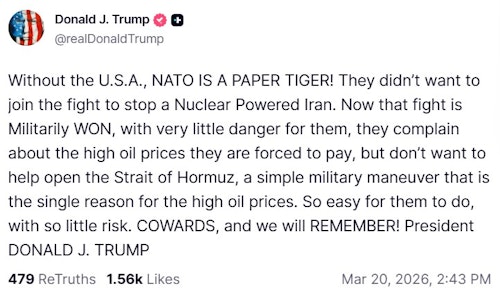
Trump Friday called his NATO allies "cowards" for not responding to his call to provide security in the Strait of Hormuz, adding that saying that without America the alliance is a “paper tiger.”

Hours after Trump's statement, the United Kingdom announced that it had authorised the use of its military bases for the US to carry out strikes on Iranian sites attacking ships in the Strait of Hormuz.

The agreement expands the previously agreed to conditions for use of its bases, which stated that American forces could use British bases for operations to prevent Iran firing missiles that put British interests or lives at risk.

The US and Israel have offered shifting rationales for the war, from hoping to foment an uprising that topples Iran’s leadership to eliminating its nuclear and missile programs. There have been no public signs of any such uprising and no end in sight to the war.

 Trump calls NATO allies 'cowards' over refusal to join Strait of Hormuz security force

US President Donald Trump has lashed out at NATO, saying that without America the alliance is a “paper tiger.”

In a post on his Truth Social platform, Trump complained about NATO allies not responding to his call to provide security in the Strait of Hormuz.

“Now that fight is Militarily WON, with very little danger for them, they complain about the high oil prices they are forced to pay, but don’t want to help open the Strait of Hormuz, a simple military maneuver that is the single reason for the high oil prices. So easy for them to do, with so little risk. COWARDS!” he wrote.

On Monday, Trump warned that NATO faces a “very bad future” if allies didn’t respond to his call to create an international naval police force.

The Strait of Hormuz is a key route for global oil and gas from the Gulf, carrying about one-fifth of the world’s crude oil.

Most shipping traffic has been halted since early March, shortly after the start of the war in Iran.

Oil prices have risen above $100 (€86) a barrel in recent weeks.