It’s possible that I shall make an ass of myself. But in that case one can always get out of it with a little dialectic. I have, of course, so worded my proposition as to be right either way (K.Marx, Letter to F.Engels on the Indian Mutiny)
Thursday, July 15, 2021
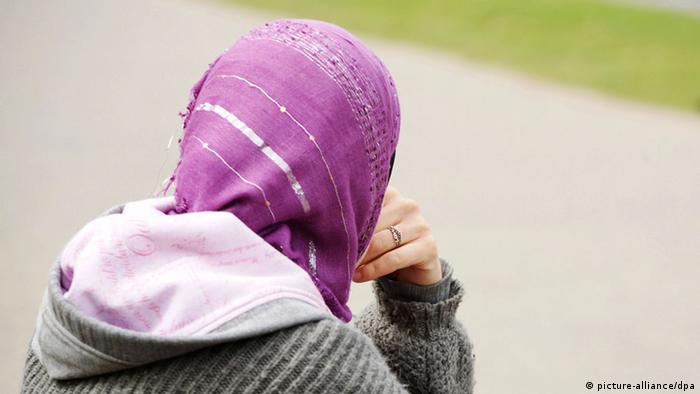
DOES THAT INCLUDE CHRISTIAN WIDOWS? EU court allows conditional headscarves bans at work
The EU's top court ruled companies can bar employees from wearing a headscarf in some circumstances. The issue of the hijab has sparked controversy across Europe with sharp divisions across the bloc.
Under certain conditions, employers can ban their workers from wearing a headscarf
The ruling addressed cases brought by two Muslim women in Germany who were suspended from their workplaces after they started wearing headscarves at work.
The court said "a prohibition on wearing any visible form of expression of political, philosophical or religious beliefs in the workplace may be justified by the employer's need to present a neutral image towards customers or to prevent social disputes.
"However, that justification must correspond to a genuine need on the part of the employer and, in reconciling the rights and interests at issue, the national courts may take into account the specific context of their Member State and, in particular, more favorable national provisions on the protection of freedom of religion." Ultimatums for both women
At the time of starting their jobs, they were not wearing the scarves but decided to do so years later after coming back from parental leave.
Court documents show that the women were told by their respective employers that this was not allowed, and were at different points either suspended, told to come to work without a head covering, or put on a different job.
What the court has said
The court ruled that in the case of the care center employee, the rule prohibiting her from wearing the headscarf was applied in a general way since the employer also required an employee wearing a Christian cross to remove the religious sign.
The ruling in both cases will now be up to national courts to have the final say if there was any discrimination.
A ruling in 2017 by the EU court in Luxembourg said that companies may bar staff from wearing Islamic headscarves and other visible religious symbols under certain conditions.
This ruling received a huge backlash among faith groups.
Serval escapes North Carolina petting zoo with help from pig
July 14 (UPI) -- An African serval cat caught on video walking at the side of a North Carolina road escaped from a petting zoo with help from a pig, the owner said.
A witness captured video showing the serval wandering on a road in Pinetops, and the owner of local petting zoo It's a Zoo Life confirmed the cat was an escapee named King Sparta.
https://libcom.org/files/animal_farm.pdf · PDF file
Animal Farm George Orwell 1945. I Mr. Jones, of the Manor Farm, had locked the hen-houses for the night, but was too drunk to remember to shut the popholes. With the ring of light from his lantern dancing from side to side, he lurched across the yard, kicked o his boots at the back door, drew himself a last glass of beer from the barrel in the scullery, and made his way up to bed, where Mrs ...
India internet law adds to fears over online speech, privacy
By SHEIKH SAALIQ and KRUTIKA PATHI
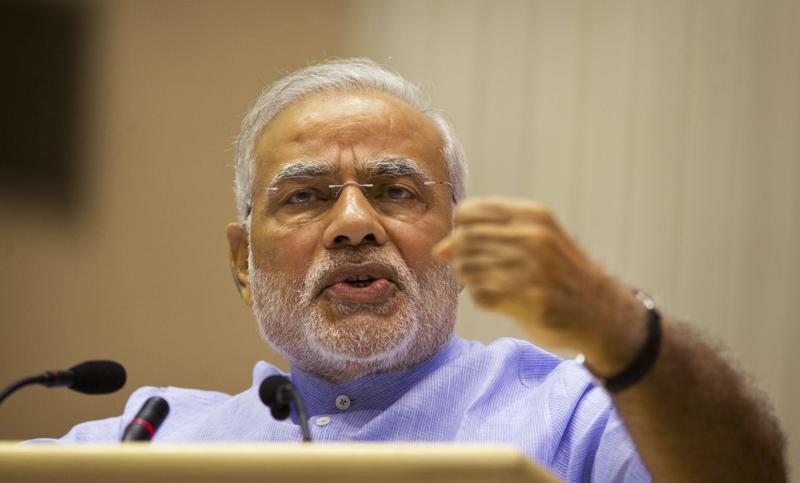
FILE - In this Aug. 28, 2014 file photo, Indian Prime Minister Narendra Modi speaks at the launch of a campaign aimed at opening millions of bank accounts for poor Indians in New Delhi, India. India's new social media regulations is at the heart of a standoff that puts digital platforms like Twitter and Facebook under direct government oversight. The new rules, in the works for years and announced in February 2021, apply to social media companies, streaming platforms and digital news publishers. The new rules make it easier for the government to order social media platforms with over 5 million users to take down content that is deemed unlawful. Critics say Modi’s Hindu nationalist government is imposing what they call a climate of “digital authoritarianism." (AP Photo/Saurabh Das, File)
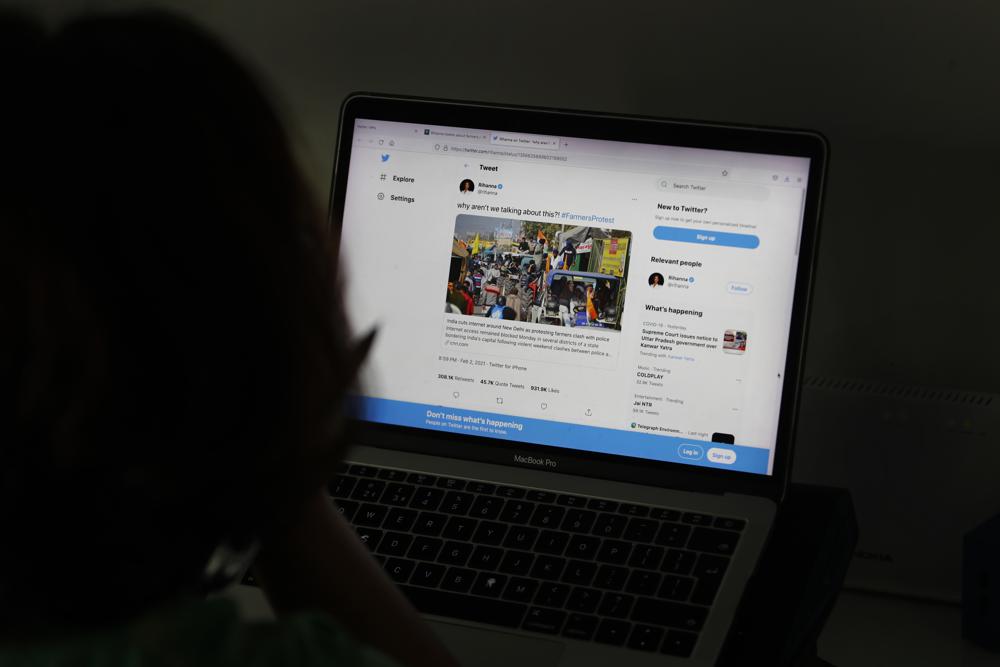
NEW DELHI (AP) — It began in February with a tweet by pop star Rihanna that sparked widespread condemnation of Indian Prime Minister Narendra Modi’s handling of massive farmer protests near the capital, souring an already troubled relationship between the government and Twitter.
Moving to contain the backlash, officials hit Twitter with multiple injunctions to block hundreds of tweets critical of the government. Twitter complied with some and resisted others.
Relations between Twitter and Modi’s government have gone downhill ever since.
At the heart of the standoff is a sweeping internet law that puts digital platforms like Twitter and Facebook under direct government oversight. Officials say the rules are needed to quell misinformation and hate speech and to give users more power to flag objectionable content.
Critics of the law worry it may lead to outright censorship in a country where digital freedoms have been shrinking since Modi took office in 2014.
Police have raided Twitter’s offices and have accused its India chief, Manish Maheshwari, of spreading “communal hatred” and “hurting the sentiments of Indians.” Last week, Maheshwari refused to submit to questioning unless police promised not to arrest him.
On Wednesday, the company released a transparency report showing India had submitted most government information requests -- legal demands for account information -- to Twitter. It accounted for a quarter of worldwide requests in July- December last year.
It was the first time since Twitter started publishing the report in 2012 that the U.S. was displaced as the “top global requester,” it added.
“India’s plans for the internet appear to be like that of a closed ecosystem like China,” said Raheel Khursheed, co-founder of Laminar Global and Twitter India’s former head of Politics, Policy and Government. “Twitter’s case is the basis of a touchstone on how the future of the internet will be shaped in India.”
Tech companies are facing similar challenges in many countries. China has been aggressively tightening controls on access to its 1.4 billion-strong market, which is already largely sequestered by the Communist Party’s Great Firewall and by U.S. trade and technology sanctions.
India is another heavyweight, with 900 million users expected by 2025.
“Any internet company knows that India is probably the biggest market in terms of scale. Because of this, the option of leaving India is like the button they’d press if they had no options left,” said tech analyst Jayanth Kolla.
The new rules, in the works for years and announced in February, apply to social media companies, streaming platforms and digital news publishers. They make it easier for the government to order social media platforms with over 5 million users to take down content that is deemed unlawful. Individuals now can request that companies remove material. If a government ministry flags content as illegal or harmful it must be removed within 36 hours. Noncompliance could lead to criminal prosecutions.
Tech companies also must assign staff to answer complaints from users, respond to government requests and ensure overall compliance with the rules.
Twitter missed a three-month deadline in May, drawing a strong rebuke from the Delhi High Court. Last week, after months of haggling with the government, it appointed all three officers as required.
“Twitter continues to make every effort to comply with the new IT Rules 2021. We have kept the Government of India apprised of the progress at every step of the process,” the company said in a statement to the Associated Press.
Apar Gupta, executive director of the Internet Freedom Foundation, says he worries the rules will lead to numerous cases against internet platforms and deter people from using them freely, leading to self-censorship. Many other critics say Modi’s Hindu nationalist government is imposing what they call a climate of “digital authoritarianism.”
“If it becomes easier for user content to be taken down, it will amount to the chilling of speech online,” Gupta said.
The government insists the rules will benefit and empower Indians.
“Social media users can criticize Narendra Modi, they can criticize government policy, and ask questions. I must put it on the record straight away . . . But a private company sitting in America should refrain from lecturing us on democracy” when it denies its users the right to redress, the ex-IT minister, Ravi Shankar Prasad, told the newspaper The Hindu last month.
Despite the antagonisms between Modi and Twitter, he has been an enthusiastic user of the platform in building popular support for his Bharatiya Janata Party. His government has also worked closely with the social media giant to allow Indians to use Twitter to seek help from government ministries, particularly during health emergencies. Bharatiya Janata Party’s social media team has meanwhile been accused of initiating online attacks against critics of Modi.
Still, earlier internet restrictions had already prompted the Washington-based Freedom House to list India, the world’s most populous democracy, as “partly free” instead of “free” in its annual analysis.
The law announced in February requires tech companies to aid police investigations and help identify people who post “mischievous information.” That means messages must be traceable, and experts say this it could mean end-to-end encryption would not be allowed in India.
Facebook’s WhatsApp, which has more than 500 million users in India, has sued the government, saying breaking encryption, which continues for now, would “severely undermine the privacy of billions of people who communicate digitally.”
Officials say they only want to trace messages that incite violence or threatening national security. WhatsApp says it can’t selectively do that.
“It is like you are renting out an apartment to someone but want to look into it whenever you want. Who would want to live in a house like that?” said Khursheed of Laminar Global.
The backlash over online freedom of expression, privacy and security concerns comes amid a global push for more data transparency and localization, said Kolla, the tech expert.
Germany requires social media companies to devote local staff and data storage to curbing hate speech. Countries like Vietnam and Pakistan are drafting legislation similar to India’s. In Turkey, social media companies complied with a broad mandate for removing content only after they were fined and faced threats to their ad revenues.
Instead of leaving, some companies are fighting the new rules in the courts, where at least 13 legal challenges have been filed by news publishers, media associations and individuals. But such cases can stretch for months or even years.
Mishi Choudhary, a technology lawyer and founder of India’s Software Freedom Law Center, says that under the rules, social media platforms might lose their safe harbor protection, which shields them from legal liability over user-generated content. Courts have to decide that on a case-by-case basis, she said. And their legal costs would inevitably soar.
“You know how it is in India. The process is the punishment,” Choudhary said. “And until we get to a place where the courts will actually come and tell us what the legal position is and determine those legal positions, it is open season for tech backlash.”
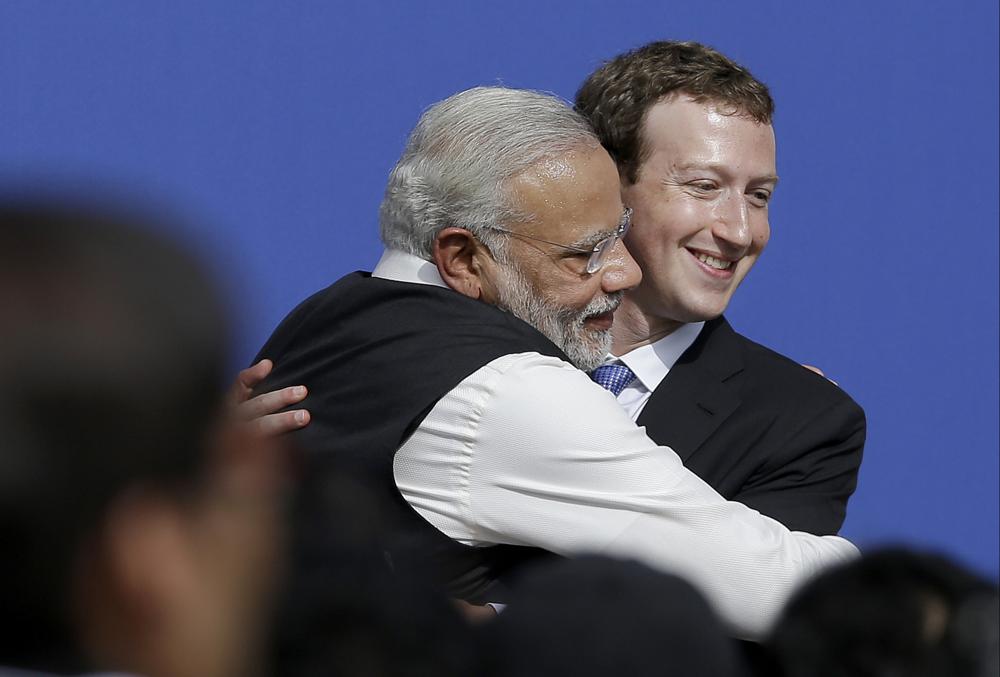
FILE - In this Sept. 27, 2015, file photo, Facebook CEO Mark Zuckerberg, right, hugs Prime Minister of India Narendra Modi at Facebook in Menlo Park, Calif. Officials say a sweeping internet law, announced in February, that puts digital platforms like Twitter and Facebook under direct government oversight are needed to quell misinformation and hate speech and to give users more power to flag objectionable content. Critics of the law worry it may lead to outright censorship in a country where digital freedoms have been shrinking since Modi took office in 2014, many calling it “digital authoritarianism." Facebook’s WhatsApp, which has more than 500 million users in India, has sued the government, saying breaking encryption, which continues for now, would “severely undermine the privacy of billions of people who communicate digitally.” (AP Photo/Jeff Chiu, File)
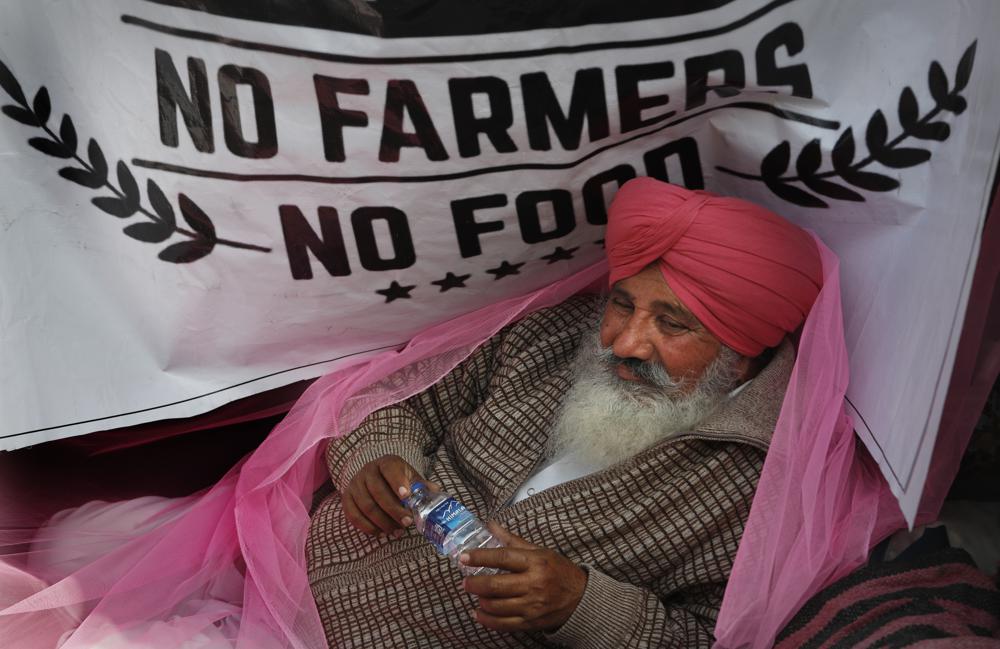
FILE - In this Monday, Dec. 14, 2020, file photo, a protesting farmer rests on his tractor trailer blocking a highway with other farmers at the Delhi- Haryana border, on the outskirts of New Delhi, India. Relations between Twitter and Modi's government have gone downhill ever since a tweet by pop star Rihanna in February sparked widespread condemnation of Indian Prime Minister Narendra Modi’s handling of massive farmer protests near the capital. At the heart of the standoff is a sweeping internet law that puts digital platforms like Twitter and Facebook under direct government oversight. Critics of the law worry it may lead to outright censorship in a country where digital freedoms have been shrinking since Modi took office in 2014. (AP Photo/Manish Swarup, File)
A woman looks at the Twitter page of pop star Rihanna in New Delhi, India, Thursday, July 15, 2021. It began in February with a tweet by Rihanna that sparked widespread condemnation of Indian Prime Minister Narendra Modi’s handling of massive farmer protests near the capital, souring an already troubled relationship between the government and Twitter. Moving to contain the backlash, officials hit Twitter with multiple injunctions to block hundreds of tweets critical of the government. In the same month, the Indian government announced the new rules, in the works for years, that apply to social media companies, streaming platforms and digital news publishers. (AP Photo/Manish Swarup)
Review: New insight into the complex character of Hoover
By JEFF ROWE
July 12, 2021
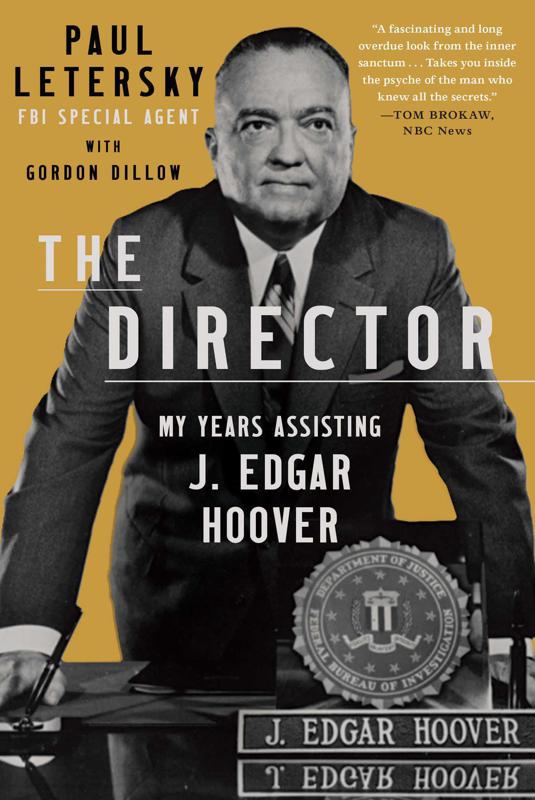
This cover image released by Scribner shows "The Director: My Years Assisting J. Edgar Hoover" by Paul Letersky with Gordon Dillow. (Scribner via AP
“The Director: My Years Assisting J. Edgar Hoover,” by Paul Letersky with Gordon Dillow (Scribner)
J. Edgar Hoover’s life has been picked apart in other books; Paul Letersky and Gordon Dillow deliver insight that only could be obtained from Letersky’s vantage point as Hoover’s personal assistant for two years.
“The Director: My Years Assisting J. Edgar Hoover” is actually a pair of books in one; the first half Letersky’s experience as Hoover’s assistant; the second covers Letersky’s years as a field agent, first in Cincinnati and then Alexandria, Virginia.
Letersky offers less a historical breakthrough than finer brushstrokes on an American icon, whom the author describes as kind, courteous, formal, thoughtful, fearless, occasionally funny, a perfect gentleman and a devout patriot. He also could be vindictive, closed-minded, hypocritical and a holder of eternal grudges who sincerely thought he was serving his country. In his later years, however, Hoover apparently was oblivious to ethical lapses such as bugging the Rev. Martin Luther King’s hotel rooms
Hoover also emerges as petty, judgmental and sometimes bizarre. He didn’t want men with “pear-shaped” heads as agents and woe to the agent who added a few extra pounds.
More than anything, Hoover was that uniquely American character, the workaholic. His entire life was dedicated to the FBI, which he built into the world’s most respected law enforcement agency. Agents feared letters of censure from the boss; Hoover’s FBI allowed no room for error or forgiveness. Hoover’s singular devotion to the FBI’s success and image made the bureau a tense, competitive place to work. Arrests, closed cases, the accuracy rate of typed pages – everything was measured. “All men, even the best men, must be closely controlled and supervised at all times,” Letersky quotes Hoover as telling him.
He stayed too long and in later years needed an afternoon nap but other than attending horse races, he had little other life.
As for Hoover using his famed and feared “personal files” to pressure the eight presidents he worked for to allow him to stay; in Letersky’s telling, it was more the other way around – several presidents tried to lean on Hoover for political leverage.
The director usually resisted. Letersky says Hoover never joined a political party and never voted.
With Hoover’s death in 1972, many thought the mystery of what was in his personal files would be revealed. Their mere existence generated fear – what secrets might those 30-some file drawers hold?
We can get some clues as to the contents from a file Letersky saw on The Monkees, the American pop group from the 1960s. The file consisted of a few newspaper clips, cut and stored because an informant said the group was transmitting subliminal anti-war messages during their concerts.
This would have been impressive at many levels. The Monkees’ musical abilities were such that studio musicians recorded many of their songs for them.
And the rest of the files?
We will never know. After Hoover’s death, they were shredded by his long-time secretary, Helen Gandy. The job took two weeks.
USA Indigenous children’s remains turned over from Army cemetery
By MARK SCOLFORO
yesterday
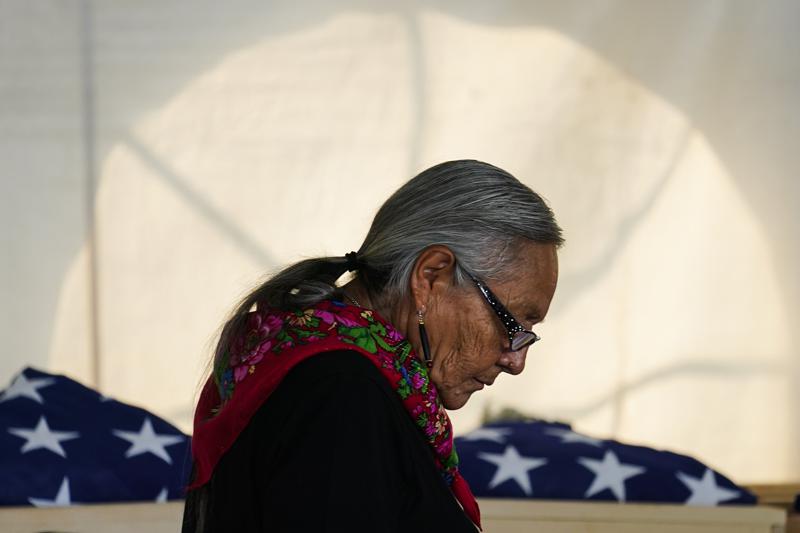
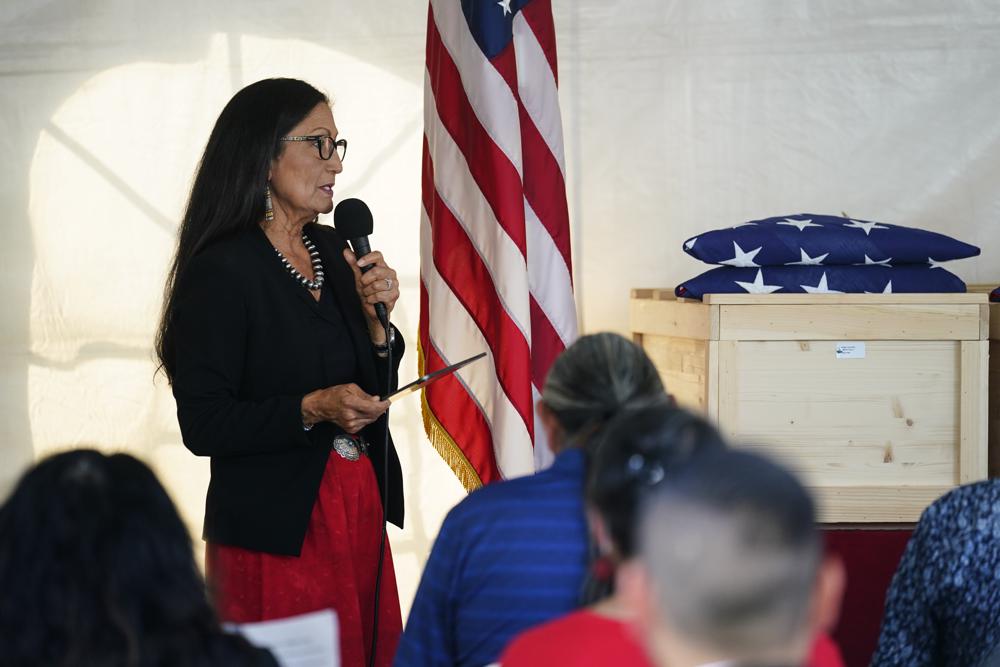
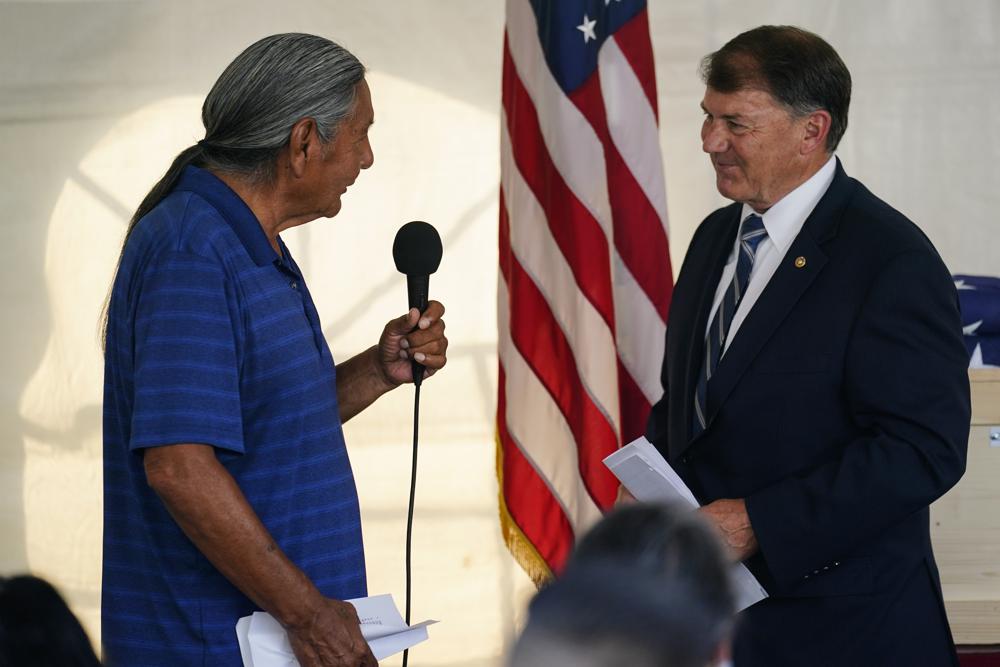
1 of 10 Ione Quigley, the Rosebud Sioux's historic preservation officer, returns to her seat after speaking during a ceremony at the U.S. Army's Carlisle Barracks, in Carlisle, Pa., Wednesday, July 14, 2021. The disinterred remains of nine Native American children who died more than a century ago while attending a government-run school in Pennsylvania were headed home to Rosebud Sioux tribal lands in South Dakota on Wednesday after a ceremony returning them to relatives. (AP Photo/Matt Rourke)
CARLISLE, Pa. (AP) — The disinterred remains of nine Native American children who died more than a century ago while attending a government-run school in Pennsylvania were headed home to Rosebud Sioux tribal lands in South Dakota on Wednesday after a ceremony returning them to relatives.
The handoff at a graveyard on the grounds of the U.S. Army’s Carlisle Barracks was part of the fourth set of transfers to take place since 2017. The remains of an Alaskan Aleut child were returned to her tribe earlier this summer.
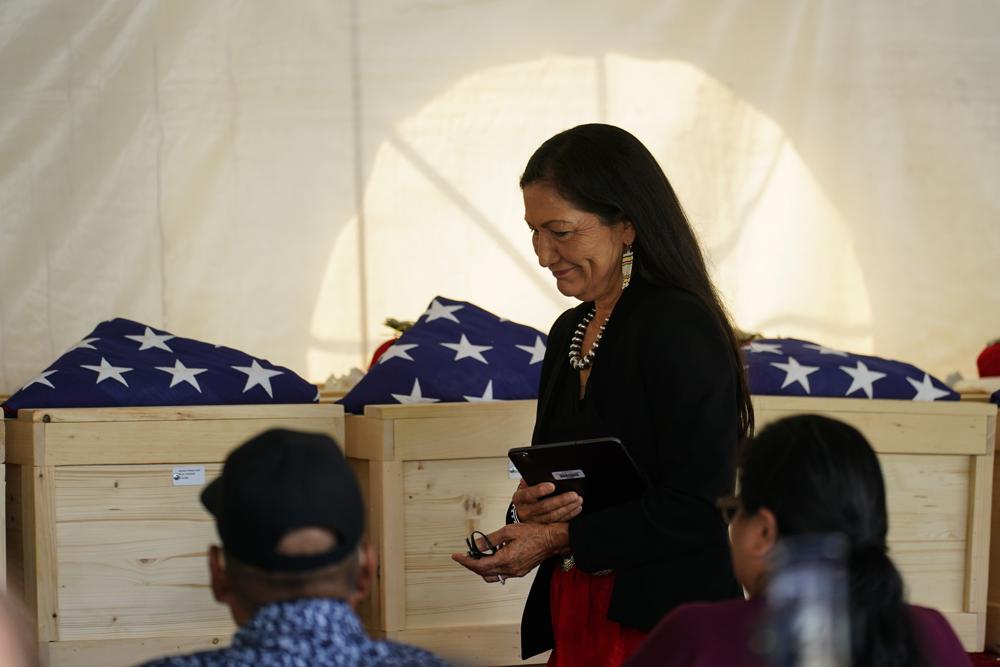
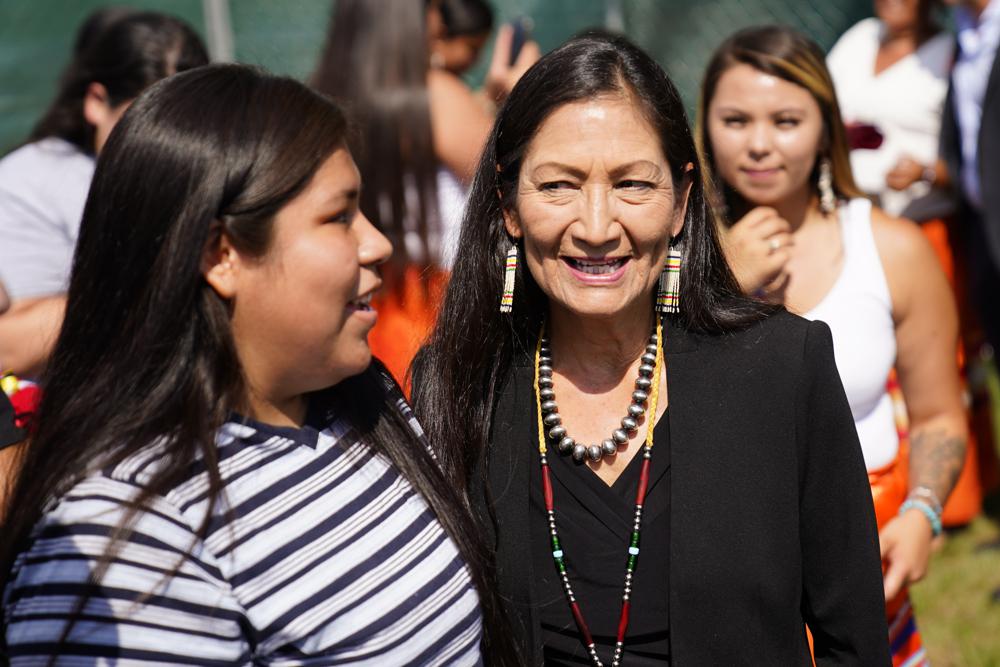
“We want our children home no matter how long it takes,” said U.S. Interior Secretary Deb Haaland, who in June announced a nationwide investigation into the boarding schools that attempted to assimilate Indigenous children into white society.
Haaland, the first Native American to serve as a Cabinet secretary, said at the event that “forced assimilation practices” stripped away the children’s clothing, their language and their culture. She said the government aims to locate the schools and burial sites and identify the names and tribal affiliations of children from the boarding schools around the country.
Nearly a thousand unmarked graves have been discovered in recent months at former residential school sites for Indigenous children in Canada.
In Pennsylvania, the nine sets of remains inside small wooden coffins were carried past a phalanx of tribal members and well-wishers before being loaded into a vehicle trailer to be driven to Sioux City, Iowa. The children died between 1880 and 1910.
Ione Quigley, the tribe’s historic preservation officer, recounted how she attended the disinterment earlier this week and used red ochre to prepare the remains in a traditional way.
“We got everything done as respectfully and honorably as possible,” Quigley said.
Russell Eagle Bear, a Rosebud Sioux tribal council representative, said a lodge was being prepared for a Friday ceremony at a Missouri River landing near Sioux City where children boarded a steamboat for the journey to the government-run Carlisle Indian Industrial School.
The Carlisle school, founded by an Army officer, took drastic steps to separate Native American students from their culture, including cutting their braids, dressing them in military-style uniforms and punishing them for speaking their native languages. They were forced to adopt European names.
More than 10,000 Native American children were taught there and endured harsh conditions that sometimes led to death from such diseases as tuberculosis.
Eagle Bear said children from the tribe endured ridicule along the trip to Carlisle in 1879, three years after the Battle of the Little Bighorn.
Tribal officials said that when the remains arrive in South Dakota, some will be buried in a veterans’ cemetery and others are destined for family graveyards.
“We’re here today and we are going to take our children home,” Eagle Bear said to about 100 attendees on Wednesday. “We have a big homecoming on the other end.”
Since August 2017, the Army has disinterred 22 remains of Native American children from the cemetery, including the 10 that occurred this year. In previous years, remains were turned over to the Northern Arapaho, Blackfeet, Oglala Sioux, Oneida, Omaha, Modoc and Iowa tribes.
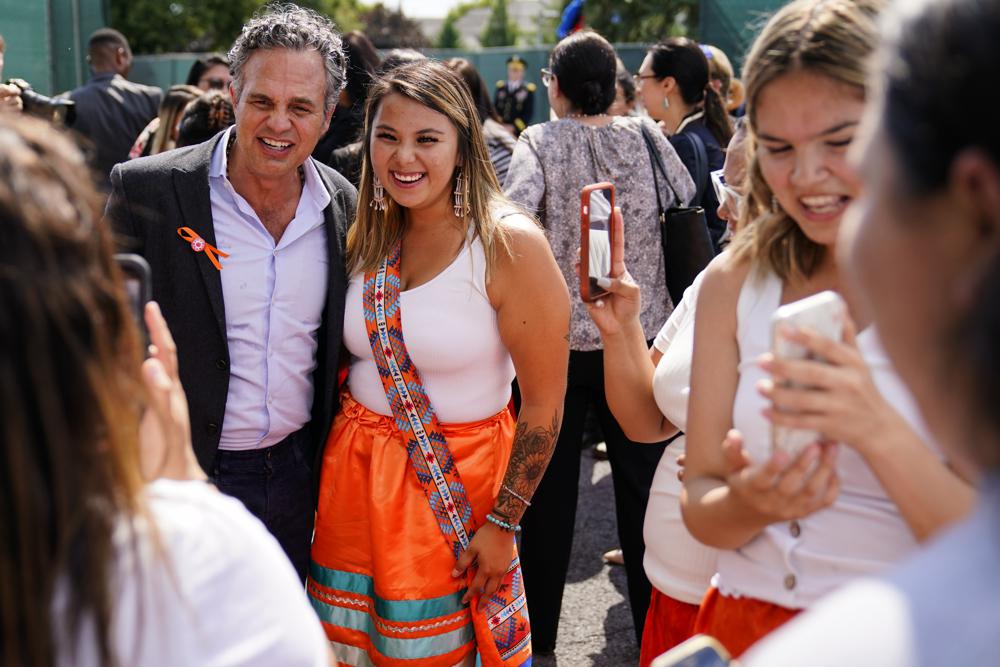
3 of 10 Interior Secretary Deb Haaland moves to speak during a ceremony at the U.S. Army's Carlisle Barracks, in Carlisle, Pa., Wednesday, July 14, 2021. The disinterred remains of nine Native American children who died more than a century ago while attending a government-run school in Pennsylvania were headed home to Rosebud Sioux tribal lands in South Dakota on Wednesday after a ceremony returning them to relatives. (AP Photo/Matt Rourke) Mark Ruffalo meets with young people from the Rosebud Sioux Tribe after a ceremony at the U.S. Army's Carlisle Barracks, in Carlisle, Pa., Wednesday, July 14, 2021. The disinterred remains of nine Native American children who died more than a century ago while attending a government-run school in Pennsylvania were headed home to Rosebud Sioux tribal lands in South Dakota on Wednesday after a ceremony returning them to relatives. (AP Photo/Matt Rourke)
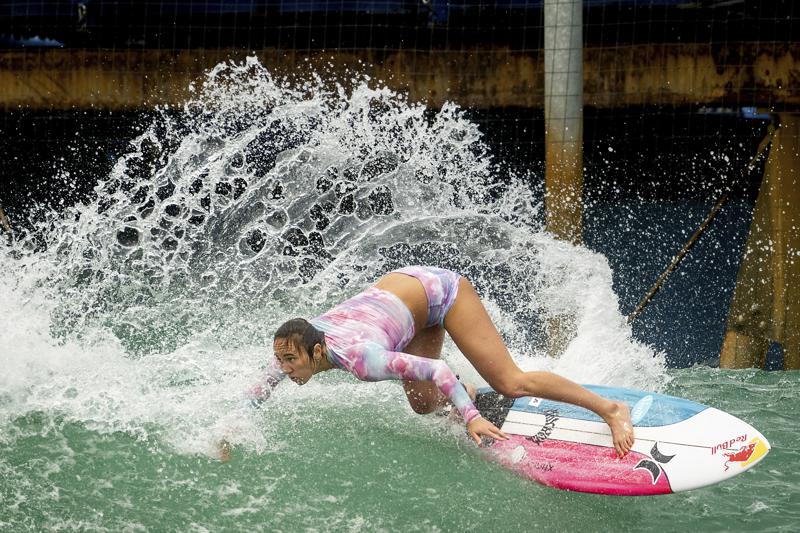
July 13, 2021 1 of 13 Carissa Moore of the United States, practices for a World Surf League competition at Surf Ranch on Wednesday, June 16, 2021, in Lemoore, Calif. The Summer Games in Tokyo, which kick off this month, serve as a proxy for that unresolved tension and resentment, according to the Native Hawaiians who lament that surfing and their identity have been culturally appropriated by white outsiders who now stand to benefit the most from the $10 billion industry. (AP Photo/Noah Berger)
SANTA CRUZ, Calif. (AP) — For some Native Hawaiians, surfing’s Olympic debut is both a celebration of a cultural touchstone invented by their ancestors, and an extension of the racial indignities seared into the history of the game and their homeland.
The Tokyo Summer Games, which open July 23, serve as a proxy for that unresolved tension and resentment, according to the ethnic Hawaiians who lament that surfing and their identity have been culturally appropriated by white outsiders who now stand to benefit the most from the $10 billion industry.
“You had Native Hawaiians in the background being a part of the development of it and just not being really recognized,” said Isaiah Helekunihi Walker, a Hawaii historian and activist. “There’s an element of them taking over. That’s when there’s no more aloha.”
The Indigenous people of Hawaii traditionally viewed the act of stylishly riding ocean waves on a board for fun and competition as a spiritual art form and egalitarian national pastime that connected them to the land and sea.
White European settlers who first learned of the sport when they arrived to the island both vilified and capitalized on the sport. Christian missionaries disapproved of the nudity on display, yet white businessmen later ran a whites-only surf club on Waikiki beach.
Today, white people are still seen as the leaders and authorities of the sport globally, as surfing’s evolution is now a legacy shaped by white perspectives: from practically Native Hawaiian birthright to censured water activity, and California counterculture symbol to global professional sports league.
Imagine if the Hollywood version of yoga became an Olympic sport, and by default overshadowed its roots in India, whitewashing the original cultural flavor into a white Californian trope.
“It’s the paradox and hypocrisy of colonization,” said Walker, a BYU-Hawaii history professor who is Native Hawaiian.
White settlers first arrived on the island in the 1700s, bringing with them disease that nearly wiped out the Native Hawaiian population, conquest to take over the land and its bounty of natural resources, and racist attitudes that relegated the Indigenous population to second-class citizenship.
Though it was three Native Hawaiian princes who first showed off surfing to the mainland in 1885 during a visit to Santa Cruz, California, white businessmen are credited with selling surfing and Hawaii as an exotic tourism commodity for the wealthy. That trajectory has since manifested into a professional sports league largely fronted by white athletes.
But the Native Hawaiians never gave up their sport and by the 1970s, there was a full-blown racial clash around surfing with well-documented fights in the ocean. The issue pitted Native Hawaiians and some white residents who grew up among them against the white Californian and Australian surfers who sought to exclude locals from the world’s best waves on their very own turf.
An infamous brawl involved a trash-talking Australian surfer named Wayne “Rabbit” Bartholomew, who was battered and humbled by the locals. The surfing world’s reverence for Hawaii and Native Hawaiians was cemented. Bartholomew would go on to run the Association of Surfing Professionals, an earlier iteration of the current pro league.
“I treaded lightly in light of what they went through because there was an internalization that this is something that was stolen from them,” said Richard Schmidt, who was among the white Californian pro surfers on the scene in that era. “You’re never a complete surfer until you prove yourself in Hawaii.”
Yet critics say the business and branding aspect of the sport and lifestyle largely remained white-centered.
“When surfing started to become really popular, that triggered money and that triggered business people and things we’d never thought we’d have to deal with as people who surf in Hawaii,” said Walter Ritte, a longtime Native Hawaiian activist. “There’s no doubt that the control is not here in Hawaii.” The effort to take back surfing’s narrative is why sovereignty activists applied for a Hawaii Kingdom national team to compete at the Olympics. Their longshot request hinges on the fact that they say there was no ratified treaty that ever formally dissolved Hawaii’s autonomy. The United States annexed Hawaii in 1898 after the overthrow of the Hawaiian monarchy by U.S.-backed forces in 1893.
A statement from the International Olympic Committee, which has ignored the request, noted only that applicants must be an “independent state recognized by the international community.”
This geopolitical dynamic will be on display when Carissa Moore and John John Florence are in the surf zone to compete for the U.S.
Neither is eager to discuss their views on the matter but they are two of professional surfing’s biggest stars who have long competed under the Hawaii flag in the pro league, as the World Surf League recognizes Hawaii as a “sovereign surfing nation.” Moore as the reigning female world champion is also the only Olympic surfer who is ethnically Hawaiian.
“The hurt and the wounds go back really far,” Moore said. “I usually compete under the Hawaii flag all year with the WSL...For me, that’s not a huge focus right now. I think that I can still represent both, even if I’m not wearing the flag on my sleeve. I’m wearing it on my heart.”
Tatiana Weston-Webb, a white woman who grew up in Hawaii and will surf for her mother’s native Brazil at the Olympics, said Native Hawaiians deserve more recognition but rejected the idea that they are disrespected.
“I don’t think that they’re being overshadowed,” Weston-Webb said. “It just depends on how you look at the situation.”
Fernando Aguerre as president of the International Surfing Association, the Olympic governing body for surfing, pledged to honor Hawaii and Duke Kahanamoku, the godfather of modern surfing, during the Games. Like many surfing industry leaders, Aguerre, who is from Argentina, invokes the legend of Kahanamoku often, even noting that he named his son after the Native Hawaiian icon.
Kahanamoku was an Olympic swimmer who won five medals and introduced the sport via surfing exhibitions in places like California, New Jersey, Australia, New Zealand and Europe. He lobbied the IOC at the 1912 Summer Games in Stockholm to include it in the Olympics, and was the ultimate waterman, whose legacy also includes popularizing flutter swimming kicks and spreading the concept of lifeguarding and water rescue to the masses.
“Everything we do has a connection to Hawaii. I think it’s impossible to detach Hawaiianness from surfing,” Aguerre said. “The ocean doesn’t really care about hate, war or governments. Surfing is that way, too.”
Didi Robello, a descendant of Kahanamoku, said none of his family members have been contacted to participate in any Olympic celebrations. He said his grand-uncle’s name and legacy are exploited, which has become a great source of pain for the family because the trademark rights to the Kahanamoku name are owned by outsiders.
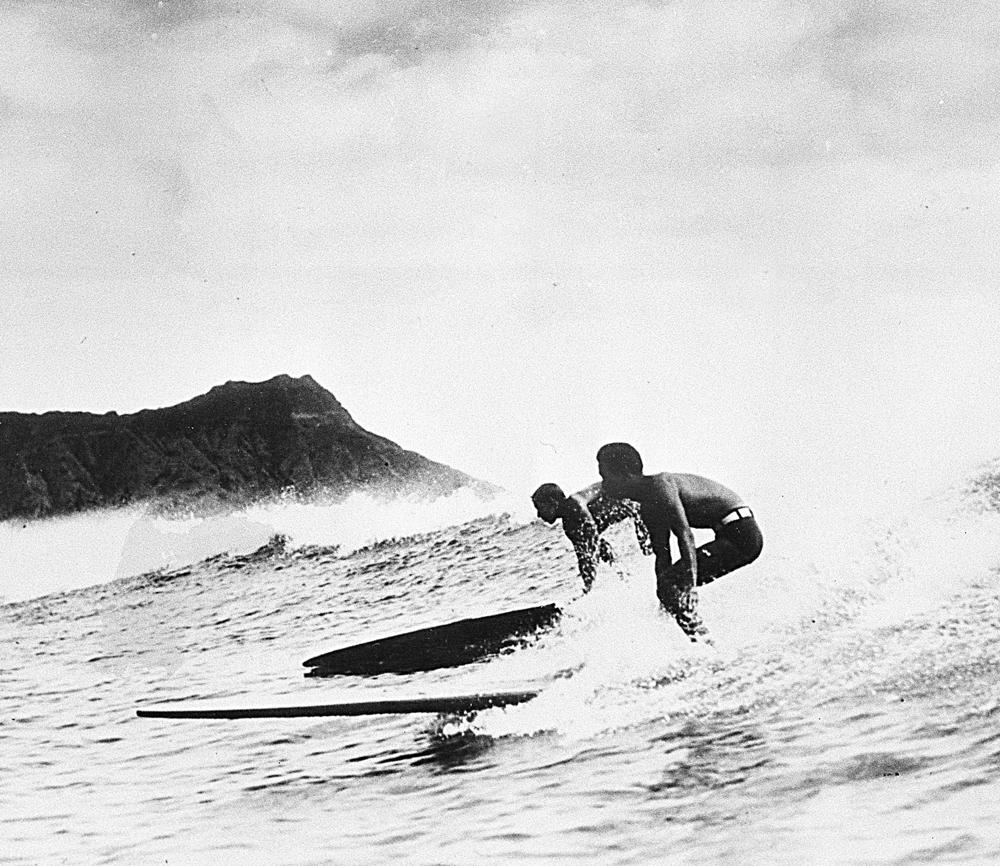
In this Jan. 9, 1935, file photo, two surfers ride the crest of a wave back to the beach in Honolulu, Hawaii. For some Native Hawaiians, surfing's Olympic debut is both a celebration of a cultural touchstone invented by their ancestors, and an extension of the racial indignities seared into the history of the game and their homeland. The Summer Games in Tokyo, which kick off this month, serve as a proxy for that unresolved tension and resentment, according to the Native Hawaiians who lament that surfing and their identity have been culturally appropriated by white outsiders who now stand to benefit the most from the $10 billion industry. (AP Photo/File)
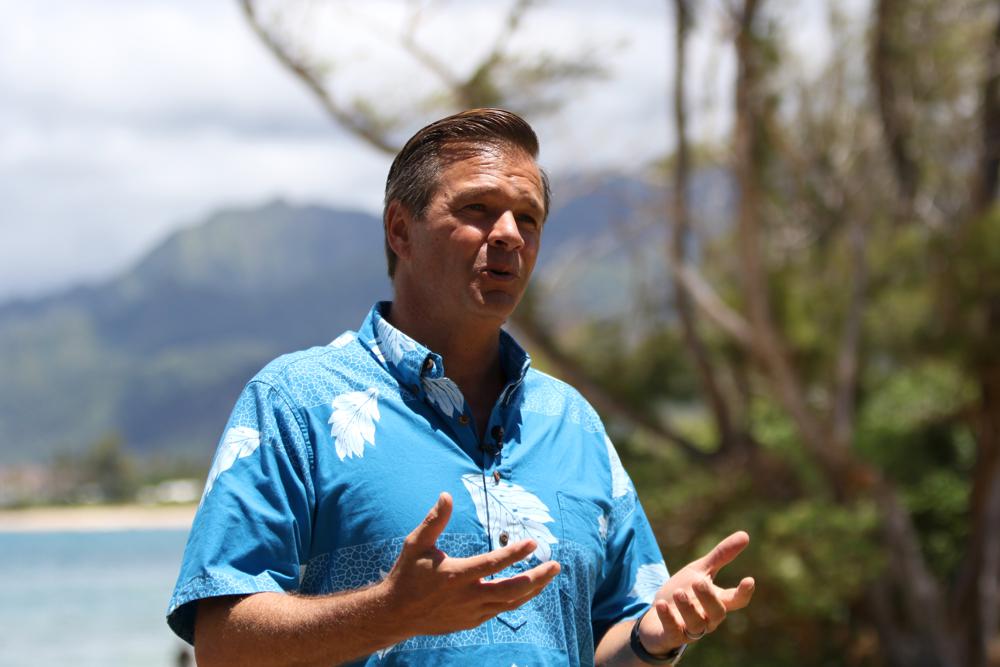
Isaiah Helekunihi Walker, a Native Hawaiian historian and professor, speaks with The Associated Press on a beach in Laie, Hawaii, Thursday, July 8, 2021. Though it was three Native Hawaiian princes who first showed off surfing to the mainland in 1885 during a visit to Santa Cruz, California, white businessmen are credited with selling surfing and Hawaii as an exotic tourism commodity for the wealthy. (AP Photo/Caleb Jones)
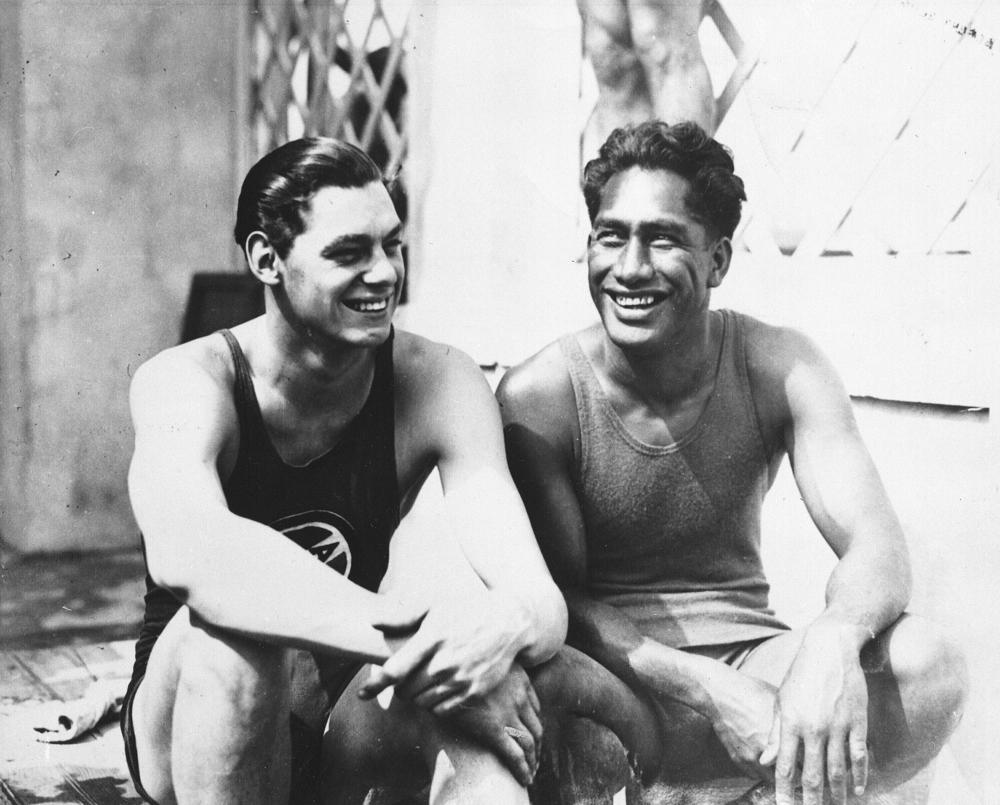
- In this 1924 file photo, Johnny Weissmuller, TARZAN left, and Duke Kahanamoku are seen at the 1924 Olympic games in Paris. For some Native Hawaiians, surfing's Olympic debut is both a celebration of a cultural touchstone invented by their ancestors, and an extension of the racial indignities seared into the history of the game and their homeland. Kahanamoku was a Native Hawaiian swimmer who won five Olympic medals and is known as the godfather of modern surfing who introduced the sport in surfing exhibitions in Australia and California. (AP Photo/File)
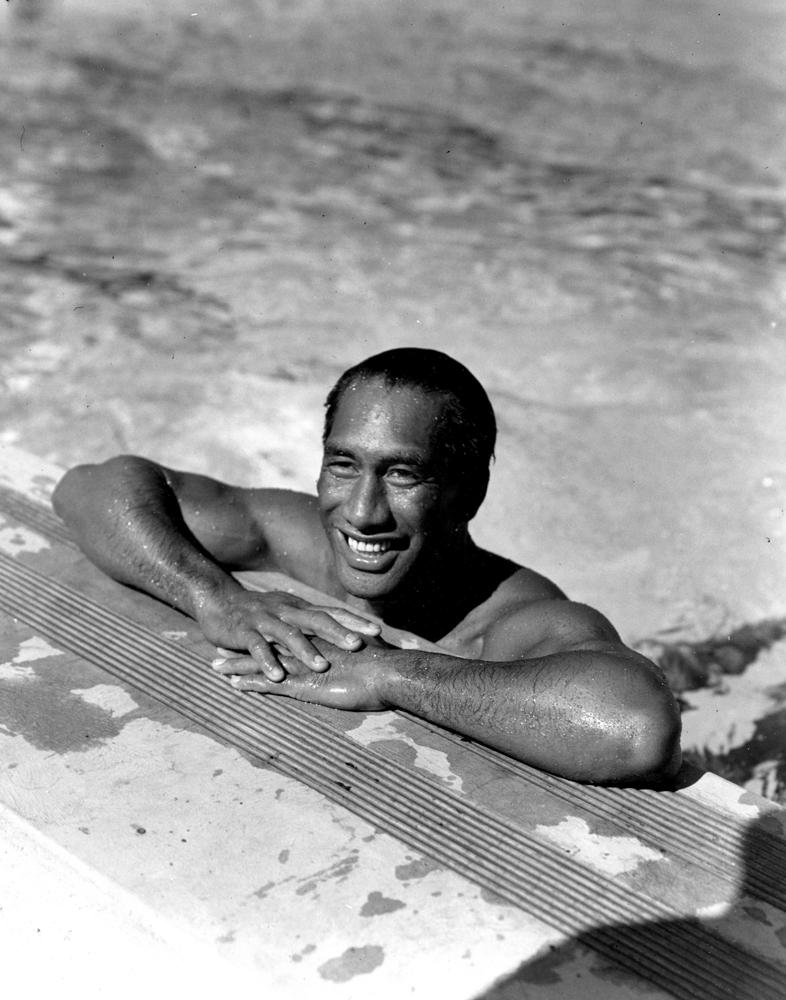
In this Aug. 11, 1933, file photo, Duke Kahanamoku, Hawaiian Olympic swimmer, poses in a swimming pool in Los Angeles. For some Native Hawaiians, surfing's Olympic debut is both a celebration of a cultural touchstone invented by their ancestors, and an extension of the racial indignities seared into the history of the game and their homeland. Kahanamoku was a Native Hawaiian swimmer who won five Olympic medals and is known as the godfather of modern surfing who introduced the sport in surfing exhibitions in Australia and California. (AP Photo/File)
WAR! WHAT'S IT GOOD FOR? ABSOLUTELY NOTHING! The cost of the Afghanistan war, in lives and dollars
By ELLEN KNICKMEYER
July 12, 2021
The nearly 20-year American combat mission in Afghanistan was the United States’ longest war. Ordinary Americans tended to forget about it, and it received measurably less oversight from Congress than the Vietnam war did. But its death toll is in the many tens of thousands, and generations of Americans to come will be burdened by the cost of paying it off.
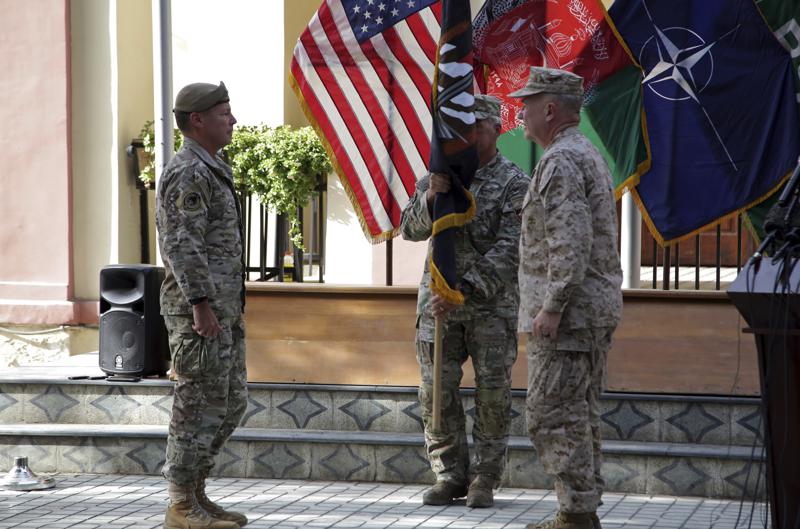
As the U.S. commander for Afghanistan, Gen. Scott Miller, relinquished his command in Kabul on Monday, here’s a look at the U.S.-led war in Afghanistan, by the numbers.
Much of the data below from Linda Bilmes of Harvard University’s Kennedy School and from the Brown University Costs of War project. Because the United States between 2003-2011 fought the Afghanistan and Iraq wars simultaneously, and many American troops served tours in both wars, some figures as noted cover both post-9/11 U.S. wars. THE LONGEST WAR:
Percentage of U.S. population born since the 2001 attacks plotted by al-Qaida leaders who were sheltering in Afghanistan: Roughly one out of every four. THE HUMAN COST:
American service members killed in Afghanistan through April: 2,448.
U.S. contractors: MERCENARIES 3,846.
Afghan national military and police: 66,000.
Other allied service members, including other NATO member states’: 1,144.
Afghan civilians: 47,245.
Taliban and other opposition fighters: 51,191.
Aid workers: 444.
Journalists: 72. AFGHANISTAN AFTER NEARLY 20 YEARS OF U.S. OCCUPATION:
Percentage drop in infant mortality rate since U.S., Afghan and other allied forces overthrew the Taliban government, which had sought to restrict women and girls to the home: About 50.
Estimated interest payments on that $2 trillion so far (based on a higher-end estimate of interest rates): $925 billion.
Estimated interest costs by 2030: $2 trillion.
Estimated interest costs by 2050: $6.5 trillion. THE WARS END. THE COSTS DON’T:
Amount Bilmes estimates the United States has committed to pay in health care, disability, burial and other costs for roughly 4 million Afghanistan and Iraq veterans: $1.6 to $1.8 trillion.
Period those costs will peak: after 2048.
UKRAINE Beachgoers Horrified Seeing Woman With Hitler’s Portrait And Swastika Inked On Bum
Nina Siena | Jul 15 2021, Beachgoers enjoying a sunny day at the Black Sea resort in Ukraine were stunned at the sight of a swastika tattoo on a heavily inked bikini-clad woman. The woman was spotted at the beach two days ago with the Nazi symbol on her buttocks as well as a portrait of Hitler on her hand.
Onlookers could not keep themselves from ogling at the unnamed woman with some people having made no effort to conceal their disapproval of the images inked on her body. Jaws dropped as she paced through the scattered beach umbrellas in her blue thong bottom and red bikini top with the swastika clearly in sight on her right buttock.
Anonymous photos of the woman were posted online showcasing not one but two disturbing images that left almost everyone at the resort horrified. On her right hand, a portrait of Adolf Hitler is also clearly visible in the circulating photos.
According to Daily Star, the woman was forced to leave the beach premises not long after she had arrived as a good number of beachgoers made it a point to express how they felt about her tattoos. Some were still reeling and struggling to guess another image that was tattooed right above her crotch as this was covered by her bikini bottom.
Police have not released any statement to comment on the beach incident despite a ruling ordinance in Ukraine against spreading Nazism propaganda or displaying symbols of Nazism. These are considered criminal offenses and anyone caught violating it can be subjected to a maximum punishment of five years in prison.
Offended social media users condemned the woman and her choice of ink, with one quoted saying: ''I don't want to lose hope that she is a fan of Karlsson and that this is just a failed drawing of his propeller.'' Another netizen had no qualms expressing that if the woman had intentions to draw attention to her bum, she definitely succeeded at it.
Nazi type symbols and images are not an uncommon thing requested by people wanting to get inked. In June, a 29-year-old Neo-Nazi from Austria had his testicles tattooed with a swastika. The man claimed he was drunk when he got the ink. After going on all-night bender downing two bottles of whiskey, he urged his brother to ink the swastika on his man-jewels. He was proud of his brother’s work and showed off an image of the tattoo online and even brandished the ink among his army colleagues.
The unidentified Neo-Nazi was later arrested and was also later found in possession of an illegal firearm along with photos of him posing in front of a Nazi memorabilia at the Bunkermuseum Wurzenpass. During his trial at the Klagenfurt District Court in Australia, the man was also said to be known for posting Third Reich propaganda online and indulging himself in Hitler-branded wine.
Representation Image Tattoo ARtist At Work ilovetattoos/Pixabay
Donald Trump Had Sinister Plans After November 2020 Election, New Book Claims
Top generals were reportedly planning to take the informal route if former US President Donald Trump attempted coup after the November 2020 election.
US military officer, Chairman of the Joint Chiefs General Mark Milley, reportedly feared that Trump might attempt a coup or adopt dangerous or illegal methods following the election. To stop him, Milley and other top officials teamed up and discussed informal plans. The claims are made in "I Alone Can Fix It" by Carol Leonnig and Philip Rucker, reported CNN.
According to the book, Milley and the other Joint Chiefs thought of resigning, one-by-one, rather than following Trump's orders that they considered were illegal, dangerous or ill-advised. The authors wrote that it was like "Saturday Night Massacre in reverse."
Trump's final year as the US president is highlighted in the book for which he was interviewed for more than two hours. It also has a behind-the-scenes look at how senior administration staff and his inner circle navigated his unhinged behavior after losing the election.
The book is also about how a top military officer was gearing up for a showdown amid coup attempt fears. Milley apparently spoke to friends, lawmakers and colleagues about it, and the Joint Chiefs chairman felt that he was required to be "on guard" for what might happen.
According to the authors, Milley told his deputies that they may try take the coup route, but they are not going to succeed. "You can't do this without the military. You can't do this without the CIA and the FBI. We're the guys with the guns."
Leonnig and Rucker wrote that prior to Jan. 6, Milley was concerned about Trump's call to action. Milley reportedly informed his staff that he believed Trump was "stoking unrest," possibly hoping of an excuse to invoke the Insurrection Act and call the military.
The authors wrote that Milley saw Trump as "the classic authoritarian leader with nothing to lose."
Before a November pro-Trump "Million MAGA March" to protest the results of the 2020 election, Milley reportedly told aides that he feared it "could be the modern American equivalent of 'brownshirts in the streets.'" He was referring to the pro-Nazi militia that helped in Adolf Hitler's rise to power.
A spokesperson for Trump and the Office of the Chairman of the Joint Chiefs of Staff have been reached out for comment, The Hill reported.
"I Alone Can Fix It" will hit the stands on July 20.
Former U.S. President Donald Trump looks on during a press conference announcing a class action lawsuit against big tech companies at the Trump National Golf Club Bedminster on July 07, 2021 in Bedminster, New Jersey. Former president Trump held a press conference with executives from the America First Policy Institute to announce a class action lawsuit against Facebook, Twitter, Google, and their CEOs, claiming that he was wrongfully censored. Since being banned from the social media companies, former president Trump has continued to spread lies about the 2020 election. Photo by Michael M. Santiago/Getty Images
US top general feared Trump’s election fraud complaint was a ‘Reichstag moment’
By Reis Thebault July 15, 2021 —
Washington: In the waning weeks of Donald Trump’s term, the country’s top military leader repeatedly worried about what the president might do to maintain power after losing re-election, comparing his rhetoric to Adolf Hitler’s during the rise of Nazi Germany and asking confidantes whether a coup was forthcoming.
As Trump pushed false claims about the 2020 presidential election, General Mark Milley, chairman of the Joint Chiefs of Staff, grew more and more nervous, telling aides he feared that the president and his acolytes may attempt to use the military to stay in office, according to a new book titled I Alone Can Fix It: Donald J. Trump’s Catastrophic Final Year by Washington Post journalists Carol Leonnig and Philip Rucker.
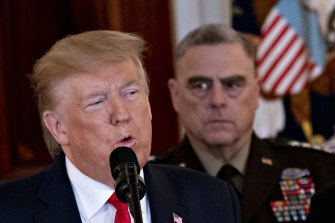
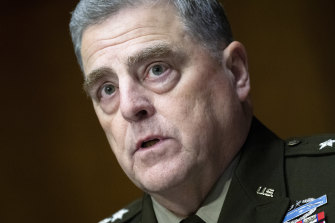
General Mark Milley listens as president Donald Trump discusses an Iranian air strike, January 8, 2020. CREDIT:BLOOMBERG
Milley described “a stomach-churning” feeling as he listened to Trump’s untrue complaints of election fraud, drawing a comparison to the 1933 attack on Germany’s parliament building that Hitler used as a pretext to establish a Nazi dictatorship.
“This is a Reichstag moment,” Milley told aides, according to the book. “The gospel of the Fuhrer.”
A spokesman for Milley did not immediately respond to a request for comment.
Portions of the book related to Milley - first reported by CNN ahead of the book’s July 20 release - offer a remarkable window into the thinking of America’s highest-ranking military officer, who saw himself as one of the last empowered defenders of democracy during the tense stand-off between the president and election officials.
The episodes in the book are based on interviews with more than 140 people, including senior Trump administration officials, friends and advisers, Leonnig and Rucker write in an author’s note. Most agreed to speak candidly only on the condition of anonymity and the scenes reported were reconstructed based on firsthand accounts and multiple other sources whenever possible.
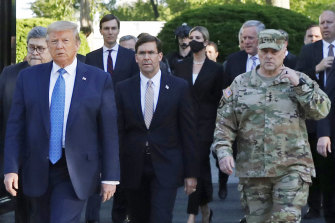
General Milley is pictured on the right, walking with the president on June 1, 2020, to the photo opp at a church during the Black Lives Matter protests. CREDIT:AP
Milley - who was widely criticised last year for appearing alongside Trump in Lafayette Square after protesters were forcibly cleared from the area - had pledged to use his office to ensure a free and fair election with no military involvement. But he became increasingly concerned in the days following the November contest, making multiple references to the onset of 20th century fascism.
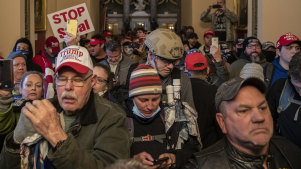
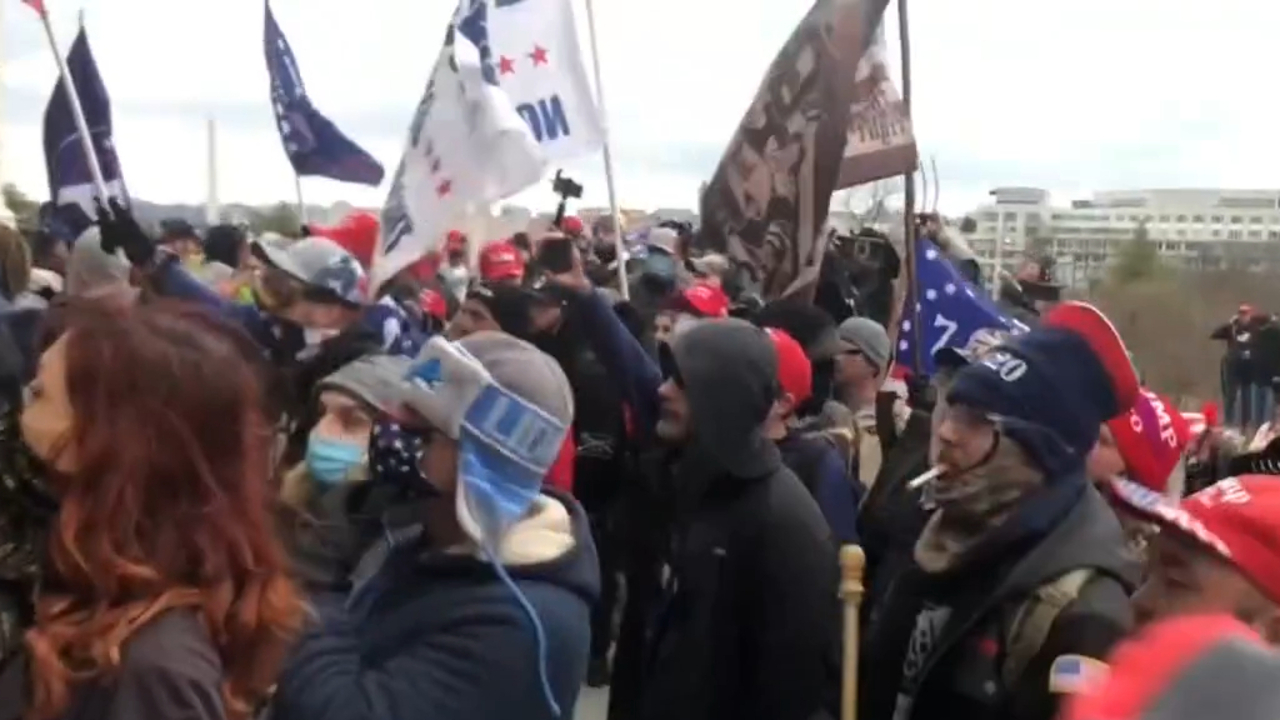
After attending a November 10 security briefing about the “Million MAGA March,” a pro-Trump rally protesting against the election result, Milley said he feared an American equivalent of ”brown shirts in the streets,” alluding to the paramilitary forces that protected Nazi rallies and enabled Hitler’s ascent.
Late that same evening, according to the book, an old friend called Milley to express concerns that those close to Trump were attempting to “overturn the government”.
“You are one of the few guys who are standing between us and some really bad stuff,” the friend told Milley, according to an account relayed to his aides. Milley was shaken, Leonnig and Rucker write, and he called former national security adviser HR McMaster to ask whether a coup was actually imminent. “What the f--- am I dealing with?” Milley asked him.
If someone wanted to seize control, Milley thought, they would need to gain sway over the FBI, the CIA and the Defence Department, where Trump had already installed staunch allies. “They may try, but they’re not going to f---ing succeed,” he told some of his closest deputies, the book reports.
In the weeks that followed, Milley played reassuring soothsayer to a string of concerned members of Congress and administration officials who shared his worries about Trump attempting to use the military to stay in office.
General Mark Milley is said to have received panicked calls from congress representatives after Trump refused to concede. CREDIT:AP
“Everything’s going to be OK,” he told them, according to the book. “We’re going to have a peaceful transfer of power. We’re going to land this plane safely. This is America. It’s strong. The institutions are bending, but it won’t break.”
In December, with rumours circulating that the president was preparing to fire then-CIA Director Gina Haspel and replace her with Trump loyalist Kash Patel, Milley sought to intervene, the book says. He confronted White House Chief of Staff Mark Meadows at the annual Army-Navy football game, which Trump and other high-profile guests attended.
“What the hell is going on here?” Milley asked Meadows, according to the book’s account. “What are you guys doing?”
When Meadows responded, “Don’t worry about it,” Milley shot him a warning: “Just be careful.”
A damning new report has exposed major US intelligence and security failures, in the lead up to the January assault on the US Capitol.
After the failed insurrection on January 6, House Speaker Nancy Pelosi called Milley to ask for his guarantee that Trump would not be able to launch a nuclear strike and start a war.
“This guy’s crazy,” Pelosi said of Trump in what the book reported was mostly a one-way phone call. “He’s dangerous. He’s a maniac.”
Once again, Milley sought to reassure: “Ma’am, I guarantee you that we have checks and balances in the system,” he told Pelosi.
Less than a week later, as military and law enforcement leaders planned for President Joe Biden’s inauguration, Milley said he was determined to avoid a repeat of the siege on the Capitol.
“Everyone in this room, whether you’re a cop, whether you’re a soldier, we’re going to stop these guys to make sure we have a peaceful transfer of power,” he told them. “We’re going to put a ring of steel around this city and the Nazis aren’t getting in.”
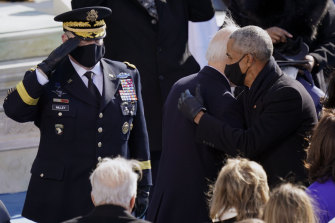
General Mark Milley salutes new President Joe Biden and former president Barack Obama on Inauguration Day, January 20, 2021. CREDIT:AP
At Biden’s swearing-in on January 20, Milley was seated behind former president Barack Obama and former first lady Michelle Obama, who asked the general how he was feeling.
“No one has a bigger smile today than I do,” Milley replied. “You can’t see it under my mask, but I do.”