Wednesday, August 11, 2021


The practical path to America's electric vehicle transition
e-vehicle
Credit: Pixabay/CC0 Public Domain

Last week, with the leaders of America's auto industry and the United Auto Workers by his side, President Biden announced the goal that by 2030, half of America's new motor vehicles would be electric. This is an ambitious goal but necessary if our suburban-sprawl-based population is to meet our greenhouse gas reduction goals. America's pattern of land use development was built on personal transit, and we cannot meet our emission reduction responsibilities without electric vehicles powered by renewable energy. This will require federal subsidies for electric vehicles (EVs), at least until their sale price is lower than vehicles with internal combustion engines. When operation and maintenance are factored in, the actual price of electric vehicles is already lower than conventional vehicles. Unfortunately, the only price that matters to consumers is the price on the showroom sticker and so subsidies are needed to jump-start this market. In the wake of today's latest report from the UN's Intergovernmental Panel on Climate Change, the goal of decarbonizing our economy has once again been reinforced by our growing climate crisis. But greenhouse gas reduction in America requires a practical path to electrification.

In addition to subsidizing vehicles, there will also be funding for public charging stations, although I suspect that improved battery capacity and the self-interest of the convenience store industry will result in the conversion of many gasoline pumps to charging stations. As charging technology develops, the speed of charging will increase, but while the car is charging, there will be plenty of time to head into the store to buy a Slurpee. In other words, the demand for charging stations will elicit a private sector response. Moreover, while apartment dwellers like me will need public charging stations, most EV owners will live in suburban homes with garages or at least driveways and will charge their cars at home in the evening. They'll be their own charging stations. When battery range hits 500 miles, the need for public charging stations will be reduced. Shopping center parking lots and garages will also install charging stations to make some money on their customers while they "shop and charge." In any case, to reassure EV owners, we'll need a mix of public and private charging stations.

Biden's announcement wedded his climate goals to the economic goal of leading the world's transition to electronic goals. As Coral Davenport reported in the New York Times last week:

"Without a radical change to the type of vehicles Americans drive, it will be impossible for Mr. Biden to meet his ambitious pledge to cut planet-warming emissions by 50 percent from 2005 levels by the end of this decade. Gasoline-powered cars and trucks are the largest single source of greenhouse gasses produced in the United States, accounting for 28 percent of the country's total carbon emissions. He also signed an executive order that calls for the government to try to ensure that half of all vehicles sold in the United States be electric by 2030."

There are many obstacles to implementing these goals, and a rapid technological transition of this scale is rare, although not unprecedented. The switch from landlines to cell phones and video discs to streaming video took place quite quickly. But these products are relatively simple compared to motor vehicles. Moreover, the requirement for subsidies and the impact on auto workers creates additional uncertainty. As Davenport observed: tyle="box-sizing: border-box; margin-bottom: 1.75rem; margin-top: 0px;">"A rapid transition to electric cars and trucks faces several challenges. Experts say it will not be possible for  to go from niche to mainstream without making electric charging stations as ubiquitous as corner gas stations. And while labor leaders attended the White House event and referred to Mr. Biden as "brother," they remain concerned about a wholesale shift to electric vehicles, which require fewer workers to assemble."

The transition to electric vehicles, the modernization of the electrical grid, and the transition to renewable energy are all major structural changes for a developed economy like ours that was built on fossil fuels. Ideological rhetoric and misguided political attacks on the energy industry will not do the difficult work of bringing this huge change into being. What is needed is a practical path and a public-private partnership tied to a critical and shared national mission.

We've used public policy to set and meet national goals. The best examples were World War II and the moon mission. A less well-known example was homeownership. After World War II, we set a national goal of promoting homeownership. We made mortgage interest and local property tax deductible on federal tax returns. We developed federally subsidized and administered mortgage insurance. We built the interstate highway system. All these public investments encouraged builders to develop land in the suburbs, people moved in, and with their sweat equity on weekends, small homes often became bigger and backyard barbeques became common. After several decades America transitioned from a nation of home renters to a nation of homeowners. It will take a similar degree of creativity, incentives, and private profit to rapidly transition away from fossil fuels.

What is thrilling about the Biden team's approach to climate policy is that they fully understand the complexity of the task and they know they must bring all the critical stakeholders to the table. Unions, management, national and local elected officials as well as community activists must all have a role and be given an ownership stake in the "firm." The EV will take a generation to displace fossil fuels. My next car will be electric, but my current one only has 20,000 miles on it. When I trade it in, someone will buy it and use it. That someone could be the government and they would then need to send it to the fossil fuel graveyard. If the government doesn't buy and retire my car, it will emit greenhouse gasses for at least a decade after I sell it.

Decarbonizing our economy requires that we sweat the details. We need to understand the supply chains that source our consumer economy and the waste stream of items we no longer use. We need to ensure the entire production process becomes carbon neutral. The environmental community is correct in asserting that the fossil fuel industry's economic interests can be hostile to the mitigation of . But instead of vilifying an entire industry, we should be cherry-picking the industry leaders who can read the handwriting on the wall and know their survival requires that they pivot away from fossil fuels.

The auto industry is a good model here. They see the regulatory environment and consumer preferences moving toward EVs. Government assistance is needed to rapidly build this new market and to conduct the R & D needed to ensure that battery technology continues its rapid advance. But even without government, EVs are on the way. They are a technologically superior alternative to the internal combustion engine. But the practical path to EVs requires additional attention be paid to auto workers. While new auto factories will be even more robotic than current ones, the transition will cause a short-term increase in blue-collar jobs. In the long run, auto assembly line jobs will require a more educated workforce, and so the UAW and automakers should immediately begin the process of training their current workforce for the jobs of the future. It is vitally important that the transition to EVs not leave America's workers behind as roadkill of the new . The short-term burst of transition jobs provides us with an opportunity to do better than we did with the deindustrialization of the upper Midwest. Government must monitor employment issues and provide subsidies to facilitate training of the current workforce.

The Biden team is connecting the EV transition to goals in climate, battery research, job creation, competition with China and a growing economy. I believe that their strategy is sound. But the difficulty of moving from concept to reality needs to be clearly understood. This will not be easy. At some point, the momentum behind the electric  will be irresistible. At that point, subsidies will need to be reduced, and private market forces will help complete the transition over time.

Electrify America to double EV charging stations by 2025
More information: New York Times article: www.nytimes.com/2021/08/05/cli … ight&pgtype=Homepage
This story is republished courtesy of Earth Institute, Columbia University http://blogs.ei.columbia.edu.


Microplastics: A trojan horse for metals

Microplastics: A trojan horse for metals
The smaller the plastic particles are, the larger the harmful cargo they can carry, which is invisible to the eye: Microplastics transport harmful metals in the environment - and also release them again under certain conditions. Credit: Hereon/Inorganic Environmental Chemistry

The fact that microplastics can accumulate organic pollutants from the environment and transport them has been known for some time. What is new, however, is that metals can also be transported in this manner. In addition, the smaller the particles, the greater the metal accumulation on the plastic. This has been demonstrated by scientists at the Helmholtz-Zentrum Hereon in a new study. The results were published now in the Journal of Hazardous Materials Letters.

Scientists worldwide have already demonstrated the alarming ecological ubiquity and longevity of  . The particles measure between one micrometer and a half centimeter in size. They develop in part when larger plastic components break apart in the sea or wind up in the rivers and subsequently in the ocean directly from wastewater stemming from land. Microplastics are toxic in very high concentrations. In addition, they can also accumulate, transport and release other pollutants. While data has already been published on  in this context, there is little known about the interactions between the  floating in the water and dissolved metals. This is why scientists from the Institute of Coastal Environmental Chemistry at the Helmholtz-Zentrum Hereon have now systematically studied these interactions in the laboratory.

The team, which includes first author Dr. Lars Hildebrandt, studied the accumulation of fifty-five different metals and semi-metals on  and polyethylene terephthalate particles, measuring 63 to 250 micrometers in size. "In regard to water polluted by plastics, the two types of plastics we studied play a vital role," says environmental chemist Hildebrandt. "This is due to their wide range of application and the associated high production volumes. Most shopping bags, for example, are made of polyethylene (recycling code 4, LDPE), and plastic drinking bottles are almost without exception made of polyethylene terephthalate (recycling code 1, PET)."

Microplastics: A trojan horse for metals
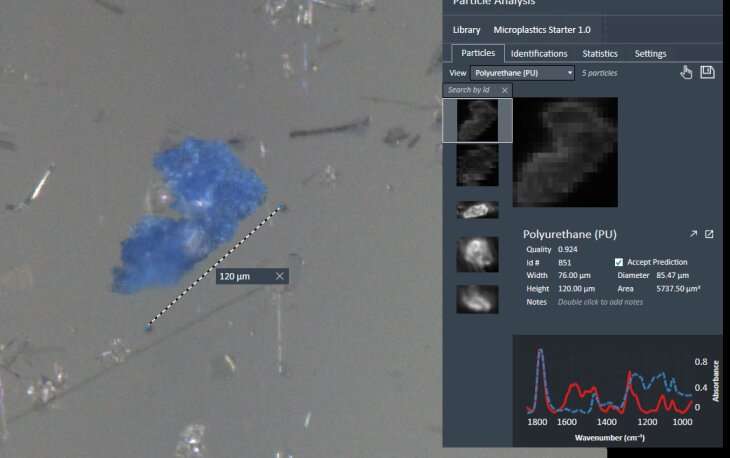
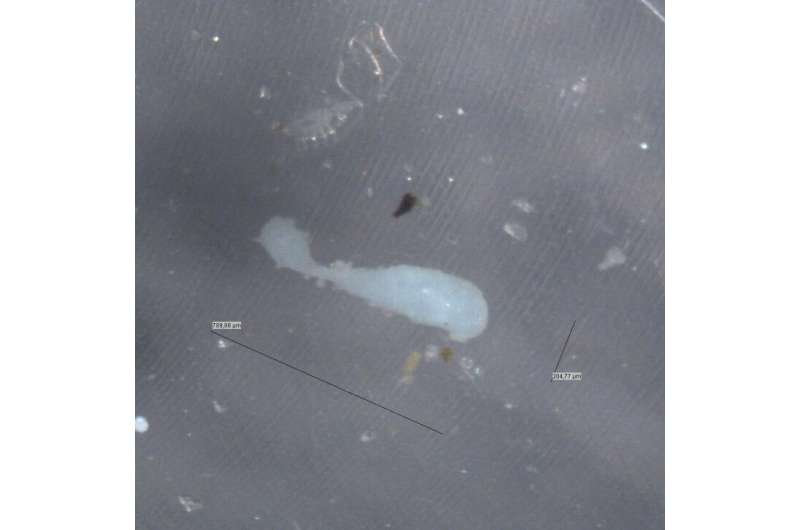
While only PE and PET were investigated in the laboratory study described here, the researchers found numerous other types of plastic, such as polyurethane (left in picture), in the environmental samples examined. Using state-of-the-art instruments and digital methods, these are directly identified and measured (right picture). Credit: Hereon/Inorganic Environmental Chemistry

The smaller the particle, the stronger the accumulation

"In the study, we determined that the accumulation becomes stronger when the particles become smaller and that there are significant differences between the various elements (metals and semi-metals) in terms of the extent of enrichment," says coauthor Dr. Daniel Pröfrock, department head of Inorganic Environmental Chemistry at Hereon. Some metals, or more precisely their ions, such as chromium, iron, tin and the rare earths attached themselves almost entirely to the microplastics. Others, such as cadmium, zinc and cooper, showed almost no accumulation on the plastic over the entire test period. In addition, the polyethylene particles showed significantly greater accumulation than the polyethylene terephthalate particles.

VIDEO Credit: Hereon

Metals are almost completely released again

In the second phase of the test, the Hereon scientists could show that the particles loaded with metals or semi-metals almost completely released the respective  contents again under chemical conditions, such as those that prevail in the digestive tract. "Our test set-up in the laboratory was actually simplified and without model organisms. Nonetheless, the results provide important evidence that microplastic particles, when absorbed by the body, act as a type of trojan horse for metals and that these metals can possibly be introduced into organisms to a greater extent in that way," says Lars Heldebrandt, drawing his initial conclusion.

Further studies are now being conducted to determine how other plastics frequently found in the environment behave and what influence the age of the particles and their weathering state have on the accumulation and release processesResearchers find how tiny plastics slip through the environment

More information: L. Hildebrandt et al, Microplastics as a Trojan horse for trace metals, Journal of Hazardous Materials Letters (2021). DOI: 10.1016/j.hazl.2021.100035

Provided by Helmholtz Association of German Research Centres 


Avian flu virus transmissibility in wild bird species

Researchers show avian flu virus transmissibility in wild bird species
Credit: JoGoodall from Pixabay

Avian illnesses are a perennial topic of interest for researchers. These viruses can spread between birds, and sometimes even humans, and evolve rapidly.

H5N6, a highly pathogenic avian influenza , has been on scientists' radar since 2014. There are several "clades," or genetically distinct strains, of H5N6. Clade 2.3.4.4 is currently circulating in East Asia and has caused outbreaks in Europe, Africa, North America, and other parts of Asia.

Assistant professor of pathobiology in the College of Agriculture, Health and Natural Resources, Dong-Hun Lee recently published a paper in Viruses demonstrating the transmissibility of clade 2.3.4.4 in domestic pigeons and mandarin ducks.

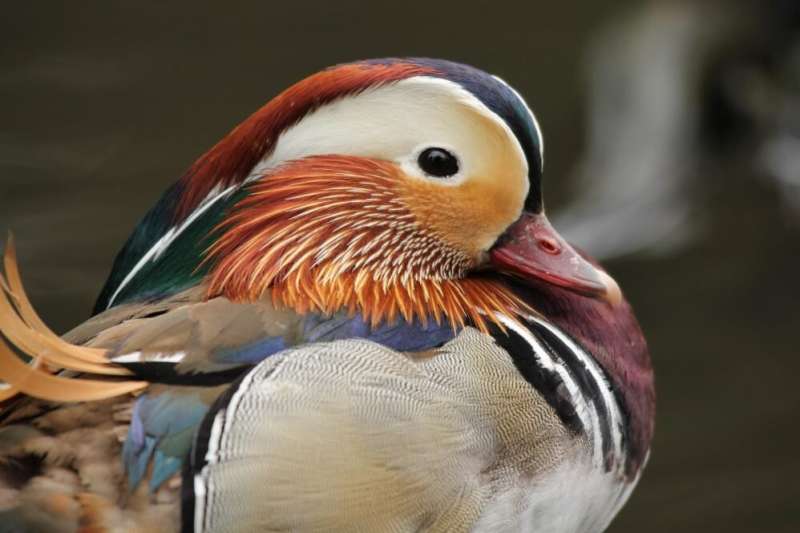
This paper is the first to study this clade in these two . Wild waterfowl like Mandarin ducks are natural hosts for avian influenza . Terrestrial birds like pigeons often interact with waterfowl, making them an important bridge species that could pass a virus onto poultry.

Since the H5 virus lineage was first identified in 1996, it has caused severe economic losses for the global poultry industry and poses a severe public health threat. In 2015, an H5 outbreak caused $3.3 billion in losses to the U.S. poultry industry.

Since 2003, 862 people have been infected with this virus in 17 countries, with a 53% fatality rate. These infections come from direct, unprotected contact with infected birds. There is no evidence this virus can be passed between humans.

"It's a very dangerous virus in birds and in people, too," Lee says.

Lee and his collaborators focused on two of the six novel genotypes in clade 2.3.4.4: C1 and C4. C1 was the first genotype to emerge in  in Korea, while C4 became the most prevalent during epidemics in Korea where the study took place.

The researchers studied the infectivity, pathogenicity, and transmissibility of both genotypes. After testing the birds to ensure none of them already had antibodies or antigens for the virus, Lee's team infected a portion of the Mandarin ducks with C1 and C4 and a portion of the pigeons with C1. The researchers were interested in determining if the C1 and C4 genotypes differed in wild waterfowl, since those birds are a natural reservoir species for the virus.

They tested the transmissibility of viruses by placing uninfected birds in the same cage with infected birds. They also placed infected birds in one cage with natural air flow and into another cage filled with uninfected birds to test for indirect contact.

They did not find significant differences between C1 and C4. Both successfully replicated in the birds and were found to be transmissible through direct and indirect exposure.

They found that there was a higher level of viral shedding from mandarin ducks than pigeons.

"As we expected, we found more replication and higher titers of virus shedding in mandarin ducks than in domestic pigeons without any , because they're a natural reservoir species," Lee says.

This finding suggests that the virus can transfer between different bird species, adapt, and successfully replicate itself in its new host.

"When a virus jumps from one host to another, it needs to adapt to that new host," Lee says.

None of the birds in the study exhibited clinical symptoms of the disease meaning, they were asymptomatic carriers of the virus. Infected birds often die within a week of contracting the illness.

Given these findings and the danger clade 2.3.4.4 poses to the poultry industry and human health, Lee recommends enhancing surveillance of migratory and terrestrial wild birds to closely monitor the evolution and spread of this virus.

"Considering the possibility of potential dispersal and maintenance of highly pathogenic avian influenza viruses through these wild bird species, enhanced active surveillance in both migratory and terrestrial wild birds should be implemented," Lee says.

First human case of H10N3 bird flu: What we know

More information: Sol Jeong et al, Subclinical Infection and Transmission of Clade 2.3.4.4 H5N6 Highly Pathogenic Avian Influenza Virus in Mandarin Duck (Aix galericulata) and Domestic Pigeon (Columbia livia domestica), Viruses (2021). DOI: 10.3390/v13061069

 THEY ARE OUR LORDS AND MASTERS

Cats prefer to get free meals rather than work for them 

THEY ARE ANTI-HEINLEIN TANSTAAFL


Cats prefer to get free meals rather than work for them
Credit: UC Davis

When given the choice between a free meal and performing a task for a meal, cats would prefer the meal that doesn't require much effort. While that might not come as a surprise to some cat lovers, it does to cat behaviorists. Most animals prefer to work for their food—a behavior called contrafreeloading.

A new study from researchers at the University of California, Davis, School of Veterinary Medicine showed most  choose not to contrafreeload. The study found that cats would rather eat from a tray of easily available food rather than work out a simple puzzle to get their food.

"There is an entire body of research that shows that most species including birds, rodents, wolves, primates—even giraffes—prefer to work for their food," said lead author Mikel Delgado, a cat behaviorist and research affiliate at UC Davis School of Veterinary Medicine. "What's surprising is out of all these species cats seem to be the only ones that showed no strong tendency to contrafreeload."

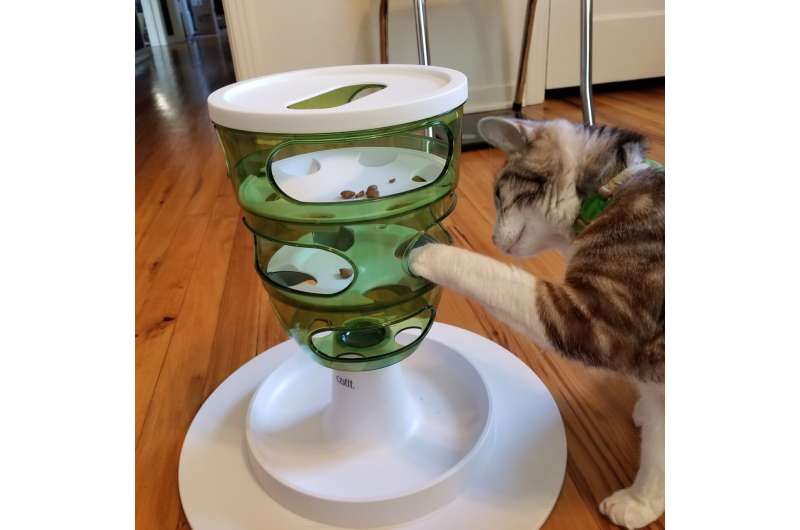
In the study, Delgado, along with co-authors Melissa Bain and Brandon Han of the UC Davis School of Veterinary Medicine, provided 17 cats a food puzzle and a tray of food. The puzzle allowed the cats to easily see the food but required some manipulation to extract it. Some of the cats even had food puzzle experience.

"It wasn't that cats never used the food puzzle, but cats ate more food from the tray, spent more time at the tray and made more first choices to approach and eat from the tray rather than the ," said Delgado.

Cats aren't just lazy

Cats that were part of the study wore activity monitors. The study found that even cats that were more active still chose the freely available food. Delgado said the study should not be taken as a dismissal of food puzzles. She said just because they don't prefer it, doesn't mean they don't like it. Delgado's previous research shows puzzles can be an important enrichment activity for cats.

Why  prefer to freeload is also unclear. Delgado said the  puzzles used in the study may not have stimulated their natural hunting behavior, which usually involves ambushing their prey.

The study was published in the journal Animal Cognition.

Study finds nearly a third of cat owners use food puzzles
More information: Mikel M. Delgado et al, Domestic cats (Felis catus) prefer freely available food over food that requires effort, Animal Cognition (2021). DOI: 10.1007/s10071-021-01530-3
Journal information: Animal Cognition 
Provided by UC Davis 

SUBSIDISING BIG OIL CCS FANTASY

Canada opens call for studies on carbon capture technologies

August 9, 2021

CNW

OTTAWA, ON – Developing clean technologies will drive our economy, lower emissions and create jobs. Through advancing clean technologies like carbon capture, utilization and storage (CCUS), the government is committed to building a clean energy future and achieving net-zero emissions by 2050.

The Honourable Seamus O’Regan Jr., Minister of Natural Resources, announced a new call for expression of interest to support CCUS across the country. Funded under the Energy Innovation Program (EIP), this call will support Front-End Engineering and Design (FEED) studies that have the potential to reduce the impact of carbon emissions.

Canada is a global leader in the CCUS space. Building on this expertise through FEED studies will increase the knowledge base of applying CCUS to different industrial facilities, which supports the future of the technology in Canada and internationally.

As part of Budget 2021, the federal government is investing $319 million into research, development and demonstrations to advance the commercial viability of CCUS technologies. These funds support businesses, academia, non-profits, government and federal laboratories on the path to net-zero emissions by 2050.

The EIP advances clean energy technologies that help Canada meet its climate change targets while supporting the transition to a low-carbon economy. It funds research, development and demonstration projects and other related scientific activities.

Canada’s strengthened climate plan calls for the development of a comprehensive CCUS strategy and for the government to explore opportunities to increase Canada’s global competitiveness in this growing industry. Natural Resources Canada is gathering insights and perspectives from key partners and stakeholders as it develops this strategy, recognizing that opportunities and challenges for CCUS may differ across regions and sectors of Canada.

The government supports innovative clean energy technology projects that lead to competitive and sustainable natural resource sectors.

 ONCE UPON A TIME AND OTHER FAIRYTALES

Quotes

“Carbon capture, utilization and storage will lower emissions, create jobs and increase our competitiveness. This is how we get to net zero by 2050.”

The Honourable Seamus O’Regan Jr.

Minister of Natural Resources


Worst polluting countries must make drastic carbon cuts, says Cop26 chief


Alok Sharma says chance to limit worst impacts of climate breakdown ‘still achievable, but retreating fast’


01:07 Cop26 president: IPCC report is 'wake-up call for the world' – video


Fiona Harvey 
THE GUARDIAN
Environment correspondent
Mon 9 Aug 2021 


The world’s biggest emitters of greenhouse gases must produce clear plans to cut their carbon output drastically, the president of vital UN climate talks has urged, after scientists warned there was only a small chance of escaping the worst ravages of climate breakdown.

The Intergovernmental Panel on Climate Change set out the starkest warning yet on the widespread and “unprecedented” changes to the climate that are “unequivocally” the result of human actions. Extreme weather resulting from these changes was already seen around the world and growing worse, in the form of rising temperatures, more frequent and fiercer storms, heatwaves, droughts, floods and sea level rises, according to the biggest assessment of climate science in eight years.

Global temperatures were likely to top 1.5C above pre-industrial levels in the next two decades, the threshold set as the ambition of the 2015 Paris climate agreement, the world’s climate science authority said. Only sharp and immediate cuts in greenhouse gases this decade could stabilise the climate system.

Alok Sharma, the UK minister who will preside over the Cop26 UN climate summit in Glasgow this November, said countries must act. “If ever there was going to be a wake-up call to the world when it comes to climate change, this report is it. But the future is not yet written. The very worst of climate change is still avoidable.”

The Paris climate agreement ambition of limiting warming to 1.5C, and staving off the worst impacts of climate breakdown, was “still achievable, but retreating and retreating fast”, he said.

“What we really need now is for all major emitters to play their part, and the G20 are going to be absolutely key to our 1.5C future,” he added. G20 governments, comprising the world’s biggest economies and including developed and developing countries, are responsible for about 80% of global greenhouse gas emissions, and about 85% of GDP.

Sharma did not single out particular governments, but those yet to put forward plans for emissions cuts before Cop26 include China, India and Brazil.

The spotlight now falls firmly on China, the world’s biggest emitter and second largest economy, and the biggest producer and consumer of coal, the dirtiest fossil fuel.

“This must be the Cop that consigns coal to history,” said Sharma.

Helen Mountford, the vice-president of climate and economics at the World Resources Institute, said this decade was “truly our last chance” of keeping to a relatively safe climate, and the actions of leading emitters would be crucial. “It’s imperative for China to announce more stringent emission reductions than it has hinted at thus far,” she said.

China has set out a target of reaching net zero emissions by 2060, and has said its emissions will peak by 2030. But the government still plans new coal-fired power plants, and its reliance on coal returned after a slowdown caused by the Covid-19 pandemic, despite the falling price of wind and solar power making them cheaper than coal. The International Energy Agency has warned that global emissions will rise next year by a record amount, largely driven by a resurgence in coal in China.

Bernice Lee, the research director for futures at the Chatham House thinktank, said: “Coal in China is indeed a deal-breaker when it comes to 1.5C, as John Kerry said a couple of weeks ago. Luckily, the economics of coal versus renewables should make this an easier lift for China.”

For China to come forward with new commitments on emissions, the actions of the US would be key, argued Paul Bledsoe, a former Clinton White House climate adviser, now with the Progressive Policy Institute in Washington DC. The US president, Joe Biden, has vowed to halve US emissions by 2030, provide billions in climate finance to poor countries and initiate a sweeping programme of incentives and regulations to stimulate a low-carbon economy.

“The US Congress must pass President Biden’s ambitious climate plan ahead of Cop26, to both lock in strong American action and put added pressure on China and other major emitters to finally cut their emissions,” he said. “Without both the US and China making deep emissions cuts, the Paris targets cannot be achieved.”


03:55Climate crisis: what one month of extreme weather looks like – video

While China will now be a clear focus, other big emitters in the G20 such as India, Indonesia, Mexico and South Africa will also be key targets of the UK’s climate diplomacy in the two and a half months remaining before Cop26.

The voices of poor countries must also be heard, insisted Ellen Johnson Sirleaf, a former president of Liberia and member of the Elders group of senior former leaders. “We see the climate crisis already unfolding before our eyes and for people in the global south this is an emergency we are already living through. As the scientific evidence mounts, so too does the need to address the concerns vulnerable countries are raising,” she said. “The science is robust; the response to this environmental and human rights emergency needs to be just as solid.”

Diann Black-Layne, Antigua and Barbuda’s ambassador for climate change and the lead climate negotiator for the Alliance of Small Island States, said it was “essential that global powers and major emitters heed the scientific evidence and take action” on greenhouse gases, as well as providing financial help to poor countries.

She said: “The IPCC confirms the experience of small island states: that cyclones are getting more intense, and that sea levels are rising, but it also confirms that we can still curb the worst of it. The stark fact is that if we keep warming to 1.5C we are still facing half a metre of sea level rise. But if we stop warming from reaching 2C, we can avoid a long-term three metres of sea level rise. That is our very future, right there.”


How snakes got their fangs

How snakes got their fangs
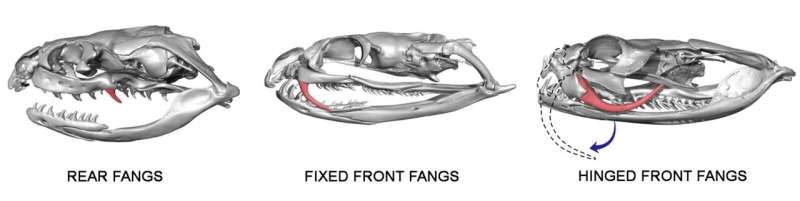
Types of venom fangs in snakes: Rear fangs (crab-eating water snake), fixed front fangs 
(taipan), and hinged front fangs (Gaboon viper); fangs highlighted in red. 
Credit: A. Palci, Creative Commons

Ever wondered how deadly snakes evolved their fangs? The answer lies in particular microscopic features of their teeth, research led by Flinders University and the South Australian Museum suggests.

"It's always been a mystery why fangs have evolved so many times in snakes, but rarely in other reptiles. Our study answers this, showing how easy it is for normal snake teeth to turn into ," says lead author Dr. Alessandro Palci, from Flinders University.

Of almost 4,000 species of snakes alive today, about 600 of them are considered "medically significant" to humans, meaning that if you get bitten you are very likely to require a visit to the nearest hospital for treatment.

How snakes got their fangs
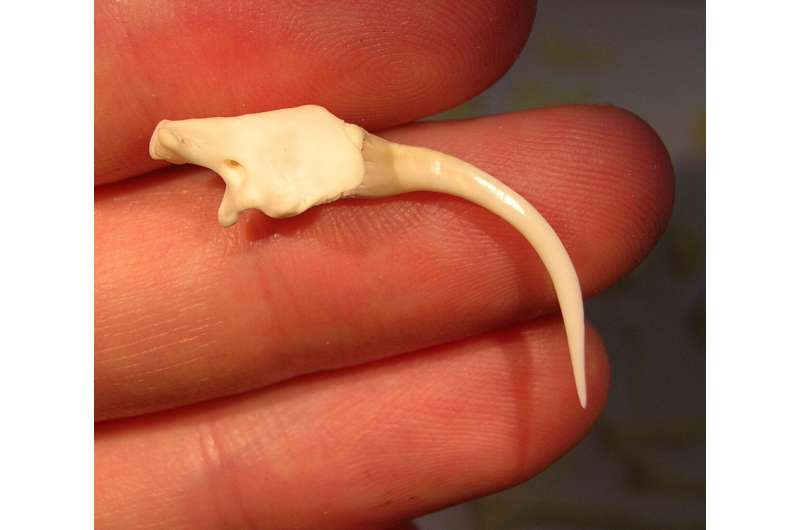
The fang of a Gaboon viper (attached to the bone, the maxilla). Credit: A.Palci, Flinders University

Venom fangs are modified teeth that are grooved and larger than other nearby teeth. They can be located at the back or at the front of the mouth, where they can be fixed or hinged (i.e. they can fold backwards).

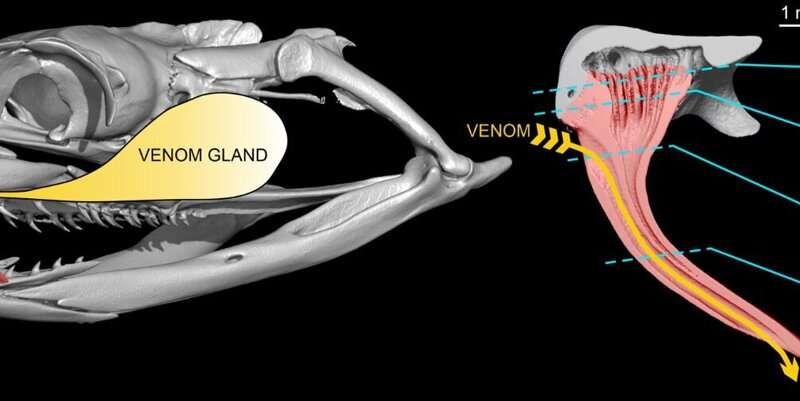
Australian and overseas researchers used high-tech modeling, fossils, and hours of microscope observations to reveal that snakes possess tiny infoldings, or wrinkles, at the base of the teeth. These infoldings might help teeth attach more firmly to the jaw. In , one of these wrinkles becomes deeper and extends all the way to the tooth tip, thus producing a venom groove and a fang.

  • How snakes got their fangs
    Skull of a taipan and sections through its left fang showing the relationship between venom groove and infoldings at the base of the tooth. Credit: A. Palci (Creative Commons).
  • How snakes got their fangs
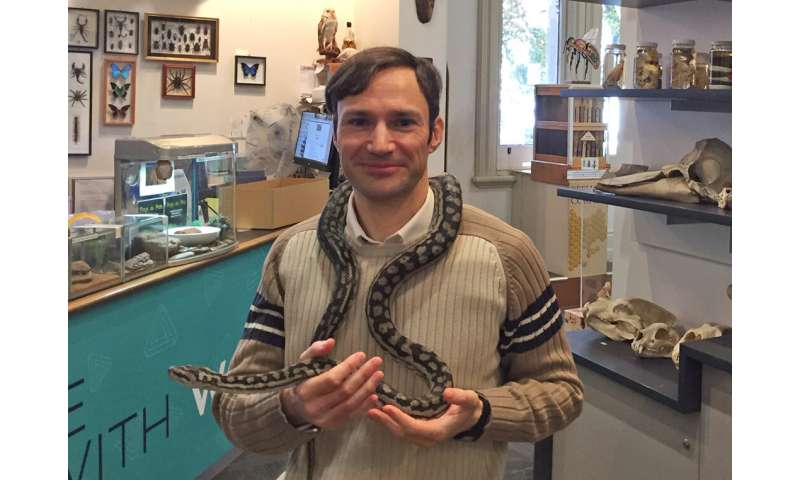
    Flinders University researcher Dr Alessandro Palci with a nonentre. Credit: Flinders University
  • How snakes got their fangs
    Skull of a taipan and sections through its left fang showing the relationship between venom groove and infoldings at the base of the tooth. Credit: A. Palci (Creative Commons).
  • How snakes got their fangs
    Flinders University researcher Dr Alessandro Palci with a non-venomous snake at the SA Museum Discovery Centre. Credit: Flinders University


"Our work also highlights the opportunism and efficiency of evolution. Wrinkles which helped attach  to the jaw were repurposed to help inject venom," says co-author Professor Michael Lee (Flinders University and South Australian Museum).

The paper, "Plicidentine and the repeated origins of  venom ," has been published in Proceedings of the Royal Society B.How snake fangs evolved to perfectly fit their food

More information: Plicidentine and the repeated origins of snake venom fangs, Proceedings of the Royal Society B, rspb.royalsocietypublishing.or … .1098/rspb.2021.1391
Journal information: Proceedings of the Royal Society B 
Provided by Flinders University 

WAIT, WHAT?!

Shark diversity unaffected when the dinosaurs were wiped out

Shark diversity unaffected when the dinosaurs were wiped out
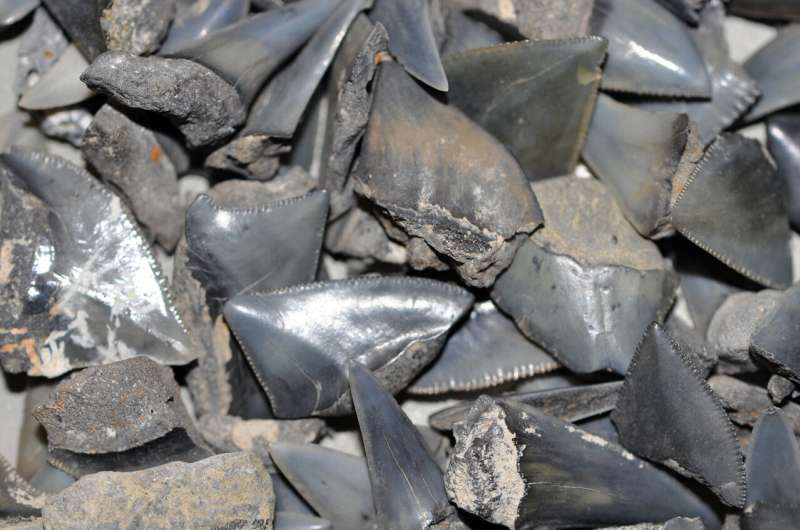
Late Cretaceous (Campanian) shark teeth from the Kristianstad Basin, southern Sweden.
 Credit: Benjamin Kear, Bazzi M et. al, PLOS Biology, 2021

A global catastrophe 66 million years ago led to the extinction of all non-avian dinosaurs, and large marine reptiles like mosasaurs and plesiosaurs. But what happened to the sharks? According to a study of sharks' teeth publishing August 10th in the open-access journal PLOS Biology by Mohamad Bazzi of Uppsala University and colleagues, shark-tooth diversity remained relatively constant across the mass extinction event at the end of the Cretaceous

The researchers analyzed the morphology of 1239 fossil shark , including species in eight existing orders and one now-extinct order. The teeth span a 27-million-year period from the late Cretaceous 83.6 million years ago to the early Paleogene 56 million years ago, across the so-called K-Pg boundary that brought the age of the dinosaurs to an end.

The scientists found that shark dental diversity was already declining prior to the K-Pg boundary, but remained relatively constant during the mass-extinction event itself. Some groups of apex predators, particularly those with triangular blade-like teeth, did suffer selective extinctions during the period studied, which may have been linked to the extinction of their prey species.

However, other shark lineages increased in dental diversity after the K-Pg boundary. For example, sharks in the Odontaspididae family, which have narrow, cusped teeth adapted for feeding on fish, showed increases in  that coincided with the rapid diversification of finned fish in the early Paleogene. The authors suggest this pattern of selective extinctions may reflect an ecological shift from specialist tetrapod predators to more general bony fish diets.

This study is the first global investigation of dental morphology in multiple shark groups across the end Cretaceous mass  event, and indicates that the K-Pg boundary was not as dramatic for , as it was most other vertebrate lineages.The end-Cretaceous extinction unleashed modern shark diversity

More information: Bazzi M, Campione NE, Ahlberg PE, Blom H, Kear BP (2021) Tooth morphology elucidates shark evolution across the end-Cretaceous mass extinction. PLoS Biol 19(8): e3001108. doi.org/10.1371/journal.pbio.3001108
Journal information: PLoS Biology 
Provided by Public Library of Science 


Antifreeze fish inspire new cryoprotectants for human cells and tissues

Antifreeze fish inspire new cryoprotectants for human cells and tissues
Credit: Horizon: The EU Research & Innovation Magazine

The idea of cryogenically freezing a person to preserve their body until many years into the future has long been a staple of science fiction stories. However, the need to reliably store biological materials such as cells or tissue is a common concern for scientific research and, increasingly, for society too.

Whether it's the dark, suffocating deep sea or the scalding, bubbling thermal pools, life finds a way to call it home. So, it isn't a surprise that fish living in the freezing cold waters of the Arctic and Antarctic could provide the inspiration for a new generation of cryoprotectant molecules.

The fish, and other cold-temperature extremophiles, produce proteins that can recognize and bind to ice as it is forming, acting like an anti-freeze. Ice crystals can do a lot of damage to the body, from causing proteins to clump together to weakening the structures that hold  together.

This led Professor Matthew Gibson at Warwick University in the United Kingdom to attempt to recreate the abilities of ice-binding proteins using . These have the advantage of being easier to adjust or "tune" to suit their purpose and to manufacture at scale.

"We can make it a bit more tuneable as you've got literally thousands of different monomers you could use to make a polymer," he said. "Our aim was, if we can mimic some of those properties, to apply these to improve or change how we freeze cells."

Through the CRYOSTEM project, Prof. Gibson tested these polymers by adding them to samples of bone marrow stem cells, which are often frozen when being transported for a transplant. The current system involves adding solvents to protect the cells when freezing. However, it isn't ideal. A significant proportion of the cells do not survive and the solvent itself can affect them.

Prof. Gibson has been able to show that his polymers can decrease the amount of solvent needed for cryopreservation, reducing the damage done to the cells. This approach could also help biomedical research, allowing scientists to more reliably store and thaw a wider range of cells in the laboratory.

He is now expanding this work through the ICE PACK project to apply cryoprotectant polymers to the growing field of biologic treatments. Traditional pharmaceuticals are typically small molecules that can be put into a tablet form and will be stable in the medicine cabinet for months. Now, more and more of the modern best-selling drugs are proteins, such as antibodies to treat arthritis or cancer, which need to be stored much more carefully.

More delicate still are cell-based therapies like CAR T cells, which are modified immune cells used to treat cancer. At the moment, cell-based therapies are rare and very expensive, but in the future, they may become more common.

"They have quite a complex process, where they're collected from the donor and then they need modifying, freezing and shipping," said Prof. Gibson. "Anything you can do to make sure they're protected as best as they can, or make the cold chain easier, is going to have a really big (effect on) patient outcome."

The ultimate dream

Zoom out from individual proteins or cells and the picture becomes even more complicated.

"Ice can form inside and outside the cell. Depending on where the ice forms, it is disruptive to cellular structures or extra-cellular structures—for example, the extra-cellular matrix in which the cells are embedded," said Professor Ilja Voets at Eindhoven University of Technology in the Netherlands.

The challenge of freezing samples of tissue is another area where analogs of ice-binding proteins could help. As part of the PROTECT project, Prof. Voets is particularly interested in the freezing and thawing of heart cells and tissue. Currently, only about half of the cells are useable after freezing when studying cultures in the laboratory. This becomes even more difficult when studying tissue samples.

"Typically, the preservation conditions are optimal for one cell type (within the heart tissue), but not for the other types, or not for the tissue as a whole," she said. It is a big challenge but the ice-binding protein analogs don't have to preserve the tissue perfectly to be useful. "There's a very strong regenerative ability of tissues. So in some cases, if the damage is modest, then the tissue can repair itself and it can still be used."

Voets is using very high-resolution microscopy to understand how different types of ice-binding protein analogs are able to prevent ice formation. This will help to create improved versions that can reduce freeze injury to tissue.

The potential to reliably bank your own tissue samples, to be thawed if needed in the future, is "one of the ultimate dreams," Voets said.

"Say someone has an infarct (a region of dead cells), you will be able to transplant heart tissue from that very specific patient because you have banked it. That'll be fantastic, and it could lower the risk of rejection as well. There's a lot of things that we could gain from being able to bank more types of cells and tissues."

Advances in cryopreservation are already making an impact on society. Some companies, mostly in the US, offer egg-freezing services as a perk to employees who want to delay having a child. This essentially defers the decision-making of how to align the competing needs of professional advancement and childcare, says Professor Thomas Lemke, from Goethe University in Germany. "This is what is often called a technological fix for a societal problem," he said.

This technological fix places further burden on the individual to adapt so that society doesn't need to change. Prof. Lemke said there is a real danger that it could become a societal expectation. Cryopreservation could become the ultimate insurance policy. Private companies already offer banking for umbilical cord blood, which is rich in stem . Perhaps in the future, we will also be able to bank heart tissue.

Prof. Lemke is studying the societal impacts of this "suspended life," as he calls it, across Europe through the CRYOSOCIETIES project. He is examining how cryopreservation practices have developed and how they influence our decision-making.

Whereas societies have often associated coldness with death, cryopreservation creates new opportunities from medical care to biodiversity.

"It's no longer the state of non-transformation, of remaining inert. But rather, it mobilizes things and it opens up options," said Prof. Lemke. "Our cultural imagery of frozenness is about to change.Freezing cells made safer thanks to new polymer

Provided by Horizon: The EU Research & Innovation Magazine