Thursday, July 06, 2023

Diving into history: Newspapers offer historical perspectives on Brazil's marine biodiversity


Peer-Reviewed Publication

UNIVERSITAT AUTONOMA DE BARCELONA

Old image from a newspaper publication 

IMAGE: OLD IMAGE OF A NEWSPAPER PUBLICATION view more 

CREDIT: CRÈDITS: EDUARDO CASSOL - LIVRO NOSSA PESCA


Humans have depended on marine ecosystems as a source of food and livelihood for thousands of years along the Brazilian coast. Over the past few decades, increased fishing demands, cycles of profit-driven subsidy programs, and weak governance models have intensified commercial exploitation, leading to unprecedented catch levels and the decline of a number of stocks. Regrettably, the scale of these impacts remains unclear due to a pervasive lack of historical baselines. 

A study carried out in Brazil, and published in PlosOne, shows how scientists are making strides in our understanding of marine biodiversity over the past few hundred years. The study, led by scientists of the Institute of Environmental Science and Technology at the Universitat Autònoma de Barcelona (ICTA-UAB) in Spain, examined over 20,000 newspaper articles published between 1840 and 2019 in the state of Santa Catarina (Brazil). They found that more than 250 species, including fish, sharks, shellfish, and mammals, were commercially exploited in the past 180 years.

The study also shows that species at the highest level of the food chain, including groupers and sharks, were commonly reported in newspapers between the late 19th and mid-20th century. Intriguingly, these species became less frequent in more recent newspapers, while low trophic level organisms, such as mollusks and crustaceans, increased.  

Dannieli Herbst, leading author from ICTA-UAB and the UAB Department of Prehistory, highlights that “marine species were usually reported in the context of subsistence and commercial fisheries. This implies that their popularity in newspapers reflects their abundance and importance to commercial fisheries and consumers. Consequently, the results reveal that high trophic level and large-bodied species were more abundant in the past but became rare in recent decades. Our results agree with previous studies showing a similar trend in recent decades due to overfishing.”  

André Colonese, senior author of the study from ICTA-UAB and the UAB Department of Prehistory, emphasizes the importance of this study because “it predates official national landing reports and the results hint at changes in the ecological, socio-cultural, economic, and market importance of aquatic animals over time. Our work expands the current knowledge on historical fish catch compositions in the southwestern Atlantic Ocean, while advocating for the integration of historical data in ocean sustainability initiatives."    

“It is astonishing how much information on species diversity and consumer perception of changes can be extracted from public media such as newspapers”, said Luiz Geraldo S. Da Silva, historian from the Universidade Federal do Paraná (Brazil) and co-author of the study.  

The study was funded by the ERC project TRADITION (Consolidator Grant 817911) and was led by researchers at the UAB (Spain), in collaboration with the Universidade Federal de Santa Catarina (Brazil) and Universidade Federal do Paraná (Brazil).


Old image from a newspaper publication

CREDIT

reference of the piece of news https://memoria.bn.br/DocReader/DocReader.aspx?bib=892211&Pesq=pesca&pagfis=26

USAGE RESTRICTIONS

Solving the industry's sticky recycling issues 


Peer-Reviewed Publication

UNIVERSITY OF SURREY

Adhesive being dissolved 

IMAGE: ADHESIVE BEING DISSOLVED FROM LABELS view more 

CREDIT: UNIVERSITY OF SURREY


Adhesive residue left on recyclable materials, such as glass and cardboard, can now be dissolved thanks to the introduction of degradable polymers created by University of Surrey scientists.  

Sticky residue causes problems in the recycling industry, ranging from low-quality products, blocked water systems and even damaged recycling machinery.  

The newly invented adhesive, very similar to that used on commercial packaging tape, has a chemical additive known as thionolactone which makes up 0.25% of the composition. This additive allows the adhesive to be dissolved in the recycling process,  something which was previously not possible. Labels can also be detached up to 10 times faster when compared to a non-degradable adhesive. 


Professor Joseph Keddie, Leader of the Soft Matter Physics laboratory at the University of Surrey and fellow of the Surrey Institute for Sustainability, said: 

"Adhesives are made from a  network of chain-like polymer molecules, irreversibly linked them together, which leads to the residue build-up we see left behind when  recycling materials such as glass and cardboard. 

"The problem of network residues is frustrating on an industrial scale and consequences of insoluble adhesives on the quality of recycled products are of even greater concern. Our solution offers the promise of less challenging and more cost-effective recycling. 

"Our additive creates what we call degradable thioester connections in the polymer network and provides an innovative solution to making recycling processes  residue free." 

Dr Peter Roth, Senior Lecturer of Polymer Chemistry at the University of Surrey, and fellow of the Surrey Insitute for Sustainability added: 

"While other degradable adhesives exist, there are none which resemble what is currently used industry-wide in their chemical make-up. We are proving it is possible to use similar adhesives and show that a simple additive has the potential to increase the quality of recycled materials such as glass and cardboard. 

"The next steps would be to look at the commercial viability of this additive, as well as look at the sustainability impact."  

So far, the adhesive has been tested on glass, steel, plastic and paper, including cardboard. 

Rohani Abu Bakar is the lead PhD student working on this project funded by the Malaysian Rubber Board. She commented on the impact this will have when she returns to Malaysia: 

"The interdisciplinary approach across chemistry and physics has been incredibly useful in building the knowledge and skills to solve a very real sustainability problem. There is no doubt that many countries across the world need to review how they recycle major materials, and this brings us one step closer to reaching our sustainability goals on an industrial scale." 

The paper has been published in the German Chemical Society journal Angewandte Chemie

The University of Surrey is a world-leading centre for excellence in sustainability – where our multi-disciplinary research connects society and technology to equip humanity with the tools to tackle climate change, clean our air, reduce the impacts of pollution on health and help us live better, more sustainable lives.  


The University is committed to improving its own resource efficiency on its estate and being a sector leader, aiming to be carbon neutral by 2030. A focus on research that makes a difference to the world has contributed to Surrey being ranked 55th in the world in the Times Higher Education (THE) University Impact Rankings 2022, which assesses more than 1,400 universities' performance against the United Nations' Sustainable Development Goals (SDGs). 


### 

Notes to Editors 

  • Abu Bakar, Rohani, Kyle S. Hepburn, Joseph L. Keddie, and Peter J. Roth. "Degradable, Ultraviolet‐crosslinked Pressure‐sensitive Adhesives Made from Thioester‐functional Acrylate Copolymers." Angewandte Chemie International Edition, 2023. https://doi.org/10.1002/anie.202307009.  


  • JOURNAL

New IIASA online tool to visualize global migration patterns

Reports and Proceedings

INTERNATIONAL INSTITUTE FOR APPLIED SYSTEMS ANALYSIS

IIASA researchers have developed a new tool – the Global Migration Data Explorer – to help address the lack of data on global migration flows and provide a visual method for exploring migration patterns worldwide.

The Global Migration Data Explorer builds upon the success of its predecessor by incorporating estimates of more recent periods, based on advanced estimation methods, and expanding the scope to include different migration measures and breakdowns of migration patterns by sex.

Developed by Guy Abel, a researcher in the Migration and Sustainable Development Research Group of the IIASA Population and Just Societies Program and at Shanghai University, and Xavier Bolló, a data visualization specialist, the website offers users a unique opportunity to delve into the complex dynamics of global migration. It presents six different estimation methods that researchers can use to gain insights into migration flows. These estimation methods are essential due to the scarcity of reliable international migration flow data, hindering the measurement of patterns and trends in global migration flows.

"International migration is becoming an increasingly important component of population growth and a driver for socioeconomic change," explains Abel. "Good data on international migration are crucial for monitoring migration related components of international development agendas and agreements such as the Sustainable Development Goals and the Global Compact for Safe, Orderly, and Regular Migration. This website fills a critical gap by providing estimates of migration flows that are invaluable to researchers studying migration systems, demographics, climate change, and epidemiology."

The open-access website allows anyone to explore global migration patterns, providing an intuitive and interactive platform. The underlying code developed by Bolló for displaying the data is available on GitHub, further promoting transparency and further collaboration. Users can access the data behind the visualizations, which are openly available and accessible from the website.

The tool incorporates UN estimates of foreign-born populations, considered the most reliable source of data on global migration. While the UN data provides a snapshot of the migrant population at a specific point in time, the flow estimates offer a period measure of migration, making them more valuable for researchers investigating the causes and consequences of migration.

The team have tentative plans to expand the visualization tool to include internal migration in different countries, such as China. Furthermore, they aim to introduce additional visualizations, including a map-based method, to enhance the user experience and facilitate a deeper understanding of migration patterns.

"We hope that this visualization tool will be used by the public to gain a better understanding of migration patterns and the relative sizes of migration to and from any particular country," notes IIASA Population and Just Societies Program Director, Anne Goujon. "It is particularly rewarding to hear that schoolteachers have expressed their interest in using the website to educate their students, highlighting the need for up-to-date data and the applicability of the tool beyond academia."

Two prominent publications support the website's visualization and estimation methods. A 2019 paper published in Nature, compares the six main estimation methods proposed for estimating global migration. It also introduces a set of validation tests that assess the accuracy of these estimates by comparing them to reported migration flow data, predominantly from affluent Western countries. In addition, a more recent publication focused on generating global migration flow estimates by sex and extends the validation exercises to sex-specific data.

Further information
https://global-migration.iiasa.ac.at/


About IIASA:

The International Institute for Applied Systems Analysis (IIASA) is an international scientific institute that conducts research into the critical issues of global environmental, economic, technological, and social change that we face in the twenty-first century. Our findings provide valuable options to policymakers to shape the future of our changing world. IIASA is independent and funded by prestigious research funding agencies in Africa, the Americas, Asia, and Europe. www.iiasa.ac.at

https://selforganizedseminar.files.wordpress.com/2011/07/hardt_negri_multitude.pdf

Multitude: war and democracy in the Age of Empire /. Michael Hardt and Antonio Negri. p. cm. Sequel to: Empire. Includes index. ISBN 1-59420-024-6. 1 ...


https://monoskop.org/images/9/95/Hardt_Michael_Negri_Antonio_Empire.pdf

4.3 The Multitude against Empire. 393. Notes. 415. Index. 473. Page 11. PREFACE. Empire is materializing before our very eyes. Over the past several decades, as .

https://greattransition.org/images/Hardt-Empire-Multitude.pdf

Political theorist Michael Hardt, co-author with Antonio Negri of a series of influential volumes, including Empire and the recent Assembly, talks with Tellus ...

https://www.radicalphilosophyarchive.com/issue-files/rp120_dialogue_empiremultitude_negri_zolo.pdf

Danilo Zolo For a long time I resisted the calls, from many quarters, to publicly debate. Empire, the book you co-authored with Michael Hardt, ...

Fast, automated, affordable test for cement durability developed at U of I


Peer-Reviewed Publication

UNIVERSITY OF ILLINOIS AT URBANA-CHAMPAIGN, NEWS BUREAU

Professor Nishant Garg, standing, and graduate student Hossein Kabir 

IMAGE: PROFESSOR NISHANT GARG, STANDING, AND GRADUATE STUDENT HOSSEIN KABIR USED COMPUTER VISION TO DEVELOP A FAST AND CONVENIENT METHOD FOR TESTING CEMENT DURABILITY THAT CAN BE USED IN THE FIELD OR LABORATORY. view more 

CREDIT: PHOTO BY MICHELLE HASSEL


CHAMPAIGN, Ill. — Engineers at the University of Illinois Urbana-Champaign have developed a new test that can predict the durability of cement in seconds to minutes – rather than the hours it takes using current methods. The test measures the behavior of water droplets on cement surfaces using computer vision on a device that costs less than $200. The researchers said the new study could help the cement industry move toward rapid and automated quality control of their materials.

The results of the study, led by Illinois civil and environmental engineering professor Nishant Garg, are reported in the journal npj Materials Degradation.

“Concrete is one of the most consumed materials on our planet, second only to water,” Garg said. “Over time, the concrete used to build our infrastructure degrades over time via exposure to deicing salts; freeze and thaw cycles; and ingress of water – all of which can lead to corrosion of the rebar that is used to strengthen the structures. Ultimately, this leads to failure, sometimes catastrophically, as seen in the 2021 condominium collapse in Surfside, Florida, where 98 lives were lost.”

One of the key tests used to predict the durability of cementitious systems is based on the ability of cement paste – a mixture of cement-based binder and water – to absorb water, Garg said. Water absorption is linked to cement’s durability; the more porous the cement paste is, the more water it will absorb, ultimately leading to corrosion of the embedded rebar in reinforced concrete.

A standard test, known as ASTM C1585, is performed in a lab by exposing a concrete sample that contains cement paste to water while a technician continuously measures the “sorptivity” – or how much water the sample absorbs and transmits – by observing its weight change for several hours, if not days.

In the study, the new device predicts initial sorptivity using computer vision to see how quickly a single water droplet is absorbed into the surface within the first few seconds or minutes. Garg said the test is far less tedious than the current ASTM method and can be performed on the fly in the field or in the lab.

Click here to see a video demonstrating water droplet absorption

“We performed the new test on more than 60 unique samples, and there’s a fairly good correlation between our results and the results from the conventional ASTM test method,” Garg said. “So we are now proposing our new testing method as an alternative to test the durability of cementitious systems in a few seconds.”

In addition to the importance of droplet absorption, the research team also learned that the initial angle at which water droplets come into contact with the cement surface matters, too.

“The dynamics of absorption change quickly while the water droplets change shape on the surface,” Garg said. “Intricacies like these are all factored into our new test.”

Click here to see a video demonstrating water droplets being absorbed from different initial contact angles

The team is currently working on ways to scale up the test for mortars and more varieties of concrete, which are texturally and chemically more complex.

“The key takeaway from the study is that testing the durability of building materials is very slow, tedious and labor-intensive,” Garg said. “With the availability of technologies like computer vision and analysis, we can develop tests that are faster, automated and convenient.”

The department of civil and environmental engineering at Illinois supported this research.


Editor’s notes:

To contact Nishant Garg, call 217-300-9448; email nishantg@illinois.edu.

The paper “Rapid prediction of cementitious initial sorptivity via surface wettability” is available online. DOI: 10.1038/s41529-023-00371-4

Global science leaders herald new era of ground-breaking climate and sustainability science at Paris Summit & Symposium


Under the high-patronage of Mr. Emmanuel Macron president of the French republic


Meeting Announcement

HUMAN FRONTIER SCIENCE PROGRAM

Sylvie Retailleau, French Minister of Higher Education and Research at the Summit opening 

IMAGE: SYLVIE RETAILLEAU, FRENCH MINISTER OF HIGHER EDUCATION AND RESEARCH AT THE SUMMIT OPENING. view more 

CREDIT: HFSPO AND CHRISTOPHE PEUS


“Fundamental Life Science Meets Climate, Environment, and Sustainability” was organized by the International Human Frontier Science Program Organization (HFSPO) together with its partners, and drew more than 2,000 participants from over 40 countries for in-person and online events offered at the Académie des Sciences in Paris from 27-29 June 2023. The events sparked a wholly new approach by bringing together global expertise in basic science from biology, climate change, marine science, ecology, agriculture, psychology, and the social sciences to meet with government officials.

Through the High-Level Summit & Symposium, participants validated important priorities that will greatly assist governments, communities, and science agencies committed to forging a robust sustainability transition:

  1. International collaboration is critical. Ministers and scientists need more opportunities like this to communicate. This Summit & Symposium allowed decision-makers, funders, and scientists to communicate openly and directly regarding the needs of societies and the insight that discovery science can offer. Likewise, next steps must be based on broad inclusion that welcomes professionals from a diverse array of countries, perspectives, and backgrounds in order to have the full complement of expertise available.
  2. Basic frontier life science must be a full partner. To fully understand the global challenges humanity faces, we need the ‘life cycle’ approach that biological sciences can bring to partnerships with climate science, environmental research, physics, and data science. The global challenges are ultimately a threat to life on Earth – the life sciences must be involved in these investigations to inform policymaking.
  3. Systems science is next-generation science. Important policies and societal safeguards can benefit from the knowledge of systems behavior – biological systems, Earth systems, and the common universal truths underlying key systems. Further, the life sciences and physical sciences must partner with the social and behavioral sciences to reflect more accurately how living organisms play key roles in impacting our Earth systems.
  4. Transdisciplinary, frontier science can help people adapt to global challenges. Engineering opportunities for food security, renewable energy, and human resilience can emerge from basic life science research coupled with climate science, marine research, data science and other transdisciplinary approaches. There is a time and a place for discipline-focused basic science, but there is also a need for frontier life science to be involved in solving our rapidly expanding global challenges. In that setting, telescoping translation can benefit humanity and all life on Earth. Truly, the 21st century will be known as the “Age of Biology.”
  5. Responding to global leaders’ call for advanced science. Reiterating what was said in May 2023 during the G7 Summit in Hiroshima and the Science and Technology Ministers' Meeting in Sendai, it is clear that science must now play a vital role for the security and future of humanity and all life on Earth. It is imperative that governments support transdisciplinary basic research that will inform solutions for global challenges.

Next Steps: Frontier Workshops in Three Critical Areas:

A) Beginning in 2024, HFSPO and its global partners, will host Frontier Workshops to further extend the discussions and facilitate new funding opportunities for frontier basic research that will advance the sustainability transition. Each discussion will focus on one of the four thematic areas discussed in Paris:

  • Climate Change and Health;
  • Ocean Biodiversity and Resources at Risk;
  • Food Security in a Changing World; and
  • Individuals, Institutions, and Societal Transformations.

These conversations will be held in geographically diverse locations around the world to formulate a thoughtful, rigorous approach to bringing basic life science into the sustainability transition worldwide. The workshops will engage science ministers, government officials, and leading scientists representing transdisciplinary fields of expertise.

B) To accelerate the impact that frontier life science research can have for the benefit of humanity, HFSPO and its global partners will also host a series of Frontier Workshops highlighting the potential of basic life science research to deliver innovations that can be rapidly translated to applications for public good. These workshops will bring diverse scientists to regional hotspots where there is ample opportunity to make and act on these connections.

C) HFSPO will host Frontier Workshops to identify and recommend approaches to enhance greater inclusiveness in basic life science research organizations and in the frontier life science enterprise on the global scale. The workshops will begin with an event hosted by Canadian life science stakeholders and will be open to all participants interested in creating a welcome environment for diverse perspectives, approaches, and empowering those people and countries who have not been in a position to take active roles in the past.

Select Transdisciplinary Research Presented at the Summit & Symposium Included:

  • Carbon storage in the oceans as a function of microscale mechanisms driving particle degradation, Uria Alcolombri, Dept. of Civil, Environmental and Geomatic Engineering, ETH Zurich, Switzerland and Dept of Plant and Environmental Science, Hebrew University of Jerusalem, Israel.
  • A systems perspective: human behavior, the environment, and biological feedback loops that create unintended consequences, Ulf Dieckmann, Okinawa Institute of Science and Technology, and International Institute for Applied Systems Analysis, Laxenburg, Austria.
  • Plant heat stress, heatwaves, and food security: prediction and mitigation, from molecular genetics to Earth system modeling, Peter Franks, University of Sydney, Australia.
  • Understanding how certain flowers attract pollinators as a predictor for food security, Beverly Glover, Cambridge University, United Kingdom.
  • Heat acclimation and neuronal pacemaker mechanisms that drive heat tolerance and resilience to hot environments, Jan Siemens, Heidelberg University, Institute of Pharmacology, Germany.
  • Why don’t plants get sunburned? How can this help promote food security? Gabriela Schau-Cohen, Massachusetts Institute of Technology, United States.

(To schedule an interview, contact Rachael Bishop, rbishop@hfsp.org, +33 (0)7 81 87 621 21)

The Summit and Symposium was co-hosted by the Honorable Sylvie Retailleau, French Minister of Higher Education and Research, and the International Human Frontier Science Program Organization (HFSPO). The events were organized by HFSPO and its partners: French National Agency for Research (ANR), French National Council of Scientific Research (CNRS), French Academy of Sciences, Pasteur Institute, International Science Council (IRS), European Molecular Biology Laboratory (EMBL), UNESCO, European Research Council (ERC), and U.N. International Year of Basic Sciences for Sustainable Development (IYBSSD).

####

The Human Frontier Science Program was established by the G7 countries at the initiative of former Prime Minister Yasuhiro Nakasone of Japan at the 1987 Venice Summit. Open to scientists of every nation, HFSPO is supported by 17 Members: Australia, Canada, France, Germany, India, Israel, Italy, Japan, the Republic of Korea, New Zealand, Norway, Singapore, South Africa, Switzerland, the UK, the USA, and the European Commission. The mission of HFSPO is to foster bold, basic, frontier research in the life sciences and interdisciplinary collaborations around the world. Since 1990, close to 8,000 researchers from more than 70 countries have been supported. Of these, 28 HFSP awardees have gone on to win the Nobel Prize.

Researchers map Austria's pig trade network for the first time


Peer-Reviewed Publication

COMPLEXITY SCIENCE HUB VIENNA

A map of Austria's pig trade network 

IMAGE: SPATIAL DENSITY OF PIG FARMS WITH RECORDED MOVEMENTS IN AUSTRIA IN 2021. THE BLACK LINES REPRESENT THE ADMINISTRATIVE BORDERS OF THE FEDERAL STATES. view more 

CREDIT: © COMPLEXITY SCIENCE HUB


The transfer of pigs from one place to another poses the risk of spreading infectious diseases. Knowing how holdings (e.g., farms, markets, etc.) are connected is therefore of crucial importance. In a study by the Complexity Science Hub, the University of Veterinary Medicine Vienna, and the Austrian Agency for Health and Food Safety (AGES), researchers are now drawing a map of the Austrian pig trade for the first time.

Every year, around 250,000 transfers of pigs take place in Austria. Each of these transfers carries a certain risk of spreading swine infectious diseases. To identify possible risks of disease spread and develop targeted preventive measures, it is necessary to know how individual holdings are interconnected.

"We used anonymized daily movement data of live pigs traded in Austria – from birth to slaughterhouses – from 2015 to 2021," explains Gavrila A. Puspitarani, a researcher at the Complexity Science Hub and the University of Veterinary Medicine Vienna. Based on this, the scientists created a network that maps domestic trades between holdings in Austria.

"With these insights into the pig trade, we can provide valuable support to veterinarians and other stakeholders in developing data-driven approaches for controlling diseases during outbreaks and facilitating preventive actions," explains Amélie Desvars-Larrive of the Complexity Science Hub and the University of Veterinary Medicine Vienna. Outputs provided in this study can also serve as valuable inputs for developing predictive epidemiological models that simulate the transmission of diseases between farms.

DIFFERENCES BETWEEN THE FEDERAL STATES

By analyzing the network structure, the scientists identified the most significant risks. Typically, this risk is highest in areas with high animal density and frequent transfers. In Austria, there are major differences identified between the federal states. According to the study, the greatest risk arises in Upper Austria and Styria, as these regions account for nearly half (46 percent) of all holdings with significant trading activity. "If an infectious disease outbreak occurs there, it might spread faster than in Vorarlberg, for example, where pig and farm density are much lower," says Desvars-Larrive.

NETWORKS ONLY SPARSELY CONNECTED

The study also shows that the vast majority of pig movements occur within each federal state and rarely across federal states. This increases the chance of controlling infectious diseases quickly and regionally before they propagate across the country.

Moreover, the pig trade network in Austria is not well-connected, which means that the trade frequency between holdings is relatively low, similar to the pig trade networks in Georgia or northern Macedonia. In contrast, pig holdings in Germany or France have more dense connections with some trades covering long distances, which might favor large-scale and long-distance disease spread.

Imports and exports play a minor role in Austria. The self-sufficiency rate of pork production is 103 percent, and only about one to two percent of pigs came from abroad or were exported abroad.

SMALL FARMS AND STABILITY

The majority of farms in Austria are relatively small, with around 60 percent of them keeping fewer than five pigs. At the other end of the spectrum, there are a limited number of signi- ficantly large farms. For instance, in 2021, the largest farm housed more than 15,000 pigs.

The analysis shows that the network in Austria is topologically very stable over time. At the same time, it highlights the important role of certain super-connected holdings as “super-receivers” (receiving a lot of pigs) or “super-spreaders” (sending a lot of pigs) that could be used as “sentinels” for disease detection, for example. "Austria, therefore, shows favorable conditions for the establishment of consistent monitoring and prevention strategies that can be utilized over the long term," explains Puspitarani. And this study can contribute significantly to that.

“Moreover, this research shows the potential of interdisciplinary collaboration, integrating knowledge from multiple disciplines - such as complexity science and veterinary medicine - to address practical issues,” says Puspitarani.
_____

FIND OUT MORE

The paper “Network analysis of pig movement data as an epidemiological tool: an Austrian case study” has been published in the journal Scientific Reports (doi: 10.1038/s41598-023-36596-1).
_____

ABOUT THE COMPLEXITY SCIENCE HUB

The mission of the Complexity Science Hub (CSH Vienna) is to host, educate, and inspire complex systems scientists dedicated to making sense of Big Data to boost science and society. Scientists at the Complexity Science Hub develop methods for the scientific, quantitative, and predictive understanding of complex systems.

The CSH Vienna is a joint initiative of AIT Austrian Institute of Technology, Central European University CEU, Danube University Krems, Graz University of Technology, Medical University of Vienna, TU Wien, VetMedUni Vienna, Vienna University of Economics and Business, and Austrian Economic Chambers (WKO). https://www.csh.ac.at


The US Supreme Court’s surprising overturn of a 47-year-old precedent on religious accommodation

Opinion by Debbie Kaminer, opinion contributor • 
The Hill -Yesterday


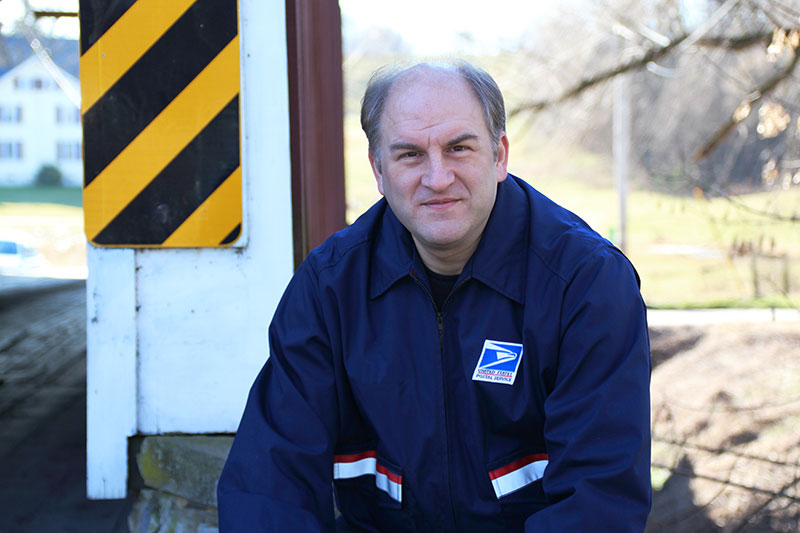
Last week the Supreme Court handed down landmark decisions on affirmative action, student loan forgiveness and LGBTQ+ rights. While these cases rightfully received significant public attention, an equally important case, Groff v. DeJoy, which addresses religious accommodation in the workplace, ended up flying under the radar. The dispute in this case, involved a Sabbatarian postal worker in rural Pennsylvania who quit his job and sued his employer after being subjected to “progressive discipline” for refusing to work his Sunday shifts.

In this surprising unanimous decision written by Justice Samuel Alito, the Supreme Court totally ignored an almost 50-year-old precedent, and significantly reinterpreted a major federal statute, Title VII of the Civil Rights Act of 1964, while pretending that it was relying on its previous decisions. It is not surprising that the conservative justices ruled as they did because some had explicitly stated that they wanted to overturn their prior narrow decision on religious accommodation. However, it comes as a real shock that every liberal Justice joined in the pretense that the court was not overturning longstanding precedent.

To understand why the court’s action is so disturbing, some background is needed. Title VII requires employers to accommodate the religious needs of employees if they can do so without “undue hardship on the conduct of the employer’s business.” In a landmark 1977 case, TWA v. Hardison, the Supreme Court interpreted “undue hardship” to mean more than a “de minimis” or minimal cost. Religious rights activists have long criticized this decision, arguing that the court interpreted undue hardship incorrectly. Regardless of whether the criticism of the “de minimis” standard is valid, the fact remained that until last week this standard was the law.

For almost 50 years, lower courts and the Equal Employment Opportunity Commission relied on the de minimis standard when addressing issues involving religious accommodation in the workplace. Even members of Congress who vehemently opposed the de minimis standard acknowledged that it was the law.

Last week, however, the Supreme Court inexplicably determined that the lower courts, Congress and the EEOC were all mistaken and that the Hardison Court did not actually mean what it said when it determined that undue hardship means requiring an employer “to bear more than a de minimis cost.” Rather, the Groff decision determined that because the Hardison Court had in other parts of its opinion stated employers were not required to provide accommodations that resulted in a “substantial” cost, this substantial cost language was the correct interpretation of undue hardship. According to Justice Alito, for the last half century everyone had read the Hardison decision incorrectly.


Newsweek   Supreme Court's Unanimous Ruling On Religious Freedom Has Broad Impacts
0:59


The problem with Justice Alito’s reasoning, is that, after Hardisonwas decided, the Supreme Court itself treated the “de minimis” standard as the authoritative interpretation of undue hardship under Title VII. In Ansonia v. Philbrook, a religious accommodation case that was decided in 1986, the Supreme Court majority’s opinion stated that in Hardison “we determined that an accommodation causes ‘undue hardship’ whenever that accommodation results in “more than a de minimis cost” to the employer.” More recently, in a concurrence in a 2020 case Justices Alito, joined by Justices Clarence Thomas and Neil Gorsuch stated that Hardison “endorsed” the de minimis standard. The same three justices, along with Justice Brett Kavanaugh had a year earlier stated the Hardison Court had defined undue hardship as “any accommodation that imposes more than a de minimis burden.”

So why didn’t the court just honestly acknowledge that it was overturning longstanding precedent in replacing the “de minimis” standard with the new “substantial” burden standard? The reason is that this is not how American democracy is supposed to work. Once the Supreme Court interprets a statute, there is a strong presumption against reinterpreting that statute, since if Congress disagrees with the court’s interpretation, it can — and many times has — amended the statute by a simple majority vote. In other words, the court has the power to interpret a statute, and Congress then has the power to let the court know if it interpreted the statute incorrectly.

In fact, Congress amended Title VII in response to previous Supreme Court decisions it disagreed with. For example, in an earlier case interpreting Title VII, the Supreme Court held that sex discrimination did not include pregnancy discrimination. Congress disagreed with this decision, and in response, amended the definition of “sex” in Title VII by passing the Pregnancy Discrimination Act of 1978 to explicitly include pregnancy discrimination.

The problem religious advocates faced was that Congress tried and was unable to pass legislation overturning the de minimis standard of Title VII. Over the last 27 years, legislation attempting to overturn this standard was introduced over a dozen times and has never come close to passing.

What is shocking is that the liberal justices played along with this charade. Perhaps they joined the majority opinion as part of a compromise aimed at limiting how far the conservatives would go in expanding an employer’s accommodation requirement. Indeed, during oral arguments it was clear that the justices were looking for a compromise position. Yet regardless of why the liberal justices joined the conservatives, the result is a decision, the unanimity of which implicitly sends the message that it is reasonable. As a result, little attention has focused on the fact the court overturned a 47-year-old precedent which could dramatically impact the rights of many employees in the workplace.

Debbie Kaminer law professor at Baruch College at the City University of New York (CUNY).