Tuesday, October 03, 2023

Philadelphia journalist who advocated for homeless and LGBTQ+ communities shot and killed at home

MARYCLAIRE DALE
Mon, October 2, 2023 
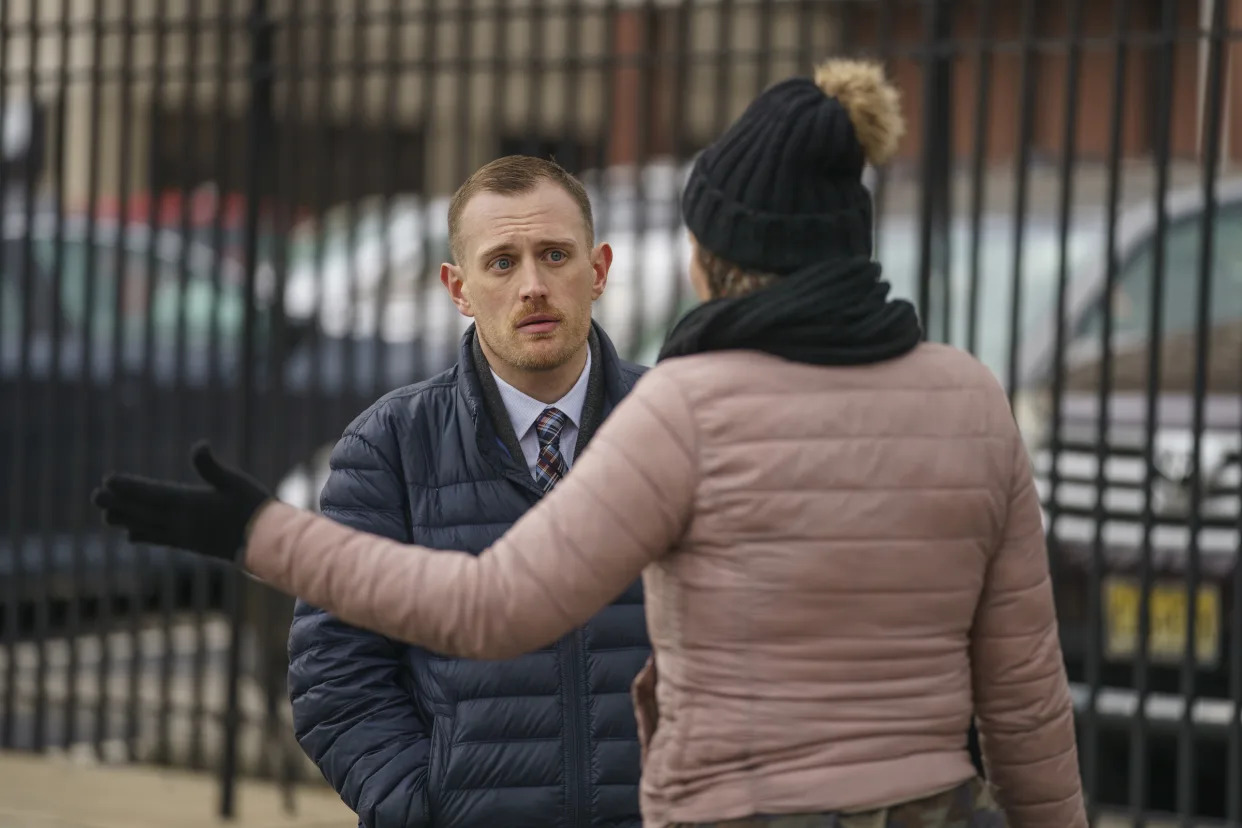
Josh Kruger, left, then the Communications Director, the Office of Homeless Services at City of Philadelphia, at a tent encampment in Philadelphia, on Jan. 6, 2020. The journalist and advocate who rose from homelessness and addiction to serve as a spokesperson for Philadelphia's most vulnerable was shot and killed at his home early Monday, Oct. 2, 2023 police said. 
(Jessica Griffin/The Philadelphia Inquirer via AP) (ASSOCIATED PRESS)More

PHILADELPHIA (AP) — A journalist and advocate who rose from homelessness and addiction to serve as a spokesperson for Philadelphia's most vulnerable was shot and killed at his home early Monday, police said.

Josh Kruger, 39, was shot seven times at about 1:30 a.m. and collapsed in the street after seeking help, police said. He was pronounced dead at a hospital a short time later. Police believe the door to his Point Breeze home was unlocked or the shooter knew how to get in, The Philadelphia Inquirer reported. No arrests have been made and no weapons have been recovered, they said.

Authorities haven't spoken publicly about the circumstances surrounding the killing.

“Josh cared deeply about our city and its residents, which was evident both in his public service and in his writing. His intelligence, creativity, passion, and wit shone bright in everything that he did — and his light was dimmed much too soon,” Mayor Jim Kenney said in a statement.

Kruger handled social media for the mayor and communications for the Office of Homeless Services from about 2016 to 2021. He left city government to focus on writing projects for news outlets and progressive causes.

He wrote at various times for Philadelphia Weekly, Philadelphia City Paper, The Philadelphia Inquirer and other publications, earning awards for his poignant and often humorous style.

On his website, he described himself as a “militant bicyclist” and "a proponent of the singular they, the Oxford comma, and pre-Elon Twitter.“

In a statement Monday, District Attorney Larry Krasner praised Kruger's contributions to the city.

“As an openly queer writer who wrote about his own journey surviving substance use disorder and homelessness, ... Josh Kruger lifted up the most vulnerable and stigmatized people in our communities — particularly unhoused people living with addiction,” Krasner said. “Josh deserved to write the ending of his personal story.”

Philadelphia journalist shot dead by home invader

Holly Hales
Mon, October 2, 2023 
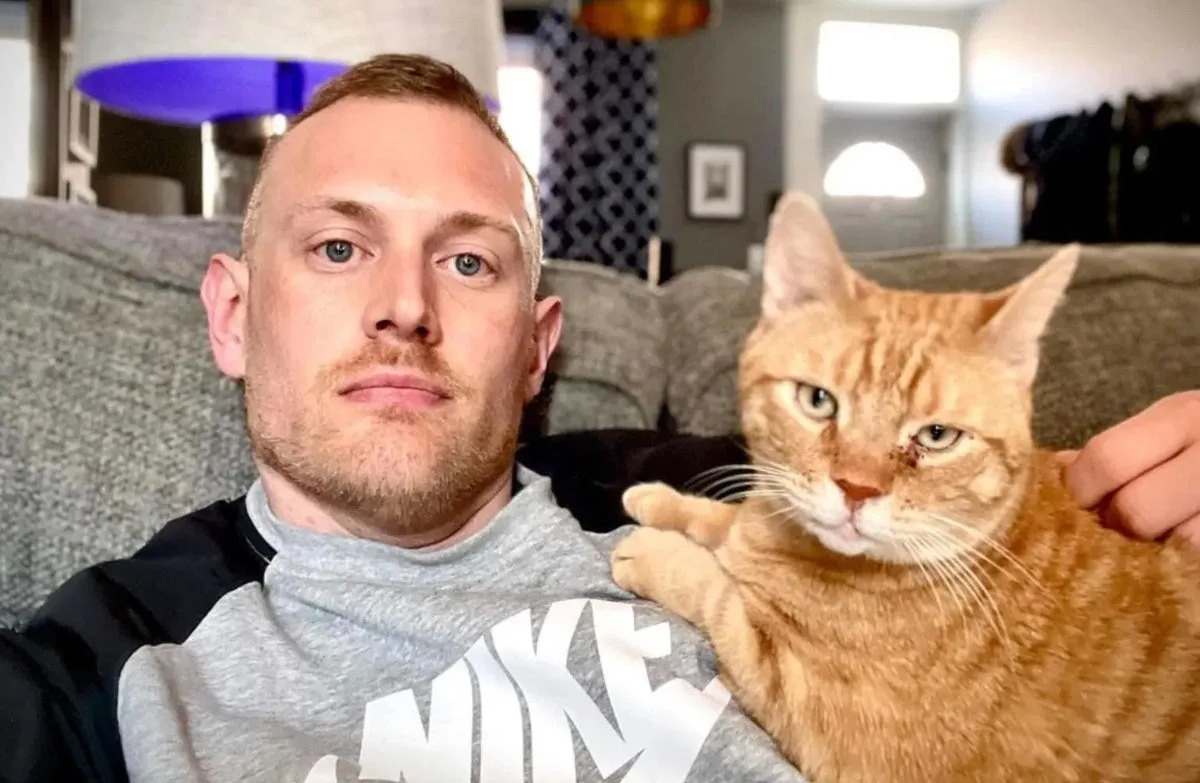
Philadelphia journalist shot dead by home invader

A Philadelphia journalist has been shot and killed in a home invasion.

Josh Kruger, 39, died after he was shot multiple times by an armed home invador who opened fire just before 1.30 a.m on Monday, according to police.

Emergency services rushed to the scene in the city’s Point Breeze neighborhood after reports of gunshots and screams.

Mr Kruger was found collapsed in the street on the 2300 block of Watkins Street with multiple gunshot wounds, according to the Philadelphia Inquirer.

He was brought by ambulance to Penn Presbyterian Medical Center but died at 2.15am.

Deputy Police Commissioner Frank Vanore said no arrests have been made and any possible motive remains unclear.

“Either the door was open, or the offender knew how to get the door open,” he told reporters.

“We just don’t know yet.” 


Josh Kruger was remembered for having 'shone bright in everything that he did’ (joshkruger.com)

Mr Kruger had worked for the city of Philadelphia for more than five years, primarily within communication and social media teams.

Philadelphia Mayor Jim Kenney paid tribute to him in an emotional statement.

“Josh cared deeply about our city and its residents, which was evident both in his public service and in his writing,” Mr Kenney said.

“His intelligence, creativity, passion, and wit shone bright in everything that he did — and his light was dimmed much too soon.”

In addition to his communications work, Mr Kruger wrote freelance articles about issues impacting the city’s LGBT+ community.


Philadelphia journalist fatally shot in his home
Mirna Alsharif and Brittany Kubicko and George Solis
Mon, October 2, 2023 

A Philadelphia journalist and community advocate was fatally shot inside his home overnight, according to police.

Police were notified of a shooting at Josh Kruger's home in the 2300 block of Watkins Street at 1:28 a.m. Monday.

Kruger, 39, sustained seven gunshot wounds to the chest and abdomen. He was taken to a local hospital where he was pronounced dead at 2:13 a.m.

No arrests have been made, and a motive is still under investigation, police said.

Kruger was known in the Philadelphia community as a social justice advocate and a longtime journalist, writing for news outlets such as The Philadelphia Inquirer and The Philadelphia Citizen. He also worked for Mayor Jim Kenney's administration as a spokesperson for the Office of Homeless Services.

In a statement, Kenney said he was "shocked and saddened" by Kruger's death.

"Josh cared deeply about our city and its residents, which was evident both in his public service and in his writing," Kenney said in a statement shared with NBC News on Monday. "His intelligence, creativity, passion, and wit shone bright in everything that he did — and his light was dimmed much too soon."
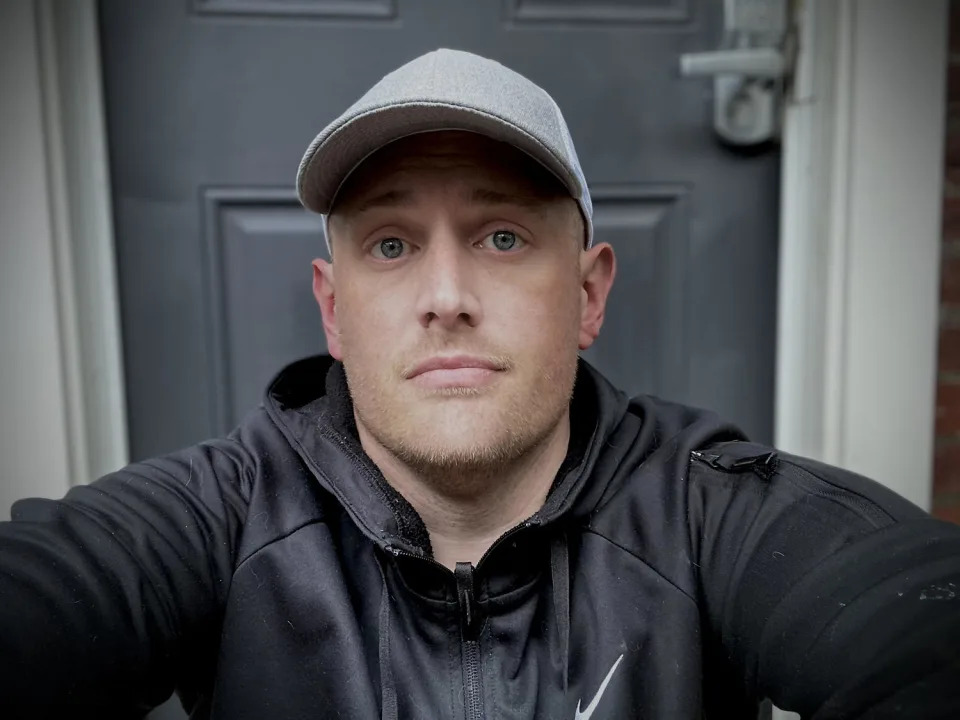


As a community advocate, Kruger focused on uplifting the community's most vulnerable, including those experiencing homelessness, addiction and members of the LGBTQ+ community, according to District Attorney Larry Krasner's office.

"As an openly queer writer who wrote about his own journey surviving substance use disorder and homelessness, it was encouraging to see Josh join the Kenney administration as a spokesperson for the Office of Homeless Services," Krasner said in a statement. "Josh deserved to write the ending of his personal story."

"As with all homicides, we will be in close contact with the Philadelphia Police as they work to identify the person or persons responsible so that they can be held to account in a court of law," he said.

The investigation into Kruger's death is ongoing.

Philadelphia Journalist Who Shined Light on Marginalized Communities Is Fatally Shot in Home
Christine Pelisek
Mon, October 2, 2023 

Josh Kruger was shot seven times in the chest and abdomen
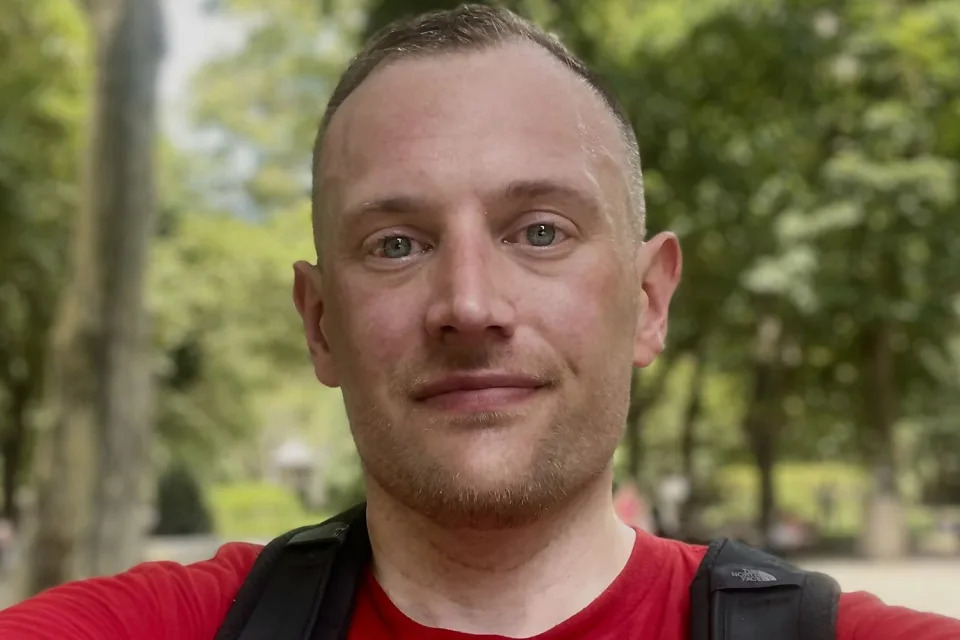

Josh Kruger/XJosh Kruger

A Philadelphia journalist was fatally shot inside his home Sunday.

Police said Josh Kruger, 39, was shot seven times in the chest and abdomen around 1:30 a.m. inside his home on the 2300 block of Watkins Street in the Point Breeze neighborhood.

Kruger was transported to Presbyterian Hospital where he died at 2:13 a.m..

Deputy Police Commissioner Frank Vanore said there were no signs of forced entry.

“Either the door was open, or the offender knew how to get the door open,” he said, The Philadelphia Inquirer reported. “We just don’t know yet.”

Vanore said that after he was shot, Kruger ran outside for help, according to the Inquirer.

No arrests have been made, police said. Police found no weapon at the scene.

On his website, Kruger described himself as a “writer and communications expert known for weaving his unique lived experience with homelessness, HIV, Philadelphia’s ‘street economy,’ trauma, and poverty throughout his poverty and writing.”

Want to keep up with the latest crime coverage? Sign up for PEOPLE's free True Crime newsletter for breaking crime news, ongoing trial coverage and details of intriguing unsolved cases.

According to the website, Kruger had previously worked as a spokesperson for City Hall before “returning to journalism in 2021.”

“His writing has spurred government into action and shed light on communities and issues sometimes overlooked by traditional media,” the website states.

He also was a "militant bicyclist, Anglo-Catholic Episcopalian and parishioner at St. Mark’s Church on Locust Street, and lives with his best friend, his senior cat with one tooth named Mason,” the website states.

In a statement, Mayor Jim Kenney said he was "shocked and saddened" by Kruger’s death. "He cared deeply about our city and its residents, which was evident in his public service and writing," Kenney said. "Our administration was fortunate to call him a colleague, and our prayers are with everyone who knew him."

District Attorney Larry Krasner said in a statement Monday that Kruger “lifted up the most vulnerable and stigmatized people in our communities – particularly unhoused people living with addiction.”

“Many of us knew Josh Kruger as a comrade who never stopped advocating for queer Philadelphians living on the margins of society,” the District Attorney’s LGBTQ+ Advisory Committee said in a statement Monday. “His struggles mirrored so many of ours — from community rejection, to homelessness, to addiction, to living with HIV, to poverty — and his recovery, survival, and successes showed what’s possible when politicians and elected leaders reject bigotry and work affirmatively to uplift all people. Even while Josh worked for the Mayor, he never stopped speaking out against police violence, politicized attacks on trans and queer people, or the societal discarding of homeless and addicted Philadelphians.


Philadelphia journalist shot and killed in his home; no arrests made

MARK OSBORNE
Mon, October 2, 2023 
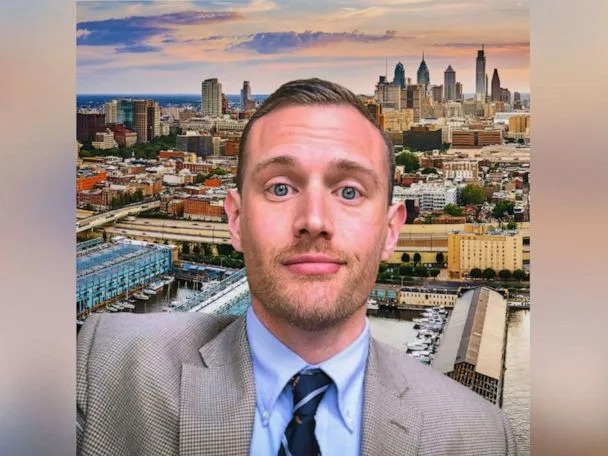
Philadelphia journalist shot and killed in his home; no arrests made

Josh Kruger, a freelance journalist and former city employee, was shot and killed in his home early Monday, according to local officials.

Police responded to his home at about 1:30 a.m. and found Kruger shot seven times in the chest and abdomen. He was taken to Penn Presbyterian Medical Center, where he was pronounced dead, police said.

Kruger, who lived in the city's Grays Ferry neighborhood, was currently working as a freelance reporter, but was previously employed by the Philadelphia City Paper and Philadelphia Weekly. He had recent freelance bylines in the Philadelphia Inquirer and The Philadelphia Citizen.

There have been no arrests in the shooting, police said. No weapon has been recovered.

"Josh deserved to write the ending of his personal story," District Attorney Larry Krasner said in a statement. "As with all homicides, we will be in close contact with the Philadelphia Police as they work to identify the person or persons responsible so that they can be held to account in a court of law. I extend my deepest condolences to Josh’s loved ones and to all those mourning this loss."

Kruger was openly queer, according to the district attorney, and often wrote about LGBTQ+ topics, as well as drug abuse and homelessness.

MORE: 9-year-old girl possibly abducted at New York state park: Police

"Many of us knew Josh Kruger as a comrade who never stopped advocating for queer Philadelphians living on the margins of society," the district attorney's LGBTQ+ Advisory Committee added in a statement. "His struggles mirrored so many of ours -- from community rejection, to homelessness, to addiction, to living with HIV, to poverty -- and his recovery, survival, and successes showed what’s possible when politicians and elected leaders reject bigotry and work affirmatively to uplift all people."

Kruger also previously worked in communications for the city, first in the mayor's office and then for the Office of Homeless Services and Department of Health.

"Shocked and saddened by Josh Kruger’s death," Philadelphia Mayor Jim Kenney wrote on X, formerly known as Twitter. "He cared deeply about our city and its residents, which was evident in his public service and writing."

He added, "Our administration was fortunate to call him a colleague, and our prayers are with everyone who knew him."

On his website, Kruger wrote he was an avid cyclist and lived "with his best friend, his senior cat with one tooth named Mason."

ABC News' Matt Foster contributed to this report.

Philadelphia journalist shot and killed in his home; no arrests made originally appeared on abcnews.go.com
Tesla Autopilot arbitration win could set legal benchmark in auto industry

Rebecca Bellan
Mon, October 2, 2023 

Image Credits: Harry Langer/DeFodi Images / Getty Images

In a victory for Tesla, a California federal judge ruled over the weekend that a group of Tesla owners cannot pursue in court claims that the company falsely advertised its automated features. Instead, they will have to face individual arbitration.

U.S. District Judge Haywood Gilliam's ruling isn't a win for the defensibility of Tesla's advanced driver assistance systems, Autopilot and Full Self-Driving (FSD), but simply for Tesla's terms and conditions. The plaintiffs who filed the proposed class action in September 2022 did in fact agree to arbitrate any legal claims against the company when they signed on the dotted line, according to the judge. They had 30 days to opt out, and none chose to do so.


"In some respects, it probably does put down a marker that these types of claims will likely face these types of challenges," Ryan Koppelman, partner at law firm Alston & Bird, told TechCrunch.

Koppelman noted that arbitration is a common legal strategy used by companies to avoid individual claims and class actions like this one.

In this specific case, a fifth plaintiff did opt out of arbitration, but Judge Gilliam ruled to dismiss their claims, as they waited too long to sue, according to court documents.

"The statue of limitation aspect is interesting because the claims at issue here had to do with what the Tesla products will be capable of in the future, as well as what they were supposedly capable of at the time of sale," said Koppelman.

The plaintiffs in the case all claimed to have spent thousands of dollars on unreliable and dangerous technology that has caused accidents, some resulting in death. Tesla has denied wrongdoing and moved to send the claims to arbitration, after citing the plaintiffs' acceptance of the arbitration agreement.

Judge Gilliam also denied the plaintiffs' motion for preliminary injunction "prohibiting the defendant from continuing to engage in its allegedly illegal and deceptive practices." In effect, the plaintiffs asked the court to force Tesla to stop marketing their ADAS as providing "full self-driving capability"; to stop selling and de-activate their FSD beta software; and to alert all customers that Tesla's use of terms like "full self-driving capability," "self-driving" and "autonomous" to describe the ADAS technology was inaccurate.

Falsely advertising Autopilot and FSD

The original complaint, filed in September 2022, alleged that Tesla and its CEO Elon Musk have been deceitfully advertising its automated driving features as either fully functioning or close to being “solved” since 2016, despite knowing full well that the capabilities of Autopilot and FSD don’t live up to the hype.


The plaintiffs alleged that Tesla's ADAS cause vehicles to run red lights, miss turns and veer into traffic, all the while costing Tesla owners thousands of dollars.

Briggs Matsko, the named plaintiff in the lawsuit, said he paid $5,000 for his 2018 Tesla Model X to get Enhanced Autopilot. Tesla's FSD costs an additional $12,000.

The failed class action isn't the only time Tesla's so-called self-driving technology has come under scrutiny. Earlier this year, Musk was found to have overseen a 2016 video that overstated the capabilities of Autopilot.

The revelation came from a deposition from a senior engineer taken as evidence in a lawsuit against Tesla for a fatal 2018 crash involving former Apple engineer Walter Huang. The lawsuit alleges that errors by Autopilot, and Huang’s misplaced trust in the capabilities of the system, caused the crash.

Tesla's ADAS is also being investigated by numerous state agencies. California's Department of Motor Vehicles also accused Tesla in July 2022 of falsely advertising its Autopilot and FSD systems. The National Highway Traffic and Safety Administration (NHTSA) is actively probing 830,000 Teslas that include Autopilot. And the Department of Justice has requested information from Tesla regarding its Autopilot and FSD technology.
Government sues Union Pacific over using flawed test to disqualify color blind railroad workers


JOSH FUNK
Mon, October 2, 2023 

A Union Pacific train travels through Union, Neb. The federal government has joined a number of former workers in suing Union Pacific over the way it used its own vision test to disqualify workers the railroad believed were color blind and might have trouble reading signals telling them to stop a train. The new lawsuit was announced Monday, Oct. 2, 2023, by the Equal Employment Opportunity Commission. (AP Photo/Nati Harnik, File) 


OMAHA, Neb. (AP) — The federal government has joined more than a dozen former workers in suing Union Pacific over the way it used a vision test to disqualify workers the railroad believed were color blind and might have trouble reading signals telling them to stop a train.

The lawsuit announced Monday by the Equal Employment Opportunity Commission on behalf of 21 former workers is the first the government filed in what could eventually be hundreds — if not thousands — of lawsuits over the way Union Pacific disqualified people with a variety of health issues.

These cases were once going to be part of a class-action lawsuit that the railroad estimated might include as many as 7,700 people who had to undergo what is called a “fitness-for-duty” review between 2014 and 2018.

Lawyers for the plaintiffs estimate nearly 2,000 of those people faced restrictions that kept them off the job for at least two years if not indefinitely. But the railroad hasn't significantly changed its policies since making that estimate in an earlier legal filing, meaning the number has likely grown in the past five years. More than three dozen lawsuits have been filed so far with many more cases still being reviewed by the EEOC.

Union Pacific has vigorously defended itself in court and refused to enter into settlement talks with the EEOC. The railroad has said it believes it was necessary to disqualify workers to ensure safety because it believed they had trouble seeing colors or developed health conditions such as seizures, heart problems or diabetes that could lead to them becoming incapacitated. They also noted federal rules require color vision testing.

“It is critical for the safety of our employees and communities where we operate that conductors and locomotive engineers correctly see and interpret the various signals that direct train movement,” railroad spokeswoman Kristen South said.

Often the railroad made its decisions after reviewing medical records and disqualified many even if their own doctors recommended they be allowed to return to work.

Railroad safety has been a key concern nationwide this year ever since a Norfolk Southern train derailed in eastern Ohio near the Pennsylvania line in February and spilled hazardous chemicals that caught fire, prompting evacuations in East Palestine. That wreck inspired a number of proposed reforms from Congress and regulators that have yet to be approved.

“Everyone wants railroads to be safe,” said Gregory Gochanour, regional attorney for the EEOC’s Chicago District. “However, firing qualified, experienced employees for failing an invalid test of color vision does nothing to promote safety, and violates the ADA (Americans with Disabilities Act).”

This lawsuit focuses on a vision test that Union Pacific developed called the “light cannon” test that involves asking workers to identify the color of a light on a device placed a quarter of a mile (.4 kilometers) away from the test taker. The EEOC said in its lawsuit that the test doesn't replicate real world conditions or show whether workers can accurately identify railroad signals.

Some of the workers who sued had failed Union Pacific's “light cannon” test but passed another vision test that has the approval of the Federal Railroad Administration. The other workers who sued had failed both tests but presented medical evidence to the railroad that they didn't have a color vision problem that would keep them from identifying signals.

The workers involved in the lawsuit were doing their jobs successfully for Union Pacific for between two and 30 years without any safety problems. The workers represented in the EEOC lawsuit worked for the company in Minnesota, Illinois, Arizona, Idaho, California, Kansas, Nebraska, Oregon, Washington, and Texas.

Attorney Anthony Petru, who represents a number of the former UP workers, said the “light cannon” test is so unreliable that the railroad's own experts have testified that it would disqualify a quarter of the workers with perfect vision.

“The last thing we would do is take any steps to try to put anybody in charge of a freight train who is unsafe because of their physical characteristics,” Petru said. “What we don’t want is employees who are safe, who could do the job safely, who could do the job competently to be precluded from working because the railroad perceives them as having a disability when they don’t.”

Petru said Union Pacific disqualified all these workers over these vision tests “without making the railroad safer in any way, shape or form” because there's no history of UP workers causing derailments or collisions when they couldn't discern between red and green.

The Omaha, Nebraska-based railroad is one of the nation's largest with tracks in 23 Western states.
International Longshore and Warehouse US dockworkers union files for bankruptcy

Reuters
Sun, October 1, 2023 

(Reuters) -The International Longshore and Warehouse Union (ILWU) representing U.S. dockworkers has filed for a chapter 11 bankruptcy protection to resolve a pending litigation with the Oregon affiliate of the International Container Terminal Services Inc (ICTSI).

The union has listed its assets and liabilities in the range of $1 million to $10 million, according to the Sept. 30 filing made in a San Francisco court.

"While we have attempted numerous times to resolve the decade-long litigation with ICTSI Oregon, at this point, the Union can no longer afford to defend against ICTSI's scorched-earth litigation tactic", said ILWU International President Willie Adams.

"We intend to use the chapter 11 process to implement a plan that will bring this matter to resolution and ensure that our Union continues to do its important work for our members and the community," he added.

ICTSI said in a statement to Reuters that the bankruptcy filing was union's "latest maneuver to avoid accountability".

The union is facing a looming trial over allegations it illegally slowed down operations over several years at the Port of Portland, then operated by an affiliate of Philippines-based maritime company, according to a Wall Street Journal report.

The ILWU, which has over 4,000 members across the United States and Canada, said it will file customary "First Day" motions with the court to maintain its cash management system as part of its reorganization process.

The union in August ratified a six-year contract for U.S dockworkers that improved pay and benefits for 22,000 employees at 29 ports stretching from California to Washington State.

(Reporting by Jose Joseph in Bengaluru; Editing by Aurora Ellis and Stephen Coates)

ILWU Files for Bankruptcy to End ICTSI's Work-Slowdown Lawsuit

Container ship berthing at Port of Portland
Terminal 6 in the years after ICTSI's departure (File image courtesy Port of Portland)

PUBLISHED OCT 1, 2023 2:55 PM BY THE MARITIME EXECUTIVE


After years of legal wrangling over allegedly unlawful labor actions at an ICTSI-operated container terminal in Portland, Oregon, the International Longshore and Warehouse Union (ILWU) has filed for bankruptcy.

According to the National Labor Relations Board, ILWU organized slowdowns at ICTSI’s Portland terminal in order to damage ICTSI's business and coerce the Port of Portland into giving ILWU longshoremen the work of plugging and unplugging reefer containers – a task normally assigned to the port’s union electricians, IBEW Local 48. The dispute covered two full-time positions (two FTE) employed on reefer-plugging duty. 

"By inducing and encouraging, since September 2012, longshoremen employed by ICTSI Oregon, Inc. at the Port of Portland to unnecessarily operate cranes and drive trucks in a slow and nonproductive manner, refuse to hoist cranes in bypass mode, and refuse to move two 20-foot containers at a time on older carts, in order to force or require ICTSI and carriers who call at terminal 6 to cease doing business with the Port, Respondents ILWU and Local 8 have engaged in unfair labor practices affecting commerce,” NLRB found in 2015. 

The ICTSI terminal gradually lost its deep-draft boxship services, and container volumes fell to near-zero by 2017. That year, ICTSI pulled out of its contract with the port and abandoned its operatorship at the terminal. It brought a civil suit against ILWU, alleging millions of dollars in damages from the union-versus-union conflict.

Two years later, a federal jury ruled in ICTSI's favor, finding that slowdowns organized by ILWU and Local 8 had caused damage to ICTSI's business. The jury awarded ICTSI $94 million in damages. ILWU appealed, and in 2020 a district court judge reduced the damage award to $19 million. 

In a Chapter 11 bankruptcy petition in California last week, ILWU said that its assets came to just $11.6 million - still not enough to pay for the damage award. "We intend to use the Chapter 11 process to implement a plan that will bring this matter to resolution. The officers are confident that we are taking the right step to put our organization on the best path forward — and we are optimistic for all that is ahead," said ILWU's leadership in a statement. 

The ILWU will ask the bankruptcy court to preserve its cash management system and allow it to continue meeting its employee and payroll obligations. These are customary requests, and the union expects that they will be granted. 

The filing follows shortly after ILWU's leaders concluded a landmark agreement with the Pacific Maritime Association (PMA) for a generous long-term labor contract, which covers seaports up and down the U.S. West Coast.  According to Reuters, the improvements include a 32 percent pay increase for ILWU members over the course of the next six year


Dockworkers union files for bankruptcy amid lawsuit over work slowdowns


Eric Revell
Mon, October 2, 2023 

The International Longshore and Warehouse Union (ILWU) representing U.S. dockworkers on the West Coast filed for bankruptcy protection last week amid a pending lawsuit over unfair work slowdowns and stoppages.

The ILWU, which represents 22,000 dock and warehouse workers at ports along the West Coast from San Diego to Washington state, including the nation’s busiest container port at Los Angeles and Long Beach, is in the midst of litigation with the Oregon branch of the International Container Terminal Services Inc. (ICTSI) over illegal work stoppages and slowdowns amid labor disputes.

A federal court found in 2019 that the ILWU had engaged in illegal labor practices from 2013 to 2017 through work slowdowns and stoppages, holding the union liable for $93.6 million in damages against ICTSI Oregon, which operated a shipping terminal at the Port of Portland during that period.

An Oregon judge later reduced the amount of damages to $19.1 million, which ICTSI rejected and prompted a new trial to be scheduled as it seeks damages in a range of $48 million to $142 million. The ILWU has argued that damages shouldn’t exceed $3.9 million and says it lacks funds to cover legal expenses that would ensue with the new trial.

CALIFORNIA PORT PROBLEMS PILING UP AMID LABOR NEGOTIATIONS

The International Longshore and Warehouse Union filed for bankruptcy amid a legal dispute with a former Port of Portland terminal operator about liability for unlawful work slowdowns and stoppages.

"While we have attempted numerous times to resolve the decade-long litigation with ICTSI Oregon, Inc., at this point, the union can no longer afford to defend against ICTSI’s scorched-earth litigation tactic," ILWU President Willie Adams said in a press release.

"We intend to use the [C]hapter 11 process to implement a plan that will bring this matter to resolution and ensure that our Union continues to do its important work for our members and the community," Adams added. "The Officers are confident that we are taking the right step to put our organization on the best path forward — and we are optimistic for all that is ahead."

In its Chapter 11 bankruptcy petition, the ILWU listed assets of more than $11 million with about $9.5 million in cash on hand. The bankruptcy process gives the filing entity the opportunity to restructure and resolve outstanding debts with creditors.


The ILWU's bankruptcy comes as the union faces legal liability from a labor dispute that could exceed its ability to pay.

ICTSI, which is based in the Philippines and is the parent company of ICTSI Oregon, told Reuters in a statement that the ILWU’s bankruptcy filing was the union’s "latest maneuver to avoid accountability."

This August, the ILWU ratified a new six-year contract for U.S. dockworkers that boosted pay and benefits for 22,000 employees at 29 ports along the West Coast.

Negotiations over the new contract began in 2022, and port terminal operators accused ILWU members of withholding labor and slowing down operations, according to a report by The Wall Street Journal.

Reuters contributed to this report.

How a fight over 2 jobs bankrupted union of 40,000 dockworkers

Greg Miller
Mon, October 2, 2023 

In October 2021, Willie Adams, president of the International Longshore and Warehouse Union (ILWU), sat across the table from President Joe Biden at the White House. The two met again at the White House last month, celebrating the new six-year labor contract for America’s West Coast ports.

“I’ve known Willie for a long time,” said Biden after the latest meeting. “I was kidding him: I said I want to know who his haberdasher is. He looks awfully good, doesn’t he? I like that cut.”

President Joe Biden delivers remarks on International Longshore and Warehouse Union (ILWU) and Pacific Maritime Association (PMA) finalizing a new contract on September 6, 2023. REUTERS/Leah Millis

Just a few weeks later, Adams is engaged in a far less prestigious task: securing Chapter 11 protection for his union in the Bankruptcy Court of Northern California.

Adams proposed a restructuring plan in a court filing Monday calling for the ILWU to hand over substantially all of its remaining cash — $9.5 million — save for “a reserve for working capital necessary to enable the ILWU to maintain its operations and rebuild.”

The recipient of the proposed payout: International Container Terminal Services Inc. (ICTSI), a global terminal operator based in Manila, Philippines.

The irony is that the bankruptcy of one of America’s highest-profile unions, representing over 40,000 workers, whose president hobnobbed with Biden, began with a feud over two electrician jobs a decade ago at a niche container facility in Portland, Oregon.
New trial too expensive for ILWU to bear

A jury decided in November 2019 that the ILWU owed ICTSI $93.6 million in damages for unlawful practices including work stoppages, slowdowns and other coercive actions starting in 2013 at the ICTSI terminal in Portland.

The terminal lost its shipping line clients and ICTSI terminated its lease in 2017, paying over $11 million in penalties to get out early (it had signed a 25-year lease in 2010).

Legal damages stem from a decade-old dispute over jobs at Portland's Terminal 6. (Photo: Port of Portland)

Oregon District Court Judge Michael Simon ruled in March 2020 that the jury award was far too generous. He set maximum damages at $19.06 million — if the two sides would agree. If not, there would be a new trial on damages. ICTSI didn’t agree.

The appeals process is over on arguments about guilt or innocence: By law, ILWU owes ICTSI. The new trial on damages was set to begin in late February 2024. ICTSI was seeking $48 million-$142 million.

The ILWU estimated that it would have to pay $8.5 million in additional legal fees during the new trial on top of any damages awarded, thus the Chapter 11 filing that halts the trial process.
A decade-old ‘symbolic’ dispute

The events leading up to the current situation were recounted in the 2020 ruling by Simon.

They occurred years before Adams was elected president of the ILWU in 2018, before COVID and the supply chain crisis put West Coast dockworkers in the spotlight in 2021-2022, and before contentious negotiations on the new labor contract spawned fresh supply chain fears in early 2023.

Willie Adams, president of the International Longshoremans and Warehousers Union (PATRICK T. FALLON/AFP via Getty Images)

When ICSTI began operating Portland’s Terminal 6 in 2010, jobs for electricians plugging, unplugging and monitoring refrigerated containers (reefers) continued to be controlled by the Port of Portland, which assigned them to two electricians of a rival of union of ILWU, the International Brotherhood of Electrical Workers (IBEW).

This conflicted with the labor contract between the ILWU and the Pacific Maritime Association (PMA), the organization that represents West Coast terminals. The contract called for ILWU members to handle reefer jobs at PMA-member terminals, including Portland’s.

The Portland dispute wasn’t just about the two electrician jobs, it was about the principle, according to ILWU testimony.

As recounted by Simon, “ILWU National’s then-President Robert McEllreth testified that the Terminal 6 reefer jobs were ‘symbolic’ of jobs ‘up and down the coast’ and that to ‘let those jobs go … would bleed up and down the whole entire West Coast and … would undermine the contract.’”

Leal Sundet, then an official of ILWU National, testified that “any time you have a contractual matter that any one given PMA employer refused to comply with, that’s an assault on the fabric of the [labor] agreement. Because why would the next PMA employer need to comply with the agreement, and the one after that? If you let the PMA member companies start picking and choosing what parts they’re going to comply with, then you don’t have a contract any longer.”

After ICTSI terminated its lease in 2017, the Port of Portland, the PMA and the ILWU agreed that the reefer jobs would be handled by ILWU members in future container operations at Terminal 6. But by that time, the damage was done. The ICTSI lawsuit — which would eventually result in ILWU’s Chapter 11 filing — had been set in motion.

GEMOLOGY
Diamond prices are down as people spend more on travel and food


Eva Rothenberg, CNN
Sun, October 1, 2023 at 2:46 PM MDT·2 min read


Prices for rough diamonds — the raw, unpolished, and uncut stones — have dipped in 2023 as many post-pandemic consumers shy away from luxury goods.


According to the Zimnisky Global Rough Diamond Index, prices are the lowest they’ve been in a year. Industry analysts attribute the slump to declining sales at the jewelry counter.

As consumers spent less money on dining and travel during the pandemic, “people had excess money to spend on discretionary purchases,” noted Paul Zimnisky, a global diamond analyst.

Diamond prices have adjusted to consumers choosing services over jewelry. People are eating out, traveling and spending money on experiences rather than luxury goods, according to analysts.

“Diamonds are a completely consumer-driven market,” said Edahn Golan, an independent diamond analyst. Shopper demand for diamond jewelry influences rough diamond prices and, to an extent, retail prices. Retailers stoke consumer demand by pouring hundreds of millions of dollars into advertising.

The plummeting prices follow two record-breaking years in rough diamond sales. In 2021 and 2022, demand for natural diamond jewelry was at an all-time high.

“There was a parabolic move up, and now there’s a correction on the other side,” Zimnisky noted.

But a drop in rough diamond prices does not mean shoppers will see cheaper price tags in stores.

Retailers typically do not adjust their in-store prices based on the rough diamond market in the short term, regardless of whether the products become cheaper or more expensive on the back end. According to Golan, “retailers set a price point, and they’re fiercely protective of their gross margins.”

Even though rough diamond prices are falling, buying a one-carat round diamond at the store is on average 3% more expensive now than it was in January 2020, he said.

“In the short term, if wholesale prices fall, some jewelers are going to try to use the opportunity to capture more margin,” said Zimnisky.

Industry analysts expect to see a jump in retail sales during the winter holidays and into early 2024. The winter months are peak engagement season, and Christmas and Valentine’s Day are typically lucrative holidays for jewelry companies.

While this might lead to a small spike in rough diamond prices, “overall, we’re going to see a year-over-year decline of sales in the holiday season,” predicts David Johnson, a spokesperson for De Beers, one of the largest diamond companies in the world.

Zimnisky also foresees a softening of the market this year compared to the 2021 and 2022 peaks, but says the economic indicators in the United States are promising. “The stock market is performing relatively well and employment is strong,” he said, paving the way for a gradual recovery of rough diamond prices in 2024.

WORD OF THE DAY

Hangry bacteria in your gut microbiome are linked to chronic disease – feeding them what they need could lead to happier cells and a healthier body

Christopher Damman, Associate Professor of Gastroenterology, School of Medicine, University of Washington
Sun, October 1, 2023 


The gut microbiome may play a role in regulating the body's appetite, cognition and immune responses. 

Diet-related chronic diseases have reached a critical juncture in the U.S.

Nearly half the population has prediabetes or diabetes. Over 40% are overweight or obeseOne in nine people over the age of 65 has Alzheimer’s disease, the development of which researchers are exploring the potential role of diet. Poor diet is also linked to poor mental healthcardiovascular disease and cancer. It was responsible for nearly 1 in 5 deaths in the U.S. and accounted for over US0 billion in U.S. health care spending in 2016.

Though American waists are getting bigger, research is showing that the gut microbiome – the bacteria living in our digestive tracts – and the energy-producing compartments of cells, the mitochondria, remain hungry for nutrients missing in the American diet.

I am a physician scientist and gastroenterologist who has spent over 20 years studying how food can affect the gut microbiome and whole body health. The ultraprocessed food that makes up an increasing part the American diet has removed vital nutrients from food. Adding those nutrients back may be important for health in part by feeding the microbiome and mitochondria that turn food into fuel.

Your health is what you eat

Research has consistently shown that the Mediterranean diet and other whole food diets are associated with better health and longer lives, and ultraprocessed foods and drinks like soda, chips and fast food, among others, are linked with poor health outcomes such as diabetes, cardiovascular disease, cancer and other diseases.

But improving the diet of an individual, let alone a population, is challenging. Whole foods are sometimes less convenient and less tasty for modern lifestyles and preferences. Furthermore, food processing can be beneficial by preventing spoilage and extending shelf lifeWhole grain processing in particular extends shelf life by removing the germ and bran that otherwise rapidly spoil. Long-term storage of affordable calories has helped address food insecurity, a primary challenge in public health.

Much of the public health conversation around diet has focused on what to avoid: added sugars and refined carbs, some fats, salt and additives. But modern food processing, while increasing the concentration of some nutrients, has removed other key nutrients, producing potential long-term health costs. Equally important is what to add back into diets: fibers, phytonutrients, micronutrients, missing fats and fermented foods.

Only 5% of the U.S. population gets sufficient fiber, a prebiotic nutrient linked to metabolic, immune and neurologic health. Americans are likely also deficient in phytonutrientspotassium and certain healthy fats linked to lower rates of cardiovascular disease and cancer.

Fermentation is nature’s version of processing, creating foods with natural preservatives, flavors and vitamins. Recent research suggests fermented foods can improve gut microbiome diversity and dampen systemic inflammation.

Figuring out which bioactive nutrients contribute to disease can help both individuals and institutions develop diets and foods that are personalized to different health conditions, economic constraints and taste preferences. It can also help maximize nutrients in a way that is convenient, affordable and familiar to the modern palate.

Of microbiomes and mitochondria

Understanding how nutrients affect the gut microbiome and mitochondria could help determine which ingredients to add to the diet and which to temper.

In your lower gut, bacteria transform undigested bioactive nutrients into biochemical signals that stimulate gut hormones to slow down digestion. These signals also regulate the immune system, controlling how much of the body’s energy goes toward inflammation and fighting infection, and cognition, influencing appetite and even mood.

The microbiome’s biochemical signals also regulate the growth and function of energy-producing mitochondria across many cell types, including those in fat, muscles, heart and the brain. When these cues are missing in ultraprocessed diets, mitochondria function less well, and their dysregulation has been linked to obesitydiabetesAlzheimer’s diseasemood disorders and cancer. A better understanding of how diet could improve the function of the microbiome-mitochondria axis could help provide a way to reduce the burden of chronic disease.

The Greek physician Hippocrates, regarded as the father of medicine, supposedly once said “Let food be thy medicine,” and a growing body research suggests that, yes, food can be medicine. I believe that shining a light on the connection between diet, health and the microbiome and mitochondria could help societies reach a bright future in which unhealthy aging isn’t an inevitability of growing older.

This article is republished from The Conversation, a nonprofit news site dedicated to sharing ideas from academic experts. The Conversation is trustworthy news from experts. Try our free newsletters.

It was written by: Christopher DammanUniversity of Washington.

Read more:

Christopher Damman is medical and science officer at Supergut and on the scientific advisory board at BCD Biosciences.


America can prevent (and control) Type 2 diabetes. So why aren’t we doing it?


Karen Weintraub and Adrianna Rodriguez, USA TODAY
Updated Sun, October 1, 2023 

LONG READ


Editor's note: Part one of a five-part USA TODAY series revealing why America hasn't solved its long struggle with Type 2 diabetes.

For chef Robin Ray, newly married with young stepchildren, the turning point came when a stabbing chest pain sent her rushing to the emergency room.

For Brian Castrucci, the gravity hit when the ER doc who had treated him for a near-heart attack a few weeks earlier gave him a big bear hug. “I didn’t think you’d make it,” the doctor said.

The crisis unspooled more slowly for James Haynes but started in 2019 when he stepped on a rusty nail and didn’t notice.

He walked on it all day as it pierced the sole of his sneaker and then his foot. By the time he took off his shoe that night, it was bloodied and infected. When he was in the hospital for the next two months, doctors and nurses tried, mostly unsuccessfully, to get the infection and Haynes' blood sugar under control.

The moments were turning points for all three to get serious about addressing their diabetes.


Type 2 diabetes, in which the body can’t properly regulate blood sugar, has become so common it’s almost considered inconsequential. More than 1 in 10 Americans have the disease (though many don't know it) and another nearly 4 in 10 are at risk for it. In total, half of all adults and a quarter of teenagers have diabetes or pre-diabetes.

Its financial costs are astronomical. The country spends more than $300 billion a year to address diabetes, accounting for $1 out of every $4 spent on health care.

And its personal tolls are even worse: heart attacks, amputations, blindness, kidney disease, double the risk of premature death. It also causes what’s known as “diabetes distress,” the daily burdens and emotional toll of living with and managing a chronic ailment that can lead to regular dips in energy, foggy thinking and depression, and a sense of isolation.

The most frustrating aspect of Type 2 diabetes, experts say, is that it has long been largely preventable and controllable.

“We have made tremendous gains in understanding diabetes,” said Dr. Donald Berwick, a pediatrician and former administrator of the Centers for Medicare & Medicaid Services. “The best diabetes care can make a very big difference. You can’t say we don’t know what to do.”
The Diabetes Dilemma

Type 2 diabetes rates continue to climb, despite well-known treatments and prevention approaches. To better understand why, USA TODAY's health team traveled across the country, talking to researchers, clinicians and patients. They found people with diabetes often must fend for themselves against systemic barriers and a difficult disease.

And yet, diagnosed rates of Type 2 diabetes have soared over the past 25 years, and especially over the past dozen – particularly among working-age adults like Ray, Castrucci and Haynes.

Roughly 40% of people who died early in the coronavirus pandemic had Type 2 diabetes, a rate four times higher than people without the disease. Even when elevated blood sugar levels are below the threshold for type 2 diabetes, the risk for heart disease jumps 30% to 50% compared with people with normal blood sugar levels. (Type 1 diabetes, which accounts for 5% to 10% of diabetes, is caused by the immune system and is unrelated to diet or lifestyle.)

America’s failure to address Type 2 diabetes highlights larger problems with our food and medical systems, Berwick and other experts said.

A soda costs less than a bottle of water, a double cheeseburger and fries less than a carton of blueberries. Patients wait months for medical appointments only to see the back of a white coat for the short time they’re allotted. Treating disease costs society far more than preventing it but typically provides more profit for insurance companies, hospitals and the pharmaceutical industry.

The USA TODAY Health team spoke with scores of health care providers, researchers, community leaders and patients for this five-part series to understand why Type 2 diabetes continues to worsen in America despite known solutions.

The answer isn't simple. It involves systemic problems facing everyone in society, not just those with diabetes: a food system designed to sell products; a medical system in which cutting off a leg is less expensive than saving it; the high cost of healthy living and the fact that breaking habits takes a lot more than just personal willpower.

This first story looks at what it takes for people to cope with or overcome the disease.

Then, we explore one community in a David vs. Goliath battle against a food system that fails to prioritize people's health.

More in series: Diabetes runs deep in rural Mississippi. Locals have taken to growing their own solutions.

We next travel to Colorado, which has the lowest level of diabetes in the nation. Yet even in this state, where hiking trails and gorgeous views abound, economic and other disparities make it easier for some people to avoid diabetes than others.

More in series: A diabetes disparity: Why Colorado's healthy lifestyle brand isn't shared by all

It's tough to manage a chronic illness in the face of high medical costs, scattered care and caregiver frustration and burnout, so we highlight that next.

More in series: The steep cost of Type 2: When diabetes dragged her down, she chose to fight

Finally, we explore solutions, addressing why it will take a combination of education, medication, medical devices and improved food access to solve this national problem.

More in series: Solutions exist to end the Type 2 diabetes dilemma but too few get the help they need

The system is fixable, said Dr. Dariush Mozaffarian, a cardiologist and professor at the Tufts University School of Medicine in Boston.

But it will take "sensible action" from across many sectors, including health care, science, nutrition, business, public health and politics to change the financial and other incentives that drive so many Americans toward sickness instead of health.

"If we do it all, we could fix a lot of this in 10 years," said Mozaffarian, who serves on the President’s Council on Sports, Fitness, and Nutrition. "If we do it incrementally or don't do it at all, we're all going to be toast in 50 years from diet-related illnesses and a depleted environment."
Personal and structural

There’s no question personal responsibility plays a role in fighting diabetes.

Haynes, Ray and Castrucci radically changed their lifestyles and sought help after their come-to-Jesus experiences. They’ve reduced their dependence on daily medication and hope to have saved themselves the horrors of more amputations, blindness and dialysis. They’ve extended their lives and improved the quality of that time.

But like many medical problems, the challenges of diabetes go well beyond individual responsibility and blame.

“There are structural issues that we have to start paying attention to and addressing,” said Dr. Shivani Agarwal, an endocrinologist who specializes in research and treating young adults with diabetes at Montefiore Medical Center and Albert Einstein College of Medicine in New York. Agarwal recently led a series of studies in the journal The Lancet that looked at diabetes rates around the world.

Poverty, the studies showed, was a major driver of diabetes, along with racism and unequal access to healthy food and high-quality medical care.


Personal stories illustrate how these structural issues play out in the lives of so many Americans.

Ray, 45, director of culinary operations at HOSCO/North Sarah Food Hub in St. Louis, got weight-loss surgery and then put her culinary expertise to good use.

Castrucci, 49, who runs a public health nonprofit outside Washington, D.C., used his advantages provided by his work, salary and insurance to “buy” himself better health.

“I’m healthy because of privilege – not diet, not exercise, not determination,” he said.

Haynes, 58, a former truck driver and maintenance technician in Gulfport, Mississippi, has fewer material assets, but his attitude and the advantages he does have explain why he's still around, despite all he has been through.

“It’s going to be all right after a while, as long as I keep this spirit,” he said.
Changing the recipe

Ray’s love for food began when she was 8 years old, watching Julia Child on TV. During family gatherings, she would run around taking everyone’s dinner order. Then she’d scurry back to the kitchen with a notepad full of scribbles.

Throughout her life, she made fried chicken, pork chops, baked mac and cheese, collard greens, and even a whole roasted chicken filled with wild rice and two sticks of butter – everything that made her soul sing.


In her world, food was home. Food was family. Food was love.

But that was some pretty tough love.

In 2002, Ray was diagnosed with Type 2 diabetes. Her father, grandmother, aunts and uncles all had diabetes. She knew what it meant.

“For you to tell me I can’t have ice blue raspberry Kool-Aid was like you shut down my world,” Ray said. “I didn’t want to accept it. So, I ate, because you eat through your emotions.”

She didn't dwell on the diagnosis and continued with life. Her culinary career took her to Italy, where she learned and fell even more in love with food. She returned to St. Louis, got married and became a mom to her husband’s two children ‒ “beautiful bonus babies,” as she described them. Through the years, she continued to express love through cooking and eating.

In 2015, a stabbing chest pain sent her to the emergency room. Doctors assured Ray she hadn’t had a heart attack, but they warned that her life was on the line. At 5-foot-2, she weighed 334 pounds and had an A1C, a measure of average blood sugar of 11%, well above the 6.5% cutoff to be considered diabetic. Her diabetes – and her diet – were out of control.

“That scared me. … It was gut-wrenching and terrifying,” she said. “I’m fighting against something that’s fighting me back and I did not know how to win.”

She and her primary care doctor decided she would pursue weight loss surgery.

But she also decided to use her culinary prowess to transform her diet. She reconfigured favorite foods, substituting healthier ingredients: Collard greens cooked in smoked fats or ham hocks turned into a kale, turnip and rutabaga recipe flavored with natural chicken broth fat, oils and seasonings.

She fostered her feelings into new recipes and brought them to North Sarah Food Hub, which partnered with Barnes-Jewish Hospital to make packaged, pre-made meals for St. Louis residents with diabetes and limited access to fresh food.

“I had to restructure the food that I put in my mouth. I had to think about what I was eating and how I was eating and how it was going to be good for my body,” she said. “I became excited about food again, and food became a joy.”


It isn’t always easy, of course. Ray admits to an occasional cookie craving. But now she takes the time to think about how her body processes that cookie and whether it’s worthwhile.

She hopes her cooking can help other people make the same transformation she did. Her staff at North Sarah helps her create new recipes for others. She wants to provide nourishment that allows people to avoid illness and medicine.

“Nobody wants to take 55 pills, nobody wants to feel like a patient, but how do you fix that? It’s by our food,” she said. “That should be what we’re teaching our community and our culture and our children. … It’s not always about the macaroni noodle with a smile, it’s about what’s good for your body.”
The price of good health

Castrucci is a third-generation diabetes patient. The lifetime risk of developing Type 2 diabetes if a parent has it is 40%. If both parents have it, the risk jumps to 70%.

He knew he was at risk, but he pushed his luck, he said, by eating poorly during the pandemic and falling out of his exercise routine. With the luxury of working from home, walking to the kitchen and bathroom was often the extent of his daily activity.

On Feb. 14, 2022 – Valentine’s Day – he went to an urgent care clinic, concerned his breathing trouble meant he had bronchitis. His blood pressure measured 210 over 110, well above normal levels that top out at 120 over 80. A chest X-ray showed fluid filling his lungs, leading to congestive heart failure.


The clinic sent him straight to a local emergency room, where he was diagnosed with a blockage of the left descending artery – a clogged artery made worse by diabetes. If he had waited any longer, he would have had a massive heart attack, his doctor later told him.

After his release from the hospital, he went to the drugstore to fill his new prescriptions. The pharmacist told him she couldn’t fill one because it would cost $1,000. He’d have to wait until his insurance approved it. “Please fill it,” he said. She stressed the cost. “Fill it,” he pleaded, putting the charge on his credit card.

Medication helped him lose 70 pounds in three months. When his local drugstore ran out of the weight-loss drug, he easily drove to another pharmacy and then another to find what he needed.

His 100 hours of high-quality cardiac rehabilitation were fully covered by insurance.

"For my midlife crisis, I got healthy," Castrucci said.

He could devote all his energy to getting well because he didn’t have to focus on how to afford his care. “(I) paid almost nothing for the whole episode,” he said, “and never worried about it because I have really good insurance.”

Even so, Castrucci pays out-of-pocket for a cardiologist and an endocrinologist because the best ones near him don’t accept insurance.

Every time he goes to Walgreens to refill his medications, Castrucci said, he sees someone turned away because they can’t afford their prescriptions. When they finally show up in the emergency room, “because they will,” they will cost the system far more, he said.

“Health outcomes are dictated by economics. It’s a whole side of privilege that we don’t always talk about.”


Struggling to heal

The months of hospitalization after the rusty nail was just the beginning of Haynes’ long journey.

By the time he was released, he knew enough about Type 2 diabetes to realize his daily blood sugar levels – typically in the mid-400s – were four times above what he had been told to shoot for.

But nothing he did or ate seemed to make a difference. He had long since traded ribs for salads, beer for water.

His wife, Angela, barely noticed when James started wearing multiple pairs of socks, pouring powder on his feet and buying bigger shoes. His feet tingled a lot, he said, but he was coping with it.

James ended up in the emergency room again, dehydrated and in need of antibiotics. The doctor amputated the baby toe on his right foot, leaving a large open wound.

"We're going to leave this open because we'll probably have to take more,” Angela remembered the doctor saying. “I didn't like that we're not going to try to save anything, we're just going to start cutting.”

James was fading.


His arm muscles shriveled and he lost his Popeye physique. Antibiotics left him looking sickly, his voice so weak Angela could barely hear him. “I felt like I was watching my husband slowly dying,” she said.

Finally, taking her doctor sister’s advice, Angela emailed Dr. Foluso Fakorede’s office to ask for an appointment. She thought it would take months to get James in to see the heart disease specialist, but the office called and asked if they could come the next day.

The Hayneses would end up going back to see Fakorede many times − sometimes twice in one week, driving more than five hours each way from Gulfport north to Cleveland, Mississippi.

“We started looking forward to these visits because there was always hope,” Angela Haynes said, though she felt guilty they were taking up so much of the important doctor’s time.

Fakorede, who is on a personal mission to save people with diabetes from amputations, noticed what other doctors had missed. Haynes had blockages in blood vessels on both legs.

Once he got the blood flowing again, Haynes began to feel better. His flesh returned to its normal color. The wound started healing at last. Walking became easier.

Then disaster struck again.

On July 2, 2022, Haynes caught COVID-19. "Everything went downhill after that," he said.

During his 13-day illness, the bacteria in his foot raged out of control. He ended up back in the hospital and unable to withstand the long drive to Fakorede’s office.

Every week, a surgeon would come to the door of his hospital room and before even stepping all the way in ask Haynes whether he had decided to get his leg amputated.

"This is my leg. I was born with this. And you're walking in like you're cutting a piece of cake," Haynes said.

He was worried about how he’d get around, how he’d be able to work to support his family if he had only one leg. No one took the time to explain why they thought the leg needed to come off or how he’d cope without it, Haynes said.

In late November, he was finally sent home in a wheelchair. But just three weeks later, as he was getting out of the car after wound care, his right leg gave out and he fell to the ground. Back at the hospital, Haynes was told his foot was broken, essentially beyond repair. He agreed to a below-the-knee amputation.

Released right before Christmas, he spent the next three weeks in bed wondering how he’d manage the rest of his life.

Finally, it looked as if his luck might be turning around.


With the leg gone, his diabetes improved. His blood sugar dropped into the 120s or one-teens. His blurry vision cleared up.

During his long hospital stay, he befriended nurses and learned about a program for people who needed prostheses. The man who ran it called early in the year and said he had received a donated leg. If it fit Haynes, he could have it while waiting for insurance to pay for a personalized one. Miraculously, it did.

Haynes spent the next six months teaching himself to walk again. The donor leg was heavy and uncomfortable. He wasn't mobile enough to hold down a job.

One late spring night, picking up dinner at a nearby restaurant, he headed to the bathroom for a pit stop. A sink had been leaking all day and Haynes slipped in the puddle, falling backward.

He's still recovering from the resulting wrist surgery.

He and Angela are living – barely – off her part-time salary as a secretary and a church organist.

Haynes has tried "at least three or four times" to receive government assistance, but they keep losing his paperwork, or not believing he's disabled, though he once checked himself out of the hospital and arrived at an appointment in his wheelchair to prove he didn't have a leg.

Still, he clings to his faith and the positive attitude he has long used to cheer up himself and others. These are his secret weapons against diabetes and everything else life throws his way.

"I try to put a smile on other people's faces," he said. "It keeps my day going."

Contributing: Nada Hassanein


This story is part of a reporting fellowship sponsored by the Association of Health Care Journalists and supported by the Commonwealth Fund.

Contact Karen Weintraub at kweintraub@usatoday.com and Adrianna Rodriguez at adrodriguez@usatoday.com.

Health and patient safety coverage at USA TODAY is made possible in part by a grant from the Masimo Foundation for Ethics, Innovation and Competition in Healthcare. The Masimo Foundation does not provide editorial input.

This article originally appeared on USA TODAY: If Type 2 diabetes is preventable, why is problem only getting worse?


\