Saturday, March 29, 2025

UK

‘Welfare reforms threaten to alienate Labour’s own voting coalition’
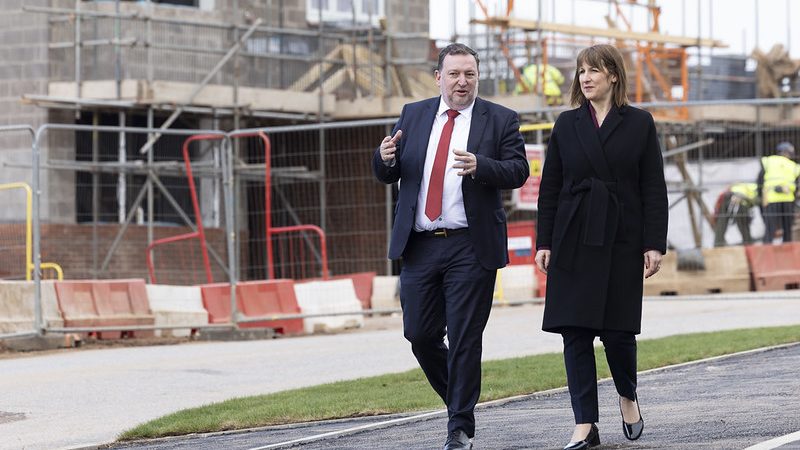

Photo: Kirsty O’Connor / Treasury


No Chancellor wants to be compared to Kwasi Kwarteng’s short-lived time at the Treasury.

But unfortunately, that’s increasingly the position Rachel Reeves finds herself in.

Ipsos’ snap-polling conducted immediately after this week’s Spring Statement shows half the public (51%) thinks Rachel Reeves is doing a bad job as Chancellor. Concerningly for her, this is up 7-percentage points from last month. Even worse, this is now just short of the verdict they delivered to Kwarteng after his infamous “mini-Budget” when he registered a 53% disapproval rating.

Reeves faced no easy challenge in reassuring the public. She was boxed in by her determination to stick to her fiscal rules and avoid extra borrowing, while also being locked into commitments to not raise taxes.

With limited options, she also had to contend with the doom music of the OBR halving their 2025 growth predictions to 1%.

It’s a classic polling story

But the public’s reaction shows she’s failed in her newly found mission to inspire optimism. Three in five (57%) say the Statement has left them more concerned about Britain’s economy than reassured. This is 12-percentage points higher than the proportion who said the same after her first Budget last October.

It’s a classic polling story as most of her spending announcements are popular when asked about individually, but collectively voters fear the overall package. Over half are in favour of spending more building affordable homes, training more construction workers and increasing defence spending next year. Besides boosted military spending, however, many of these polices haven’t cut through, with more people saying they haven’t heard of them than have.

READ MORE: List of councillors quitting over welfare amid further cuts

Welfare reform is the announcement which voters most recall hearing something about (unsurprisingly given it was trailed a week prior). It’s these policies where opinion is most divided. Around one in three (36%) support reducing welfare spending by changing disability, sickness and universal credit benefits, while the same proportion oppose it (35%). That’s not a recipe for a well-received fiscal event.

More widely these reforms pose a narrative issue for the Government. Ministers argue it’s a Labour value to encourage people back into work, but most now say “working people” are treated worse than they should be by the government (55%), while believing the opposite about “people on high incomes” (54% saying better than they should be). The welfare reforms also garner far more support from 2024 Conservatives than from Labour voters (48% vs. 36%).

At some point, you need to remind your own voters why they backed you

Here lies the electoral risk for the future. As well angering Labour MPs, welfare reforms threaten to alienate the government’s own voting coalition. Reducing poverty is among the top three priorities for 2024 Labour voters, but slightly more say they are doing a bad than good job in delivering (33% vs. 24%). Assessments that welfare changes could result in 250,000 more people overall living in relative poverty, including 55,000 children, will do little to convince them otherwise.

At some point, you need to remind your own voters why they backed you. If you don’t, they won’t return. That is a real challenge Labour is facing right now. Immediate reactions are not always the final word on how the public remember political events, but first impressions count, and Labour now need to get on with delivering.

A partial silver lining for the “securonomics” Chancellor is that these savings meant protecting her “fiscal headroom”. Unfortunately, this buffer was wiped out by President Trump within hours of her being at the dispatch box, with his announcement of 25% tariffs on UK car manufacturers (and potentially more to come).

Unless a trade deal is secured between the UK and USA, then Reeves is already back at square one and looking for more difficult savings ahead of her Autumn Budget. It could be then that the pressure reaches boiling point.



Welfare: Labour criticised for not consulting on disability and poverty in policymaking forum for next manifesto
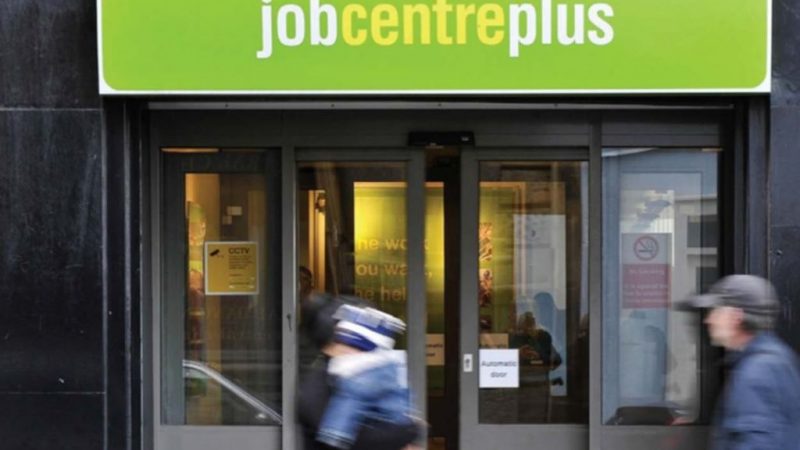
J J Ellison / CC BY-SA 3.0

Labour has been accused of seeking to constrain party discussion over future welfare policy by a member of its governing body,  just as the government unveils further cuts to benefits.

Chancellor Rachel Reeves announced further welfare cuts during her Spring Statement on Wednesday, in a move that has dismayed many Labour figures.

The word “welfare” was notably only mentioned twice in the 2024 general election manifesto – in relation to animals – and the word “benefits” conspicuous by in its absence for the party proud of setting up the welfare state.

Now some members will fear the next manifesto may be little different. Ann Black, Constituency Labour Party representative on the national executive committee, suggests that participants in the party’s national policymaking forum (NPF), which drafts the broad policy programme that future manifesto commitments are often largely drawn from, have been told to focus on “narrow topics” in this cycle.

Black wrote in an report for members this month that she was “concerned” at the changed role of NPF – the official mechanism by which general election policy platforms are formulated.

But the party’s chair Ellie Reeves is reported to have since said the topics are only “starting points” and local parties can discuss “whatever they wish”.

Blair ‘understood arguments had to be explained and won’

She said there will be “no formal consultation” on disability support or child poverty in the NPF’s Breaking Down Barriers commission, one of six sub-groups looking at particular policy areas. Instead the commission’s members have been tasked with discussing raising the proportion of school-ready five-year-olds from 67% to 75% by 2028, a key recent Labour commitment.

Black wrote: “The commission’s remit includes education, work and pensions, equalities, and culture, media and sport, but there will be no formal consultation over child poverty, where the two-child limit and the benefit cap penalise children in larger families, nor on winter fuel payment, where the pension credit threshold of £11,500 is far too low, nor on disability support including personal independence payments designed to give disabled people an equal chance in life, nor the bedroom tax, nor the funding crisis in higher education.


The longstanding NEC member said that former Prime Minister Tony Blair – who set up the NPF – understood arguments “had to be explained and won among the wider movement”, and recognised that success ‘”did not simply mean keeping enough MPs in line”.

She said the NPF produced three wide-ranging documents in its first year in 1998: “One on health, one on crime and justice, and one on welfare reform, including pensions and benefits, specifically to address issues which members and voters cared about.” These documents were discussed by the full NPF meeting, in person, before circulation – with members keen to engage with them, she said.

The original purpose of the NPF was to involve members in discussions, Black said, especially on “contentious matters and tough decisions”.

Suggested starting points

Black also revealed that at yesterday’s national executive committee meeting, party chair Ellie Reeves said the papers were only “suggested starting points”, however, and parties could discuss “whatever they wish”.

Black writes in a forthcoming report on the meeting: “As chair of the national policy forum Ellie was pleased to announce that the six policy commissions are up and running, providing essential links between government and party. Each commission has its own workplan and is publishing a paper on 31 March, open for consultation until 8 June 2025. The joint policy committee agreed that these first-year documents would focus on fixing the foundations, with specific topics defined elsewhere.

“Ellie confirmed that the papers are suggested starting points, and local parties are encouraged to discuss whatever they wish. For instance, Breaking Down Barriers focuses on raising school-readiness among five-year-olds from 67% to 75%. This commission also covers the whole of the departments of education, work and pensions, and culture, media and sport, so it includes pensions, winter fuel payments, child poverty, universal credit and sickness and disability-related benefits.

“In addition every paper includes a question about the implications of its proposals for women, Black, Asian and minority ethnic people, LGBT+ people, disabled people and those with other protected characteristics. And 8 June is not an absolute cutoff for everything – members can feed views in all year round. So there are plenty of opportunities to contribute.”

What is the NPF?

The NPF consists of around 200 representatives drawn from across the Labour movement, many of them directly elected, who then consult with the general public, party members, affiliates and experts on those key policy areas.

This policy consultation is then used to create an annual report, which is debated and voted on at conference.

Once approved, it provides the main springboard for policy ideas for the manifesto, although many further commitments made it into the manifesto – or disappeared from the NPF – during the last policymaking cycle in response to political developments.

The final thrashing out of what makes the cut for the manifesto takes place at a Clause V meeting. The last one passed with limited public political rows, bar Unite declining to fully endorse the plans.

Labour was approached for comment.


Spring Statement: List of councillors quitting over welfare amid further cuts
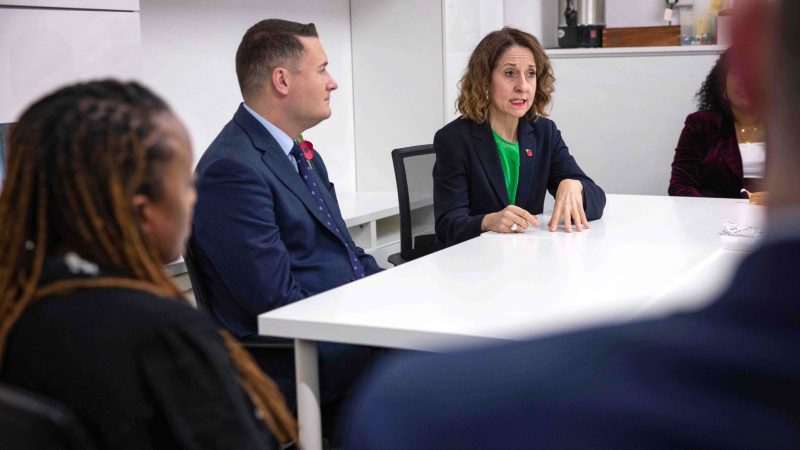
Photo: DWP

The deputy leader of Rotherham Council has become the latest Labour councillor to quit the party over the government’s welfare reforms and cutbacks, with ministers expected to confirm another £500m in cuts today.

Welfare reforms unveiled by Work and Pensions Secretary Liz Kendall aim to save £5bn  as part of today’s Spring Statement – with measures including restricting eligibility to personal independence payments for disabled people.

Discontent is likely to flare up further today as ministers are expected to unveil a further £500m in cuts, with universal credit incapacity benefits thought likely to be frozen until 2030 and the basic rate of universal credit reduced in 2029.

Meanwhile the government impact assessment on reforms is expected to be a flashpoint if released as expected alongside the Chancellor’s statement, laying bare the potential human impact of the changes.

One backbench MP told LabourList ahead of the statement they were “keeping my fingers crossed that more welfare cuts aren’t coming” as reported.

READ MORE: MPs on Spring Statement: ‘Let’s soothe the nation, not kick it in the teeth’

Rotherham Council deputy leader and lifelong Labour member David Sheppard described the changes as “unconscionable” this week, and hit out at the government for “targeting people who need support the most”.

He said: “I have always held the belief that government should do what it can to equalise the injustices within society.

“Sadly, this and other recent announcements have led me to conclude that this is currently not the case.”

Council leader Chris Read described Sheppard’s decision to quit the party as “deeply disappointing”, calling him a “hardworking Labour councillor for the last nine years”.

Spring Statement: The four Labour achievements Reeves will trumpet amid fresh welfare cuts

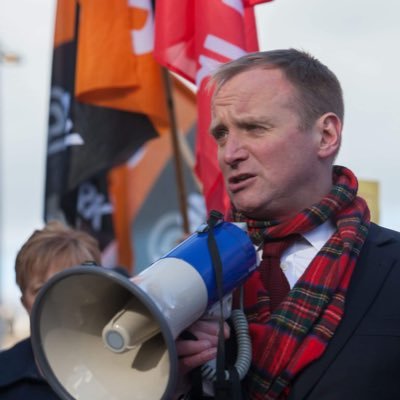
Sheppard’s resignation from the party is the eighth in recent weeks in reaction to the government’s welfare reform proposals, which include five Labour councillors in Dudley. Former Labour MSP Neil Findlay also announced his resignation from the party, claiming the changes to benefits “punish and stigmatise the weak, poor and the vulnerable”.

The government has defended the reforms, arguing they are needed to get people who are on long-term sick leave back into work and to cut Britain’s ballooning benefits bill.

Ahead of today’s Spring Statement, we are compiling a rolling list of Labour councillors who have quit the party over the government’s benefit reforms. If you know of any councillors to add to this list, email us at mail@labourlist.org.

Following resignations in Dudley, a West Midlands Labour spokesperson said: “Labour inherited a broken welfare system from the Conservatives, which risked a generation of young people being written off and millions of people who want to work not getting the support they need.

“Labour will deliver a social security system that is fit for the future.”


Pete Lowe (March 19)

Councillor Pete Lowe, who served as leader of the Labour group in Dudley, resigned from the party after more than 40 years of membership. He described his decision to quit as “heartbreaking but unavoidable”.

Lowe also reportedly played an important role in Richard Parker’s campaign to become the West Midlands’ first Labour mayor last year.

In a letter of resignation addressed to the Prime Minister, he said: “I have finally concluded, and it’s heartbreaking to say so, that my party has left me behind, found new friends and priorities in the city and the markets, whilst the very people who look to the party for a real alternative, good honest working-class people in the Black Country and beyond have been abandoned.

“I am not leaving the Labour Party – the Labour Party left me some time ago.”

He has since formed a new breakaway group of councillors with others who have also resigned from the Labour Party.

Karl Denning (March 20)

Councillor Karl Denning quit claiming that the national party had “left me behind”.

Denning, who was blinded in a workplace accident and is assisted by a guide dog, said that comments made by Wes Streeting “sealed the fact that Labour were not the party I joined to fight for a fair more just country”.

In a letter to the Prime Minister, he said: “I have been asked how I can be a member of a party that is willing to turn on disabled people so easily, and if ‘I’ll be able to sleep at night’.

“After much heart searching and thought, I do not think I can remain a member of the Labour Party. It is one of the most difficult decisions I have had to make.

“I joined the Labour Party fighting for disabled [people] and those without a voice and it seems I leave the Labour Party doing the same thing.”

Denning has since joined Lowe’s breakaway group of councillors.

Peter Drake (March 20)

Dudley councillor Peter Drake said that he could not defend a Labour government “which does not and will not represent the working class and ordinary people,” as he resigned from the Labour Party.

Drake, who had been a member of the party since 2015, said: “All I have ever wanted to do is help working-class people; but the sad reality I have woken up to is that the national Labour Party is no longer the voice of the working-class.

“Since winning the general election, Keir Starmer and his Labour government have shown no real interest in improving the lives of normal working people. That is a facade they used to win votes from people who desperately wanted change.

“I cannot and will not defend the indefensible. I will not tolerate the punitive, uncompassionate, downright idiotic policies that we see from Keir Starmer’s government. They have betrayed the Labour movement and offer no alternative to permanent austerity.”

Drake has since joined Lowe’s breakaway group of councillors.

Matt Cook (March 20)

Dudley councillor Matt Cook quit the Labour Party after claiming the party had “moved away from their founding principles”.

In a statement, Cook, who was elected as a councillor last year, said: “I feel it has become increasingly disconnected from the needs of the people it was meant to represent, and I can no longer in good conscience remain a part of it.”

Cook told the Birmingham Mail that his family had always voted Labour, but that the changes to the welfare system would affect some of them.

“I have put my heart and soul into being a Labour member and councillor but it is just not working.”

Cook has since joined Lowe’s breakaway group of councillors.

Karen Constantine (March 22)

Deputy leader of the Labour group on Kent County Council Karen Constantine quit the party after more than 40 years of membership, citing the welfare reform announcement as part of the reason for her decision.

She wrote to Keir Starmer to express her concerns about the impact of the changes on the most vulnerable.

Constantine said: “The party has strayed from its core values, abandoned hope, and forsaken the democratic principles that I and many others hold dear. It has lost its way, it has left members like me.

“The recent proposed cuts to welfare have already instilled deep concern and will only further exacerbate the struggles of our society’s most vulnerable. This includes the disabled and many young people who are already facing significant hardship and difficulty in my division of Ramsgate.

“While Labour speaks of getting people back to work, it offers no viable solutions for the dire employment opportunities in my area.”

She also expressed anger at the “ongoing refusal to apologise for historic forced adoptions”.

Luke Hamblett (March 22)

Dudley councillor Luke Hamblett announced he would be leaving the Labour Party “with a heavy heart” following decisions from the government, including the winter fuel allowance and changes to health-related benefits.

In a statement shared on social media, Hamblett said: “Last year, I was full of optimism when I was elected to serve Quarry Bank and Dudley Wood. Like the rest of the country, I believed change was on the way.

“With dismay at first and then disgust, I watched as a ‘Labour’ government kept the two-child benefit cap, removed winter fuel payments from millions of pensioners and are now targeting people with disabilities. Enough is enough.”

READ MORE: Spring Statement: ‘The Chancellor must not make foreign aid cuts worse’

John Warmisham (March 23)

Veteran councillor John Warmisham accused Labour of “losing its moral compass” under Keir Starmer’s leadership as he resigned from the party. Warmisham, who has served as a Salford councillor for 34 years, said in a letter to the city’s mayor that Labour “no longer represents the communities that it was set up to serve”.

He said: “Cutting the welfare benefits to the disabled, the sick, the poor and the vulnerable, whilst committing billions of pounds to arms and supporting wars is immoral, as well as government ministers pushing pensioners, families and children further into poverty.”

David Sheppard (March 25)

Deputy leader of Rotherham Council David Sheppard, who was first elected in 2016, resigned from the Labour Party in protest over the government’s welfare reforms. While he said he supports the work Labour is doing at a local level, Sheppard said the government had “chosen to target people who need support the most”.

Matt Renyard (March 26)

Southampton councillor Matt Renyard, who had been involved with the Labour Party for 15 years, announced his defection to the Green Party after claiming it is “becoming increasingly difficult to speak honestly” within the party locally and nationally.

Renyard, a former council cabinet member, said: “Labour have broken my heart. They used to be the party that represented everyday ordinary people, fighting for the poor, the vulnerable, and both the working and middle classes. Following the first nine months of this newly elected Labour government, it is clear that Labour has lost its way.”

Welfare reform: List of Labour MPs prepared to rebel against benefit changes
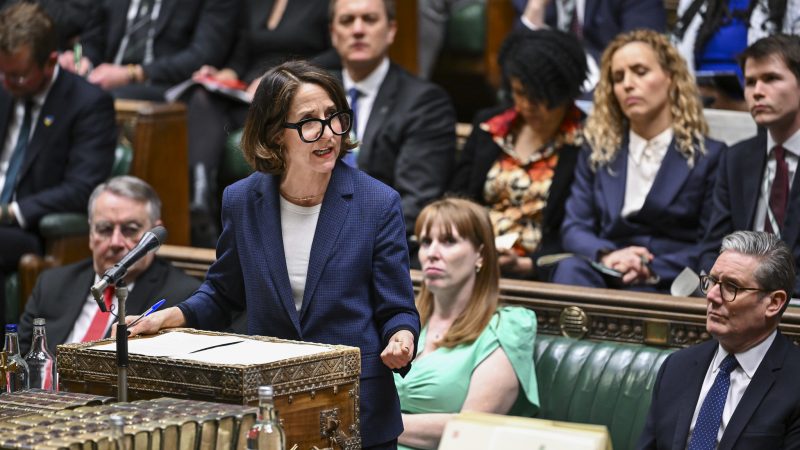

Photo: House of Commons

More than 20 Labour MPs have said publicly that they will not back the government when proposed welfare reforms are voted on in Parliament.

Last week, Work and Pensions Secretary Liz Kendall unveiled the “biggest shake up to the welfare system in a generation” in a bid to cut the country’s benefits bill by around £5bn.

However, measures to restrict eligibility for personal independence payment and cutting and freezing the health element of Universal Credit for new claimants have proved controversial among some Labour MPs.

Following the publication of an impact assessment into the reforms by the Department of Work and Pensions, at least eight Labour MPs have said they will vote against the reforms to the welfare system, with several more signalling their opposition to the plans.

Speaking on the Today Programme, Chancellor Rachel Reeves defended the government’s reforms to welfare and said: “This is about reforming the system, to get more people into work, to have fulfilling careers and have more money in their pocket.”

Several of those who have publicly said they will oppose changes to welfare are on the left of the party, including Nadia Whittome, Brian Leishman, Kim Johnson and Richard Burgon.

Others, including Stella Creasy and Steve Witherden, have posted publicly about their opposition to the changes but have not explicitly said they would vote against the proposals when they come to a vote in the Commons.

Outside of Parliament, Greater Manchester Mayor Andy Burnham has said that the government is making “the wrong choice” by restricting eligibility for disability benefit.

We are keeping a rolling list of MPs who have said they are prepared to rebel against the government over the changes to health-related benefits – if you see an MP who should be on our list, please email us at mail@labourlist.org.


Labour MPs who have said they will rebel against the government

Zarah SultanaApsana Begum and John McDonnell, who remain suspended from the Labour Party, have also said they will not vote in favour of the government’s welfare reforms.

Labour MPs who have expressed opposition to welfare reforms

UK

Why austerity is a political choice not an economic necessity

28 March, 2025
 Opinion


Chancellor Rachel Reeves’ Spring Statement is a watershed moment in British politics. A Labour government traditionally associated with the working class has unveiled welfare cuts of £4.8bn, mainly targeting the poor and disabled. It is protecting corporate profits and wealth of the ultra-rich by cutting support for the poor. More than 3m families will lose an average of around £1,720 a year in real terms in this parliament. The government claims that cuts in benefits will force the disabled people to work, assuming that there are suitable jobs. The Office for Budget Responsibility (OBR) states that individuals receiving disability benefits generally have limited capability for work and is unable to substantiate the government’s claims of any savings.

The UK already has 16m people, including 5.2m children, living in poverty. The government’s own analysis shows that as a direct result of the government’s measures the number of people living in poverty will increase by 250,000, including 50,000 children. The Joseph Rowntree Foundation estimates that 400,000 additional people are likely to be plunged into poverty. Inevitably, there will be more holes in the welfare safety net. The current government is set to be the first Labour government under which child poverty is set to increase.

The benefit cut is hurting people who already have too little. The bottom 50% of the population has 5% of wealth, and the bottom fifth has only 0.5% of wealth. The real average wage is unchanged since 2008. Work does not pay enough. Some 37% of the Universal Credit claimants are in work. The poorest are hit the hardest by taxes. The richest fifth pay 30% of gross household income in direct taxes, compared with 16% paid by the poorest fifth. The richest fifth pay 11% of their disposable income in indirect taxes compared with the poorest fifth who pay 27%. Altogether, the poorest pay a higher proportion of their income in taxes, and that is damaging society.

The causes of higher demand for welfare include lack of timely healthcare, access to family doctors and dentists; poverty, poor food and housing, insecure employment leading to insecurity and anxiety, and unchecked profiteering pushing more people to the edge of society. However, these issues receive little attention. Instead, impoverishing the old, poor, sick, disabled and children have become a feature of economic policy. The poor and disabled are being blamed for economic stagnation caused by neoliberal policies.

Progressive taxation, equitable distribution of income and wealth did not get any mention in the Chancellor’s statement. No steps have been taken to reduce billions of subsidies handed to banks, oil, gas, auto, steel, internet and other companies. A relentless squeeze of the less well-off won’t help with rejuvenation of the economy. The Office for Budget Responsibility (OBR) already expects the 2025 economic growth to fall to 1%, half the rate forecast in October 2024. Living standards are on track to fall over the next five years. The package of benefit cuts, job losses and tax rises (income tax thresholds remain frozen) will reduce incomes of the poorest half by 1.5% compared to 0.5% fall for the richest fifth. Yet the Spring Statement removes billions from the economy.

The benefit cut for the poorest and disabled was not part of Labour’s 2024 election manifesto commitment. In May 2024, Prime Minister Sir Keir Starmer declared, “I’m a socialist” and in August 2024 said that “those with the broadest shoulders should bear the heavier burden” in rejuvenating the economy. By January 2025, this morphed into he would be “ruthless” over public spending cuts to help meet the government’s self-imposed fiscal rules. The result is the biggest cut in benefits for poor and the disabled since the one imposed by the Tory Chancellor George Osborne in July 2015. It was partially curtailed by resignation of the Work and Pensions Secretary. This time, the Work and Pensions Secretary is the architect of the cuts. No Labour minister has shown any inclination to resign.

Sir Keir has turned out to be a political chameleon, an admirer of former Conservative Prime Minister Margaret Thatcher and even portrayed himself as a Conservative. He has adopted a raft of Conservative policies that hurt low/middle income families. These include continuation of the two-child benefit cap, freeze on income tax thresholds, and went further by removing the winter fuel payments from pensioners below the poverty line. The last Conservative government’s Data Protection and Digital Information Bill fell because of the May 2024 general election. It sought to give the state unprecedented powers to 24/7 snoop on the bank accounts of benefit recipients without any court order or right to appeal. The government has now resurrected the same through the Public Authorities (Fraud, Error and Recovery) Bill.

Austerity is a political choice, and not an economic necessity. The government has plenty of options for social investment and letting people live with dignity. It can cut corporate welfare and increase borrowing. It can eliminate tax anomalies favouring the rich, such as by aligning the taxation of capital gains and dividends with wages. It can introduce wealth tax. Just 685,500 Britons in the richest 1% have wealth totalling £2.8 trillion. In comparison, approximately 48m Britons (70% of the population) have a total £2.4 trillion. The richest four Britons have more wealth than 20m people combined. It can introduce a financial transactions tax and reduce the tax reliefs available to corporations. But the government does not wish to upset its corporate and rich backers.

How to curtail the latest dose of austerity and prevent the cuts pushed by the government is a pressing issue. It was people’s power which halted poll tax and bedroom tax. It was people’s power that curbed the 2016 Tory benefit cuts. Resistance was based on petitions, protests and marches in towns and villages. Trade unions, civil society and MPs were mobilised. Letters to newspapers and phone calls to talk shows were used. The same is necessary again, otherwise one-by-one the poorer parts of society will continue to be picked-off. Citizens ought to seek face-to-face meetings with MPs to show their anger. People can send emails and write letters to MPs, but may be fobbed-off with standard replies. A face-to-face engagement has a better chance of jolting MPs out of their comfort zone. A rebellion of Labour MPs is growing and must be fomented. People must come before any political dogma.

The relentless squeeze of low and middle income families is part of a deeper malaise. The political system is captured by big business and the rich. They fund political parties and hand consultancy contracts and fake jobs to too many legislators to exercise power and shape policies. The never-ending austerity and cuts in living standards are being used to transfer wealth from the less well-off to ultra wealthy. Their power needs to be curbed. A start can be made by criminalising the receipt and payment of political donations and gifts to parties and politicians. Legislators must act exclusively as legislators and that means a total ban on second and third jobs for legislators, which in most cases are bribes. This can enable people’s voices to be heard and help to build a just society.


Prem Sikka is an Emeritus Professor of Accounting at the University of Essex and the University of Sheffield, a Labour member of the House of Lords, and Contributing Editor at Left Foot Forward.

‘The chancellor can’t cut her way to growth’ – Unions react to Rachel Reeves’ spring statement

26 March, 2025 
Left Foot Forward

'As the last 14 years have shown us, you cannot cut your way to growth.'


In today’s Spring Statement, Rachel Reeves set out investments in defence, while cutting welfare spending and the costs of running government through civil service reforms.

One focus of Reeves’ budget update was raising revenue by tackling tax avoidance. The chancellor said, under this government, £7.5 billion will be raised by tackling tax avoidance.

Another was Labour’s planning reforms, including reintroducing mandatory housing targets, which the Office for Budget Responsibility (OBR) has said will lead to housebuilding reaching a 40-year high of 305,000 new homes per year by 2029/30. The government also announced an additional £2 billion investment in social and affordable housing earlier this week.

However, Reeves also announced further cuts to welfare benefits. The health element of Universal Credit will be cut by 50% for new claimants by 2029/30 before being frozen. The chancellor said this is to meet Labour’s fiscal rules: balancing the budget so day-to-day costs are covered by revenues and ensuring debt falls as a share of GDP within five years.

Reeves said Labour will also bring forward £3.25 billion of investment to “reduce the costs of running the government by 15% by the end of the decade”. Part of the funding will be for a voluntary exit scheme, to help the government cut around 10,000 civil service jobs.

Here’s how Reeves’ announcements landed with trade unions.
‘Civil servants and the public deserve better than a return to austerity’

Fran Heathcote, general secretary of the Public and Commercial Services union, criticised the chancellor’s plans, stating, “She cannot cut her way to growth.”

“She is persisting with her cuts to the civil service that will both affect our members and the members of the public who rely on the services they provide.”

She also condemned reductions to the welfare budget as “cruel cuts” that will take money away from the most vulnerable in society.

Emphasising the need for fair pay amid 3.2% inflation, she said “civil servants, and the public, deserve better than a return to austerity” and vowed that PCS will continue campaigning against the cuts.
Cuts ‘will cause misery and could cost lives’

The Fire Brigades Union general secretary, Steve Wright, said that the welfare cuts in the spring statement “will cause misery and could cost lives”.

“Working people and hard pressed claimants will face harsh poverty. The brutality of these cutbacks will put vulnerable people in an intolerable situation,” he said.

“It’s a disgrace that a Labour Chancellor would deliver an assault on the welfare state instead of taxing the wealthy to fund public services and increase workers’ pay.”
‘Those with the broadest shoulders must contribute more’

General secretary of the TUC, Paul Nowak, said: “As the last 14 years have shown us, you cannot cut your way to growth.”

He added that taxes in the UK are low compared to the size of the economy, and that “those with the broadest shoulders must continue to contribute more through a fairer tax system”.

On the government’s civil service reforms, Nowak stated: “Any approach to transforming our public services must include clear workforce plans for every part of our public sector, developed in partnership with staff and unions.”

The OBR downgraded the UK’s growth forecast for 2025/26 from 2% to 1%.

In response, Nowak said: “It is time to review both the role of the OBR and how it models the long-term impacts of public investment. Short-term changes in forecasts should not be driving long-term government decision-making.”
‘The chancellor should stop backing herself into a corner with fiscal rules’

UNISON general secretary Christina McAnea, said: “The chancellor’s been left with an unenviable task. The world has changed since the summer. […] With so little wriggle-room, the chancellor should stop backing herself into a corner with fiscal rules and borrow more to invest.”

McAnea added: “Cuts to welfare and attacks on those least able to support themselves are not the right way to deliver a thriving economy, nor good quality public services.

“The Office for Budget Responsibility doesn’t always get things right and forecasts change.”
‘Labour should target the massive concentration of wealth built up by the richest 1%’

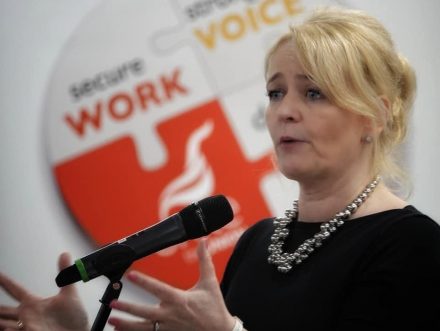
Unite’s general secretary, Sharon Graham, said: “Increased defence investment must not come at the expense of our public services and investment in British industry and our industrial infrastructure. Why is the sixth richest economy in the world pitting our safety against our dignity.”

Graham added: “There is another path. Instead of snatching crumbs from workers, pensioners and the disabled, Labour should target the massive concentration of wealth built up by the richest 1%.”

She also said that “If the government pushes down a path of austerity mark two, where yet again workers and communities pay the price, Unite will not stand by and watch it happen. We will do all in our power to fight for the future of jobs, services and our communities.’

Olivia Barber is a reporter at Left Foot Forward


Five key takeaways from Rachel Reeves’ Spring Statement

26 March, 2025


Chancellor Rachel Reeves has given her long-awaited Spring Statement to Parliament today, as she lays out her latest plans for the public finances.

1.Economy


The Chancellor confirmed that the Office for Budget Responsibility has downgraded growth forecasts for 2025 from 2% in autumn to just 1% today.

Reeves told the House: “I am not satisfied with these numbers. That is why we on this side of the house are serious about taking the action needed to grow our economy, backing the builders, not the blockers, with a third runway at Heathrow Airport … increasing investment with reforms to our pension system and a new national wealth fund.”

2.Welfare


The Chancellor confirmed deep cuts to welfare.

The reforms include stricter tests for personal independence (Pip) payments, affecting hundreds of thousands of claimants. Reeves told the Commons that her measures would ensure a predicted £4.1bn hole in the public finances within five years would be turned back into a £9.9bn surplus.

She also went further than initially planned after the OBR said that the reforms would save less than forecasted. The chancellor said the health element of universal credit would be cut by half and frozen for new claimants.

Reeves also told the House: “The Universal Credit standard allowance will increase from £92 per week in 2025-26 to £106 per week by 2029-30, while the Universal Credit Health element will be cut by 50% and then frozen for new claimants.”

3. Housing


Arguably one of Reeves’ highlights in the Spring Statement, the Chancellor told the Commons that the government’s planning reforms would lead to housebuilding reaching a 40 year high, as confirmed by the OBR.

It comes after yesterday’s announcement that the Chancellor was investing a further £2bn in grant funding to deliver up to 18,000 new homes in England and go some way to “fixing the housing crisis”.

The Chancellor told Parliament that her previously announced planning reforms, including reintroducing mandatory housing targets and developing grey belt land “will permanently increase the level of real GDP by 0.2 per cent in 29/30, an additional £6.8 billion for our economy.”

4.Living Standards

Reeves told the Commons that under this Labour government working people would have more money in their pockets.

The Chancellor said: “The OBR has confirmed today that people will be on average over £500 a year better off under this Labour government. That will mean more money in the pockets of working people.”

Following the statement, Labour MP Dan Tomlinson posted on X: “Our number one priority as a government is higher living standards.

“Compared to last year, living standards are up £500 a year.

“More to do, but this is progress – opposed every step of the way by the Conservatives.”

5.Defence

The Labour government announced that there would be an extra £2.2bn next year for the Ministry of Defence.

Reeves confirmed the government met its pledge to spend 2.5% of GDP by 2027, which comes as Trump pressures European countries to fund their own defence as the US begins to pull back from its commitments to NATO and European allies.

Basit Mahmood is editor of Left Foot Forward


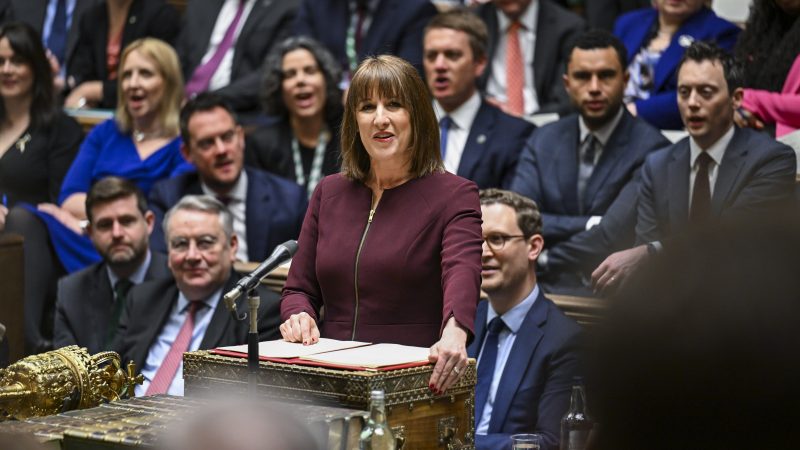
Rachel Reeves MP, Chancellor of the Exchequer. © House of Commons

The leaders of five of Labour’s affiliated trade unions have spoken out over the Spring Statement, including the three biggest unions sounding the alarm over welfare cutbacks.

Chancellor Rachel Reeves confirmed welfare reforms will go even further in seeking savings than set out last week, as the Office for Budget Responsibility did not anticipate last week’s measures would save as much as Treasury officials had hoped.

The announcement sparked a backlash from not only Unite general secretary Sharon Graham, a longstanding critic of the current government from the left, but also two leaders who have often kept their powder dry in recent years: Gary Smith of the GMB and Christine McAnea of Unison, Britain’s largest trade union.

Together they represent the three biggest Labour trade union affiliates by membership numbers. Meanwhile the Fire Brigades Union’s Steve Wright and TSSA’s Maryam Eslamdoust also spoke out today.

Even Paddy Lillis, one of the government’s staunchest backers as general secretary of Usdaw, said the shopworkers’ union would “make clear our members’ view that the welfare system should be working for ordinary people, not against them”. But he said the Spring Statement did show the government “getting on with the job of delivering much-needed growth”.

Reeves hit back when asked by journalists for her message to those who criticise fiscal rules, warning: “There’s nothing progressive and there’s nothing Labour about losing control of the public finances.”

Gary Smith, GMB: ‘Those in need didn’t crash the economy’

GMB general secretary Gary Smith.

“14 years of Conservative chaos left deep scars across our country. But, it wasn’t those most in need who crashed the economy, and they shouldn’t be first in line to pay the bill for clearing up the mess.

“Tackling huge economic problems is a historic challenge. That’s why we need proper investment in key industries – and must nationalise them if necessary.

“Workers want to see their jobs secured and new ones appearing in their communities, or they will take their votes elsewhere.”

Christina McAnea, Unison: ‘Borrow more to invest’

“This government gets the value of public services. Unlike its predecessors whose economic policies left schools, hospitals and councils in tatters. But failure to invest in essential services and staff at this critical time for the UK would be a false economy.

“The chancellor’s been left with an unenviable task. The world has changed since the summer. But extraordinary times require bold solutions. With so little wriggle-room, the chancellor should stop backing herself into a corner with fiscal rules and borrow more to invest.

“Cuts to welfare and attacks on those least able to support themselves are not the right way to deliver a thriving economy, nor good quality public services. The Office for Budget Responsibility doesn’t always get things right and forecasts change.  The government has a plan to deliver growth for working people and must stick to it.”

Sharon Graham, Unite: ‘Snatching crumbs from the disabled’

© Twitter/@UniteSharon

“Rachel Reeves is right, the world has changed but why is it always everyday people that have to pay the price? They paid the price after the 2008 crash, the Covid pandemic and are now expected to pay the price again. It is simply wrong.

“Leadership must mean we look at the long term future of Britain, not reacting piecemeal. As the world changes, solutions and policies must change. There is absolutely no point doggedly keeping to fiscal rules, while society crumbles around you. There will be no brownie points for a clean sheet on fiscal rules amid a broken economy.

“Workers and their communities won’t thank or forgive Labour for maintaining outdated financial discipline, while they face economic misery and can’t make ends meet. This is the time for vision especially if we need growth.

For more from LabourList, subscribe to our daily newsletter roundup of all things Labour – and follow us on  BlueskyWhatsAppThreadsX or Facebook .

“The government is right to invest in our defence in an uncertain global world. Increased defence investment must not come at the expense of our public services and investment in British industry and our industrial infrastructure.

“Instead of snatching crumbs from workers, pensioners and the disabled, Labour should target the massive concentration of wealth built up by the richest one per cent. A wealth tax, as well as fairer taxes on corporate profiteers and the highest earners, would deliver far more money than any cuts to benefits and public services.”

“If the government pushes down a path of austerity mach two, where yet again workers and communities pay the price, Unite will not stand by and watch it happen.”

Paddy Lillis, Usdaw: ‘We’ll be looking closely at the impact on low-paid workers’

“In extremely difficult circumstances, we are pleased that the Government is determinedly laying the foundations for growth, after 14 years of Tory stagnation. Insecure work and low pay have held our economy back, so a new deal for workers in the Employment Rights Bill and a significant increase in minimum wage rates are essential. The Police and Crime Bill will go a long way towards tackling the £4bn-a-year drain on the retail industry that shoplifting, robberies and staff assaults have.

“Many of our members working in retail rely on Universal Credit to make ends meet. The Government has initiated a wholesale review of Universal Credit and Usdaw will make clear our members’ view that the welfare system should be working for ordinary people, not against them. We will be looking closely at whether the changes announced today by the Chancellor and the outcome of that review contribute to supporting low-paid working families.

“Labour inherited a broken economy and the world has changed. Today’s Spring Statement shows that the Government is getting on with the job of delivering much-needed growth. Fairness and prosperity for workers must be at the heart of the mission.”

Steve Wright, FBU: ‘An assault on the welfare state’

“The cuts in the Chancellor’s Spring Statement will cause misery and could cost lives. Working people and hard pressed claimants will face harsh poverty.

“The brutality of these cutbacks will put vulnerable people in an intolerable situation.

“It’s a disgrace that a Labour Chancellor would deliver an assault on the welfare state instead of taxing the wealthy to fund public services and increase workers’ pay.”

Maryam Eslamdoust, TSSA: ‘We expected better’

“This was a disappointing Spring Statement for TSSA members. The government has ignored the real issues facing the people who keep this country moving. Standards of living continue to decline, wages stagnate, and unfortunately there was no recognition of the vital role transport and travel workers play in the economy.

“We desperately need significant investment in our transport infrastructure to drive economic growth in every part of the UK. Instead, we saw cruel cuts to the Personal Independence Payments that help disabled people stay in work.

“The Chancellor is right that working people need more security. But instead of addressing fears over job losses under a future Great British Railways, the Chancellor confirmed them in the public sector. A publicly owned railway should serve the public, support rail workers, and boost the wider economy. Axing jobs is a false economy that undermines that goal.

“While any sign of economic stability is welcome in uncertain times, what’s missing is a serious, long-term commitment to protecting transport jobs and improving conditions for workers on the ground. A fairer, greener transport future is still possible but only with significant investment in infrastructure and a government that values the workforce behind it.

“This is not a budget for the many TSSA members working hard every day to keep Britain moving. We expected better.”

UK

The Chancellor’s Spring Statement: first reactions


MARCH 26, 2025


250,000 more people, including 50,000 more children, will be pushed into relative poverty by Chancellor Rachel Reeves’ latest benefit cuts – and that is the Department for Work and Pensions’ own forecast.

Alongside that, tighter eligibility rules for Personal Independence Payments will lead to 150,000 people losing their carer’s allowance. The Department further estimates that disability benefit cuts will affect 3.2m current or future claimant families, with average loses of £1,720. The Chancellor confirmed today that the health element of universal credit will be cut for new claimants by 50% and then frozen. Momentum described the cut as “shameful”.

Reacting further to the Chancellor’s Spring Statement, the group said: “Balancing the books on the most vulnerable in society was not in Labour’s manifesto, nor is it what voters voted for.

“Cuts to welfare payments and public services, slashing international aid, maintaining the two-child benefit cap and taking away Winter Fuel Payments from millions of pensioners: it’s clear from this Spring Statement that the government is continuing down the path of Tory austerity. Labour MPs now must speak out and let it be clear that this is not what the labour movement stands for.”

Backbench MPs react

Former Shadow Chancellor John McDonnell MP said the cuts would mean “immense suffering”, even loss of life. Clive Lewis MP added: “We’ve made the choice to cut and punch down on some of the poorest and most vulnerable.” “There is always an alternative,” said Ian Lavery MP. “Tax the rich.”

Brian Leishman MP said that the “’tough political choice’ of cuts would be avoided if the government decided to tax multi-millionaires instead.” He plans to vote against the cuts, as does Bell Ribeiro-Addy MP, Ian Byrne MP and many other backbenchers.

Former Shadow Justice Secretary Richard Burgon MP agreed, tweeting: “Making cuts instead of taxing wealth is a political choice. And taking away PIP from so many disabled people is an especially cruel choice. The Government should not be cutting support for the disadvantaged. It should be making the wealthiest pay through a wealth tax.”

Zarah Sultana MP said: “I asked the Chancellor —who earns over £150,000, accepted £7,500 in free clothes and took freebie tickets to see Sabrina Carpenter— if Austerity 2.0 is the “change” people voted for?”

Nadia Whittome MP also asked the Chancellor how a Labour government could justify cutting disability benefits – when a third of disabled people already live in poverty – instead of taxing the soaring wealth of the super-rich.

Other responses

Even the Chancellor’s ‘sweetener’ of a £2 bn commitment to affordable housing is not what it appears. One analyst pointed out that the Spring Statement confirms “the £2bn figure is for 2026-27, lower than the average for the previous five years. It’s a ‘downpayment’ on more housebuilding. If there isn’t much more in the Spending Review this would amount to an effective cut.”

In other reactions to the Chancellor’s Statement, Labour’s former policy chief Andrew Fisher pointed out that the  Office for Budget Responsibility was “scathing” in the way Reeves’ welfare cuts had been handled. It said: “Details of the policy package were sent to us very late in the process, and late notice of changes and incomplete analysis hampered our ability to reflect these measures in our forecasts.”

Andrew Fisher also noted that the government was halving its growth rate forecast, while presiding over a real household disposable income growth rate of just 0.5%, according to OBR estimates.

It might be even lower. Former Labour Chief OF Staff Simon Fletcher pointed out that “alternative analysis from the Joseph Rowntree Foundation based on the OBR’s forecasts showed average disposable incomes actually set to fall across the Parliament. Updated analysis from the JRF this weekend concluded that the average family will be £1,400 worse off by 2030, representing a 3% fall in their disposable incomes. The lowest income families would be £900 a year worse off, amounting to a 6% fall in the amount they have to spend.”

He concluded: “Labour is unleashing a massive cuts programme, along with inadequate investment in the economy, and tightening living standards, whilst finding extra resources for military expenditure. The Starmer-Reeves economic project is grim for living standards, economic prospects, public services and recipients of welfare, and should be opposed.”

Other responses to the Statement also expressed outrage. Former Labour leader Jeremy Corbyn MP accused Labour of going “even further than the Tories ever dared” and of “robbing disabled people of security and dignity”, adding that they are being “dehumanised by a heartless government, one broken pledge at a time.”

Pensioners “shocked and appalled”

Charities acted with “fury and dismay” to the cuts, the BBC reported. Citizen’s Advice accused the government of taking a wrecking ball to the economy. War on Want said: “Rather than committing to investment in clean energy, housing, schools, nature restoration, culture — things that would meaningfully improve our lives – the UK government squandered this opportunity.”

The National Pensioners Convention said it was “shocked and appalled at the scale of the austerity measures in today’s government spending review which will undoubtedly see an increase in poverty across the generations. Chancellor Rachel Reeves’s Spring Statement announced even more brutal cuts to welfare and other public spending than anticipated, which will badly impact the most vulnerable in our society.”

NPC General Secretary Jan Shortt said: “Unpaid family carers looking after our oldest and most vulnerable save this government and country hundreds of billions each year. Now they may lose their care allowance because they are looking after someone who no longer receives part of their PIP payments. We remind the government that these caring people save you between £162 and £193 billion a year. Without them, those with care needs would be forgotten and forsaken.”

Jan added: “The cut in the Universal Credit health element will also mean that those who lose out will face financial difficulties and growing health problems in the future.

All household bills will increase next month which makes survival for those on limited income increasingly difficult.  The 4.1% increase in the state pension is already devalued and by the time it is paid it will be in deficit. Policies that increase poverty and ill health are shameful. Yet, the rich continue to grow their wealth unabated while ordinary people are hit hard.”

Women’s Budget Group

Dr Mary-Ann Stephenson, Director of the Women’s Budget Group, also had sharp words for the Chancellor, pointing out that the government’s own impact assessments showed that the largest group affected by the changes will be single women, making up 44% of those losing out, at an average of £1,610 a year.

She suggested an alternative to Reeves; swingeing cuts: “taxation of the very wealthiest people in the country, redistributing resources in a time when wealth inequality is growing. We would also urge the Chancellor to reconsider her fiscal rules to recognise the value of investing in social infrastructure, including social security and public services. Ill and Disabled people have already borne the brunt of austerity; they should not pay the price of arbitrary spending rules and unreliable forecasts.”

Wealth inequality is widening. The wealthiest 10% of households hold around half of all wealth in Great Britain and the UK has the second-highest wealth disparity in the OECD.

The cuts announced today, argue the Women’s Budget Group, could have been avoided with a 2% wealth tax on assets over £10 million, which Tax Justice UK and the Patriotic Millionaires estimate could raise up to £24 billion a year. Moreover, polling by YouGov for Oxfam shows that 77 per cent of the public would rather the government increase taxes on the very richest to improve public finances than see cuts to public spending.

Over 40 women’s organisations from across the UK signed an open letter yesterday urging the Chancellor to reconsider her cuts because of the impact on Disabled people and the people who care for them, the majority of whom are women.

Simon Francis, coordinator of the End Fuel Poverty Coalition, called the Chancellor’s package a “Spring Stalemate,” adding, “If Rachel Reeves wants to secure Britain’s future, the first step must be to ensure our energy security and invest in solutions to the energy bills crisis. “This means that the government must commit in full to a £13.2bn Warm Homes Plan to ensure people stay warm every winter and back British renewables with reform of energy markets to bring down the cost of electricity.

“Given that energy bills continue to rise and the number of people living in cold damp homes remains high, the Chancellor also needs to provide help to those struggling in fuel poverty now, not continue with cuts in vital support to older and disabled people.”

Image: Rachel Reeves. Source: https://api20170418155059.azure-api.net/photo/GzViho86.jpeg?crop=MCU_3:4&quality=80&download=trueGallery: https://beta.parliament.uk/media/GzViho86. Author: https://en.wikipedia.org/wiki/Chris_McAndrewlicensed under the Creative Commons Attribution 3.0 Unported license.